REVIEW · URUBAMBA
Excursion to sacred valley from Cusco with buffet lunch
Book on GetYourGuide →Operated by Chullos Travel Peru · Bookable on GetYourGuide
A Sacred Valley day can feel like a sprint. What makes this one work is the built-in structure: a guided stop at Pisac, a buffet lunch in Urubamba, and then more major Inca sites at Ollantaytambo and Chinchero. The one thing to watch is that the day is long, and the pacing can feel rushed if your guide also has to manage extra stops along the way.
I especially like the focus on key archaeological complexes, not just photos from a bus window. You get a guided look at the terrain and layout at Pisac (platforms, aqueducts, waterways, bridges), then you see how the Inca used Ollantaytambo as a control point for different ecological zones. Still, if you’re the kind of traveler who wants lots of story-by-story interpretation, you may want to ask questions because some days emphasize quick explanations over deep guided wandering.
In This Review
- Key Takeaways Before You Go
- A 10-Hour Sacred Valley Circuit That Packs Big Names
- Cusco Pick-Up Timing: Why Being Ready Matters
- Pisac Archaeological Center: Terraces, Waterways, and a Guided Read
- What you can look for at Pisac
- The possible catch
- Urubamba Buffet Lunch: A Needed Reset
- Lunch tip for comfort
- Driving Through the Sacred Valley: Expect Some Rough Edges
- Ollantaytambo: The Temple of the Sun and a Strategic Site
- What makes Ollantaytambo rewarding
- A note on pacing
- Chinchero Town and the Textile Interpretation Centers
- How to get more out of Chinchero
- Guide Style and Group Size: Small Group, Big Variation
- Tickets and the Real Price of Admission
- What to Bring (Because the Valley Is Not a Museum)
- When This Day Trip Feels Great (and When It Doesn’t)
- Who Should Book This Sacred Valley Tour
- Should You Book It? My Decision Guide
- FAQ
- Is pickup from my Cusco hotel included?
- What is the total duration of the tour?
- Which sites are visited during the day?
- Is lunch included, and what kind of lunch is it?
- Are entrance tickets included in the price?
- What language is the guide?
Key Takeaways Before You Go
- Pisac with real guided context: Expect stops that explain how the site’s water, roads, and terraces functioned.
- Ollantaytambo’s Temple of the Sun: One of the most recognizable Inca landmarks in the area, tied to administration and movement.
- Buffet lunch in Urubamba: A practical break before the afternoon ruins when you’ll likely be hungry from the long drive.
- Chinchero adds culture, not just stones: Archaeological remains plus textile interpretation centers in the town.
- Small group (up to 15): More manageable than the huge buses, especially when parking and timing get tight.
- Plan for a tiring day: Rough roads, heavy traffic, and a 10-hour schedule can wear you down.
A 10-Hour Sacred Valley Circuit That Packs Big Names
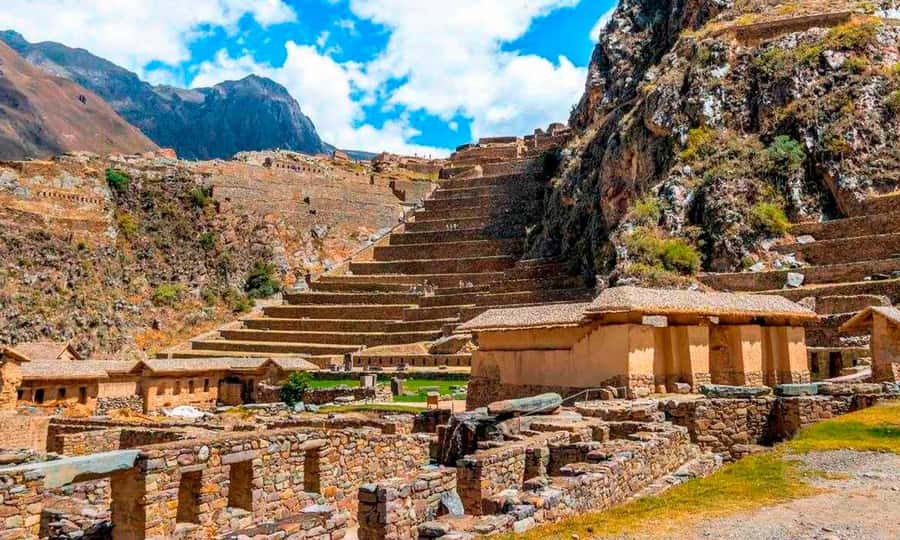
This is a classic Sacred Valley day trip: pick-up from your Cusco hotel area in the morning, several archaeological stops across the valley, a sit-down buffet lunch, and a return to Cusco late afternoon or early evening. The total time on the ground is around 10 hours, and the schedule is built around hitting major sites: Pisac, Ollantaytambo, and Chinchero.
What I like about this format is that it gives you a “greatest hits” route without forcing you to drive yourself in Peru’s mountain traffic. It also helps you compare how different Inca sites relate to the landscape. Even if you’re not an archaeology nerd, you’ll notice patterns: engineering where water matters, control points where routes meet, and cultural production where traditions are still practiced.
The drawback is also baked in: it’s a full day, with long transit time and a lot of walking around uneven ground. One other thing to be aware of: the quality of the day can depend on how the guide manages time, including whether extra shopping-style stops appear during the ride.
You can also read our reviews of more tours and experiences in Urubamba

Cusco Pick-Up Timing: Why Being Ready Matters
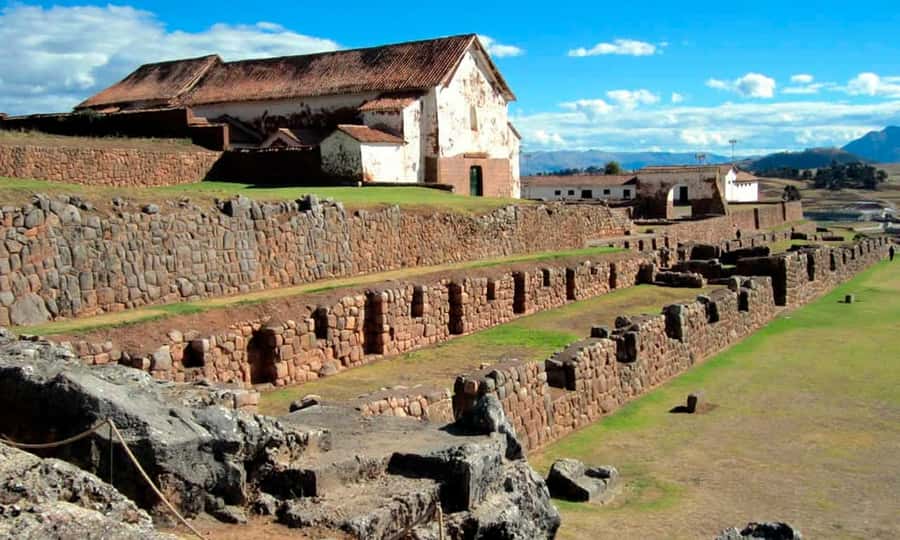
You’ll be collected from your hotel in the historical center of Cusco, roughly 7:00 a.m. to 8:00 a.m., with the exact pickup time communicated by the guide about 15 minutes before. The instruction is simple: be ready in the lobby and wait about 10 minutes when the guide arrives.
This matters more than you’d think. Cusco mornings move fast—if you’re late, the schedule doesn’t slow down for you. Also, Sacred Valley roads can be bumpy and traffic can be heavy, so you’ll want to start the day relaxed, with water and sunscreen already in your bag.
If you’re altitude-sensitive, go into the day with a plan: bring what you need for comfort and hydration, and pace yourself during stops.
Pisac Archaeological Center: Terraces, Waterways, and a Guided Read
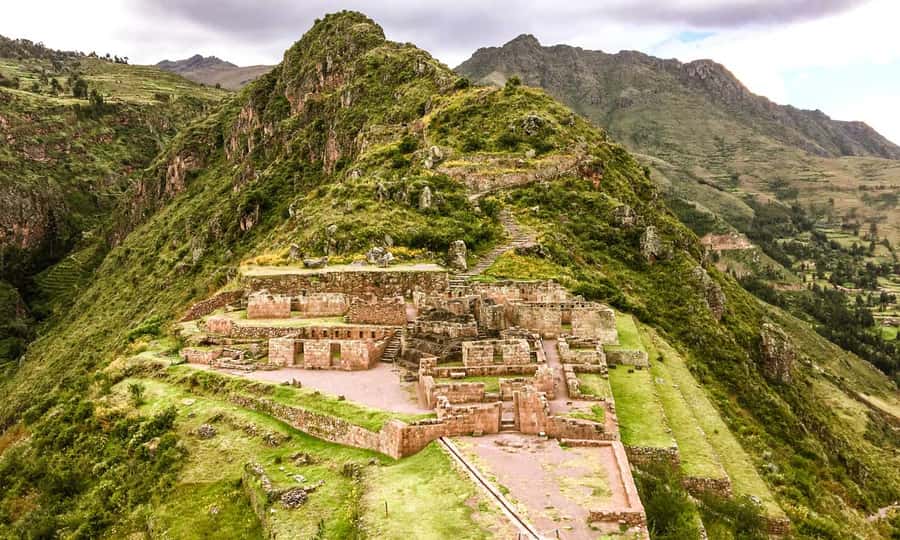
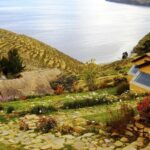
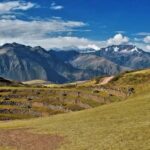
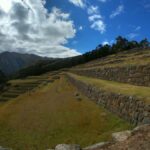
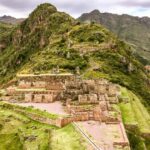
Pisac is where the tour starts doing its job. You’ll have a guided tour at the archaeological center, and the explanation isn’t just a quick “look at the stones” moment. It’s framed around how the site is organized into functional groupings—platforms, aqueducts, roads linked to walls and gates, and channeled waterways.
This is one of the best parts of the trip for travelers who like to understand what they’re seeing. When the guide points out the water system and how it connects to the structures, you start seeing Pisac less as a ruin and more as a working settlement engineered for survival.
What you can look for at Pisac
- Water channels and the logic of irrigation
- Walls, gates, and how movement routes through the complex
- Platform groupings that suggest different roles or areas of daily life
- Bridges and pathways that show planned navigation across the terrain
The possible catch
Even though you get guidance at Pisac, the day can still feel time-pressured overall. If you’re hoping for long, slow soaking-in, keep in mind that the schedule moves you on to the next stop. If you’re the type who wants deeper interpretation, it’s smart to ask your guide a couple of questions early—especially about water systems and why the layout looks the way it does.
You can also read our reviews of more tours and experiences in Urubamba
Urubamba Buffet Lunch: A Needed Reset
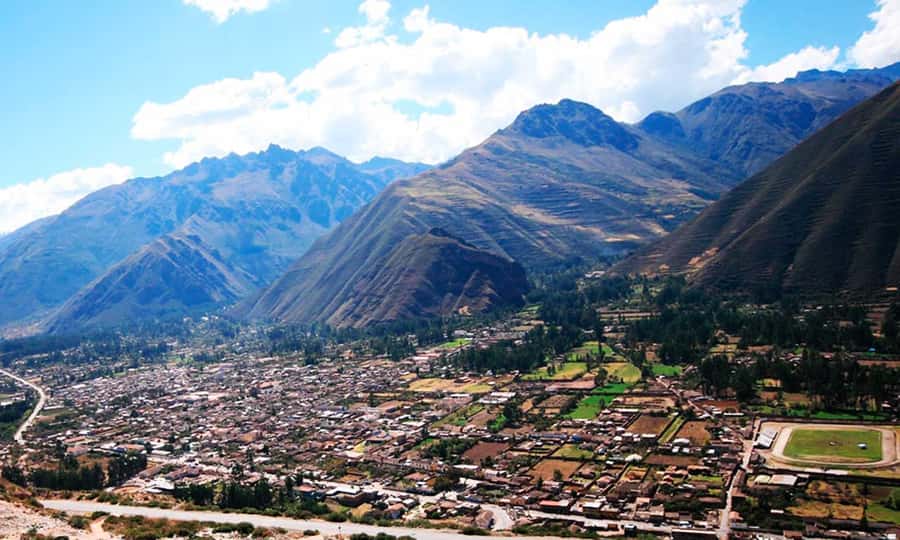
After Pisac, the itinerary continues toward Urubamba, where you’ll stop for a buffet lunch. This is included in the price, and for a day with lots of walking and driving, a full meal break is a genuine value.
I consider the lunch more than a perk. It’s your buffer against the day feeling like one long dash. When the road is rough and the traffic can be slow, having time to sit and eat matters. You’ll also burn energy at the ruins, and you don’t want to ration snacks while you wait for the next sight.
Lunch tip for comfort
Bring cash or a small snack plan for later, even though lunch is included. Some tours slip in extra stops, and those can stretch the day. If that happens, a quick top-up keeps you from getting cranky at the wrong moment.
Driving Through the Sacred Valley: Expect Some Rough Edges
Between the major sights, you’ll spend time in the vehicle traveling through the Sacred Valley corridor toward Ollantaytambo and then onward to Chinchero. This is part of the experience—because you’re moving through the geography that shaped where the Incas built—but it can be uncomfortable.
One review flagged the roads as extremely bumpy and mentioned heavy traffic. Even without that exact intensity, you should assume the drive won’t be smooth like a highway cruise. If you’re prone to motion sickness, plan for that. If you’re sensitive to long sitting, wear comfortable layers and bring water within reach.
Ollantaytambo: The Temple of the Sun and a Strategic Site
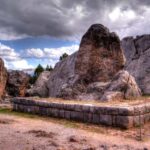
Ollantaytambo is the next big win. You’ll visit the archaeological center and focus on its most important sites—especially the Temple of the Sun.
This stop isn’t framed as a single monument. It’s explained as part of a complex that worked on multiple levels in Inca times: administrative, military, social, and economic functions, plus a control point for passage between ecological levels. In plain terms: Ollantaytambo wasn’t random. It was a place where routes, resources, and people met.
What makes Ollantaytambo rewarding
- You see a major Inca complex tied to movement and control
- The site reads like an operational center, not just an impressive view
- The Temple of the Sun gives you a concrete landmark to anchor your understanding
A note on pacing
Just like with Pisac, the guide may give a shorter description at each stop and then direct you to explore. That can work if you’re comfortable walking and absorbing on your own. If you prefer an ongoing narrative, be proactive: ask for one or two clarifying points before you split off.
Chinchero Town and the Textile Interpretation Centers
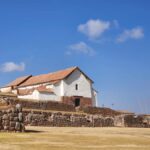
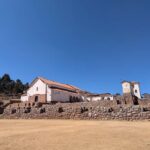
The day ends with Chinchero, with two parts to your visit: the archaeological area and the textile interpretation centers in town.
This is a smart balance to have after the big stone sites. It connects the archaeological story to something people still do—making textiles and preserving the cultural knowledge tied to them. Even if you’re not shopping, the interpretation centers can help you understand why textiles matter so much in Andean life.
How to get more out of Chinchero
- Plan to slow down here. Town time is less about rushing through ruins and more about learning how culture continues.
- If you’re interested in textiles, treat this as your “ask questions” stop: how materials and methods work is usually the most practical takeaway.
Guide Style and Group Size: Small Group, Big Variation
The tour runs as a small group limited to 15 participants and includes a bilingual guide (English and Spanish). In theory, that should mean easier navigation, more attention, and less time lost to crowd management.
In practice, the day can still feel uneven depending on how the guide handles explanations at each site. One review described short descriptions and then free exploration without much additional guidance. Another mentioned issues with expectations around an English tour when there was only one English speaker in the group.
So here’s my practical advice: if you care a lot about interpretive storytelling, don’t assume it will automatically happen. Ask for clarification early, and don’t be shy about requesting that key points be explained clearly before you move on.
Tickets and the Real Price of Admission
The tour price is listed at $26 per person, but archaeological entrance fees are not included. You’ll need to pay a tourist ticket:
- Foreign tourist: 130 soles
- Peruvian national: 70 soles
This matters for value. The tour itself looks affordable for a full-day route with pickup and transport, but your final cost will depend on those entrance fees. Still, even with tickets added, the itinerary hits the main Sacred Valley stops many people want in one day.
If you’re traveling with a group, compare total costs with other tours that include entrances. The big difference is rarely the price of the tour—it’s whether the admission is packaged or paid separately when you arrive.
What to Bring (Because the Valley Is Not a Museum)
This is a full-day outdoors plan. The essentials on your packing list are clear:
- Passport or ID card
- Comfortable shoes (you’ll walk uneven surfaces)
- Sunglasses, hat, and sunscreen
- Water
- Cash
Also, coca tea is mentioned as a way to help prevent altitude sickness if you drink it before the tour. I’d treat that as part of your routine for Cusco and the surrounding heights. Bring your own comfort items too, since everyone reacts differently to altitude.
You should also know what’s not allowed: alcohol and drugs. Keep the day clean and practical, and you’ll feel better for the later ruins.
When This Day Trip Feels Great (and When It Doesn’t)
If you love a structured “highlights” day, you’ll likely enjoy this. You’ll get guided time at Pisac, a proper break with lunch in Urubamba, and major archaeological payoffs at Ollantaytambo and Chinchero.
But this tour may not be ideal if you want:
- lots of time at each site for slow, independent reading
- deep expert-style interpretation at every stop
- a totally shopping-free day
One review complained about several quick sales stops (a silver store, a roadside market, and an alpaca store) and said the group left the stops feeling rushed. That doesn’t mean it will happen to every departure, but it’s a realistic possibility with routes like this. If you prefer ruins-first, ruins-only, keep your expectations firm and ask what’s included in your specific day.
Road and timing can also affect how enjoyable the day feels. If the drive is rough and traffic heavy, your energy for the afternoon ruins drops fast. You can reduce the damage with good shoes, hydration, and a calm mindset.
Who Should Book This Sacred Valley Tour
This works best for:
- first-time visitors to the Sacred Valley who want the big three stops in one day
- travelers who appreciate a mix of archaeology and living culture (stones plus textiles)
- people who prefer a guided structure but can still enjoy independent exploring after the guide explains key points
It’s not a great fit for:
- travelers who hate long days or are sensitive to bumpy roads
- anyone who wants a fully customized private pacing
- pregnant women (the tour is listed as not suitable)
Should You Book It? My Decision Guide
Book it if your goal is a well-known Sacred Valley route with hotel pickup, guided stops at major sites, and a real buffet lunch included. The small group size helps, and the itinerary balances stone ruins with Chinchero’s cultural and textile-focused component.
Skip or look for alternatives if you know you’re sensitive to:
- feeling rushed
- minimal guidance at each sight
- extra retail-style stops along the way
- long transit discomfort
If you do book, do it with a smart plan: bring water, wear sturdy shoes, and come ready to walk. Ask your guide a question early about the specific functions of Pisac and the control-point role of Ollantaytambo. That’s where the day becomes more than sightseeing.
FAQ
Is pickup from my Cusco hotel included?
Yes. Pickup is included from the hotel lobby in the historical center of Cusco. The guide will write or call you about 15 minutes before pickup, and you should wait about 10 minutes.
What is the total duration of the tour?
The tour lasts about 10 hours.
Which sites are visited during the day?
You’ll visit Pisac, Ollantaytambo (including the Temple of the Sun and main sites of the complex), and Chinchero (archaeological area plus textile interpretation centers).
Is lunch included, and what kind of lunch is it?
Yes. You’ll have a buffet lunch in the Urubamba area.
Are entrance tickets included in the price?
No. Entrance fees are not included. The tourist ticket is 130 soles for foreign tourists and 70 soles for national tourists.
What language is the guide?
The guide provides a live tour in English and Spanish.