REVIEW · OLLANTAYTAMBO
Cusco: Sacred Valley + Maras and Moray
Book on GetYourGuide →Operated by Zarate Adventours · Bookable on GetYourGuide
One day, four big Sacred Valley moments. This tour strings together Maras salt mines and the Moray terraces with classic Cusco-region stops like Chinchero, then caps it off with a long, satisfying day that includes an Andean buffet lunch.
I especially like the way the schedule covers multiple site types, from Inca-style terraces to salt production places that have been working for ages. I also like that you get a real break with a buffet lunch in Urubamba instead of only snack stops.
The main drawback is simple: it’s a long day, and the time at each place can feel tight if you want to linger and read every stone. Add the quick craft-market and silver-store stops, and you might feel nudged toward buying.
In This Review
- Key highlights in plain terms
- Cusco to the Sacred Valley in one packed, practical day
- Chinchero: textiles, ruins, and a colonial temple stop
- Moray terraces: why circular farming still feels smart
- Salineras de Maras salt mines: working history you can walk into
- Urubamba buffet lunch: a real break, even on a busy route
- Ollantaytambo: ruins with a strong sense of place
- Pisac: finishing with a bigger view of Andean life
- Price and value: what $35 really covers (and what it doesn’t)
- Group size, guides, and the feel of the day
- Who should book this Sacred Valley day trip
- Should you book Cusco: Sacred Valley + Maras and Moray?
- FAQ
- What is the duration of this tour?
- What time do you get picked up in Cusco?
- Where does pickup happen?
- Which stops are included during the day?
- Is lunch included?
- Are entrance fees included in the tour price?
- How many people are in the group?
- What languages are spoken by the guide?
- Is there free cancellation?
Key highlights in plain terms
- A 6:30 am pickup from the Cusco Historic Center gets you out early and back around 7:00 pm.
- Chinchero combines textiles, an archaeological area, and a colonial temple in one stop.
- Moray’s circular terraces show off an agricultural idea you can actually picture.
- Salineras de Maras lets you see working salt mines with roots reaching Pre-Inca and Inca times.
- Urubamba buffet lunch is included and gives you a proper midday pause.
- Ollantaytambo + Pisac finish the day with well-preserved archaeological centers.
Cusco to the Sacred Valley in one packed, practical day
This is a classic “see a lot without renting a car” day in the Cusco region. You start in Cusco’s Historic Center with pickup at 6:30 am, then spend the day moving between the Sacred Valley’s most famous stops: Chinchero, Moray, Maras, Urubamba, Ollantaytambo, and Pisac. You’ll be back in Cusco at about 7:00 pm.
What makes it work for many people is the variety. You’re not only looking at ruins. You’re also seeing how people farmed and produced goods, in places that still show the original logic in the terrain. It’s also built for comfort: transportation and a professional guide are included, and lunch is included too.
The tradeoff is time pressure. When a tour adds six major stops, you should expect a fast pace. It can still be worth it, especially if it’s your only full day in the Cusco area—but plan your expectations around a day that’s more “great overview” than “slow museum visit.”
You can also read our reviews of more tours and experiences in Ollantaytambo.

Chinchero: textiles, ruins, and a colonial temple stop
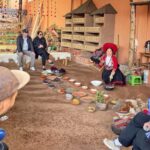
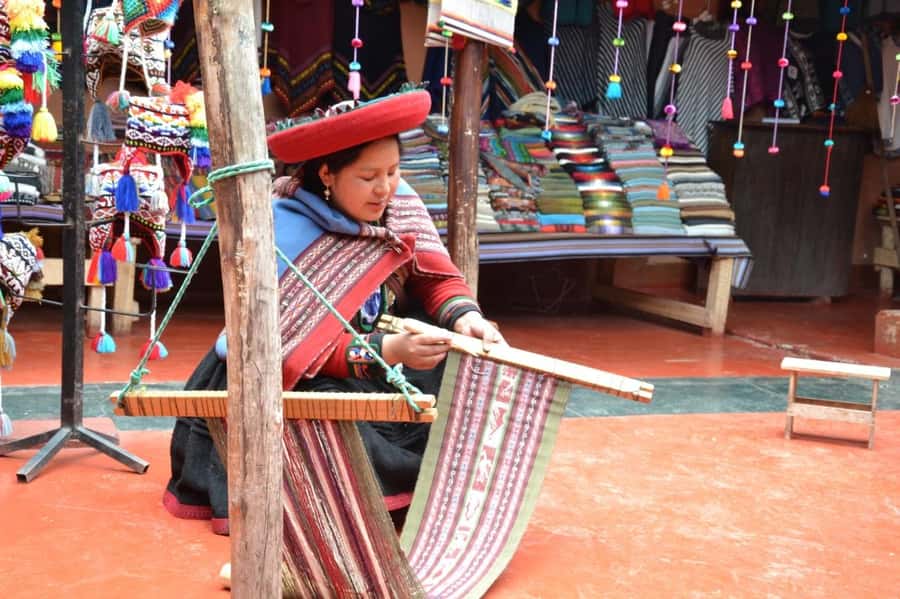
Chinchero is usually the first major culture hit, and this itinerary treats it like more than a photo stop. You’ll visit a textile centre of interpretation, then also see the archaeological area and a colonial temple.
Why this stop is valuable: it connects two things people often separate in their heads—everyday craft and sacred space. Textiles in this region aren’t just souvenirs. They’re tied to local knowledge, materials, and patterns that carry meaning across generations. Even if you don’t buy anything, you’ll get a clearer sense of what you’re looking at later in the day when you see textiles reflected in Andean design everywhere.
One practical thing to note: this kind of stop can run a little quickly because it’s both interpretive and shopping-adjacent. If you’re sensitive to sales pressure, keep your plan simple: browse, ask questions, and decide with a calm head instead of tour momentum.
Moray terraces: why circular farming still feels smart
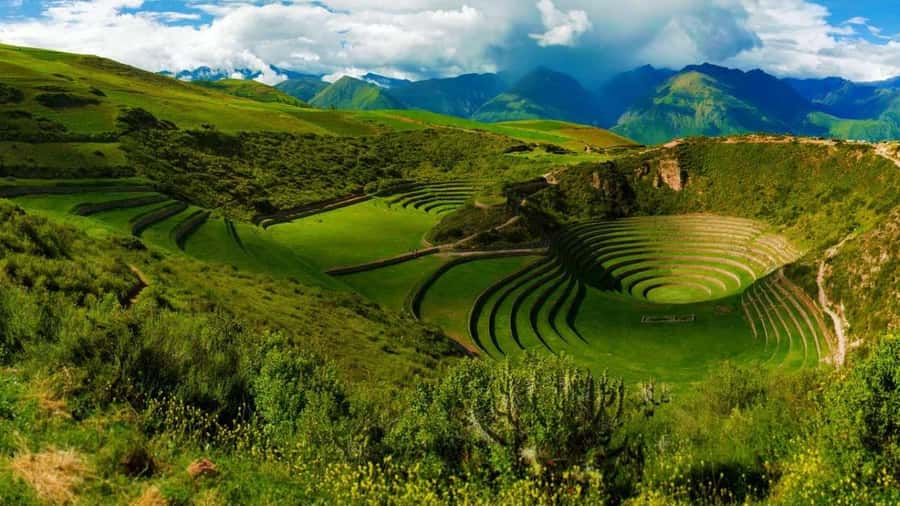
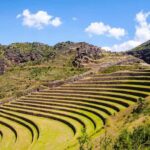
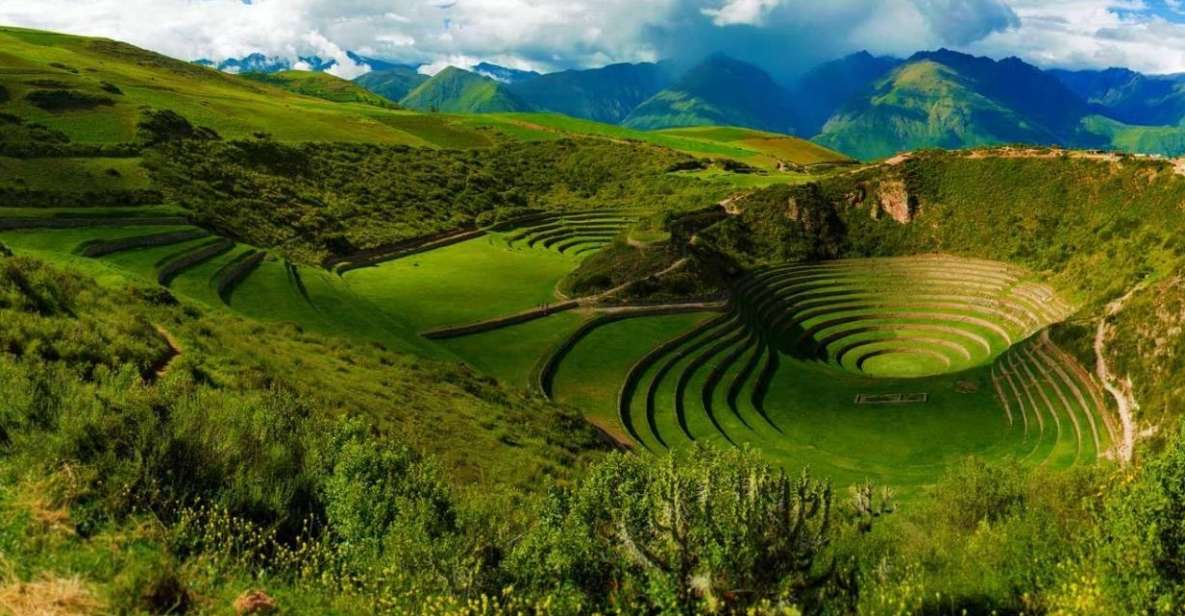
Moray is one of those places that turns into a learning moment without feeling like homework. You’ll visit the agricultural laboratory of Moray terraces, known for its circular layout.
The big appeal here is visual. Standing among terraces that follow a design rather than random steps makes it easier to grasp how people experimented with growing conditions. You’re not just looking at stonework; you’re looking at an idea engineered into the land.
Possible drawback: because this is a “must-see” on so many itineraries, you might end up with less time than you want if you like to slow down. If your style is long pauses and lots of photos, you may want to mentally commit to enjoying the highlights first, then saving extra exploration for another day.
Salineras de Maras salt mines: working history you can walk into
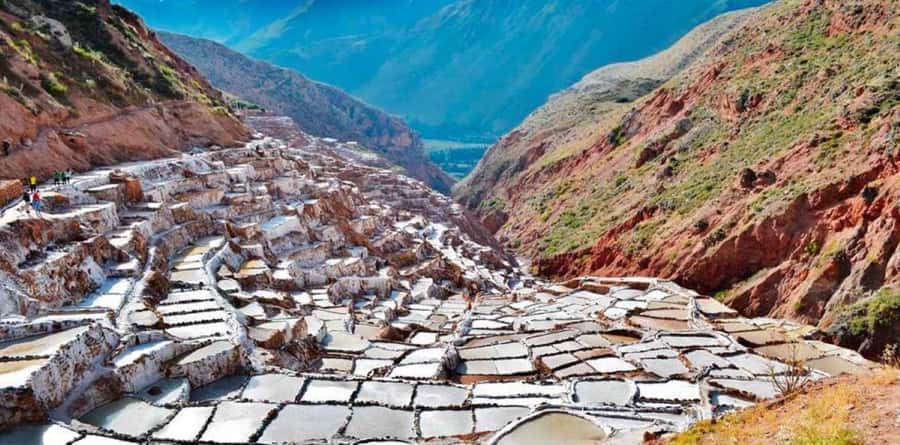
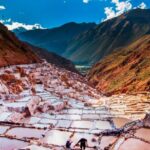
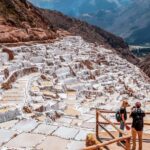
Then comes the headliner for many people: Salineras de Maras, the salt mines. This tour visits the mines that have been exploited since Pre-Inca and Inca times.
What I like about Maras is that it feels like a living place, not a frozen set. Salt production is visible in the way the mines are arranged and in how water contributes to the process. It’s also naturally photogenic, because the terraces of salt create a grid-like pattern that looks different as the light changes.
Here’s the practical catch: entrance fees are not included. You should budget for an extra Maras entrance fee of about 5 USD, on top of the broader ticket costs mentioned later. If you’re doing this tour as a budget traveler, build those costs in before you book.
Urubamba buffet lunch: a real break, even on a busy route
After Moray and Maras, the itinerary shifts into recovery mode with a visit to Urubamba, where you’ll enjoy a delicious Andean buffet lunch. Lunch is included, which matters because it prevents that annoying moment where you’re hunting for food while everyone else is already eating.
What makes this pause worthwhile is timing. By the time you reach Urubamba, you’ve already done the “early and intense” part of the day. A buffet is also a practical format here because you can choose what feels easiest to digest and you can eat at your pace.
That said, balance it honestly: one past participant had a bad experience with food that led to sickness after the lunch stop. That’s not something I’d expect every day, and it could come down to individual sensitivity or food handling, but it’s fair to flag if you’re prone to stomach issues. I’d personally stick to items that look freshly served, hydrate steadily, and avoid experimenting with risky choices when your schedule is already tight.

Ollantaytambo: ruins with a strong sense of place
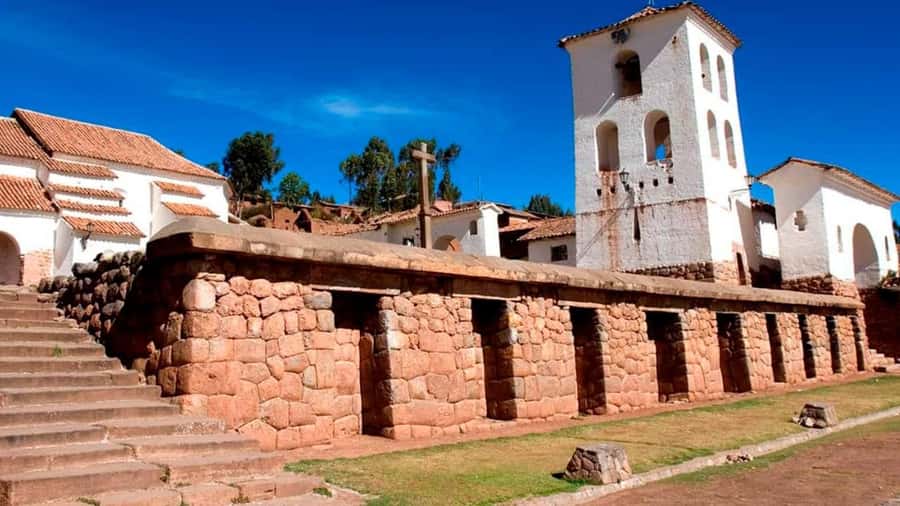
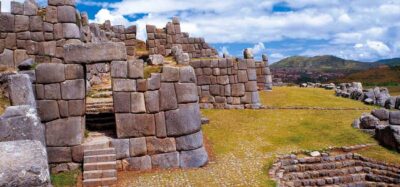
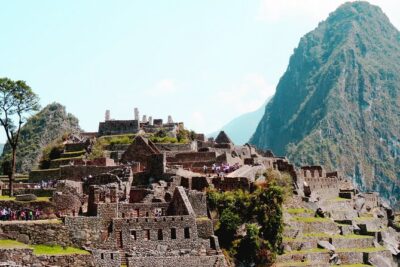
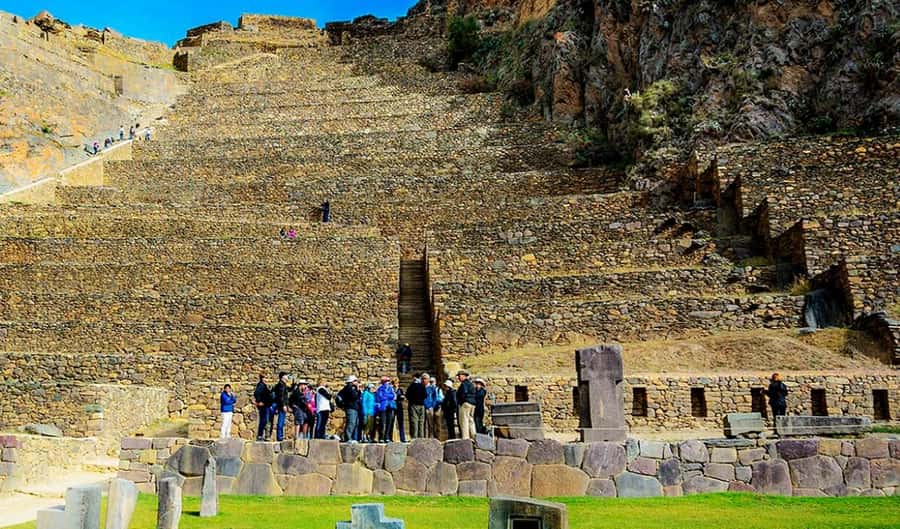
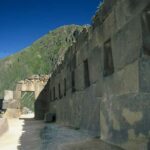
Once lunch is done, you head to Ollantaytambo, visiting its archaeological centre. This is a stop that many people remember because it feels grounded. You can sense why this area mattered, not just because of walls and steps, but because it sits in a place that still makes you think about movement and control.
The tour keeps things moving, so don’t expect a long wandering session with an in-depth read of every corner. Still, if your goal is to leave with a solid impression of the Sacred Valley’s most famous archaeological centers, Ollantaytambo delivers.
One more plus: the tour notes that the archaeological centers are well preserved, and that matches what you’ll notice on site—clearer lines, fewer “mystery rubble” moments, and a better sense of original structure.
Pisac: finishing with a bigger view of Andean life
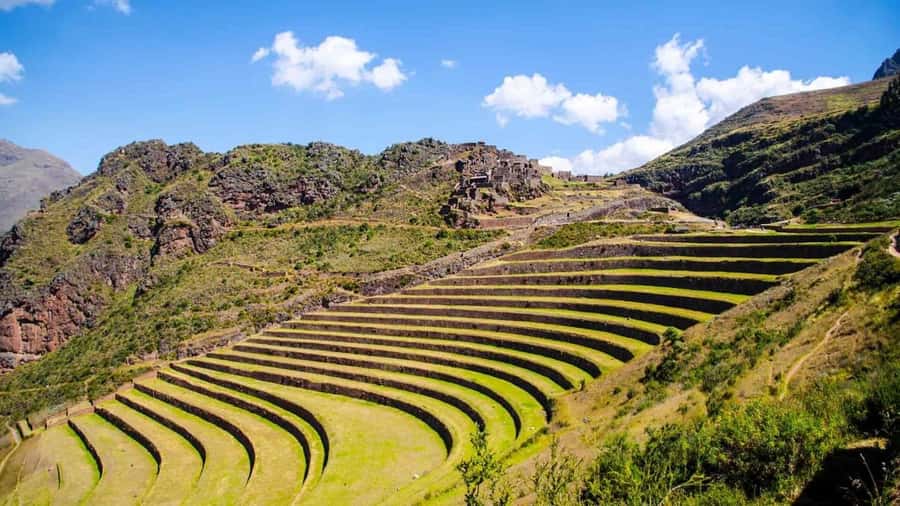
The last stop is Pisac, another archaeological centre packed with Andean-era context. Pisac is often a satisfying finale because it gives you a sense of the broader setting and the way communities used the terrain.
Like Ollantaytambo, this is more than a quick picture point. It’s a place where you can connect what you learned earlier in the day. Terraces, production, and community planning show up again, just translated into architecture and settlement patterns.
Again, time is the tradeoff. If you love to spend extra time at archaeological sites, you’ll likely want more hours than a one-day circuit provides. But if you want a solid end-to-end overview, Pisac is a strong finish before you head back to Cusco.
Price and value: what $35 really covers (and what it doesn’t)
The listed price is 35 USD per person, and the included side is clear: hotel pickup (near or inside the Historic Center), tourist transportation, a buffet lunch, and a professional guide.
To judge value, you have to add what’s excluded. The tour notes a partial tourist ticket of about 20 USD and also mentions Maras entrance around 5 USD. So your real budget is the tour price plus those ticket costs.
Here’s the value logic: at this price point, you’re paying for a full route, guide expertise, and transportation—plus lunch—without having to coordinate separate tickets or a self-guided day that would be harder to pull off. If you have a tight schedule and want the best chance of seeing the big hitters, it can be a good deal.
If you’d rather move at your own pace, spread sites across multiple days, or you already plan to travel independently and handle tickets yourself, the extra costs can make a self-guided plan competitive. But for a one-day window in Cusco, this is structured to deliver.
Group size, guides, and the feel of the day
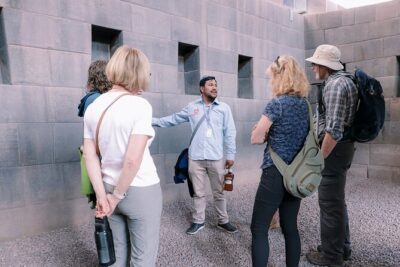
This is a small group, limited to 15 participants, and it runs with a live guide in English and Spanish. That size matters. It tends to keep instructions clear and helps with navigation during a packed day.
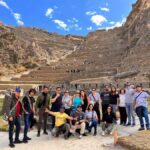
On the guide side, one thing that stood out is how well some guides explain what you’re seeing and keep the group moving. In particular, one guide named Sandro was described as top-tier: friendly, attentive, and clear with explanations. If you get a guide like that, you’ll likely get more from Moray and the salt mines than just “look at this, then go.”
Communication also seems solid from start to finish. And because pickup is from a specific area of Cusco, it helps to have your contact details ready—this tour asks you to provide your WhatsApp contact number with your country code. That’s not busywork; it’s how you confirm your pickup details smoothly.
Who should book this Sacred Valley day trip
Book it if:
- You want a one-day overview of Sacred Valley big names: Chinchero, Moray, Maras, Ollantaytambo, and Pisac.
- You like guided context and want transportation handled end to end.
- You prefer a small group rather than a huge bus.
Consider skipping or adjusting plans if:
- You hate the idea of rushing. This day can feel long, and time at each stop won’t be unlimited.
- You’re sensitive to shopping pressure. The day includes a textiles/crafts-style component and a silver-store stop, and some people feel a sales push there.
- You know you’re prone to stomach issues. The lunch is included, but one person reported food poisoning after the lunch stop, so keep your comfort level in mind.
Should you book Cusco: Sacred Valley + Maras and Moray?
I’d recommend this tour if your main goal is to hit the highlights efficiently in one full day and you’re comfortable with a tight schedule between multiple major sites. The salt mines and Moray terraces are standout experiences, and the included buffet lunch helps the day feel complete rather than rushed snack-and-go.
But book it with eyes open. If you want slow, detailed exploration at each archaeological centre, you may feel squeezed. Also, factor in the entrance fees beyond the base 35 USD so you don’t get surprised when you’re paying for admission.
If you’re planning your first trip to the Cusco region and you want maximum return for a limited time window, this is a strong way to do it.
FAQ
What is the duration of this tour?
It runs for 1 day.
What time do you get picked up in Cusco?
Pickup is scheduled for 6:30 am from the Cusco Historic Center.
Where does pickup happen?
Pickup is from a location near or inside the Historic Center.
Which stops are included during the day?
You’ll visit Chinchero, Moray, Salineras de Maras (salt mines), Urubamba for lunch, Ollantaytambo, and Pisac.
Is lunch included?
Yes. A buffet lunch is included in Urubamba.
Are entrance fees included in the tour price?
No. The tour does not include the tourist entrance fee (about 20 USD for the partial tourist ticket) and Maras entrance (about 5 USD).
How many people are in the group?
The group is limited to up to 15 participants.
What languages are spoken by the guide?
The live guide works in English and Spanish.
Is there free cancellation?
Yes. You can cancel up to 24 hours in advance for a full refund.