REVIEW · OLLANTAYTAMBO
From Ollantaytambo: Moray, Maras, and Chinchero Guided Tour
Book on GetYourGuide →Operated by Inspires Viagens · Bookable on GetYourGuide
Three Inca sites in one day. This guided route from Ollantaytambo strings together Moray terraces, Maras salt pools, and Chinchero’s textile know-how, plus round-trip transport so you don’t have to wrestle logistics.
I especially like the way Moray turns farming into something you can actually see and understand. The terraces are not just ruins; they’re a working model of how the Incas experimented with growing conditions.
One caution: pre-trip communication and pickup timing can be hit-or-miss. If you want a smooth start, confirm your meeting spot and time the day before (and again on the morning).
In This Review
- Key Things I’d Not Skip
- Moray Circular Terraces: Inca Farming Science You Can Walk
- Maras Salt Pools: Seeing a Living Industry in Action
- Chinchero Textile Interpretation Center: Wool, Yarn, and Natural Dyes
- Sacred Valley Views and a One-Day Pace That Actually Works
- Price and What You Still Pay: Is $80 Worth It?
- Guide Quality Matters Here: Look for Clear Explanations
- Who Should Take This Day Trip From Ollantaytambo
- Should You Book This Moray, Maras, and Chinchero Tour?
- FAQ
- How long is the tour?
- Where is pickup and drop-off?
- What is included in the $80 price?
- What tickets are not included?
- Which sites will we visit?
- What languages are offered?
- What should I bring?
- Is the tour wheelchair accessible?
- Is there free cancellation?
Key Things I’d Not Skip
- Moray’s circular terraces: You’ll learn how Inca irrigation and microclimates made different crops possible.
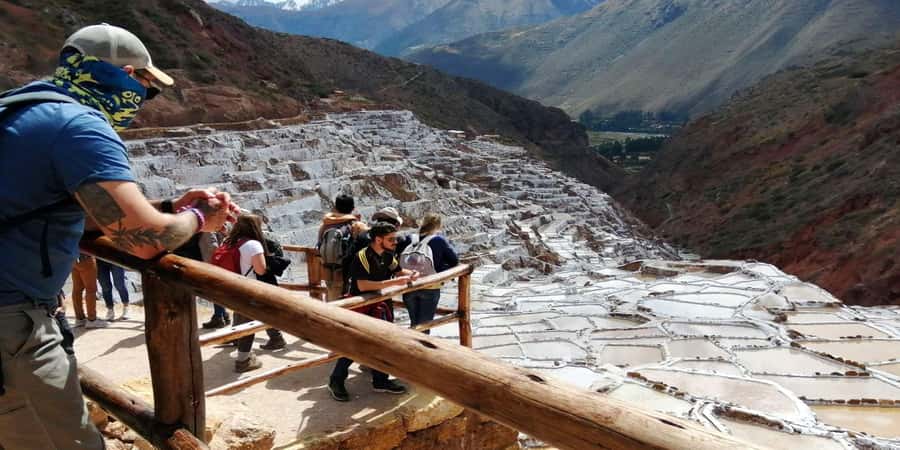
- Maras salt pools still working: Watch local families harvest salt from thousands of small pans.
- Chinchero textiles in practice: See wool and cotton turned into yarn, then dyed with natural pigments.
- Sacred Valley views all along the drive: Great for photos when the light hits the valley walls.
- English or Spanish guidance: A strong guide can make the science at Moray and the dye process at Chinchero click fast.
- A tight one-day loop: You’ll cover three major sites without the hassle of arranging transport each way.
Moray Circular Terraces: Inca Farming Science You Can Walk
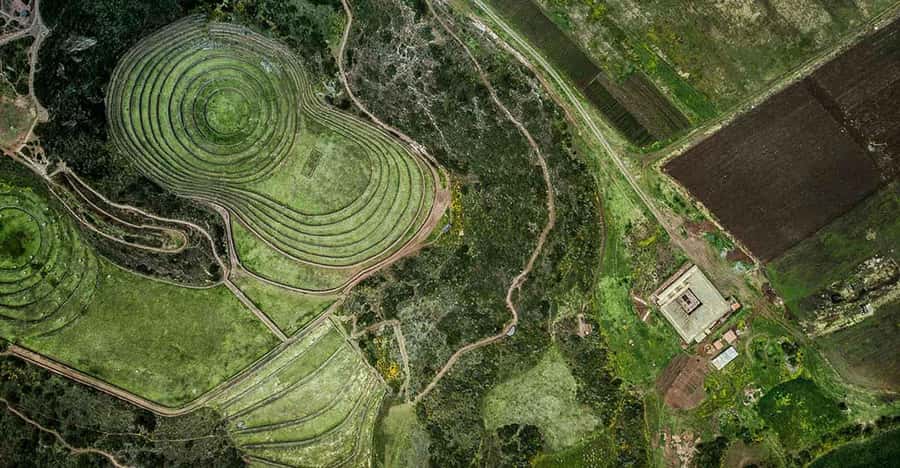
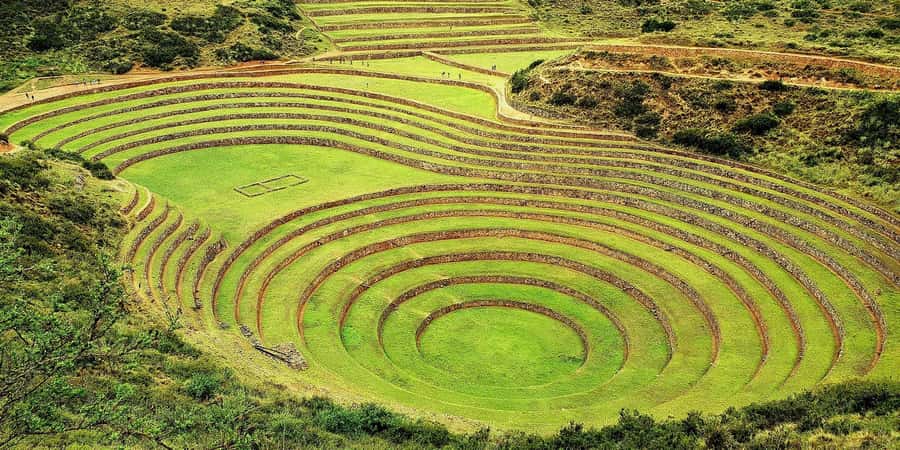
Moray is where the Sacred Valley stops being only scenic and starts feeling like a classroom. The big feature here is the series of circular terraces—an Inca agricultural laboratory designed to test growing conditions.
What makes Moray worth your time is the explanation of microclimates. Different terrace levels created different conditions, and the irrigation system helped control water delivery. When your guide points out the logic of the terraces, the site stops looking like an architectural trick and starts feeling like a careful experiment.
You’ll want good walking shoes. You’re moving around terrace edges and uneven ground, and you’ll probably want to pause often for photos. It’s also a place where a guide’s pacing matters: you don’t want to rush past the details that connect irrigation to why the terraces are shaped the way they are.
Tip: bring your hat and sunscreen seriously. Even if you’re mostly outside and in motion, Moray can be bright and exposed.
You can also read our reviews of more tours and experiences in Ollantaytambo.

Maras Salt Pools: Seeing a Living Industry in Action
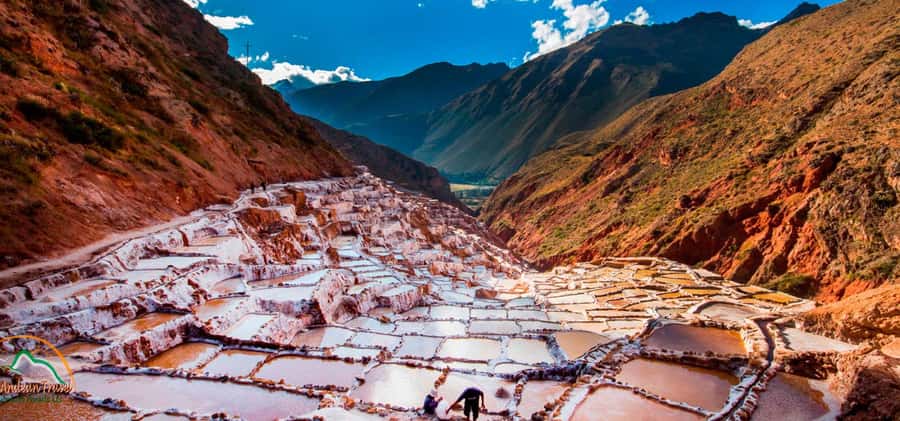
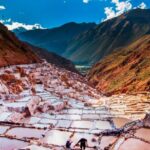
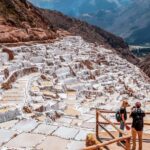
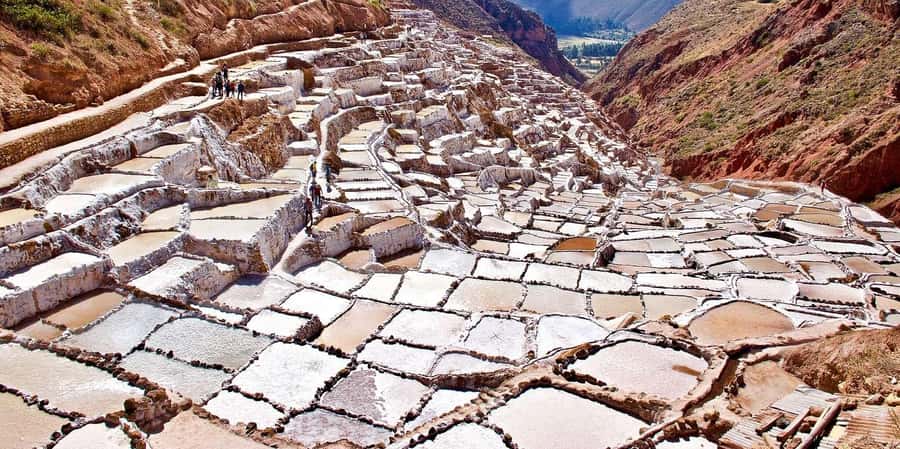
From Moray, the route continues toward the famous salt flats of Maras. This is the part people picture before they come: thousands of small salt pools carved into the mountainside.
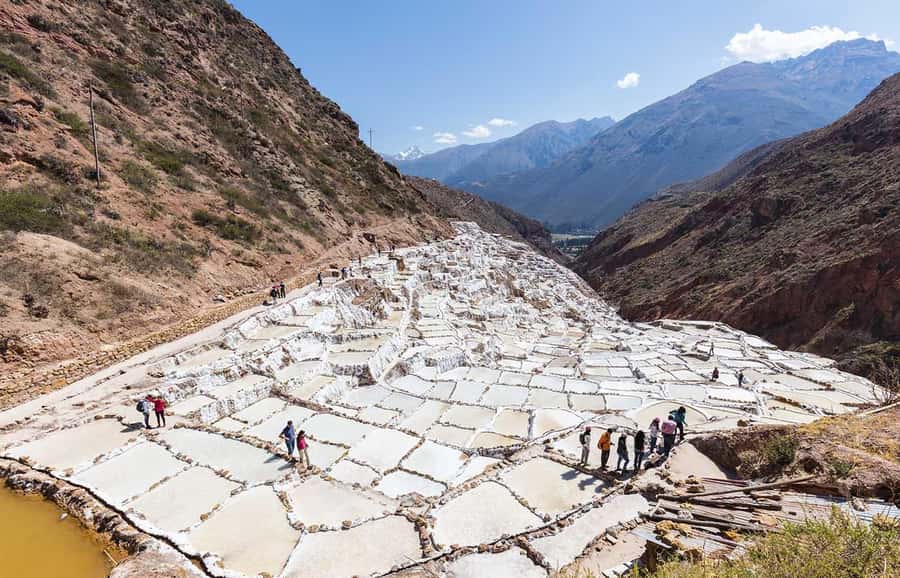
You’re looking at around 2000 pools, and the key detail is that they’re still used. Local families continue the traditional salt extraction methods, which gives Maras more weight than an abandoned ruin. You’re not just observing history—you’re watching a working process.
There’s also a small budget reality check. The entrance to Salineras is not included. So plan for an extra fee of 20 soles on the day, unless your ticket situation covers it.
Timing can make a difference here. On at least one recent day, the group got to the sites early enough to avoid the biggest bus waves. If your schedule lines up, you’ll likely get easier photo angles and more breathing room.
Practical advice: hydrate. Salt areas can be bright and drying, and it’s easy to underestimate how long the viewing takes when you’re trying to take in the grid of pools.
Chinchero Textile Interpretation Center: Wool, Yarn, and Natural Dyes
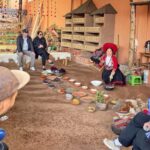
Then comes the most hands-on-feeling stop: Chinchero. This town has a reputation for textiles, and at the textile interpretation center you learn how the region’s materials become usable fiber and color.
Here’s what you should expect to understand as you walk through the demonstrations: transforming wool and cotton into yarn is the foundation. After that, you’ll see how the yarn gets dyed using natural pigments, not synthetic color.
This is a great stop if you like craft and process, not just monuments. The benefit of having a guide is that the visuals start to make sense: you’ll connect what you’re seeing in the space to the practical steps involved in making dyed yarn.
If you’re buying anything in Chinchero, treat it like a craft you want to keep. Ask how it’s made and what materials are used. Even if you don’t buy, the explanation is a useful cultural anchor for the whole day.
Don’t forget your camera. The best photo moments here are often close-up: dye colors, fiber texture, and the working steps you can visually track.
Sacred Valley Views and a One-Day Pace That Actually Works
The drive between stops is part of the experience. The Sacred Valley scenery is a constant backdrop, and you’ll get multiple chances for views that feel different as you move through the region.
This is also a route that’s built around convenience. You start with pickup from Ollantaytambo and you return there after the last stop. For a one-day plan, that matters because it keeps you from losing time negotiating rides or working out connections.
Pace is the tradeoff with a day trip. You’ll cover three main sites, so you’re not lingering all day at any single spot. Still, the structure helps: you get the big Inca farming story at Moray, the living salt story at Maras, and the textile skills in Chinchero before the day runs out.
A realistic expectation for timing is that lunch may happen around 13:30, after the main sites. You might also return to town around 15:30, depending on traffic and how quickly your group moves. Plan your energy for a short, full day rather than a slow afternoon.
One extra practical move: bring snacks. You’ll have water available, but between stops you can get hungry, and not every day trip leaves a perfect window for food.
Price and What You Still Pay: Is $80 Worth It?
At $80 per person, this tour price buys you the essentials: pickup in Ollantaytambo, tourist transportation, and a professional guide. What you don’t get are the site fees.
You’ll need the tourist ticket:
- Nationals: 40 soles
- Foreigners: 70 soles
And you’ll also need the Salineras entrance fee:
- 20 soles for Salineras (Maras salt pools)
So the true cost is the base price plus ticket(s). The good news is that a guided day can still be good value if you’d otherwise pay for transportation and pay someone to explain what you’re seeing. Moray and Chinchero especially benefit from interpretation—without it, you’d mostly be admiring shapes and color.
One smart strategy is to think about your overall itinerary. If you’re doing multiple stops around the Cusco area, a Cusco Tourist Ticket can reduce extra entrance fees. On a recent day, the ticket was used at more than one location on the same route, which can help make the total feel more reasonable.
Reality check: if you arrive without the right ticket plan, you may end up paying more at the gate. Before you go, confirm what you’re carrying so you’re not stuck budgeting mid-tour.

Guide Quality Matters Here: Look for Clear Explanations
With tours like this, the guide isn’t a bonus. It’s the product.
Moray works best when someone explains the logic behind the terrace layout and the irrigation system. Maras makes more sense when you connect the pools to how families extract salt and keep the practice going. And Chinchero lands harder when you can follow how wool and cotton turn into yarn and then into dyed material.
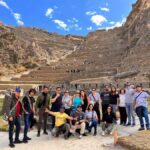
In the best experiences, guides were praised for strong English and for being genuinely willing to answer questions. One guide, Juan Carlos, was noted for excellent English, and he was also happy to take photos. Another guide, Yasmina, earned high praise for being great.
The takeaway for you: if your guide is communicative and you feel the explanations are clear, the $80 goes further than just transport. You’re buying understanding.
Who Should Take This Day Trip From Ollantaytambo
This trip fits you well if you want a straightforward way to see three Sacred Valley highlights in one day: Moray, Maras, and Chinchero.
It’s a good match if:
- you’re staying in or near Ollantaytambo and want round-trip convenience
- you prefer a guide to explain the meaning behind the sites
- you’re interested in living traditions like salt harvesting and textile dyeing
It’s not a good match if you need wheelchair accessibility. The tour is listed as not suitable for wheelchair users, so you’d need a different plan.
If you’re the type who wants total freedom to linger for hours at one place, a one-day loop may feel tight. But if you’re happy moving with the day’s flow and getting the big highlights, this is a practical choice.
Should You Book This Moray, Maras, and Chinchero Tour?
Book it if you want value + context: a day that covers key Sacred Valley sites with transportation handled and a guide to translate what you’re seeing. The Moray terraces, the living salt pools at Maras, and the textile process in Chinchero are the kind of trio that becomes more meaningful when someone explains the why behind the visuals.
Don’t book blindly if you’re the type who hates uncertainty at the start. Since pickup timing and communication have been reported as issues in at least one case, I’d recommend you confirm details in advance. Message the day before, show up early, and keep your phone ready for updates in Spanish or English.
If you do that, you’ll likely end up with a rewarding, well-rounded Sacred Valley day—equal parts science, craft, and daily life.
FAQ
How long is the tour?
It’s a 1-day tour, designed to take you from Ollantaytambo through Moray, Maras, and Chinchero, then back to Ollantaytambo.
Where is pickup and drop-off?
You get picked up at the meeting point in Ollantaytambo, and the tour returns you to Ollantaytambo after the last stop.
What is included in the $80 price?
The price includes pickup at the meeting point in Ollantaytambo, tourist transportation, and a professional guide.
What tickets are not included?
You’ll need the Cusco Tourist Ticket (Nationals 40 soles, Foreigners 70 soles). Entrance to Salineras is also not included and costs 20 soles.
Which sites will we visit?
You’ll visit Moray, the salt mines of Maras (Salineras), and Chinchero (including the textile interpretation center).
What languages are offered?
The guide speaks Spanish and English.
What should I bring?
Bring comfortable shoes, a sun hat, a camera, sunscreen, and water.
Is the tour wheelchair accessible?
No. The tour is not suitable for wheelchair users.
Is there free cancellation?
Yes. You can cancel up to 24 hours in advance for a full refund.