REVIEW · NAZCA
Nazca: Maria Reiche Museum and Nazca Lines Viewpoint Tour
Book on GetYourGuide →Operated by NalasTrips · Bookable on GetYourGuide
Nazca never stays mysterious for long. This 3-hour tour pairs the Maria Reiche Museum with a close look at the 20-meter-high tower viewpoint, so you’re not just staring at lines—you’re learning how someone spent a lifetime studying them.
I especially like the way the tour gives you context first, then rewards you with a different viewing angle. And the guide approach can be personal in a small group—when things run well, you’ll hear clear explanations that make the shapes easier to spot, like the attentive care described with guides such as Rosa and Jose.
One consideration: there’s a climb involved for the tower, so this is not suitable for people with vertigo. Also, it’s a short tour, so you’ll be moving through the highlights rather than lingering for long photo marathons.
In This Review
- Key things to know before you go
- Maria Reiche and the Nazca Lines: what this tour teaches you fast
- Museo Maria Reiche: the human story behind the mystery
- Hotel pickup and transport: why the logistics feel low-stress
- The 20-meter tower: getting the view that actually helps
- The nearby hill viewpoint: putting the pieces together
- Guides, pacing, and what a small group changes
- Price and value: is $52 for 3 hours a fair deal?
- What to bring (and how to prepare without overthinking)
- Who should book this Nazca Lines tour—and who should skip it
- Should you book this Nazca: Maria Reiche Museum and Viewpoint tour?
- FAQ
- How long is the Nazca Maria Reiche Museum and Nazca Lines Viewpoint tour?
- What is the price per person?
- Is hotel pickup and drop-off included?
- Where are the pickup and drop-off points?
- How many people are in the group?
- What languages are the guides?
- Is the entrance fee included?
- What viewpoints will I see?
- Is the tower suitable for everyone?
- What should I bring?
Key things to know before you go
- Maria Reiche gets centered: you learn why a German mathematician and archaeologist became the name linked to Nazca Lines study.
- Museum first, viewpoints second: context in the morning or midday helps the shapes make more sense outdoors.
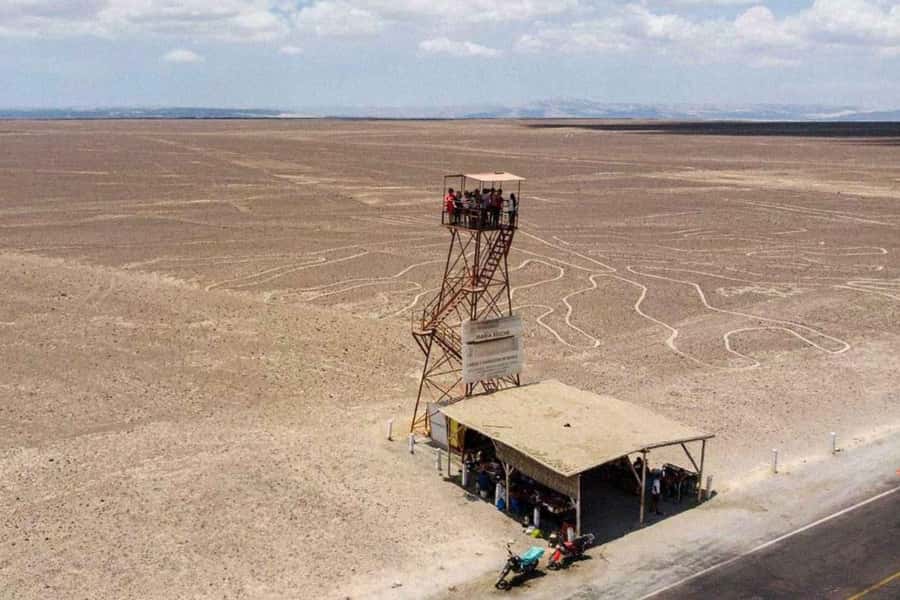
- A real height advantage: from a 20-meter-high metal tower, the figures often read more clearly than from ground level.
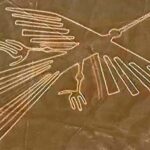
- You’ll look for named geoglyphs: the tour commonly points out shapes such as the tree and the hand (and you may also spot other famous figures).
- Small group size helps: limited to about 10 participants, with English/Spanish guidance.
Maria Reiche and the Nazca Lines: what this tour teaches you fast
The Nazca Lines are famous for one reason: they look impossible from street level. But the trick is not just finding the right angle—it’s understanding the people behind the study, and why the Lines became a long-running mystery rather than a single solved puzzle.
That’s where Maria Reiche comes in. She wasn’t just a tourist who took notes. She’s presented here as a researcher—someone with the technical training and patience to focus on patterns in the desert. When you see her story laid out before you start looking at geoglyphs, the viewing part stops feeling random. You start recognizing what to look for: straight alignments, scale, and the way certain shapes make more sense when you’re higher.
The payoff is practical: by the time you reach the viewpoint area, your eyes are already trained. That makes the short time you spend outdoors feel less like a guessing game and more like a guided hunt.
You can also read our reviews of more tours and experiences in Nazca.

Museo Maria Reiche: the human story behind the mystery
The tour begins with pickup in Nazca and head time to the Museo Maria Reiche. You’ll get a guided visit and also have time for a break and a photo stop, which matters because you’ll be using your eyes a lot later.
Inside, the experience focuses on Maria Reiche’s life and her connection to Nazca Lines research. Expect the museum to work like a narrative—showing you how a mathematician and archaeologist dedicated her life to studying these enormous pre-Columbian geoglyphs. If you’re the type of traveler who hates arriving at a viewpoint with zero background, this museum stop solves that problem.
It’s also a good moment to calibrate your expectations. The tour doesn’t try to force one final answer about what the Lines mean. Instead, it gives you the framework for why there are multiple theories—so when you see famous shapes later, you can think in possibilities rather than insisting on a single interpretation.
And since this is a short tour overall, the museum timing is smart. You’re not waiting around all day. You’re building understanding quickly, then cashing it in at the viewpoints.
Hotel pickup and transport: why the logistics feel low-stress
Good tours don’t just move you—they reduce decision fatigue. This one includes hotel pickup and drop-off in Nazca, which is a big deal when your time is limited and the routes can be confusing.
You’ll meet your driver at a hotel pickup point, with instructions to arrive in the lobby about 10 minutes before your scheduled time. Then you’re taken directly to each stop by van, so you’re not spending your mental energy on figuring out transport between the museum and the viewpoint tower.
With a small group (limited to 10 participants), the ride also tends to be easier to manage. You’re more likely to hear the guide clearly and keep your group together during stops.
The 20-meter tower: getting the view that actually helps
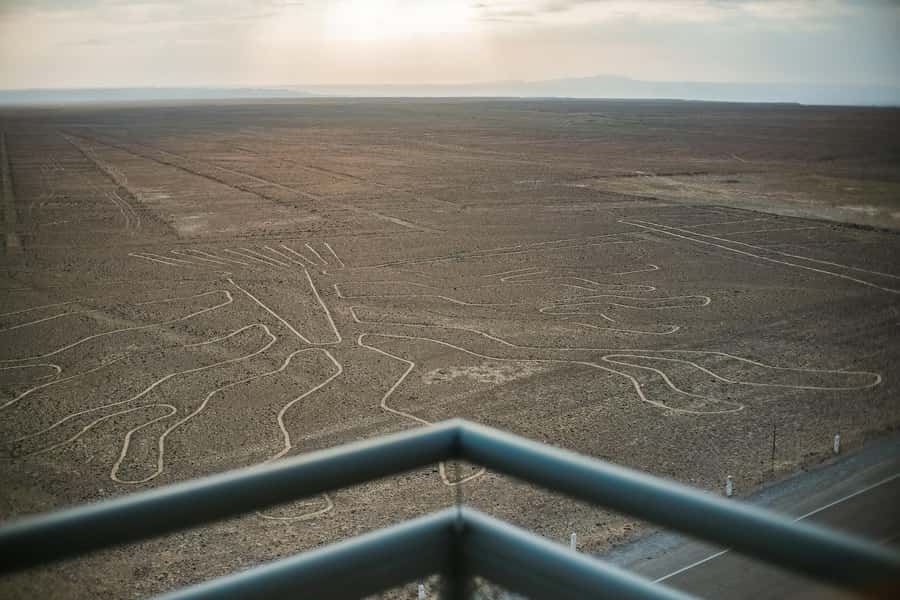
After the museum, you shift to the star act: the Nazca Lines Viewpoint area and its 20-meter-high metal tower. This is the part that makes the tour worth doing even if you’ve seen photos online.
From the tower, you’re no longer working only with distance and guessing. The goal is to help you see how the geoglyphs read when you’re higher up. That matters because many of the figures are difficult to interpret from the ground. Higher elevation changes everything—lines become clearer, shapes separate from the terrain, and your eyes stop searching for something that isn’t there at eye level.
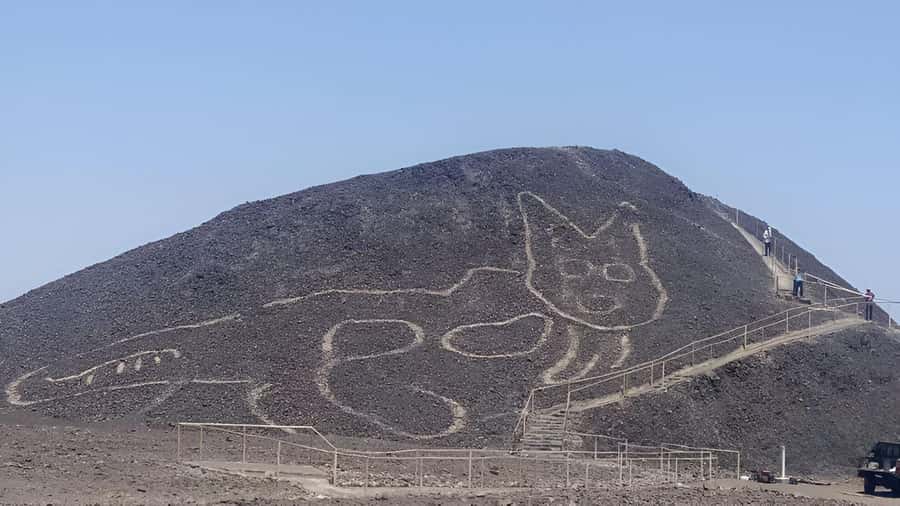
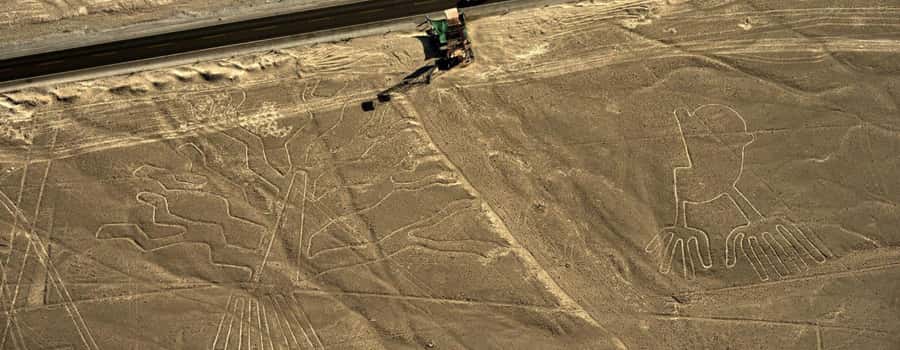
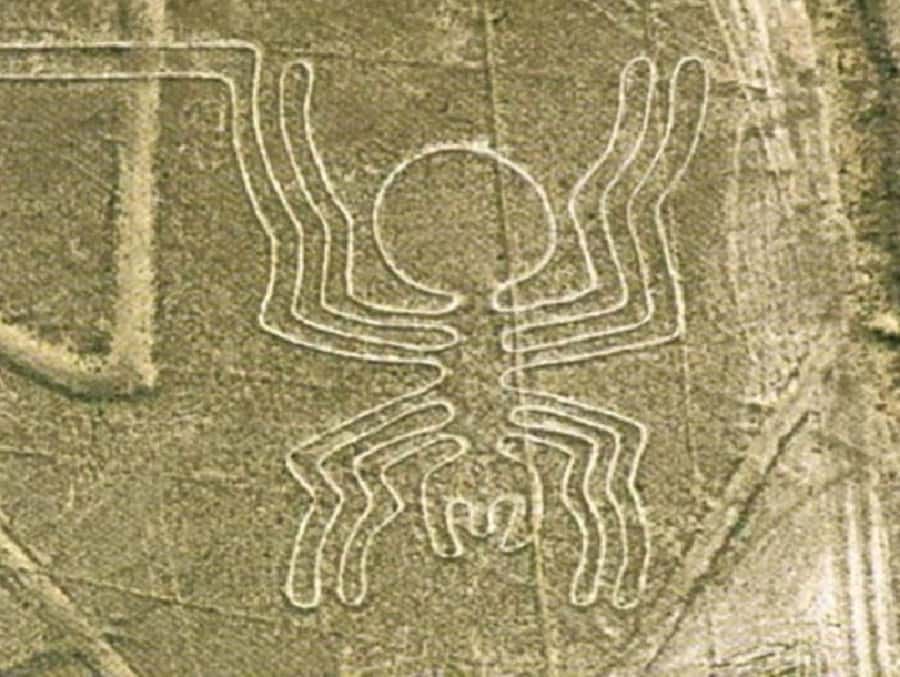
The tour highlights specific figures you can look for, including the tree and the hand. You may also spot other commonly discussed shapes, and one booking specifically listed seeing figures such as a cat, tree, hand, and lizard (so if those are on your personal checklist, you’ll be in the right place).
One practical tip: bring your camera ready. The tower viewpoint is your best “capture it before you lose it” moment. If you’re the type who likes taking a lot of photos, you’ll still want to reserve some time just to look—because understanding what you’re seeing usually comes from time spent staring, not from shooting.
And remember the human factor. The review-based notes make it clear that a good guide does more than translate—they help you pick out the lines quickly so you don’t feel lost up there.
The nearby hill viewpoint: putting the pieces together
Once you’ve had your tower view, the tour continues to a nearby hill for more Nazca Lines observation. This is a smart pairing: tower height helps you read shapes; a second location helps you notice how the patterns connect and how line placement changes with your angle.
The Lines are huge. Even when you’re close enough to see figures, your brain needs reference points. That’s why doing two viewpoints in one half-day works better than treating it as a single stop. It’s the difference between seeing an isolated drawing and seeing a planned design.
You’ll also get a chance to think about the theories without getting stuck in a debate. The tour frames two main ideas: some believe the Lines were offerings to gods, while others view them as astronomical symbols. Even if you lean one way, having that context keeps you engaged while you observe.
It’s the kind of experience where looking becomes a game: line, figure, alignment, repeat. And that’s what makes a short 3-hour plan feel satisfying.


Guides, pacing, and what a small group changes
This tour runs with an English/Spanish guide, and the small group format is a practical advantage. With up to 10 participants, your questions are more likely to get answered directly, and the guide can keep everyone oriented during viewing moments.
The guide quality comes through in the details. Notes from previous guests highlight that names like Rosa and Jose can deliver explanations with real care and clarity, and that the experience feels structured without being rushed. That’s exactly what you want for Nazca: you don’t need a lecture. You need guidance that helps you see.
Pacing also matters. You’re not spending all your time in the vehicle, and you’re not stuck waiting long at any single point. You get museum time, then tower time, then the hill viewpoint—clean and logical segments that keep you engaged.
If you’re coming from another place in the Ica Region, the 3-hour duration is a good fit. It’s short enough to add to a day without exhausting you, but long enough to cover the most meaningful viewing opportunities.
Price and value: is $52 for 3 hours a fair deal?
At $52 per person for a 3-hour guided experience with hotel pickup/drop-off and transport, the value is mostly about what’s included versus what isn’t.
What you get in the price:
- Pickup and return to your Nazca hotel
- Tourist transport between stops
- An English/Spanish live guide
- A small-group setup (up to 10)
What’s not included:
- Museum entrance fees
- Extra expenses
That last point matters. Even when the tour is reasonably priced, you should budget a little extra for entrance. Still, compared with tours that only take you to a viewpoint with minimal context, this one pays off because it combines story + sight. The museum stop isn’t a filler—it’s the tool that makes the outdoor viewing clearer.
Also, the tower component is the highlight that most travelers want. When you’re paying for a structured route that gets you to key perspectives—without you arranging everything yourself—that can be good value, especially if you’re short on time.
What to bring (and how to prepare without overthinking)
This experience is straightforward, but Nazca has desert realities. The tour provides a practical checklist for what to bring, and you should take it seriously:
- Comfortable shoes
- Hat
- Camera
- Sunscreen
- Water
You don’t want to underestimate the value of comfortable shoes. Between museum walking and tower viewing, you’ll do more standing than you might expect. A hat is also key because you’ll spend time looking up and around outside.
For photos: bring your camera ready, but also be willing to put it down. The best moments often come when you’re just looking and letting the lines click into place.
Who should book this Nazca Lines tour—and who should skip it
I’d put this tour at the top of the list if you:
- Want a guided introduction before you look at the Lines
- Prefer a small group experience
- Like learning the story behind famous sites, not just taking photos
- Want a closer view from a tower plus another angle from a hill
You should skip it (or choose something else) if you have vertigo. The tower viewpoint involves a climb, and that’s not worth risking.
Also, if you’re the kind of traveler who wants lots of downtime, you might find the pacing a little tight. It’s designed to hit the main stops in 3 hours, so you’ll be focused rather than leisurely.
Should you book this Nazca: Maria Reiche Museum and Viewpoint tour?
If you want the best value of time—museum context plus a tower view plus a second viewpoint—this is a strong choice. The $52 price works because it includes transport, hotel pickup, and an English/Spanish guide who helps you interpret what you’re seeing. Just budget for the museum entrance fee and plan for the tower climb.
Book it if you want clarity, not chaos. Skip it if vertigo is part of your travel needs. If you fall in the first group, you’ll leave with a sharper sense of what you saw and why Maria Reiche’s work became so central to how we talk about the Nazca Lines today.
FAQ
How long is the Nazca Maria Reiche Museum and Nazca Lines Viewpoint tour?
The tour lasts about 3 hours.
What is the price per person?
The price is listed as $52 per person.
Is hotel pickup and drop-off included?
Yes. Pickup and return to your hotel in Nazca are included.
Where are the pickup and drop-off points?
There are two options for both pickup and drop-off: Nazca Lines (Plaza de Armas).
How many people are in the group?
The tour is a small group limited to 10 participants.
What languages are the guides?
The guide is available in English and Spanish.
Is the entrance fee included?
No. Entrance to the museum is not included.
What viewpoints will I see?
You’ll visit the Maria Reiche Museum, then the Nazca Lines Viewpoint with a 20-meter-high metal tower, and you’ll also observe the Lines from a nearby hill.
Is the tower suitable for everyone?
No. The tour is not suitable for people with vertigo.
What should I bring?
Bring comfortable shoes, a hat, a camera, sunscreen, and water.