REVIEW · NAZCA
Nasca: Ocongalla Aqueduct Sandboarding in the Usaka desert
Book on GetYourGuide →Operated by Viaja con Amaru Explorer · Bookable on GetYourGuide
Nasca turns into an action movie when you mix ancient irrigation, desert culture, and sandboarding in one tight 4 hours. I love the combination of Ocongalla Aqueduct (still used today) and the guided stop at Cahuachi (Nasca’s ancient capital). The best part is how the tour keeps moving with a friendly, effective guide, so you spend your time seeing rather than waiting. One thing to consider: the desert portion can be bumpy, and it’s not a good fit if you have back or heart problems or if you’re pregnant.
If you want a tour that feels like it has a purpose, this one does. You’ll get the cultural side with the pyramids and the cemetery remains, then swap to adrenaline for sandboarding on the dunes of Usaka plus a buggy-style desert ride. Also worth noting: entrance tickets and meals are not included, so you’ll want to budget a bit and plan for water.
In This Review
- Key things I’d clock before you go
- Nasca in One Afternoon: Aqueduct, Pyramids, and Dunes
- Getting Picked Up in Nazca and Settling Into the Desert Rhythm
- Ocongalla Aqueduct: Ancient Water You Can Still See at Work
- Cahuachi Pyramids: Nasca’s Ancient Capital, Explained Simply
- The Profaned Cemetery: What the Remains and the Mess Really Tell You
- Usaka Dunes Sandboarding: The Adrenaline Part Done Right
- Price and Value: Is $59 Worth It in Nasca?
- What to Bring (and What to Skip) for a Smooth Sandboarding Day
- Who This Tour Suits Best (and Who Should Think Twice)
- Should You Book This Ocongalla Aqueduct and Usaka Sandboarding Tour?
- FAQ
- How long is the tour?
- Where does pickup happen?
- What’s included in the price?
- Are entrance tickets included?
- What language is the guide?
- Is there food included?
- What should I bring for the desert?
- Is this tour suitable for everyone?
- How big is the group?
Key things I’d clock before you go
- Ocongalla Aqueduct still matters: you’ll see how local farmers use it for irrigation
- Cahuachi Pyramids with context: Nasca’s ancient capital explained by a local guide
- Profaned Cemetery stop: bone remains and scattered ceramics tied to grave robbers
- Usaka Dunes sandboarding: plus a guide doing acrobatics on the sand
- Buggy ride energy: a tubular-style desert ride that feels properly adventurous
- Small group size: limited to 15 participants for more personal attention
Nasca in One Afternoon: Aqueduct, Pyramids, and Dunes
This is the kind of Nasca outing that works when you have limited time but still want the area’s big contrasts. One moment you’re looking at an ancient water system that’s still doing its job. The next, you’re walking through the footprint of Nasca religious life. Then you’re swapping shoes for sandboard energy on the Usaka dunes.
I particularly like that the tour doesn’t treat the desert as just scenery. It builds a story: water, settlement and ceremony, then the harsh environment where daily life had to adapt. When you finish with sandboarding, it feels like you earned the fun.
The pace is intentionally compact. That’s great if you like structure and hate slow sightseeing. If you need lots of downtime between activities, you may find the flow a bit brisk, since it’s designed to fit hotel pickup, multiple stops, and sandboarding into about 4 hours.
You can also read our reviews of more tours and experiences in Nazca.
Getting Picked Up in Nazca and Settling Into the Desert Rhythm
The tour starts with pickup from your hotel in Nazca. You’ll be asked to wait in the lobby about 10 minutes before the scheduled time, which is a small detail but it saves you stress. From there, you ride by SUV/jeep toward the day’s first stop.
Expect transport to be part of the experience, not just a transfer. The dunes and the sand riding require vehicles built for rough ground, and you’ll use 4×4 sand cars during the desert portion. That means it’s not a quiet, comfortable ride like you’d get for a city tour.
A helpful expectation-setting point: the sandboarding portion comes with a practical instructor and personalized assistance. It’s the right mix of coaching and adrenaline, so you’re not just being dumped onto the sand. If you’re the type who likes clear directions, you’ll appreciate that.
Ocongalla Aqueduct: Ancient Water You Can Still See at Work
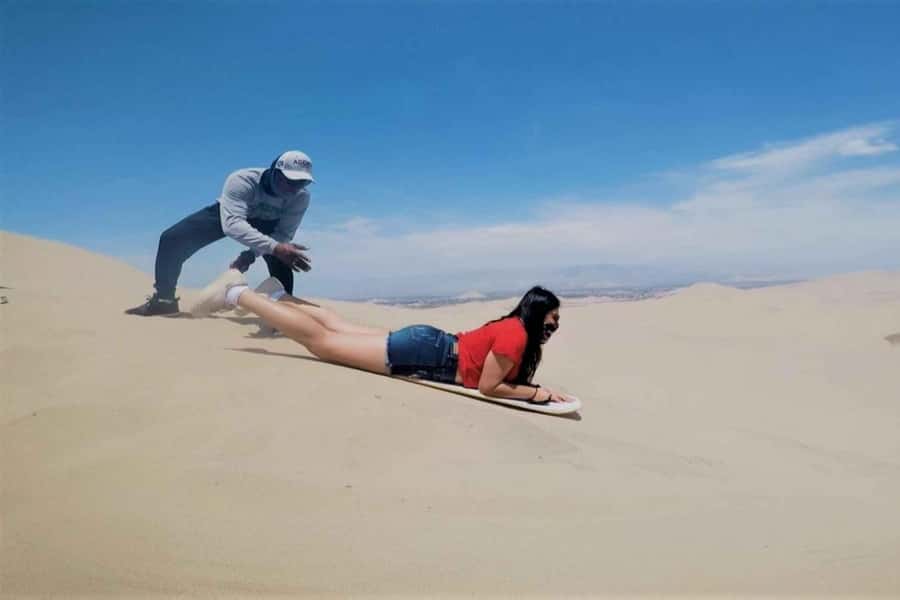
The Ocongalla Aqueduct is about 20 minutes southwest of Nazca, and it’s one of the most practical-feeling stops on the whole tour. You’re not just looking at ruins. You’re seeing an ancient water channel that local farmers still use for irrigation.
That detail changes how you experience the place. It’s easy to treat archaeological sites as museum objects. Here, you see the logic: water management made life possible, and it still shapes the fields nearby. It’s also a good breather before you hit the heavier walking areas at Cahuachi, because the aqueduct stop is more about observation than climbing.
If you’re visiting in bright sun, this can be a perfect time to use your sunscreen early. You’ll want to have a hat and water handy, since the desert glare hits quickly. The tour provides guidance but it won’t magically make the sun softer.
Cahuachi Pyramids: Nasca’s Ancient Capital, Explained Simply
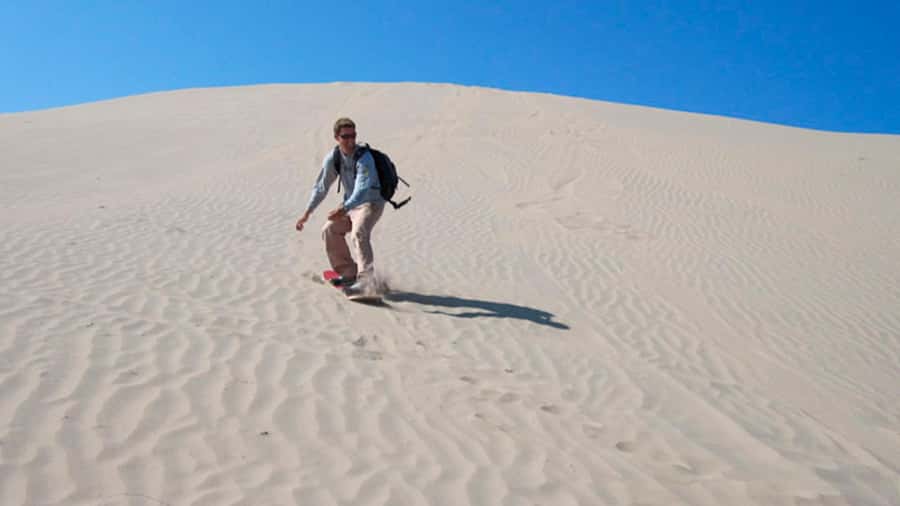
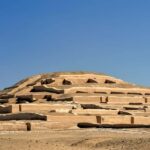
Next you head to the Cahuachi Pyramids, described as the ancient capital of the Nasca culture. This stop is where the guide’s role really matters. You’ll get a guided explanation of what the site represents and what kind of significance it held for the Nasca.
Cahuachi can feel a bit abstract if you only know dates and names. With a good guide, it turns into a place with purpose: ceremonial space, cultural identity, and how people organized their world around belief and community gatherings. You’ll walk through the area, staying grounded in what you can actually see while connecting it to the story the guide tells.
This is also one of the stops where comfortable shoes pay off. Even when the ground looks manageable, the walking in desert regions can be uneven and dusty. Wear something you can trust, and you’ll enjoy the pace more.
The Profaned Cemetery: What the Remains and the Mess Really Tell You
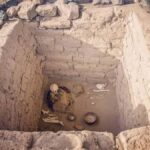
After Cahuachi, you visit the Profaned Cemetery. The guide shows what remains are visible, including bone remains and scattered ceramics left behind by grave robbers. It’s a heavier stop than the aqueduct and pyramids, but it’s also one of the most honest ones.
This is where you learn how archaeology isn’t always clean. It reflects not just the original culture, but later human impact too. Seeing scattered ceramics and remains helps you understand that some historical sites were disturbed over time. It’s also a reminder that cultural heritage can be fragile even when a place is protected as a landmark.
If you prefer light sightseeing, this may feel intense. But if you like context and you’re okay with a bit of discomfort, it makes the day more complete. It also helps you connect the Nasca story beyond structures and into the way people treated life and death.
Usaka Dunes Sandboarding: The Adrenaline Part Done Right
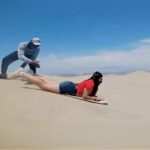
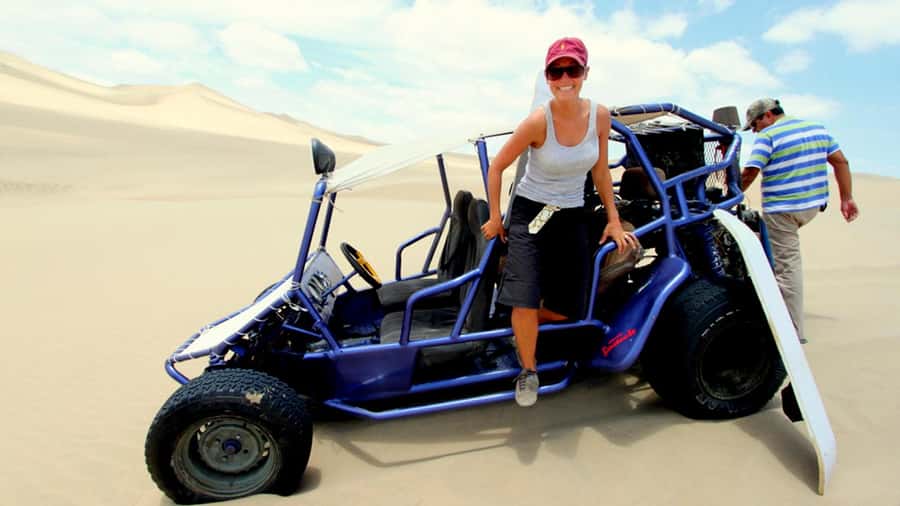
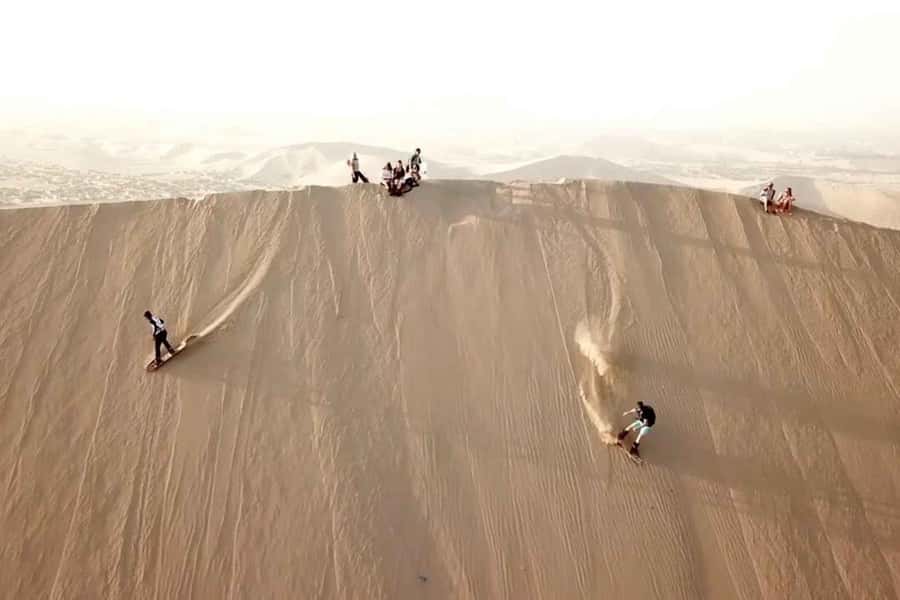
Then comes the fun part: the Usaka Dunes. This is where the tour earns its reputation for pure action. You’ll enjoy sandboarding on the dunes, with a professional sandboard instructor and guidance before you start. The setup matters because dunes can be steep, and sand isn’t forgiving under sudden mistakes.
What I like here is that the excitement isn’t just about you going down a slope. The guide performs acrobatic moves on the dunes, so the stop feels like an event, not just a class. You’ll watch, learn the rhythm, then try it yourself with support.
It’s also smart to treat sandboarding like outdoor sport, not a casual activity. You’ll want sunscreen, water, and clothes that can handle sand. If your hair and skin hate dry grit, consider bringing something to help after, like a basic rinse plan.
And yes, there’s more. You’ll also experience the excitement of a buggy-style ride through the desert. That tubular-style ride is part of the reason this tour feels so different from a standard sightseeing loop. It’s bumpy, it’s fun, and it’s exactly why the “adventure ride” warning is there.
Price and Value: Is $59 Worth It in Nasca?
At $59 per person for about 4 hours, this tour is priced like a structured half-day with real activities included. You’re paying for more than a guide. You’re getting hotel pickup and drop-off, a local guide, and a professional sandboard instructor, plus the 4×4 sand cars needed for desert access.
Entrance tickets and meals are not included, so your true budget is the base price plus those extras. Still, the value is strong because several costs are already wrapped into the ticket: transport, instruction, and the desert vehicles. If you tried to cobble this together yourself, you’d likely spend time negotiating transport and finding a sandboarding setup that actually has coaching.
Also, the small group limit of 15 matters for value. It means you’re more likely to get hands-on help during the sandboarding and less likely to feel like a numbered passenger. Based on how these tours typically feel, that personal support is usually what turns a “fun activity” into a “memorable afternoon.”
What to Bring (and What to Skip) for a Smooth Sandboarding Day
You’ll enjoy the experience more if you show up prepared. Bring:
- Sun hat
- Sunscreen
- Camera
- Water
- Comfortable clothes
Comfortable shoes are a big deal here. You’ll walk at cultural sites, then you’ll switch to a sand-focused activity where footwear matters less, but your feet still need to survive the day.
Don’t smoke during the tour. It’s listed as not allowed, and the desert heat makes it a bad idea anyway.
A quick practical tip: if you’re bringing a camera, keep it reachable. Ocongalla and the dunes offer good viewing angles, and you don’t want to miss moments because you buried gear.
Who This Tour Suits Best (and Who Should Think Twice)
This experience is built for energy and outdoor movement. It’s a good match if you want:
- a compact Nasca highlight plan
- guided cultural context (aqueduct, pyramids, cemetery)
- a real sandboarding session with instruction
- a desert ride that feels fun, not tame
It’s not suitable for pregnant women, people with back problems, or people with heart problems. That’s worth taking seriously. The desert ride involves uneven ground and the sandboarding slope can be physically demanding. If you fall into any of those categories, choose something gentler.
If you’re traveling solo, this still works well because the group stays small and pickup simplifies logistics. If you’re with kids, the data doesn’t specify age limits, so you’d need to confirm with the operator directly. For adults who can handle outdoor heat and active time, this tour hits a sweet spot.
Should You Book This Ocongalla Aqueduct and Usaka Sandboarding Tour?
I’d book it if you’re doing Nasca for more than just one postcard moment. The blend of Ocongalla Aqueduct, Cahuachi Pyramids, the cemetery stop, and then sandboarding is the kind of day that sticks. You get culture plus adrenaline without needing to stitch together multiple vendors.
I wouldn’t book it if you want a relaxed, slow day with minimal bumpy transport. This is hands-on, outdoor, and a bit rough around the edges in the best way. It also requires you to come prepared with water and sun protection, and you’ll need to plan for entrance tickets and meals on your own.
If you like a small-group vibe and an organized afternoon, this tour fits that. The small group size and personalized assistance are the difference between just watching something and actually doing it well.
FAQ
How long is the tour?
The duration is 4 hours.
Where does pickup happen?
Pickup is included from any hotel in Nazca. You should wait in the hotel lobby about 10 minutes before your scheduled pickup time.
What’s included in the price?
It includes hotel pickup and drop-off, 4×4 sand cars, a local guide, a professional sandboard instructor, and personalized assistance.
Are entrance tickets included?
No. Entrance tickets are not included.
What language is the guide?
The live tour guide is available in Spanish and English.
Is there food included?
No. Meals and drinks are not included.
What should I bring for the desert?
Bring a sun hat, camera, sunscreen, and water, plus comfortable clothes.
Is this tour suitable for everyone?
It is not suitable for pregnant women, people with back problems, or people with heart problems.
How big is the group?
The group is limited to 15 participants.
If you want, tell me your travel month and whether you’re more into culture or adventure, and I’ll help you decide if this schedule matches your style.