REVIEW · NAZCA
Nazca : Mirador of Nazca Lines
Book on GetYourGuide →Operated by The Traveller Agency · Bookable on GetYourGuide
Nazca Lines feel different up close. This short 150-minute outing puts you on foot in the desert toward the Mirador, with a guide who explains what you’re seeing and why people argue about it. I especially liked the up-close views of major figures and the way the stories make the place feel human, not just scientific.
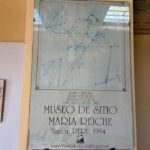
My second favorite part was the stop at the Sitio María museum, dedicated to Dr. María Reiche and her decades of work studying and protecting the lines. You also have a chance to take in the rugged desert walking at a steady, manageable pace. The main drawback to plan for is that the terrain is rough and you’ll want solid shoes and enough water, even if the time in transit is brief.
In This Review
- Key highlights you’ll actually care about
- Nazca up close: what the Mirador walk really gives you
- Hotel pickup and the drive that sets the pace
- Sitio María Museum: why María Reiche’s work is the backbone of the story
- Walking the rugged ground: getting closer to the figures
- The Mirador metal tower: Hands, Tree, and the lizard cut by the highway
- The Hill viewpoint: where straight lines converge
- Duration and pacing: 150 minutes that won’t drag
- Price and value: is $89 worth it?
- What to bring for the desert walk (and why it matters)
- Who should book this Nazca Mirador experience?
- Should you book this Nazca Mirador tour?
- FAQ
- How long is the Nazca Mirador experience?
- Where does the tour start?
- What’s included in the price?
- Is food included?
- What languages is the live guide available in?
- Will I see the Hands and the Tree geoglyphs?
- Is there any aerial viewing mentioned?
- Is the walk easy?
- What should I bring?
- How many people are required for departure?
Key highlights you’ll actually care about
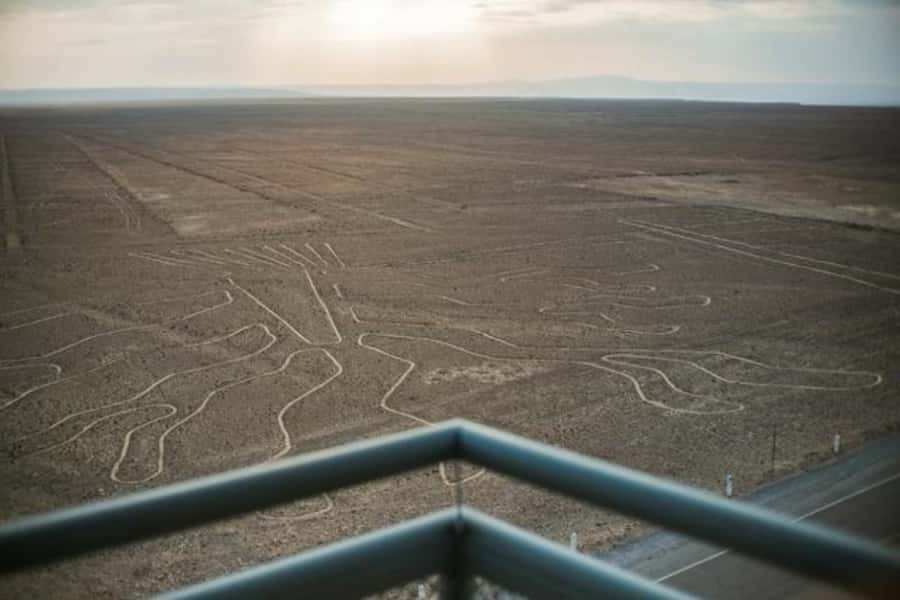
- Up-close geoglyph viewing: See the Hands and Tree (and a cut lizard) from a closer walking angle than you’d get from far viewpoints.
- María Reiche museum stop: Learn how one person’s long mission helped safeguard the lines, including her cabin and personal items.
- Mirador metal tower perspective: Use the elevated spot to identify major figures and understand the guide’s theories.
- Rugged terrain walk: You’ll move on uneven ground for the best sight lines, so comfort matters.
- Hill viewpoint where lines converge: A short walk gives you a chance to spot patterns in the desert geometry.
Nazca up close: what the Mirador walk really gives you
You don’t come to Nazca for postcard views. You come because these geoglyphs only fully make sense when you can see them as designs, not random marks on sand. This experience leans into that idea by getting you physically into the area where the figures read best.
The outing is built around a desert walk and a couple of key vantage points. After hotel pickup in Nazca, you transfer north toward the Nazca desert and spend most of your time focused on viewing and explaining, not waiting around.
One practical win: the route includes an express security check, so you lose less time before getting into position to see the lines.
You can also read our reviews of more tours and experiences in Nazca.

Hotel pickup and the drive that sets the pace
You’ll start with pickup from your hotel in Nazca, then head north by private transport. The drive is short—about an hour—so you’re not trapped in a long bus day. It’s a helpful format if you’ve got limited time in the region or you want to keep the day efficient.
On the return, you’ll go back the same way, with a transfer dropping you off at your hotel. That matters in Nazca, where “how do I get back?” can turn into a time drain if you’re not on a tour.
Sitio María Museum: why María Reiche’s work is the backbone of the story
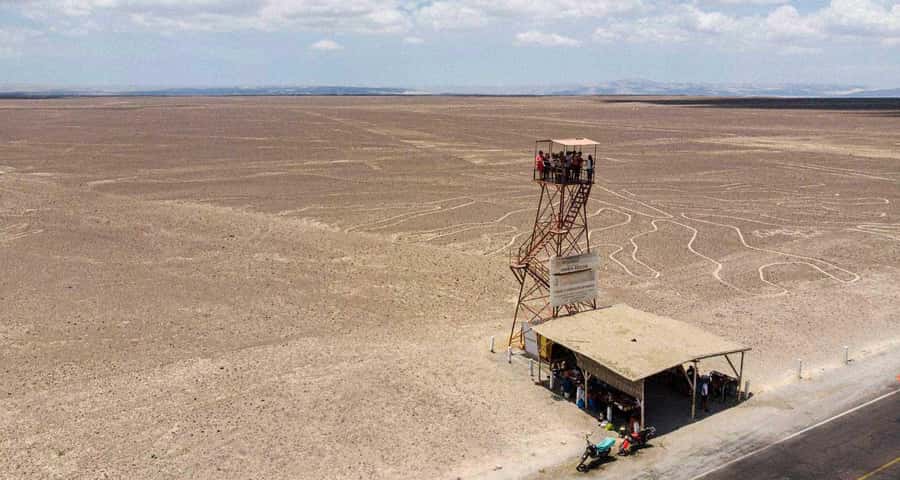
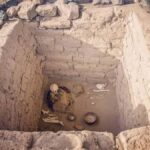
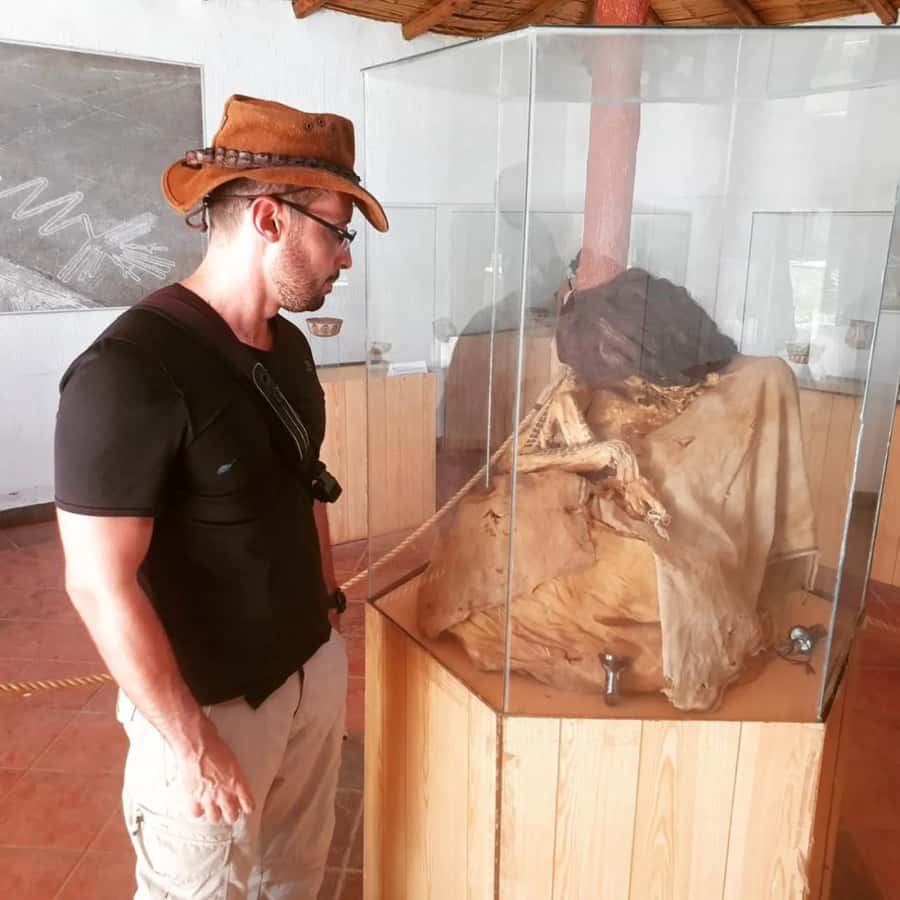
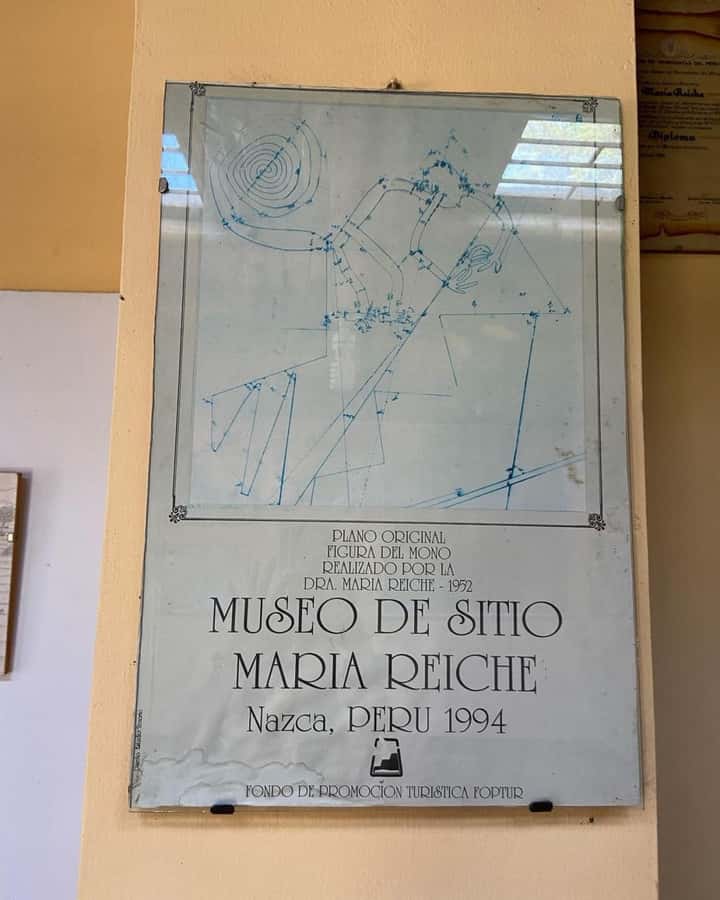
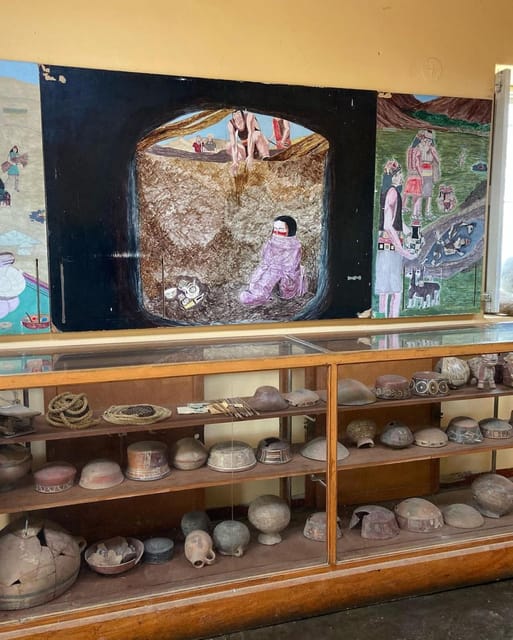
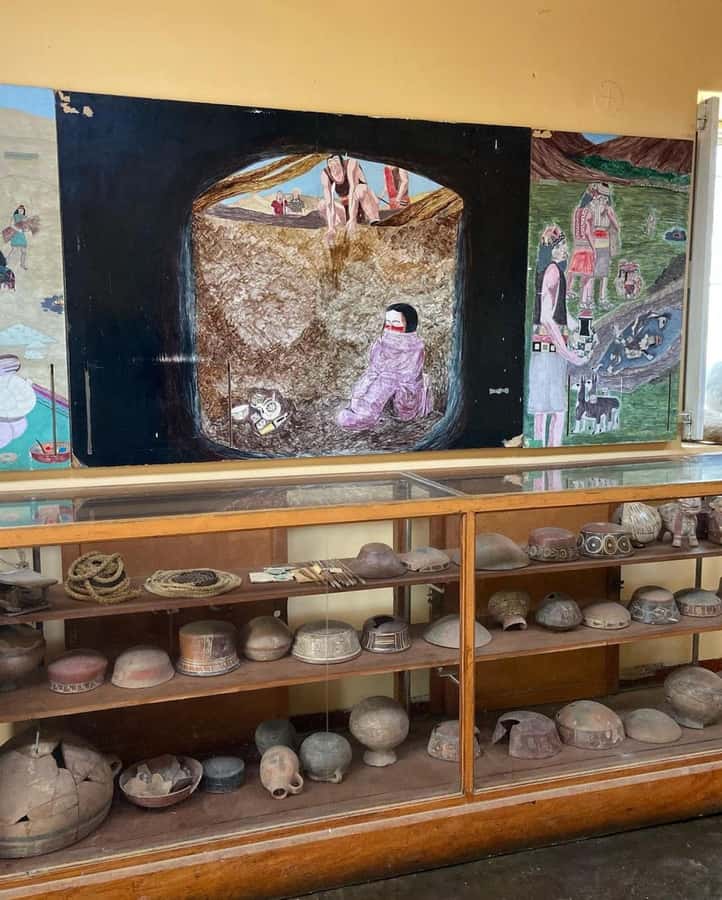
The first big stop is the Sitio María Museum, a place that focuses on Dr. María Reiche’s life and work. She was of German origin and dedicated more than 50 years to protecting and studying the Nazca Lines. The museum also reflects just how long she lived with the work, with the site housing her for over 20 years.
What makes this stop valuable is that it changes how you view the figures. Before you walk toward the Mirador, you get context for why the lines became more than “old drawings.” You see how research, careful measurement, and persistence are part of the story too.
Inside the museum area, you can see:
- photos from when she worked in the desert years ago
- the old cabin used as a study center
- items linked to her work, such as cameras and measuring instruments
- a tomb on-site, where María Reiche was buried in 1998
If you like travel days that mix scenery with real human effort, this museum stop is one of the best uses of time you can make here.
Walking the rugged ground: getting closer to the figures
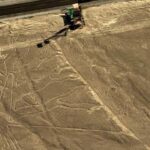
After the museum, the tour shifts from “learning about the lines” to “seeing the lines as you move.” You head to the Mirador, described as a metal tower used as a viewing point. But the point isn’t the tower alone—it’s the approach that puts you in better alignment with the geoglyphs.
The walk is on rugged terrain. That’s not a dealbreaker, but it is the key thing to plan for. You’ll want comfortable shoes that handle uneven ground without slipping, and you’ll want to pace yourself in the heat and sun.
This is where you start connecting the guide’s explanations to the actual shapes in front of you. The more you pay attention on the ground, the more your eyes catch during the viewing stops.
The Mirador metal tower: Hands, Tree, and the lizard cut by the highway
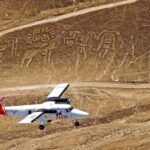
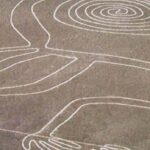
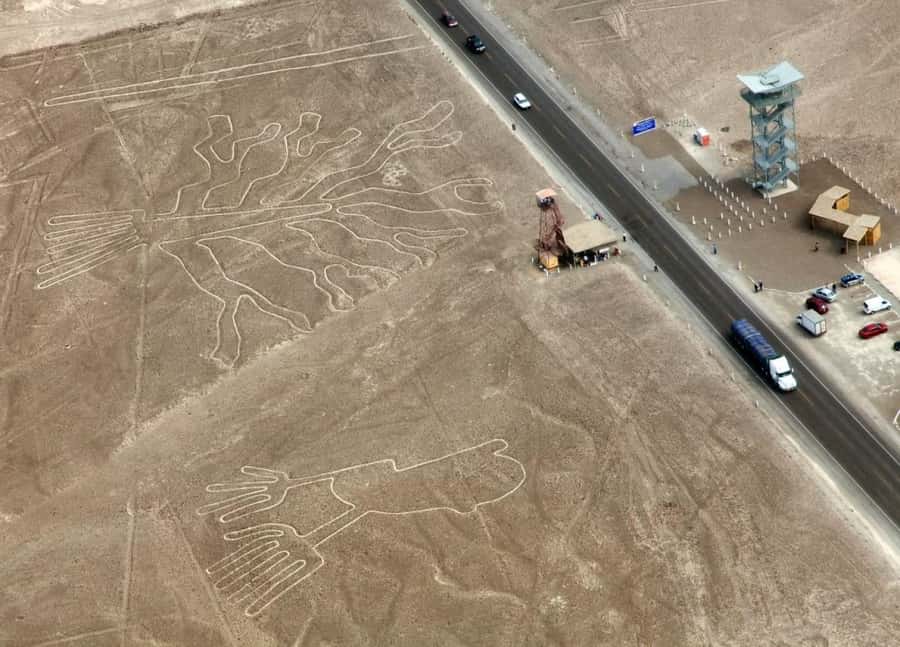
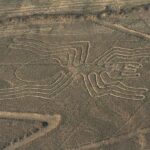
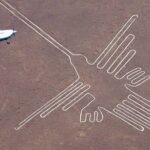
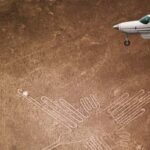
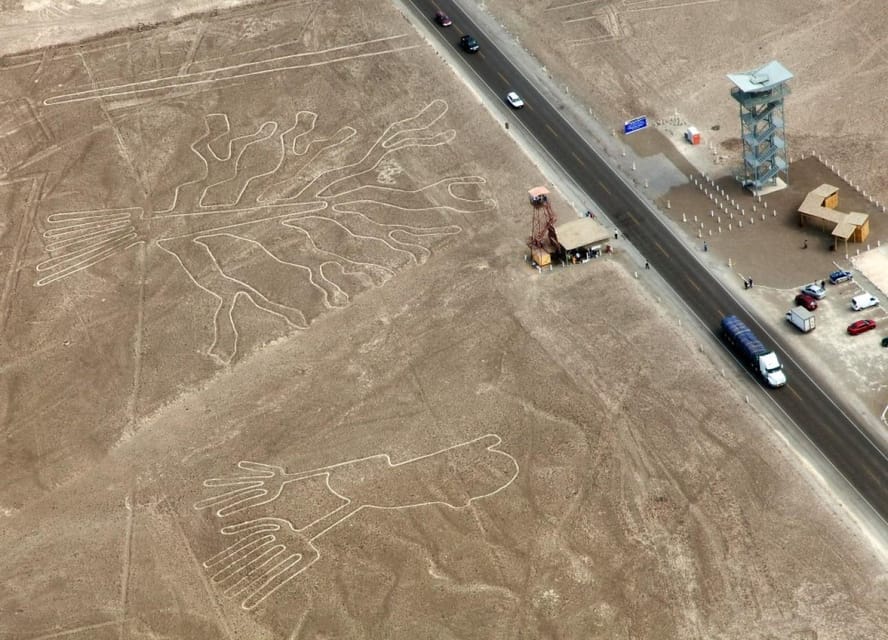
From the Mirador, you can clearly see two of the famous Nazca figures: the Hands and the Tree. The viewing also includes part of a lizard figure, with the detail noted as being cut by the Pan-American Highway.
That last detail sounds small, but it helps you understand something important: the desert isn’t frozen in time. Modern infrastructure affects how you experience ancient lines. Seeing the “cut” portion makes it easier to discuss preservation and why protection work matters.
Your guide explains theories about the Nazca Lines while you’re in position to match those ideas with visible features. The goal isn’t to force one answer—it’s to help you look more intelligently. You’ll learn how different interpretations come from how the lines are laid out, how the figures relate to viewing angles, and how the environment shapes what survives.
If you enjoy tours where you can actually test what you’re hearing—by scanning the figure and checking your own sightline—this part delivers.


The Hill viewpoint: where straight lines converge
Next you head to a natural viewpoint known as the Hill, noted for the way many straight lines converge. You’ll get time for a little walk here, which helps because lines that look separate from a distance can feel like part of a grid once you’re standing in the right spot.
This stop is ideal for your “okay, I get it now” moment. You’re not just looking at one big figure; you’re looking at how the geometry works across the desert.
You’ll also appreciate the desert setting itself from this vantage: the mix of flat ground, clear lines, and strong light makes the shapes easier to track. It’s also a reminder why these geoglyphs were never meant to be appreciated only from ground level. Even though you’re walking the route, the viewpoint logic matters.
Duration and pacing: 150 minutes that won’t drag
The total duration is listed at 150 minutes, which is an unusually tight window for a tour that includes museum time plus multiple viewing stops. That compressed timing can be a strength if you’re managing a packed itinerary in Peru.
The structure feels efficient:
- pickup and transfer north
- museum learning stop
- movement to the Mirador and viewing there
- stop at the Hill viewpoint
- return transfer to your hotel
Because the tour is short, it avoids the problem of “too much time standing around.” You should still expect some walking and sun exposure, but you won’t feel trapped all day.
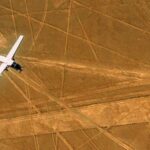
One small scheduling note: the itinerary also references an aerial view. Since the details aren’t spelled out beyond that mention, treat it as a “possible included viewing element” rather than something you can count on the way you’d count a museum entrance. If aerial access is a priority for you, ask the provider before you go.
Price and value: is $89 worth it?
At $89 per person, this isn’t the cheapest thing you can do in Nazca. But it’s also not trying to sell you “just a viewpoint.” You’re paying for hotel pickup, private tourist transport, entrance fees, a professional local guide, and the key stops that turn the lines from a distant mystery into something you can interpret.
Here’s where the value really shows:
- You get time at the Sitio María museum, not only the desert viewpoints.
- You have guiding while you stand where the figures read best (Hands, Tree, lizard).
- Transport and transfers remove the hassle of coordinating rides and timing.
The cost starts to make less sense if your idea of Nazca is only “see lines from one spot quickly.” But if you want the explanations and you’re okay with rugged walking, the pricing looks fair for what you’re actually getting.
What to bring for the desert walk (and why it matters)
This kind of Nazca visit is about comfort as much as it is about curiosity. The tour specifically recommends bringing:
- comfortable shoes
- sunglasses and a sun hat
- snacks (food isn’t included)
- sunscreen and plenty of water
I also suggest packing your day like it’s a hot outdoor hike, not a museum stroll. Even in a short window, you’ll feel the sun on exposed ground, and the rugged terrain makes footwear non-negotiable.
Who should book this Nazca Mirador experience?
This is a great fit if you want:
- a guided walk that prioritizes seeing multiple figures and line patterns
- a museum component that adds real context through Dr. María Reiche’s life
- an efficient half-day style format starting from your hotel
You might prefer a different option if you can’t handle uneven ground or you’re looking for mostly seated sightseeing. The walking is part of the design here, because being in the right spot is how the lines start to make sense.
Should you book this Nazca Mirador tour?
Yes, I’d book it if you want a balanced Nazca experience: museum context plus up-close viewing, with a guide to explain the theories while you’re in the best positions to see the figures. The $89 price feels justified because the stops are specific—Mirador for major figures and the Hill for line convergence—not generic “look around” time.
I’d skip or rethink it if rugged terrain would make you miserable or if you hate walking in strong sun, even with good shoes and water. If that’s you, you may want a more minimal-footprint option.
FAQ
How long is the Nazca Mirador experience?
The tour lasts 150 minutes.
Where does the tour start?
It includes pickup from your hotel in Nazca.
What’s included in the price?
The tour includes hotel pickup, private tourist transport, entrance fees, a professional local guide, custom assistance, and a transfer back to your hotel at the end.
Is food included?
No. Food isn’t included, so bring snacks if you need them during the day.
What languages is the live guide available in?
The live tour guide is available in Spanish and English.
Will I see the Hands and the Tree geoglyphs?
Yes. From the Mirador viewpoint, the tour notes clear views of the Hands and the Tree, plus part of a lizard figure.
Is there any aerial viewing mentioned?
The itinerary includes an aerial view step, but the details are not specified beyond that mention.
Is the walk easy?
It includes a rugged terrain walk, so comfortable, supportive shoes are important.
What should I bring?
Bring comfortable shoes, sunglasses, a sun hat, snacks, sunscreen, and water.
How many people are required for departure?
At least 2 passengers are required to depart. If you’re traveling alone, you should ask about joining an existing group or arranging a private option.