REVIEW · CUSCO
Manu National Park Tours from Cusco 5 Days
Book on GetYourGuide →Operated by Machu Picchu Amazon Peru · Bookable on GetYourGuide
Some views hit you fast. This one mixes colonial streets, Amazon wildlife, and lodge life deep in Peru.
What I like most is the small group feel (up to 9 people) and how the plan builds from highland culture to lowland rainforest without feeling rushed. I also love the Tres Cruces stop, with real wildlife spotting along the way, then the calmer rhythm of guided walks and traditional Amazon meals at the lodges. One thing to consider: early logistics can matter. In at least one real booking, the start got mixed up and the trip had to be adjusted—so I’d confirm pickup details the day before you leave.
In This Review
- Key Things To Know Before You Go
- Cusco To Bambu Lodge: Paucartambo Culture And Tres Cruces Views
- Madre De Dios River Transfer: Why The Boats Matter
- Soga De Oro Highlights: Parrots, Traditional Lunch, And A Real Jungle Hike
- Back To Bambu Lodge On Foot-Forward Days
- Night Safari And Hot Springs: The After-Dark Bonus
- Wildlife, Medicinal Plants, And How The Guide Makes It Click
- Traditional Meals At Soga De Oro: Comfort In The Middle Of Adventure
- Lodging In The Rainforest: Mosquito Nets And What That Means
- Price And Value: Does $673 Make Sense For 5 Days?
- Who Should Book This Manu Tour (And Who Should Skip It)
- Should You Book This Manu National Park Tour?
- FAQ
- How long is the Manu National Park tour from Cusco?
- What’s the price per person?
- How big is the group?
- What languages are the guides?
- Is hotel pickup and airport/hotel drop-off included?
- What kind of accommodation is included?
- Are park entrance fees included?
- What meals are included?
- What gear is provided?
- Who is the tour not suitable for?
- Is there free cancellation?
Key Things To Know Before You Go
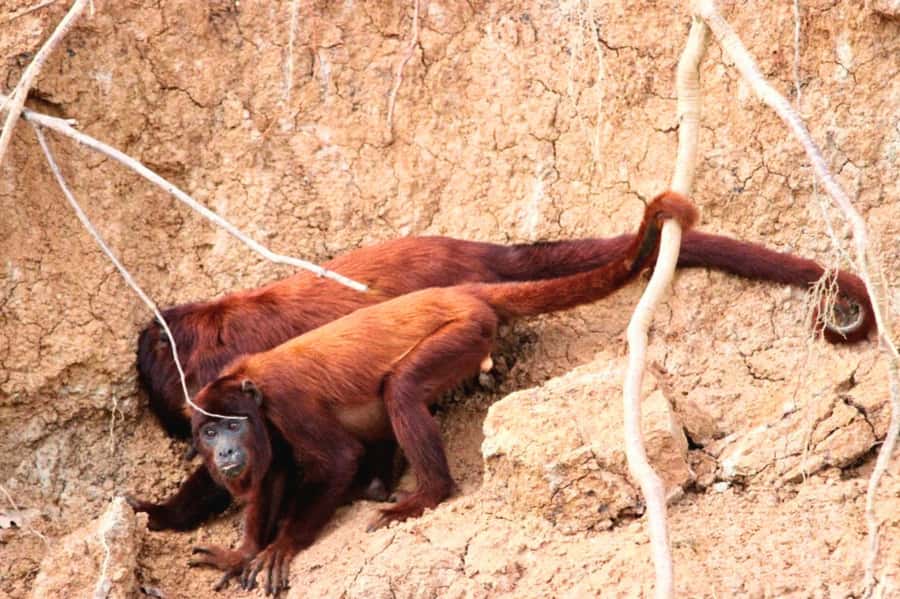
- Up to 9 people means you’re not lost in a crowd when the guide finds wildlife.
- Paucartambo + Tres Cruces gives you both culture and a major Amazon Basin viewpoint early on.
- Boat rides on the Madre de Dios River are a big part of the experience, not just transport.
- Cloud forest hiking with local expertise focuses on plants, wildlife, and how the ecosystem works.
- Traditional Amazonian meals at Soga de Oro are part of the schedule, including a jungle lunch.
- Night safari and hot springs time show you the rainforest after dark and between adventures.
Cusco To Bambu Lodge: Paucartambo Culture And Tres Cruces Views
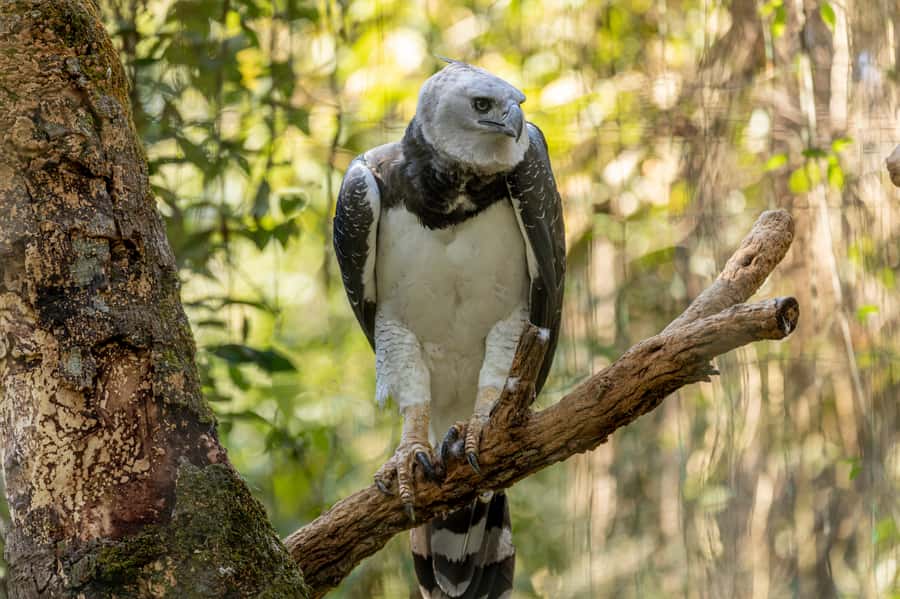
Day 1 starts with a long but scenic move out of Cusco: about six hours by road to Bambu Lodge. That travel time is what makes this tour work. Instead of spending your whole trip in transit, you’re doing transit while also layering in a meaningful stop.
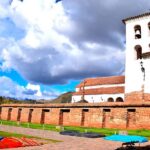
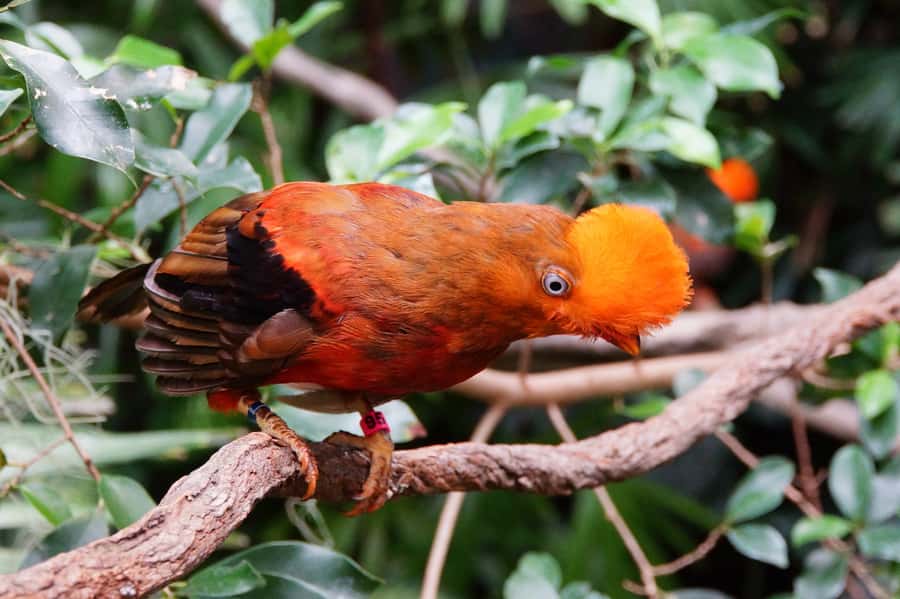
The first culture stop is Paucartambo, known for its colonial-era feel. Even if you only stretch your legs there, it helps your brain switch from Andes mode to Amazon mode. You also get time to look for wildlife during the drive—one of the coolest moments is learning to watch for movement and calls, not just scenery. The schedule even calls out the Andean Cock of the Rock as a possible sighting.
Then you reach Tres Cruces, a viewpoint designed for that wide, Amazon-Basin perspective. This is the moment you start to understand what you’re heading toward: a world that looks huge and connected, even though you’ll spend your days moving through it in smaller, human-scale ways. For me, that view also sets expectations for later: the jungle isn’t a single postcard. It’s layers.
Practical note: this is a day where you’ll appreciate comfortable clothes for sitting on a bus/van for hours. You’re outdoors too, so bring layers you can manage easily.
You can also read our reviews of more tours and experiences in Cusco
Madre De Dios River Transfer: Why The Boats Matter
On Day 2, you shift from roads to water with a 40-minute boat ride along the Madre de Dios River to Soga de Oro Lodge. This transfer isn’t just scenery. In rainforest travel, boat time is often when you see the river ecosystem start to make sense—how life uses the water, how banks change, and how quickly you move from one environment to another.
At Soga de Oro, the afternoon focuses on guided exploring on foot inside Manu National Park. The value here is the pacing and the guidance. Going with a local expert means you don’t just walk, you learn how to notice details: plant types, animal signs, and how the habitat behaves.
You’ll also get dinner at the lodge, and then you rest. That sounds basic, but lodges in this region are part of the rhythm. You’re not trying to cram in nightlife. You’re trying to recover for hikes and wildlife time where mornings and weather changes can shift what you see.
Soga De Oro Highlights: Parrots, Traditional Lunch, And A Real Jungle Hike
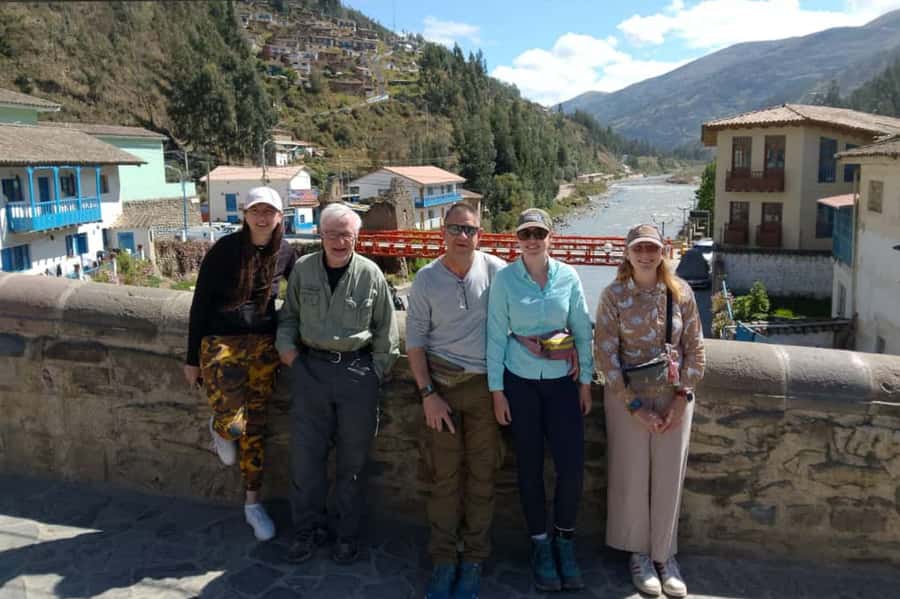
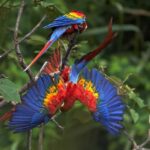
Day 3 is one of the most “Amazon” days on the plan. It starts with a short 20-minute boat ride into the Amazon to look for parrots. This is a classic rainforest strategy: early movement and sound tends to be easier to catch before the day heats up and things go quiet.
Then comes a traditional jungle lunch. I like including this because it keeps the tour from being only about animals and views. You get a sense of how people eat and function in the environment, not just how they guide you through it.
After that, the itinerary turns into a hiking and learning day: a guided trek through Manu National Park, with time for medicinal plants and wildlife spotting. This is where the guide’s role really matters. When someone knows the park’s signals—what to watch for, what to ignore, and which paths are most productive—you get more sightings with less wandering.
The day also includes an Amazonian sunset before dinner. Sunset in the jungle isn’t just pretty. It’s often when activity changes, and the guide can point out what shifts in sound and movement as day turns to night. If you’re the type who hates rushing, this schedule is built for you.
Back To Bambu Lodge On Foot-Forward Days
Day 4 brings you back to Bambu Lodge. You’ll start with breakfast at Soga de Oro, then take a boat ride back. After returning, you get a trail hike into the jungle for more flora and fauna learning.
This day is important for two reasons. First, it gives you extra time in the ecosystem without forcing the group to sprint from one “must-see” to the next. Second, going back to a different base often means slightly different trail and habitat angles. You’re not just repeating Day 3. You’re seeing more of how the park works across time and terrain.
Dinner at Bambu Lodge ends the day at a calmer pace. If you’re carrying camera gear, this is also a good time to reset batteries and organize shots, because night-focused experiences can come later.
Night Safari And Hot Springs: The After-Dark Bonus
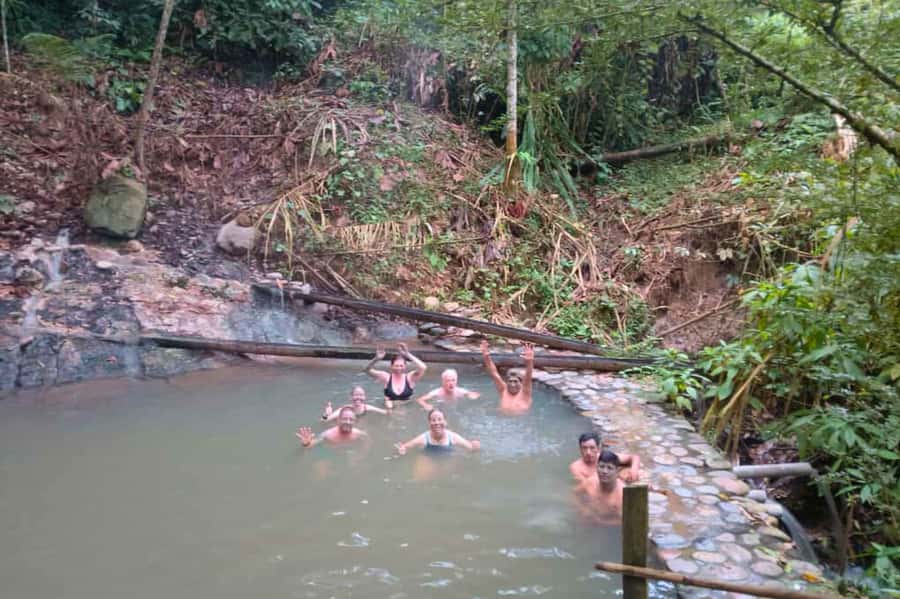
Your tour highlights include a night safari and a hot springs adventure. Even though the day-by-day breakdown doesn’t spell out exactly which hour those happen, the key point is this: the schedule intentionally adds two types of rainforest experience that day walks can’t fully replace.
A night safari is worth taking seriously. Night is when different species move, and many animals you miss in daylight become easier to detect through calls, eyeshine, or sudden movement near trails. If your goal is wildlife beyond the obvious, this is the part of the tour that gives you a second chance to see the park as a living system, not just a daytime backdrop.
The hot springs add another layer. After days of river travel and walking, a soak can turn “tired” into “functional.” It’s also a nice contrast: rainforest adventure in one block, relaxed comfort in another.
Tip: bring what you need to stay comfortable after water and night air. You’ll thank yourself when you’re not trying to dry gear at the wrong moment.
Wildlife, Medicinal Plants, And How The Guide Makes It Click
A tour like this can either feel like a long series of random stops—or like a coherent education. The difference is the guiding.
This itinerary is built around bi-lingual local guidance in English and Spanish, plus time for observation-based learning. You don’t just receive facts. You get help translating what you’re seeing into real understanding—why the plants matter, how animals use the habitat, and what clues to look for on a trail.
Here’s what you can realistically expect from this style of guiding:
- Short explanations at the moment they matter, not hours later.
- A focus on medicinal plants, not just “pretty leaves.”
- Wildlife spotting that relies on patience and timing, especially around morning and sunset.
- Walking routes chosen for seeing more while protecting you from wasted effort.
The most consistent “value signal” in your inclusions list is that the tour provides key gear and support: rubber boots, a first aid kit, and lodging with mosquito nets. That’s not glamorous, but it’s practical. It reduces the friction that can ruin a jungle trip for people who show up unprepared.
Traditional Meals At Soga De Oro: Comfort In The Middle Of Adventure
One of the best parts of a multi-day jungle tour is how food breaks the tension. This itinerary includes exclusive meals during the tour, and it specifically calls out traditional Amazonian meals at Soga de Oro plus that jungle lunch.
I like when a tour includes food that’s part of life in the area, not just “tourist food delivered on schedule.” You get a better sense of routine and local flavors. It also helps energy-wise. Hiking and spotting wildlife can feel physical even when it doesn’t look intense on paper.
You should note what’s not included: breakfast on the first day and dinner on the last day. So you’ll want to plan your first morning meal before you start, and you shouldn’t count on a final-dinner reset once you’re back on the drive to Cusco.
Lodging In The Rainforest: Mosquito Nets And What That Means
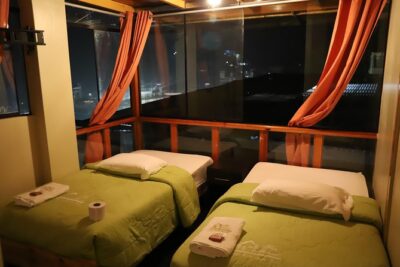
You’ll stay in lodges: Bambu Lodge and Soga De Oro Lodge. Each is included in the price, and the important detail provided is mosquito nets.
In rainforest travel, that simple inclusion matters more than people expect. Mosquito nets mean you can focus on sleep and recovery instead of worrying whether the room setup is adequate. It also suggests the lodge model is designed for the environment you’re in.
Also, because this is a small group, the lodge experience tends to feel more personal than huge-facility tourism. You’ll likely spend time talking with your group between meals, and that can make the jungle nights feel less intimidating.
Price And Value: Does $673 Make Sense For 5 Days?
The tour costs $673 per person for 5 days from Cusco, and the inclusions cover the big-ticket items that add up fast on your own: roundtrip transport from Cusco, park entrance fees, all transportation during the tour, lodges, and a bilingual guide.
To see value, look at what you’re getting without needing to build a custom itinerary:
- Two lodge bases in the Amazon area
- Multiple guided hikes
- Boat rides on the Madre de Dios River
- Meals during the tour (with clear exceptions)
- Rubber boots and first aid support
You still need to budget for what’s excluded—private expenses and the two meal gaps—but the structure is tight enough that you’re not constantly paying small add-ons.
The one “value risk” isn’t the price. It’s trip smoothness. If you’re sensitive to missed pickups or schedule confusion, do the boring prep: confirm pickup and start times in advance so you’re not starting your rainforest week stressed.
Given the inclusions and the logistical complexity of reaching Manu areas from Cusco, this price can feel fair—especially for a small group tour where guide time isn’t diluted.
Who Should Book This Manu Tour (And Who Should Skip It)
This is a strong fit if you:
- Want wildlife and guided nature time, not just scenic drives
- Prefer small-group travel (up to 9 people)
- Like the combo of culture and rainforest—Paucartambo plus Tres Cruces plus jungle hikes
- Enjoy learning, especially around medicinal plants and ecosystem spotting
It may be a poor fit if you:
- Are pregnant (the tour is not suitable)
- Are over 95 (not suitable)
- Need a fully flexible schedule with zero day-to-day walking or boat movement (this is built for the outdoors)
If you’re a first-time Amazon traveler, you’ll probably appreciate that the tour gives you structure: hikes, boat rides, meal rhythm, and lodge recovery time.
Should You Book This Manu National Park Tour?
If you want a real taste of Manu—wildlife time, guided forest walks, river travel, and lodge nights—this tour is a solid choice. The best reasons are the small group size, the way the days alternate between movement and guided learning, and the inclusion of rubber boots and mosquito nets that make rainforest travel less stressful.
If you’re the type who hates uncertainty, you should take one extra step before you go: confirm your pickup details and starting plan clearly. That’s the only caution that matters here.
Overall, for 5 days starting from Cusco, this is a practical way to reach the Amazon side with enough time to actually see and learn, not just pass through.
FAQ
How long is the Manu National Park tour from Cusco?
It runs for 5 days.
What’s the price per person?
The price is $673 per person.
How big is the group?
The tour is a small group limited to 9 participants.
What languages are the guides?
The guide is bilingual in English and Spanish.
Is hotel pickup and airport/hotel drop-off included?
Yes. Airport or hotel drop-off is included, and hotel pickup is included as well.
What kind of accommodation is included?
You stay at lodges, and mosquito nets are provided.
Are park entrance fees included?
Yes. Entrance fees and tickets for the Manu National Park are included.
What meals are included?
The tour includes exclusive meals during the trip. Breakfast on the first day is not included, and dinner on the last day is not included. A traditional jungle lunch is part of the schedule.
What gear is provided?
The tour includes rubber boots and a first aid kit.
Who is the tour not suitable for?
It is not suitable for pregnant women or people over 95.
Is there free cancellation?
Free cancellation is available up to 24 hours in advance for a full refund.