REVIEW · NAZCA
Nazca: Overflight of the Nazca Lines
Book on GetYourGuide →Operated by Tangol · Bookable on GetYourGuide
Giant drawings only make sense from above. This Nazca Lines overflight takes you from Nazca up to the desert sky, where the geoglyphs snap into focus fast. I like the structured preflight briefing at Aeródromo María Reiche—it helps you know where to look.
You also get a clear “take-home” package: a flight certificate, a map of the lines, and a documentary that gives you context before you fly. The main catch is timing—check-in and the aerodrome process can feel busy and time-pressured, so plan to be patient and ready.
In This Review
- Quick take: what matters most on this Nazca flight
- Nazca Lines from the air: why this overflight actually works
- Pickup in central Nazca and the 40–45 minute aerodrome prep
- The heart of the tour: 35 minutes vs 60 minutes over Nazca and Palpa
- The 35-minute option (minimum 2 people to operate)
- The 60-minute option (minimum 4 people to operate)
- What you’ll see in the sky: the 13 classic figures and the extras
- The guided context: Maria Reiche, Cahuachi, and why theories still matter
- Small group size and the 6-passenger reality check
- Comfort and timing: how to make the flight feel smooth
- Value check: what $129 buys you and what costs extra
- Who should book this overflight (and who should think twice)
- Should you book this Nazca overflight?
- FAQ
- FAQ
- How long is the Nazca Lines overflight?
- What figures will I see on the 35-minute vs 1-hour flights?
- What’s included in the price?
- What’s not included?
- What time do flights operate?
- Do I need to bring anything?
Quick take: what matters most on this Nazca flight
- Small group in an 8-seat plane: only 6 passengers, so everyone gets a panoramic view.
- Two flight lengths: about 35 minutes for 13 figures or about 1 hour for 21 figures.
- Aeródromo María Reiche briefing: plan for a long on-site safety and prep session before boarding.
- Documentary + map + flight certificate: you leave with tools to remember what you saw.
- Air taxes are extra: cash payment needed before boarding.
- Weather can shift your day: flights run between 09:00 and 16:00, and schedules follow conditions.
Nazca Lines from the air: why this overflight actually works
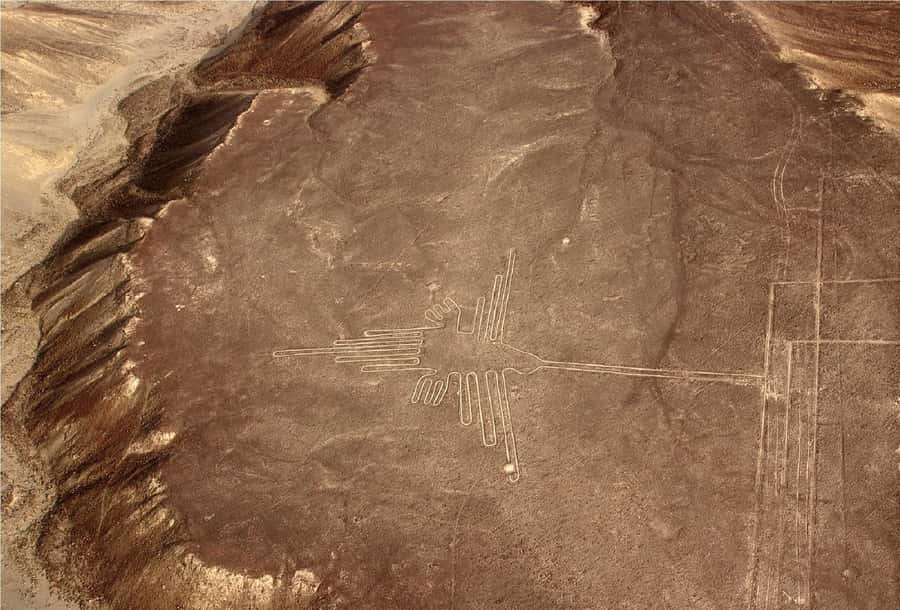
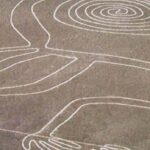
If you’ve only seen photos of the Nazca Lines, you’ve probably noticed the same problem: from ground level, a lot of the shapes look like confusing dirt marks. From the plane, that changes. You’re high enough to track the full lines and connect the dots between the figures.
This tour is built around that simple fact. The flight is the point, and the rest of the day is designed to get you into the air safely and on time. You’ll also be briefed on what the geoglyphs are and how to spot them quickly once you’re airborne.
The other advantage is attention to passenger visibility. Each person gets a panoramic view from the cabin, so you’re not stuck behind someone’s shoulder or camera strap. That matters when you’ve got a short window—like 35 minutes—because you’ll want to look continuously, not just at the end.
You can also read our reviews of more tours and experiences in Nazca.
Pickup in central Nazca and the 40–45 minute aerodrome prep
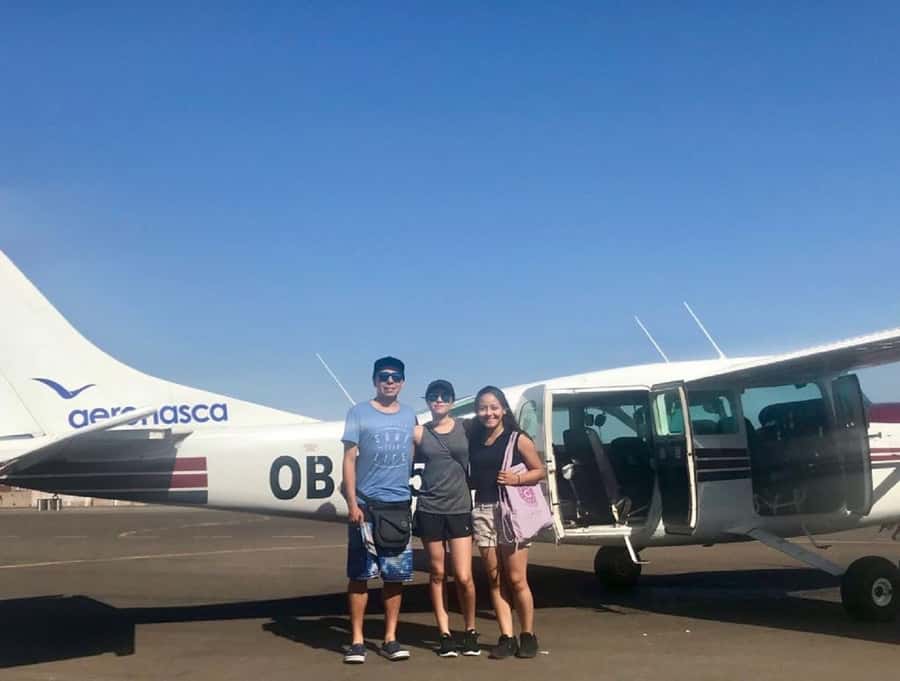
Your day starts with shared transfers from either the bus terminal or hotels in central Nazca. The ride to the airport area is short, around a dozen minutes, which keeps you from burning precious time before check-in.
Once you arrive at Aeródromo María Reiche, you’re not jumping straight onto the plane. Expect a major block of time for procedures and the safety briefing—about 40 minutes, sometimes closer to the 45-minute range mentioned for the required on-site steps. This is where the tour earns its keep: you’ll get the background and the basics of what you’re about to see.
It’s also where you learn how the schedule works. Flights happen between 09:00 and 16:00, and timing follows order of arrival plus weather. That means you should show up calmly and avoid planning a tight connection right after, since the day can run slightly ahead or behind.
Practical tip: bring your hat and sunscreen even if you only feel “in the sun” for a short time. The desert doesn’t care about your schedule, and you’ll likely spend at least some time waiting outdoors before boarding.
The heart of the tour: 35 minutes vs 60 minutes over Nazca and Palpa
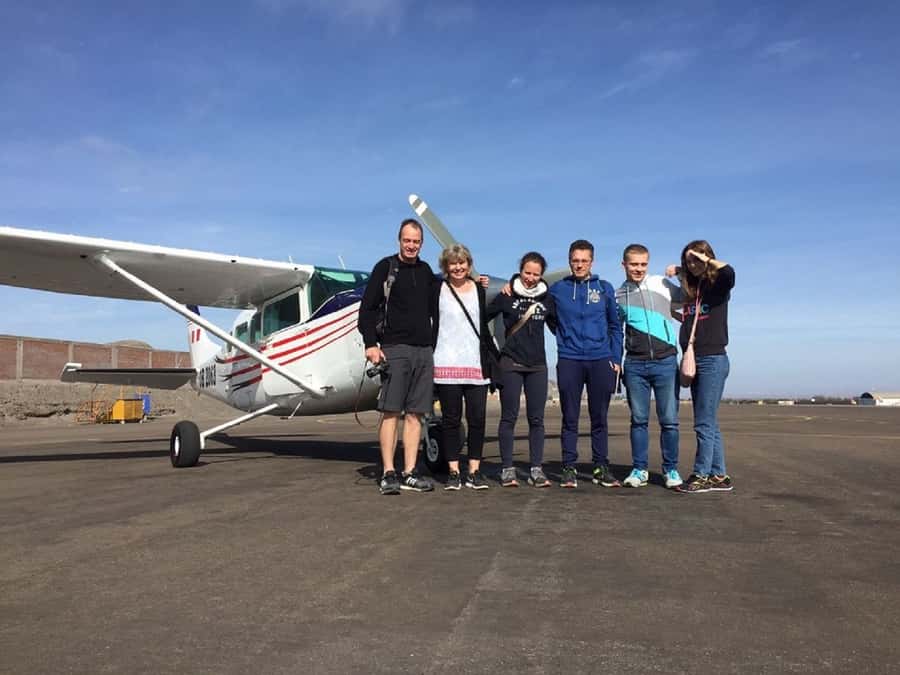
You’re choosing between two flight lengths, and that choice affects how many figures you can realistically take in.
The 35-minute option (minimum 2 people to operate)
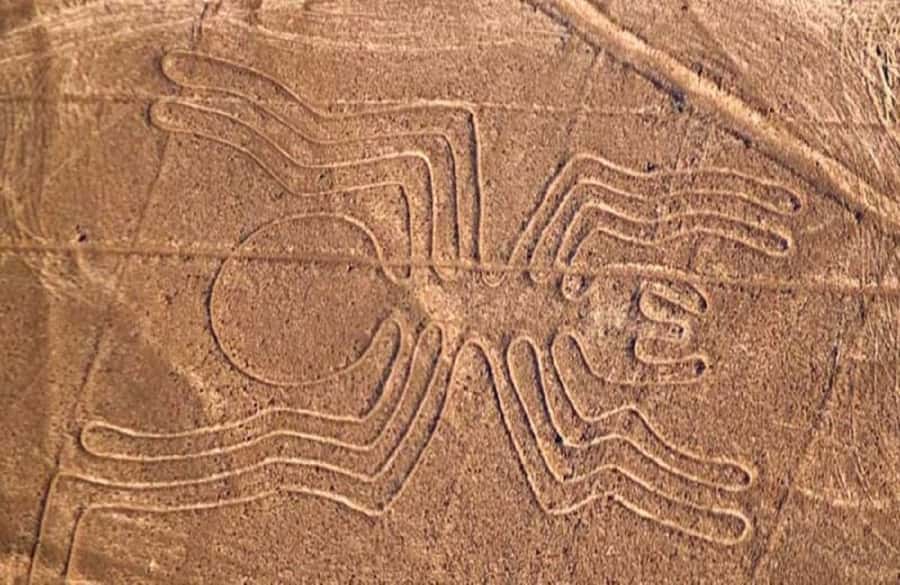
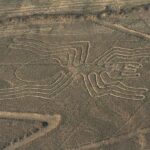
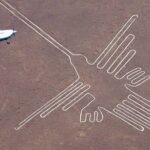
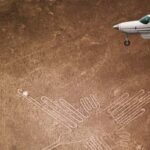
This version is designed for a faster hit of the most iconic shapes. You’ll see 13 figures, including the whale, dog, condor, hummingbird, spider, compass, and a group of well-known human and animal-like forms such as the astronaut, monkey, hand, tree, and parrot, plus the trapezoids.
It’s not just “more or less time.” With a shorter flight, you get fewer passes over any one figure. That’s why a briefing matters. If you know what to look for, you can recognize shapes sooner and spend your limited time confirming what you’re seeing.
The 60-minute option (minimum 4 people to operate)
If you can wait for the longer flight, you’ll get a fuller tour of the region. You’ll appreciate about 21 figures, starting with the same 13, then expanding into additional geoglyphs over the Nazca and Palpa plains.
The extra set includes heron, crane, pelican, seagull, snail, llamas, iguana, lizard, snakes, and several bird figures. The difference you’ll feel is less about quantity and more about pacing—you have more time to “read” the lines as a system rather than a quick snapshot.
One more note: flight availability depends on when your group can operate. If you’re traveling solo or with only one other person, the minimum requirements can limit which flight length you can book.
What you’ll see in the sky: the 13 classic figures and the extras
The Nazca Lines are famous for their strange mix—animal forms, geometric shapes, and some more unusual images that look almost human-made in intention even though the purpose is still debated.
In the shorter flight, the 13 figures you’ll be looking for include:
- Whale and dog
- Condor
- Hummingbird and parrot
- Spider and compass
- Astronaut, monkey, hand, tree
- Trapezoids and albatross
In the longer flight, you keep those and add another layer of variety over Palpa. If you’re the type who likes comparing similar animals and shapes across the desert, the longer option is a better match. You’re also more likely to notice connections between where figures sit and how the lines stretch across the plains.
Remember: the tour can’t promise a “perfect photo” every time, because your viewpoint and timing depend on the flight path and conditions. But the structure of the included aerial viewing time makes it possible to identify figures even if you only catch them once or twice.
The guided context: Maria Reiche, Cahuachi, and why theories still matter
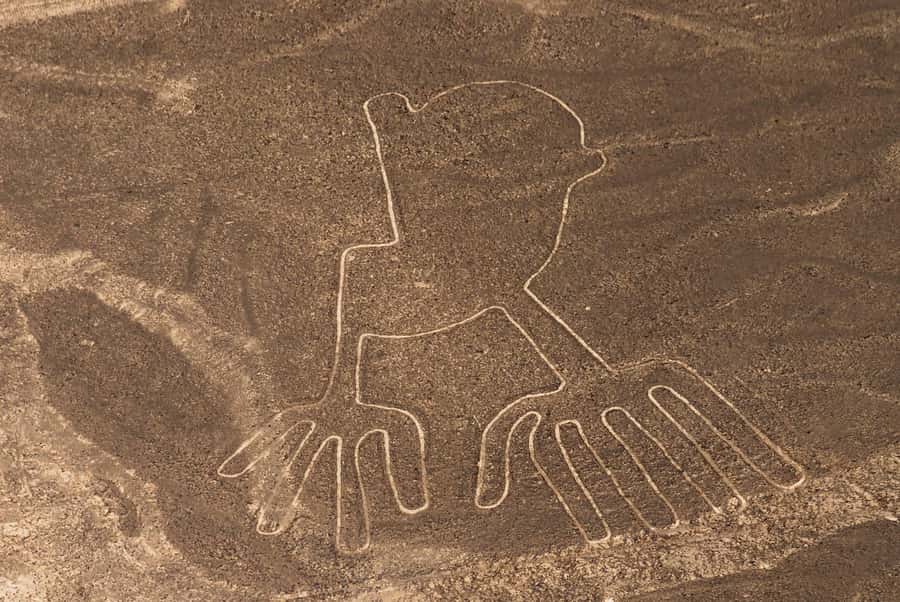
The Nazca Lines don’t come with a single, accepted explanation. That uncertainty is part of what makes the overflight so satisfying: you feel the scale and intent, even if you can’t prove the original purpose.
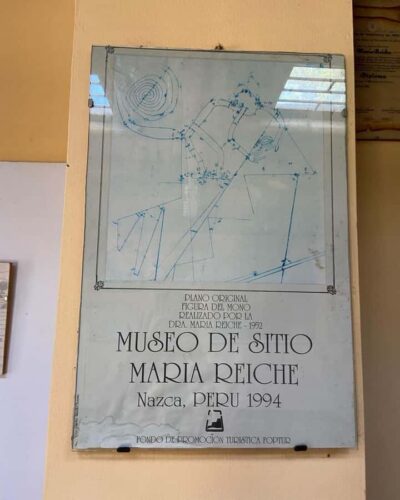
Before you fly, you’ll hear the story in a practical way. The earliest references to the lines appear as far back as 1547, while the more modern discovery is tied to Peruvian archaeologist Toribio Mejía Xesspe in 1927. Then comes Maria Reiche, who devoted her life to studying and preserving the lines from 1946 onward.
One theory you’ll likely encounter is her idea that the lines could reflect a giant solar and lunar calendar used by ancient astronomers. You’ll also hear that other theories exist—from connections to gods seen from the sky, to much more speculative ideas. None of that changes the main point: the Nazca people created these geoglyphs with enough understanding to make them visible from above.
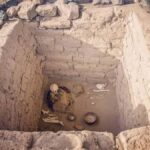
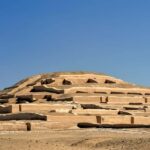
If you want a quick cultural anchor, it helps to know that the Nazca culture developed between the 1st and 7th centuries AD, and they excelled in ceramics, textiles, and metalwork. Their ceremonial center at Cahuachi and their water management—including aqueducts used to fertilize farmland—shows a society that planned carefully and engineered for desert survival. Seeing those achievements paired with the lines makes the geoglyphs feel less like a random mystery and more like a system.
Small group size and the 6-passenger reality check
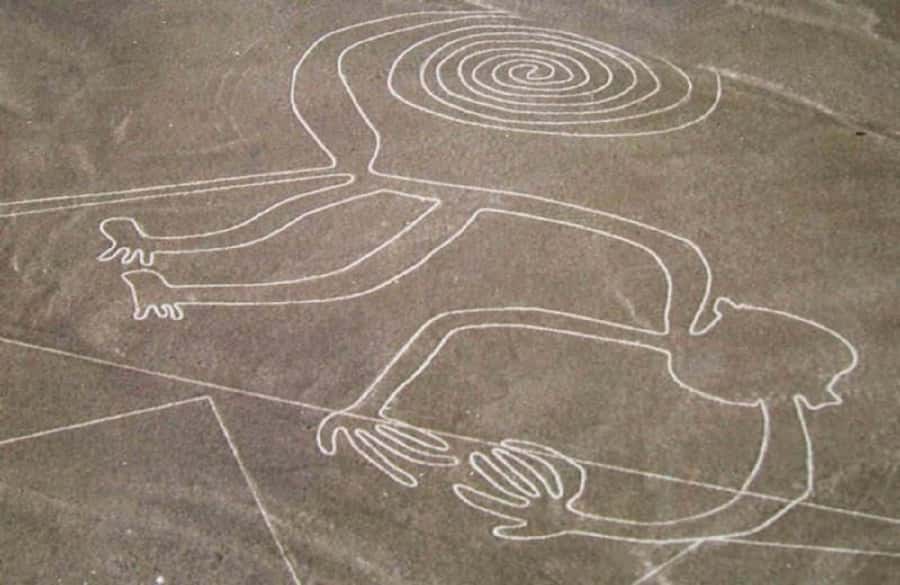
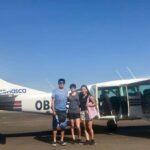
This is one of the quieter wins in the experience design: the group is limited to 6 participants, and the aircraft has 8 seats total (2 pilots and 6 passengers). That’s a meaningful difference.
With fewer passengers, you’re less likely to feel shoulder-to-shoulder. You can also move your attention around with less distraction, which helps on a short flight when every minute counts.
The tour also includes ongoing assistance in English and Spanish, and a documentary before boarding. If your Spanish or English is rusty, the documentary and map can still help you connect the figure names to the shapes once you’re up there.
A practical “check yourself” moment: if you’re sensitive to motion, consider planning a simple comfort strategy ahead of time. One traveler noted that even without typical motion sickness, the last minutes of the flight can trigger nausea—so it’s smart to think ahead rather than assume you’ll be fine.
Comfort and timing: how to make the flight feel smooth
The Nazca overflight is short, and that means you don’t get time to recover if you feel off. Motion, sun, and excitement all stack quickly.
Here’s what I’d do if I were prepping you:
- Bring sunscreen and a hat because waiting time can put you in strong light.
- Keep your phone ready but don’t let it steal your attention; the figure recognition matters most.
- If you’ve ever gotten motion sick, consider taking your usual anti-nausea approach beforehand. The air time is brief, but the body doesn’t always care about your itinerary.
Timing is also part of comfort. Flights run between 09:00 and 16:00, and schedules can shift with weather. That means you should keep the rest of your day flexible. If you’re trying to fit the overflight into a packed transfer day, build in cushion.
Value check: what $129 buys you and what costs extra
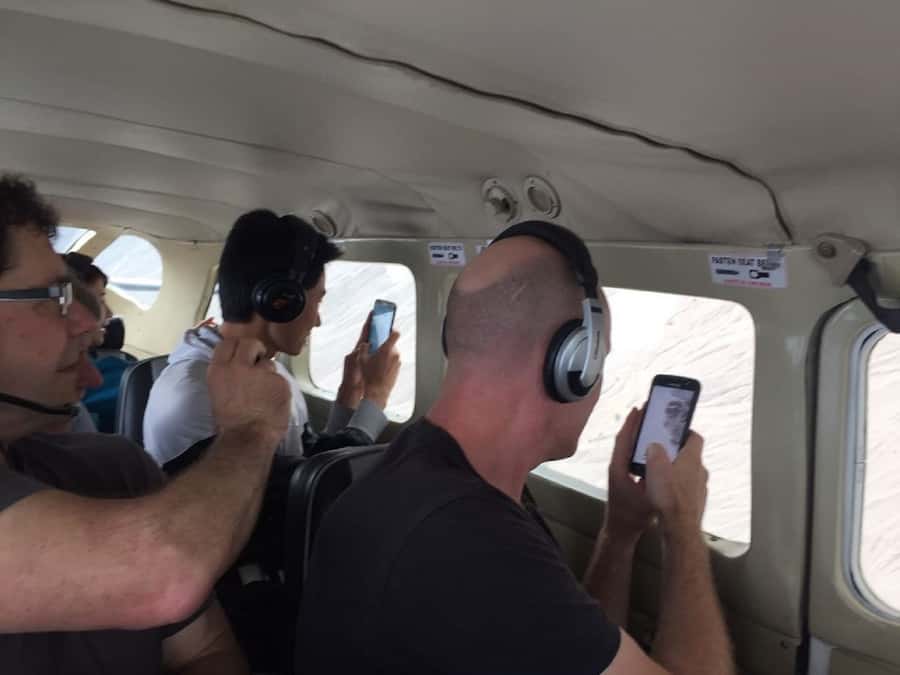
The price is listed at about $129 per person, and the value mostly comes from what you cannot DIY easily. Flying over the Nazca Lines isn’t just about seeing figures; it’s also about getting the briefing, the safe operation, and enough time in the air to actually recognize the shapes.
What’s included is practical:
- Round-trip shared transfers from central Nazca (bus terminal or central hotels)
- A documentary about the Nazca Lines
- Flight certificate plus a map of the lines
- Permanent assistance in English or Spanish
- Panoramic view for each passenger
What’s not included is one big “remember this” item: air taxes. You pay air taxes in cash before boarding, about S/. 77.00 or USD 25.00 per person. Also note that transfers from hotels outside downtown Nazca aren’t included, so you might need extra help arranging that first leg.
One more value angle: the plane seats are limited. If you can align with a flight length that covers more figures (the 60-minute option), you’re stretching your money across more recognizable shapes rather than rushing through just the most famous few.
Who should book this overflight (and who should think twice)
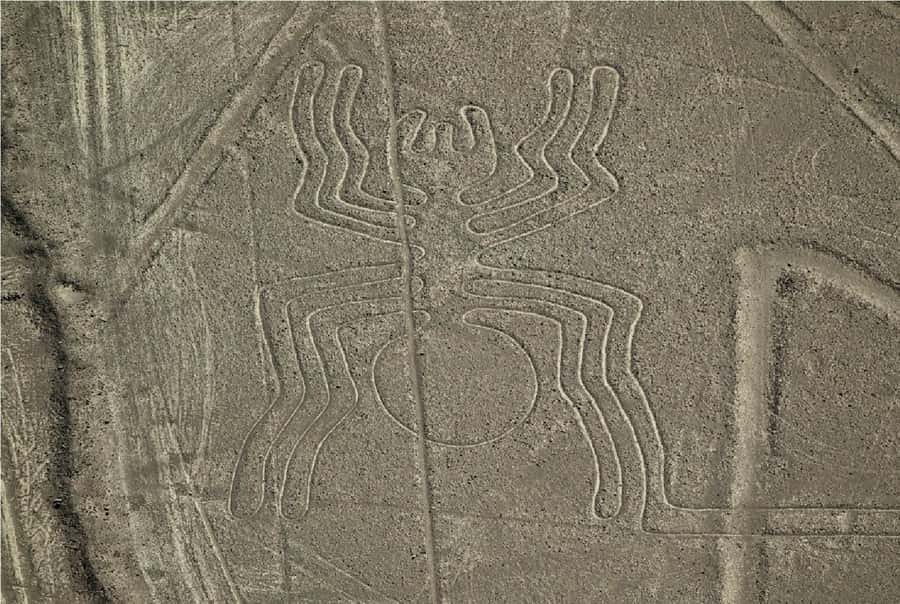
This tour is best for you if:
- You want the Nazca Lines in their intended viewing mode: from above.
- You like guided context that explains the main theories without pretending there’s a single answer.
- You’re okay with a short, structured day where weather can affect timing.
It may be less ideal if:
- You strongly prefer a specific language beyond English/Spanish. The guide support is in those languages, and the operation won’t promise other language options.
- You dislike busy check-in processes. The on-site procedures and safety briefing take a meaningful chunk of time, and the day can feel a little hectic.
If you’re traveling as a couple or small group, it’s a great fit. The 35-minute flight needs only 2 people to operate, while the longer flight needs 4, so your group size can influence what’s available.
Should you book this Nazca overflight?
If you care about seeing the Nazca Lines as more than “distant lines in a desert,” I think this is the right move. The combination of small-group seating, a guided briefing, and the 35- or 60-minute flight time makes it a focused experience that respects your time.
Book it if you can handle a busy aerodrome prep period and you’re willing to work with weather-driven timing. Skip it—or at least adjust your expectations—if you’re looking for a long, leisurely cultural day. This is a short flight built around recognition and view time, with context layered in before you go up.
FAQ
FAQ
How long is the Nazca Lines overflight?
The flight options run from about 35 minutes to about 1 hour.
What figures will I see on the 35-minute vs 1-hour flights?
On the 35-minute flight you can see 13 figures (whale, trapezoids, dog, astronaut, monkey, condor, compass, spider, hummingbird, parrot, tree, hand, albatross). On the 1-hour flight you can see 21 figures, adding Palpa-area figures such as heron, crane, pelican, seagull, snail, llamas, iguana, lizard, snakes, and various birds.
What’s included in the price?
Included are shared round-trip transfers from central Nazca (bus station or central hotels), a documentary about the Nazca Lines, a flight certificate and map, permanent assistance in English or Spanish, and panoramic view for each passenger.
What’s not included?
Air taxes are not included (about S/. 77.00 / USD 25.00 per person), and they must be paid in cash before boarding. Transfers from hotels on the outskirts of downtown Nazca are also not included.
What time do flights operate?
Flights take place between 09:00 and 16:00, and the actual schedule can change based on weather and order of arrival.
Do I need to bring anything?
You should bring your passport, sunscreen, a hat, and cash for the air taxes.