REVIEW · CUSCO
From Cusco: Manu National Park 3 Day Tour
Book on GetYourGuide →Operated by XPLORA AMERICA · Bookable on GetYourGuide
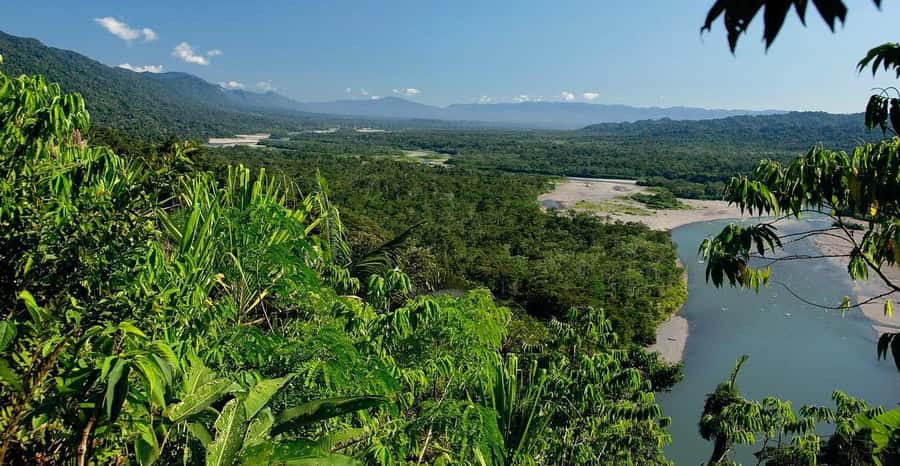
A day that starts in the Andes ends at the Amazon’s edge. This Manu National Park 3-day trip is a smart mix of culture and wildlife, with you moving from Cusco-region valleys into the cloud forest, then down to Puerto Atalaya.
Two things I really like about this route are the bird-focused moments (cock-of-the-rock courting and the parrot clay lick) and the way you get time in the river and swamp habitats instead of just quick look-and-go stops. You’ll also get a small group experience, capped at 17 people, which helps you move as a unit without feeling rushed.
One possible drawback: timing and comfort are tied to weather and river conditions. If schedules feel a bit fluid day to day, you may want to stay flexible and keep checking with your guide about what time to be ready.
In This Review
- Key moments you should care about
- Cusco to Manu: how the 3-day route really plays out
- Day 1: Lupaca pre-Inca tombs, Paucartambo culture, and cloud-forest wildlife
- How the Andean cock-of-the-rock lesson makes the birding easier
- Day 2: early forest check, coca plantation, and the wildlife rescue center
- Kayaking the Alto Madre de Dios: what you can realistically look for
- The swamp walk and caiman search on Day 2
- Day 3: speedboat to the parrot clay lick and back to Cusco
- The tour’s best strengths: guide work, small group flow, and real habitats
- Price and value: is $370 a fair deal for a Manu 3-day trip?
- What to pack for Manu: the list that actually matters
- Who should book this Manu tour (and who should skip it)
- Should you book the Cusco to Manu National Park 3-day tour?
- FAQ
- What’s included in the 3-day Manu National Park tour?
- Does the tour include kayaking?
- How long is the tour, and when do you return to Cusco?
- What meals are provided?
- What should I bring for Manu?
- Are vegetarian meals available?
- Is the itinerary affected by weather?
Key moments you should care about
- Courtship of the Andean cock-of-the-rock in the cloud forest, explained in plain terms
- Coca plantation + wildlife rescue center for a more human look at conservation
- Kayaking on the Alto Madre de Dios River with a chance to spot herons, vultures, and cormorants
- Caimans in the river (search time built in, not just a promised sighting)
- Parrot clay lick: a clay wall where multiple species gather to eat mineral-rich clay
- Small group logistics (max 17) that keep the day from turning into a bus parade
Cusco to Manu: how the 3-day route really plays out
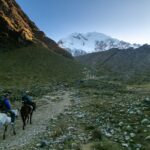
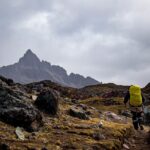
This tour is built around movement, not sitting. You leave Cusco and travel through valleys between the Andes Mountains and the towns that feed into Manu’s protected areas, so the scenery shifts as the ecosystems change.
What makes this work for you is the pacing. Day 1 is about setting the stage with cloud-forest life and cultural stops, Day 2 pushes into the river and marshy habitat zone, and Day 3 is the early run to the parrot clay lick, then back to Cusco.
Transport is a mix: coach or minibus at times, plus speedboat downriver. That’s a real feature, because Manu’s best wildlife zones are often easier to reach by water than by foot.
You can also read our reviews of more tours and experiences in Cusco
Day 1: Lupaca pre-Inca tombs, Paucartambo culture, and cloud-forest wildlife
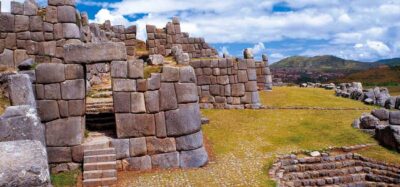
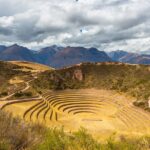
Day 1 starts with leaving Cusco and working your way through the Cusco Region valleys. You stop at pre-Inca tombs connected to the Lupaca culture, which is a good warm-up if you like understanding how people shaped this region long before the national park was even a concept.
Next comes Paucartambo, a colonial city with a museum visit. This isn’t filler; it helps you connect the natural world to the human one, so the birds and plants you’ll see later don’t feel like a random side-show.
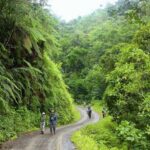
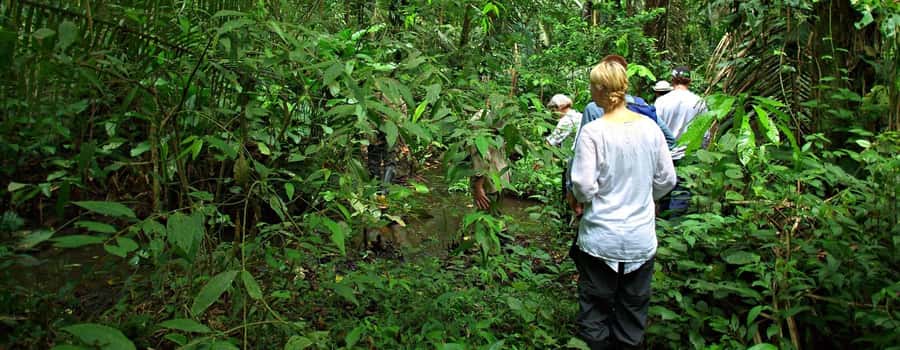
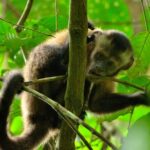
Then you move into the cloud forest for lunch in the middle of native fauna. This is where the tour leans into wildlife education: you learn about the Andean cock-of-the-rock and its courtship ritual, and you get plant spotting too, including orchids, bromeliads, and ferns.
The vibe here is calm but alert. You’re walking around with the guide’s eyes on the trees and the air, and that matters because cloud-forest animals are often easier to hear than to see.
How the Andean cock-of-the-rock lesson makes the birding easier
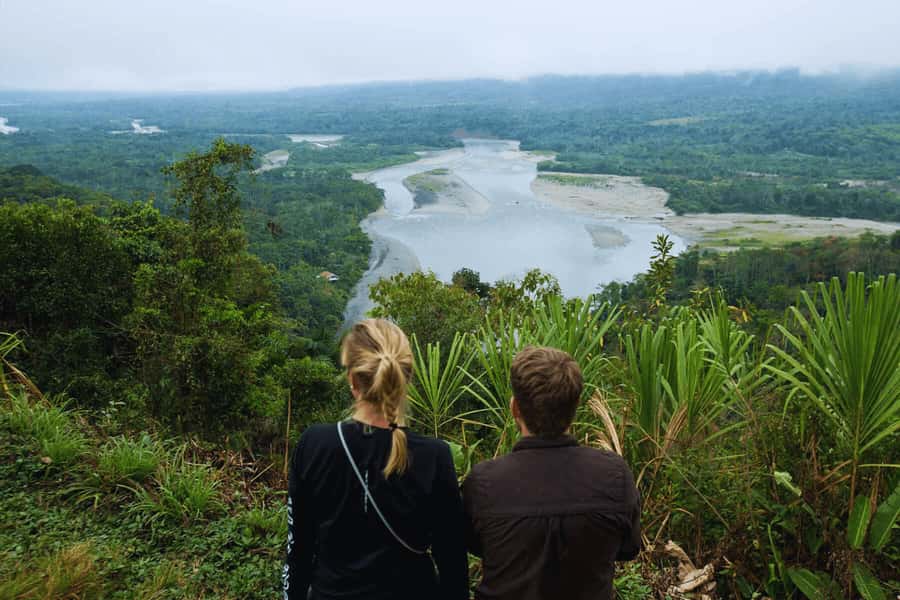
If you’ve ever seen a guide point at something and you barely notice it, this is the opposite approach. The tour specifically teaches the cock-of-the-rock and its courting behavior, so you know what you’re watching for besides a flash of color.
The Andean cock-of-the-rock is Peru’s national bird, and that context makes the sighting feel less like a lucky coincidence and more like a moment you can actually understand. Even when you don’t spot every bird instantly, learning the ritual gives you a mental checklist.
Day 2: early forest check, coca plantation, and the wildlife rescue center
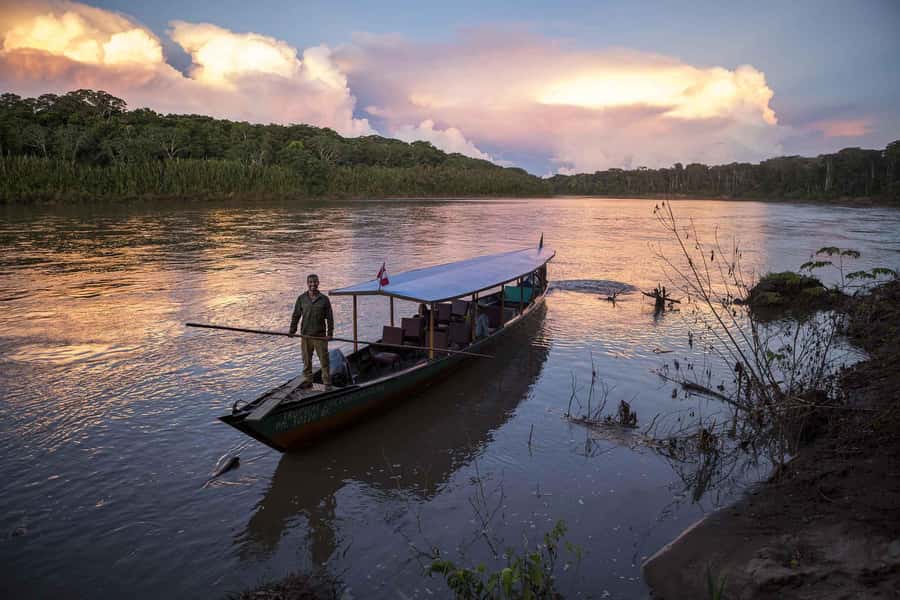
Day 2 begins with an early breakfast and a walk to check the fauna in the forest. This early start is practical: wildlife tends to be more active and the forest sounds less muted when the day is young.
After that, you visit a coca plantation and a wildlife rescue center. That combination gives you two different lenses at once—how an important crop is grown in the region and how local efforts support animals when they’re injured or displaced.
Then you keep moving toward Atalaya, on the banks of the Alto Madre de Dios River. This is where the tour shifts from forest trails to a river-based wildlife day.
Kayaking the Alto Madre de Dios: what you can realistically look for
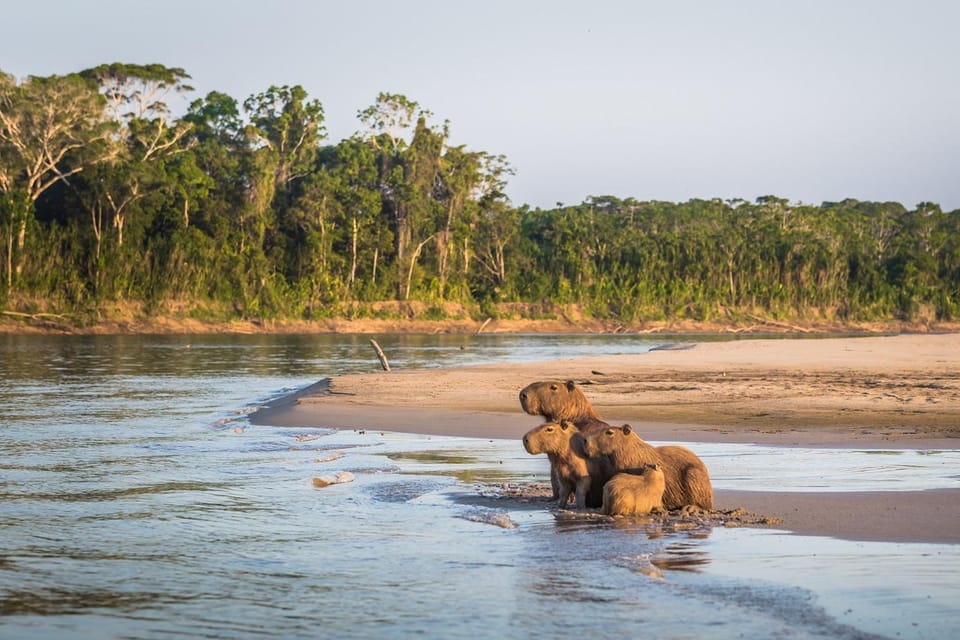
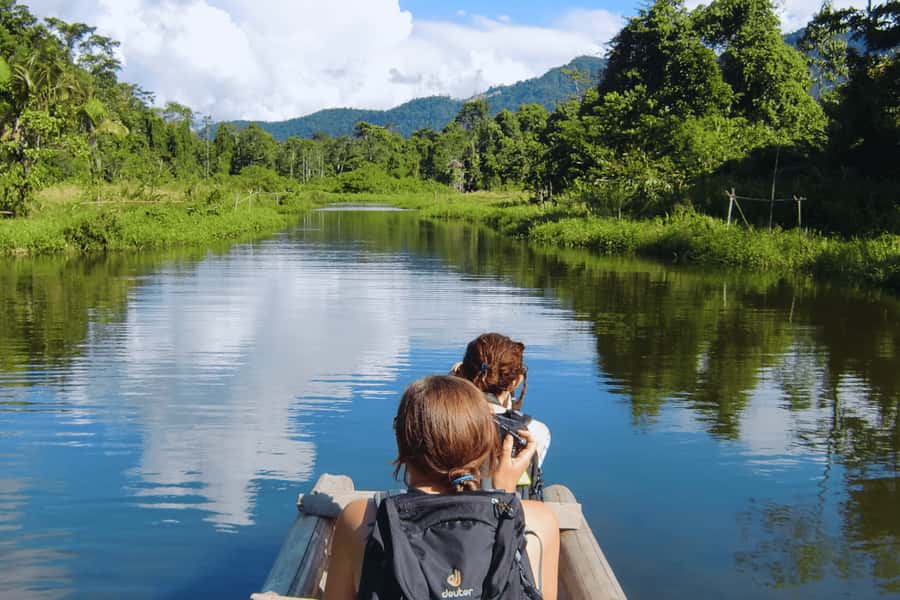
You begin a 1-hour kayaking activity from the river area. The goal isn’t just thrills; it’s bird spotting and slow travel where wildlife doesn’t feel like it’s being chased.
Your chances include seeing birds like herons, vultures, and cormorants. Real talk: you’ll still need patience. River birds often show up in quick bursts, so the best way to enjoy this is to keep your eyes moving and your expectations calm.
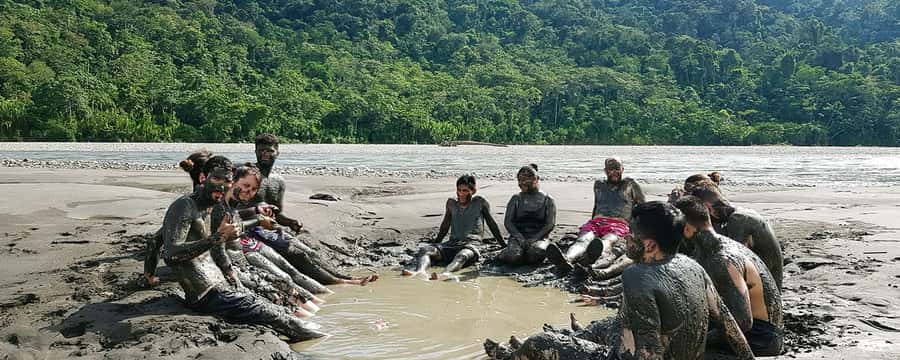
After kayaking, you arrive at the hostel and get some free time. There’s time to take a dip in the river and grab lunch, which is a nice reset after being on your feet and then paddling.
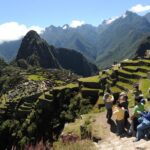


The swamp walk and caiman search on Day 2
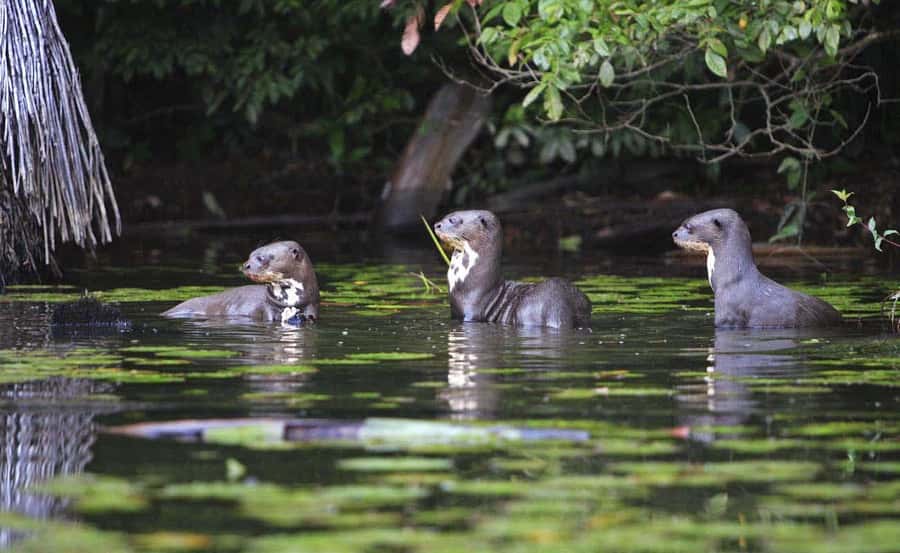
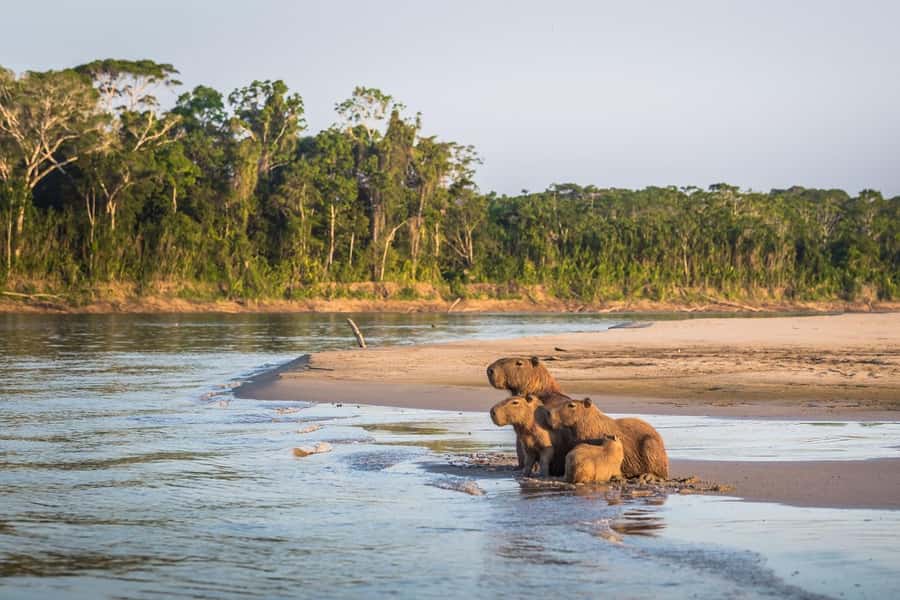
Later in the day, you visit a swamp where you may see toucans, woodpeckers, and parrots. Again, you’re not guaranteed every species, but the habitat setup is right for this kind of bird activity.
Then you go in search of caimans. This is one of those moments where effort matters more than luck, so it helps that the day already slowed down around water and marsh edges.
If you’re the type who likes being out early and watching for movement in the undergrowth, Day 2 is usually the most satisfying wildlife day on this tour.
Day 3: speedboat to the parrot clay lick and back to Cusco
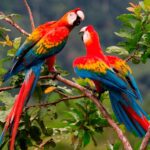
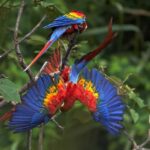
Day 3 is built around a very specific wildlife behavior: parrots feeding on clay. You get up early and head out by speedboat toward a parrot’s clay lick, described as a clay wall on the riverbanks where different parrot species gather.
Watching them eat the clay is the highlight, and the tour explains why it matters. The clay provides minerals that help the birds digest and helps them rid themselves of toxins. It’s one of those biological stories that makes the spectacle feel scientific, not just scenic.
Once that action is done, you return for breakfast at the hostel. Then you take another speedboat back toward Puerto Atalaya, where a coach picks you up and returns you to Cusco for lunch on the way back.
Arrival timing in Cusco is typically between 5:30 pm and 6:30 pm, so plan an easy evening, not a strict dinner reservation right away.
The tour’s best strengths: guide work, small group flow, and real habitats
This itinerary does a lot right because it treats wildlife as something you study, not something you chase. The guide focus is on reading the environment: native plants, animal sounds, and the logic behind behaviors like courting and clay licking.
The small group size (max 17) also makes a difference. You can hear instructions, you can keep up on foot, and you spend less time waiting for the whole pack to gather.
You also get a fairly complete set of included meals. Two breakfasts, two lunches, and two dinners are covered, plus mineral water. That matters on a route like this, where buying snacks every day would add cost and time.
Price and value: is $370 a fair deal for a Manu 3-day trip?
At $370 per person for 3 days, you’re paying for transportation, park access, lodging, and multiple guided activities. That price isn’t just for watching birds; it includes the logistics of getting from Cusco into the protected Manu zone and back, plus the speedboat segments and the kayaking.
You’re also paying for structure. Tickets to Manu National Park are included, and you get an English-speaking guide (with Spanish also used by the guide team). Add in 2 nights of accommodation and a full meal plan for most of the days, and the value gets more obvious.
Where the price might feel less great is if you prefer ultra-comfort with lots of downtime. This is an active nature-and-culture route, so if you want long, cushy afternoons, you might feel the pace more than you expect.
Still, if you want a balanced introduction to Manu—cloud forest plus river plus clay lick—$370 is a reasonable range for what’s included.
What to pack for Manu: the list that actually matters
You’ll want practical gear more than fancy gear. Bring comfortable shoes, a hat, sunscreen, and rain gear because conditions can change. Add a camera if you like photos, plus binoculars if you read small shapes better with magnification.
Swimwear is useful, since you’ll have a chance to take a dip in the river on Day 2. Pack comfortable clothes for warm days and layers for cooler periods, especially with early starts.
For bug coverage, insect repellent is on your must-bring list. Also bring water, but do it smart: the tour asks you to avoid plastic bottles, so a reusable bottle is the better choice.
Finally, keep a small “rules mindset.” You won’t be allowed to smoke, litter, or feed animals, and you shouldn’t touch plants. Those rules protect both you and the habitat.
Who should book this Manu tour (and who should skip it)
This tour is a strong fit if you want a structured, guided route that combines culture with real wildlife habits. If you’re excited by birds—especially the national-bird cock-of-the-rock and the parrot clay lick—this itinerary is built around that.
It’s also a good choice for people who like the feeling of getting farther into the Amazon ecosystem without needing to plan permits, guides, and transport on your own.
It’s not suitable for:
- children under 3
- pregnant women
- people with back problems
- people with heart problems
- wheelchair users
If any of those apply, you’ll need an alternate option.
And remember: the tour is subject to weather. If rain or river conditions shift, your schedule can flex.
Should you book the Cusco to Manu National Park 3-day tour?
Book it if you want a compact but genuinely varied Manu experience: cloud forest education on birds and plants, hands-on nature time on the Alto Madre de Dios River, and the standout spectacle of the parrot clay lick. The included park admission, meals, lodging, and the speedboat plus kayaking combo make it a practical way to see a lot without extra add-ons.
Consider a different plan if you need a perfectly fixed schedule every minute, or if you’re very sensitive to how accommodations and outdoor spaces can look when you’re in remote areas. This trip also asks for physical flexibility—walking, early starts, and getting in and out of boats.
If you’re excited to watch behavior, not just scenery, you’ll likely love how the days connect.
FAQ
What’s included in the 3-day Manu National Park tour?
Hotel pickup and drop-off, transport by coach or minibus and by speedboat, an English-speaking guide (Spanish also available), kayaking, admission to Manu National Park, 2 nights of accommodation, 2 breakfasts, 2 lunches, 2 dinners, and mineral water.
Does the tour include kayaking?
Yes. Day 2 includes a 1-hour kayaking activity.
How long is the tour, and when do you return to Cusco?
The tour runs for 3 days. You return to Cusco on Day 3, typically arriving between 5:30 pm and 6:30 pm.
What meals are provided?
Breakfast is included for both mornings of Days 2 and Day 3 (the first day’s breakfast is not included). Lunch is included on Days 1 and 2, and dinner is included on Day 1 and Day 2 (dinner on the final day is not included).
What should I bring for Manu?
Bring comfortable shoes, a hat, swimwear, a camera, sunscreen, water, rain gear, comfortable clothes, insect repellent, and binoculars.
Are vegetarian meals available?
Yes. Vegetarian meal options are available.
Is the itinerary affected by weather?
Yes. The activity is subject to weather conditions, so parts of the schedule can be adjusted.