REVIEW · CUSCO
Ausangate and Rainbow Mountain Trek – 3 Days / 2 Nights
Book on Viator →Operated by Salkantay Trekking · Bookable on Viator
Breathing hard starts with beauty at altitude. This 3-day Ausangate and Rainbow Mountain trek pairs crystal-lake scenery with two high passes and an early Vinicunca visit that beats the worst of the crowds. I love the small-group feel and the way hotel pickup, transfers, and camping gear are handled for you. The main drawback: this is real climbing at high altitude, so strong fitness matters.
Expect oxygen support and a first-aid kit, plus hot coca tea and warm camp meals after the hardest sections. It also helps to arrive in Cusco at least two days early for altitude adjustment, because the Andes don’t do shortcuts.
In This Review
- Key points you should care about
- Why this trek joins Ausangate and Rainbow Mountain so well
- Getting moving: Cusco transfers and the 5:00 am start
- Day 1: Upis, lunch on the trail, and Arapa Pass toward Hatun Pucacocha
- Day 2: Puca Pass, glacial lagoons, and Warmisaya’s 360-degree views
- Day 3: Vinicunca before the crowds and the descent back to Cusco
- The guides and camp crew: safety, pace, and real comfort
- Camping setup and food: warm nights beat tough thoughts
- Fitness reality check: what challenging means on these passes
- Price and value: what $535 is really paying for
- Who should book this trek, and who might choose something easier
- Should you book this 3-day Ausangate and Rainbow Mountain trek?
- FAQ
- What time does the trek start?
- How long is the trek?
- What’s included besides the guide?
- How much luggage do I carry?
- Are the Rainbow Mountain and Ausangate entry fees included?
- Is oxygen provided in case of altitude issues?
- Can I request vegetarian or vegan meals?
Key points you should care about
- Early Rainbow Mountain access: you head out early enough to reach Vinicunca before the biggest rush.
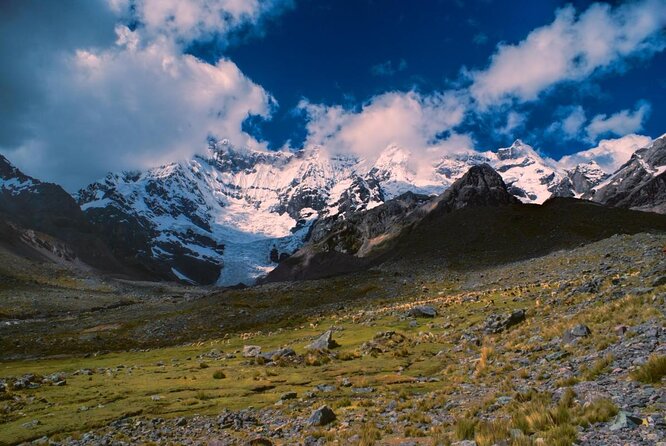
- Two serious passes: Puca and Warmisaya give you huge views across glacial lagoons and peaks.
- Ausangate views from camp: you sleep near the foot of mighty Ausangate after the Day 1 climb.
- Comfort-forward camping: tent camping with real sleeping gear and practical camp setup.
- Safety basics included: first aid kit and oxygen supply ride with the group.
- Limited luggage load: you carry smart-light, with 7 kg transported for you.
Why this trek joins Ausangate and Rainbow Mountain so well
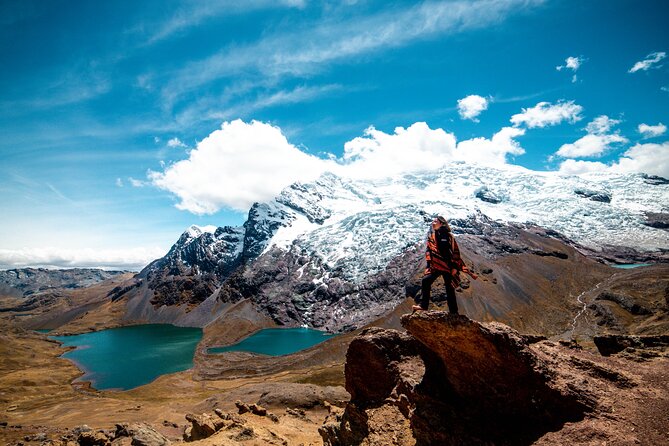
If you only do Rainbow Mountain, you get the highlight and then you’re done. If you only do Ausangate, you miss the ultra-famous color of Vinicunca. This itinerary connects both, and that matters because it changes the whole feel of the trip.
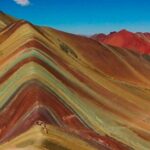
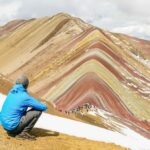
Ausangate gives you the high-Andes trekking experience: long views, glacier-fed water, and passes that force you to slow down and look around. Rainbow Mountain on Day 3 is the payoff moment, reached early so you can enjoy it instead of just surviving the queue.
You also get more variety than many short treks. You’re moving from Upis toward high passes, ending with a fast, scenic finish back toward Cusco. Even the camp nights feel like part of the story, not just logistics.
You can also read our reviews of more hiking tours in Cusco

Getting moving: Cusco transfers and the 5:00 am start
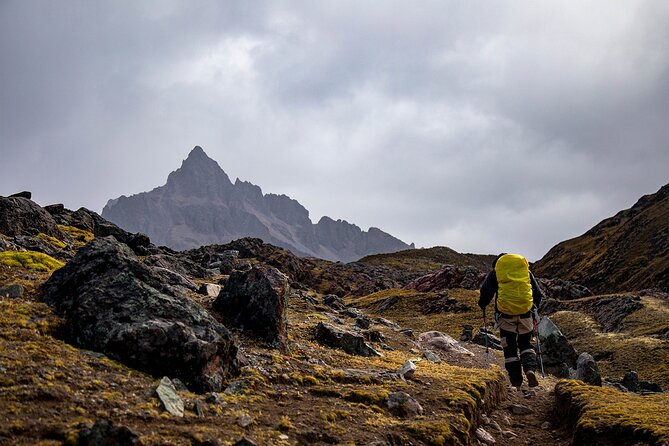
The schedule kicks off at 5:00 am, with hotel pickup and drop-off in Cusco plus round-trip transfers between Cusco and the trail. That’s a big deal when you’re dealing with altitude and cold mornings. You’re not trying to coordinate taxis, meet strangers, or guess timing while your lungs are busy.
The tour also includes a pre-departure briefing, and you get trekking poles and a rain poncho. Those small items add up. Poles help on steep downhills when your quads start writing angry emails. Ponchos matter because weather can shift quickly in the Andes.
On the trail you get water and snacks, and the plan includes oxygen supply and a first aid kit. That doesn’t mean you should be careless. It just means the team is prepared for the reality of high elevation trekking.
Day 1: Upis, lunch on the trail, and Arapa Pass toward Hatun Pucacocha
Day 1 starts with a drive to the small town of Upis. From there, you hike for about 3 hours to the lunch spot, with the walk focused on scenery and easing into altitude. Ausangate shows up as more than a backdrop. You’re hiking in its orbit.
In the afternoon, you keep climbing toward Arapa Pass, then descend to camp at Hatun Pucacocha. The rhythm here is the classic Andes rhythm: slow uphill breathing, a hard-earned crest, then a satisfying downhill back to camp life.
What you’re really buying with Day 1 is the setting. The trek doesn’t just take you to a view. It places you at the base of the mountain for the night. After dinner and hot drinks, you sleep with Ausangate looming close.
A practical note: it’s a long day at altitude, listed at about 9 hours. If you’re new to trekking, this is where pacing matters most. You don’t want to sprint on Day 1 and hope for the best.
Day 2: Puca Pass, glacial lagoons, and Warmisaya’s 360-degree views
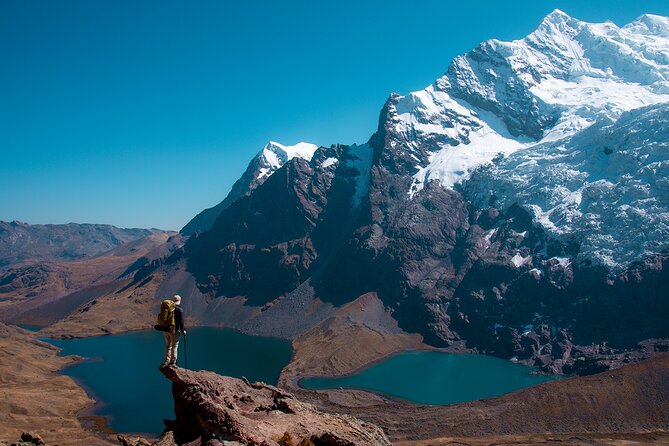
Day 2 begins with hot coca tea and breakfast. From there you head toward Puca Pass, with chances for dramatic scenery and even the occasional condor flight overhead. That’s the kind of moment you’ll remember when the trail gets monotonous on paper.
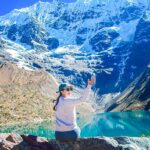
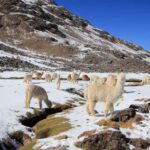
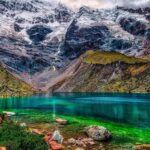
Along the way, you’ll get photo opportunities around glacial lagoons. These waters sit in stark contrast to the rocky slopes and snow patches. It’s the kind of scenery that makes you pause even when your legs are tired.
Next is lunch at Anantapata, followed by the climb to Warmisaya Pass. Warmisaya is the 360-degree view moment, and it’s also your first clear look at Rainbow Mountain. So Day 2 works like a bridge: you’re still deep in Ausangate country, but you’re already seeing the Vinicunca finale.
Then you descend to camp at Surinecocha for dinner and rest. Day 2 is about 7 hours total, and it’s the day where many people feel the elevation most. Go slower than you think you need to. The trail will still be there.
Day 3: Vinicunca before the crowds and the descent back to Cusco
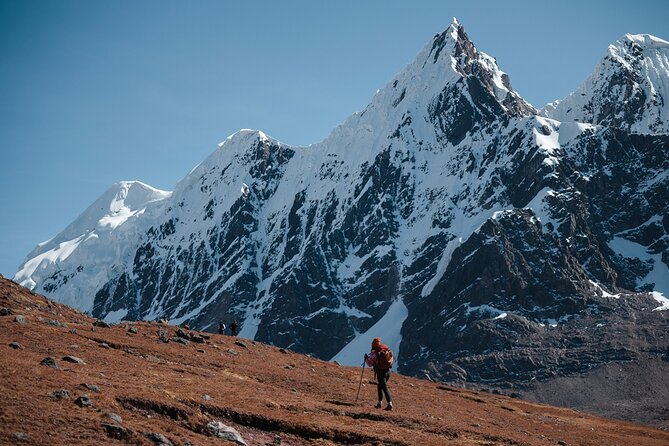
Day 3 is all about timing. You wake early to reach Rainbow Mountain (Vinicunca) before the biggest wave of tourists arrives. If you’ve ever visited a famous spot late in the day, you know how fast the vibe can turn. Early access keeps it calmer and more scenic.
You’ll stop along the early section to catch first views, then continue up to the mountain itself. The plan includes time on-site so you can take it in and learn why this place matters. That context makes a huge difference. You’re not just snapping pictures; you’re understanding what you’re looking at.
After you descend, you head to private transport, have lunch, and continue back to Cusco. Hotel drop-off is included, so you can recover without juggling buses after a high-altitude hike.
Day 3 is listed at about 3 hours. It feels shorter because you’re not doing the grinding uphill grind all day, but it still matters. The altitude doesn’t forget you just because the clock says 3 hours.
You can also read our reviews of more tours and experiences in Cusco
The guides and camp crew: safety, pace, and real comfort
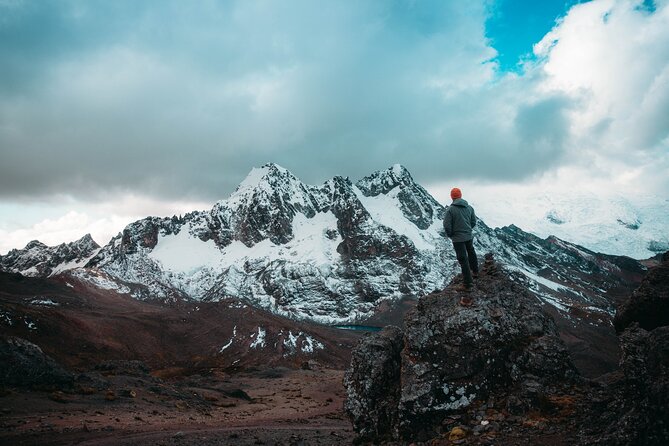
The best part of this trek is how the human team handles the hard parts. In multiple accounts, guides like Nestor, Marco, Fredy Apaza, Elisban, and Pabel show up as the reason the days feel manageable. You get patient support when the trail steepens and you need your breathing to find a rhythm.
One standout theme: guides adapt to the group’s speed. If your group is moving fast, you might get extra detours to viewpoints and sunset angles. If someone needs more help, they’re checked on and encouraged through tougher sections. That balance is hard to fake, and it’s exactly what you want when altitude turns “fun” into “serious.”
Then there’s the camp team. Multiple meals are credited to chefs like Heber and Juan Carlos, who cook in remote conditions and still manage to keep you properly fed. Horsemen and muleteers such as Avelino and Jesús also get credit for getting gear and equipment where it needs to go, safely and steadily.
Safety support is part of the package too. Oxygen supply is included, and one account specifically mentions needing oxygen on the first night. That’s not something to panic about. It’s a reminder to treat altitude seriously and let the team do its job.
Camping setup and food: warm nights beat tough thoughts
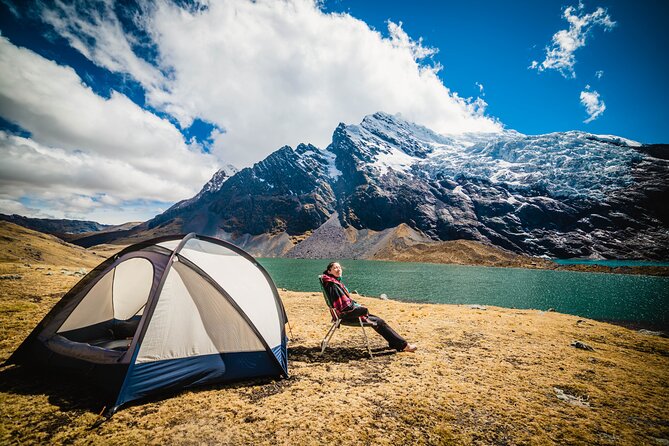
Camping gear is included: sleeping tent, air mattress, sleeping bag, and dining room setup with tables and chairs. That combination makes a difference. You’re not sleeping on the bare ground with a thin liner and hoping your willpower is enough.
You also get hiking poles and a rain poncho, which helps you stay functional through wet or windy moments. And the meals are not treated like an afterthought. You get lunch each day (3), breakfast each morning (3), and dinner on the two camp nights (2).
In real-world terms, warm camp nights are the secret weapon. One account notes being quite warm in the sleeping bag, fleece liner, and extra blanket provided. Another mentions extras like sleeping liners and hot water bags at night. Even if those extras vary by trip, the consistent point is this: the setup is designed so you can actually rest.
Food matters even more at altitude. When your body is working hard, “enough calories” isn’t enough. You want hearty meals that help you recover for the next climb. Multiple accounts praise how unexpectedly good the cooking is for a tent trek.
Vegetarian and vegan options are available if you request them at booking. So if you eat plant-based, you don’t need to wing it.
Fitness reality check: what challenging means on these passes
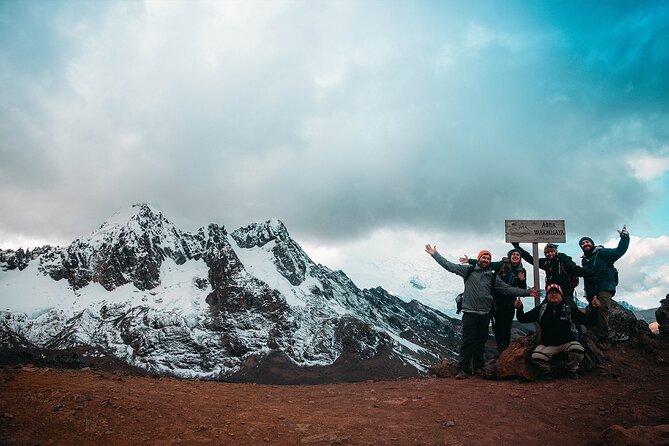
This trek is challenging, and the requirement is clear: you should have a strong physical fitness level. You’re not just walking for scenery; you’re climbing to high passes and dealing with thin air.
The itinerary includes passes like Puca and Warmisaya, and reports mention passes around 4,800 meters plus. That’s enough altitude that your body will feel it even if you’re fit. Your pace may slow down. Your breathing may feel odd. That’s normal here.
A smart move before you go: arrive in Cusco at least two days early to adjust to altitude. This is one of those travel tips that sounds boring until it saves your trip. If you can only arrive a day early, ask the tour provider what they recommend, because the itinerary is already demanding.
Also consider what you’ll bring for cold. The trek includes a sleeping bag and bedding, plus warm camp time, but your personal layers still matter. Think warm base layers and something for chilly mornings. You’ll appreciate it more than you expect.
Horse assistance is optional, and the details say it’s not included automatically. If you’re worried about a specific section, ask in advance whether it’s available for your group.
Price and value: what $535 is really paying for
At $535 per person, this trip isn’t cheap. But the value is more than just “you get to trek.” You’re paying for a bundle of things that would be a hassle to organize on your own:
- Experienced mountain guide
- Entry fees for Ausangate and Rainbow Mountain
- Camping equipment for 2 nights
- Luggage transport on the hike up to 7 kg
- Private transport and transfers plus hotel pickup and drop-off
- Oxygen supply and a first aid kit
- Hiking poles and rain poncho
- Meals and snacks (including breakfasts, lunches, and dinners)
On a short trek, those costs add up fast if you try to DIY. Here, they’re rolled in, and the max group size is 12 travelers, which often means you’re not fighting for attention or moving at the slowest pace.
The main trade-off is time and effort. You’re paying for a guided, managed experience, not a gentle stroll. If you want easy hiking with lots of downtime, this may not fit.
Who should book this trek, and who might choose something easier
This trek suits you if you want classic high-Andes trekking with real altitude effort and you’re okay with early starts. It also fits well if you like the idea of camping nights with a team that handles setup and cooking.
It’s also a great choice if you’re nervous about planning details. Round-trip transfers from Cusco, hotel pickup and drop-off, included equipment, and luggage handling mean you can focus on the trail rather than the logistics.
It may not be the best match if:
- You don’t have strong hiking fitness right now
- You’re very sensitive to altitude and can’t take acclimatization time in Cusco
- You prefer guided sightseeing over physical climbing
If you’re a first-time trekker but in good shape, this can still work because guides adjust the pace and support you through tough sections. The key is honesty with yourself about fitness and willingness to take it slow.
Should you book this 3-day Ausangate and Rainbow Mountain trek?
I’d book it if your priority is a true Andes trek that ends with a calm, early Rainbow Mountain visit. You get a solid mix: Ausangate passes, glacial lagoons, 360-degree views, and a Day 3 finish that doesn’t feel like a rushed photo stop.
Skip it if you’re looking for comfort that never touches altitude. This is a demanding hike, and the reward comes after real effort. If the cold or thin air scares you, plan your acclimatization carefully and be straight with your guide about how you’re feeling.
One last practical point: the trip depends on weather and has a minimum number of travelers. That can affect dates. If you’re flexible with timing and you can commit to the climb, this trek is one of those experiences that turns into a story you tell for years.
FAQ
What time does the trek start?
The start time is 5:00 am.
How long is the trek?
It’s 3 days with 2 nights camping.
What’s included besides the guide?
You get hotel pickup and drop-off, private transport and transfers, entry fees, camping equipment, hiking poles and rain poncho, first aid kit and oxygen supply, plus meals (3 breakfasts, 3 lunches, 2 dinners) and water and snacks.
How much luggage do I carry?
Your luggage transport includes up to 7 kg on the hike.
Are the Rainbow Mountain and Ausangate entry fees included?
Yes. Entry fees for Ausangate and Rainbow Mountain are included.
Is oxygen provided in case of altitude issues?
Yes. The tour includes an oxygen supply along with a first aid kit.
Can I request vegetarian or vegan meals?
Yes. Vegetarian or vegan options are available if you tell the provider at booking.