REVIEW · PUNO
Uros Floating Islands Tour in Puno
Book on GetYourGuide →Operated by Machupicchu Terra · Bookable on GetYourGuide
Reeds float above Titicaca. This short tour is a fast way to see Uros culture up close and learn how a reed island is kept alive on Lake Titicaca. I like that the visit is guided and practical, with a focus on daily life and the construction process, not just photos. One thing to plan for: the trip can run a bit shorter than the advertised 4 hours, and the flow of the visit can feel sales-heavy at times.
You’ll spend about 30 minutes cruising by motor boat across the lake, covering roughly 7 kilometers, before you step onto the islands. I also like that you get time for photos with the water and sky at high altitude, plus an optional reed-boat ride to a small main-square area with cafes and souvenir shops. If you hate shopping stops or want a strictly hands-on experience, you’ll want to set expectations before you go.
Finally, the big deciding factor is pacing and how the tour is run. Some tours can feel pushy about buying items or leaving tips, and the “optional” reed boat portion may not feel very optional in real life. Also, English quality can be uneven, so if you depend on English, keep your questions simple and be ready to use some Spanish if needed.
In This Review
- Key things to know before you go
- From Puno to the port: how the day really starts
- The motor boat ride on Lake Titicaca (and why it’s worth it)
- Uros Floating Islands: what you learn on the reed island
- The reed boat option and the short stop at the main square area
- Timing and pacing: why 3–4 hours can feel fast
- Price and value: what $13 really covers
- What to bring (and what to decide before you arrive)
- Who this tour is best for (and who might skip it)
- Should you book the Uros Floating Islands Tour from Puno?
- FAQ
- How long is the Uros Floating Islands tour?
- Where does pickup happen in Puno?
- How long is the boat ride to the Uros islands?
- Are the traditional reed boat rides included?
- What’s included in the $13 price?
- What isn’t included?
- What start times are available?
- What time will the tour end?
- What should I bring?
Key things to know before you go

- Reed-island building, explained: You’ll see how the islands are constructed and maintained by the families living there.
- A real boat day from Puno: Van to the port, then motor boat time on the lake, with the return built in.
- Optional reed boats with extra cost: The reed boat ride is not included, even if it’s presented during the visit.
- Time for photos and a main-square stop: There’s a photo window and then a short stop in the area with cafes and shops.
- Language can vary: The guide is offered in English or Spanish, but English proficiency may differ by guide.
- Expect some sales pressure: Buying crafts or leaving extra money can be heavily encouraged.
From Puno to the port: how the day really starts

The tour starts in Puno with pickup in the tourist area, at the Main Square, or at the bus terminal (depending on your chosen pickup point). The van ride is about 20 minutes to get you to the port area, where you switch to motor boats on the lake.
Timing matters here. There are three start times: 8:45 am, 11:45 am, and 3:30 pm. And the tour ends back in Puno at one of three times: 12 pm, 3 pm, or 6 pm, based on which departure you choose. That makes this a good “half-day” add-on when you’re trying to fit Lake Titicaca into a tight schedule.
If you’re sensitive to delays, add a buffer. Some groups have experienced late pickups and then felt rushed to catch the boat. That’s not guaranteed, but it’s a smart way to protect your mood in a place where schedules can be fluid.
You can also read our reviews of more tours and experiences in Puno.



The motor boat ride on Lake Titicaca (and why it’s worth it)

Once you board, you’re on the lake for about 30 minutes each way. The route covers roughly 7 kilometers, so it’s not just a quick splash-and-go. This portion is one of the reasons the tour is still good value, even though the islands visit is short: it actually gets you out onto the lake and gives you a sense of scale.
Lake Titicaca sits at about 3,812 meters (12,507 feet). You won’t be hiking or doing anything strenuous, but plan for higher-altitude weather. Bring sunglasses and sun protection, and also consider rain gear. Conditions can shift fast over water, and wind can make it feel colder than you expect.
If you’re prone to motion sickness, take it seriously. Motor boats can bounce a bit on open water, and you’ll be doing that ride twice. Bring a light snack if it helps you feel steady, because lunch and snacks aren’t included.
Uros Floating Islands: what you learn on the reed island
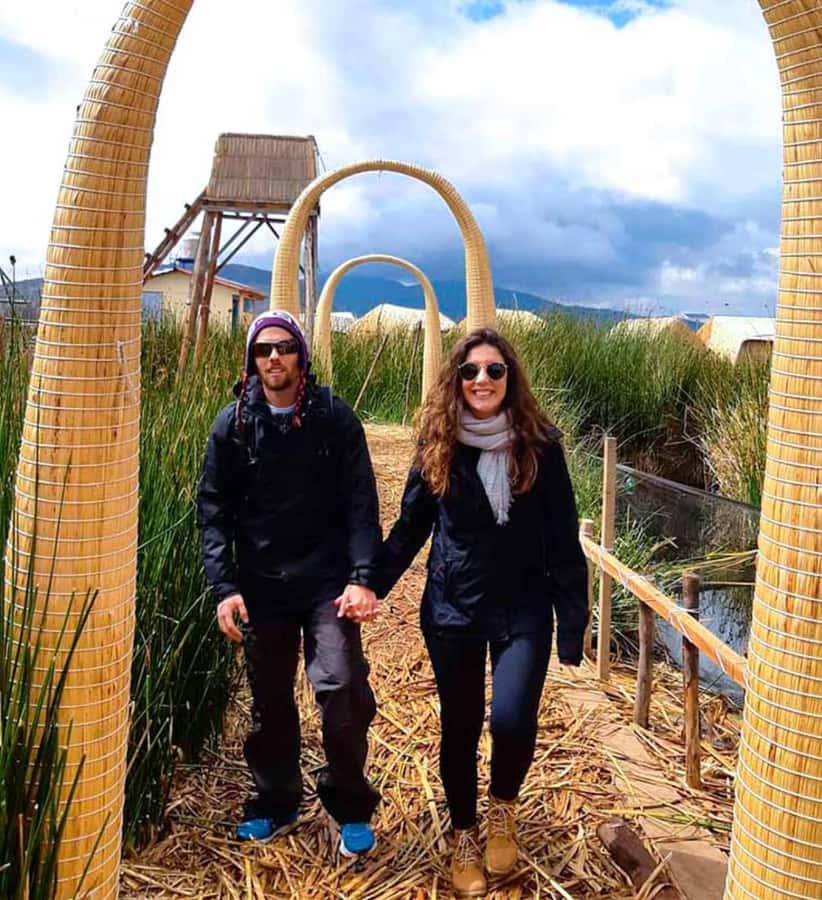
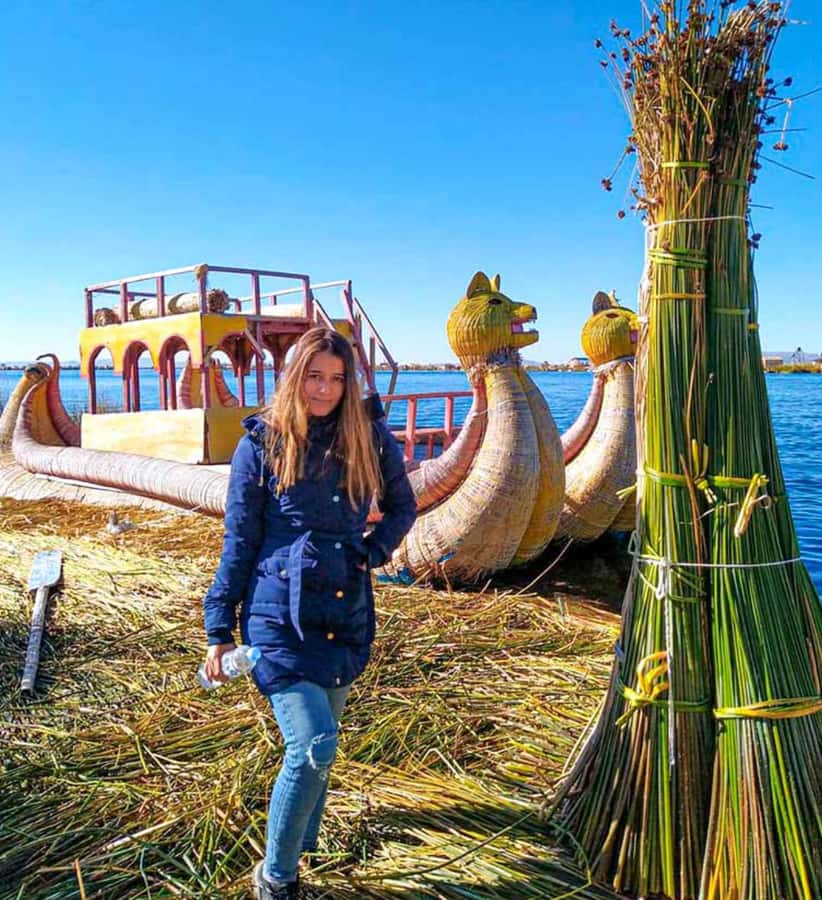
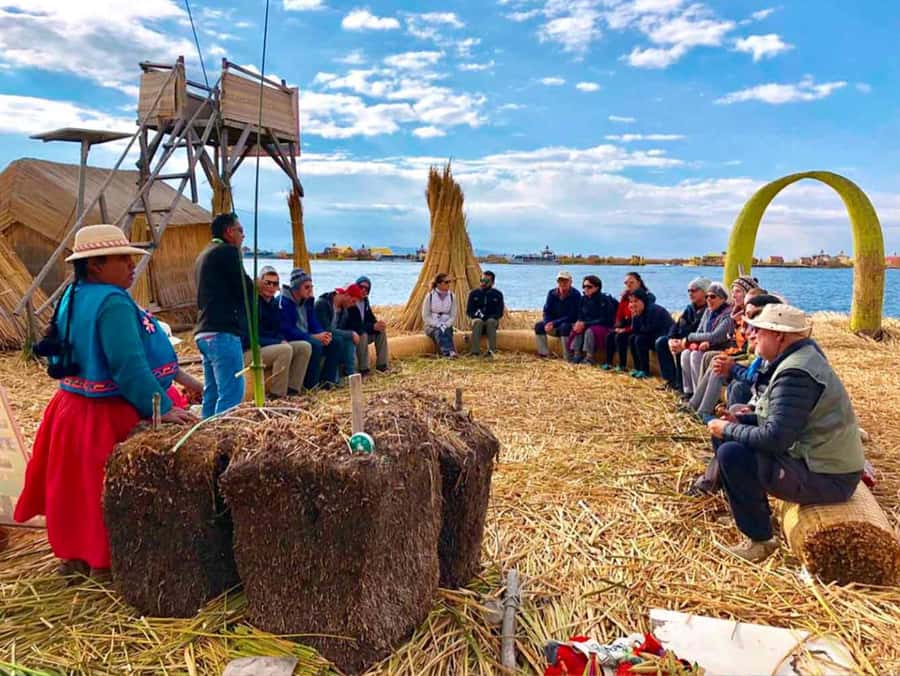
This is the main event. After you arrive, you disembark and local families welcome you and share their lifestyle—things like daily routines, fishing techniques, crafts, and island festivities. The core promise here is culture, plus a guided explanation of how the reed islands are built and maintained.
I like that the tour doesn’t treat the islands as a museum display. You’re taught the practical side: reeds aren’t just decoration; they’re the foundation of the home. You’ll also get time for photos with big views of the water and sky.
That photo time is genuinely useful, but here’s a practical heads-up: keep your camera ready, and don’t wait until the end of the talk. The best angles tend to happen early, and the visit moves at a tourist-group pace.
One more thing: the island experience can come with a lot of interaction around crafts and spending money. This isn’t unusual for places where families rely on visitors. Still, some people find the push for purchases or tips stronger than they expected. If you want to support the community, set a budget beforehand so you can enjoy the visit instead of negotiating in your head the whole time.
The reed boat option and the short stop at the main square area
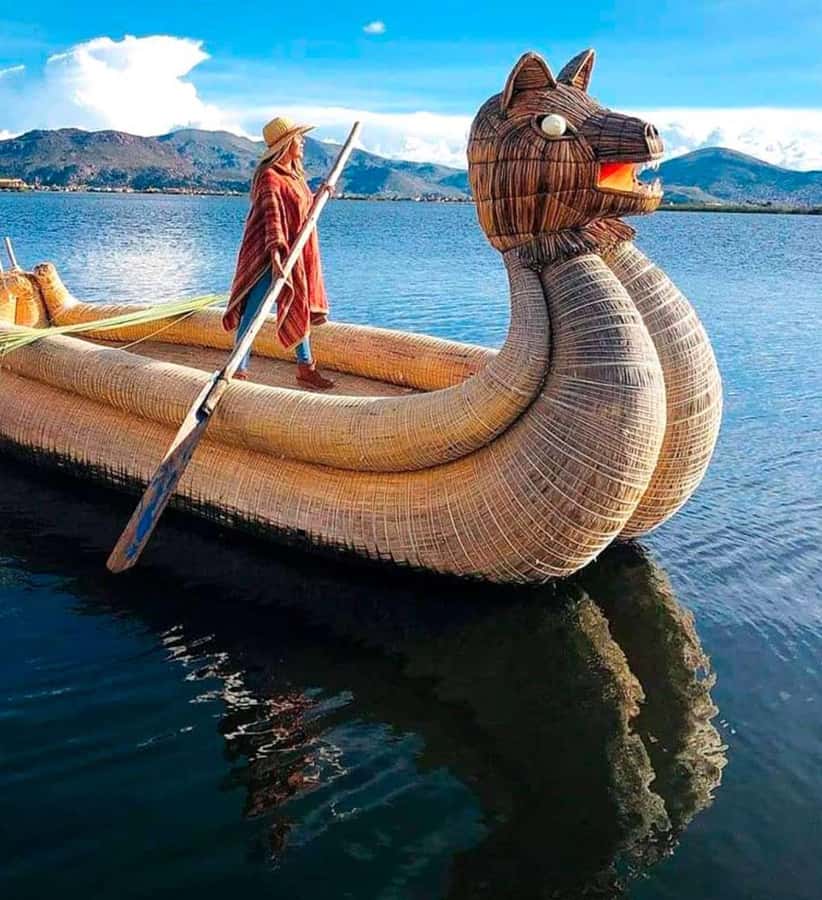
During the island visit, you’ll have a chance to go on traditional reed boats. The boat ride is about 20 minutes, and it is not included in the tour price.
In theory, it’s optional. In practice, some tours can make it feel like you’re being steered into paying for the experience while you’re already on-site. My advice: treat it as likely paid. If you’re not interested, politely decline early and don’t wait until the moment you’re standing in the boat line.
After that, you reach the main square area with restaurants, cafes, and souvenir shops. This is a small chance to reset your senses—walk around, grab something light if you want, and look at crafts without the strict rhythm of the main island talk.
If you’re traveling with a tight budget, the shops are where costs can add up quickly. Cash is recommended, so decide in advance what you want to spend. Small purchases are easy here, and souvenir temptations can hit harder when you feel the need to justify buying something after being hosted.
Timing and pacing: why 3–4 hours can feel fast

The tour says around 3 to 4 hours, and in real life that can mean a faster pace than you’d expect. One thing I like about this format is that it avoids a full-day squeeze. You can do Uros and still have time to enjoy Puno itself afterward.
But the short duration also means less flexibility. Once you’re on the water, you’re on the schedule:
- Van transfer to the port (about 20 minutes)
- Motor boat to Uros (about 30 minutes)
- Guided island time with culture and photos
- Optional reed boat ride (about 20 minutes, extra)
- Return motor boat to Puno (about 30 minutes)
- Van back to your hotel or the main square
If you’re the type who likes slow travel—unhurried conversations, lingering in one spot, lots of wandering—this tour may feel structured. If you’re the type who likes a clear plan and a cultural hit in a few hours, it works nicely.
Language also affects pacing. If your guide’s English is limited, the experience can feel shorter in an informational sense, even if the physical schedule is the same.





Price and value: what $13 really covers

The price is listed as $13 per person, which is low for a half-day tour with pickup, transportation, and guided island access. What you get included is the backbone:
- hotel pickup in Puno (tourist center/main square/bus terminal depending on where you meet)
- transport to the port
- motor boat transport on Lake Titicaca
- a professional guide (English or Spanish)
- entrance to the attractions visited
- return to your hotel or the main square
- first aid kit
What’s not included is equally important:
- reed boat ride on the island
- lunch
- snacks and drinks
So the real “all-in” cost depends on what you choose to do once you’re there. If you skip the reed boat ride, you’re likely keeping costs close to the base price. If you go for it, budget extra.
The value question then becomes this: do you want the reed boat add-on and do you feel comfortable with the social flow on the island? If yes, it can be a solid deal for what you experience. If no, you may feel like the tour tries to pull you into spending when you’d rather just watch and learn.
What to bring (and what to decide before you arrive)
You’ll be on the water and outdoors, so pack like this:
- Passport (listed as required to bring)
- Sunglasses
- Sun hat
- Camera
- Sunscreen
- Rain gear
- Comfortable clothes
- Cash (helpful for extras like crafts, tips, and the optional reed boat)
Before you go, decide two things:
- Are you interested in the reed boat ride? If not, plan to decline politely.
- What’s your “support budget” for crafts? A small set amount keeps the interaction calm and lets you focus on learning.
Also, pick the start time based on how you like to travel. The early slot means you may want to eat breakfast first, since there’s no lunch included. The afternoon slot can be a good fit if you prefer slower mornings in Puno.
Who this tour is best for (and who might skip it)
This Uros tour fits best if you want:
- a quick, guided introduction to life on the reed islands
- time to see Uros culture without a full day of travel
- a boat ride on Lake Titicaca that you don’t have to plan yourself
- a simple structure that returns you to Puno quickly
It might not be your best match if:
- you dislike shopping pressure or feel uncomfortable with encouraged tipping
- you want long, unhurried conversations rather than a fixed group pace
- you rely on clear English narration and get frustrated when language support is weak
- you strongly prefer tours where every activity is truly optional in practice
Should you book the Uros Floating Islands Tour from Puno?
Yes, you should consider booking if you’re excited by the idea of reed islands and you want a short cultural outing with real boat time. The included transport, guide, and guided island visit make it practical and good value for about $13, as long as you go in knowing the reed boat ride and food are extra.
Skip or rethink booking if you know you won’t handle sales pressure well. If that’s you, your best strategy is to set a strict budget and be clear about the reed boat ride decision from the start. Also pick a departure time that matches your energy level, since the tour can feel tighter than the 4-hour label suggests.
If your main goal is photography, you’ll enjoy the island photo moments. If your main goal is learning, treat the visit like an introduction. It’s guided, but the overall time on-site is limited, so ask basic questions and keep your expectations realistic for a half-day stop.
FAQ
How long is the Uros Floating Islands tour?
The tour typically lasts between 3 and 4 hours.
Where does pickup happen in Puno?
Pickup is available in Puno’s tourist center, at the Main Square, or at the bus terminal.
How long is the boat ride to the Uros islands?
The motor boat ride is about 30 minutes one way (and the return is also about 30 minutes).
Are the traditional reed boat rides included?
No. The reed boat ride is not included and is listed as an optional add-on.
What’s included in the $13 price?
Pickup and return transport in Puno, transport to the port, motor boat transport on Lake Titicaca, a professional guide (English or Spanish), entrance to the attractions visited, and a first aid kit.
What isn’t included?
Lunch, snacks, drinks, and the reed boat ride are not included.
What start times are available?
Pickup start times are 8:45 am, 11:45 am, and 3:30 pm.
What time will the tour end?
The tour ends back in Puno at 12 pm, 3 pm, or 6 pm, depending on the start time you choose.
What should I bring?
Bring your passport, sunglasses, a sun hat, camera, sunscreen, rain gear, comfortable clothes, and cash.