REVIEW · CUSCO
Ayahuasca Ceremony 1 Day in Cusco
Book on GetYourGuide →Operated by World Explorer Peru · Bookable on GetYourGuide
You’ll feel the sacred plant switch gears fast. This one-day, near-Cusco retreat mixes a San Pedro Wachuma ceremony with fire cleansing, guided meditation, and an intentional come-down until midnight.
Two things I really like: the setting is close to Cusco yet feels natural and remote, and the ceremony leadership is led by Maestro Luis with a calm, structured approach. It’s also a small group (limited to 10), which helps the vibe stay grounded.
The main consideration is preparation. You’ll follow a strict diet (meat-free, no dinner the night before if possible), and it’s not suitable if you’re pregnant or have pre-existing medical conditions, so be honest with yourself up front.
In This Review
- Key Things to Know Before You Go
- San Pedro Wachuma vs Ayahuasca: What You’ll Actually Drink Near Cusco
- Getting to the Remote Spot Near Cusco (and Why It Matters)
- The Ceremony Flow: Fire, Cleansing, Wachuma, and a Rest Until Midnight
- Pisac Time: Guided Walk, Tea Ceremony, and Your Rustic Night
- Earth, Fire, Air, and Water: The Energy Work You’re Getting
- How the Wachuma Meditation Works (and What Integration Feels Like)
- What You’ll Do Before the Ceremony: Diet Rules That Matter
- What to Pack (Yes, Even Gloves and a Sleeping Bag)
- Rules During the Day: What’s Not Allowed
- Who Shouldn’t Book (and Who Should)
- Price and Value: What $380 Covers (and What It Doesn’t)
- Guided by Maestro Luis: What the Leadership Brings
- Should You Book This Cusco San Pedro Wachuma Ceremony?
- FAQ
- FAQ
- How long does the San Pedro Wachuma experience take?
- Where do you get picked up in Cusco?
- Is round-trip transportation included?
- What ceremony is included?
- How big is the group?
- What languages are the instructors speaking?
- What should I do with food and alcohol before the ceremony?
- What should I bring?
Key Things to Know Before You Go
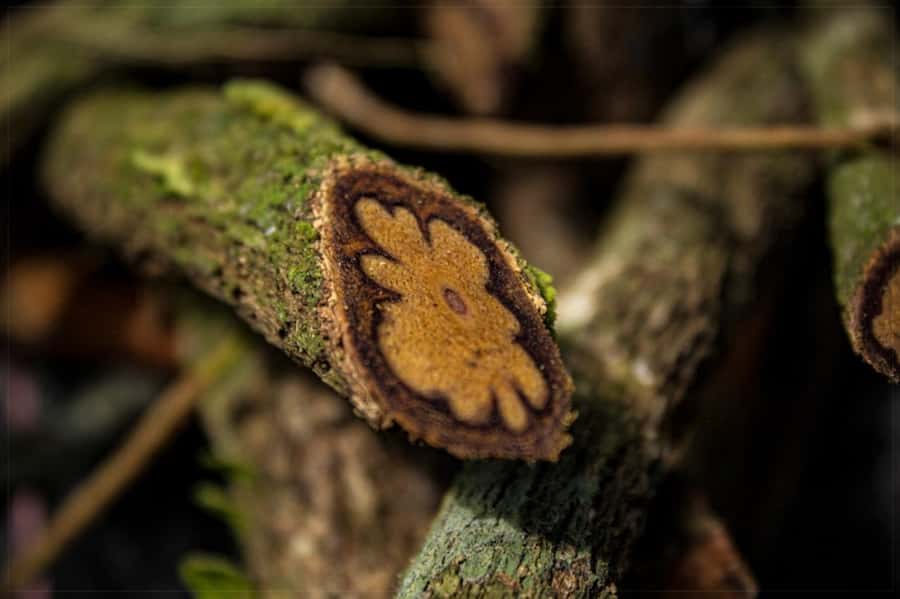
- Fire + cleansing first: The night starts with the fire lit and an energetic cleanse using black tobacco and flowery water.
- Wachuma effects without losing consciousness: Altered states can be subtle, and the experience is described as lasting about 5 to 7 hours until around midnight, with no loss of awareness.
- Connect–Heal–Release theme: The ceremony is built around opening sacred space, meditation, and letting accumulated energy “release.”
- Music and the 4 elements: Ancestral instruments plus energetic work tied to earth, fire, air, and water.
- Rustic lodging included: You get 1 night of rustic accommodation and a natural breakfast, not just the ceremony.
- Bring warm gear: You’re asked for warm clothing, socks, gloves, and even a sleeping bag—this is not a light-pack trip.
San Pedro Wachuma vs Ayahuasca: What You’ll Actually Drink Near Cusco
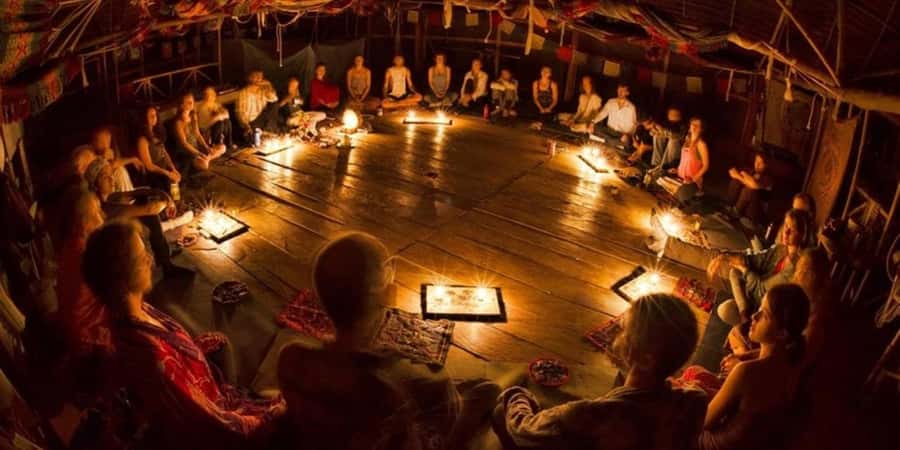
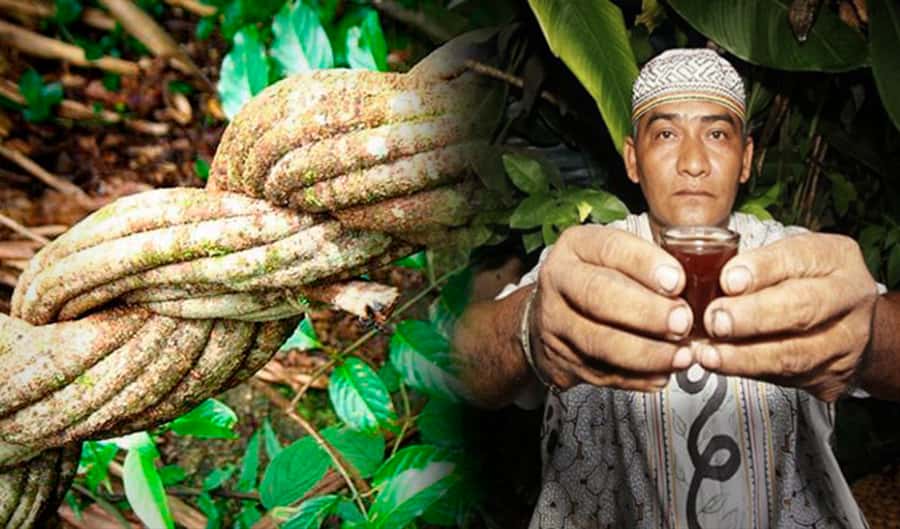
This experience is labeled as an Ayahuasca ceremony, but the medicine described here is San Pedro, also called Wachuma (the cactus). The point isn’t confusing you for fun; it shapes what the day feels like.
Wachuma is presented as a hallucinogenic cactus medicine, and the aim here leans toward a quiet, relaxing rest. The description is specific about how it plays out in the body: you’re guided through a shamanic process and an integration stage, with effects described as strongest in the physical-emotional side, not as a frantic “trip.”
The ceremony also frames the drink as something that supports healing by helping you pause your everyday habit of thinking and re-thinking. That’s a big deal for most visitors, because the hardest part of many healing journeys is quieting the mental loop long enough for your body to catch up.
You can also read our reviews of more tours and experiences in Cusco
Getting to the Remote Spot Near Cusco (and Why It Matters)
You’re picked up from multiple Cusco-area locations, with options like Plaza De Armas, Plazoleta de San Blas, Avenida El Sol, and others. The transfer is private round trip, Cusco to Pisac, and you’re instructed to be ready in the lobby at pickup time.
What I like about the “close but remote” idea is simple: you avoid a long, exhausting trek before you even start. The ceremony site is described as about 15 minutes from Cusco, but still natural and remote enough to support the ritual mood—fire, breath, silence, and ancestral music actually have room to land.
That matters because Wachuma ceremonies rely on a calm nervous system. If you’re bouncing around for hours before the fire is lit, it’s harder to settle. This setup tries to protect that settling time.
The Ceremony Flow: Fire, Cleansing, Wachuma, and a Rest Until Midnight
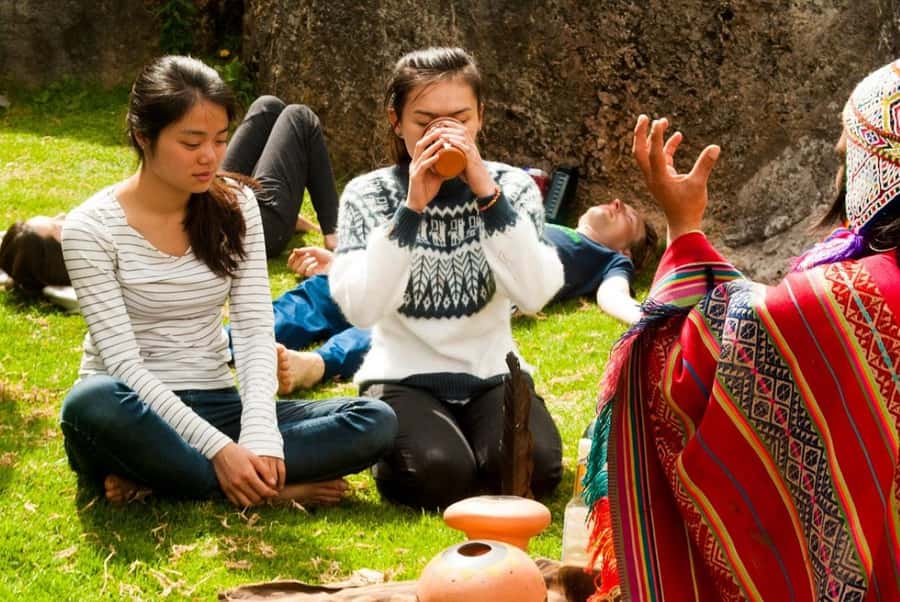
The ceremony begins with the lighting of the fire. Right after, you get an energetic cleansing using black tobacco and flowery water. This is the “reset your senses” phase, and it’s meant to relax you before you prepare to drink the medicine.
Then there’s a meditation step—described as small—and you’ll take Wachuma. About one hour after drinking, you may experience altered states. The key word in the description is subtle: it’s not presented as a guaranteed dramatic visual storm. Instead, your perception of air and the environment can shift slightly, and that’s where the ritual points you toward a connection with the shamanic ancestral presence.
After that shift, the ceremony moves into opening sacred space. You’ll share meditation guided by fire and ancestral music with traditional instruments. This part is where the theme becomes practical: connect, heal, release.
Finally comes the long relax. The described Wachuma effects last about 5 to 7 hours, until around midnight. Importantly, the description says consciousness is not lost at any time. That detail matters for your planning. You’re not signing up for a “blackout” experience; you’re signing up for altered perception plus guided integration.
Pisac Time: Guided Walk, Tea Ceremony, and Your Rustic Night
This is not only a ceremony. The schedule includes time in Pisac: a guided tour and a walk, plus an overnight stay and sunrise. There’s also a tea ceremony included.
Even if you mostly care about the medicine, this extra structure is useful. You get space to slow down, get oriented, and transition into the retreat state. A walk and guided time outdoors can also help you burn off some nervous energy before you sit with fire and music later.
One note: the data mentions a 7-hour duration, but it also includes an overnight stay and sunrise timing. So treat this as a short retreat with a fuller rhythm than a quick “drop-off and done.” If you’re trying to cram it between other plans, you’ll likely feel squeezed.
Earth, Fire, Air, and Water: The Energy Work You’re Getting
Included in the experience is energetic cleaning work tied to the four elements: earth, fire, air, and water. That isn’t just poetic framing. It’s built into how the ceremony is structured—fire is central from the start, and the cleanse uses flowery water.
The aim is to open sacred space and help release energy charges that may have built up in the body. The description also says the ritual and its preparation are linked to energy work with the elements of nature, which suggests the ceremony isn’t treated like a standalone event. It’s treated like a process: prepare your body (diet), prepare your mind (meditation), and then use ritual cues (fire, water, music) to move stuck energy.
If you’ve done any healing work before, you already know the pattern: your body has memory. This format tries to work with that idea through ritual and sensory focus rather than only talk therapy.
How the Wachuma Meditation Works (and What Integration Feels Like)
One of the most specific parts of the description is how meditation is handled. The meditation induced by the Wachuma drink is described as spontaneous and natural, merging with the place and the shamanic process. Instead of being a forced script, it’s framed as something that unfolds with your environment.
The “magical property” described here is integration and unification—harmony where nature becomes the source of meditation, relaxation, and liberation. That’s a soft claim, but you can still use it as practical guidance: the ceremony encourages you to stop fighting the experience.
It also describes an “energetic exchange” you might interpret as inner peace. If you tend to be self-critical or mentally busy, that’s where you may notice the difference most. The medicine is described as helping pause the daily habit of creating and recreating thoughts, giving relaxation to the conscious mind.
What You’ll Do Before the Ceremony: Diet Rules That Matter
This is the part people skip—then regret it. The preparation guidance is very clear: you should make a diet at least 1 day before, and it’s advised to do it 3 days in advance for better reception, digestion, meditation, and rest.
In general terms, the diet means:
- avoid meat of any kind
- if possible, avoid eating dinner the night before
- eat fruit and drink plenty of water and tea (hot tea, without sugar)
- avoid alcohol and other substances, including strong drinks
There’s also advice to rest the day before and avoid movements that create physical fatigue. That’s a practical way to set yourself up for better digestion and a smoother ceremony.
After the ceremony, you’re recommended to eat again—some fruit and water before returning to lodging. Because the experience is described as lasting into midnight, having an end-of-night routine matters.
What to Pack (Yes, Even Gloves and a Sleeping Bag)
The packing list is detailed, and that’s a hint that conditions can be cool and the lodging is rustic.
Bring:
- warm clothing and comfortable clothes
- gloves, scarf, socks
- a change of clothes
- camera
- daypack
- sleeping bag
- water (it’s listed as not included)
- cash
The “water not included” part is important. Many retreats assume you’ll have some on hand, and here it’s explicitly not listed as included, so don’t gamble on having what you need.
Also note what’s asked and what’s not. You’re not going to a place where you can toss your bag together at the last second.
Rules During the Day: What’s Not Allowed
There are clear “no” rules for the vehicle and during the retreat:
- no intoxication, alcohol, or drugs
- no smoking in the vehicle, and no smoking indoors
- no drinks in the vehicle
- no weapons or sharp objects
- pets are not allowed (assistance dogs allowed)
These rules aren’t meant to be dramatic. They protect the ceremony environment. If you want the ritual to stay focused, you do best by treating the whole day as medicine-time, not just the night of the ceremony.
Who Shouldn’t Book (and Who Should)
This isn’t for everyone. It’s listed as not suitable for:
- children under 9
- pregnant women
- people with pre-existing medical conditions
If you have a medical condition, the safest move is to speak with a healthcare professional before you go. Even if you feel healthy, a medicine ceremony plus altered states plus strict preparation can be a big physiological load.
Who it suits well:
- adults looking for a traditional ceremony format in a small group
- people who can follow a strict diet ahead of time
- visitors who want guidance, music, cleansing, and structured integration—not just a “try it and see” approach
And if you’re sensitive to chaos, the small group cap (up to 10) is reassuring.
Price and Value: What $380 Covers (and What It Doesn’t)
The price is listed as $380 per group (up to 1). I’ll read that as a premium, small-booking experience rather than a mass-tour. For that money, you’re not only paying for the ceremony.
Included:
- private transportation round trip (Cusco–Pisac)
- the SAN PEDRO WACHUMA ceremony
- the Wachuma drink/medicine
- 1 night of rustic lodging
- natural breakfast
- energetic cleansing work related to earth, fire, air, water
- ancestral music with traditional instruments
- meditation
Not included:
- water
- travel insurance
- phone calls and services not mentioned
- personal equipment
So the value logic is: you’re paying for a whole packaged ritual retreat day—transport, medicine guidance, and one-night support—plus cleansing and music. If you’d otherwise have to arrange a facilitator, transportation, and lodging separately, the price starts to look less like “just the medicine” and more like a full guided container for the experience.
Guided by Maestro Luis: What the Leadership Brings
The ceremony leadership is identified as Master shaman Luis, often also referred to as Maestro Luis, and his wife is mentioned as part of the welcome and support. That matters because medicine ceremonies can feel intense even when they’re calm. When the guide is confident and organized, you spend less energy wondering what happens next and more energy resting into the process.
This kind of retreat works best when you trust the flow: fire, cleansing, meditation, drink, ancestral music, release, and then your recovery and integration time.
Should You Book This Cusco San Pedro Wachuma Ceremony?
Book it if you want a near-Cusco, small-group ritual retreat with traditional cleansing, ancestral music, and a guided plan from ceremony start to a night-time come-down. I think it’s a good fit if you take preparation seriously and you’re looking for connect–heal–release in a structured way.
Skip it (or ask extra questions first) if strict diet prep sounds impossible, if you have medical conditions, or if you’re in a category listed as not suitable such as pregnancy or young children.
If you’re deciding between “just a spiritual evening” and “a real short retreat container,” this one is built more like the second: ceremony plus night support plus sunrise/tea time in the Pisac rhythm.
FAQ
FAQ
How long does the San Pedro Wachuma experience take?
The experience is listed as 7 hours. Some parts of the schedule also include an overnight stay and sunrise, so plan for a short retreat rhythm rather than a quick drop-in.
Where do you get picked up in Cusco?
Pickup is offered from multiple Cusco-area locations, and you’re told to be ready in your hotel lobby at the indicated time.
Is round-trip transportation included?
Yes. Private transportation round trip (Cusco–Pisac) is included.
What ceremony is included?
The included ceremony is the SAN PEDRO WACHUMA ceremony, including the Wachuma drink/medicine and guided meditation.
How big is the group?
It’s a small group, limited to 10 participants.
What languages are the instructors speaking?
The instructor guidance is listed in English and Spanish.
What should I do with food and alcohol before the ceremony?
You should follow a diet at least 1 day before, and it’s advised to do it 3 days in advance. In general, avoid meat, avoid alcohol and other substances, and eat fruit plus water/tea. It’s also recommended to avoid dinner the night before if possible.
What should I bring?
Bring warm clothing, a change of clothes, comfortable clothes, gloves, socks, a scarf, a daypack, a camera, cash, and a sleeping bag. Water is not included, so bring it.