REVIEW · CUSCO
4-Day Salkantay Trek to Machu Picchu
Book on Viator →Operated by Bamba Travel · Bookable on Viator
Salkantay hits hard, then rewards you fast. This 4-day route brings you to Humantay Lake, over the 4,650m Salkantay high pass, and into Machu Picchu at first light with a real local guide. I love how the trip stays hands-on and personal with a small-group size, plus the bilingual guidance that keeps you oriented when altitude and weather get unpredictable. The catch: this is a serious hike with major temperature swings, so you need solid fitness and warm layering.
One day feels like real Peru—bus rides to trailheads, camp prep at Challacancha, and long mountain stretches where your legs do most of the thinking. Another day is all about contrast: you drop into a warmer zone, end in Aguas Calientes with a 3-star hotel night, then return to the big finish with a guided orientation at Machu Picchu before you explore on your own. From what I’ve seen in this operator’s guide teams (names like Percy, Francisco, Cesar, Junior, and Ruth show up often), the guides tend to be good at answering questions and keeping the day moving with a steady pace.
If you want the easiest possible path to Machu Picchu, this may not be your best match. But if you want a trek that actually earns the postcard view, this one has the right mix of big scenery, smart pacing, and the practical support that makes the tough parts survivable.
In This Review
- Key highlights to know before you go
- Why this Salkantay trek feels like the real mountain version of Machu Picchu
- Price and what you’re really paying for ($810 plus a few key add-ons)
- Small-group trekking with a local guide (and a team that actually matters)
- Day 1: Humantay Lake, the highest cold camp, and a long but doable first day
- Day 2: The 4,650m Salkantay pass and how to survive the steep middle
- Day 3: From high-jungle terrain to Santa Teresa warmth and a real bed in Aguas Calientes
- Day 4: Early bus to Machu Picchu, a guided walk, then freedom to explore
- What it’s like to sleep, eat, and carry your gear on this trek
- Training, altitude, and packing choices that make or break it
- Who this tour is for (and who should pick a different option)
- Should you book the 4-day Salkantay trek to Machu Picchu?
- FAQ
- What time does the trek start from Cusco?
- What’s included in the tour price?
- Is there a vegetarian meal option?
- Are Machu Picchu and trekking permits included?
- Can I add Huayna Picchu?
- What sleeping setup do you have during the trek and in Aguas Calientes?
Key highlights to know before you go
- Small-group size (max 16, avg 4): enough attention without feeling swallowed by a crowd
- Humantay Lake on Day 1: a first hit of snowcapped views, then a cold high campsite
- Salkantay high pass (4,650m): dramatic moment with possible snow, plus an optional horse shortcut
- Warm break on Day 3: Santa Teresa and a 3* hotel in Aguas Calientes reset your energy
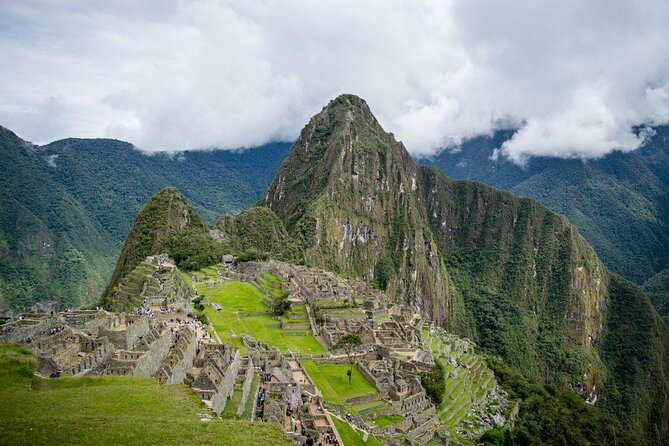
- Machu Picchu at early morning: a bus timing strategy that helps you see the ruins before the masses
- On-the-ground team: bilingual trek guides, plus chefs and horsemen handling camp cooking and gear
Why this Salkantay trek feels like the real mountain version of Machu Picchu
This trek is built around altitude, weather, and changing ecosystems. You start above the tree line, then work your way down toward warmer zones before you circle back up to Machu Picchu for an early guided visit. That up-and-down feel is the point: you don’t just arrive at the famous ruins—you earn the context for them.
I also like the practical side of this route. The day-to-day structure gives you just enough support to stay comfortable in the cold, without turning the whole thing into a bus tour. On trek days you’ll eat on schedule, sleep in camp with basic gear included, and rely on a guide who can keep your pace realistic. A lot of people come for Machu Picchu. A lot of people leave talking about the passes and the first cold night.
You can also read our reviews of more hiking tours in Cusco

Price and what you’re really paying for ($810 plus a few key add-ons)
At $810 per person for 4 days, this sits in the mid-to-upper range for guided treks. The value comes from what’s wrapped in: the trek guide, camping accommodation, a 3-star hotel night in Aguas Calientes, plus major transport legs like the tourist bus to Machu Picchu and the train back to Ollantaytambo.
But here’s the part you should plan for: key fees are listed as not included. You should budget extra for:
- Salkantay trail permit: PEN 133 per person
- Machu Picchu entrance fee: PEN 48 per person
- Optional Huayna Picchu entrance: PEN 200 per person
- Optional Machu Picchu Mountain hike entrance: PEN 200 per person
- Optional train transfer from Hydroelectric to Aguas Calientes: $30 per person
- Optional sleeping bag rental: $15 per person
So the real cost is $810 plus permits/entries and any add-ons you choose. If you go straight for a standard Machu Picchu visit (guided tour plus exploring), you’ll spend less than if you add Huayna Picchu or an extra mountain hike.
Small-group trekking with a local guide (and a team that actually matters)
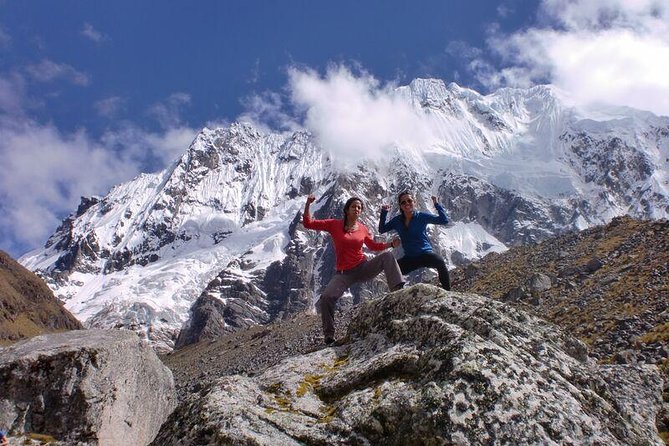
This is a small-group trek with a max of 16 people and an average closer to 4. That means you’re not stuck in a giant line with zero personal space. You also get a guide who can adjust your pace and help with timing during steep climbs and long descents.
What really makes a difference is the supporting cast. In the feedback tied to this style of trip, certain names keep coming up: guides like Percy, Francisco, Cesar, Junior, and Ruth; chefs like Geraldo and Bennie; and horse care support like Florian. People consistently highlight that the guide’s English is strong, the vibe is encouraging, and the chef’s cooking is better than you’d expect on a multi-day trek.
Also, the trip includes safety gear that’s easy to overlook: a first aid kit and an emergency oxygen bottle. You hope you never use it, but it’s reassuring when you’re dealing with altitude.
Day 1: Humantay Lake, the highest cold camp, and a long but doable first day
The day starts early with pickup at 5:30am in Cusco. You’ll ride a tourist-class bus to Mollepata (2,900m), then continue by car to Challacancha where you’ll do final equipment prep and checks. This is a smart early setup. It keeps the first hike from feeling chaotic, especially if the weather changes.
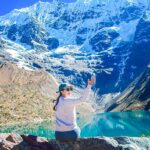
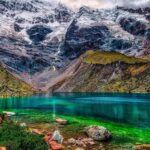
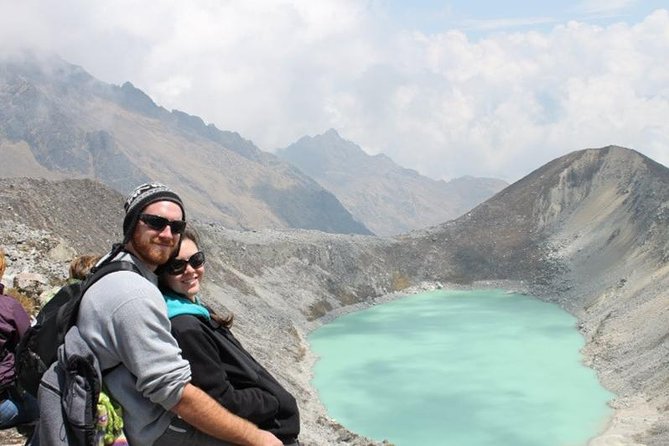
Then you walk toward Soraypampa (3,920m) for lunch with wide panoramic mountain views. After that, you hike up to Laguna de Humantay (about 1.5 hours each way). Even if clouds roll in, the climb still pays off with strong Andes scenery.
Your first campsite is at 3,920m. That matters. This is the highest and coldest night of the trip, so you’ll want to be ready for cold air and temperature swings. The good news is the trek’s pacing gives you a gentle ramp: you’re moving, but you’re not starting at maximum effort.
Practical tips for Day 1:
- Layer hard. Cold at 3,900m can feel sharper than you expect.
- Keep your pace steady on the Humantay climb; save energy for the camp night.
- If you’re sensitive to altitude, hydrate early and don’t rush the first ascent.
Meal-wise, you’re covered for 1 lunch and 1 dinner on this day, plus camping accommodation.
Day 2: The 4,650m Salkantay pass and how to survive the steep middle
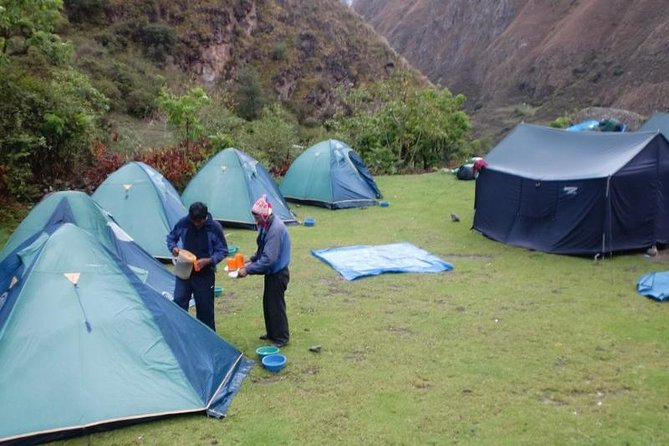
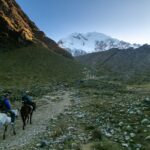
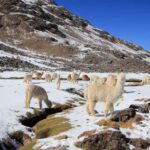
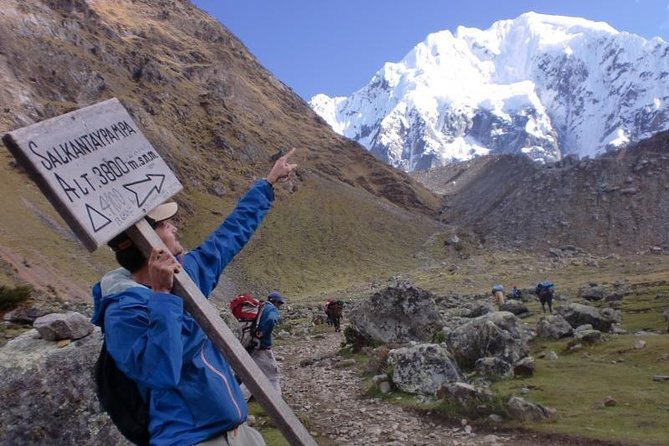
Breakfast is around 6:00am, then you start walking toward the highest pass (4,650m) located between two giant mountains: Salkantay on one side and Humantay on the other. This section is the signature moment. You reach the pass after about 4 hours, then you get views that can include snow.
There’s an optional shortcut here: horse rental to reach the high pass for 100–120 soles. If you’re worried about the steepest part, this option can help you still experience the pass view without turning the day into a crisis. Decide early before you’re already exhausted.
After the pass, you’ll do a 2-hour downhill hike, then lunch at Huayracpampa, and then continue for another 3 hours toward your campsite near the start of the higher jungle region around 2,900m.
This day is demanding, but it’s also structured in a way that helps. You’re not doing one endless grind; you’re doing a steep push, then a long descent with a planned meal break, then a final walk to camp. You’ll feel it most in your legs and breathing.
Ways guides help here (and why it matters):
- A good guide sets a pace you can actually maintain up to the pass.
- Guides also help with timing so you’re not arriving at the pass too late in the day when weather can turn.
- In past feedback, guides like Junior and Francisco are praised for steady encouragement and for keeping the climb manageable.
You can also read our reviews of more tours and experiences in Cusco
Day 3: From high-jungle terrain to Santa Teresa warmth and a real bed in Aguas Calientes
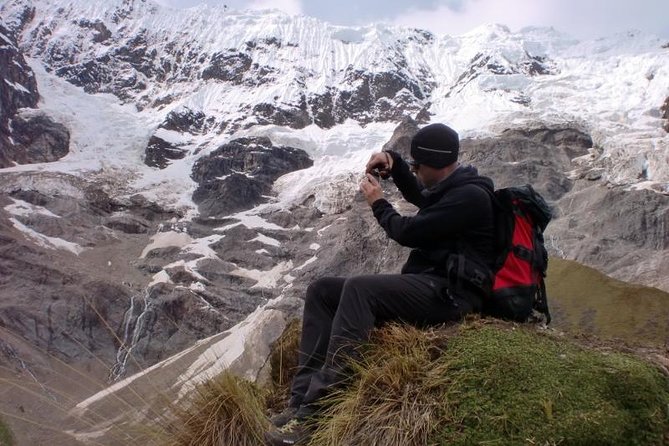
This is where the trip starts feeling like a reset. Breakfast is around 6:30am and the trek crosses the Santa Teresa River and smaller brooks through what’s described as upper jungle terrain. The setting shifts into valleys with waterfalls, tropical fruits, and plants you might not see on a straight Andes route.
You’ll have lunch at La Playa (2,200m). Then comes a longer travel mix: car to Santa Teresa town (1,700m) for warmer climate, another car to the Hydroelectric Station, then a 3-hour walk to Aguas Calientes.
The pay-off for Day 3 is the logistics comfort. A lot of treks keep you camping the whole time. Here, you get a 1-night 3-star hotel in Aguas Calientes. You’ll also have time in town with internet cafes and places to relax, including spots where you can reset with simple entertainment.
There’s also an optional extra: a train transfer from Hydroelectric Station to Aguas Calientes for $30. If you’ve got sore knees or blisters, this can save you. If you’re feeling strong, you might prefer the walk for the final stretch of the experience.
Day 4: Early bus to Machu Picchu, a guided walk, then freedom to explore
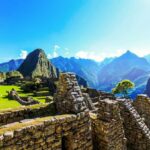
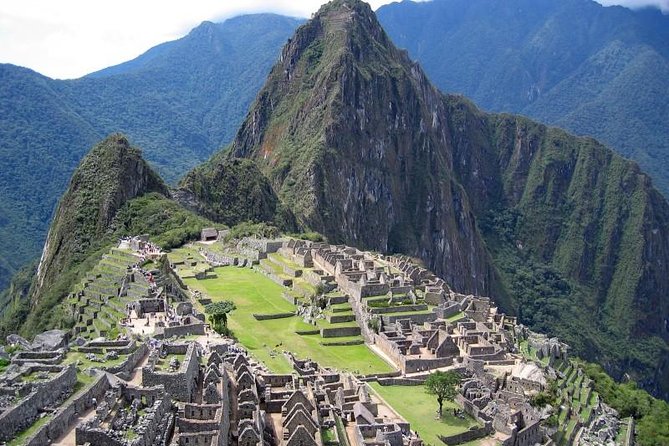
This is the day you plan around timing. You’ll catch one of the first buses to Machu Picchu at 5:30am so you can see the ruins in early light as mist dissipates. That early start matters because it changes your first impression: less glare, more atmosphere, and usually a calmer flow when you’re entering.
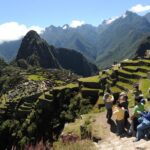
You’ll get a walking tour for about 2 hours with your guide, then you explore on your own. For many people, this is the sweet spot: you get the structure and history context from someone who can connect the stones and viewpoints, then you walk at your own speed to absorb the vibe.
If you still want more stairs, you can add Huayna Picchu, but it’s extra cost and must be requested in advance. The limit mentioned is 400 people per day.
Leaving Machu Picchu is easy rhythm-wise: you return by bus to Aguas Calientes (every 15 minutes from the entrance). There’s also a walking option down to town in about 1 hour.
Then you take the train to Ollantaytambo and a bus back to Cusco. You’ll be dropped late at Plaza San Francisco, and after that it’s on you to get to your accommodation.
What it’s like to sleep, eat, and carry your gear on this trek
You camp on this trip, with basic sleeping pad and tent included. Single travelers share a tent/room with another traveler, while couples get a tent/room to themselves. Foam sleeping mat is included, and there’s an option to rent a sleeping bag for $15 if you don’t bring one.
One practical detail I really appreciate: horsemen and mules carry the cooking and camping equipment plus a limited amount of personal load. The note here is 7 kilos total per trekker, including 3 kilos for your sleeping bag & mattress and 4 kilos for personal items. That means you can pack lighter than you might think, but you should still plan carefully. Don’t assume you’ll carry all your own weight.
Food is scheduled and included: the trip covers 3 breakfasts, 3 lunches, 3 dinners, plus 2 snacks. There’s also a vegetarian option available if you request it at booking.
Based on guide-and-chef feedback that’s been consistent, the food tends to be more than just survival meals. People mention local dishes and good cooking from the chef teams, including names like Geraldo and Bennie.
Training, altitude, and packing choices that make or break it
This is a demanding hike. You should be in good physical condition before you go, and you’ll feel major altitude changes. The information provided notes temperature shifts tied to moving from around 4,000m down toward 2,000m. Translation: plan for cold mornings and potentially warmer afternoons, and don’t count on one temperature staying true all day.
For packing, focus on comfort and warmth first. Bottled water is not included, so plan to buy water where appropriate.
Also, bring layers that work in wind. If Humantay Lake or the high pass day gets cold, you’ll be glad you packed for it. This trek starts early every day—so you also want clothes that feel doable in the dark and cold while you’re getting ready.
A quick reality check: optional “shortcuts” exist (like the horse for the high pass, and the Hydroelectric-to-Aguas Calientes train transfer). Those options are useful if you want to protect your energy for Machu Picchu Day.
Who this tour is for (and who should pick a different option)
This trek is a great fit if:
- you want a real mountain challenge and don’t mind early starts
- you like guided experiences but still want time to wander Machu Picchu on your own
- you prefer a small group over large bus-style tours
- you’re okay camping in basic conditions and handling cold at altitude
You might want to rethink it if:
- you hate steep uphill days or you’re not confident with altitude walking
- you’re expecting a mostly comfortable route with little exertion
- you want everything handled start-to-finish, including all entrance fees (permits and entry costs are specifically listed as not included)
Should you book the 4-day Salkantay trek to Machu Picchu?
If you’re willing to work for the view, I think this is a strong choice. The combination of small-group guiding, camping support, a hotel night to reset, and an early Machu Picchu morning hits a good balance of adventure and practical comfort.
Book it if you want your Machu Picchu day to feel earned, and you’re ready for cold camp conditions and a steep high pass day. Consider alternatives if you’re looking for a gentle, low-effort “easy entrance” to Machu Picchu, because the altitude and walking are the main event here.
FAQ
What time does the trek start from Cusco?
Pickup is scheduled for 5:30am.
What’s included in the tour price?
The tour includes transfers to the trek starting area, camping accommodation during the trek, a 3-star hotel night in Aguas Calientes, a professional bilingual guide on the trek and Machu Picchu visit, round-trip tourist bus Aguas Calientes to Machu Picchu, the tourist train from Aguas Calientes to Ollantaytambo, the bus from Ollantaytambo to Cusco, and meals (3 breakfasts, 3 lunches, 3 dinners, plus 2 snacks).
Is there a vegetarian meal option?
Yes. A vegetarian option is available if you advise the team at the time of booking.
Are Machu Picchu and trekking permits included?
No. The Salkantay trail permit (PEN 133) and Machu Picchu entrance fee (PEN 48) are listed as not included. Optional Huayna Picchu and Machu Picchu mountain hike entrance fees are also not included.
Can I add Huayna Picchu?
Yes, but it’s an extra ticket (PEN 200 per person) and must be requested in advance. The allowed daily limit is 400 people per day.
What sleeping setup do you have during the trek and in Aguas Calientes?
During the trek you camp in a tent with a basic sleeping pad and foam sleeping mat. In Aguas Calientes, you stay one night in a 3-star hotel.