REVIEW · AREQUIPA
Colca Canyon: 2-Day Tour from Arequipa to Puno
Book on GetYourGuide →Operated by Peru & U · Bookable on GetYourGuide
Condors and glaciers meet you fast. This 2-day Arequipa-to-Puno ride strings together the volcano highlands, the best Colca canyon viewpoint, and the long road to Lake Titicaca. I especially loved the Andean condor chance at Mirador Cruz del Condor, and I loved the wild-life stop at Pampa Cañahuas Reserve with vicuñas, alpacas, flamingos, ibis, and even the Andean eagle.
One thing to plan for: you’ll be at high altitude (around 4,800–4,850 meters). That’s why the pacing and acclimatization help from the guide matters so much on this route.
If you’re comfortable with early starts, long drives, and paying for some things yourself along the way, this is a strong way to link Colca Canyon and Lake Titicaca without wasting a day in between.
In This Review
- Key highlights you’ll care about
- Arequipa to Puno by way of Colca Canyon: what this route delivers in 2 days
- Day 1, Arequipa to Chivay: reserve wildlife and dramatic volcano viewpoints
- The Pampa Cañahuas Reserve stop: where animal spotting turns into the main event
- Volcano country: Ampato, Sabancaya, Huallca, and Misti
- The day’s altitude high point: about 4,800 meters
- Chivay overnight: a practical base for the canyon day
- The altitude reality check (and how to handle it)
- Day 2, Colca Canyon morning: Mirador Cruz del Condor and condor odds
- Mirador Cruz del Condor: the iconic canyon drop
- After the canyon: the drive continues toward Lake Titicaca
- Lake Titicaca and the story of Manco Capac
- Price and logistics: what you’re really paying for
- A common practical annoyance: lunch is on you
- Road comfort: the one downside to take seriously
- What to pack (and how to make day 1 easier on your body)
- Who this Colca Canyon to Puno tour fits (and who might prefer another plan)
- Should you book this Arequipa to Puno Colca Canyon tour?
- FAQ
- How long is the Colca Canyon tour from Arequipa to Puno?
- Does the tour include transportation from Arequipa?
- What languages does the guide speak?
- What does the itinerary include on day 1?
- What do you do on day 2?
- Are meals included in the price?
- Are entrance tickets and fees included?
- What should I bring, and what should I avoid?
Key highlights you’ll care about
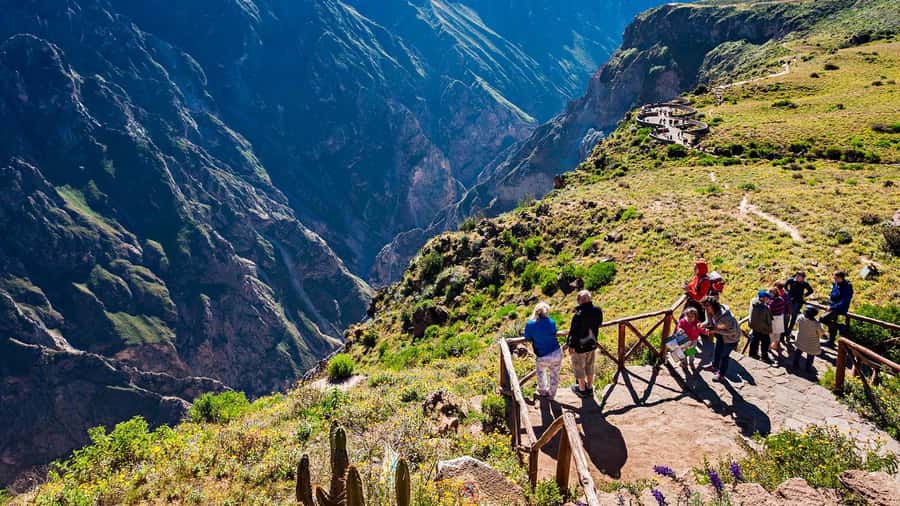
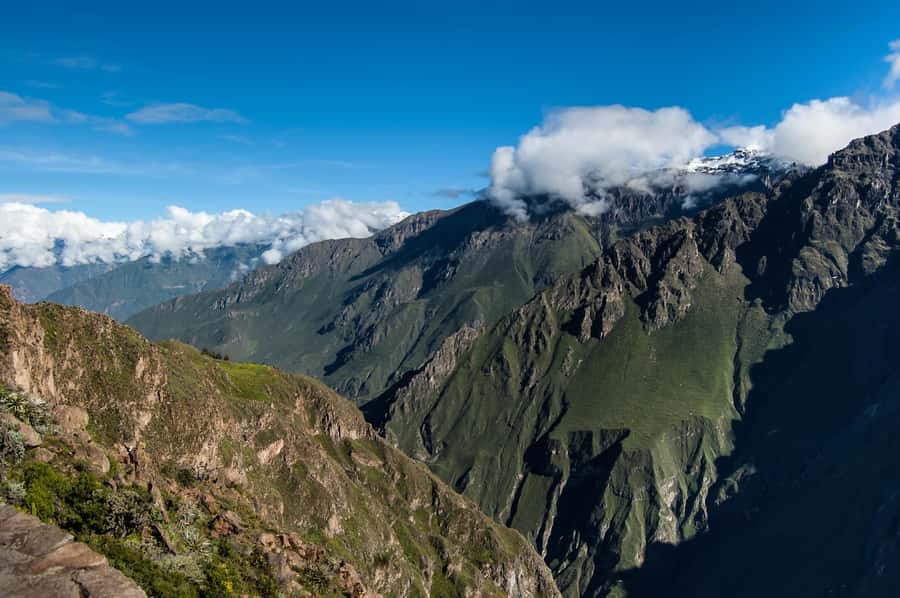
- Mirador Cruz del Condor: the canyon drops about 1,200 meters, and it’s one of your best bets to spot condors circling overhead
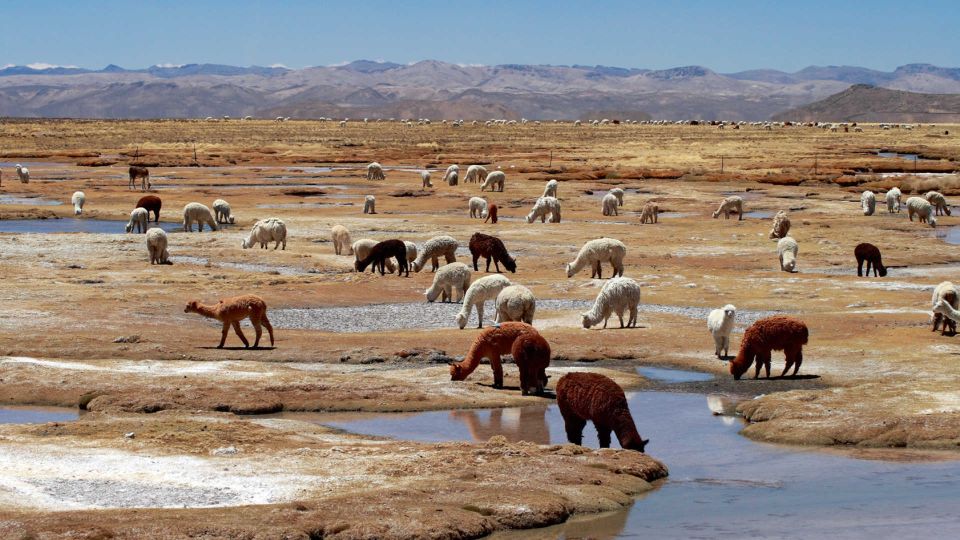
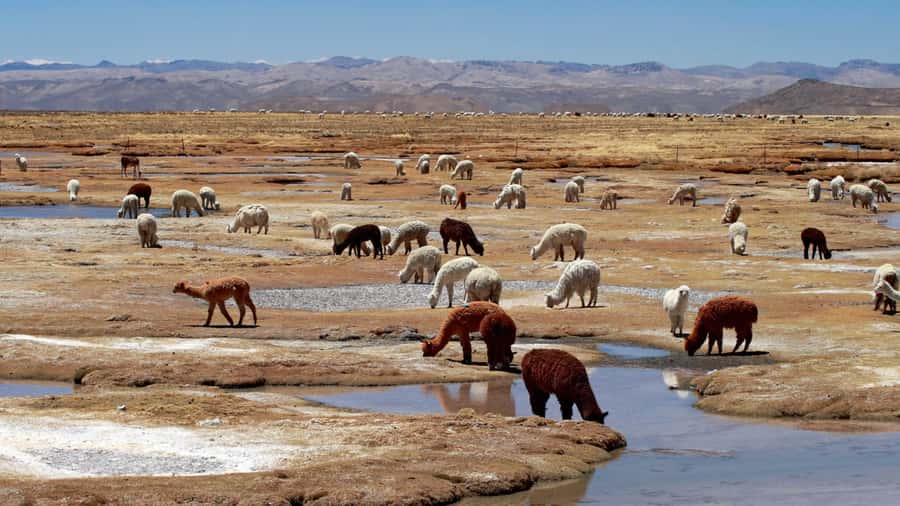
- Pampa Cañahuas Reserve wildlife: vicuñas, alpacas, llamas, flamingos, ibis, plus the Andean eagle are part of the mix
- Volcano viewpoints on the drive: you’ll pass places tied to Ampato, Sabancaya, Huallca, and Misti as the scenery keeps changing
- A top altitude moment: you’ll reach roughly 4,800 meters on day 1 and about 4,850 meters during the drive toward Titicaca
- Colca to Titicaca story stop: the route includes Lake Titicaca and the tradition about Manco Capac
Arequipa to Puno by way of Colca Canyon: what this route delivers in 2 days
This tour is built for people who want big “Peru highlands” variety fast. In two days, you go from Arequipa’s altitude zone into the Colca Canyon region, then keep traveling until you reach Puno by the shores of Lake Titicaca.
What makes it interesting (and useful) is the rhythm: you’re not only watching a single sight. You’re getting a mix of wildlife areas, canyon viewpoints, and high-altitude travel between regions. That’s also why it works well as a connector tour. If you’re aiming to do both Colca Canyon and Titicaca, this saves time versus trying to piece together transportation and separate day trips.
The value also comes from how much is handled for you. You get a professional guide and driver, plus transportation and guided stops. You’re not wrestling with route-finding at altitude with limited time.
You can also read our reviews of more tours and experiences in Arequipa
Day 1, Arequipa to Chivay: reserve wildlife and dramatic volcano viewpoints
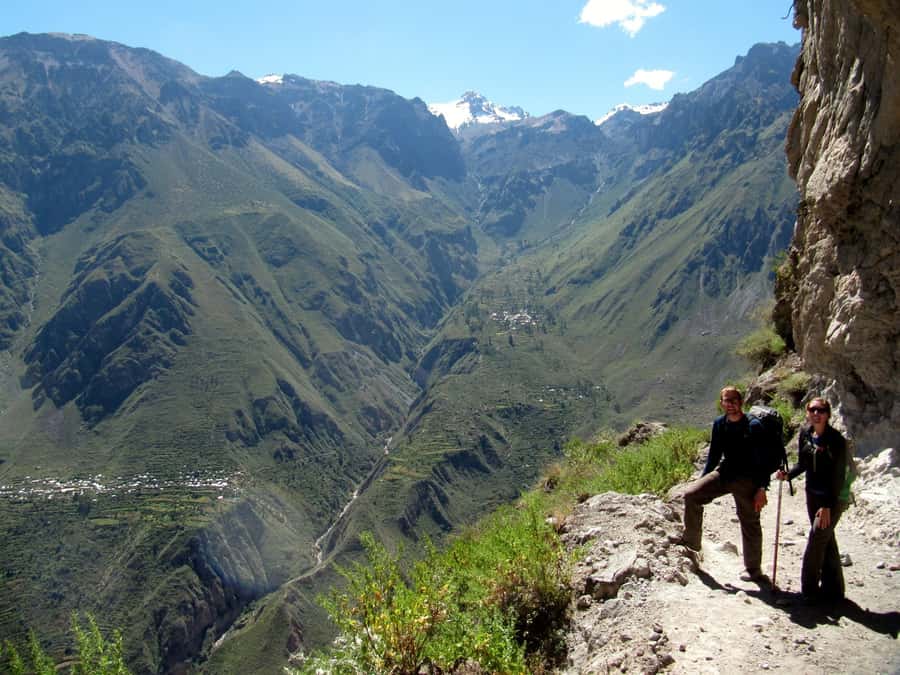
Day 1 starts with pickup from your hotel in Arequipa (city-centre hotels). From there, you’re set for a long but scenic drive to Chivay, with several planned stops along the way. This is one of the most important pieces of the trip, because it sets expectations: you’ll be in sightseeing mode almost the whole day.
The Pampa Cañahuas Reserve stop: where animal spotting turns into the main event
One of the best “why this tour is worth it” moments is the stop at Pampa Cañahuas Reserve. The point isn’t just that it’s pretty. It’s that this reserve is where you’re likely to see a big set of Andean species in one go.
You may spot:
- vicuñas, alpacas, and llamas
- flamingos and ibis
- the Andean eagle
Even if wildlife doesn’t show up on cue for every person, the reserve stop still does something valuable: it makes your drive feel purposeful. Instead of sitting in a bus watching roads and mountains, you’re working with a plan to look for specific animals and habitats.
Volcano country: Ampato, Sabancaya, Huallca, and Misti
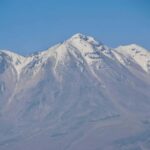
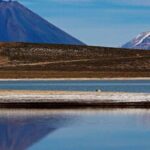
Between Arequipa and Chivay, you’ll pass by areas tied to volcanoes like Ampato, Sabancaya, Huallca, and Misti. You won’t just stare at names on a map. The tour builds in viewpoints so you can actually take in what those volcano regions look like from the road.
And yes, bring your camera. Some stops are clearly timed for the best viewing. That matters because this part of Peru changes fast with light and weather, even on a single day.
The day’s altitude high point: about 4,800 meters
You’ll hit a high point around 4,800 meters (15,000 feet). That’s not a small detail. At these elevations, even simple tasks can feel harder, and “pushing through” can make you miserable. The best strategy is to take it easy on day 1, sip water, and use your own pace rather than trying to match someone who feels fine.
Chivay overnight: a practical base for the canyon day
By late day, you reach Chivay and have time to relax. The tour doesn’t include your overnight accommodation, so you’ll need to arrange lodging. Still, having a real break here helps, because day 2 is early and focused on the canyon viewpoint.
The altitude reality check (and how to handle it)
This is a high-altitude itinerary. Day 1 reaches about 4,800 meters, and day 2 goes to around 4,850 meters while traveling toward Lake Titicaca.
You’ll often hear people say altitude is fine, until it isn’t. So I treat this like a checklist:
- Take it slow when you’re outside the vehicle
- Drink water regularly (no heroic chugging)
- Keep an eye on how you feel rather than how you think you should feel
- Tell the guide early if you’re struggling
A good guide makes a difference. In past departures, guides such as Peter, Irene, and Raúl have been noted for helping people adjust to the height and keeping the pace sensible on the drive and stop schedule. That’s not just nice. It can be the difference between enjoying the views and feeling miserable.
Also remember: if you’re arriving to the region from sea level, you’ll likely feel it more. If you already spent a day or two acclimatizing around Arequipa, you’ll probably notice it less.
Day 2, Colca Canyon morning: Mirador Cruz del Condor and condor odds
Day 2 begins with a very early pickup from your hotel. That early timing is key for two reasons: wildlife spotting tends to be better when conditions are calmer, and your day needs time to reach Titicaca before it gets late.
Mirador Cruz del Condor: the iconic canyon drop
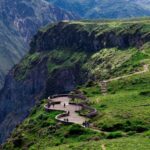
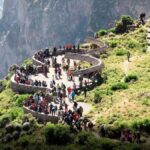
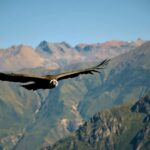
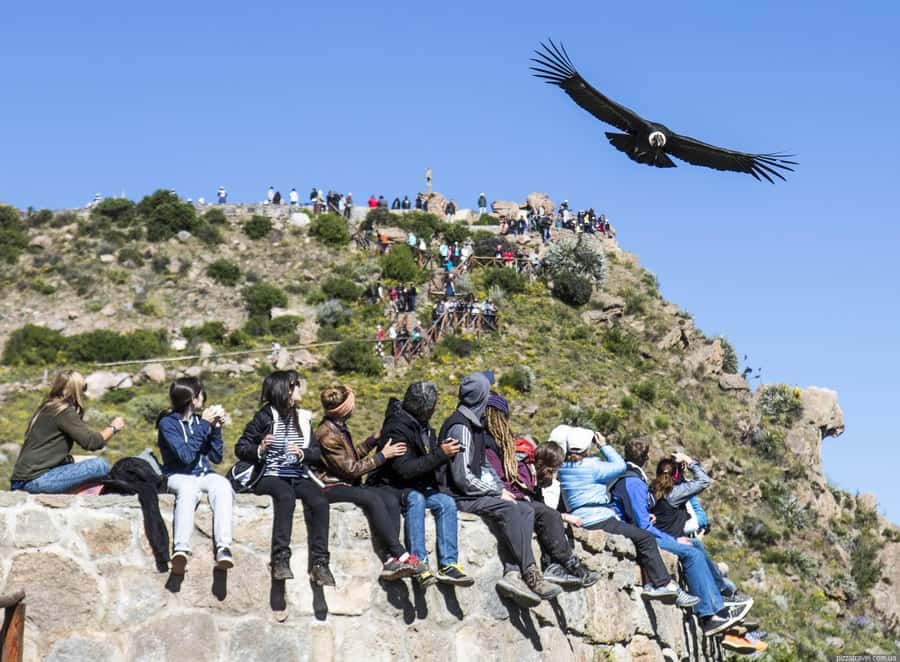
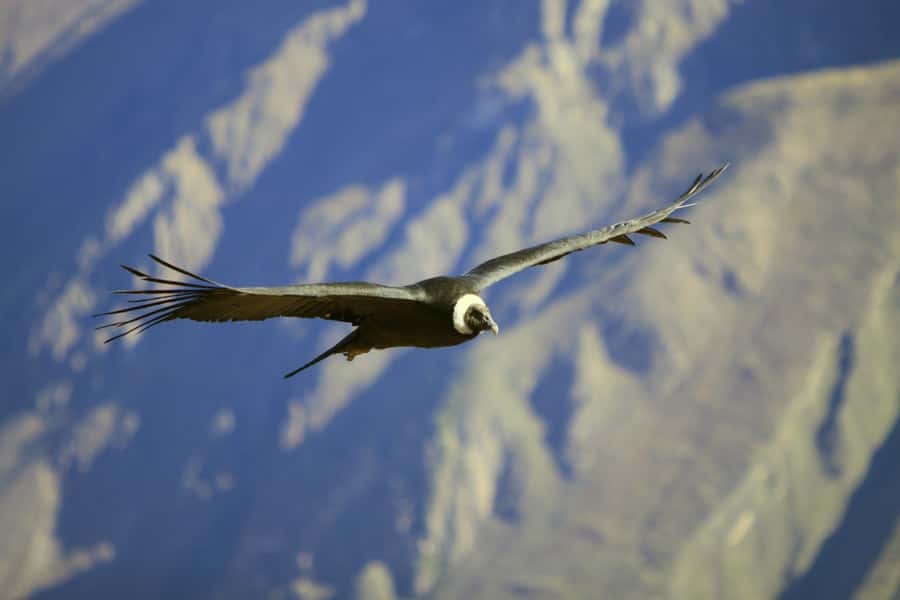
Your first major stop is Mirador Cruz del Condor, the famous viewing point for Colca Canyon. The canyon depth here is about 1,200 meters, and that scale is hard to grasp until you’re looking down from the viewpoint.
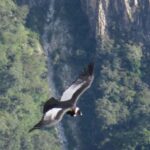
This is where you look for giant Andean condors circling the thermals. The goal isn’t guaranteed sighting—it’s your best chance on the itinerary. When condors show up, it feels like the canyon suddenly gets louder, even though you’re standing still.
Practical tip: dress for a cool start. Even when the air looks clear, high-elevation mornings can feel sharp on your skin.
After the canyon: the drive continues toward Lake Titicaca
From Chivay, the tour continues by comfortable tourist coach. This is a long travel day, but it’s not nonstop boredom. The route includes scenic stops where you can look around and spot wildlife again.
You’ll pass by:
- lakes and lagoons
- trout farms
- Andean flamingos
Even if you’re mostly focused on Titicaca by this point, these stops help keep you engaged. They break up the drive and give you reasons to step out and stretch a bit.
Lake Titicaca and the story of Manco Capac
Eventually, you reach Lake Titicaca, where the tour frames the area as the birthplace of the first Inca, Manco Capac. Even if you’re not a mythology person, this matters because it connects the scenery to a human story. It gives your time on Titicaca a context beyond “beautiful water at altitude.”
At some point during the drive, you’ll be at around 4,850 meters, and you’ll get views of the highlands from that height. This part is especially good if you like the scale of the Andes—where the land feels wide and the horizon looks almost engineered.
Once you arrive near Puno, you’re done with the tour itself. The experience is designed as a one-way connection, not a round-trip from Arequipa.
Price and logistics: what you’re really paying for
The listed price is $107 per person for the 2-day experience. That’s not just “a seat on a bus.” It covers the things most people struggle to organize on their own at high altitude: a professional guide, a professional driver, transportation, and guided excursions along the way.
What’s not included is equally important for your budget. You’ll need to plan for:
- entrance tickets and fees (not included)
- food and drinks (not included)
- overnight accommodation (not included)
Also, while transfers are included, transportation outside Chivay town or Puno city may cost extra. If your lodging is far from those areas, you’ll want to confirm pickup details before you lock anything in.
A common practical annoyance: lunch is on you
During the trip, you may be dropped at a restaurant stop for lunch. Because meals aren’t included, you’ll pay yourself. If you’re the type who dislikes feeling pulled into a set lunch plan, eat early when possible or budget a little time to choose what suits you.
Road comfort: the one downside to take seriously
One real downside that can happen is that the road toward Puno can be rough. Some departures report that the vehicle can feel like it’s getting shaken on that later stretch. You can’t control road conditions, but you can control your response:
- sit where you feel most comfortable
- consider travel motion strategies you already know work for you
- keep the day flexible mentally, especially if you’re prone to nausea
In other words: if your body hates bumpy roads, don’t treat that as a minor issue.
What to pack (and how to make day 1 easier on your body)
You’ll want to travel light and smart. The tour notes that oversize luggage isn’t allowed, and it doesn’t return to Arequipa. You can bring your luggage along during the trip, or you can arrange for bags to be transported—so plan how you’ll handle your belongings between the end in Puno and your next steps.
Bring:
- passport or ID card
- comfortable shoes
- sunglasses
- sun hat
And pack with altitude in mind. Even if the sun is bright, temperatures can shift quickly at elevation. Layers and a wind-resistant outer layer are usually the difference between “enjoying the viewpoint” and “cutting the visit short.”
Who this Colca Canyon to Puno tour fits (and who might prefer another plan)
This tour is a strong match if you:
- want Colca Canyon and Lake Titicaca in one smooth storyline
- prefer guided stops over self-driving at altitude
- like wildlife and viewpoint variety, not just one scenic moment
It may be a weaker fit if you:
- want a slow, flexible itinerary with lots of free time each day (this is a structured route)
- have a sensitive stomach or hate jolty vehicle rides
- are hoping for meals and entrance fees to be fully handled for a single all-in price
The “best” traveler for this trip is practical. You’re okay paying a little extra for food and tickets, you’re okay starting early, and you’re okay with altitude being part of the adventure.
Should you book this Arequipa to Puno Colca Canyon tour?
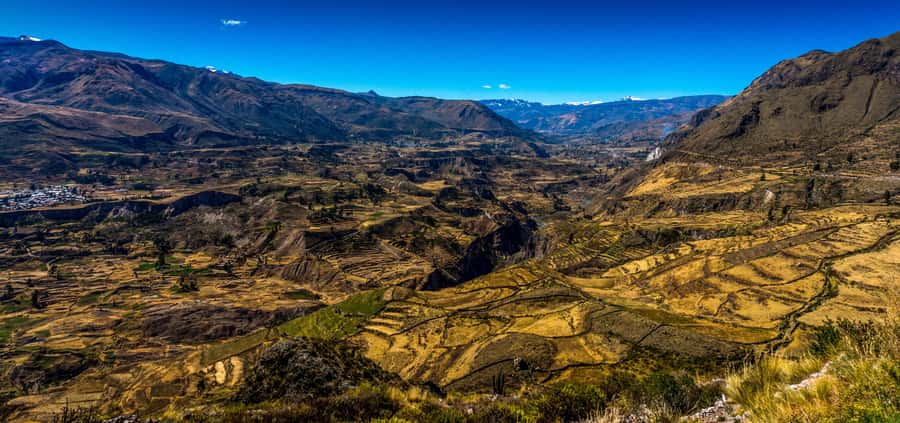
I think you should book this tour if you’re trying to connect Arequipa → Colca Canyon → Puno without building complicated logistics. The route hits the main reasons people come here: condors at Mirador Cruz del Condor, wildlife at Pampa Cañahuas Reserve, and the big altitude drama on the way to Lake Titicaca.
Skip it (or look for a different format) if you know you can’t handle bumpy roads or you need a fully “all meals included” package. Also, make sure you can manage the fact that you won’t return to Arequipa—your trip ends in Puno.
If you’re ready for a real two-day push through the Andes, this is good value: you’re paying for guidance and transport across a huge area, with the right stops to make the miles feel worth it.
FAQ
How long is the Colca Canyon tour from Arequipa to Puno?
It’s a 2-day tour.
Does the tour include transportation from Arequipa?
Yes. Pickup is included from city centre hotels in Arequipa, and the tour includes all transfers and transportation, with additional charges possible if you’re outside Chivay town or Puno city.
What languages does the guide speak?
The live tour guide speaks Spanish and English.
What does the itinerary include on day 1?
Day 1 includes the drive from Arequipa to Chivay with stops at viewpoints, including the Pampa Cañahuas Reserve, plus the volcano scenery route and time in Chivay overnight (overnight accommodation isn’t included).
What do you do on day 2?
Day 2 includes an early pickup for the Colca Canyon scenic places, including Mirador Cruz del Condor, and then a coach ride to Lake Titicaca before heading into Puno.
Are meals included in the price?
No. Food and drinks are not included.
Are entrance tickets and fees included?
No. Entrance tickets and fees are not included.
What should I bring, and what should I avoid?
Bring a passport or ID card, comfortable shoes, sunglasses, and a sun hat. Oversize luggage isn’t allowed.