REVIEW · AREQUIPA
2 Day Trek Including Transfer to Puno / Colca Canyon
Book on Viator →Operated by Trek The Colca · Bookable on Viator
Colca Canyon rewards early mornings. This 2-day trek ties downhill hiking with classic Andean condor viewpoints, then hands you an onward transfer to Puno. The small-group setup (max 12) also keeps things calmer than big bus tours, and your guide can pace you through the tougher parts. One thing to consider up front: this is not a flat walk—Day 2 is a real uphill grind.
I like two things a lot here: first, the itinerary hits the best condor-watching stops (especially Condor’s Cross) at the right time of day, and you’ll have a chance to spot Andean condors as you travel. Second, the trip includes real “in-the-canyon” time, with a warm-water break at Oasis Sangalle and an overnight stay so you’re not rushing through like a day trip.
The main drawback is comfort. The hiking is the star, but lodging and meals are basic, and some optional extras cost more once you’re there (like Colca Canyon access and the Hot Springs Chacapi visit). If you’re hoping for a spa-and-smooth-pavement trip, this isn’t it.
In This Review
- Key Points Before You Go
- Where Colca Canyon Fits Into Your Arequipa–Puno Route
- Day 1: Arequipa Pickup to Chivay Condors, Then Down Into the Canyon
- The 3:00 am start and why it matters
- Plaza de Armas de Chivay: breakfast with local color
- Condor’s Cross: your best shot at Andean condors
- Oasis Sangalle: downhill hiking ends with warm water
- Day 1 reality check: it’s long, and you’ll feel it
- Day 2: Torchlight Ascent, Hot Springs Optional, Camelids at Pampa Cañahuas
- 05:00 torchlight uphill to Cabanaconde
- Breakfast in Cabanaconde, then the optional Chacapi hot springs
- Pampa Cañahuas stop: volcanos and camelids
- Lunch in Chivay: not included, so plan cash
- Transfer to Puno: long descending day, drop-off in the city
- What’s Included vs What Costs Extra (And How That Changes Value)
- The value math I’d use before booking
- Hiking Gear and Comfort: How to Make This Trek Feel Manageable
- Laying Out the Real Highlights: Condors, Canyon Time, and the Warm Pool Reset
- Condors along the way
- The canyon trek itself
- Warm water at Oasis Sangalle
- Small group pacing
- Who This Tour Fits Best (And Who Should Skip It)
- Should You Book This 2-Day Colca Trek and Puno Transfer?
- FAQ
- What time does the tour start in Arequipa?
- Where does the tour take you on Day 1 before the trek?
- How hard is the hiking?
- What do you do at Oasis Sangalle?
- Is Condor’s Cross included, and is there an entrance fee?
- Are any hot springs included?
- What’s included in the price for meals and lodging?
- Do you get transferred to Puno?
Key Points Before You Go
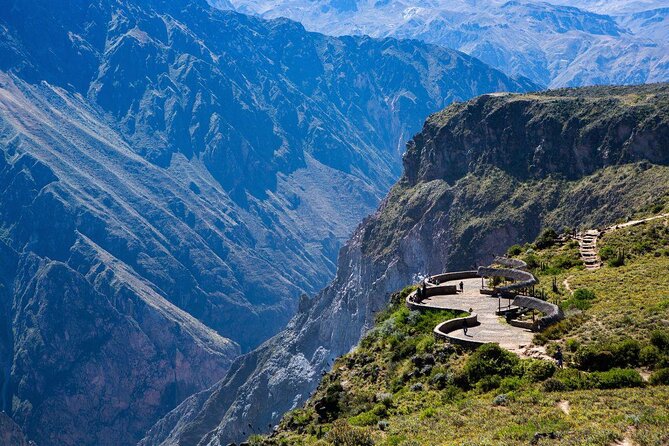
- Condor’s Cross timing: A dedicated stop at one of the most famous viewpoints for Andean condors.
- Overnight in the canyon: You sleep at Sangalle area (Oasis Sangalle) with a warm swimming pool break.
- Transfer to Puno included: No extra scramble—Chivay to Puno is built into Day 2.
- Torchlight uphill on Day 2: A sunrise-style climb that can feel steep and long.
- Small group attention: Max 12 travelers, so your guide can manage pacing and logistics better.
Where Colca Canyon Fits Into Your Arequipa–Puno Route
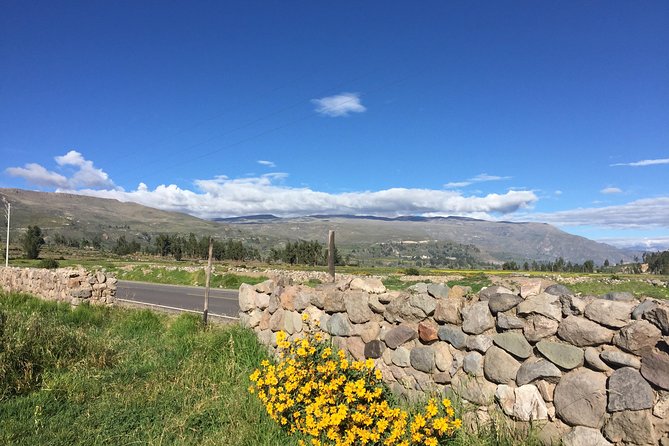
If your Peru plan is Arequipa first and then Puno (for Lake Titicaca), this trek is a neat connector. You’re not only doing Colca Canyon—you’re also using the second day to move north/east toward Puno by late evening (around 18:30).
The clever part is how the days are built around altitude and timing. Day 1 starts with an early pickup and a long transfer toward Chivay, then you work your way down into the canyon. Day 2 starts before sunrise style, climbs back up, then continues into the Pampa Cañahuas area and finishes with the transfer to Puno. It’s a lot of movement, but it matches how Colca works: steep terrain, thin air, and big view moments at specific times.
Also, this is priced to include the bones of the trip: meals, one overnight stay, and the Chivay → Puno transfer. The hiking itself isn’t “free,” but you’re paying for the guiding, logistics, and the time in the canyon—not just scenery from a van.
You can also read our reviews of more hiking tours in Arequipa
Day 1: Arequipa Pickup to Chivay Condors, Then Down Into the Canyon
The 3:00 am start and why it matters
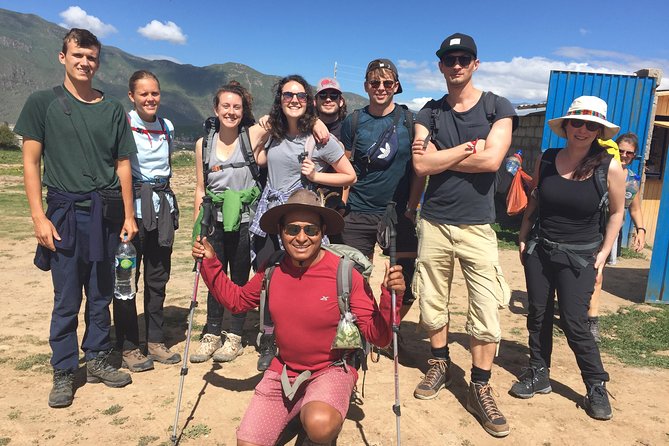
The tour begins early—between 3:00 and 3:30 you depart Arequipa, with pickup from your hotel or hostel. You’ll reach Chivay around 7:30 am for breakfast. That early start isn’t for show. It’s how you gain daylight for viewpoints and still get real hiking hours before you reach the overnight area.
If you’re sensitive to altitude or cold mornings, pack for sudden temperature swings: early starts often feel chilly, even if midday in the region is sunny.
Plaza de Armas de Chivay: breakfast with local color
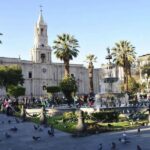
In Chivay, you stop at Plaza de Armas de Chivay. It’s a quick moment (about 30 minutes, admission ticket free) to reset after the drive. You get traditional town energy—think color, character, and a place that feels like it belongs to the Andes, not just tourism.
A practical note: breakfast here sets you up for hiking later. If you have a sensitive stomach, eat something that sits well for you.
Condor’s Cross: your best shot at Andean condors
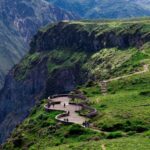
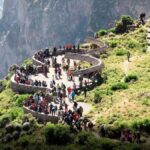
Next comes Condor’s Cross, also about 30 minutes, and admission ticket free. This is one of the best-known spots in South America for watching Andean condors glide overhead. The bird is huge (up to around 12 kg with a wingspan over 3 meters, per the tour info), and Condor’s Cross is chosen because it offers the right open view corridors where you can actually spot them.
What to expect: you might stand and wait a bit. Bring sunscreen, keep your eyes up, and don’t rush the moment—condors aren’t a quick drive-by.
You can also read our reviews of more tours and experiences in Arequipa
Oasis Sangalle: downhill hiking ends with warm water
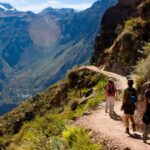
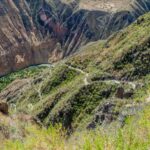
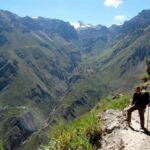
From Condor’s Cross, you board a bus segment of about 20 minutes to start the downhill trek. Then you hike downhill roughly 3 hours, dropping from about 3300 masl to 2100 masl into the canyon.
This part is physically demanding in a different way than uphill. Downhills can stress knees and calves, especially after a long early morning. Take your time on your footing and use steady steps rather than quick strides.
When you reach the canyon area, you’ll have lunch and rest in San Juan de Chuccho—a village described as having vegetation and fruit trees. Then you continue toward the deepest part of the trek to reach Sangalle (around 1900 masl).
By roughly 17:00, you arrive at Oasis Sangalle area, where one of the day’s best rewards is a warm swimming pool for a real reset. You’ll have dinner and sleep in simple bungalows (your lodging for the night is described as Oasis/Ecolodge-style in the trip details).
Day 1 reality check: it’s long, and you’ll feel it
Even though the official hiking time reads like a few blocks, you’re stacking: early transfer, viewpoint time, downhill hiking, village stops, and travel to the lodge area. If you’re not used to trekking at altitude, Day 1 can feel like a full day even before you count the downhill.
The upside is that you end with warm pool time and an overnight stay, so you’re not rushing out of the canyon the same day.
Day 2: Torchlight Ascent, Hot Springs Optional, Camelids at Pampa Cañahuas
05:00 torchlight uphill to Cabanaconde
Day 2 starts early—around 05:00—with a torchlight-style uphill trek for about 3 hours back to Cabanaconde. The timing is built for sunrise views as you climb.
This is where the trek earns its “challenging” reputation. One altitude note from the itinerary and associated climb context: you’re going uphill from the canyon area back toward higher elevation, and the climb is described as quite demanding. Plan for a slow pace, frequent small breaks, and keeping enough energy for the final ascent.
If you’re prone to shortness of breath at altitude, this is the moment to take it seriously. You’re not “failing” if you need to slow down—Colca rewards patience.
Breakfast in Cabanaconde, then the optional Chacapi hot springs
Once you reach Cabanaconde, you have breakfast. From there, the schedule includes a trip to Hot Springs Chacapi near Chivay.
Important: Hot Springs Chacapi has an entrance fee (PEN 15) and it’s not included. The pools vary from about 30°C up to 60°C, so even a short soak can feel like a reset for sore legs. Entrance is optional, but I think it’s a smart choice if your body is protesting day 2.
Pampa Cañahuas stop: volcanos and camelids
On the way back toward Arequipa and then onward to Puno, you stop at Salinas y Aguada Blanca National Reserve, specifically near Pampa Cañahuas.
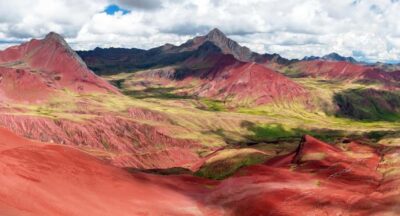
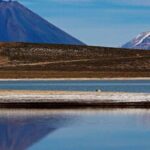
This stop is short (around 10 minutes for the main stop), but you’ll spend over an hour viewing things on the ground—volcanos in the area and camelids like alpacas, llamas, vicuñas, and guanacos (listed in the tour info). Even with limited time, the species variety is the point: you’re not just looking at rocks and clouds; you’re seeing wildlife adapted to high-altitude conditions.
Lunch in Chivay: not included, so plan cash
The itinerary mentions you can enjoy a typical local lunch in Chivay if you want, but it’s not included. There’s also a separate note about a last lunch in Chivay/buffet being PEN 30 not included. So bring some cash for food, snacks, and any small “I’m glad I bought that” purchases.
Transfer to Puno: long descending day, drop-off in the city
In the afternoon, you transfer to Puno. You’ll descend from about 4830 masl down to 2325 masl and pass through parts of Pampa Cañahuas again, emphasizing how the region changes as you travel.
Around 18:30, you arrive in Puno and get dropped off at your hotel/hostel area if it’s located in the center of the city.
This timing is handy. You’re likely to be hungry, tired, and ready to settle in—Puno is easier once you’re not fighting the transport problem.
What’s Included vs What Costs Extra (And How That Changes Value)
Here’s the big value question: what you pay for is not just the trek view. It’s the structure.
Included
- Dinner and lunch (as listed across the trek schedule)
- Breakfast (2)
- Transfer from Chivay to Puno
- Overnight accommodation (bungalows/lodge in the Sangalle area)
Not included
- Colca Canyon entrance: PEN 70 per person
- Hot Springs Chacapi entrance: PEN 15 per person (optional)
- Last lunch in Chivay/buffet: PEN 30 per person
- Oasis Sangalle or pool admission is described as not explicitly included in the “admission ticket” lines (the warm pool is part of the stop), so assume you may not want surprises—ask your guide if anything is extra at check-in
The value math I’d use before booking
At $179 per person for about two days, it’s worth it if:
- you want a guided trek with organized transfers
- you’re happy with basic lodging
- you like condor and canyon viewpoints enough to accept early starts
It’s less worth it if you hate paying extra onsite (Colca entrance) or if you’re expecting a high-end hotel feel.
One other value consideration: booking online can sometimes cost more than booking locally in the area. If price matters, I’d compare options and pay attention to currency. Small differences can become big quickly.
Hiking Gear and Comfort: How to Make This Trek Feel Manageable
This trip has real “sun + altitude + steep stairs” energy, especially on Day 2.
From the trek approach described, you should plan for:
- Strong sun at altitude, even if mornings are cool
- Long sitting times at viewpoints (Condor’s Cross), where you’ll want layers
- Leg stress on descents (Day 1 downhill) and the ascent challenge (Day 2 uphill)
- Basic lodging realities: expect simple rooms/bungalows and limited comforts
One comfort note from the experience details: services can be basic, like limited/no hot water. That means bring a “freshen up” kit if you want to feel human after the hike.
Practical packing tips (safe, not tour-specific):
- Wear shoes that handle rocky paths and sudden slopes
- Bring a sun hat and sunscreen
- Pack a warm layer for early mornings and torchlight timing
- Bring water and a few snacks you trust for breaks
Laying Out the Real Highlights: Condors, Canyon Time, and the Warm Pool Reset
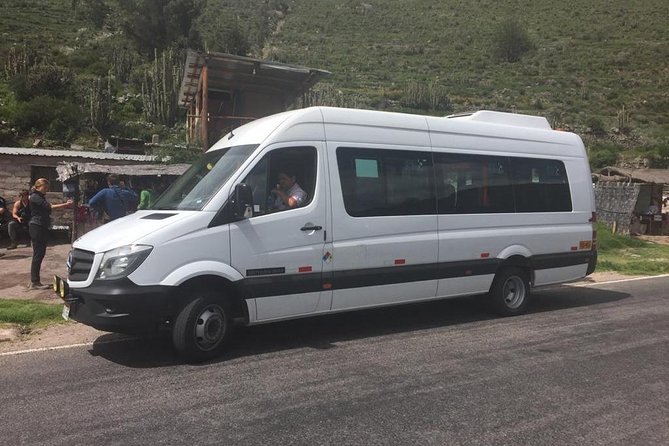
If you’re deciding whether this trek is your style, these are the moments that define it.
Condors along the way
The condor-watching stops aren’t random. You get Condor’s Cross as a major viewpoint. Then you’re trekking through the canyon with more scenic breaks where wildlife sightings can happen. The point isn’t guaranteed spotting—it’s maximizing your odds with the right place and time.
The canyon trek itself
The itinerary is built around actually being in the Colca Canyon for real hiking hours, not just peeking out from roads. Downhill in the morning of Day 1, then village-to-village walking, then time around Sangalle at the end of the day.
Warm water at Oasis Sangalle
The warm swimming pool at Oasis Sangalle is a real quality-of-life upgrade. After a long hike, stepping into warm water is one of the fastest ways to reduce the “everything hurts” feeling. If you’re debating whether to treat the tour as a once-in-a-lifetime trek, this is part of why it lands.
Small group pacing
A maximum of 12 travelers helps with timing and attention. It’s easier for the guide to manage stops, check in on how you’re doing, and keep the group moving at a pace that works at altitude.
Who This Tour Fits Best (And Who Should Skip It)
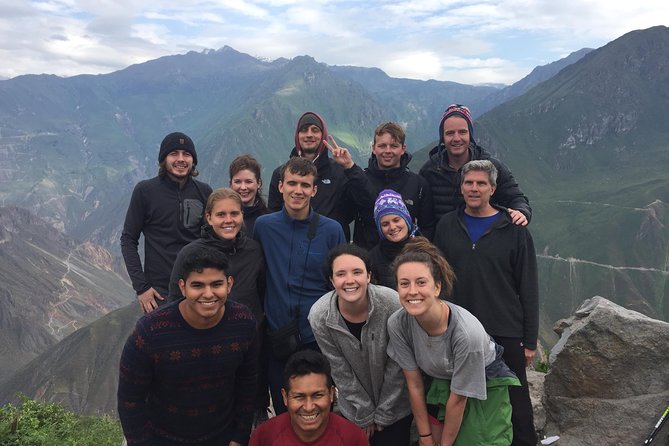
This trek is a great match if you:
- want a classic Colca Canyon experience with real trekking time
- like wildlife viewpoints, especially Andean condors
- want your route to move you from Arequipa/Chivay to Puno in one package
- prefer small groups
It’s not the best choice if you:
- want effortless hiking with minimal climbs
- expect hotel-level comfort at night
- can’t handle cold mornings and steep terrain
Moderate physical fitness is mentioned as the requirement, but don’t underestimate the Day 2 climb. If you can hike uphill for a long stretch at home or on hills near your city, you’ll be in better shape.
Should You Book This 2-Day Colca Trek and Puno Transfer?
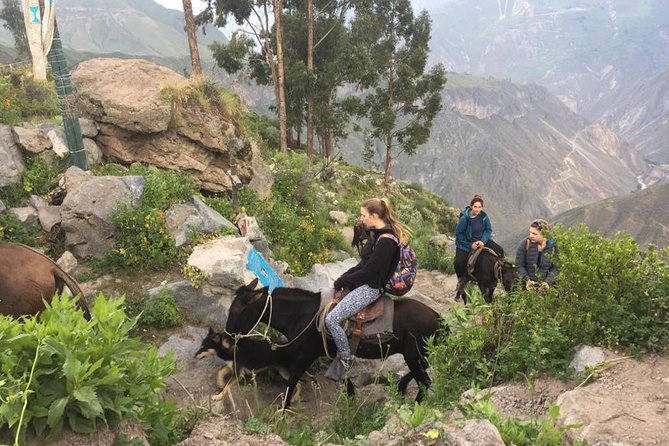
I’d book it if you want an efficient, guided way to do Colca Canyon and still reach Puno without planning a second complicated transfer. The itinerary is built around the right viewpoints, gives you one night inside the canyon area, and ends with a timed arrival in Puno so you can continue your trip smoothly.
I wouldn’t book it if you’re mainly after comfort or you’re very sensitive to strenuous uphill days. Day 2 is the real test, and lodging/food are basic.
If you do book, bring cash for the Colca Canyon entrance (PEN 70) and decide in advance whether you want the optional hot springs soak. That one decision can make the final day feel way more rewarding.
FAQ
What time does the tour start in Arequipa?
The meeting time is listed as 3:00 am, with departure from Arequipa between 3:00 and 3:30.
Where does the tour take you on Day 1 before the trek?
You transfer from Arequipa to Chivay, stop at Plaza de Armas de Chivay for breakfast, then go to Condor’s Cross before starting the downhill trek toward the canyon.
How hard is the hiking?
You’ll hike downhill for about 3 hours on Day 1, then do a torchlight-style uphill trek for about 3 hours on Day 2. The Day 2 climb is the more demanding part.
What do you do at Oasis Sangalle?
You arrive around 17:00 and have dinner and sleep nearby in bungalows. The Oasis area includes access to a warm swimming pool to relax after hiking.
Is Condor’s Cross included, and is there an entrance fee?
Condor’s Cross is included as a stop, and it’s listed as admission ticket free with a set visit time of about 30 minutes.
Are any hot springs included?
You can visit Hot Springs Chacapi, but it’s optional and has an entrance fee of PEN 15.
What’s included in the price for meals and lodging?
The tour includes dinner, lunch, and breakfast (2) plus overnight accommodation.
Do you get transferred to Puno?
Yes. A one-way transfer from Chivay to Puno is included on Day 2, with arrival around 18:30 and drop-off in central Puno if your accommodation is there.