REVIEW · AREQUIPA
Arequipa | Ascent to Chachani Volcano 2 days / 1 night
Book on GetYourGuide →Operated by NalasTrips · Bookable on GetYourGuide
Chachani is a volcano with an early alarm. This two-day trek from Arequipa mixes a base-camp night in tents with a 2 a.m. summit start, so you get to the top before the day gets loud. I also like that it’s run like a proper hike—not a show—so the focus stays on getting you up safely. One real drawback to plan for: this is an intense, high-altitude climb where you’ll want to manage your water and energy carefully.
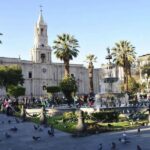
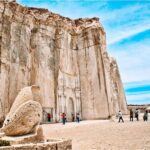
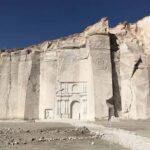
Before you even start walking, you’ll see why Arequipa feels different. The city is famous for using a pale volcanic stone (often called sillar) in church construction, and it’s one reason people nickname it the White City. Chachani sits right behind that story, and the contrast—city stone in the morning, snowy volcanic world by sunrise—makes the whole outing feel more connected than just a hike.
Logistically, it’s also straightforward. You’ll be in a small group (up to 10), picked up from your Arequipa hotel, and driven toward Pampa Cañahuas before the trekking begins. The altitude jump is the main consideration here: you’re hiking up from a base camp at 5,200 meters, and the schedule assumes you can handle thin air and a very early morning.
In This Review
- Key things to know before you climb Chachani
- Why Chachani feels like a proper Arequipa experience
- The morning 4×4 ride: getting to Pampa Cañahuas by 10:00
- Day 1 on foot: the 5,200 m base camp and your first lunch
- The short night: tea, tents, and a 2:00 a.m. wake-up
- Summit morning around 5:00 a.m.: the view list that makes it worth it
- Coming down to the 4×4: where the day can still feel tough
- Price and value: what $144 covers (and what you should budget extra for)
- Fitness, safety, and who should skip Chachani
- What to bring so the cold and altitude don’t ruin your mood
- Should you book this Chachani ascent?
- FAQ
- Where does the pickup happen in Arequipa?
- What time do we start on day 1?
- How high do we camp on night 1?
- When do we start climbing for the summit on day 2?
- What meals are included?
- What trekking equipment is included?
- Who is this trek not suitable for?
Key things to know before you climb Chachani
- Small group feel (up to 10): less crowding, more personal attention on the trail.
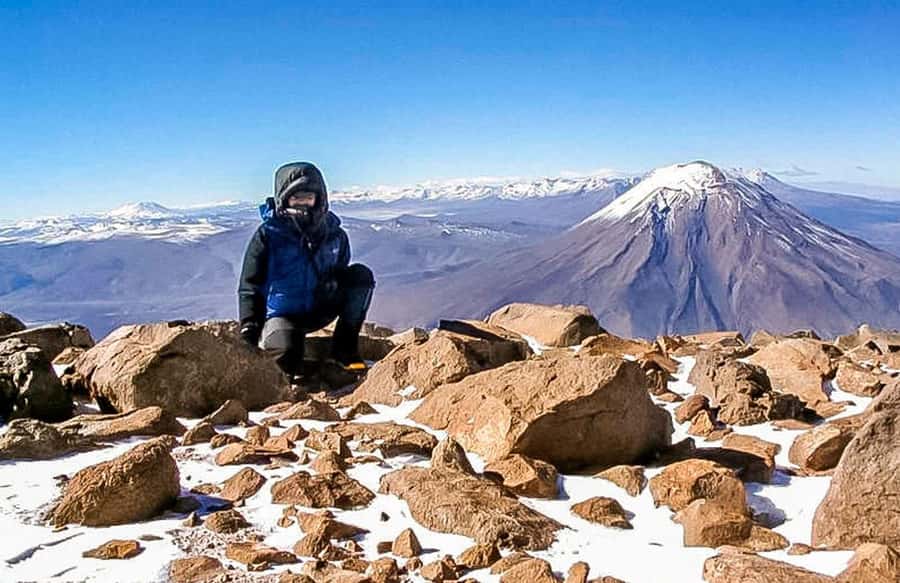
- Base camp at 5,200 m for overnight tents: you sleep high, then wake up even higher for the summit push.
- A short, steady start on day 1: about two hours of gradual climbing to get you moving without sprinting.
- Summit timing depends on weather: if conditions are good, you’ll reach the top around 5:00 a.m.
- Big view payoff: Coropuna, Ampato, Hualca Hualca, Sabancaya, Misti, and Ubinas are all in the mix on clear mornings.
- Gear isn’t guaranteed in the package: trekking equipment isn’t listed as included, though the team can help if you’re missing something.
Why Chachani feels like a proper Arequipa experience
Chachani is close enough to Arequipa that the day can feel personal, not far-flung. You’ll start in town, then move toward the backside of the volcano—Pampa Cañahuas is where the trek begins in earnest. This matters because you’re not just traveling “to” a mountain. You’re moving through the same region that shapes the city.
The White City angle is more than a cute fact. Arequipa’s pale volcanic stone is used in major churches, and it’s a visual reminder that the volcanoes around you are not just scenery. They’re part of how the land is built. On summit morning, when the air is sharp and your world turns volcanic and cratered, that connection clicks fast.
Then there’s the trekking style. The outing is paced like hiking up a mountain—slow and steady on the approach, then a more intense push at night/early morning. That pacing is exactly what you want at altitude: you’re working, but you’re not trying to win a race against your lungs.
You can also read our reviews of more evening experiences in Arequipa
The morning 4×4 ride: getting to Pampa Cañahuas by 10:00
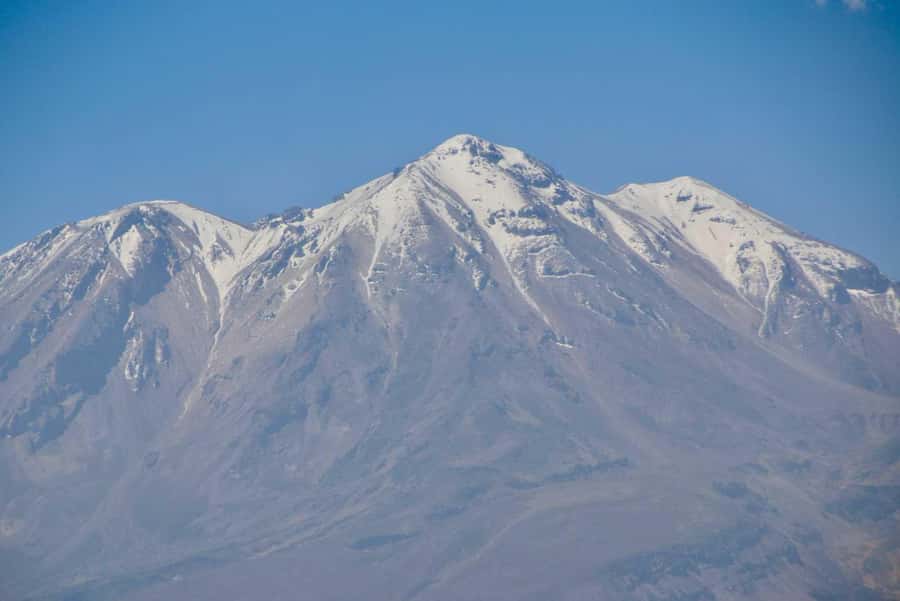
Your day starts early, but not painfully early. Pickup happens around 7:30 a.m. from your hotel in Arequipa, in a 4×4. The ride is the buffer between comfort and altitude work.
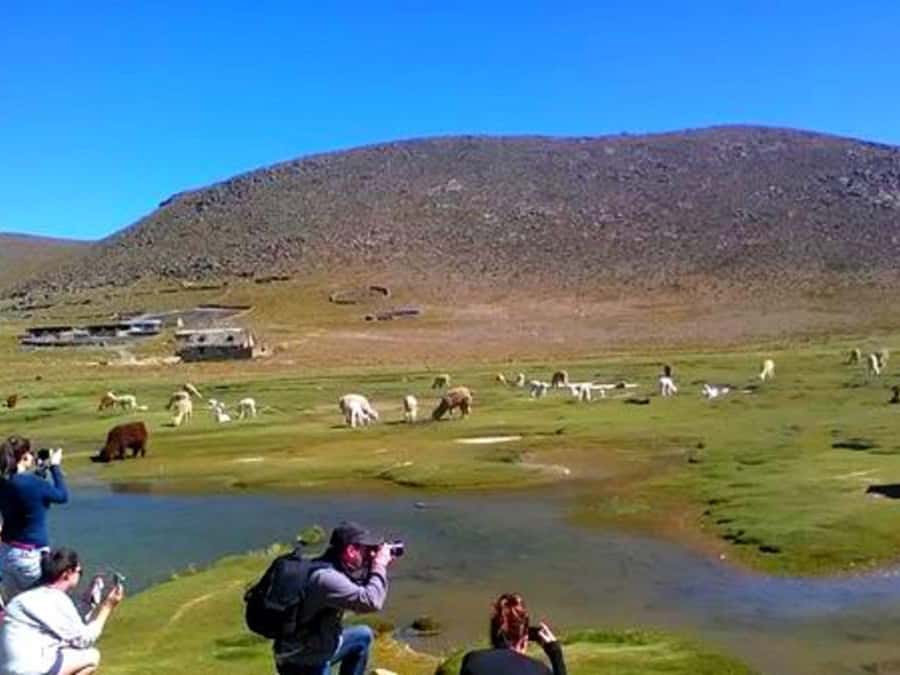
By about 10:00 a.m., you arrive at Pampa Cañahuas (described as behind Chachani). This timing is helpful because it gives you a real launch window: you’re not starting to climb straight off the highway with no decompression time.
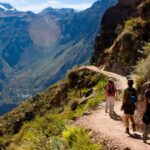
Once you’re there, you’ll get brief guidance before the trek begins. The walk isn’t a steep scramble from the first step. Instead, it’s a gradual ascent of low intensity for about two hours, which is a smart way to ease into the effort and start sorting out your pace.
One practical note: because you’re moving into remote high terrain, you should treat this as an outing where “small decisions” matter. Bring a jacket you can layer, keep your snacks/water within reach (even if you’re not bringing “extra” gear), and don’t assume you’ll be able to stop whenever you want once you’re out of town.
Day 1 on foot: the 5,200 m base camp and your first lunch
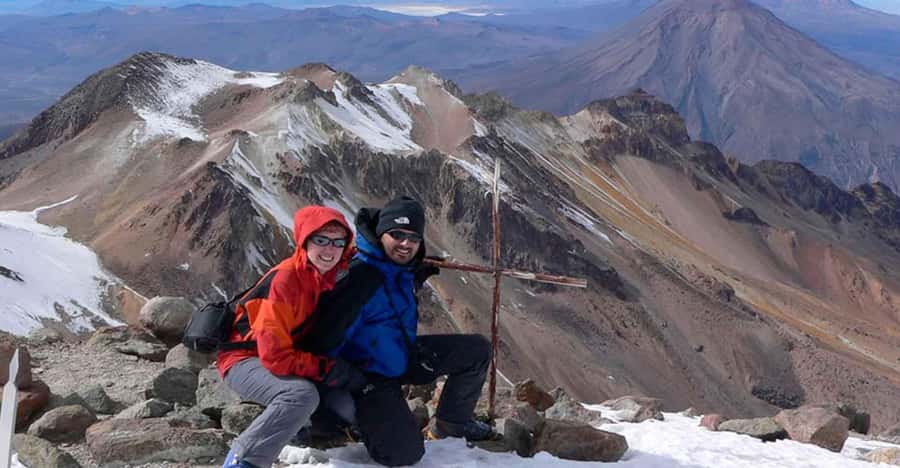
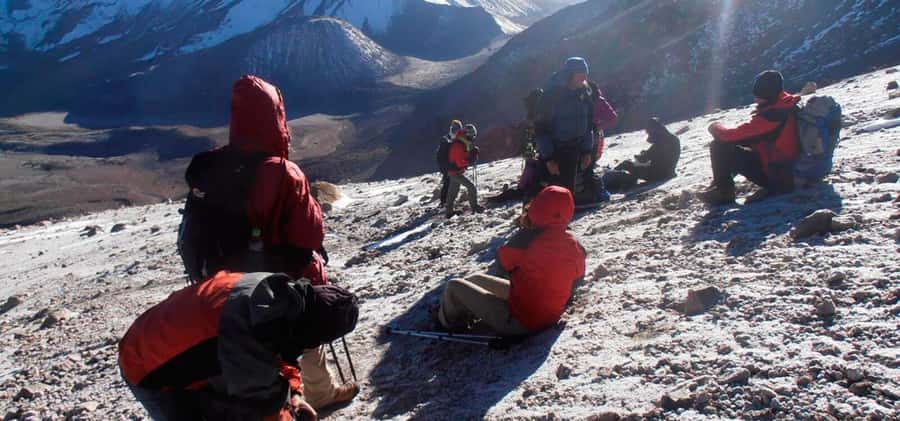
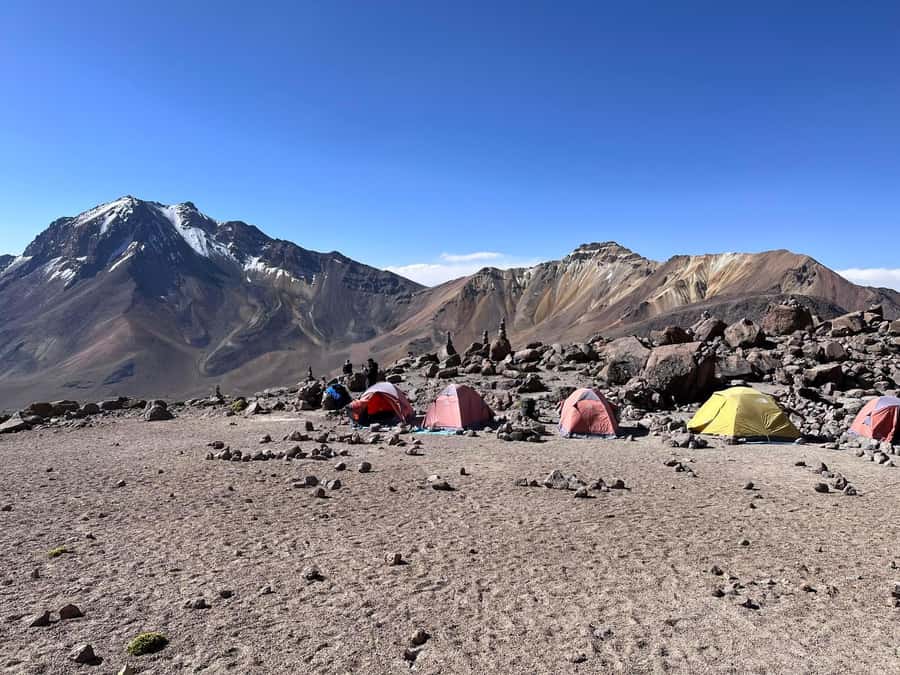
After that initial two-hour ramp-up, you reach the base camp at about 5,200 meters. That altitude number isn’t trivia—it’s the line where most people start feeling the climb more in their breathing than their legs.
This day is built around two things:
1) Getting you up high enough to sleep well on plan
2) Letting you recover just enough to climb again the next morning
At camp, you set up tents. Then lunch arrives—soup and pasta or canned food, depending on what’s prepared for your group. I like that you’re not asked to carry everything like a full backpacking expedition. You’re doing a summit trek, not trying to be your own cook for two days.
The rest of day 1 is calmer. At nightfall, you’ll have tea, then go to sleep. It’s not a luxury overnight. It’s more like a functional staging night so you can get up at 2:00 a.m. and actually attempt the summit.
If you’re thinking about what to wear and bring, treat day 1 as your “settling” period. Once you’re at base camp, cold can move in fast, and you don’t want to be fiddling with layers while everyone else is already preparing to sleep.
The short night: tea, tents, and a 2:00 a.m. wake-up
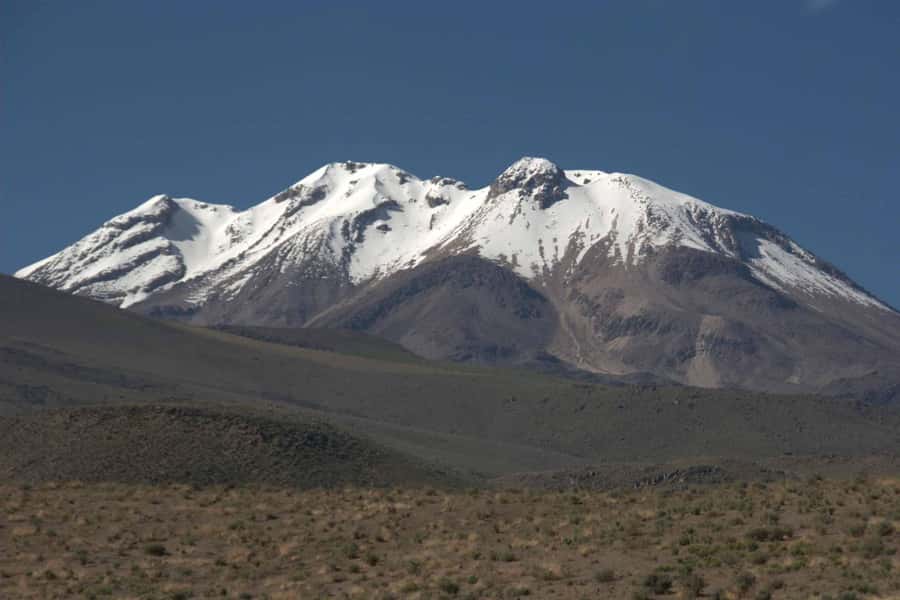
The second day starts at 2:00 a.m. You’ll get ready again—everything needs to be packed and verified—then you’ll have breakfast to warm up before the summit climb.
This is the part of the itinerary that many people underestimate. Even if the distance up isn’t the longest, the time of day makes everything feel harder. Your body is already cold and tired from sleeping high. Then you’re asked to get moving again in darkness (or near it), which changes how you judge effort.
What helps is how structured the morning is:
- you wake,
- you check gear,
- you eat something warm,
- then you climb to the summit.
And once the climb starts, the plan is simple: if weather is good, you’ll reach the summit at around 5:00 a.m. That weather conditional matters. In volcano country, conditions can shift. When that happens, the team’s job is to keep the outing safe and realistic.
If you tend to get nervous about early mornings, it helps to remember this: your “workout” is scheduled tightly for a reason. Summit attempts typically need the most stable weather window, and early light gives you both views and navigation support.
Summit morning around 5:00 a.m.: the view list that makes it worth it
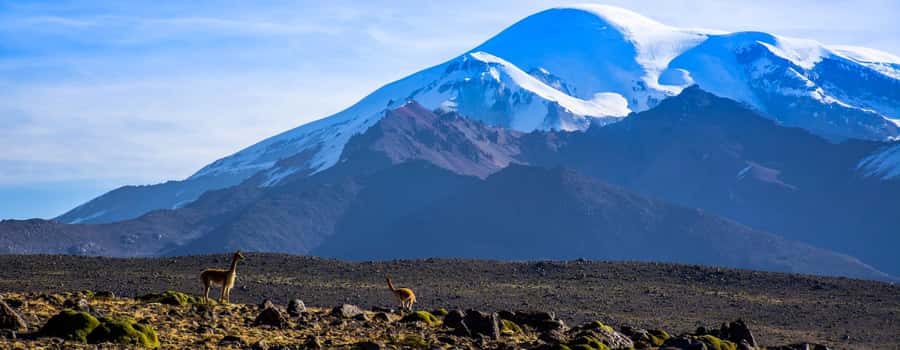
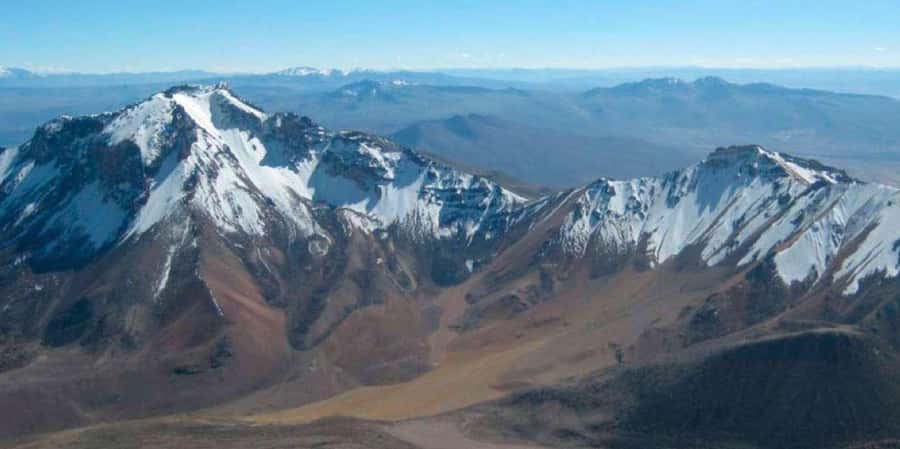
Here’s the payoff you’re working for. If conditions cooperate, you’ll stand on Chachani’s summit at about 5:00 a.m., then you’ll get some free time to regain strength and take in the views.
The view list is the reason I’m glad this isn’t just a quick up-and-back:
- Coropuna
- Ampato (including snow-capped peaks)
- Hualca Hualca
- Sabancaya (described as active)
- Misti
- Ubinas
Even if you don’t memorize volcano names while standing in the cold, you’ll feel the geography. This is why I like the slow base-camp staging. By the time you reach the top, you’re not just thinking about steps. You can actually look around and connect it to the region you started from.
After the summit pause, you descend back toward base camp. And since you’re descending in the early day with limited daylight hours ahead, the itinerary includes multiple rest stops. That’s smart. People often assume the summit is the hardest part. In practice, the descent can feel just as punishing on the knees if you rush it.
You can also read our reviews of more tours and experiences in Arequipa
Coming down to the 4×4: where the day can still feel tough
Once you’re back on the descent route, you’ll keep moving with scheduled breaks. The goal is to reach the starting point where the 4×4 will be waiting to take you back to Arequipa.
The itinerary gives you a clear endpoint: once you’re back at the pickup point, transport brings you down to either Plaza de Armas or the Historical Centre of Arequipa.
A good day on this kind of trek isn’t just about summiting. It’s about staying steady on the way down. Here’s what to pay attention to:
- Your footing while the ground is uneven or cold.
- Your pace during rest stops (don’t totally freeze and then jump back into a sprint).
- Your hydration and snacks, even if the main meals are planned.
One small caution pulled from the experience data you were given: there’s at least one note that guides could bring more water for cooking. That doesn’t mean the whole operation is short on water, but it does mean you should plan like water will be something you manage yourself. If you’re sensitive to dehydration, pack and plan accordingly within what’s allowed and realistic for you.
Price and value: what $144 covers (and what you should budget extra for)
The listed price is $144 per person for 2 days / 1 night. For Arequipa, that’s not a budget bargain, but it’s also not an inflated “tourist tax.” It sits in the middle: you’re paying for real logistics and a real guide team in a remote area.
Here’s what you get that usually costs real money if you try to DIY:
- Hotel pickup and drop-off in Arequipa
- 4×4 transportation
- English and Spanish guide
- Overnight accommodation in tents
- Food on the schedule: lunch day 1 and breakfast day 2
The items not included are also important to understand. Trekking equipment like poles, shoes, and backpacks aren’t listed as included. Also, snacks aren’t included.
That said, one of the most helpful bits from the experience notes is that the guides are set up to support you for the summit and may have gear you need if you’re short. Still, don’t count on it. Treat it as a backup option, not a guarantee.
If you budget extra, it should mainly be for:
- a reliable water setup
- any personal trekking gear you need
- snacks you’ll want between planned meals
If you show up prepared, this becomes good value because you’re essentially paying for a guided, high-altitude weekend with transportation, camp logistics, and planned meals.
Fitness, safety, and who should skip Chachani
This isn’t written for everyone. The activity explicitly says it’s not suitable for:
- pregnant women
- people with back problems
- people with heart problems
- wheelchair users
- people over 60
That list tells you a lot. This is an intense climb with early starts and sustained effort at high altitude, plus uneven terrain. Even if you feel “generally fit,” your body needs to tolerate altitude and the kind of climbing that stresses the legs and back.
Altitude also changes how you should think about fitness. You might be able to hike, but 5,200 meters (and higher near summit) asks a different question: can you keep steady effort when breath becomes your limiting factor?
If you’re unsure, be honest with yourself. This kind of trek rewards pacing and calm breathing, and it punishes pushing too hard too fast.
What to bring so the cold and altitude don’t ruin your mood
The basics are clearly listed, and I’d follow them closely:
- Passport
- Change of clothes
- Jacket
- Personal medication
Then I’d add your practical hike brain: layer up, keep your hands and head warm, and bring what you need for dry comfort at night. You’re sleeping in tents and starting your summit climb very early.
Also, because the trek is scheduled tightly, plan meals and hydration like you’ll actually need them. The itinerary provides lunch and breakfast plus tea, but you’ll still want a personal plan for water and any snacks, since snacks aren’t included.
Should you book this Chachani ascent?
Book it if you want a high-altitude summit attempt with real structure: hotel pickup, a small group, tents at base camp, breakfast and tea, and a summit morning built around weather and sunrise timing. If you like mountain hiking that stays focused and human-sized—up to 10 people—this fits well.
Skip it if your health limits you on altitude effort, your back can’t handle trekking, or you know you struggle with very early wake-ups and sustained intensity. Also skip it if you can’t bring (or already have) the basic cold-weather and trekking setup you need.
If you’re a confident hiker who’s ready for thin air and early darkness, this is exactly the kind of Peru outing that turns into a core memory: Arequipa’s white stone in your morning view, then a summit where volcano names start making sense because you can actually see them.
FAQ
Where does the pickup happen in Arequipa?
You can be picked up from either the Historical Centre of Arequipa (Plaza de Armas) option, and pickup is included from any hotel in Arequipa. You should wait in the hotel lobby about 10 minutes before the scheduled time.
What time do we start on day 1?
Pickup is at 7:30 a.m. in Arequipa, and you arrive at Pampa Cañahuas at about 10:00 a.m.
How high do we camp on night 1?
You reach the base camp at approximately 5,200 meters above sea level, where tents are set up for the overnight stay.
When do we start climbing for the summit on day 2?
Day 2 starts at 2:00 a.m. After breakfast, the team climbs to the summit. If weather is good, you reach the summit at around 5:00 a.m.
What meals are included?
Day 1 includes lunch (soup and pasta or canned food). Day 2 includes breakfast. Tea is provided at nightfall on day 1.
What trekking equipment is included?
Trekking equipment is not included, such as poles, shoes, and backpacks. You should plan to bring your own gear.
Who is this trek not suitable for?
It is not suitable for pregnant women, people with back problems, people with heart problems, wheelchair users, and people over 60.