REVIEW · AREQUIPA
4 hours Tour: Route of Sillar with Trek in Culebrillas
Book on GetYourGuide →Operated by AREQUIPA EXPLORER Y ACTIVIDADES TURISTICAS · Bookable on GetYourGuide
Arequipa’s stone story is written in cliffs. This half-day tour links the Sillar Route to real working quarries and a water-carved canyon, with viewpoints thrown in so you get both geology and wide open Andean views.
What I love most is the hands-on feel: you see how sillar ashlar was made in the quarries, and you even get to try a cutting exercise led by the stonemasons. Second, the stop at Culebrillas is not just a pretty walk; you pass tall canyon walls and end up at Wari petroglyphs that are more than a thousand years old.
The main thing to consider: the tour is short, so there is less time to linger at each viewpoint, and the canyon walk is a set duration (about 20 minutes inside the ravine). Also, entrance tickets to the sites (18 soles total) are not included.
In This Review
- Key highlights to look for
- Why the Sillar Route in Arequipa hits different
- Starting point and the early viewpoint stop (volcanoes + Chilina Valley)
- Añashuayco Quarry: where Sillar ashlar becomes visible in full scale
- The hands-on cutting moment
- Culebrillas canyon walk: water-shaped walls and Wari petroglyphs
- Apachetas before you head back
- Timing and pace: how 270 minutes plays out
- Language note
- Cost and value: what $11 buys, plus the 18 soles entrance fees
- What kind of traveler this fits best
- Practical tips to make it smoother
- Should you book this Sillar Route and Culebrillas trek?
- FAQ
- How long is the tour?
- What time does the tour start?
- Where is the meeting point?
- What’s included in the price?
- What entrance fees should I expect?
- What languages is the guide available in?
- What are the main highlights?
- Is there a walk in Culebrillas?
- Where does the tour end?
- Is there free cancellation and a pay-later option?
Key highlights to look for
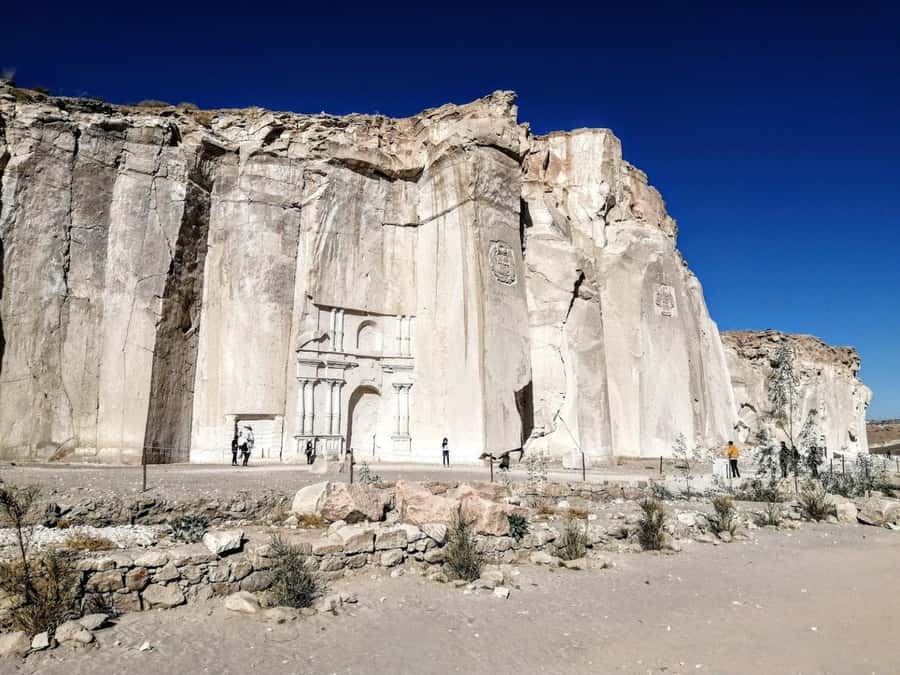
- Añashuayco Quarry’s igimbrite walls: immense canyon-like cliffs where ashlar stone was extracted
- Mega carving in the quarry: a large rock carving of the Church of the Company of Jesus
- Culebrillas canyon walk: about 20 minutes inside a narrow passage carved by water
- Wari petroglyphs: rock markings at the end of the walk, with age over a thousand years
- Apachetas stone monuments: small stacks of stones tied to gratitude and good luck
- Volcanoes and Chilina Valley viewpoints: a strategic photo stop early on (seasonal variation possible)
Why the Sillar Route in Arequipa hits different
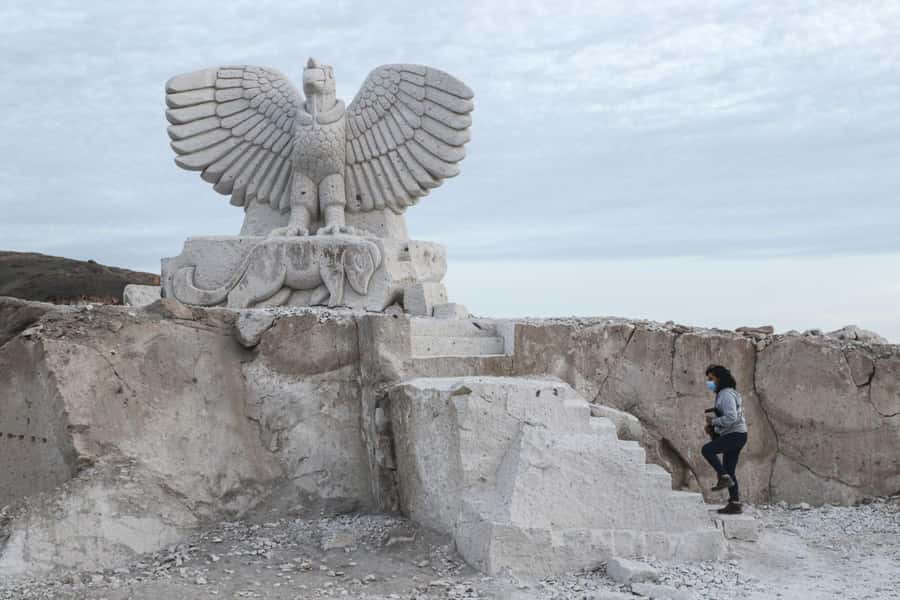
If you’ve ever wondered why Arequipa looks so bright in photos, this is the tour that answers it. Sillar is the pale volcanic stone used across the city, and this route takes you straight to where the material came from—quarries where stone is still worked, not just “museum geology.”
The value here is how physical everything feels. You’re not only looking at history; you’re standing in the extraction areas and seeing the quarry faces that formed from cutting and removing stone. That makes the story of ashlar feel real, not like a lecture you’ll forget later.
And because the route is paired with Culebrillas canyon and multiple viewpoints, the day doesn’t turn into one long “stone stop.” You get contrasts: wide views, hard geology, then a narrow canyon with ancient rock art.
You can also read our reviews of more hiking tours in Arequipa
Starting point and the early viewpoint stop (volcanoes + Chilina Valley)
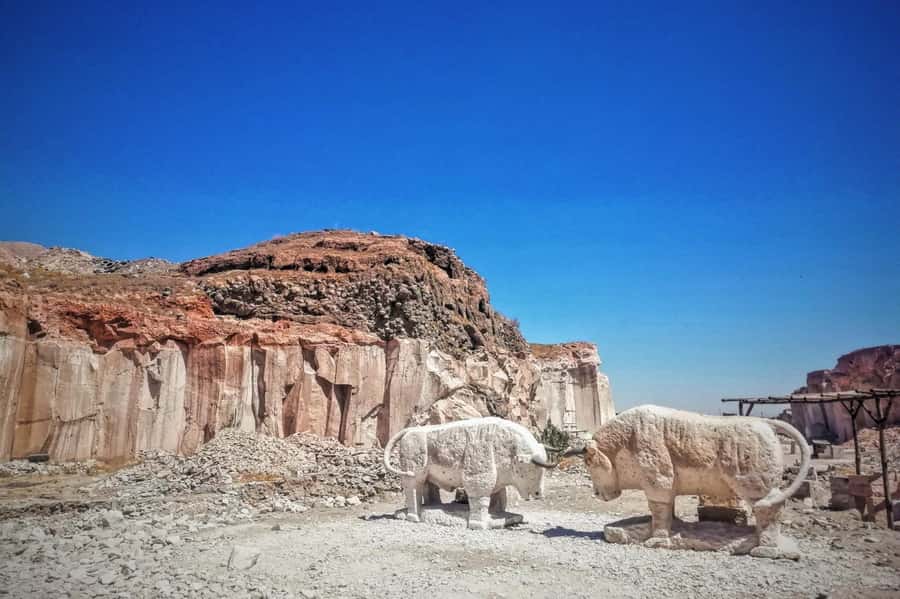
The tour begins at C. Álvarez Thomas 115 near the main office, where your name goes on a list before you head out. From there, you ride by van and make a quick stop at a viewpoint area with a short break for photos and orientation.
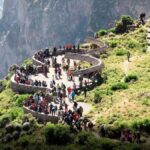
What you’re looking at is the big picture: volcanoes and the Chilina Valley. Depending on the season, you may also rotate to another traditional viewing point so you still catch the best volcano perspective for the time of year.
This first viewpoint stop matters more than it sounds. It gives you a frame for everything that follows. When you later stand in the quarry and see the vertical stone faces, you’ll have the surrounding terrain in mind—how the city sits below these volcanic features.
Expect it to be a short visit (around 20 minutes total for the viewing and guided portion), so come ready to take photos quickly and move on.
Añashuayco Quarry: where Sillar ashlar becomes visible in full scale
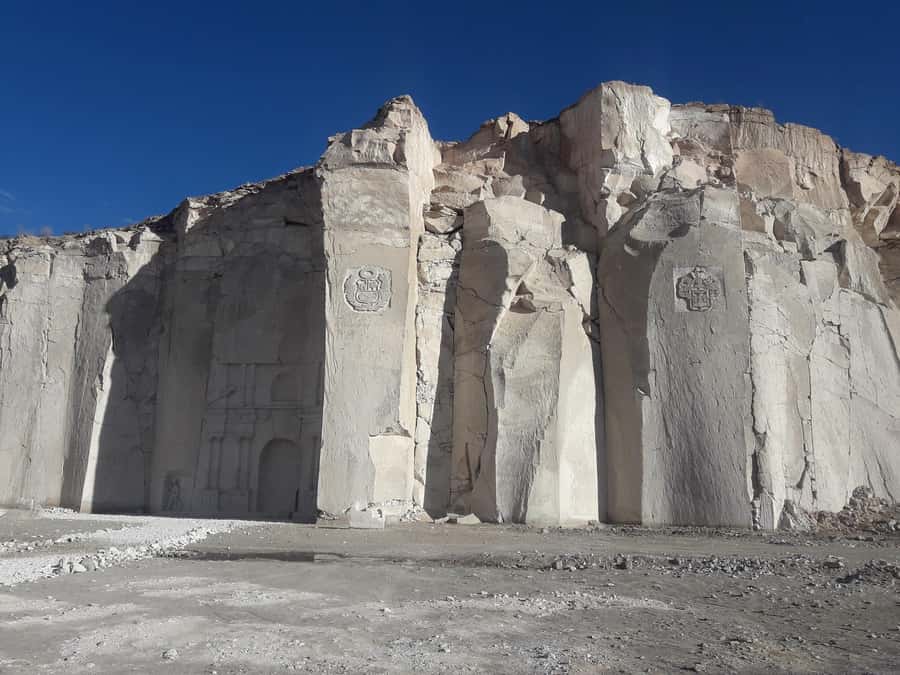
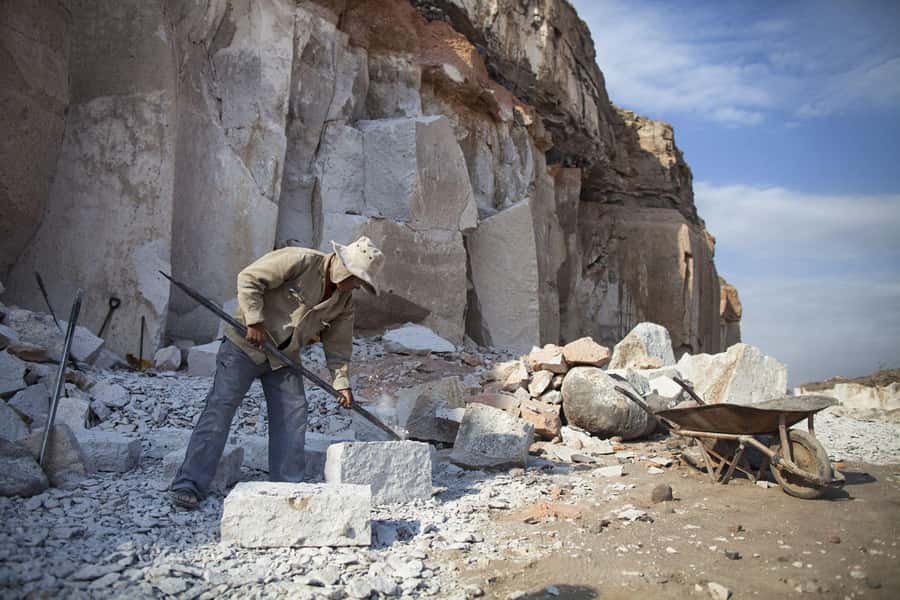
After about 45 minutes of driving, the main quarry stop is Añashuayco. This is currently in operation, and that’s a big part of the appeal. The stonemasons carry out their work early, so you’re seeing the quarry not as a closed set, but as a working place.
The quarry experience is built around three things:
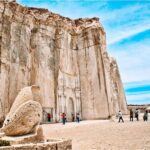
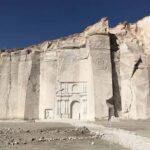
First, you see the scale of the extraction. The area is an immense canyon with cliffs made of igimbrite walls—formed by removing material to create the ashlars used in buildings. Standing there, it’s easier to understand how the stone’s story became Arequipa’s look.
Second, you get the straight-line history of sillar production: what ashlar is, how it’s produced, and how it’s been used over time. You come away understanding that this isn’t just a pretty white stone; it’s a practical building material with a local supply chain.
Third, you get the carving connection. In the quarry, you can see a mega carving of the Church of the Company of Jesus made by the stonemasons themselves. Even if you’re not a church-architecture person, it’s a striking reminder that these skills are artistic too.
The hands-on cutting moment
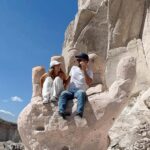
One of the most memorable parts of this tour is the chance to visit a stonemason and learn their daily work. The experience is also interactive: you can try cutting a stone block yourself (with guidance from the workers).
This is where the tour earns its keep. A lot of shorter tours show you things. This one lets you do something small, which makes the explanation stick. It’s also a respectful way to watch craft in action—because the explanation is tied directly to what they do for a living.
Culebrillas canyon walk: water-shaped walls and Wari petroglyphs
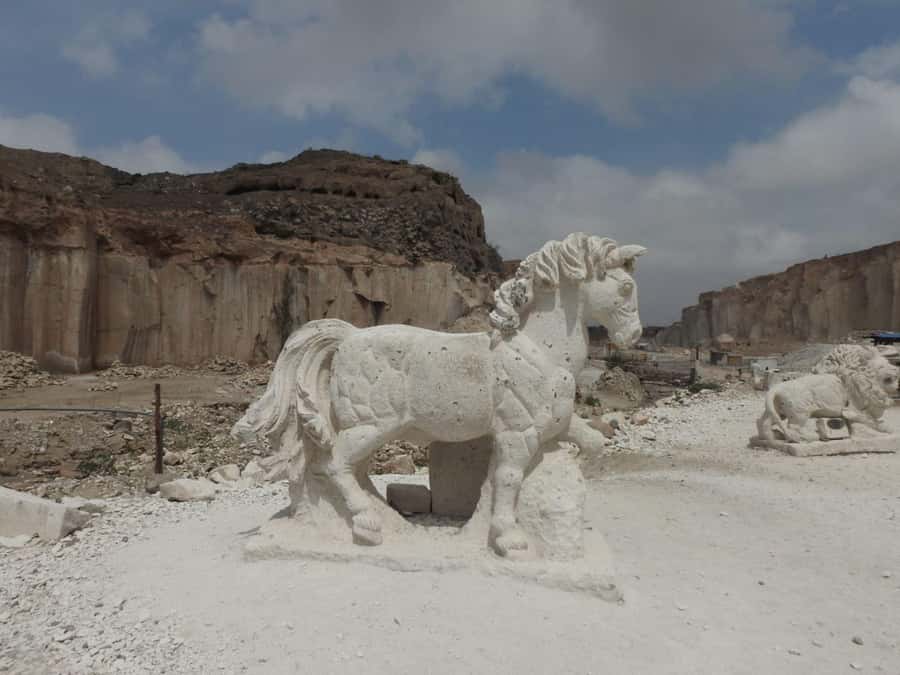
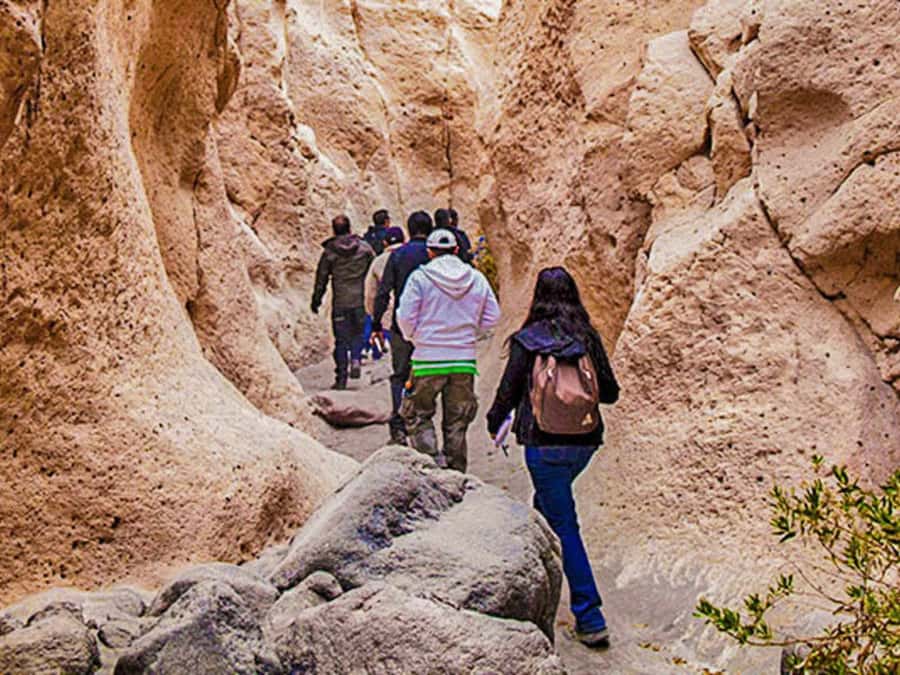
Next comes Quebrada de Culebrillas, about 30 minutes from Añashuayco. This part feels like a different world because the space narrows and the rock takes on a canyon shape.
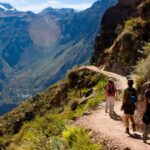
You take a walk of about 20 minutes inside the canyon, where the walls rise to roughly 15 to 20 meters. The guide brings you along as the canyon gets taller the deeper you go, which makes it feel less like a stroll and more like a slow walk into a stone corridor.
What you’re looking for changes at the end. At the far side of the walk, you can see petroglyphs made by the Wari culture, dating more than a thousand years back. Even if you’re not trained in reading rock art, it’s an unforgettable feeling to stand where ancient people carved symbols and then compare that to the modern quarry workers nearby, all within one half-day trip.

Apachetas before you head back
On the way back toward the city, you’ll observe Apachetas—stone formations stacked one on top of another. They’re presented as symbols of gratitude toward nature and also tied to the idea of good luck. The guide describes the meaning, and you’ll likely feel the quiet “pause” that people associate with them.
This isn’t a major physical stop, but it adds a cultural layer that matches the material theme. Stone shows up again, this time not as construction material, but as a marker of belief and respect.
Timing and pace: how 270 minutes plays out
The tour runs about 270 minutes (roughly four and a half hours). It’s designed for an efficient arc: one quarry, one canyon, then back into town.
A practical look at the flow:
- Early travel plus a viewpoint photo break (around 20 minutes)
- Van to Añashuayco (about 45 minutes)
- Time at the quarry: guided info plus free time and a short walking window (around 50 minutes)
- Van to Culebrillas (about 30 minutes)
- Canyon time: guided tour and the walk inside (around 30 minutes total, with the canyon walk around 20 minutes)
- Ride back to Arequipa and drop-off near the main square area (arriving around 1:30 pm)
So yes, you move. But you’re not rushing through everything with no context. The guide stops often enough to explain what you’re seeing—especially at Añashuayco, where the ashlar production story is the centerpiece.
Language note
The tour is offered with live guidance in English and Spanish. One real-world consideration: if the English guide isn’t available, the tour may run only in Spanish. If you’re booking for English specifically, that’s worth keeping in mind so you’re not surprised on the day.
Cost and value: what $11 buys, plus the 18 soles entrance fees
The base price is $11 per person, and that includes touristic transport and a professional guide. The sites themselves require entrance tickets of 18 soles total, which are not included.
From a value perspective, this is pretty reasonable if you like guided interpretation. You’re paying for three separate “experiences” in a short window:
- a guided stop at a volcano/chilina viewpoint,
- the quarry visit with history and a hands-on element with stonemasons,
- the canyon walk with guidance and Wari petroglyph context.
If you were to DIY, you’d likely spend more time coordinating rides and figuring out where to go for quarry access and the canyon walk route. Here, the time cost is reduced and the explanations are built in.
If you want maximum flexibility to linger, you might feel the schedule a bit tighter because the tour is intentionally compact.
What kind of traveler this fits best
This is a great match if you:
- want a compact half-day that covers quarries + canyon + ancient rock art,
- like learning by seeing materials up close (ashlar/sillar production),
- enjoy craft and small hands-on moments as part of sightseeing.
It’s less ideal if you:
- prefer long, slow stops with lots of free time at each viewpoint,
- want a very “nature-only” hike. Culebrillas is scenic, but the tour’s main focus is interpretation: stone extraction, meanings, and cultural markers.
Practical tips to make it smoother
Because the tour includes a real walk inside a canyon and a quarry area, a few common-sense prep items matter:
- Wear comfortable shoes with good grip.
- Bring a camera fast enough for quick viewpoint shots.
- If you’re picky about language, consider choosing the shift when your preferred language is more likely (the tour offers both English and Spanish).
- Budget for the 18 soles entrance tickets so you don’t get surprised at the stops.
Also, since the tour drops you near the main square area around 1:30 pm, it’s easy to plan a lunch afterward and keep the rest of the afternoon free. There’s also an afternoon 2:00 pm shift, which can help if your morning is already booked.
Should you book this Sillar Route and Culebrillas trek?
Book it if you want a half-day that connects Arequipa’s signature white stone to real working quarries and a canyon walk with Wari-era rock art. The combination of quarry scale, the mega carving, and the chance to try a stonemason task is what makes this tour feel worth more than the short duration.
Skip it only if you hate tight schedules or you’re mainly after a long hike. In that case, you’ll probably feel ready to move on after the canyon walk.
If you’re on your first or second day in Arequipa and you want the city’s look explained in a tangible way, this is a smart way to spend a morning (or the afternoon shift).
FAQ
How long is the tour?
It lasts about 270 minutes (around four and a half hours).
What time does the tour start?
The schedule includes a 9:15 am departure, with an afternoon option at 2:00 pm.
Where is the meeting point?
The meeting point is at C. Álvarez Thomas 115 (the main office on that corner).
What’s included in the price?
Transport in a van and a professional guide.
What entrance fees should I expect?
Entrance tickets to the places cost 18 soles total and are not included in the tour price.
What languages is the guide available in?
The tour offers live guidance in English and Spanish.
What are the main highlights?
The Sillar Route in Arequipa, Añashuayco Quarry with a Megacarving, the Culebrillas canyon, and a viewpoint with volcanoes and Andenerias views.
Is there a walk in Culebrillas?
Yes. You’ll do an approximately 20-minute walk inside the small canyon.
Where does the tour end?
You return to Arequipa and are dropped near the main square area, with the finish location listed as Av La Marina, Arequipa.
Is there free cancellation and a pay-later option?
Yes. You can cancel up to 24 hours in advance for a full refund, and you can reserve now and pay later (pay nothing today).