REVIEW · CUSCO
Cusco: Sacsayhuaman Guided Tour and 1-Hour Horseback Ride
Book on GetYourGuide →Operated by Andina Expeditions · Bookable on GetYourGuide
Horseback, ruins, and royal mummies in one outing.
This 4-hour Cusco day pairs Sacsayhuamán and Qenqo’s huaca lesson with a real 1-hour ride in the National Park of Sacsayhuamán. I especially like the way the guide connects big stonework to sacred meaning, then pivots to what life felt like outside town. The main catch: the $90 price does not include entrance fees or the Cusco Tourist Ticket Site Pass, so plan extra.
You’ll get hotel pickup and drop-off in central Cusco, a bilingual guide (English and Spanish), and all the horse-riding essentials like a saddle, safety helmets, and a muleteer. Group size stays small (limited to 10), which matters when you’re switching between archaeological stops and learning to handle a horse. In the real world, strong guides show up too—names like Beny and Holger come up in recent feedback—so you’re not just watching stones, you’re getting explanations that stick.
In This Review
- Key things that make this tour worth your time
- How the day fits together: ruins, sacred caves, then horseback
- Sacsayhuamán: Inca engineering in the old royal heart of Cusco
- Qenqo huaca: what the guide teaches about royal mummification
- Vieja Estancia ranch: how horse riding gets matched to you
- Tambomachay and Puka Pukara: water rituals and a fortress feel
- Price and logistics: does $90 feel fair?
- Who should book this tour (and who should skip it)
- Practical tips before you go: what to pack and what to expect
- Should you book it? My straight answer
- FAQ
- How long is the tour?
- What parts of the experience are included in the 4 hours?
- How long is the horseback riding?
- What’s included with the horseback riding?
- Is hotel pickup and drop-off included?
- Are entrances fees included?
- What languages is the guide?
- What should I wear?
- Is this tour suitable for everyone?
Key things that make this tour worth your time
- Sacsayhuamán first, so you start with the old heart of the Inca world before heading into Qenqo
- Qenqo huaca and mummification, including the detail that the mummification took place in a cave on-site
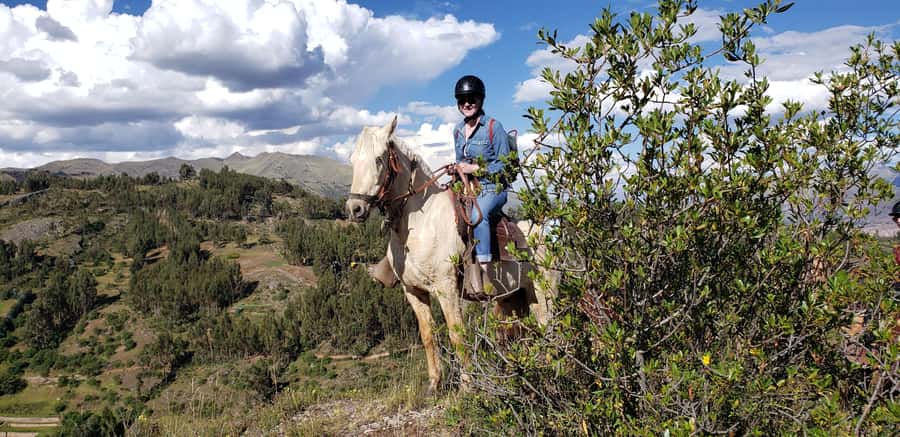
- 1-hour horseback ride with helmets and a muleteer, and horses picked based on your experience and mood
- A National Park ride (about 6,000 acres) with chances to spot local animals like llamas and alpacas
- Two more Inca sites after riding: Tambomachay (water temple) and Puka Pukara (fortress)
- Snacks and water included, so you’re not scrambling between stops
How the day fits together: ruins, sacred caves, then horseback
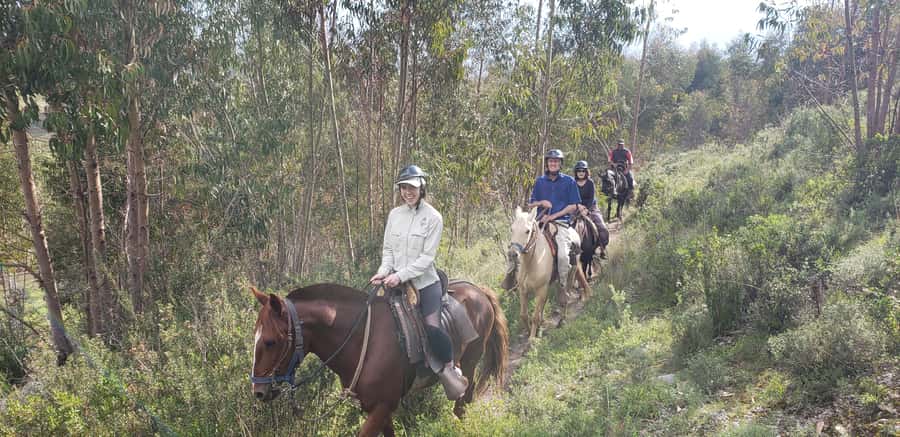
This tour works because it keeps changing the pace in a good way. You start in Cusco’s archaeological zone, switch gears to Qenqo for a focused cultural lesson, then head out to the ranch so the day becomes physical and outdoorsy. After the ride, you return to town with a couple more key Inca stops that round out the story.
It’s also structured for comfort. You have guided time at each ruin, then transportation between the sites, and finally a transfer back to Cusco. If you like your history with a change of scenery (and a little adrenaline), this format makes sense.
You can also read our reviews of more guided tours in Cusco
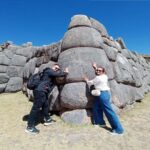
Sacsayhuamán: Inca engineering in the old royal heart of Cusco
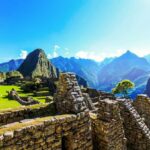
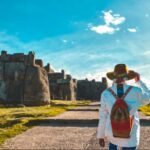
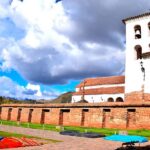
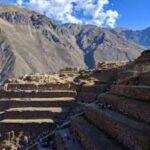
Sacsayhuamán sits on the outskirts of Cusco, and you’ll head there first after hotel pickup. You get a guided walk focused on architecture, function, and why this place mattered so much to the Inca. This is the part of the day where the stones do the talking, and a good guide helps you see patterns instead of just walls.
What I like about starting here is that Sacsayhuamán sets your mental map. Once you understand what the site was for and how it was built, later stops feel less random. You’re also not rushing through everything at the end of the day when you’re tired from riding.
A practical consideration: Sacsayhuamán is an archaeological site, so plan on uneven ground and time spent standing and walking. Wear what you can move in, and keep your expectations focused: you’re there to learn the why behind the engineering, not just take pictures.
Qenqo huaca: what the guide teaches about royal mummification
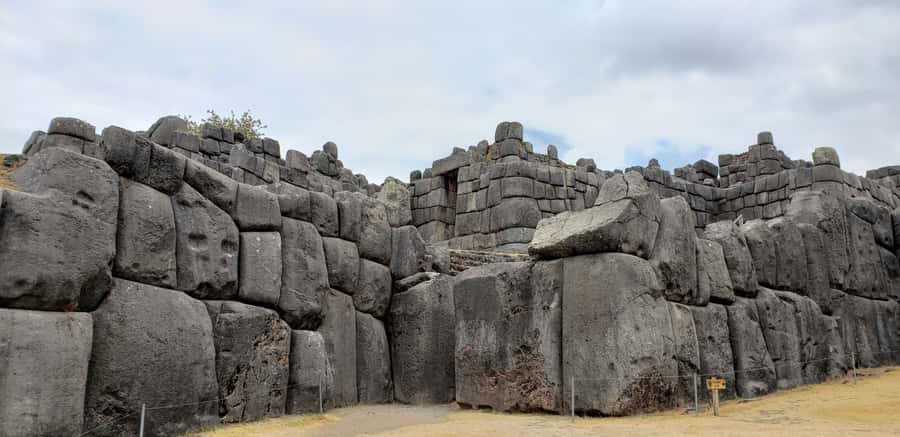
Next you travel to Qenqo, a huaca, which is an Incan holy place. This stop is different from Sacsayhuamán because it’s more about meaning and sacred use than large-scale urban engineering. You’ll get a guided lesson that specifically covers mummification of ancient royal people.
One key detail you should remember: the mummification took place in a cave at this archaeological complex. That single fact changes how you look at the structures, because you’re thinking about a specific ritual and a specific setting, not just a general concept of ancestor worship.
This is also where a bilingual guide helps the most. If you want the story to land clearly, you’ll appreciate having explanations in English or Spanish instead of piecing it together on your own.
Vieja Estancia ranch: how horse riding gets matched to you
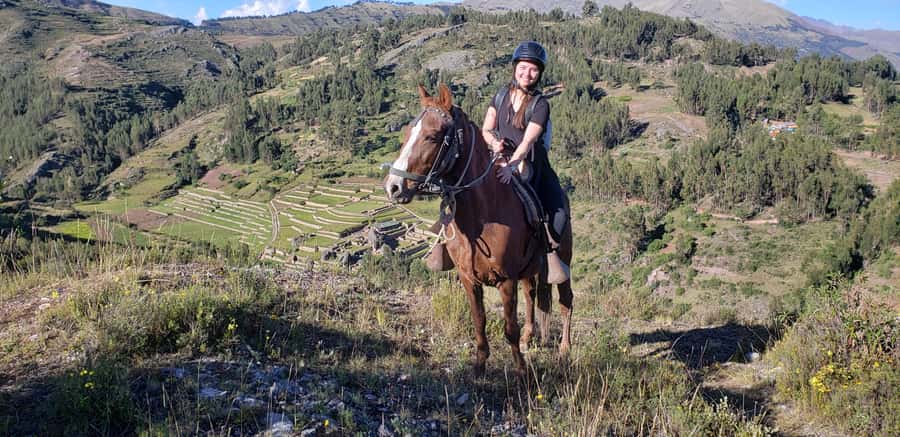
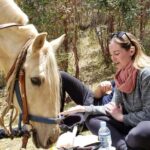
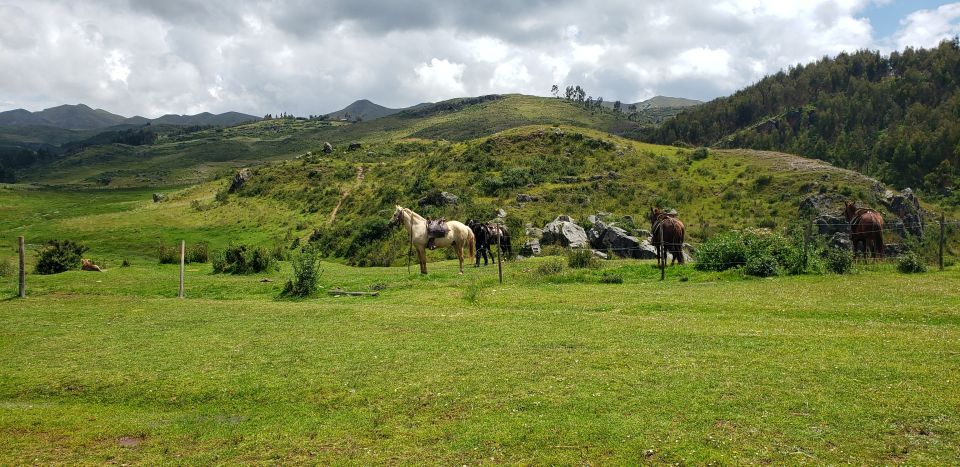
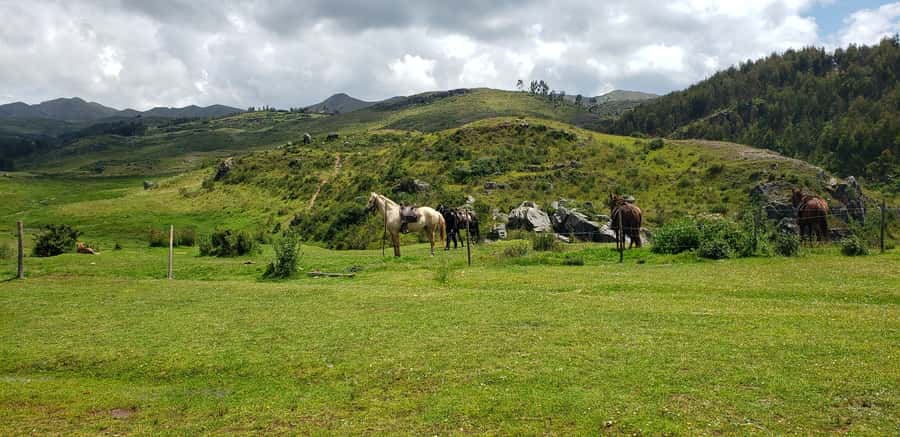
After Qenqo, you head to a ranch near Sacsayhuamán. This is where the day turns outdoors and you switch from listening to doing. You meet the horses and the muleteers, and you’ll get a brief induction on horse safety and how to lead your horse correctly.
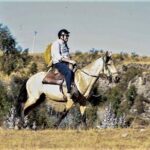
Here’s the practical bit I’d call out: horses are selected according to your experience and mood. That usually means you’re not stuck with the same type of horse regardless of skill level, which helps both comfort and confidence. In recent feedback, people noted the horses were well behaved and looked well cared for, and that they could even trot and go faster when they wanted.
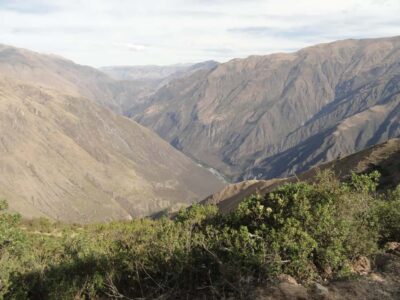
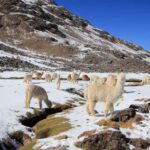
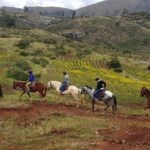
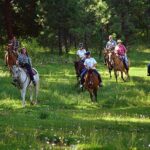
Your ride lasts about 1 hour inside the National Park of Sacsayhuamán, a huge area (around 6,000 acres). Along the way, you might pass potato farms, see new excavations, and with luck spot local animals like llamas and alpacas. The exact sightings aren’t guaranteed, but the route is built to give you real countryside views rather than a fenced loop.
Also note the height detail from one rider’s report: the ride happened around 3,800 masl. That’s a reminder that you’re not just “walking” here—you’re riding in real outdoor conditions, so keep your hydration in mind even though snacks and water are included.
Tambomachay and Puka Pukara: water rituals and a fortress feel
After the horseback ride, you don’t go straight back to Cusco. You squeeze in two more guided stops that help the day feel complete.
First is Tambomachay, an ancient temple dedicated to water. If you’ve been thinking about Inca sacred spaces as more than just monuments, this is a strong payoff. Water control and water reverence were major themes in the Andes, and this stop gives you a concrete location where those ideas mattered.
Then comes Puka Pukara, an ancient Incan fortress. Even if you’re not a military-history person, a fortress stop changes your perspective. It reminds you that the Inca were managing territory, defense, and movement, not just building ceremonial sites. Together, Tambomachay and Puka Pukara make the tour feel like more than a highlight reel.
One consideration: by this point, your legs may be tired from riding and walking. Keep your shoes solid and your energy steady. The guides keep you moving, but your comfort still depends on what you wear.
You can also read our reviews of more tours and experiences in Cusco
Price and logistics: does $90 feel fair?
$90 per person for a 4-hour small-group tour is a decent value when you look at what’s bundled. You’re not only paying for guides at multiple archaeological complexes—you’re also paying for the horse-riding infrastructure: saddle, safety helmets, and the muleteer support. Add hotel pickup and drop-off in central Cusco, plus snacks and water, and it’s clear this isn’t just a ticket to a single site.
The part you must budget for separately is entrances fees and the Cusco Tourist Ticket Site Pass. Since those are not included, you’ll want to set aside extra money rather than assuming the $90 covers everything. Insurance is also not included, so if that matters to your travel style, double-check what you already have through your own coverage.
Another small but important detail: the total timing depends on participants’ horse riding skills and experience. In plain terms, if you’re a beginner, you’ll still ride—but your schedule may flex a bit compared with someone who’s already comfortable on a horse.
Who should book this tour (and who should skip it)
This tour fits best if you want a balanced Cusco day: culture first, then action, then more culture. You’ll likely enjoy it if you’re the type who likes asking questions and wants a guide to connect the stones to the story. The small group size (up to 10) also tends to keep things more personal when you’re learning horse safety.
It’s also a good match for mixed experience groups. Horses are chosen based on your experience and mood, and the induction is meant to get you comfortable with safe handling. In one recent experience, a father and teen had a great time, got to trot and even go faster, and praised the guide’s English and willingness to answer questions.
Skip it if any of the listed limits apply. It’s not suitable for pregnant women, people with mobility impairments, and people over 200 lbs (91 kg). If you’re close to the weight limit, don’t guess—confirm first so you don’t arrive and get turned away.
Practical tips before you go: what to pack and what to expect
For what to bring, keep it simple. Wear long pants and closed-toe shoes. You’ll be on archaeological terrain, then switching to ranch time, and finally walking again at Tambomachay and Puka Pukara. Closed-toe shoes help you feel stable and protected for both the ground and the horse-riding steps.
A couple of reality checks, so you don’t over-plan your day. The tour lasts about 4 hours total, but horseback riding time can be influenced by your comfort level and experience. Also, entrances fees and the Cusco Tourist Ticket Site Pass can add cost, so plan your budget like an adult with a spreadsheet.
If you care about language, you’re covered. The guide is bilingual (English and Spanish), which is a practical advantage if you’re traveling with someone who prefers one of those.
Should you book it? My straight answer
Book it if you want one compact day that covers the big Inca highlights with a memorable physical add-on. The combination of Sacsayhuamán and Qenqo’s huaca mummification lesson, followed by a supported 1-hour horseback ride in a large national park area, is a smart way to spend limited time in Cusco.
Don’t book it if you’re trying to keep total costs strictly to $90, because entrances fees and the Cusco Tourist Ticket Site Pass are not included. Also skip if your body or mobility doesn’t match the ranch-and-ride format, since the tour isn’t suitable for mobility impairments and has a 200 lbs weight limit.
If you’re ready for stone history, a sacred-cave lesson, and then time on horseback, this tour is the kind of day that feels different from the usual ruin-only itinerary.
FAQ
How long is the tour?
The total duration is 4 hours.
What parts of the experience are included in the 4 hours?
You’ll visit Sacsayhuamán, Qenqo, a ranch for a 1-hour horseback ride, then Tambomachay and Puka Pukara.
How long is the horseback riding?
The horseback riding portion is 1 hour.
What’s included with the horseback riding?
You get a saddle, safety helmets, and a muleteer, plus snacks and water during the tour.
Is hotel pickup and drop-off included?
Yes. Pickup and drop-off are included from hotels in central Cusco.
Are entrances fees included?
No. Entrances fees and the Cusco Tourist Ticket Site Pass are not included.
What languages is the guide?
The guide is bilingual, offering English and Spanish.
What should I wear?
Bring long pants and closed-toe shoes.
Is this tour suitable for everyone?
No. It is not suitable for pregnant women, people with mobility impairments, and people over 200 lbs (91 kg).