REVIEW · LIMATAMBO
Cusco: Chonta Canyon and Condor Flight Tour with Lunch
Book on GetYourGuide →Operated by Kantu Peru Tours · Bookable on GetYourGuide
Condors feel close in Chonta Canyon. I love how the day is built around Killarumiyoq and Tarawasi, then spends real time at the canyon lookouts for multiple condor passes; the only drawback is it’s a long day with walking and heights that won’t suit everyone.
You’ll also get solid guiding, not just a drive-and-hope plan. One recent group was led by Rafael, described as friendly and very good at steering you to the best observation points and explaining what you’re seeing.
At $150, you’re getting transportation, a professional guide (Spanish/English), camouflage vests, and even a first-aid kit with an oxygen balloon; just plan for extra entrance tickets and bring what you need for comfort.
In This Review
- Key points you’ll care about
- Why Chonta Canyon is a condor spot worth your early start
- From Cusco pickup to the visitor center: the rhythm of the drive
- Killarumiyoq (Anta): where archaeology meets the sky
- Tarawasi near Limatambo: ceremonial platforms and the Usno
- Lunch on the day: fueling up before the hike and canyon time
- Huayronka Bridge and the ascent to Chonta village
- The hike to three viewpoints: how condor watching actually works
- The return drive and how the day closes out
- Price and value: what you’re really paying for at $150
- What to pack (and what to skip) for a smooth canyon day
- Who should book this tour, and who should skip it
- Should you book the Chonta Canyon and Condor Flight Tour with lunch?
- FAQ
- What time does the tour start and end?
- Where is the pickup in Cusco?
- Is the tour guided and in which languages?
- How long is the tour?
- Is lunch included, and when do you eat?
- Are entrance tickets included?
- What’s included in the tour besides the guide?
- What should I bring?
- Who is this tour not suitable for?
Key points you’ll care about
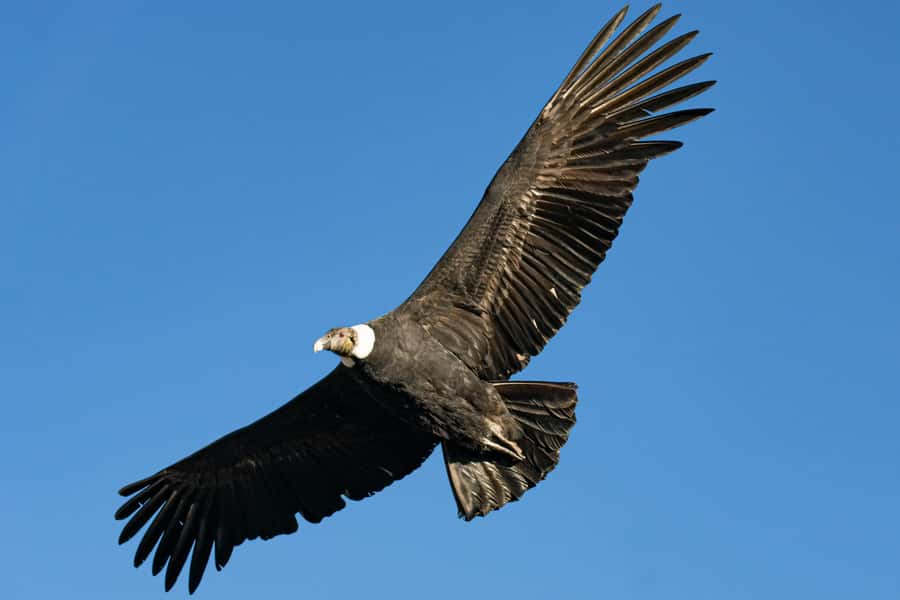
- Chonta Canyon condor time: you’ll get around two hours at the viewpoints to watch and photograph
- Real archaeology stops: Killarumiyoq (archaeo-astronomical) and Tarawasi (ritual platform site)
- Lunch included: a full meal on the day, during the mid-route break
- Camouflage vests are provided: helpful for staying unobtrusive near the birds
- A hike plus an ascent: expect walking, and you’ll be exposed in places
- Comfort support is built in: first aid kit and an oxygen balloon are included
Why Chonta Canyon is a condor spot worth your early start
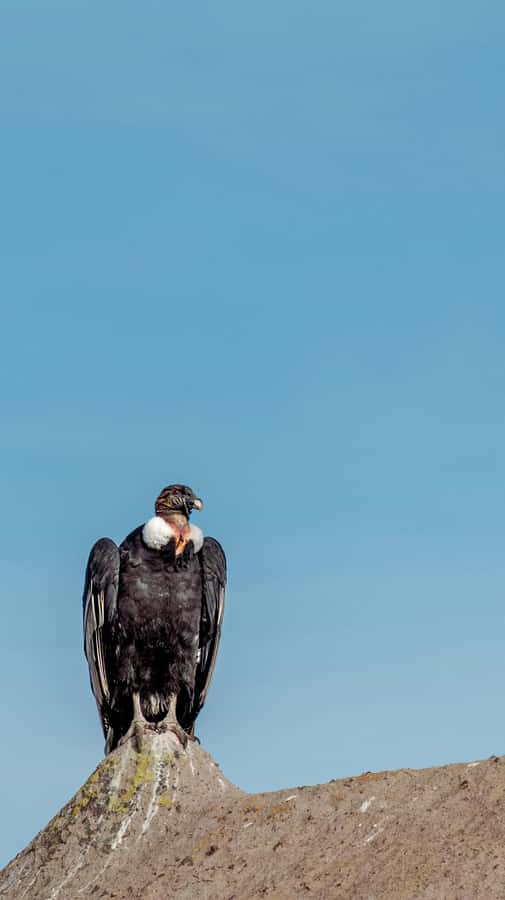
Chonta Canyon is one of the easier places to experience the Andean condor as a living bird, not a distant speck. The tour is designed around positioning—getting you to specific viewpoints where the birds tend to glide across the canyon airspace. You’re there long enough to catch more than one pass, which is the difference between a good sighting and a memorable one.
The payoff is the way the condor flight changes when you’re watching from the right angle and distance. At the three lookout points, you’ll have time to settle in, breathe, and notice their flight rhythm—how they ride currents and sweep across the canyon. It’s also one of the reasons this tour is timed for a full day: condors aren’t on a schedule, and the best sightings often take patience.
From Cusco pickup to the visitor center: the rhythm of the drive
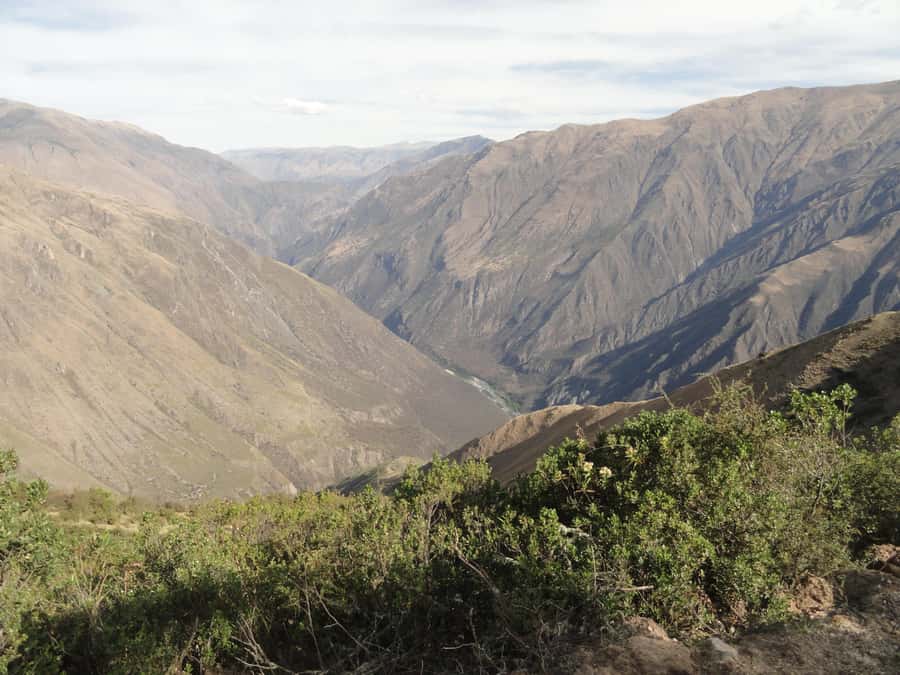
You’ll start with a pickup from the Centro Histórico area, and the timing is early—around 7:00 am. The first van ride is long enough that you’ll want to be ready: warm layers, a hat, and something to keep you comfortable before you start moving on foot.
After the initial drive, there’s a visitor center stop with a guided visit and scenic views along the way, about an hour total. This is a smart pacing move. It helps you get your bearings, learn what to look for, and prepare mentally for the altitude and the walking that comes later.
Killarumiyoq (Anta): where archaeology meets the sky
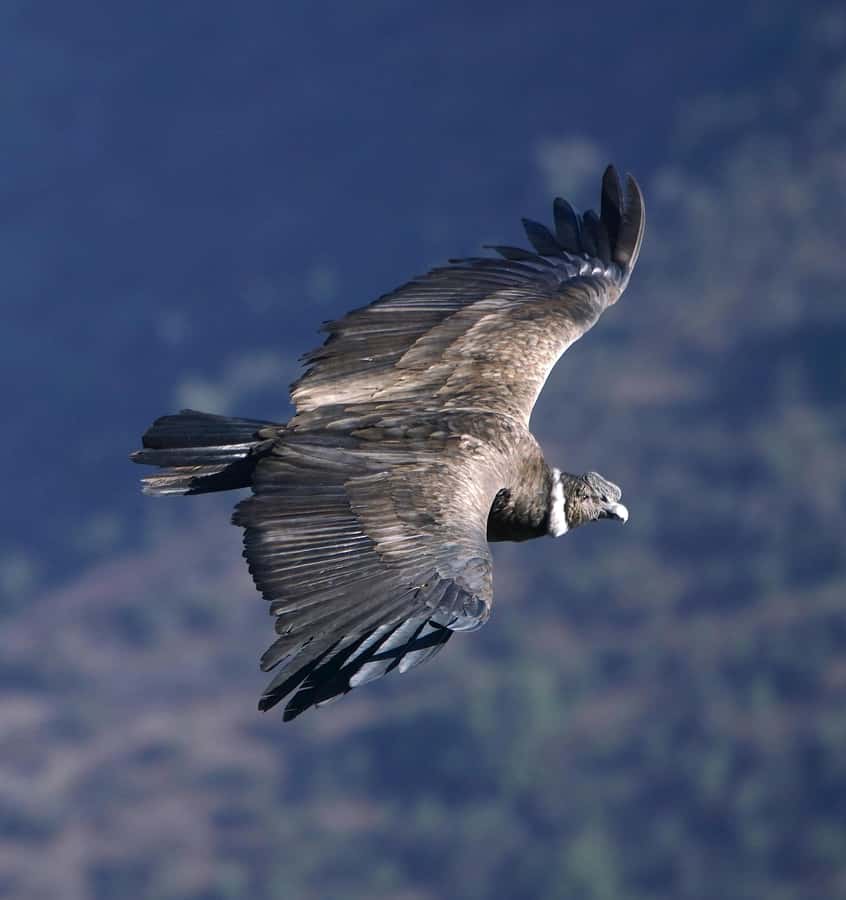
Your first major cultural stop is Killarumiyoq, an archaeo-astronomical site located in Anta. You’ll have about an hour here with a guided explanation, which is just enough time to understand the basics without feeling rushed.
What makes this stop valuable is the context it adds to the rest of your day. When you’re later out in the canyon viewpoints, it’s easier to appreciate why Andean ceremonial thinking was often tied to sky patterns and timing. Even if you’re not a history nerd, the guide’s framing helps you see this isn’t random stonework—it’s built for meaning.
Practical note: wear shoes with grip and expect uneven ground. Also, the cold can sneak up on you early, so warm clothing matters even if the sun comes out.
Tarawasi near Limatambo: ceremonial platforms and the Usno
Next up is Tarawasi, near Limatambo, where you’ll visit a site connected to ritual use. This is home to one of the few remaining Andean ceremonial platforms known as an Usno, which was used for ceremonies.
This stop pairs well with Killarumiyoq because it gives you a second lens on how people used place and structure. Killarumiyoq leans toward sky and time, while Tarawasi focuses more directly on ceremonial space. Together, they make your trip feel like a coherent story instead of a checklist of stops.
You’ll likely be walking on site at a moderate pace, so plan for a steady, careful rhythm. If you’re sensitive to heights or exposure, keep your eyes on the ground and take things slowly—some paths can feel open depending on the layout.
Lunch on the day: fueling up before the hike and canyon time
After your archaeological visits, you get a break for lunch (about an hour). The meal is included, served at a local restaurant during the mid-route stop near the Limatambo area, which helps break up the travel and reset you for the afternoon climb.
I like this arrangement because it keeps you from getting stuck eating something that doesn’t work for your schedule. You’ll still want snacks and water for later, since water and snacks aren’t included. If you don’t like planning, this is the moment to correct that: buy what you need, fill your bottle, and avoid starting the hike under-fueled.
Also, bring cash. Even when the main meal is included, having extra funds makes it easier to handle small purchases without stress.
Huayronka Bridge and the ascent to Chonta village
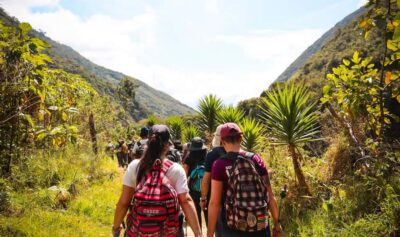
After lunch, the route heads toward the Huayronka Bridge area, with a scenic detour and about an hour-long ascent through mountain scenery. The ride here matters because it positions you for the hike, and it also gives you a chance to enjoy the changing views as altitude and terrain shift.
Once you reach the village of Chonta, the energy of the tour changes. You’re no longer in sightseeing mode—you’re in “get ready for the birds” mode. This is where the warm clothing matters most. Even if it’s pleasant on the road, wind and cooler air can show up quickly near viewpoints.
And yes, this part of the day is a consideration if you’re not comfortable with heights or steep exposure. The tour isn’t built for anyone who wants a fully flat route.
The hike to three viewpoints: how condor watching actually works
From Chonta village, you’ll hike for about 50 minutes to reach the three viewpoints in Chonta Canyon. Then you’ll spend around two hours there watching and photographing the condors as they soar across the canyon.
This is the heart of the day. The key is staying patient and not rushing the moment. The condors can glide for long stretches, but they may also shift their path as air currents change. With the right position and time, your odds improve fast.
Here’s how to make the best of your viewing time:
- Keep your camera ready but don’t constantly crane and twist; settle into one spot when you find a good angle.
- Wear the provided camouflage vest if you’re given one for the canyon portion. It’s meant to help you blend in and stay unobtrusive.
- Dress for wind. Even warm afternoons can feel sharp once you’re standing still.
Because the viewpoints are spread out, you’ll likely move between lookouts. That’s normal here, but it’s still not “easy walking.” If you’re afraid of heights or get vertigo, this is the wrong tour for you.
The return drive and how the day closes out
After condor sightings, you’ll head back toward the town of Chonta where transport is waiting. Then it’s back toward Cusco, with a long ride that puts you back into city time.
The day wraps up around 7:00 pm, with drop-off near the main square or at your hotel depending on your arrangement. It’s a full 12-hour experience, so by the end you’ll be grateful for the drive—especially if you’ve been standing in the cold wind watching birds for two hours straight.
Price and value: what you’re really paying for at $150
At $150 per person, the pricing is reasonable for Peru’s high-impact, logistics-heavy day tours. You’re not just paying for a guide—you’re paying for long transportation from Cusco, guided time at multiple cultural sites, a included lunch, and dedicated viewpoint time for condors.
What makes the value stronger is what’s included beyond the basics. You get tourist transportation, a professional driver, and a guide who works in Spanish and English. You also get a first-aid kit and oxygen balloon, which is a practical safety inclusion for high-elevation touring days. Add the camouflage vests, and you understand this company is trying to set you up for bird viewing, not just taking photos from one spot.
The main cost to factor in: entrance tickets. Tickets for Killarumiyoq, Tarawasi, and Chonta Canyon are about $20 per person and aren’t included. Also, you’ll need to bring water and snacks since those aren’t included. So your realistic “all-in” day cost is the base tour price plus the entry fees plus whatever you buy for comfort.
What to pack (and what to skip) for a smooth canyon day
This tour asks more from your body than from your schedule, so packing is about comfort and safety.
Bring:
- Comfortable shoes with grip
- Warm clothing and a hat (canyon wind can be cold)
- Camera
- Sunscreen
- Snacks and water
- Cash (for entrances and personal purchases)
Not allowed:
- Pets
- Oversize luggage
- Smoking
- Littering
- Alcoholic drinks in the vehicle
- Touching plants
One more tip: keep your phone and camera protected from dust and cold air. You’ll be moving between points, and you want gear ready without constantly fiddling.
Who should book this tour, and who should skip it
This tour fits best if you’re excited by condor watching and don’t mind a hike. You’ll be most comfortable if you can handle:
- A long day (about 12 hours)
- Walking on uneven ground at multiple stops
- A 50-minute hike to viewpoints
- Exposure and heights near canyon areas
It’s not suitable for pregnant women, people with mobility impairments, people with heart problems, people afraid of heights, or anyone with vertigo. If any of those apply, it’s worth choosing a different Cusco-area experience with calmer movement.
Also, this is a private group tour, so you typically get more flexibility and a more attentive pace with the guide. If you like having your guide adjust explanations on the fly and keep the group coordinated, that’s a plus.
Should you book the Chonta Canyon and Condor Flight Tour with lunch?
I’d book it if condors are your priority and you want a day that balances wildlife time with meaningful stops. The combination of Killarumiyoq and Tarawasi, then the long viewing window in Chonta Canyon, makes the day feel intentional rather than rushed.
Skip it if you’re not comfortable with altitude, long walking, or exposed viewpoints. The tour includes an oxygen balloon and first aid, but that doesn’t change the fact that the hike and canyon positions can be tough.
If you’re on the fence, check this against your “comfort reality”:
- Are you okay with a 50-minute hike plus standing in cool wind?
- Are heights a problem for you?
- Will you bring water and snacks so you’re not rationing mid-day?
If your answers are mostly yes, this is the kind of Cusco day trip that turns into a story you’ll keep repeating—because the condors are the main event, and you get enough time to actually see them at work.
FAQ
What time does the tour start and end?
You’ll be picked up around 7:00 am and return to Cusco around 7:00 pm (ending service time is about 7:00 pm).
Where is the pickup in Cusco?
Pickup is from the Centro Histórico area. Your meeting point is your hotel lobby if you’re in the city center.
Is the tour guided and in which languages?
Yes. You’ll have a professional live guide who speaks Spanish and English.
How long is the tour?
The total duration is 12 hours.
Is lunch included, and when do you eat?
Lunch is included and you’ll have a break for it during the tour (about an hour). The stop is near the Limatambo area.
Are entrance tickets included?
No. Entrance tickets for Killarumiyoq, Tarawasi, and Chonta Canyon cost about $20 USD per person and are not included.
What’s included in the tour besides the guide?
Included are hotel pickup (city center), tourist transportation, a professional driver, camouflage vests, lunch, and a first aid kit with an oxygen balloon.
What should I bring?
Bring comfortable shoes, warm clothing, a hat, a camera, snacks, sunscreen, water, and cash.
Who is this tour not suitable for?
It’s not suitable for pregnant women, people with mobility impairments, people with heart problems, people afraid of heights, or people with vertigo.