REVIEW · CUSCO
Horseback Riding Plus Tour to Sacsayhuaman, Quenqo, Puka Pucara and Tambomachay
Book on Viator →Operated by Horseback Riding Cusco · Bookable on Viator
Horses and Inca ruins share one great afternoon. I love how this tour strings together Inca sites with a real ranch horseback ride, so you get history and motion in one half-day. I also love the tight, guided pacing, with a pro handling safety gear and context while you’re out near Cusco’s mountain views. The main drawback to plan for: you won’t ride horses into the archaeological areas, and site entrance fees (and the Cusco Touristic Ticket) are not included.
What makes it feel different is the people factor. Guides like Benni, Jenny, and Hogler show up ready with clear explanations of Inca history and religious customs, and they keep the questions flowing without making you feel rushed. With a maximum group size of 15, it stays manageable.
You should also go in knowing the ride is the star, but not the whole day. The horseback portion is about an hour (sometimes closer to 1.5 depending on the group and pace), with van time between stops; plus there’s a strict 200 lb / 90 kg weight limit.
In This Review
- Key highlights and practical takeaways
- How this tour fits Cusco: culture plus a real horseback ride
- The one thing to keep in your head
- Inca sites in a tight circuit: Sacsayhuaman to Q’enqo
- Sacsayhuaman: a strong starting point
- Puka Pucara: a more personal kind of stop
- Tambomachay: where the guide’s storytelling matters
- Q’enqo: closing the day with a guided lens
- Vieja Estancia Ranch horseback riding: how the ride actually feels
- The ride time: plan for about an hour (plus prep and transitions)
- Where you ride (and where you do not)
- What the “adventure level” feels like
- Hotel pickup and the 4-hour rhythm
- Price and value: what’s included, what’s extra, and what it adds up to
- Is it expensive for Cusco?
- Guide style can make or break the day
- What to pack and wear for comfort (and fewer headaches)
- Safety, limits, and who should think twice
- Should you book this horseback + ruins tour?
- FAQ
- How long is the Horseback Riding Plus tour in Cusco?
- What is the price per person?
- What’s included in the tour price?
- Are the Cusco Touristic Ticket and archaeological site entrances included?
- How long is the horseback riding portion?
- Do horses go into the archaeological sites?
- Is this tour suitable for beginners?
- What should I wear and bring?
- What are the age and weight limits?
- What happens if the weather is bad or I cancel?
Key highlights and practical takeaways
- Sacsayhuaman, Qenqo, Puka Pucara, Tambomachay in one guided outing, with short stops rather than marathon wandering
- Vieja Estancia Ranch horseback riding with safety helmets and a muleteer supporting the horses
- Riding matched to comfort level, so beginners can participate safely
- Inca history explained at each site, including religious customs and how to read what you’re seeing
- Extra site fees to budget for, since the Cusco Touristic Ticket and entrances aren’t included
How this tour fits Cusco: culture plus a real horseback ride
Cusco days can get a little repetitive: more walking, more steps, more time staring at the same kind of stone wall. This tour breaks that pattern by pairing four major Inca sites with horseback riding close to the city. The result is a day that moves at two speeds—quick cultural stops in between, then a guided ride where your body actually feels the altitude and open air.
I like the logic of the plan. The ruins give you the why behind the stones—history and religious customs—while the ranch ride gives you the how it feels to be out in the countryside. And because the group tops out at 15, it’s easier to keep the day from turning into a slow shuffle.
You can also read our reviews of more tours and experiences in Cusco
The one thing to keep in your head
This is not a horseback tour where you gallop directly into the main archaeological zones. Horses are kept out of those areas to protect the ground, so the ride happens in nearby open terrain while the site visits happen separately. That’s a trade-off, but it also means you’re not fighting loose footing on fragile surfaces.
Inca sites in a tight circuit: Sacsayhuaman to Q’enqo
Your day runs like a guided loop around the Cusco area, with stops that don’t drag. The order goes to Sacsayhuaman first, then Puka Pucara, then Tambomachay, then the ranch ride, and finally Q’enqo. You’ll travel by private car between stops, and the time at each site is short enough to keep energy for the horseback portion.
Here’s what you can expect from the site visits themselves. You’re not just “looking at ruins.” You get a guide who explains the background of each place—especially Inca history and religious customs—so you understand what you’re seeing and why it mattered to the Incas.
Sacsayhuaman: a strong starting point
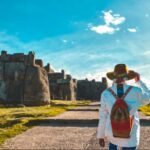
Sacsayhuaman is your opening stop, so you get set up with context early. If you’ve been to Cusco and feel overwhelmed by the sheer number of sites, starting here helps your brain organize the day. Expect a guided walk and explanations that connect architecture to meaning.
Puka Pucara: a more personal kind of stop
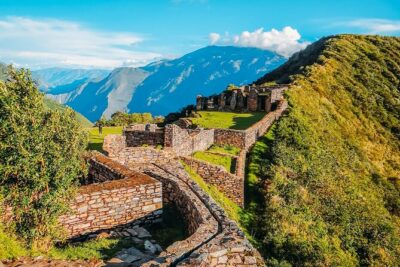
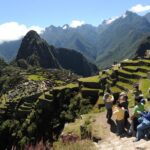
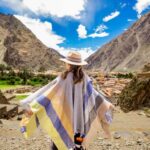
Puka Pucara comes next, and it tends to feel less like a checklist item. The guide’s role becomes extra important here, because the value is in understanding the purpose and customs tied to the location. If you like photos, this is also one of the moments where the mountain views near Cusco add atmosphere to the ruins.
Tambomachay: where the guide’s storytelling matters
Tambomachay is the third stop before you switch gears to riding. This is where I think a strong guide makes the biggest difference—because you’ll get explanations that help the place click, not just facts to skim. If you ask questions, guides in this group format often have time to answer clearly.
Q’enqo: closing the day with a guided lens
Q’enqo is the final site, which means you leave with a clearer sense of how the different locations fit together. By the time you reach the last stop, you’ve already heard the history themes the guide is emphasizing across the day, so the connections land better.
Vieja Estancia Ranch horseback riding: how the ride actually feels
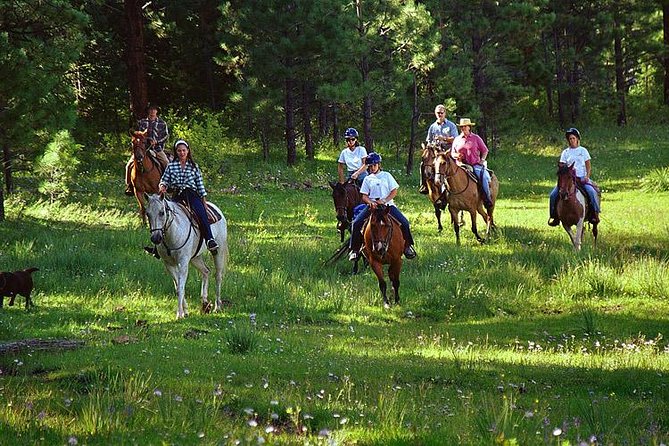
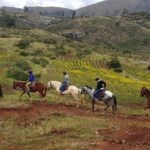
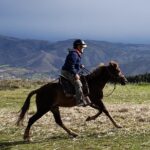
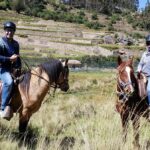
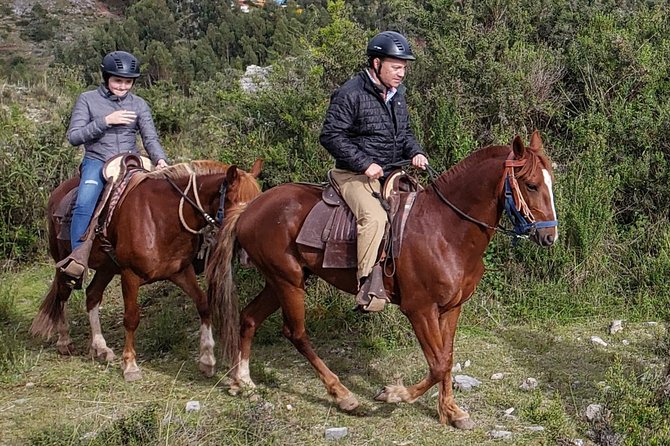
The horseback part takes place at Vieja Estancia Ranch, and it’s built for real participation—not just a short photo moment. You’ll be fitted with a saddle and safety helmets, and you’ll ride with the support of a muleteer who handles horse care.
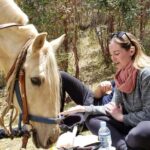
One of the best points is how well the horses are matched to the rider. Guides help select horses based on experience and confidence, and the ride is paced to keep beginners safe and comfortable. Some people describe the horses’ movement as especially smooth, and you’ll likely get moments where the ride picks up speed a bit (often a trot), but it’s not a chaotic situation.
The ride time: plan for about an hour (plus prep and transitions)
The horseback portion is typically around an hour. A few people report closer to 1.5 hours, but the key point for your planning is that it’s not the majority of the full day. You’ll also have time to transfer from site to ranch and back, plus short breaks.
Where you ride (and where you do not)
You ride in nearby terrain close to Cusco, not inside the main archaeological areas. That’s for preservation—horse hooves can damage soil, and the ruins need protection. Some rides also include small ruins you can see in the wider area, but the core archaeological sites are visited separately on foot with your guide.
What the “adventure level” feels like
If you’re new to horseback riding, you’re still likely to enjoy this because the day is structured. You get safety gear, a guide setting the pace, and staff who support the horses. If you’ve ridden before, you may still have enough freedom in the ride to feel like you’re doing more than just sitting.
Hotel pickup and the 4-hour rhythm
This is a half-day tour at about 4 hours total. You get round-trip transport by private car from hotels, which matters in Cusco where distances can feel longer than they look on a map. The tour also runs near public transportation, so it tends to be easy to reach if you’re not staying at a central spot.
The flow is simple: van to the first ruins, quick guided stops, then the ranch ride in the middle, and back to the final site. People often like that the cultural stops aren’t stretched out too long. You’re not stuck in one place for hours waiting for everyone to catch up.
Price and value: what’s included, what’s extra, and what it adds up to
At $95 per person for about four hours, you’re paying for more than “a ride.” Your fee covers:
- Professional tour guide
- Saddle and safety helmets
- Muleteer (who takes care of the horses)
- Mineral water or natural water
- Private car transport
What’s not included is the part that can catch you if you’re budgeting loosely:
- Cusco Touristic Ticket
- Entrance fees for the archaeological sites
The archaeological entrances are paid directly to help preserve the sites, and the amount people report is around 20 USD. A guide may mention these fees during the day, but you should plan to have cash on hand or payment options ready.
Is it expensive for Cusco?
One fair question: this is a horseback tour and some Cusco tours are cheaper. Here’s how I’d judge value. If you compare similar “site-only” tours, those won’t include a ranch ride with helmets, a muleteer, and a matching process for horses. If you compare it to doing horseback riding separately, you’ll often find you’d still need an experienced guide to make the Inca sites meaningful.
The price feels most reasonable if you want the combo—ruins plus riding—in one smooth day without sorting tickets and transportation yourself.
Guide style can make or break the day
A big reason this tour earns top ratings is the guide experience. Names that show up often include Benni, Jenny, and Hogler. The common thread: they explain Inca history and religious customs in a way that’s easy to follow, even when your questions aren’t perfectly phrased.
You’ll also notice the guide keeps the day running on time. Multiple people comment on prompt pickup and smooth pacing. When you’re juggling horseback riding and archaeological visits, that organization helps a lot.
What to pack and wear for comfort (and fewer headaches)
Cusco weather can shift quickly, so you’ll get the best day if you dress for it. The practical requirements are straightforward:
- Wear long pants (jeans are ideal)
- Use closed shoes with rubber soles or walking shoes
- Bring a rain jacket if rain is possible during your ride time
- Avoid jewelry or valuables during the horseback part
I’d also add one personal-practical tip from what people learned the hard way: sunscreen. Even when the sky looks cloudy, the sun can still hit hard at altitude, and it’s easy to underestimate it.
Safety, limits, and who should think twice
This tour includes helmets, but you’re still responsible for your comfort and fitness. Two rules matter most:
- Minimum age is 6 years
- Maximum weight is 200 lbs / 90 kg
The tour also runs with a maximum group size of 15, which helps with organization and supervision. The guide carries a first aid kit, and it’s meant for emergencies only; it’s not set up as a general medication service. Also, the riding part can include some motion changes like trots, so if you have balance issues, it’s worth considering carefully.
Should you book this horseback + ruins tour?
Book it if you want a half-day in Cusco that mixes Inca context with something active and scenic. It’s a great match for couples, solo travelers, and families with teens because you get culture and an actual horseback experience without needing a full-day commitment.
Skip or reconsider if you’re mainly chasing the cheapest possible Cusco sightseeing, because the site entrances and Cusco Touristic Ticket are extra. Also keep expectations realistic: the horseback ride won’t happen inside the main archaeological areas, and the riding time is about an hour rather than the entire afternoon.
FAQ
How long is the Horseback Riding Plus tour in Cusco?
It runs for about 4 hours.
What is the price per person?
The price is $95.00 per person.
What’s included in the tour price?
You get a professional tour guide, saddle and safety helmets, a muleteer, mineral or natural water, and round-trip transport by private car.
Are the Cusco Touristic Ticket and archaeological site entrances included?
No. The Cusco Touristic Ticket and the archaeological site entrances are not included, and you pay the site entrances directly.
How long is the horseback riding portion?
The horseback riding is about an hour, and in some cases it may be closer to 1.5 hours depending on the group and pace.
Do horses go into the archaeological sites?
No. The horses do not ride into the archaeological areas, to help preserve the sites and the ground.
Is this tour suitable for beginners?
Yes. It’s suitable for participants with little or no experience, and horses are matched to riders based on experience and confidence.
What should I wear and bring?
Wear long pants (preferably jeans) and closed shoes with rubber soles or walking shoes. Bring a rain jacket if rain is possible. Avoid jewelry or valuables during the ride.
What are the age and weight limits?
Minimum age is 6 years. Maximum weight is 200 lbs (90 kg).
What happens if the weather is bad or I cancel?
The tour requires good weather. If it’s canceled due to poor weather, you’ll be offered a different date or a full refund. You can cancel up to 24 hours in advance for a full refund.