REVIEW · CUSCO
Sacred Valley: Chinchero, Maras, Moray, Ollantaytambo Private or Small-Group
Book on Viator →Operated by Visit South America · Bookable on Viator
Inca science and salt are a quick drive away. This Sacred Valley day ties together Chinchero textiles and Inca agriculture in one smooth route. I especially like that the small-group setup keeps time for questions instead of letting you get lost in the crowd.
Two stops really made the day for me: exploring Moray as an Inca testing site, and seeing Maras salt pools carved into the mountain. The bilingual guide work in English and Spanish also means you get more than a basic run-through.
One thing to plan for: you’ll pay admission fees on top of the tour price, and the day can run long with driving and pickups.
In This Review
- Key Highlights You’ll Actually Feel
- A Day Where the Inca Worked Like Scientists
- Chinchero: Where Textiles Start With Women’s Skills
- Moray: The Inca Farming Test Lab You Can Still Read
- Maras Salt Mines: 3,000 Pools Fed by a Mountain Stream
- Ollantaytambo: Fortress, Steps, and the Temple of the Sun
- The Value: Price, Admissions, and What’s Included
- Logistics That Matter More Than You Think
- Who This Tour Fits Best
- Should You Book This Sacred Valley Tour?
- FAQ
- What places are visited on this Sacred Valley tour?
- What time does the tour start and when do we return?
- How long is the tour?
- Is lunch included?
- Are entrance fees included in the price?
- Is this tour private or small-group?
- What language is the guide?
- Is the tour affected by weather?
- Final Note
Key Highlights You’ll Actually Feel
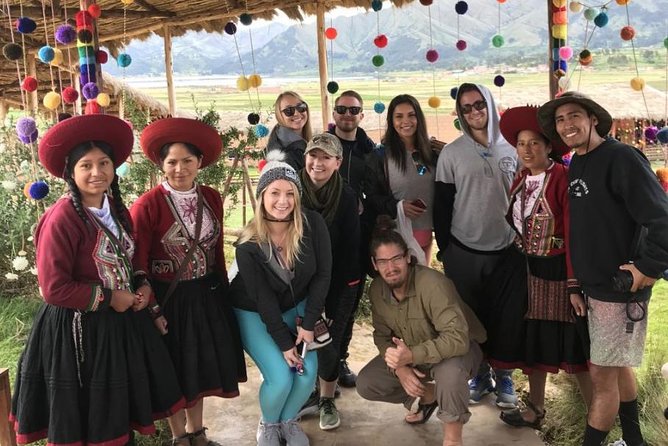
- Chinchero textile techniques explained in plain language, including traditional women’s weaving and coloring methods
- Moray’s Inca agriculture lab: dome-like terraces used to test growing temperatures
- Salinas de Maras: thousands of salt pools fed by a mountain stream
- Ollantaytambo’s stone terraces and key landmarks like the Temple of the Sun and Manyaraqui Square
- Bilingual guide (English/Spanish) plus first-aid kit and oxygen for peace of mind
- Small-group or private feel so you can ask questions and get better photo help
A Day Where the Inca Worked Like Scientists
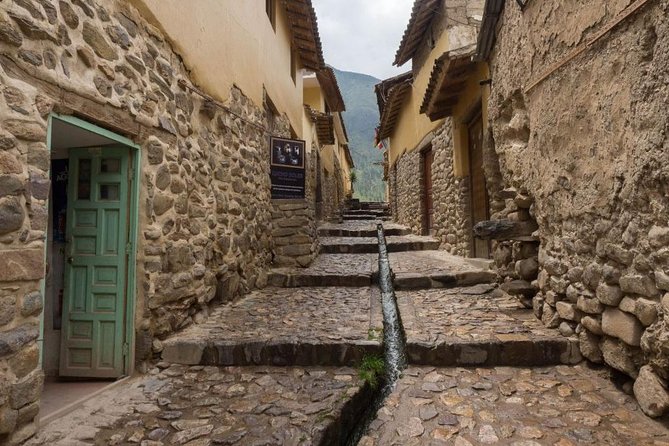
Cusco is impressive, but the Sacred Valley is where you see how the Inca thought about daily life. This tour focuses on three practical systems: textiles, farming experiments, and salt production. Put together, it feels less like a checklist and more like a story about how people adapted to the Andes.
You get picked up from your hotel area around 8:00am, then you’re in the car heading into the valley. You should expect a full-day rhythm: a couple of shorter visits, one final big site, and return to Cusco around 4:00 to 5:00pm. That timing matters because the best views depend on daylight and weather.
You can also read our reviews of more private tours in Cusco
Chinchero: Where Textiles Start With Women’s Skills
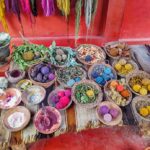
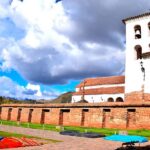
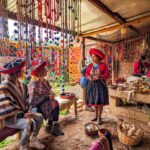
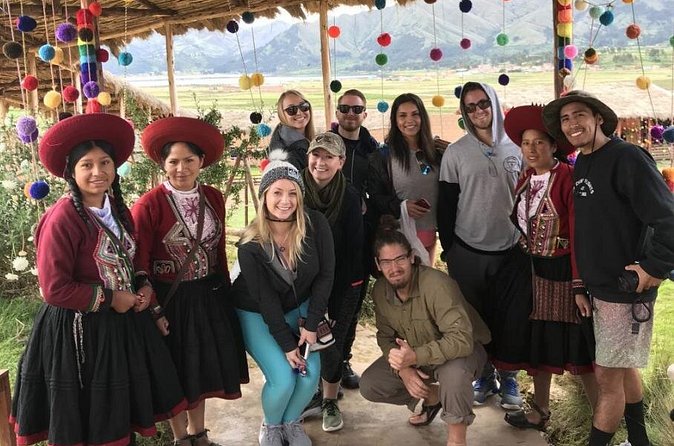
Chinchero is the first big stop, and it’s not just about ruins. You’ll learn traditional women’s methods for textile work, including tissue preparation, coloring, and technique. This is the kind of stop that makes the rest of the day click, because you start to see textiles as technology and tradition, not souvenirs.
This visit is about an hour long, and there’s an admission ticket you’ll need to pay separately. If you care about craft details, this is where you’ll likely spend the most time watching and asking questions.
A practical note: Chinchero’s location can mean cooler air early and warmer sun later. Bring something light you can add or remove as your body decides what it thinks of the altitude.
Moray: The Inca Farming Test Lab You Can Still Read
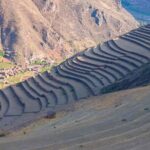
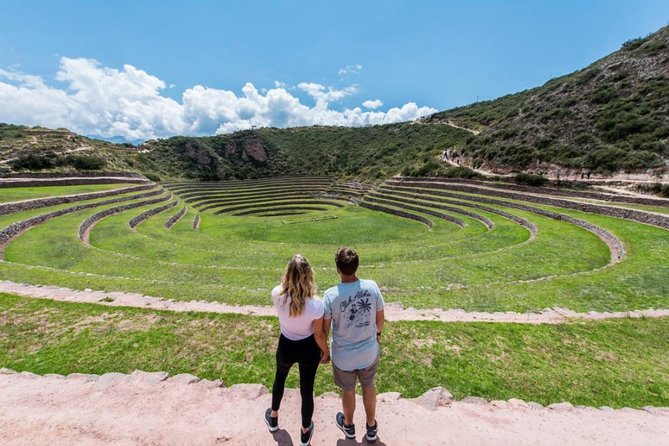
Next comes Moray, the Inca agricultural testing site. The area is famous for its dome-like terraces carved into the ground, and that design is the clue. The Incas used the different temperatures and microclimates created by the terraces to test which crops might thrive.
Your time here is short, around 40 minutes, so you’ll want to move with purpose. Look for how the terraces shape the space and think about how temperature changes across levels. Even if you don’t know farming science, the site is legible. You can stand in one spot and sense why the Incas would treat this as an experiment rather than a monument.
Also, your guide will typically connect the farming idea to what you saw earlier with textiles and the broader culture of the valley. When a guide like Noe has time to explain, you’ll feel the day turn from sites into understanding. One reason people love these tours is that the best guides don’t just tell facts. They help you picture how people lived here.
Maras Salt Mines: 3,000 Pools Fed by a Mountain Stream
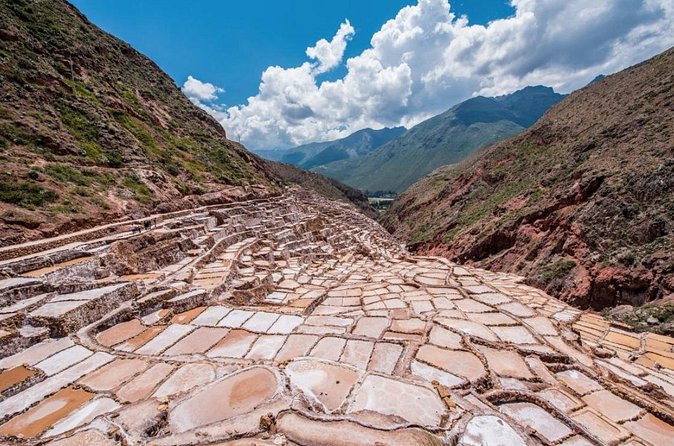
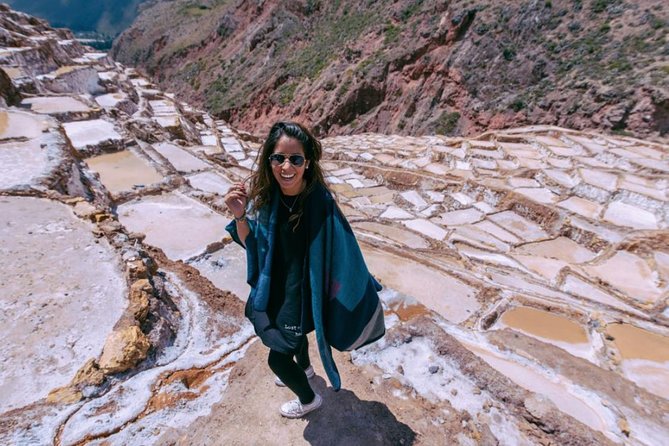
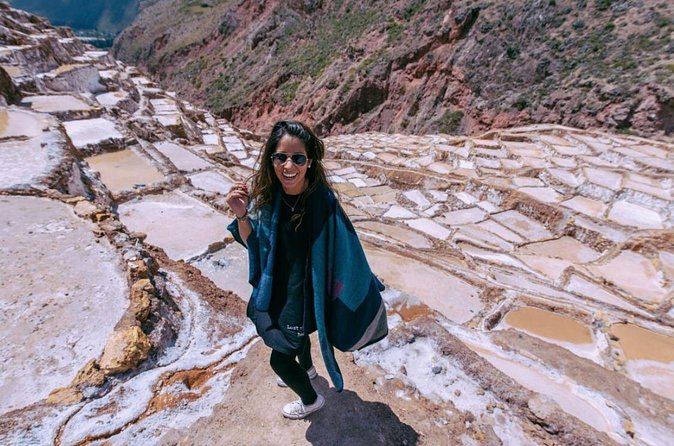
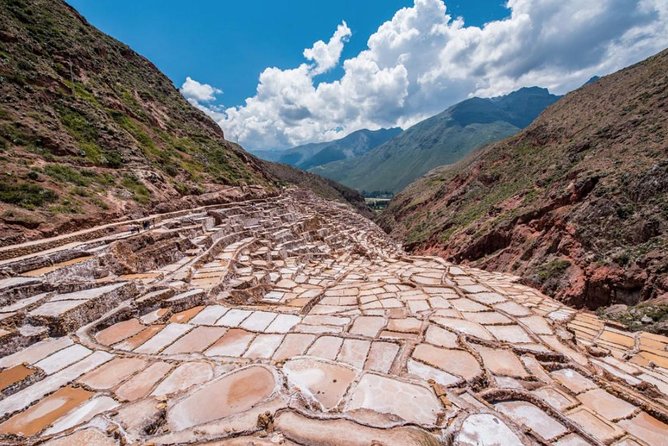
Then you drive into the Salinas de Maras salt mines. This is where the Sacred Valley gets very physical. You’ll see around 3,000 salt pools carved into the mountainside, all fed by a mountain stream. It’s a working landscape, and that detail makes it more interesting than a static viewpoint.
Your visit is about 40 minutes. That’s enough time to walk the edges, notice how the pools step down, and get a feel for scale. The “ancient” part matters here, but the day stays grounded because you can see what’s still happening.
If you’re the type who likes photos, this is a solid stop to use your camera’s wide angle. The terraces and pool grid look good from multiple angles. Guides often help with timing for lighting and composition, and people in past days have mentioned great photo help.
Ollantaytambo: Fortress, Steps, and the Temple of the Sun
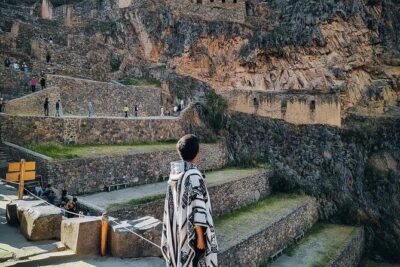
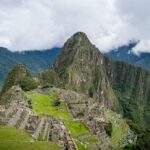
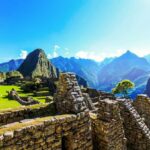
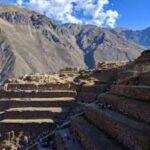
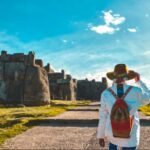
The final stop is Ollantaytambo, one of the most striking Inca sites in the valley. You’ll spend around 30 minutes there, so it’s a quick hit, not a slow wander. Still, it’s packed with moments: well-preserved stonework, terraced hillside construction, and key landmarks like the Temple of the Sun and Manyaraqui Square.
Even if your time feels tight, you’ll get something important from Ollantaytambo: perspective. The site was built to control movement and defend people. You can see how the steps and terraces guide you, which makes the fortress idea easier to grasp than it is with ruins that are mostly collapsed.
The megaton rock structures are impressive, but the real takeaway is how the Incas shaped architecture for function. It’s not random stone piling. It’s engineering.
You’ll then head back toward Cusco, with arrival around 4:00 to 5:00pm depending on traffic and pickups. In some cases, the route includes extra stops for other guests, so plan to stay flexible and enjoy the ride when it’s not hurried.
The Value: Price, Admissions, and What’s Included
The tour price is $148.72 per person for about 8 to 9 hours. That includes round-trip transportation from Cusco or Sacred Valley hotels and a bilingual guide (English/Spanish). You also get first-aid kit and oxygen, which is a comfort feature you don’t think about until you need it.
But entrance fees are not included in that base price. Admission fees are listed as $30.00 per person, covering places such as Chinchero, Maras, Moray, Urubamba, and Ollantaytambo. Lunch also isn’t included.
So is it good value? For me, it comes down to two things:
- You’re paying for a guided day that strings together four major sites without you building a complicated transport plan.
- The guide time is the core product. When you get a strong guide, like Guillermo, you come away feeling cared for, not rushed.
If you prefer to travel independently and you already have transport lined up, you could likely piece together a similar day cheaper. But most people book tours like this because it reduces stress on routes, timing, and ticket management.
Logistics That Matter More Than You Think
Because this is a private or small-group format, the day feels more controlled than a large bus tour. In a small group, you can actually ask why Moray is shaped the way it is, or what to look for at Ollantaytambo. That’s the difference between hearing information and understanding it.
The other logistics factor is time in the car. You’ll drive between stops, and the total experience is listed as a full day. Some bookings have noted longer waits due to pickup timing. You can’t always avoid that, but you can plan for it mentally.
Also keep weather in mind. The tour notes that it requires good weather, and if it gets canceled for poor conditions, you’ll be offered another date or a full refund. That matters in the Andes where cloud cover and visibility can change fast.
Who This Tour Fits Best
This day works especially well if you want a balanced mix:
- Inca culture with practical context (textiles, agriculture, salt)
- A guided route that covers major Sacred Valley highlights
- A format that’s more personal than big group sightseeing
It’s also a good option if you’d rather not juggle tickets, driving, and timing across multiple sites. The guide can help you prioritize what’s most worth your attention in the limited time at each stop.
One review story that stood out: someone had trouble with climbing, and the guide and driver helped them through. That aligns with the tour note that most travelers can participate. If you have mobility concerns, think about how you’ll handle stairs and uneven ground at Ollantaytambo and in the salt-mines area.
Should You Book This Sacred Valley Tour?
Book it if you want a guided day that makes sense of the Sacred Valley as more than scenery. The combination of Chinchero textiles, Moray farming experiments, Maras salt production, and Ollantaytambo fortress architecture gives you a full picture of how people adapted to this high-altitude world.
Skip it or consider another option if:
- You hate paying extra for site admissions and lunch, since those aren’t included.
- You want a slower pace with long stays at fewer sites. This is efficient, with shorter visits like 30 minutes at Ollantaytambo.
If you care about having your questions answered and getting good photo help, this is the kind of tour where a strong guide can really raise the day. Names like Noe and Guillermo came up for being knowledgeable and helpful, and that matches what the itinerary is set up to deliver.
FAQ
What places are visited on this Sacred Valley tour?
You’ll visit Chinchero, Moray, Salinas de Maras, and Ollantaytambo, with driving through the Sacred Valley area between stops.
What time does the tour start and when do we return?
Pickup is scheduled for 8:00am, and you return to Cusco around 4:00 to 5:00pm.
How long is the tour?
The total duration is listed as about 8 to 9 hours.
Is lunch included?
No. Lunch is not included.
Are entrance fees included in the price?
No. Admission fees are not included. The listed admission fee total is $30.00 per person.
Is this tour private or small-group?
It’s offered as a private or small-group format. Only your group participates.
What language is the guide?
The guide is bilingual (English/Spanish).
Is the tour affected by weather?
Yes. The tour requires good weather. If it’s canceled due to poor weather, you’ll be offered a different date or a full refund.
Final Note
If you’re aiming for one day that covers the Sacred Valley’s big ideas—how people farmed, made salt, and preserved tradition through textiles—this route is a strong fit. Just budget for admission fees and accept that it’s a full-day plan with time in the car.