REVIEW · CUSCO
Cusco in 2-days: Sacred Valley and Machu Picchu
Book on Viator →Operated by Altitude Peru · Bookable on Viator
Machu Picchu in two days is a sprint. It still works, because this trip layers the Sacred Valley sights first, then sends you into an early-morning run at Machu Picchu with the hard-to-arrange bits handled for you.
You’ll get two things I really like: a tight small-group setup (max 8) and a guide-led flow that keeps you moving without guessing what to do next.
One thing to plan for: not everything is included. The Sacred Valley entrance fee costs extra (S/90 per person), and the Machu Picchu day starts very early, around a 4:00 a.m. pickup in Cusco.
In This Review
- Key Things to Know Before You Go
- Two Days in Cusco That Actually Fit
- Sacred Valley Day: Chinchero, Moray, Maras, and Ollantaytambo
- Chinchero: textiles, alpacas, and the why behind it
- Moray: the circular terraces that were basically an altitude lab
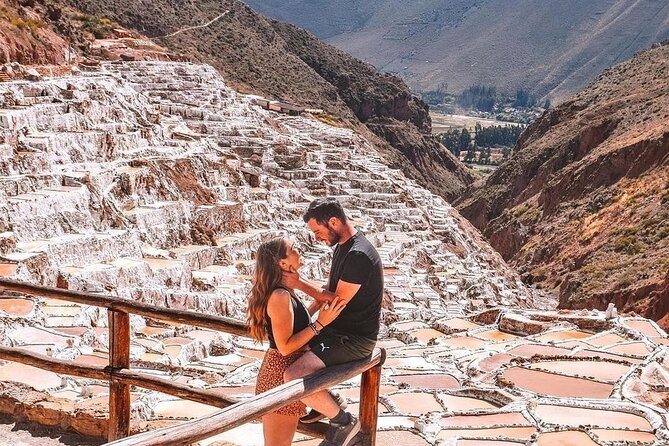
- Salinas de Maras: salt mines still working the old way
- Lunch in Urubamba: vegetarian and vegan options
- Ollantaytambo: architecture plus an overnight choice
- Machu Picchu Day: From 4 a.m. pickup to your guided tour
- What the Machu Picchu Tour Includes (and what you still control)
- Train, Bus, and the Expeditions Class Advantage
- Guides and Group Size: Why it feels smoother
- Price and Value: Is $599 fair for what you get?
- Who This 2-Day Sacred Valley and Machu Picchu Tour Suits Best
- Should You Book This Tour?
- FAQ
- Is the Machu Picchu entrance ticket included?
- Do I need to pay Sacred Valley entrance fees?
- Are lunch meals included?
- What train route is included for Day 2?
- What is the maximum group size?
- What language are the guides?
Key Things to Know Before You Go
- Early-morning Machu Picchu timing: you’re up early and moving before the site gets busy.
- Small group, big attention: max 8 travelers, plus licensed English-speaking guides for the listed stops.
- Permits and transport included for Machu Picchu: entrance ticket, plus the bus up from Aguas Calientes.
- Sacred Valley sites are a real cross-section: Chinchero textiles, Moray terraces, and Maras salt mines.
- You choose your style at Ollantaytambo: either return to Cusco or consider staying overnight before Machu Picchu.
- Practical support: first-aid trained team and staff-led transfers.
Two Days in Cusco That Actually Fit
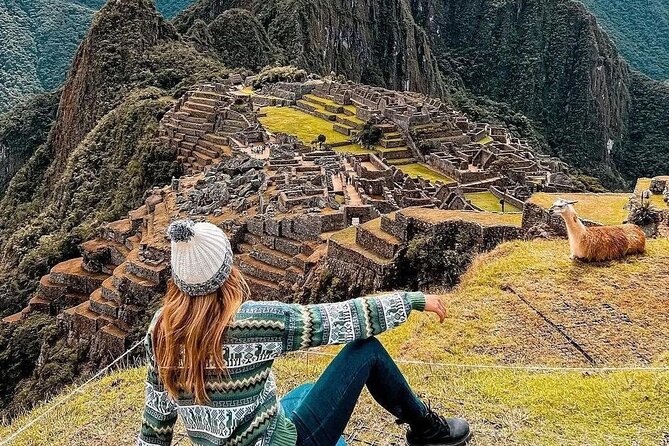
If you’re short on time, this is the kind of plan that makes sense. One day covers three of the Sacred Valley’s signature stops (textiles, agricultural ruins, and salt mines), plus time for lunch and local crafts. Then the second day is all about Machu Picchu, with permits and the bus logistics already built in.
The best part is how much uncertainty gets removed. Machu Picchu has rules, timed access, and connecting transport. Here, you’re not left to build your own puzzle at altitude. You’ll still walk, you’ll still queue at times, and you’ll still feel the schedule in your legs—but you won’t be doing guesswork for the big moving parts.
My other big point: the Sacred Valley day isn’t just a checklist. Places like Moray and Maras are interesting because they explain Inca problem-solving with agriculture and resource management. And Chinchero gives you a clear, hands-on view of alpacas and traditional textiles.
You can also read our reviews of more tours and experiences in Cusco
Sacred Valley Day: Chinchero, Moray, Maras, and Ollantaytambo
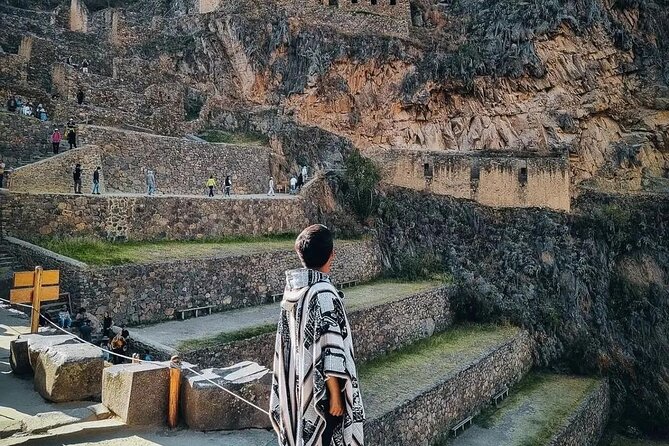
This day runs like a guided highlight reel, but with enough time in each stop to actually notice details.
Chinchero: textiles, alpacas, and the why behind it
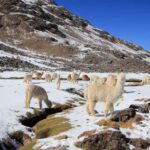
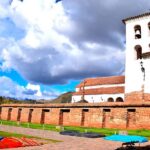
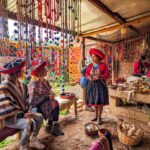
Chinchero is your first “Inca-to-now” moment. You’ll visit the textile center and see the relationship between Andean animals and cloth production—alpacas and llamas are the star of the show. Expect to spend about an hour here, with a guide who can connect what you’re seeing to local traditions.
Why it matters: Sacred Valley sites can feel like “stone and scenery.” Chinchero brings it back to people, daily work, and skill. It’s also a natural place to do some responsible shopping for handicrafts, since the theme is local production and techniques.
Small caution: textile centers can turn into a shopping push if you let them. Keep your eye on the process, not just the sales racks. If you want photos, ask when it’s best.
Moray: the circular terraces that were basically an altitude lab
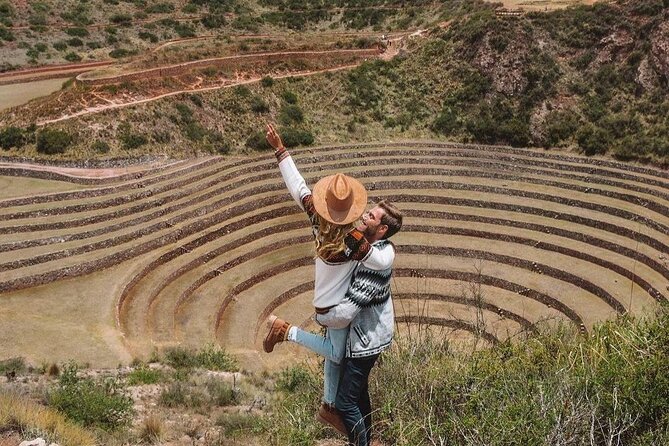
Next is Moray, known for its giant circular terraces. These weren’t built for decoration. The Incas used them like an agricultural experiment site—testing how different crops did at different levels.
You’ll have around an hour to explore and learn. The views help too, because you can see how the terraces step down. It’s one of those places where history makes more sense when you can visually connect the design to the purpose.
Possible drawback: Moray has “ruins feel,” but it’s not as famous-looking as Machu Picchu. If you only want the big-name dramatic site, you might need a slightly more patient mindset.
Salinas de Maras: salt mines still working the old way
Maras Salt Mines (Salineras de Maras) are next. This is a living working landscape: salt pools have been producing for a very long time, including since Inca times, and local families still extract and harvest salt today using traditional methods.
You’ll spend about an hour here. The value is that the tour doesn’t just point at “pretty geometry.” It frames the pools as an inherited system—knowledge passed down through generations. If you like seeing how old methods stay functional, this stop is a highlight.
Practical note: the light can be harsh. Wear sunglasses and consider sunscreen. The salt pools can also reflect sunlight, so you might want a hat or a light layer.


Lunch in Urubamba: vegetarian and vegan options
Lunch is included, with vegetarian and vegan options available. This is a real comfort at altitude days, where eating can feel like a chore if you’re not careful about timing and what you order.
I like that the meal is scheduled before the later travel leg. It reduces the “hangry” problem and helps you keep energy for the afternoon ruins.
Ollantaytambo: architecture plus an overnight choice
Ollantaytambo is where you either reset for Machu Picchu the easy way, or keep your life simpler by staying in Cusco.
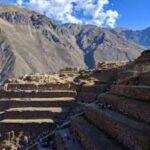
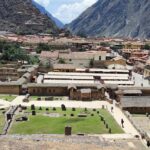
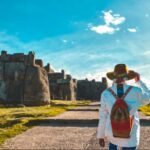
You’ll visit the archaeological park and learn about Ollantaytambo’s role as a strategic military, religious, and agricultural center for the Incas. You’ll get about an hour here.
Then comes the practical fork in the road: you can leave the group to take the train to Aguas Calientes and stay the night prior to Machu Picchu (this is recommended), or you can return to Cusco.
Here’s how to think about that decision:
- If you want less stress, consider overnighting near Machu Picchu so the morning feels less like a sprint.
- If you’d rather avoid another hotel cost, stay in Cusco and accept the early pickup on Day 2.
The tour includes transfers and the transportation pieces, but hotels in Cusco or Aguas Calientes aren’t included—so that choice has budget consequences.
Machu Picchu Day: From 4 a.m. pickup to your guided tour
Day 2 is the “go early, see a lot” day.
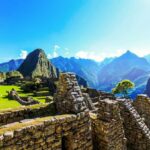
You’ll start with a hotel pickup in Cusco at about 4:00 a.m., then transfer to the train station in Ollantaytambo. The train leaves at around 6:10 a.m. and heads to Aguas Calientes.
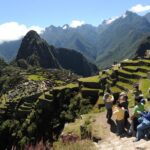
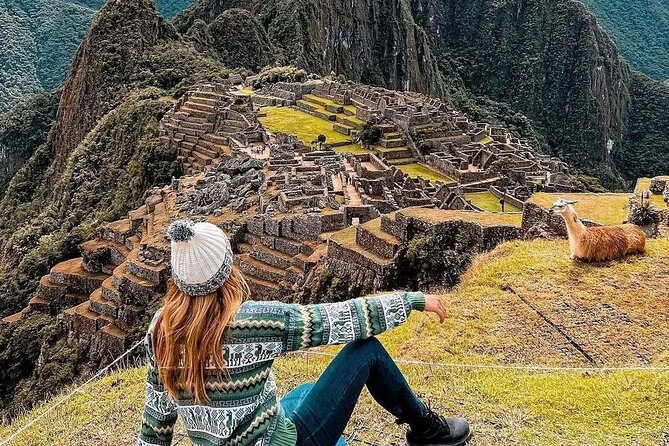
Around 8:00 a.m., you’ll meet a guide at the station and take the bus up to Machu Picchu. Then you’ll have a guided Machu Picchu visit starting about 9:00 a.m. You’ll leave the site around 11:30 a.m., ride back to Aguas Calientes for lunch (not included), and then take the return train.
This timing is why the early start is worth it. It gives you better odds of calmer movement and more comfortable photo time, compared with showing up mid-morning like most day-trippers.
What the Machu Picchu Tour Includes (and what you still control)
You get the Machu Picchu entrance ticket, plus the bus tickets between Aguas Calientes and Machu Picchu. That’s a big deal, because these are exactly the pieces people struggle to coordinate on their own.
The guided tour matters too. A good guide helps you read the site fast: where to look, what you’re seeing, and how it connects to Inca design. In reviews, the guide Robinson is repeatedly praised for sharing history and helping the group time the experience well. You’ll still be walking among crowds at times, but you won’t be wandering without context.
What you control most:
- How fast you want to go during the climb areas.
- How long you stop for photos.
- Whether you ask questions (you’ll have time with a licensed local guide).
Small caution: after you leave Machu Picchu around 11:30, you’re working around train schedules. If you want extra time for lunch or a longer break in Aguas Calientes, plan to keep it efficient.
Train, Bus, and the Expeditions Class Advantage
The transport plan is built around one key idea: you shouldn’t be stressing about connections at altitude.
You’ll have a round-trip train from Ollantaytambo to Aguas Calientes in Expeditions class. Then you’ll have the round-trip bus between Aguas Calientes and Machu Picchu.
That matters because the train and bus segments are the hardest parts to DIY. It’s also where delays can snowball. Here, you’re traveling as part of a booked group with staff and a guide keeping the flow moving.
Also worth noting: the company includes airport transfers with staff accompanying you. That doesn’t show up in the day-by-day schedule, but it’s a real help if you’re landing close to Cusco logistics and want one less thing to manage.
Guides and Group Size: Why it feels smoother
The tour is capped at 8 travelers, and you’ll have licensed local guides who speak fluent English for the stops listed. In practice, that means you’re not stuck waiting for one person to catch up while the guide tries to translate everything on the fly.
In reviews, guides like Robinson (and drivers like Jonathan in at least one Machu Picchu-focused trip) are praised for smooth coordination and helpful guidance. The theme I see is simple: punctuality and clarity. When you’re doing early starts and timed entries, that’s not a luxury. It’s the difference between a fun day and a frazzled one.
The other nice touch is support readiness: there’s a first-aid trained team in case of emergency. It won’t cancel altitude discomfort, but it can make you feel safer when you’re far from “home systems.”
Price and Value: Is $599 fair for what you get?
At $599 per person, you’re paying for the big-ticket logistics and permissions, not just “a guide plus van.”
What’s included:
- Licensed English-speaking local guides for the listed stops
- Private comfortable bus for the Sacred Valley day
- Round-trip train tickets in Expeditions class (Ollantaytambo ↔ Aguas Calientes)
- Machu Picchu permits (entrance included)
- Round-trip bus tickets (Aguas Calientes ↔ Machu Picchu)
- Lunch included (Day 1), plus support like first-aid trained team and transfers
What’s not included:
- Entrance fee to Sacred Valley sites (S/90 per person)
- Hotels in Cusco or Aguas Calientes
- Tips
- Lunch on the Machu Picchu return portion (the day includes lunch after leaving Machu Picchu, but it’s listed as not included)
So is it good value? For many people, yes—because the included items are exactly the parts that add up fast when you book separately. If you’re comfortable planning permits, trains, and buses yourself, you might find cheaper options. But if you want a schedule that runs on rails, this price is doing that work.
One more value angle: keeping the group small (max 8) and adding pickup support. That reduces the “I spent the day coordinating instead of sightseeing” feeling.
Who This 2-Day Sacred Valley and Machu Picchu Tour Suits Best
This tour is a strong fit if:
- You want Machu Picchu without a complicated DIY logistics day
- You like mixing “big ruins” with “how people lived” stops (textiles, salt production)
- You’re time-limited and want the Sacred Valley highlights in one go
- You prefer a smaller group with licensed guides rather than a crowded bus tour
It’s less ideal if:
- You hate early wake-ups. Day 2 starts around 4 a.m.
- You want a very slow pace with long stays at each site
- You’re hoping for everything to be fully included. Sacred Valley entrance fees and some meals are extra, and hotels aren’t included.
Should You Book This Tour?
If your goal is Machu Picchu in two days with the hard parts already arranged, I’d book it—especially if you’re the type who wants a clear plan from pickup to drop-off. The combination of small-group pacing on the Sacred Valley side and included Machu Picchu permits plus transport is the core reason this works.
My one “think twice” moment is the overnight choice near Machu Picchu. If you hate early mornings, consider the Aguas Calientes overnight option at Ollantaytambo, then let the guide’s timing do the heavy lifting. If you’d rather stay put in Cusco and manage the early transfer, you can still do it—just be ready for the early start.
FAQ
Is the Machu Picchu entrance ticket included?
Yes. Entrance tickets to Machu Picchu are included on this tour.
Do I need to pay Sacred Valley entrance fees?
Yes. Entrance fee to the Sacred Valley is not included (S/90 per person).
Are lunch meals included?
Lunch is included. However, lunch on the Machu Picchu return portion (after leaving the site) is listed as not included.
What train route is included for Day 2?
You’ll take the round-trip train from Ollantaytambo to Aguas Calientes (in Expeditions class).
What is the maximum group size?
The tour has a maximum of 8 travelers.
What language are the guides?
The guides are fluent English speaking licensed local guides.