REVIEW · AREQUIPA
Route of the Sillar | Quarries of Añashuaycos | Half day
Book on GetYourGuide →Operated by Amaru explorer SAC · Bookable on GetYourGuide
A morning in Arequipa’s stone country feels like a short film. You’ll start with a viewpoint over the two volcanoes around the city, then jump into the Añashuaycos quarry to watch how ashlar stone is cut and carved. What I like most is the mix of big scenery plus hands-on stone work, and the way the tour ends with canyon petroglyphs. The main drawback to plan for: photo stops can feel a bit rushed when there’s a crowd, and sometimes you don’t get long waits for signage shots from the transport.
This is the kind of half-day outing that works if you want clear structure: pickup, travel, three meaningful stops, and back to Arequipa by 13:00. You’ll also do a short walk inside Culebrillas Gorge (about 20 minutes), so it’s not just window-view tourism. One more consideration: the canyon portion and uneven ground aren’t set up for everyone, and the tour isn’t ideal if you need extra accessibility support.
If you enjoy geology-meets-local craftsmanship and you’re okay moving at a steady pace, this one is a strong choice for your Arequipa time.
In This Review
- Key highlights you’ll actually care about
- First stop: 8:50 a.m. pickup and the two-volcano viewpoint
- Sillar Route entrance fees: the one budget detail people forget
- Añashuaycos quarry: watching ashlar carving in the real work area
- Culebrillas Gorge walk: canyon walls up to 20 meters and a 20-minute stretch
- Petroglyphs in the canyon: finishing with something visual and ancient-feeling
- Transportation and guide support: what’s solid and what to keep in mind
- Price and value: where your $30-ish day turns into real time
- Timing and pace: the “5 hours” reality
- What to bring (and what not to forget)
- Who should book this Route of the Sillar half-day?
- Should you book Route of the Sillar and Culebrillas?
- FAQ
- What time do you get picked up in Arequipa?
- How long is the tour?
- What time will we return to Arequipa?
- Is the $20 price the full cost?
- What’s included in the tour price?
- What will I see during the excursion?
- How long is the walk in Culebrillas Gorge?
- What should I bring?
- What languages does the guide speak?
- Is this tour suitable for wheelchair users or people with medical conditions?
Key highlights you’ll actually care about
- Volcano viewpoint early in the morning to set the tone before stone and canyon time
- Añashuaycos quarry stone-carving process so you see the work, not just the result
- Culebrillas Gorge walls up to 20 meters high plus a short in-canyon walk (about 20 minutes)
- Petroglyphs in the canyon to end with something visual and different
- Bilingual guide (English/Spanish) for clear explanations in key moments
- Half-day timing (5 hours) with return to Arequipa by 13:00
First stop: 8:50 a.m. pickup and the two-volcano viewpoint
The day kicks off with hotel pickup around 8:50 a.m., mainly from places near or inside Arequipa’s historical center. That early start matters because the tour is only five hours total. In other words, you’re not going to have time for “maybe we’ll stop here” detours. The route is built to keep momentum.
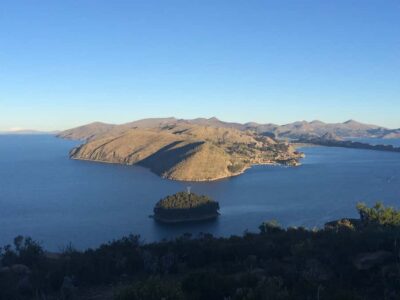
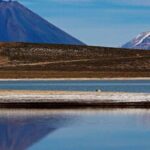
Before you reach the main sights, you’ll stop at a viewpoint where you can see the two volcanoes that frame Arequipa. Even if you’ve seen volcanoes from the city streets, a viewpoint stop gives you a cleaner, more dramatic angle—useful for orientation too. You’re not just collecting pretty photos; you’re getting context for how the region looks and why so much of Arequipa’s identity is tied to stone and the volcanic setting.
Tip: If you care about photos, position yourself quickly when you arrive at the viewpoint. The tour moves on schedule, and when there are multiple groups, the best angles can get claimed fast.
You can also read our reviews of more tours and experiences in Arequipa.
Sillar Route entrance fees: the one budget detail people forget
The price you’ll see is $20 per person, but two important entrances are not included. You’ll pay $5 for the Sillar Route and $5 for Culebrillas Canyon on top of that. So your realistic total is likely $30 per person before anything personal (like souvenirs or drinks).
To me, this still makes sense value-wise, because you’re buying guided time plus transportation between multiple sites. You’re also getting context: not only where you go, but what you’re looking at—especially at the quarry and the canyon.
Bring cash so you’re not stuck figuring out payments at the last minute. It’s also worth keeping an eye on the schedule, because entering sites is part of the flow, and the tour isn’t designed to linger indefinitely.
Añashuaycos quarry: watching ashlar carving in the real work area
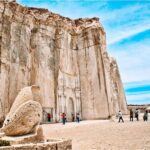
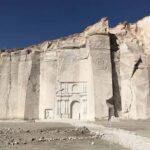
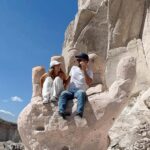
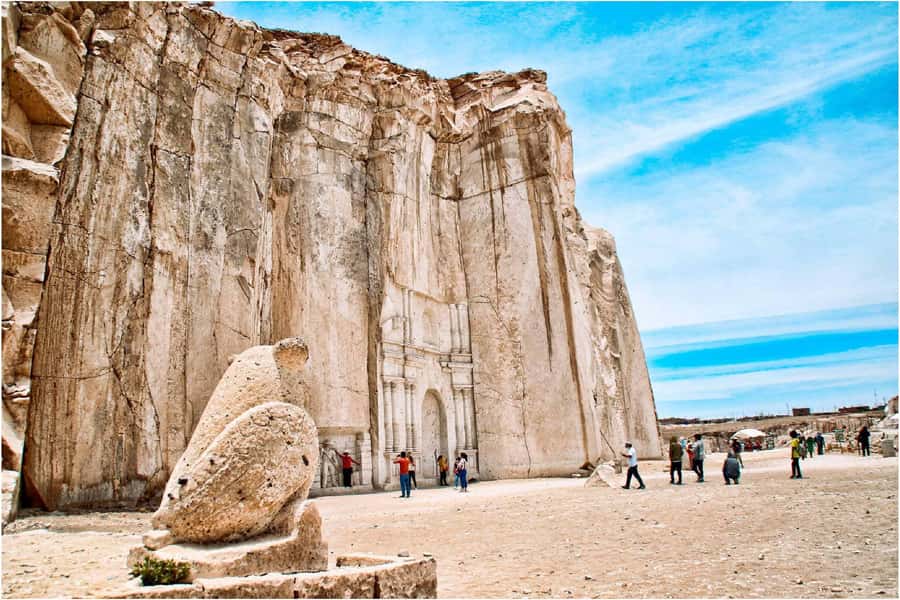
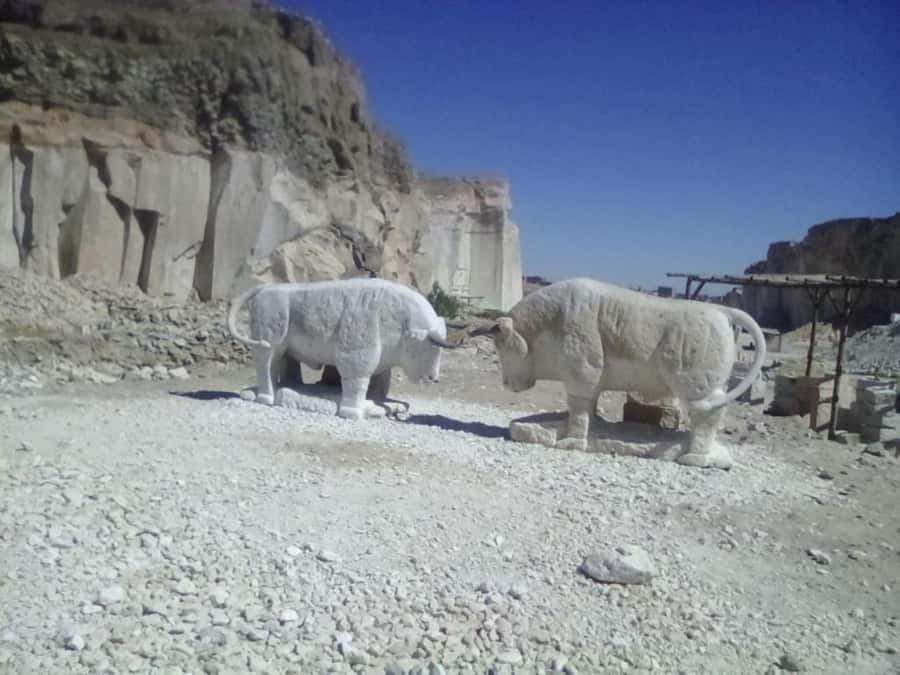
The standout stop for many people is the Añashuaycos Quarry. This is where you move from sightseeing to understanding process. You’ll see the way the ashlar stone is worked and carved, which is a big deal if you like craftsmanship and practical mechanics.
In plain terms, the quarry stop is valuable because it explains the difference between:
- seeing a finished stone product, and
- seeing the steps that get you there.
Even if you’re not a “stone nerd,” the carving process helps you appreciate why certain buildings and structures in Arequipa look the way they do—because the material and the technique are part of the story. The guide’s explanations (in English or Spanish, depending on the group) are what turn the quarry from a quick look into a real learning moment.
What to watch for when you’re there:
- Where tools or cutting steps are being applied (the process is the point)
- The working area layout, since you’ll likely be moving to different viewpoints
- The pace of the group, because quarry time can’t be stretched too long
One caution from real-world experience: the tour can feel a little “move, look, go” when crowds are present. If you want ultra-specific photos (like getting a perfect angle for signage or details), plan to be decisive and quick. You won’t have unlimited time for every photo.
Culebrillas Gorge walk: canyon walls up to 20 meters and a 20-minute stretch
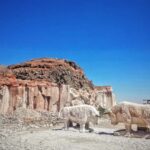
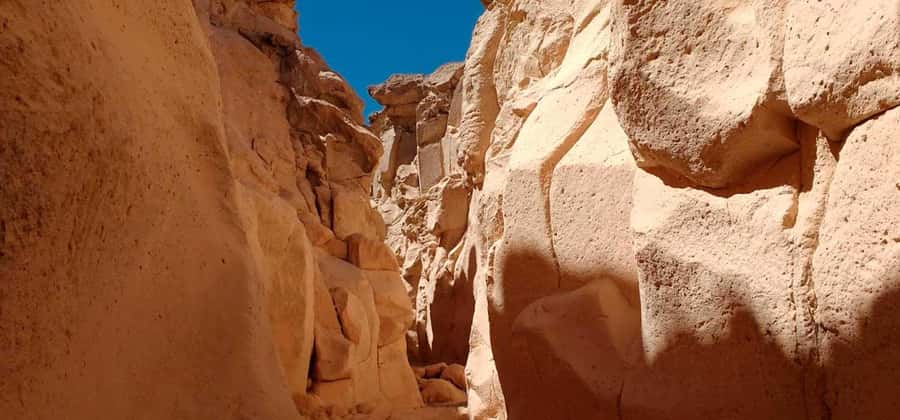
After leaving the quarry, you’ll travel for about 30 minutes to Quebrada de Culebrillas. Then comes the part that many people remember most for sheer visual drama: a water canyon with walls reaching up to 20 meters high.
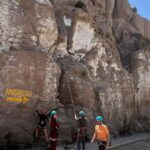
You’ll enter the gorge for a walk lasting about 20 minutes. This isn’t an all-day hike. It’s a short, focused walk meant to give you close-up views and a sense of scale. But it still counts as active time, not a slow stroll on flat ground. Wear sports shoes and expect uneven surfaces in spots.
Why this stop works:
- The canyon walls create a natural “room,” so your brain instantly feels the environment
- The short walk keeps you from getting tired enough to miss the visuals
- The canyon setting gives contrast to the quarry, so the day doesn’t blur together
Practical tip: bring your sunscreen and consider a hat. Even though you’re in a canyon, the morning sun can still be intense on exposed segments. And because it’s a canyon, insect repellent can be smart—especially if you’re sensitive to bites.
Also, the tour isn’t built for anyone who needs wheelchair access or has major mobility constraints. If that applies to you, check the “not suitable” note before booking.
Petroglyphs in the canyon: finishing with something visual and ancient-feeling
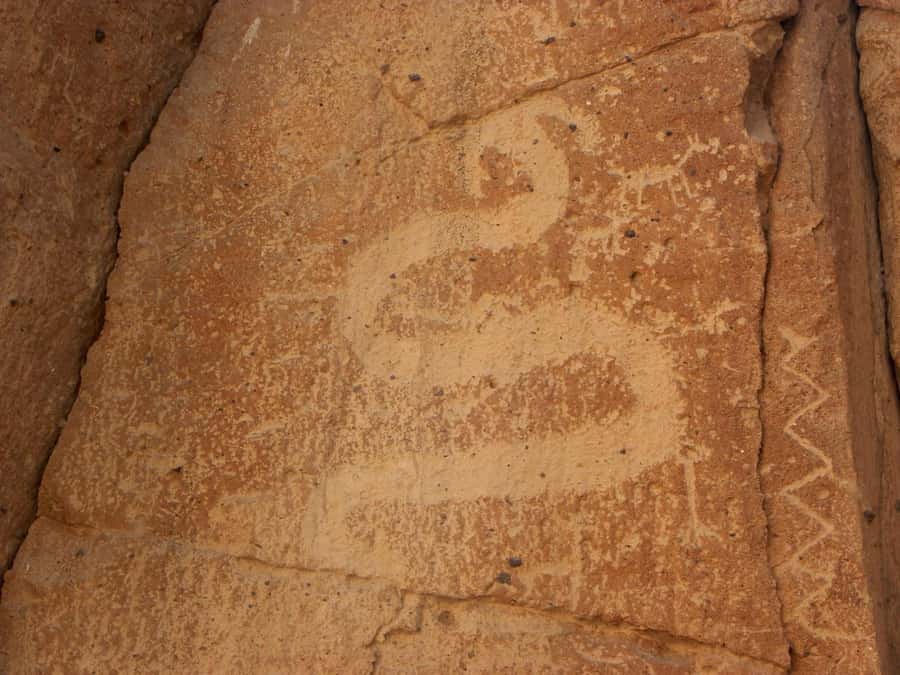
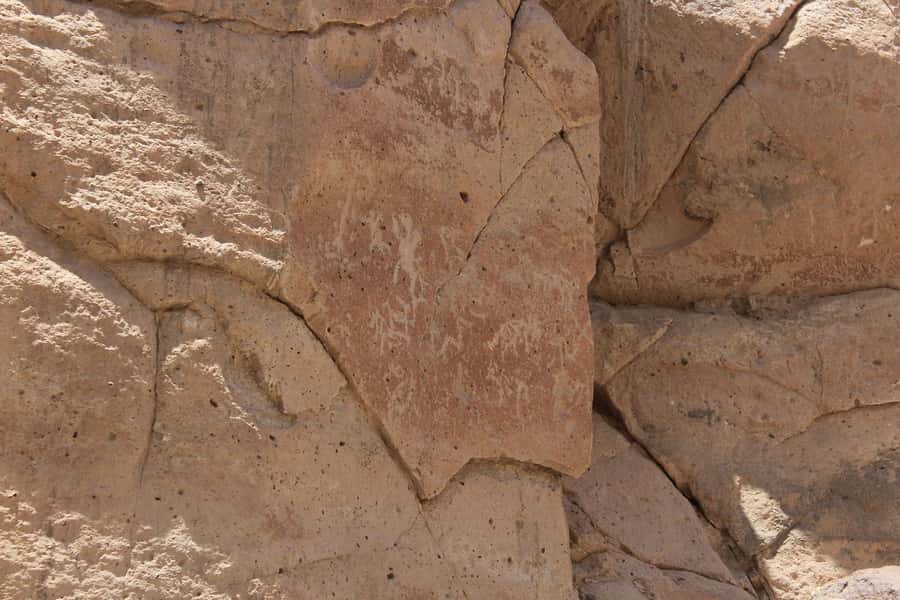
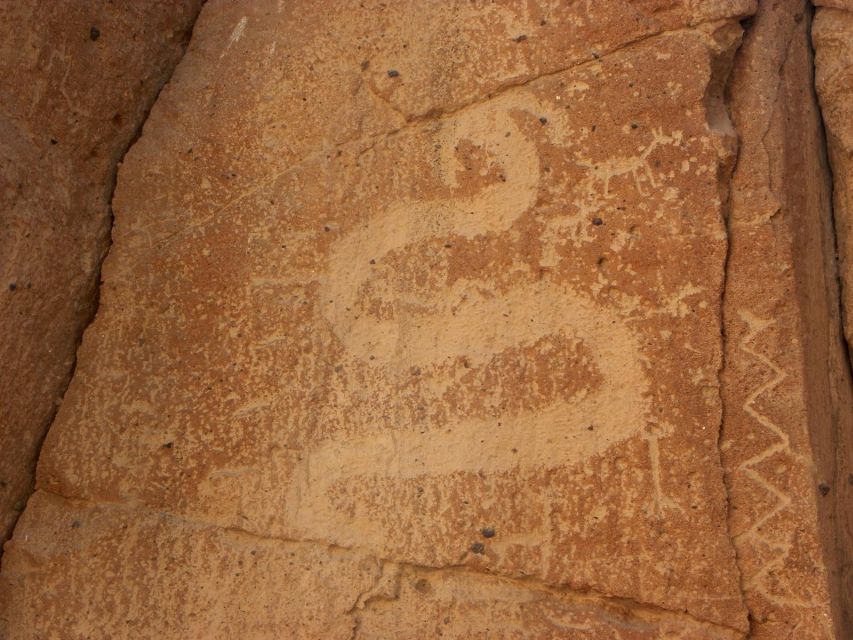
Your final stop on the Ruta del Sillar is the petroglyphs of the canyon. This is the “wow” closer, because it adds a human layer to the geology and the stone work.
Petroglyph sites can be hit-or-miss on tours if the guide doesn’t explain what you’re seeing. Here, the value is that you end with a concrete visual feature—marks on rock—rather than just returning through the same scenery you already saw. It’s also a nice change of pace from the earlier stops that were mainly about stone production and canyon shape.
Photo reality check: petroglyphs are often in spots where multiple groups will want similar angles. The day is scheduled tightly, and that can create a queue feeling. If you’re the type who wants to linger and keep shooting until the light is perfect, this is where you might feel the time pressure.
But if you’re happy getting a few clear shots plus the guide’s context, it’s a fitting way to round out the half day.
Transportation and guide support: what’s solid and what to keep in mind
You’ll travel by tourist transportation, and you’ll have a professional bilingual guide. This guide role matters most at the quarry and the petroglyph stop, where you want explanations that turn “I see it” into “I understand it.”
The guide support can be a real strength. One person’s experience highlighted good communication and help with questions throughout the route. That’s the difference between a tour that just moves you around and one that helps you make sense of what you’re seeing.
At the same time, you should go in with reasonable expectations. Some people reported that the pickup spot didn’t go smoothly—like struggling to find the guide among a crowd. Others also noted limited English ability. That doesn’t mean the tour is bad, but it does mean you should:
- arrive at your pickup point a little early
- keep your booking details accessible
- be ready to use simple phrases if language varies
If communication is important to you, the safest plan is to double-check your pickup location details before the day begins.
Price and value: where your $30-ish day turns into real time
Here’s how I think about the value.
You’re paying for four things:
- Hotel pickup (near or inside the historical center)
- Transportation between sites
- A bilingual guide who gives meaning to the stops
- Entry to the quarry/canyon context through the paid entrances
Because the entrances aren’t included, you’ll likely spend closer to $30 per person total once you add the $5 + $5 fees. For a half-day tour, that can still feel fair, especially because you get three distinct experiences:
- quarry carving process
- short canyon walk with big scale
- petroglyphs as a final visual payoff
If you’re comparing this to hiring a private driver, the shared-guide format keeps costs down. If you’re comparing it to solo exploring, you’re also paying for reduced logistics stress—someone else handles the route and timing.
My honest take: this is best value for people who want guidance and structure. If you only care about one photo spot and you hate fixed timing, you might feel boxed in.
Timing and pace: the “5 hours” reality
The tour runs from 8:50 a.m. pickup to about 13:00 return. That five-hour container is what keeps the experience efficient, but it also explains why:
- you may feel like you’re moving quickly between stops
- photo opportunities can feel competitive
- time at entrances for signage shots might be limited
It’s not that the sites are ignored. It’s that the tour is optimized for covering the highlights without turning it into a full day.
My practical suggestion: decide your photo priorities before you get there. For example, if petroglyphs and quarry details are your must-shoot items, accept that you’ll capture fewer “in-between” angles. If you try to photograph everything equally, the day may feel rushed.
What to bring (and what not to forget)
For this kind of route, your packing should be simple and functional. The essentials listed for the tour are:
- Passport
- Sun hat
- Sunscreen
- Insect repellent
- Comfortable clothes
- Sports shoes
- Cash
If you tend to overpack, you can still keep it light. You’re outside for multiple stops, and you’re also walking for about 20 minutes inside the canyon. So focus on:
- footwear you can trust on uneven ground
- sun protection you’ll actually use
- repellent if you’re prone to bites
Also, bring whatever you need for payment of the entrances. Since the Sillar Route and Culebrillas Canyon fees aren’t included, cash matters.
Who should book this Route of the Sillar half-day?
This tour fits you best if:
- you want a half-day plan that still feels like a real outing
- you’re curious about how stone is cut and carved (not just where it’s found)
- you like the pairing of quarry + short canyon walk + petroglyphs
- you don’t mind a steady pace and a few moments for photos rather than long photo marathons
It’s less ideal if:
- you need wheelchair access
- you require support that addresses visual impairment (the tour isn’t suitable for visually impaired people per the listing info)
- you have a pre-existing medical condition that might be affected by outdoor walking and uneven terrain
In short: great for active sightseeing with a guided brain. Not great for people who want slow, flexible wandering.
Should you book Route of the Sillar and Culebrillas?
Yes, if you want an efficient, guided half day that mixes big views with hands-on material understanding. The itinerary’s structure makes it hard to leave bored: volcano context in the morning, quarry carving process as the learning core, canyon scale for the scenery hit, and petroglyphs as the memorable finale.
If you’re the type who needs lots of time at each stop to shoot photos, do a quick reality check. This tour is timed, and you may feel the squeeze at crowded moments.
Before booking, I’d do two things: confirm your pickup point expectations, and plan to arrive prepared with cash for the $5 + $5 entrances. If you show up ready, you’ll likely come away feeling you got good value for your Arequipa time.
FAQ
What time do you get picked up in Arequipa?
Pickup is scheduled for 8:50 a.m. from hotels near or inside the historical center.
How long is the tour?
The total duration is 5 hours.
What time will we return to Arequipa?
You’ll return by about 13:00 (1:00 p.m.).
Is the $20 price the full cost?
The tour price is $20 per person, but two entrance fees are not included: $5 for the Sillar Route and $5 for Culebrillas Canyon.
What’s included in the tour price?
Included are hotel pickup, tourist transportation, and a professional bilingual guide.
What will I see during the excursion?
You’ll visit a viewpoint with the two volcanoes around Arequipa, the Añashuaycos Quarry to see the stone carving process, Quebrada de Culebrillas for a canyon walk, and the canyon petroglyphs.
How long is the walk in Culebrillas Gorge?
The in-canyon walk is about 20 minutes.
What should I bring?
Bring your passport, sun hat, sunscreen, insect repellent, comfortable clothes, sports shoes, and cash.
What languages does the guide speak?
The guide provides live commentary in English and Spanish.
Is this tour suitable for wheelchair users or people with medical conditions?
No. It’s listed as not suitable for wheelchair users, visually impaired people, and people with pre-existing medical conditions.