REVIEW · CUSCO
07 Day: Inca Jungle Adventure with Mountain Bike, Rafting, Zipline & Trek
Book on Viator →Operated by Inkayni Peru Tours · Bookable on Viator
Seven days, zero sitting still. This is a packed week that strings together Cusco acclimation, Sacred Valley icons, jungle adventure days, and a guided Machu Picchu visit, with the logistics handled for you.
I love the full-suspension bikes with helmets and gloves included, plus the rafting safety setup and equipment. I also love that entrance fees are built into the price, so you can focus on the experiences instead of ticket math.
The only real catch is pace: you start early and move a lot each day, so the moderate fitness requirement is not a suggestion—it’s the deal.
In This Review
- Key highlights you’ll feel right away
- Cusco acclimation day: altitude first, adventure second
- Sacred Valley with Moray, Maras, and Chinchero in one loop
- Mountain biking from Malaga Pass: adrenaline with real height
- Rafting Day in the Inca Jungle: Class II to III fun
- Trekking toward Santa Teresa via Inca Trail sections
- The Aobamba Valley walk to Aguas Calientes (with Intihuatana)
- Guided Machu Picchu: temples, terraces, and optional viewpoints
- Where you sleep and what meals you can count on
- Price and logistics: what $1,129 buys you (and what costs extra)
- Guides, safety, and the human details that matter
- Practical tips: how to feel better on a multi-sport week
- Should you book this Inca Jungle to Machu Picchu adventure?
- FAQ
- Is airport pickup in Cusco included?
- What activities are included besides Machu Picchu?
- Are entrance fees to sites included in the price?
- Do I need to pay extra for Huayna Picchu?
- Where do we stay during the jungle portion?
- What is the cancellation policy?
Key highlights you’ll feel right away
- Airport-to-hotel transfers in Cusco so you can start the trip without scrambling
- Full-suspension biking gear included (bike, helmet, gloves)
- Rafting with Class II and III rapids plus a professional safety kayaker
- Jungle trekking with historic Inca Trail sections and big canyon views
- Machu Picchu with a guided tour, and optional Huayna Picchu or Machu Picchu Mountain upgrades
- Most meals and all major transport covered, including trains/buses back to Cusco
Cusco acclimation day: altitude first, adventure second
Day 1 is intentionally calm. You land in Cusco around 3,400 meters (11,000 feet), then you transfer to your hotel and take the day to rest and adapt. This is a smart design choice: the rest of the week is physically active, and altitude fatigue can hit hard if you jump straight into long hikes and sports.
You’ll also meet your group in the evening and go over what’s next. That helps you sleep better tonight and feel clear tomorrow—no guessing, no last-minute confusion. If you’re the type who gets restless on a travel day, at least keep it gentle: short walks, water, and an early night.
You can also read our reviews of more cycling tours in Cusco
Sacred Valley with Moray, Maras, and Chinchero in one loop
On Day 2, you start around 8:00 AM with hotel pickup and a scenic drive through the Sacred Valley. This part is the warm-up for your camera roll: snow-capped peaks in the distance, wheat fields, and Andean villages along the route.
Moray is your first stop—an archaeological site with three amphitheater-like terrace rings cut into the earth (around 3,500 masl). The terraces are tied to agricultural experimentation, and you can really feel how intentional and engineered the place is once you’re standing there.
Next come the Maras Salt Mines, at about 3,380 masl, where more than 3,000 salt pools are still in use. It’s not just a ruin; it’s a working landscape that looks almost unreal—lined channels, repeating patterns, and bright salt tones.
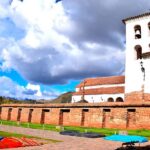
You finish at Chinchero (about 3,762 masl). Expect more high-altitude views and a cultural stop that rounds out the Sacred Valley story before you head toward the jungle side of Peru.
Mountain biking from Malaga Pass: adrenaline with real height
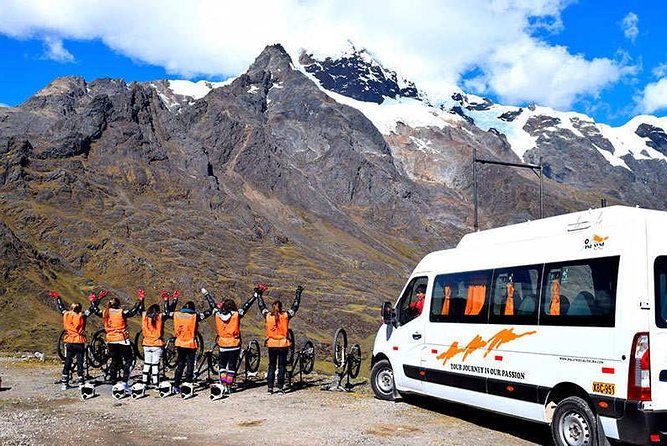
Day 3 kicks off early—pickup is around 6:00 AM (exact time is confirmed). You drive about 3 hours to Malaga Pass (4,350 masl / 15,190 ft.), then begin a long mountain bike descent.
This is where the trip earns its name. Over roughly three hours of riding, you pass through villages, orchards, and rivers. When your full suspension bike starts rolling downhill, it’s a lot easier on your body than rigid bikes on uneven trails—so you’ll likely feel less beat up during the next activities.
You arrive in Huamanmarca around 1:30 PM (about 1,800 masl). From there, you transfer by private bus to Santa María (about 1,200 masl). That shift matters: you’re dropping altitude and switching into “warm jungle” conditions, which makes the next sport day feel more doable.
And yes, you get the gear that actually matters: a full suspension bike, helmets, and gloves. If you’ve ever rented bikes on the road and ended up with ill-fitting helmets or sketchy brakes, you’ll appreciate this setup.
Rafting Day in the Inca Jungle: Class II to III fun
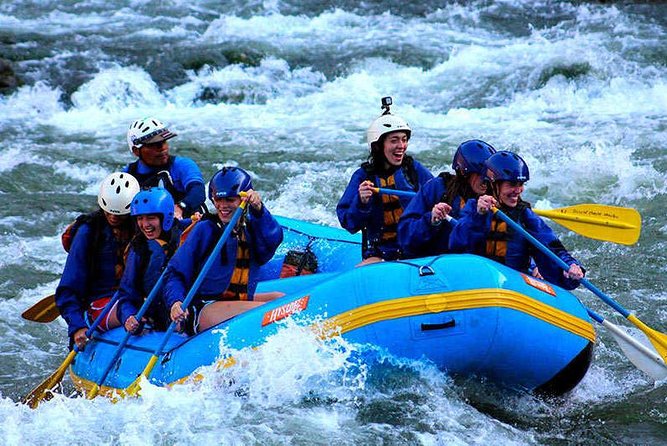
After lunch and a break, Day 3 turns into water time. You do a roughly 2-hour rafting experience on Class II and III rapids, supervised by a professional safety kayaker.
Class II and III is a sweet spot for many people: enough motion and excitement to feel like adventure, without the highest-grade technical rafting. The fact that there’s a safety kayaker on board supervision also tells you this is run with attention, not “good luck” energy.
Your evening is spent in Santa María. There’s dinner included, and you’ll want that because Day 4 starts with another early morning trek.
Trekking toward Santa Teresa via Inca Trail sections
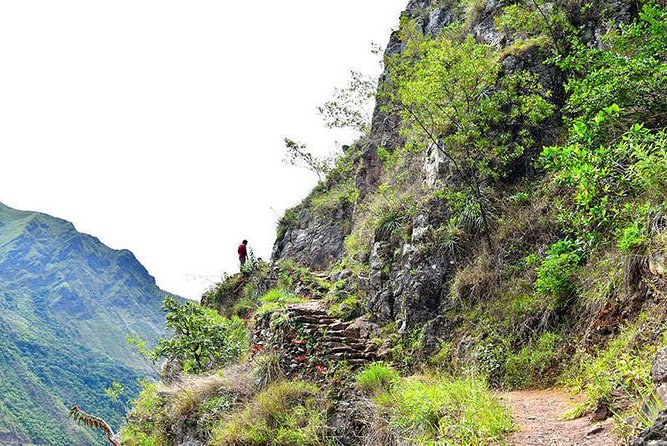
Day 4 begins after breakfast, around 6:00 AM. You start with about two uphill hours, with stops along the way to notice local flora and fauna. One of the most memorable stops is a visit to a local family’s home, where you can rest, have fresh tropical fruit, and refill water supplies.
After that, you hike along a historic section of the Inca Trail that once connected Machu Picchu and Vilcabamba. Your guide shares stories tied to Inca history and communication systems—these are the kinds of facts that make a trail feel like a route with meaning, not just a line on a map.
You also get big views of the Huancarccasa Canyon while you descend toward Quellomayo. Lunch is included there, and you can relax in hammocks after—small detail, big payoff when your legs feel like noodles.
This day is about 6 hours. If you’re active, you’ll enjoy it. If you’re not, you’ll still be fine as long as you respect the pace and don’t treat it like a race.
You can also read our reviews of more hiking tours in Cusco
The Aobamba Valley walk to Aguas Calientes (with Intihuatana)
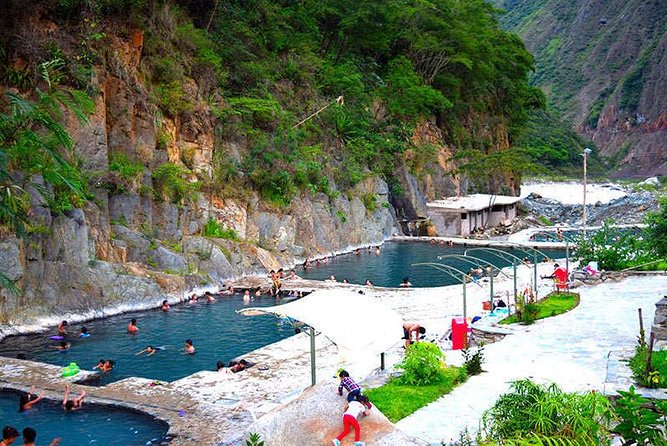
Day 5 is another early start around 6:00 AM, hiking toward Aguas Calientes. You begin with a scenic walk through the Aobamba Valley. The trek portion is roughly 3 hours, surrounded by lush vegetation and mountain views.
Along the way, you pass through the Intihuatana sector, described as a government control post. There’s also lunch provided during the hike, and that’s a big deal on a day when you’ll likely work up an appetite fast.
One of the cooler stops in this section is the ancient astronomical sundial used by the Incas. It’s the kind of detail that turns “just walking” into something that connects you to how the Incas tracked the sky and seasons.
You’ll spend time heading toward Aguas Calientes, the base town for Machu Picchu. This is not the time to expect a slow, easy stroll—it’s a steady walk with stops, and you’ll feel it by the end.
Guided Machu Picchu: temples, terraces, and optional viewpoints
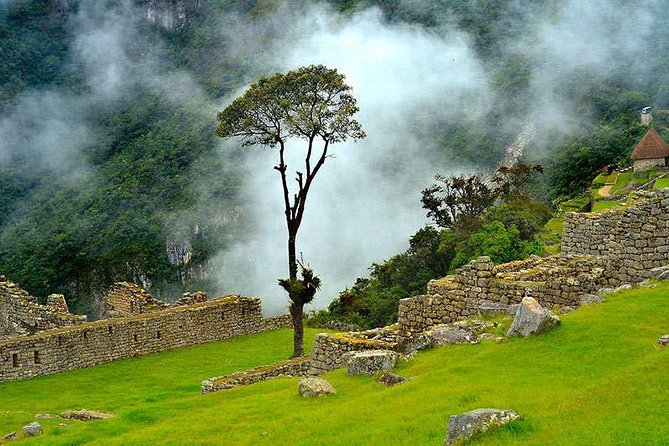
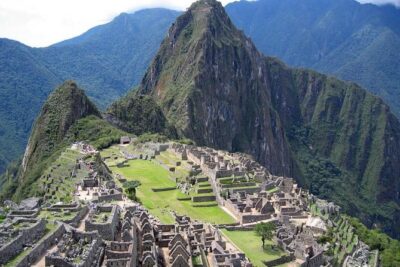
Day 6 is Machu Picchu day, and you’ll do it the practical way: breakfast, then boarding one of the morning buses to the citadel.
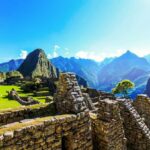
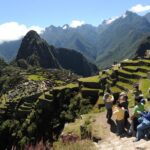
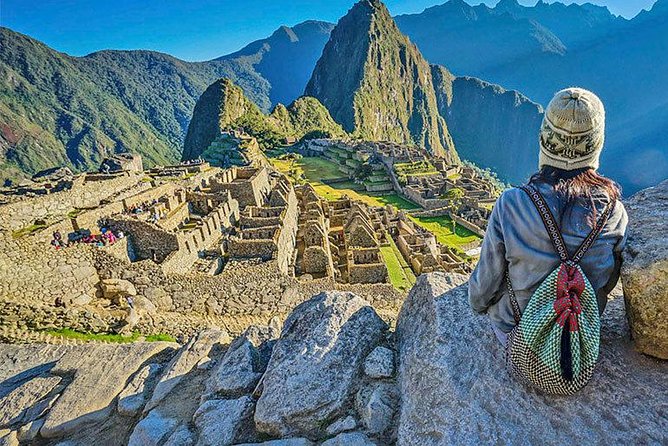
Once you enter, your guide leads an in-depth tour focused on major features—temples, ceremonial areas, terraces, and storage structures. The value here is simple: Machu Picchu is easier to understand when someone explains what you’re looking at and why it was built the way it was.
After the guided portion, the group returns to Aguas Calientes for rest and lunch (lunch not included). In the afternoon, you take the train and bus back to Cusco.
If you want extra views, there’s an optional ticket upgrade. If you secured an additional ticket in advance, you can explore either Huayna Picchu or Machu Picchu Mountain. Huayna Picchu has an extra cost listed at US$85.
Where you sleep and what meals you can count on
This itinerary spreads you across different sleeping styles to match the geography.
You get 3 nights in 3-star hotels, plus 2 nights at hostels specifically in Santa María and Santa Teresa. You also get 1 night in a 3-star hotel in Aguas Calientes. Translation: you’re not going to have luxury comforts every night, but you do have a roof and real beds in the key hubs.
Meals are also planned with the activity level in mind. Breakfast is included at your accommodation each morning, and you have 3 lunches and 3 dinners included across the week. One lunch is not included in Aguas Calientes, so plan for a meal purchase there.
If you’re picky about food or need strict dietary support, double-check before you go. The tour includes key meals, but it does not list every snack or every lunch as covered.
Price and logistics: what $1,129 buys you (and what costs extra)
At US$1,129 per person, this is not a budget trip. But it’s also not a “pay for the privilege of doing it yourself” package.
What the price covers, based on what’s included:
- All transportation, including buses and train/bus return to Cusco
- Professional English-speaking guide
- All entrance fees
- Full suspension mountain bikes, helmets, and gloves
- Rafting with equipment
- Zip line
- Machu Picchu bus (one way) for the morning climb
What you should budget for separately:
- Single supplement: US$270 for solo travelers
- Travel insurance (not included)
- International and intra flights (not included)
- Huayna Picchu entrance ticket if you want it: US$85
- Hot springs in Santa Teresa: listed extra at US$5 per person
- Meals not explicitly stated (for example, lunch in Aguas Calientes is not included)
If you compare this to building your own plan, the biggest savings often come from entrance fees + getting the train/bus puzzle solved + having equipment included for biking and rafting.
Guides, safety, and the human details that matter
This is one of those tours where the guide affects everything: timing, pace, and how comfortable you feel doing adrenaline activities back-to-back.
In the feedback you provided, guides like Jonathan and Wilbert repeatedly show up for being attentive and safety-minded. There are also mentions of Freddy and Percy for strong cultural context and thoughtful pacing, plus Gustavo as a rafting instructor.
You’ll also feel supported through the structure:
- Rafting runs with a professional safety kayaker
- There’s safety equipment listed for the activities
- The schedule is built so you’re not just jumping from one extreme to another without recovery time
That matters on a trip like this, because you’re mixing altitude, hiking, downhill biking, and water sports in one week.
Practical tips: how to feel better on a multi-sport week
Your biggest enemies here are fatigue and altitude, not the activities themselves.
A few things I’d plan for:
- Wear layers: mornings at altitude can be cool, while the jungle days can feel warm. Bring something you can add/remove fast.
- Pack for water: rafting implies you’ll get wet. Plan to protect your phone and documents with a simple waterproof bag or dry pouch.
- Use trekking shoes you trust: your days include uphill segments and uneven terrain. Avoid brand-new shoes that haven’t been broken in.
- Don’t treat this like a checklist sprint: if you move steadily, you’ll enjoy more. If you rush, your body will complain.
For Machu Picchu, bring a hat and sun protection. Even if the weather looks mild, the midday sun can be intense once you’re walking around terraces and stair sections.
Also, your schedule is tight enough that you should plan to sleep when you can. The early starts aren’t optional; they’re how the days are built.
Should you book this Inca Jungle to Machu Picchu adventure?
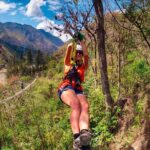
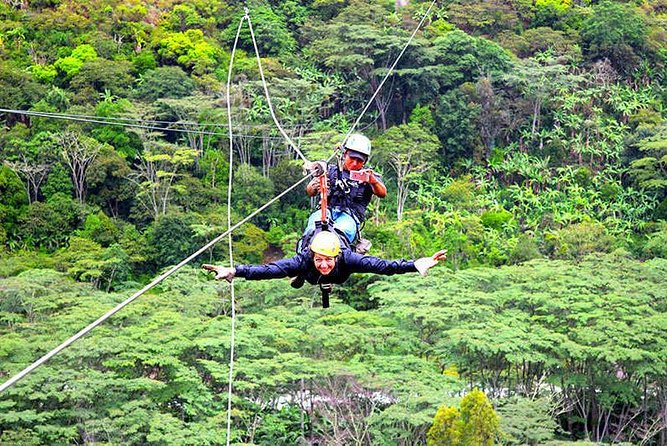
Book it if you want one trip to cover mountain biking, rafting, zip line, trekking, and Machu Picchu—with guides and major logistics handled. It’s ideal for active travelers who like variety and don’t want to stitch together permits, tickets, rentals, and transport across multiple cities.
Don’t book it if you want a relaxed, slow travel pace. This is a sport-heavy itinerary with early mornings and multiple physical days, and the moderate fitness level is real.
One more thing to keep in mind: the experience is listed as non-refundable and cannot be changed for any reason. If your dates might shift due to flights or other plans, factor that risk into your decision.
If you’re good with that trade-off, this is a compelling way to experience Peru in a week—Cusco to the jungle, then up to Machu Picchu, without the stress of coordinating it all yourself.
FAQ
Is airport pickup in Cusco included?
Yes. You’re greeted at Alejandro Velasco Astete Airport and transferred to your hotel on Day 1, and on the final day there’s also an arranged transfer to Cusco Airport based on your flight schedule.
What activities are included besides Machu Picchu?
The package includes mountain biking, rafting (with Class II and III rapids), zip line, and trekking in the jungle area, followed by a guided visit to Machu Picchu.
Are entrance fees to sites included in the price?
Yes. Entrance fees are included in the tour price.
Do I need to pay extra for Huayna Picchu?
Huayna Picchu is not included automatically. If you want to visit Huayna Picchu (or Machu Picchu Mountain), an additional ticket is required, listed as US$85 for Huayna Picchu.
Where do we stay during the jungle portion?
You stay 2 nights at hostels in Santa María and Santa Teresa. You also have 1 night in Aguas Calientes at a 3-star hotel.
What is the cancellation policy?
This experience is non-refundable and cannot be changed for any reason. If you cancel or ask for an amendment, the amount you paid will not be refunded.