REVIEW · AREQUIPA
From Arequipa: Full Day Tour of Colca Canyon with Meals
Book on GetYourGuide →Operated by AREQUIPA EXPLORER Y ACTIVIDADES TURISTICAS · Bookable on GetYourGuide
Condors first, sleep later. This all-day Colca Canyon trip is built around one early mission: Cruz del Cóndor and the condor sanctuary. You also get a string of cultural stops in Colca Valley plus high-altitude viewpoints on the way back, for a full Peru day without trekking overnight.
I really like two things about it: arriving at the canyon viewpoint around 08:30 when bird-watching is best, and having a bilingual guide who keeps the day moving with explanations and humor. Names you may run into include David, María, Danny, and Mary Elena, and the common thread is clear storytelling (English and Spanish) that helps you understand what you’re seeing instead of just snapping photos.
The trade-off is real: it’s a long day that starts between 02:30 and 03:30, and the advertised price doesn’t cover key extras. You’ll likely add the mandatory 70 soles entrance ticket, plus paid lunch and optional hot springs, so plan your budget for the full picture.
In This Review
- Key moments worth planning for
- Leaving Arequipa at 3 a.m.: timing, comfort, and what the day feels like
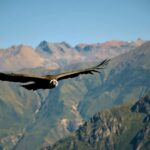
- Cruz del Cóndor at 08:30: where the condors actually show up
- Colca Canyon viewpoints and guided stops: how the day stays interesting
- Pinchollo, Maca, and Yanque: colonial churches and real village rhythm
- Chivay breakfast and Chacapi thermal baths: food and the optional soak
- The high-altitude return: volcano viewpoint, Tocrapampa wetlands, and vicuñas
- Price and value: what $27 buys, and what you’ll pay on top
- Who should book this Colca day trip (and who should skip it)
- Should you book this tour?
- FAQ
- What time do you get picked up in Arequipa?
- Is breakfast included?
- Do I need to pay an entrance ticket for the canyon?
- Is lunch included in the price?
- Are the thermal baths included?
- What time do you arrive at Cruz del Cóndor?
- What months have the best weather for the canyon?
- Do I need altitude acclimatization before going?
- How long is the tour?
- What is the cancellation and payment flexibility?
Key moments worth planning for
- Condors at Cruz del Cóndor (around 08:30): time your photos when the thermals are working.
- Guides that explain, not just drive: English and Spanish commentary with a lot of local context.
- Back-road Colca Valley towns: Pinchollo, Maca, and Yanque with colonial church stops and photo time.
- Chacapi thermal baths option: you can choose to pay for the soak.
- High-altitude wildlife stops: vicuñas in Pampa Cañahuas and alpacas/llamas in the wetlands.
- Lunch is not included: you might want a snack plan before you get hungry.
Leaving Arequipa at 3 a.m.: timing, comfort, and what the day feels like
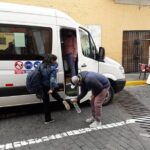
This is a true “one-day, no excuses” Colca trip. Pickup happens in Arequipa between about 03:00 and 03:30 a.m., and the more specific pick-up time is shared the day before. The ride begins through Yura, then you’re on the road to get to the canyon early enough to see what you came for.
You should expect a long stretch of driving before you reach the main viewpoint. The good news: the schedule is packed, so you’re not wasting time once you arrive in the Colca area. The downside: it’s also a very long day, and a few people note the minivan can be uncomfortable early in the morning. If sleep is your goal, bring whatever makes you comfortable (layer for warmth, travel pillow, earplugs). Seatbelts are not mentioned as a feature, so don’t plan on a relaxed nap.
One practical note: you’re at high altitude, even during the drive. Warm layers matter from the first hour. The tour also flags altitude safety for a reason, and I agree with that caution—this is not the kind of outing to “tough out” if you’re sensitive to altitude.
You can also read our reviews of more tours and experiences in Arequipa
Cruz del Cóndor at 08:30: where the condors actually show up
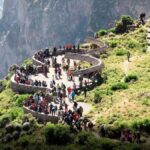
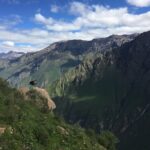
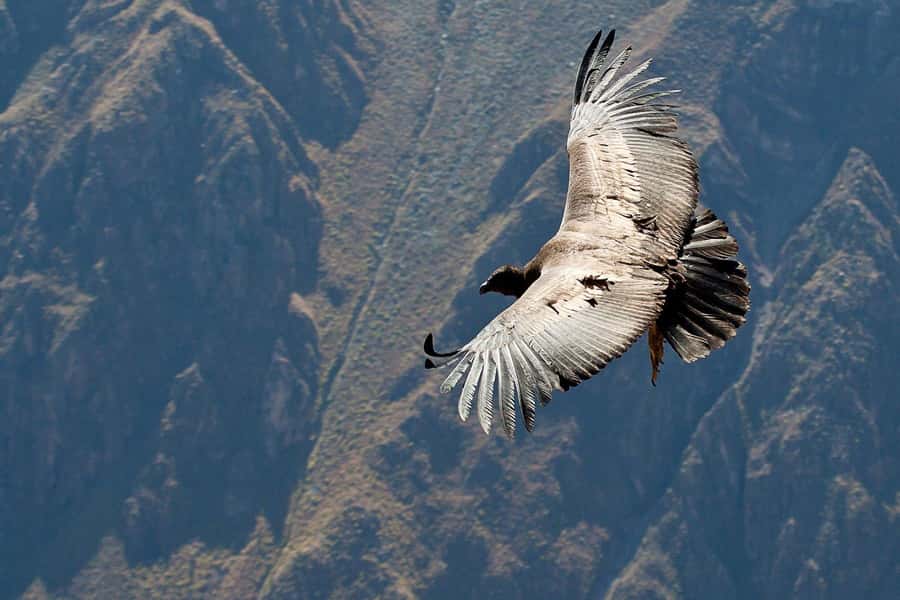
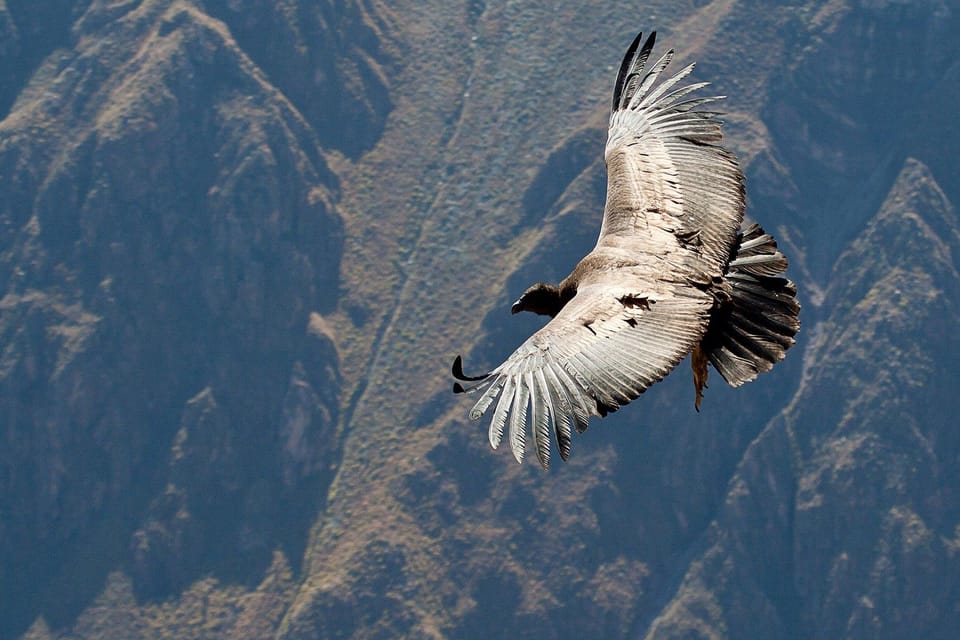
The center of gravity for this whole day is Cruz del Cóndor, arriving at about 08:30. This is where you appreciate the canyon’s sheer depth and where the condor sanctuary fits into the view. In practical terms, you’re standing in the right spot for the birds to ride the air.
This is also where timing can make a difference. The day is structured so you reach the canyon viewpoint before other tour groups pile in later. That early arrival matters for photos: you’re more likely to get a clear view and a calmer experience while you wait for condors to glide into the thermals.
In the best moments, it’s not just one sighting. People report seeing multiple condors at the same time, sometimes as many as five. If you care about bird photos, don’t show up with only a wide lens. A simple upgrade like a stronger zoom helps you frame the birds without relying on perfect conditions.
Also, wear good shoes. The viewpoint area can be uneven, and you’ll be standing and walking during the photo and guided portions.
Colca Canyon viewpoints and guided stops: how the day stays interesting
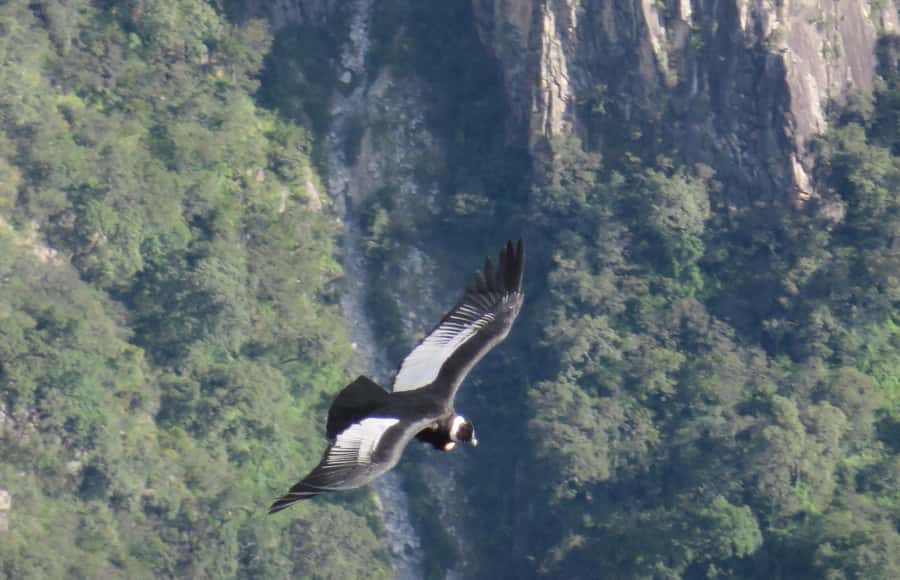
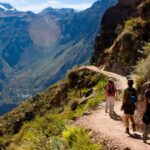
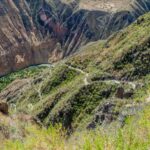
Once you’re in Colca Canyon mode, you get more than one “look and leave” moment. The day includes a canyon photo stop plus time for a guided visit, then additional viewpoints on the return that show how the canyon and valley work together.
On the drive back, you’ll stop at areas like Antahuilque and Choquetico Viewpoints. These are geared toward understanding what you’re seeing: the pre-Inca tombs and models, plus the terraced patterns and how people have shaped the valley over time. Even if you’re not a history person, terracing is one of those things you can’t unsee once you notice it.
The tour also includes cultural touches that are easy to miss if you only focus on the big canyon. You may see:
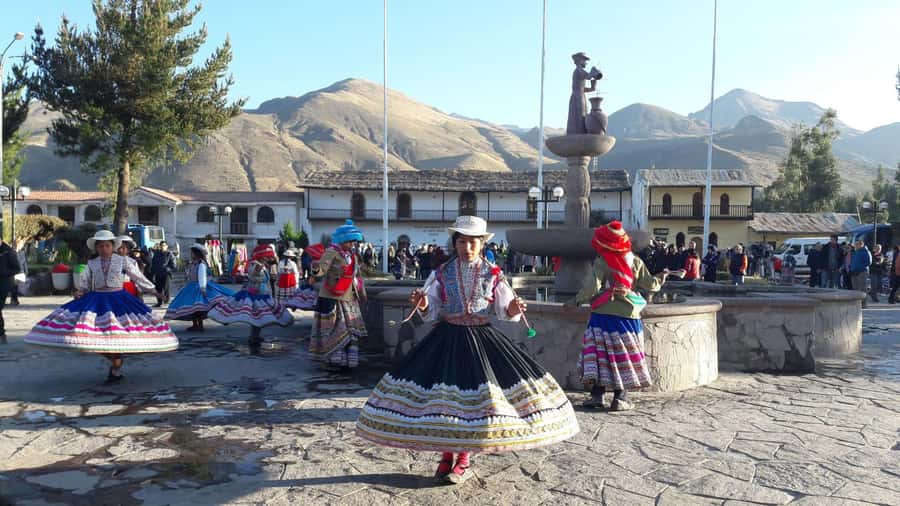
- Typical costumes
- Camelids (the local herds you’ll spot all day)
- Trained birds
- Traditional drink samples like Colca Sour made from sancayo
These stops are partly for photos, partly for context. In a day like this, I think it’s a smart mix, because it keeps Colca from feeling like a single, long viewpoint waiting game. You get breaks, explanations, and a sense of local life beyond the canyon edge.
Pinchollo, Maca, and Yanque: colonial churches and real village rhythm
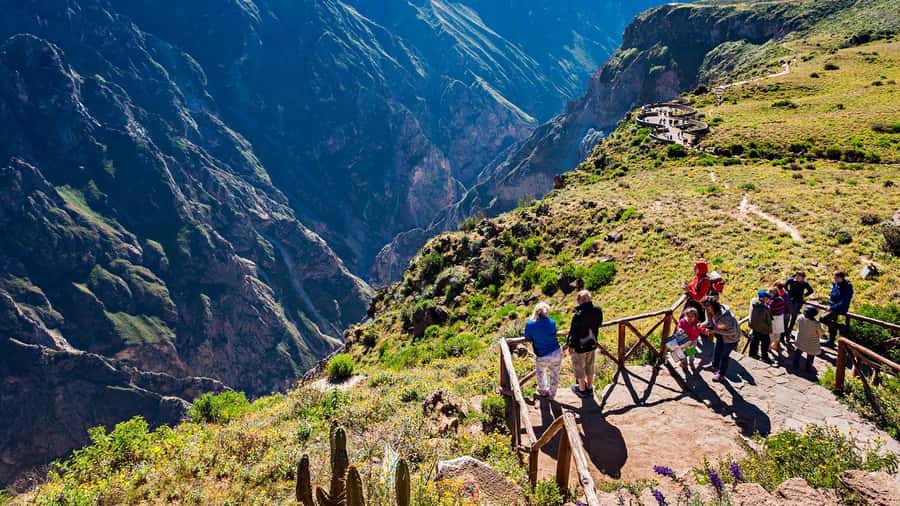
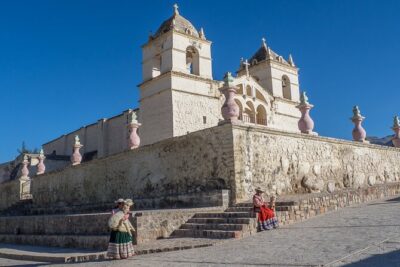
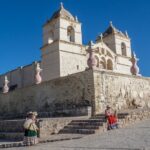
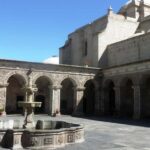
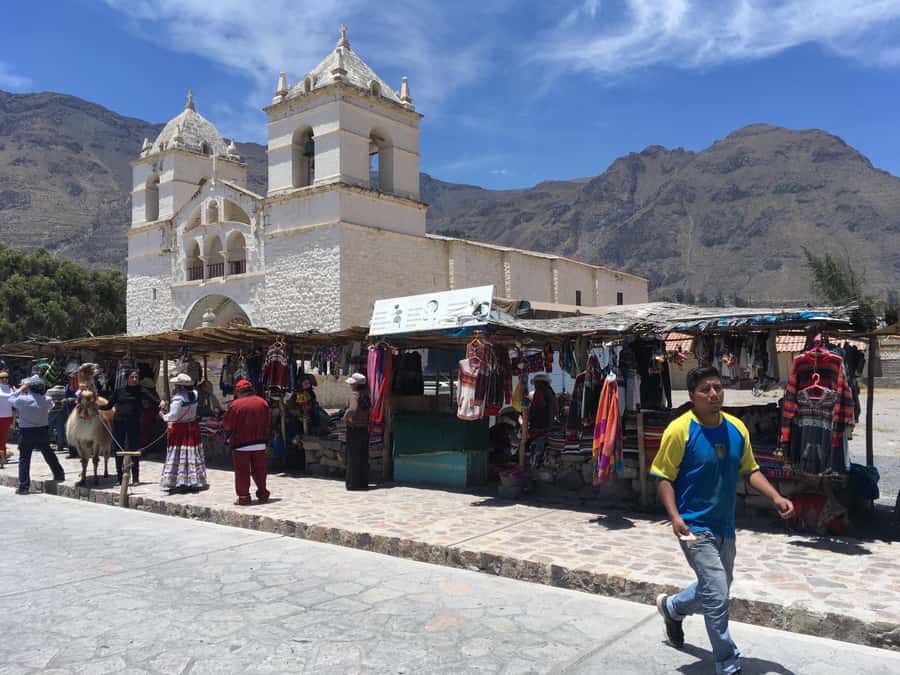
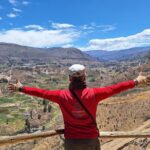
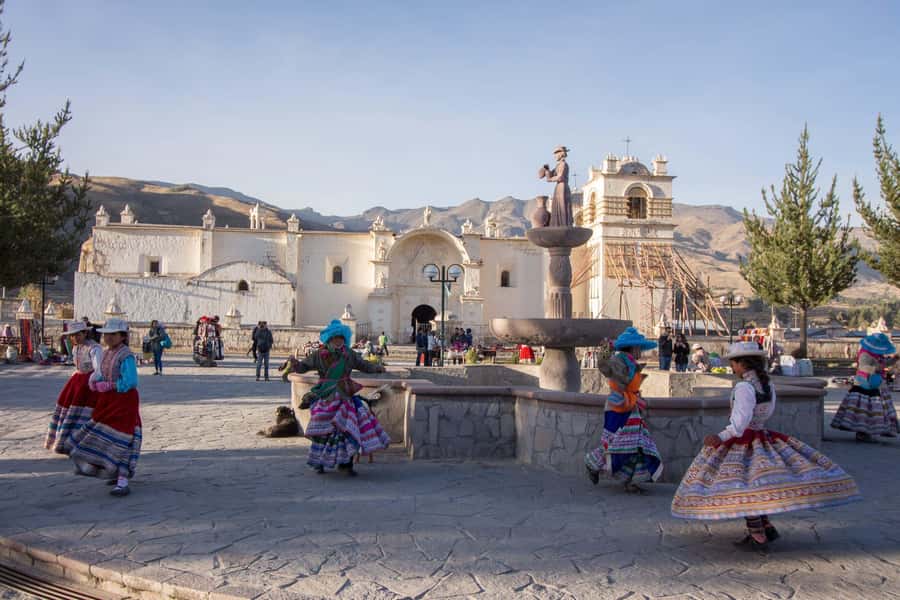
A lot of the value in a day trip is the middle part, not just the highlight photo. This one builds in time in Colca Valley towns such as Pinchollo, Maca, and Yanque, including visits where colonial church architecture shows up in a high-altitude setting.
You’ll also get more open time in Yanque, around 1 hour free time. That’s useful. You can use it for quick wandering, stretching your legs, or simply taking in the scale of the valley without a timer over your head.
If you like moments that feel lived-in, these town stops are where the trip shifts from “tour bus day” to “place day.” You’ll also find more small-scale buying and photo opportunities here, which can be a plus if you enjoy interacting with locals.
Chivay breakfast and Chacapi thermal baths: food and the optional soak
You start with breakfast on the way up. The schedule places breakfast around Chivay (about 45 minutes), which is helpful because you’re leaving so early. The breakfast is included, but it’s still good to remember: you’ll be doing a lot of standing, walking, and altitude breathing later, so fuel matters.
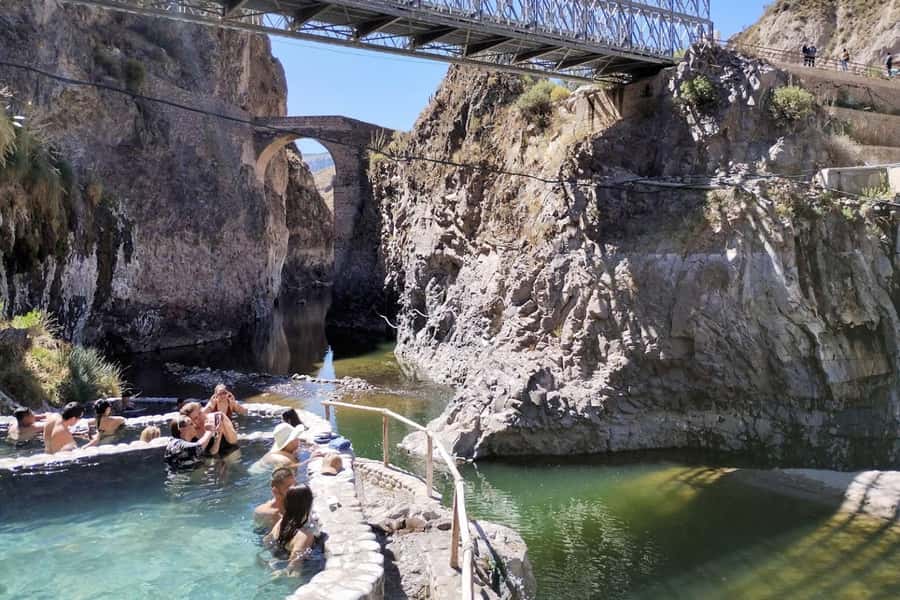
On the return, you head to Chacapi thermal baths around 11:30. The key word here is optional. The tour description flags an optional hot spring payment (listed as 15 soles), and people do mention enjoying a hot soak as a bonus. If you’re cold and tired, this can be a nice reset before the final stretch of high-altitude viewpoints.
About lunch: lunch is not included. People mention that the lunch setup can be paid and sometimes limited in what else is nearby. If you’re picky about food price or just don’t want a buffet situation, a small snack you can grab before the lunch stop can save the day. Think of it like insurance.
The high-altitude return: volcano viewpoint, Tocrapampa wetlands, and vicuñas
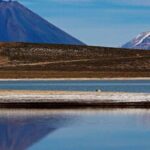
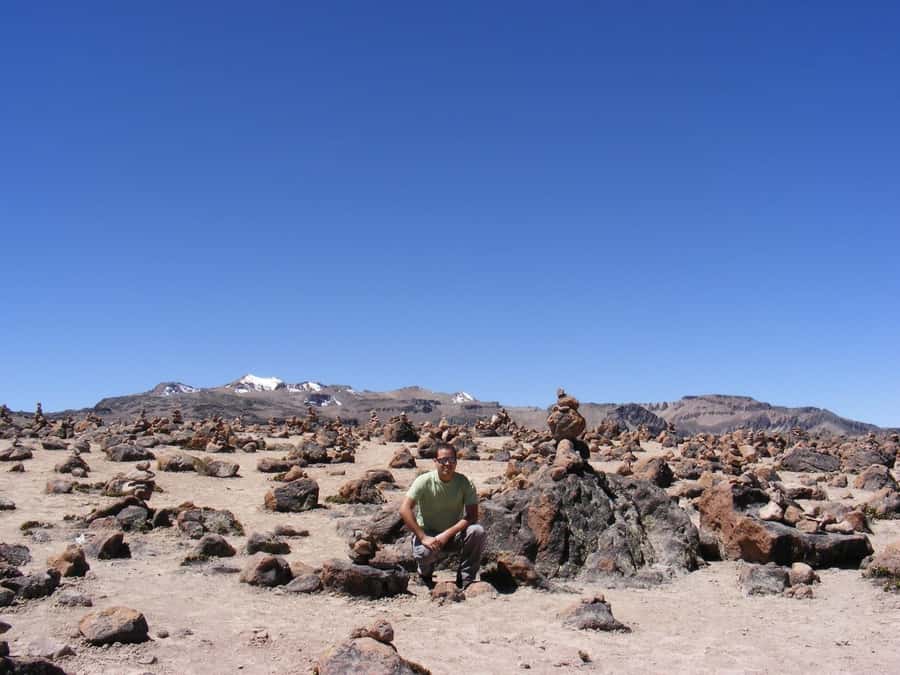
The second half of the day shifts from canyon edges to big sky and wildlife spotting. You stop at a volcano viewpoint with a highest point around 4,910 meters. Even if you don’t recognize a single peak by name, the altitude makes the views feel different. The air is sharper, and the distances can look deceptively close.
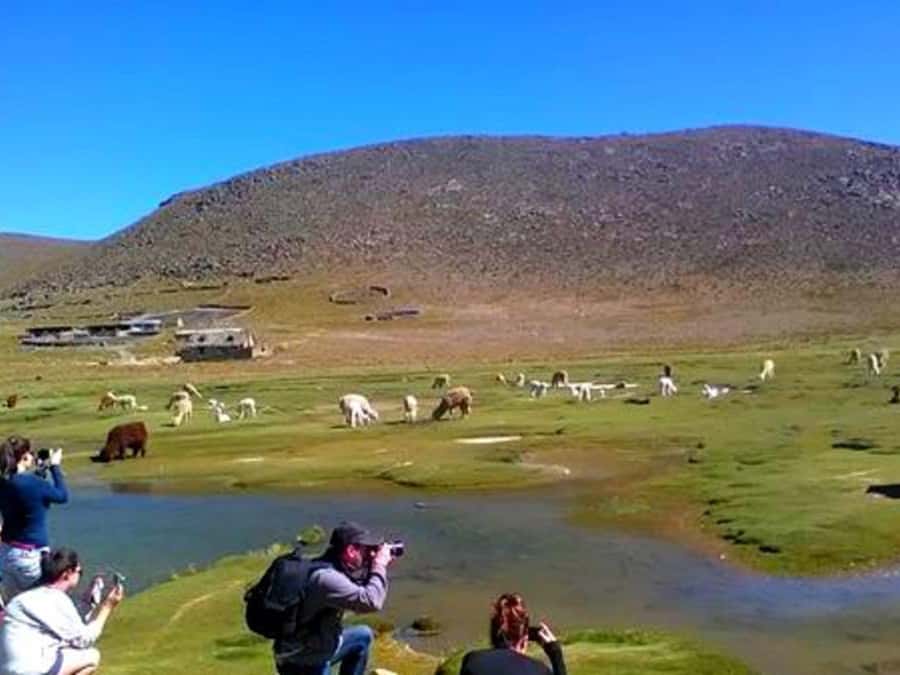
Then comes Tocrapampa wetlands, where you may spot wild birds plus herds of alpacas and llamas. This is one of those parts of the trip where you can slow down. You’re not only rushing to a single photo angle; you’re scanning for motion and animal life.
Finally, you reach Pampa Cañahuas, tied to the Aguada Blanca and Salinas National Reserve, where people look for herds of vicuñas. Seeing vicuñas is special because they’re the elegant, fine-fiber camelids most visitors only learn about from afar. Even if spotting is not guaranteed, the area is built for viewing and the tour timing targets the chance.
You wrap up with arrival back to Arequipa at around 17:00.
Price and value: what $27 buys, and what you’ll pay on top
At $27 per person, this tour is priced to feel like a bargain for what you get: full-day transport, a bilingual guide, and breakfast. The big caveat is that you’ll add costs.
Here’s what you should expect to pay separately:
- Mandatory ticket: 70 soles (discount for South American or Peruvian citizens)
- Lunch: not included
- Optional hot springs: 15 soles
So does it still feel like value? Usually, yes—because the tour is trying to do what it takes to make a one-day Colca visit work: early pickup, timely canyon arrival, multiple viewpoints, and guided interpretation. If you were to assemble transport and guides separately, you’d likely spend more time and money.
Still, budget realistically. If you only look at the starting price, you’ll be surprised by the total. For me, the best value case is simple: if you’re traveling on a tight schedule and want a structured day that hits the condor viewpoint and the wildlife stops without an overnight trek.
Who should book this Colca day trip (and who should skip it)
This one is best for people who:
- Want a one-day Colca Canyon experience from Arequipa
- Enjoy early starts for the best viewing
- Like guided storytelling in English and Spanish
- Are okay with multiple stops and some paid extras
It’s also a good fit if you don’t want to do a multi-day trek but still want more than just one viewpoint.
Who should think twice:
- Children under 6
- Pregnant women
- People with altitude sickness
- People with pre-existing medical conditions
- People over 95
And even if you fit the age/medical boxes, altitude still matters. The tour itself advises acclimatizing a day before if Colca is your first high-altitude city, being cautious with preventive altitude medications, and always carrying warm clothing.
Should you book this tour?
If you’re in Arequipa and want Colca Canyon without overnight planning, I think this is a smart booking. You get the core experience—Cruz del Cóndor at the right time, plus cultural stops and wildlife viewpoints—under one guide and one schedule.
Book it if you can handle:
- a very early pickup
- a long day
- paying the mandatory ticket and planning for lunch
Skip it if early mornings and altitude are deal-breakers for you, or if you need a calmer, slower pace with no additional payment stops.
If you do book, I’d pack like this: layers for the cold, a snack option for lunch timing, and a lens if condor spotting is your top goal.
FAQ
What time do you get picked up in Arequipa?
Pickup is typically between about 03:00 and 03:30 a.m., with a more specific pickup time shared the day before.
Is breakfast included?
Yes. Breakfast is included, and the schedule places it around Chivay with about 45 minutes for it.
Do I need to pay an entrance ticket for the canyon?
Yes. A mandatory ticket of 70 soles is required. Peruvian or South American citizens may receive a discount.
Is lunch included in the price?
No. Lunch is not included, and you’ll need to budget for it during the day.
Are the thermal baths included?
The hot spring soak is optional. The tour lists an optional fee of 15 soles for the thermal baths.
What time do you arrive at Cruz del Cóndor?
You arrive at Cruz del Cóndor at approximately 08:30, where you can appreciate the canyon and the condor sanctuary.
What months have the best weather for the canyon?
The best weather is typically between April and December.
Do I need altitude acclimatization before going?
The tour advises acclimatizing a day before if it’s the first high-altitude city you visit during your trip. It also suggests taking precautions with altitude sickness prevention and carrying warm clothing.
How long is the tour?
The total duration is about 15 hours, and the tour returns to Arequipa around 17:00.
What is the cancellation and payment flexibility?
The tour offers free cancellation up to 24 hours in advance for a full refund, and it also offers a reserve now & pay later option.