REVIEW · AREQUIPA
4-hour excursion: Ruta del Sillar with Hiking in Culebrillas
Book on GetYourGuide →Operated by XPLORA AMERICA · Bookable on GetYourGuide
Stone, canyons, and volcano views—fast. This Ruta del Sillar excursion pairs Arequipa’s iconic volcanic stone story with a short hike through Culebrillas Canyon, plus quarry scenes you’ll actually be able to see and picture. It’s timed like a good sampler: enough stops to feel the place, not so long you’re done before the best part.
What I like most is the focus on sillar as a real building material, not just a vague “local culture” mention, especially at the Añashuayco working quarry. You also get a walking segment where the views and the walls matter, including Wari petroglyphs you can spot on the canyon walk.
One possible drawback: the experience depends on guide communication and group coordination. The route can be Spanish-led even when English is expected, and pickup details may require attention—so have WhatsApp ready and confirm your exact pickup spot and timing.
In This Review
- Key highlights you’ll feel on the ground
- Ruta del Sillar + Culebrillas Canyon: the idea in 4 hours
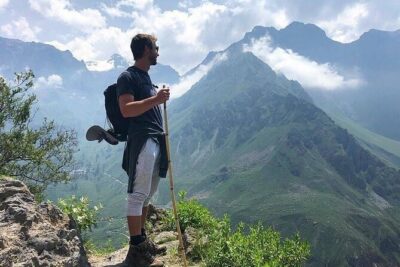
- The volcano viewpoint and Chilina Valley: your first bearings
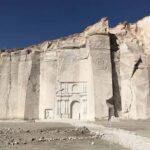
- Añashuayco Quarries and the mega-carved church
- The short canyon walk in Culebrillas: where the hike actually shines
- Apachetas before heading back to the city
- Price and logistics: is $18 good value?
- Who this tour suits best
- A few smart ways to avoid headaches
- Should you book this Ruta del Sillar + Culebrillas hiking tour?
- FAQ
- FAQ
- How long is the Ruta del Sillar with Culebrillas hiking excursion?
- What’s included in the price?
- Are entrance tickets included?
- What time does the tour start and where do you end?
- Are there different departure times?
- What languages are offered?
- What does the itinerary include?
- What should I do before the pickup?
- Can I cancel if my plans change?
Key highlights you’ll feel on the ground
- Strategic volcano viewpoint over the Chilina Valley before you head into the quarries
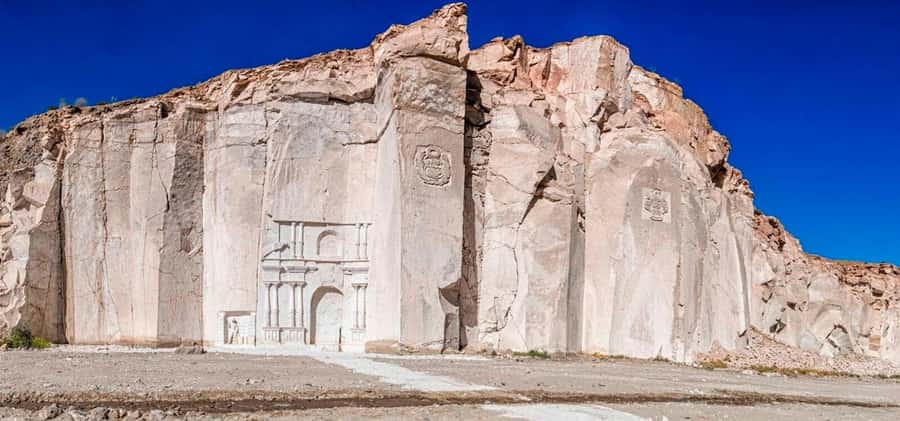
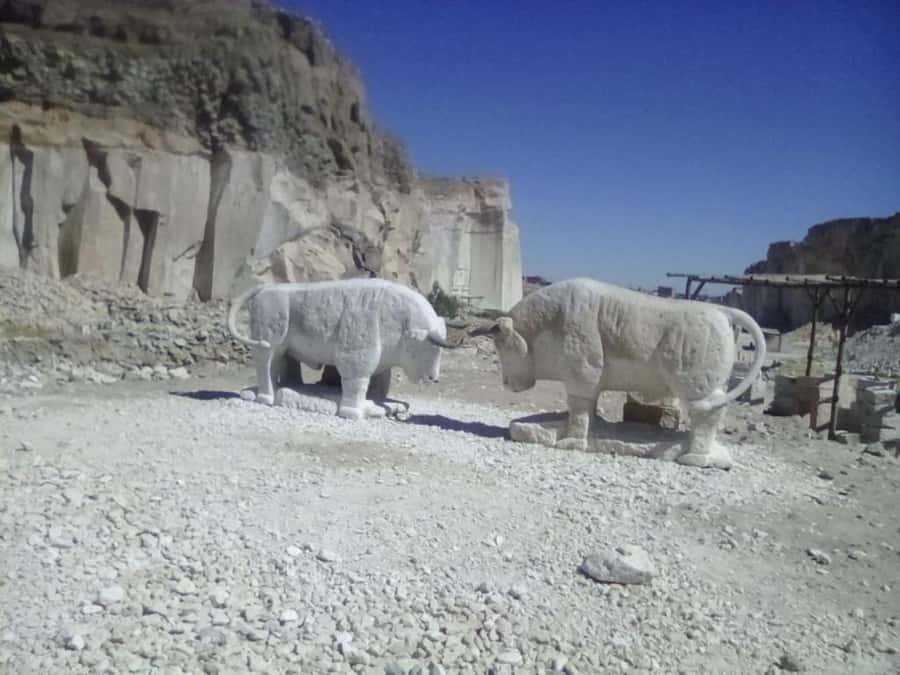
- Añashuayco Quarry with ignimbrite cliffs and hands-on explanations of how stone is cut and used
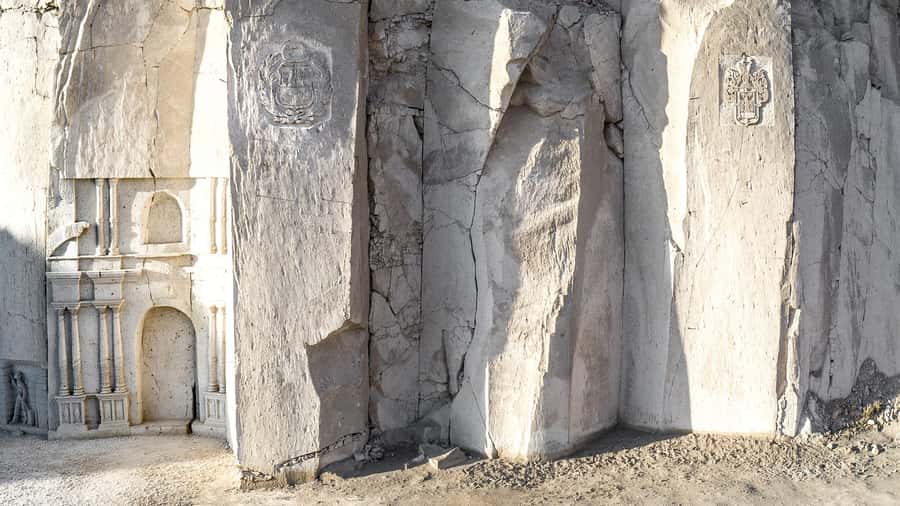
- Mega carving of the Church of the Society of Jesus carved by stonemasons in the quarry
- Culebrillas Canyon walk through a small canyon with 15–20 meter walls
- Wari petroglyphs along the canyon route, giving the hike an archaeological bonus
- Apachetas on the way back, those stacked stone markers linked with gratitude and luck
Ruta del Sillar + Culebrillas Canyon: the idea in 4 hours
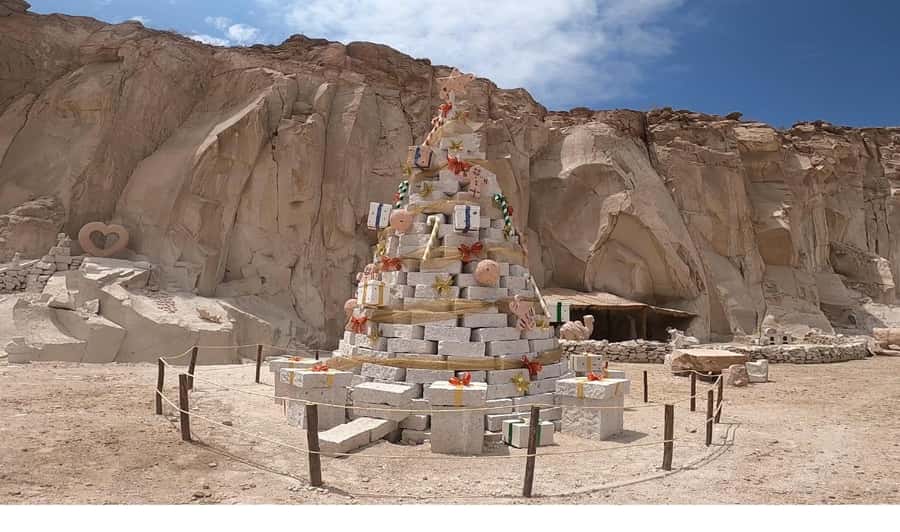
This tour in the Arequipa Region is built around one theme—Arequipa’s famous white volcanic stone, called sillar—and then it adds the outdoors. You’re not just driving past viewpoints. You stop, look closely, and then walk through a canyon that shows how water shaped the rock over time.
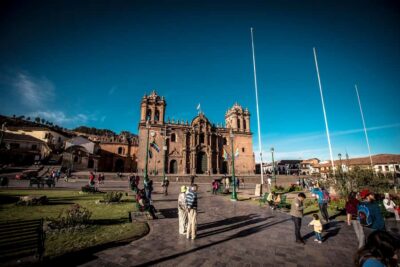
At 270 minutes (about 4.5 hours), it lands in the sweet spot for a day trip: long enough to get a sense of the region’s geology and human use of stone, short enough to still have energy for Arequipa’s historic center afterward. The morning timing typically lands you back near Plaza de Armas by around 1:30 PM.
If you love practical travel days—clear steps, clear stops, and a few moments you can really linger—this format fits. It’s also a decent choice if you want hiking that feels like a walk, not a full-day trek.
You can also read our reviews of more hiking tours in Arequipa
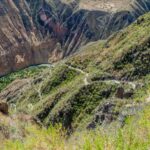
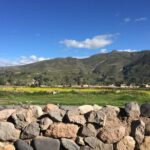
The volcano viewpoint and Chilina Valley: your first bearings
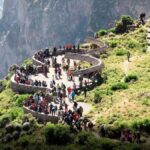
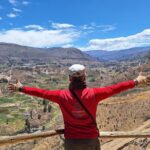
The tour starts around 9:15 AM, and the first move is smart: you get a quick stop at a strategic viewpoint. From here, you can take in a panoramic view of the volcanoes and the Chilina Valley.
This stop matters because it gives context. Once you’ve seen the volcano backdrop, later stops at the quarry and canyon make more sense. You can connect the “what” (stone, cliffs, canyon walls) to the “why” (the volcanic landscape that created the material).
One thing to plan for: viewpoints can be busy depending on the season and timing. You’ll likely get a limited window to take photos and get your bearings, so keep your camera ready and don’t overthink the perfect shot—move when the group needs to move.
Añashuayco Quarries and the mega-carved church
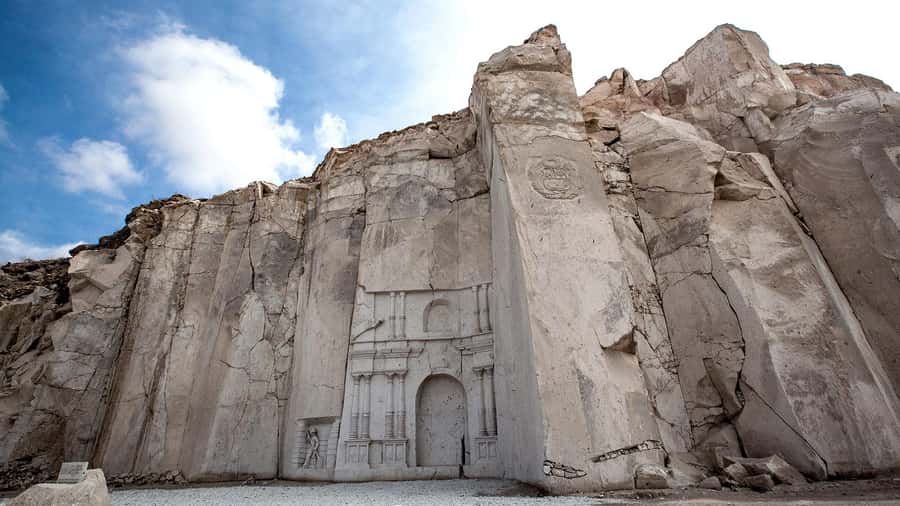
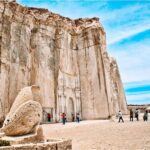
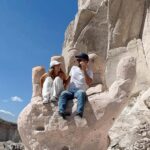
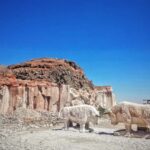
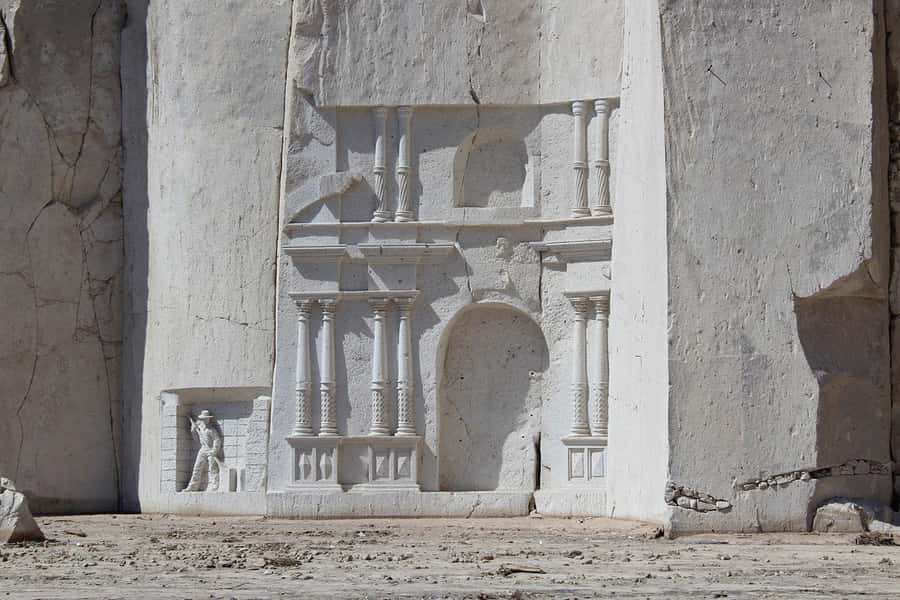
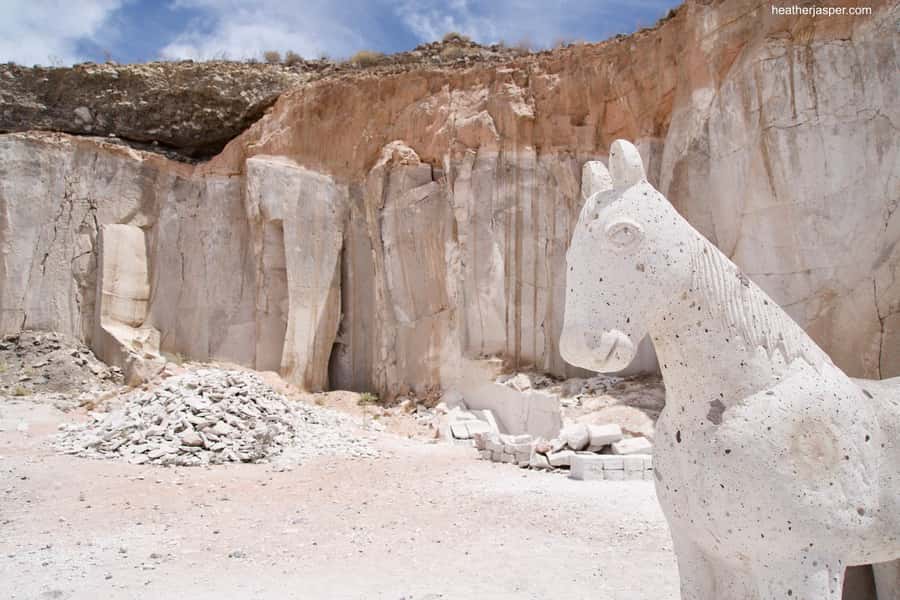
The highlight stop for many people is the working Añashuayco Quarry, reached about 45 minutes after leaving the viewpoint. This is not a museum display. You’re looking at an immense canyon-like space where ashlar (ashlar/stone blocks) is extracted, with ignimbrite cliffs formed by the long extraction process.
The experience is valuable in two ways:
First, you learn how the stone is used over time—how it’s shaped into the building blocks that made Arequipa’s historic look possible. The guide’s explanations give you a framework, so “white stone buildings” becomes something you can mentally reverse-engineer.
Second, you get visuals you can’t fake. You can see the quarry walls and the scale of the work, and you’ll also encounter a mega carving—a Church of the Society of Jesus carving created by stonemasons in the quarry. That detail helps you connect craftsmanship to landscape in a way that feels tangible.
A nice bonus is the possibility of interacting with a stonemason and watching the process of cutting stone blocks. Even if you only catch a few steps of how the work happens, you’ll walk away with a clearer sense of what “stonework” means in practice—not just as an aesthetic, but as labor and technique.
The short canyon walk in Culebrillas: where the hike actually shines
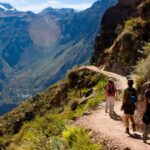
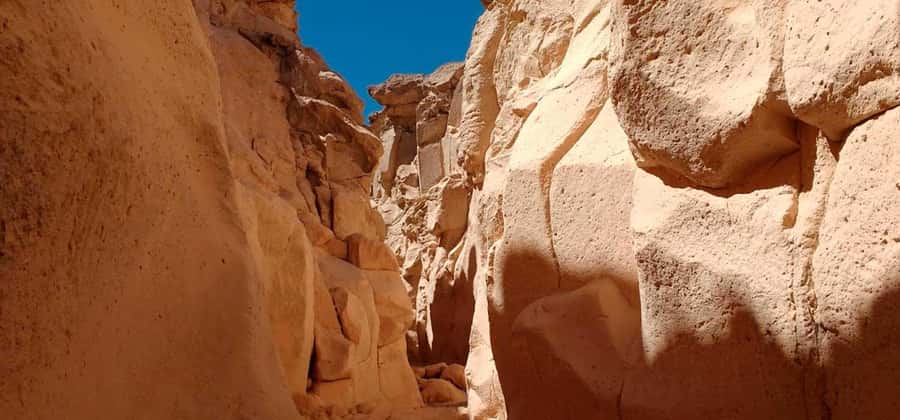
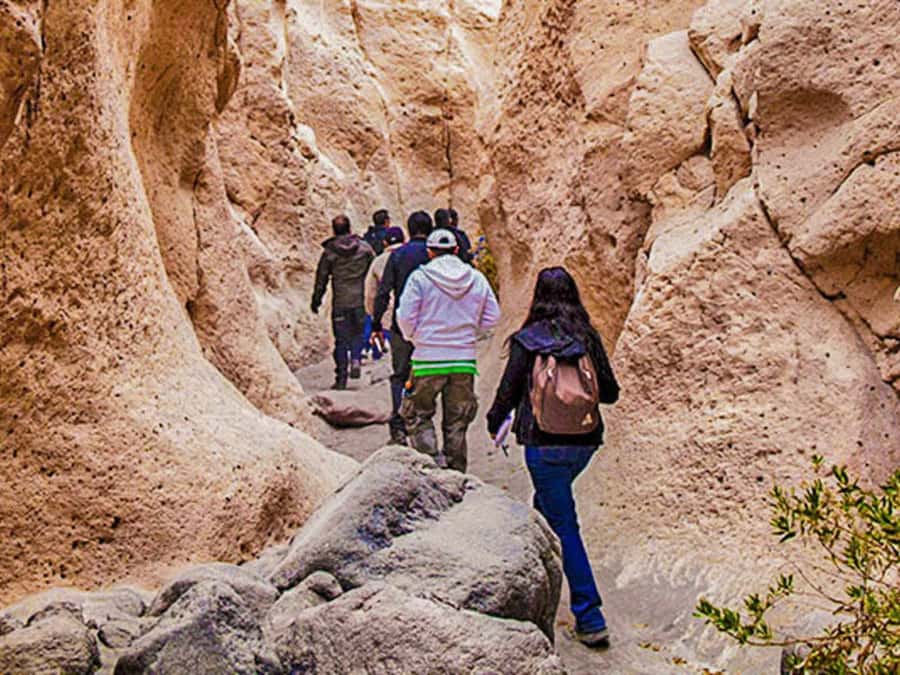
After the quarry, you head to Quebrada de Culebrillas. You arrive around 30 minutes after leaving Añashuayco, and then you walk through the interior of the canyon for roughly 20 minutes.
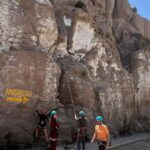
This is the part many people end up loving most, and it’s easy to see why. The canyon walls rise about 15–20 meters, and the route goes through a space formed by the passage of water. That means you’re not just walking for exercise. You’re walking through an engineered-feeling “cut” in the landscape, where rock texture and wall angles do the storytelling.
The archaeological note is what gives the walk an extra layer: you can observe petroglyphs made by the Wari culture more than a thousand years ago. That’s a strong pairing—natural formation plus human markings—on a route that stays short enough to keep your attention.
A practical tip: wear comfortable shoes with solid grip. The walk is brief, but you’re moving in a canyon environment where footing and surfaces matter. Also, expect a bit of crowding at peak times since this is a popular stop, and your pace will be guided by the group flow.
Apachetas before heading back to the city
Before you return to Arequipa, the itinerary includes Apachetas—those stacked stone formations placed one on top of the other. They’re tied to gratitude toward nature and are considered a good luck attraction, which adds a more spiritual, human moment to the day.
This stop usually works best if you slow down for ten seconds and actually look at how stones are stacked. It’s easy to treat it like a photo op, but the symbolism is the point. It reminds you that the landscape isn’t only geology and architecture—it’s also meaning passed through everyday routes.
Then you’re back on the road to the city, with a typical arrival near Plaza de Armas around 13:30. There’s also a 14:00 PM option for a later shift, which can help if you’re trying to line up with other plans in Arequipa.

Price and logistics: is $18 good value?
The listed price is $18 per person, and what you get for that is tourist transportation plus a professional guide. Entrance tickets are not included, and the sites list an entrance ticket cost of about 10 soles.
Here’s how I’d judge the value: you’re paying for guided context in multiple stops—viewpoint, working quarry, canyon walk, and a spiritual roadside marker. The quarry component alone is the kind of place where a guide’s explanation changes the experience from seeing a hole in the ground to understanding why it’s important.
The only real cost surprise to watch for is entrances. If you’re budgeting tightly, factor in that 10 soles so you’re not caught mid-day.
Language is the other “value variable.” Some bookings note that the guide may communicate more comfortably in Spanish than English. When you can catch explanations directly, the day feels smoother. When you can’t, you’ll still enjoy the visuals, but you may miss some of the stone and canyon meaning.
Who this tour suits best
This is a great match if you want a day in Arequipa that’s practical, scenic, and culture-linked without turning into a full hike.
You’ll probably enjoy it most if:
- You like geology you can see up close, not just read about
- You want a short hike with a clear payoff: Culebrillas Canyon
- You enjoy craft stories tied to place, especially stonemasons and sillar use
- You prefer a guided plan with stops that connect logically
It might not be the best fit if:
- You rely completely on English-led narration and want minimal risk
- You’re very sensitive to pickup timing issues
- You want a longer hiking experience (this one stays short)
A few smart ways to avoid headaches
Because the tour depends on smooth coordination, I’d handle logistics like this:
- Use the contact number you gave the operator correctly, with your country code, and keep WhatsApp available.
- Be ready to confirm your exact pickup spot if it seems unclear.
- If you speak any Spanish, even basic phrases help a lot. Some groups have experienced communication mismatch when guides shift languages.
Also, plan your day so you’re not rushing immediately after the tour ends. You’ll be back in the center area around 1:30 PM, which is ideal for lunch and then walking around the historic core at a relaxed pace.
Should you book this Ruta del Sillar + Culebrillas hiking tour?
I’d book it if you want a compact Arequipa experience with real “look closely” moments: the quarry scale, the sillar story, the canyon walk, and the Wari petroglyph stop. For $18, plus an expected entrance cost, the mix of stone craftsmanship and short canyon hiking is hard to beat—especially if you enjoy having a guide connect the dots.
I’d hesitate only if language control is your top priority and you can’t comfortably handle Spanish narration. If that’s you, consider choosing a time slot and language expectation carefully, and be ready with backup communication via WhatsApp.
Bottom line: if you’re the type who loves seeing how a place works—how stone becomes buildings, how water cuts canyons, how humans leave marks in rock—this day trip is worth your time.
FAQ
FAQ
How long is the Ruta del Sillar with Culebrillas hiking excursion?
It lasts about 270 minutes, or roughly 4.5 hours.
What’s included in the price?
The price includes tourist transportation and a professional guide.
Are entrance tickets included?
No. Entrance tickets to the sites are not included and cost about 10 soles.
What time does the tour start and where do you end?
A common start time is 9:15 AM, and you typically return to downtown Arequipa near Plaza de Armas around 1:30 PM.
Are there different departure times?
Yes, there is also an option for a 14:00 PM shift.
What languages are offered?
The live tour guide is available in Spanish and English.
What does the itinerary include?
You visit a strategic volcano viewpoint, the Añashuayco Quarry (including the quarry carving), the Culebrillas Canyon walk with petroglyphs, and then Apachetas before returning to the city.
What should I do before the pickup?
Make sure the contact number you enter includes your country code and that you have WhatsApp so you can be reached if the meeting details need confirmation.
Can I cancel if my plans change?
Yes, free cancellation is offered up to 24 hours in advance for a full refund.