REVIEW · CUSCO
Cusco: Private City Tour and Trip to Archeological Sites
Book on GetYourGuide →Operated by LimaTours · Bookable on GetYourGuide
Cusco makes sense fast on this private loop. I love the Coricancha-to-Cathedral contrast and the panoramic Sacsayhuaman payoff, and I also like how the guide ties the sites together into one story. The main catch: you’ll need to plan for the Cusco Tourist Ticket (BTC) for several hilltop stops, and the route includes uphill walking.
This is a tight, first-timer-friendly 4 hours with hotel pickup and drop-off from the Historic Center, plus a professional guide working in English, Spanish, and Portuguese. In the best case, you get your bearings fast, understand what you’re looking at, and don’t waste your morning figuring out how to connect ruins.
You’ll start at Santo Domingo Convent (built over the Inca Coricancha), then hit the Cathedral in the Main Square, and afterward ride up to major archaeological remains: Sacsayhuaman fortress, Qenqo’s temple and amphitheatre area tied to agricultural rituals, and Puka Pukara, the Red Fortress with dwellings, bathrooms, aqueducts, walls, and towers you can still make out. Bring comfy shoes and sunscreen, and keep your day light—no big luggage or pets.
In This Review
- Key things I’d focus on
- Entering Cusco’s Sacred Core: Santo Domingo Convent and the Main Square
- Coricancha to Cathedral: Understanding the Inca-to-Colonial Shift
- Sacsayhuaman: Fortress Ramparts and Panoramic Cusco Views
- Qenqo’s Temple and Amphitheatre: Agricultural Rituals in Stone
- Puka Pukara, the Red Fortress: Military Complex Clues You Can Still See
- The Cusco Tourist Ticket (BTC): Plan Ahead or Lose Time
- How the 4 Hours Works in Real Life: Private Pace, Hilltop Energy
- Price and Value at $101 Per Person: What’s Included, What You’ll Pay Extra
- What to Bring and How to Stay Comfortable on the Route
- Who This Tour Fits Best (and Who Should Skip It)
- Should You Book This Cusco Private City Tour and Archaeological Sites Trip?
- FAQ
- How long is the private Cusco city tour and archaeological sites trip?
- What’s included in the price?
- Do I need the Cusco Tourist Ticket (BTC)?
- Where does hotel pickup happen?
- What languages are available for the guide?
- Is the tour wheelchair accessible?
- Is there free cancellation?
Key things I’d focus on
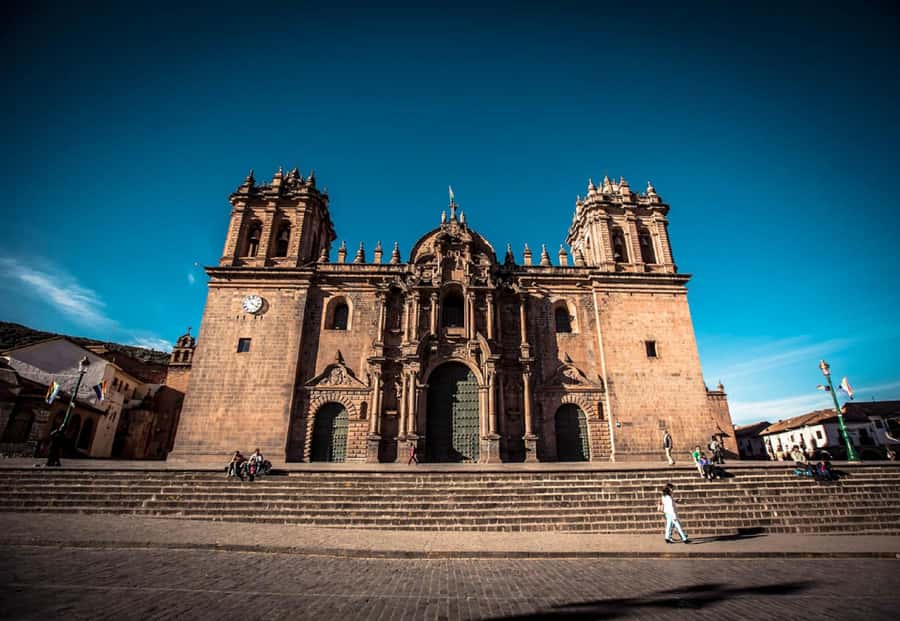
- Santo Domingo Convent on top of Coricancha: you see how Inca sacred space became Colonial-era religious space.
- Two big “wow” layers in the center of town: Coricancha access, then the Cathedral right in the Main Square.
- Sacsayhuaman’s ramparts + views: the hilltop setting is part of the experience, not just a photo stop.
- Qenqo’s ritual feel: temple and amphitheatre remains linked to agricultural rites.
- Puka Pukara’s details: squares, water features, and structures that still read as a working complex.
- Private-group pace: a guide who can answer your questions as you go, in the language you choose.
Entering Cusco’s Sacred Core: Santo Domingo Convent and the Main Square
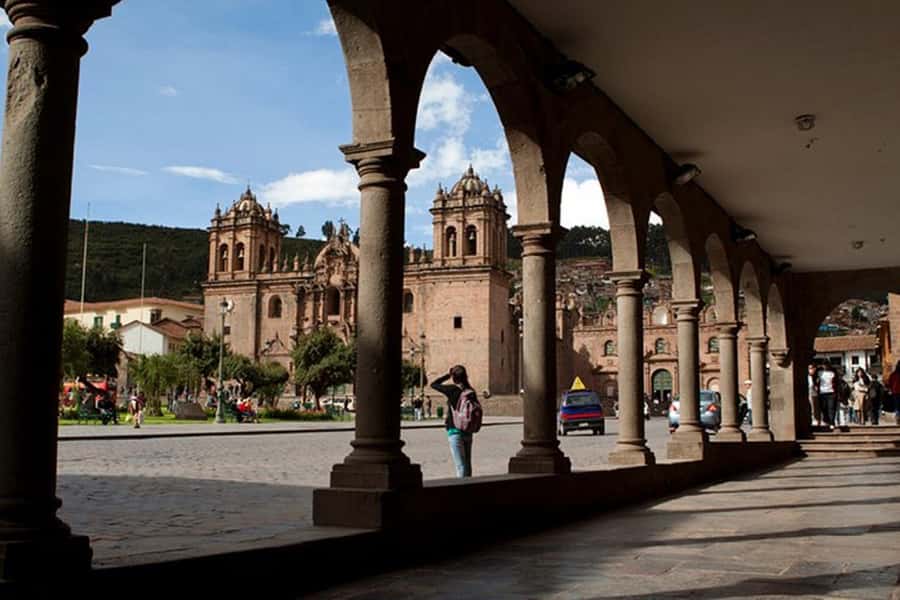
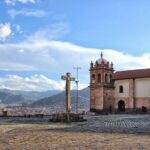
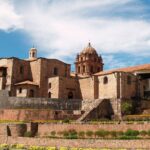
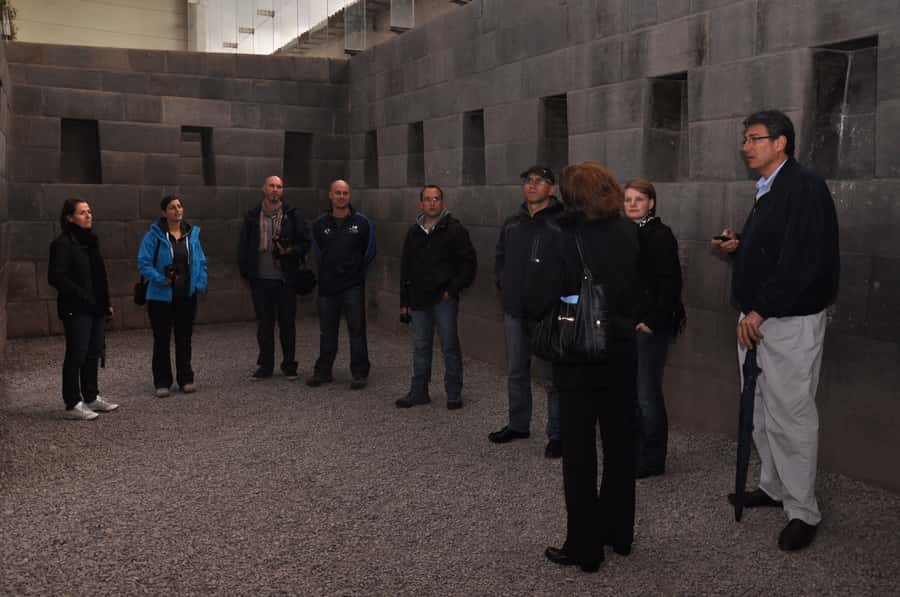
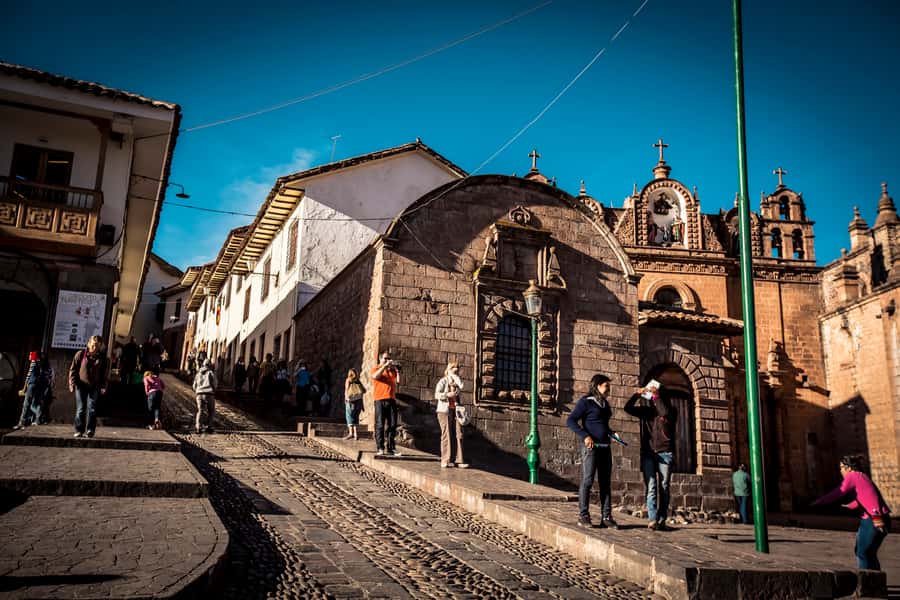
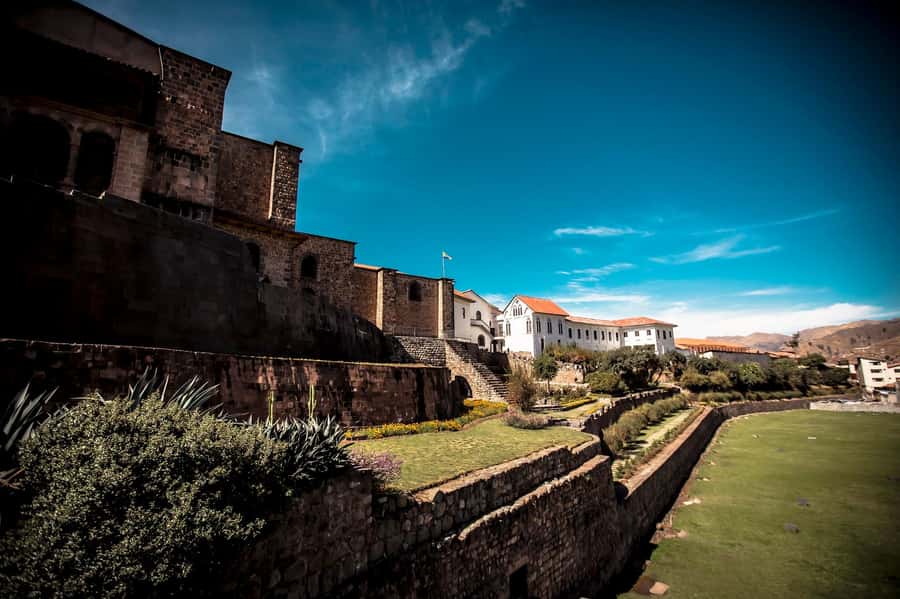
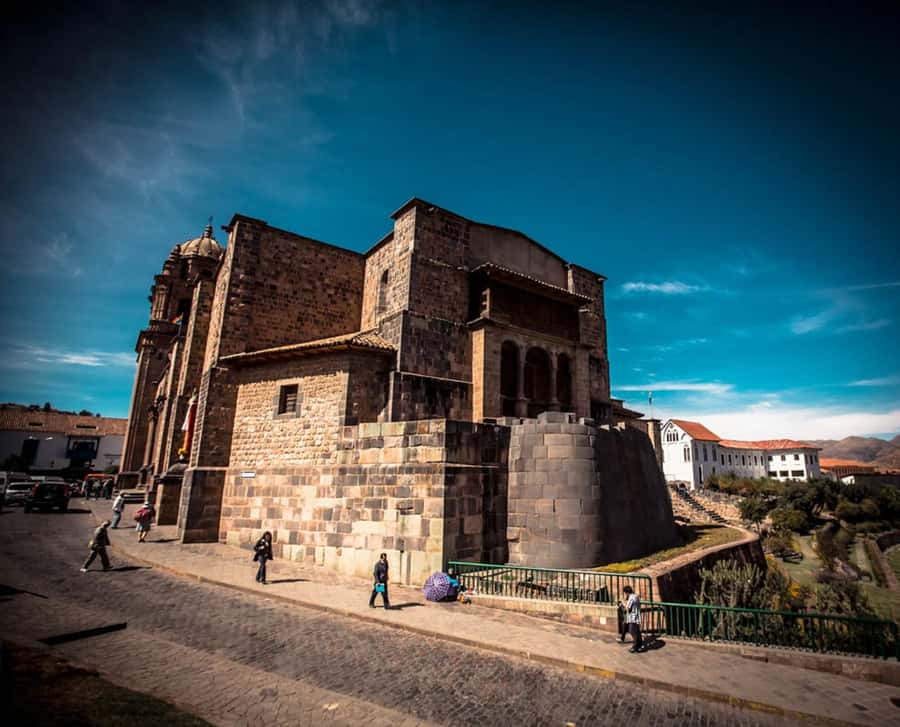
Most Cusco trips start with a headline site. This one starts with the concept behind several sites in town: layers. You begin at Santo Domingo Convent, a Renaissance-baroque complex built over the Inca Coricancha temple. That matters because you’re not just looking at ruins from far away—you’re standing where an Inca-era sacred place once sat, and you can still see prominent foundations at the base of the convent.
The Coricancha story is part awe, part practical. Ancient chronicles say the temple was covered in gold leaf and filled with golden representations of nature. Even if you never see gold in the walls today, your guide can help you read what’s still visible: where the foundations sit, what kinds of spaces the Inca would have considered important, and why the “sun temple” idea matters in understanding the site’s original purpose.
Then you move right into the Main Square with a stop at Cusco Cathedral, described as the most imposing monument in the plaza area. The Cathedral is the kind of place where your eyes want to jump upward to the architecture, but your guide will help you slow down. You’ll get context for what you’re seeing and how it fits into Cusco’s shift from Inca authority to Colonial dominance.
If you’re visiting for the first time, this opening is a fast way to get oriented. You learn how to interpret what looks like a mix of eras instead of treating it like random buildings scattered around town.
You can also read our reviews of more city tours in Cusco
Coricancha to Cathedral: Understanding the Inca-to-Colonial Shift
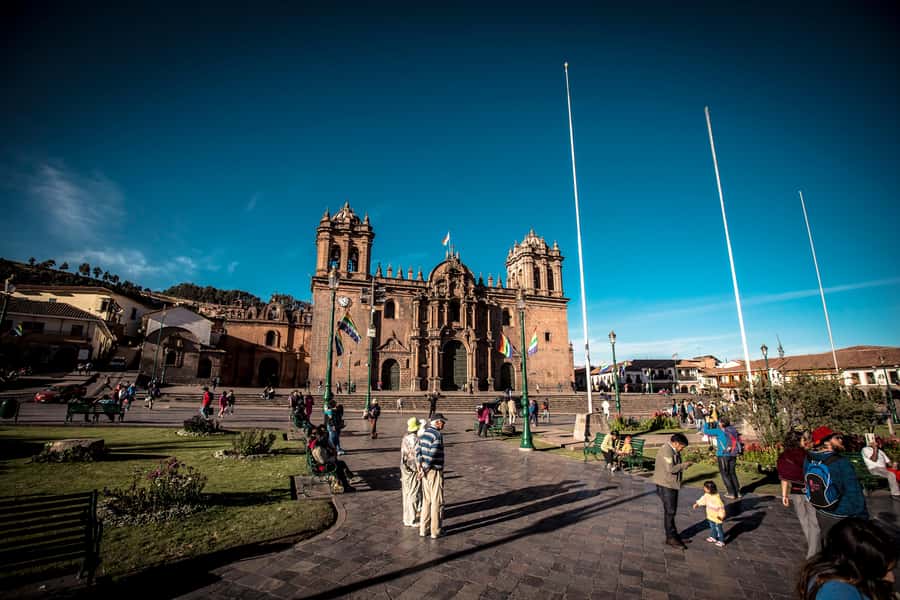
Here’s what I like about combining these stops back-to-back: you can compare the feel of sacred space in two different worlds without changing your location much. You go from an Inca sun-focused complex—where chronicles describe gold leaf and nature-themed golden imagery—to a Colonial-era monument dominating the Main Square.
This is not just “Incas used to be here.” It’s more specific. You’re learning that some Inca religious centers were intentionally built over or repurposed during later periods. Santo Domingo Convent sits directly on top of Coricancha, which means the experience is physical. Instead of imagining history, you’re walking on it.
This pairing is also a good entry point for your hilltop stops later. Once you understand that Cusco’s most important places were treated as meaningful in multiple eras, Sacsayhuaman, Qenqo, and Puka Pukara start to feel connected rather than like three separate excursions.
Practical note: admission to Coricancha and the Cusco Cathedral is included. That’s one less thing to manage mid-day, and it keeps you moving smoothly between the core sites in the center of Cusco.
Sacsayhuaman: Fortress Ramparts and Panoramic Cusco Views
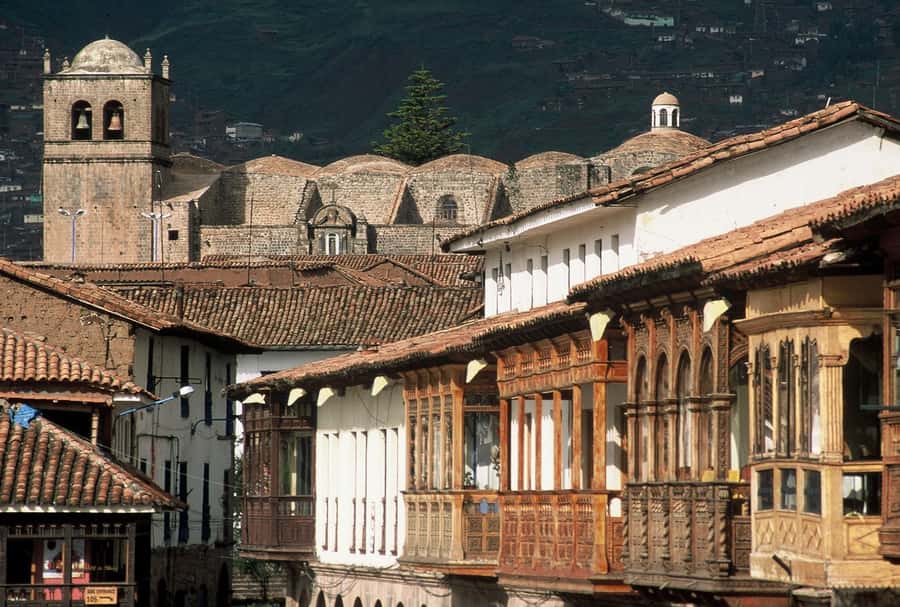
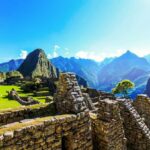
After the central stops, the tour heads uphill toward Sacsayhuaman, described as a mega fortress. You’re going for more than a wall-and-ruins photo. The ramparts offer stunning panoramic views of Cusco, and that viewpoint is basically the whole point.
Fortresses in the Andes were rarely only defensive structures. They were also statements—about control, planning, and how power sits in the geography. When you stand at Sacsayhuaman’s remains and look down over the city, it helps you understand why Cusco’s setting mattered. The guide can point out how the site’s placement relates to its function.
What to watch for during this portion:
- The ramparts and the way the fortification line wraps around the hilltop.
- The change in visibility as you move: the view opens as you gain height.
- The structure of the remains themselves, not just the skyline.
One drawback to consider: hilltop sites mean uneven ground and uphill movement. This tour may not be for you if you want a mostly flat walk. Also, wheelchair access isn’t suitable here, since the route involves stairs and uneven terrain at multiple archaeological locations.
Still, if you’re okay with a moderate climb, Sacsayhuaman is the moment when Cusco starts to feel big in your mind. It’s hard not to get that wow feeling when you can see both the city and the remnants of Inca military planning at once.
Qenqo’s Temple and Amphitheatre: Agricultural Rituals in Stone
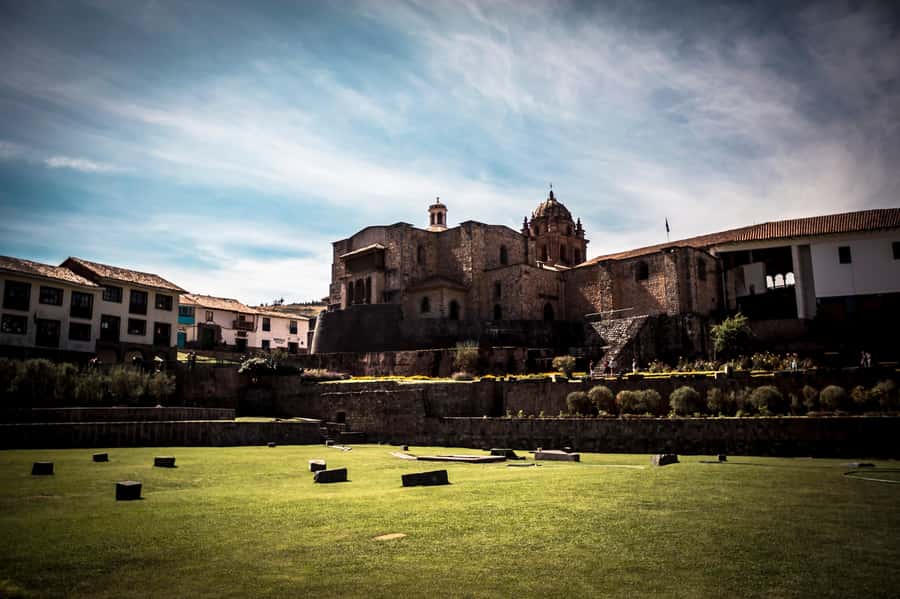
Next up is Qenqo, with remains of the temple and amphitheatre area. The description here is quietly specific: it’s believed the Incas practiced agricultural rituals there. That belief gives you a useful way to look at the site beyond “pretty ruins.”
Agriculture was life. So when you hear that Qenqo connects to ritual practice around farming, it reframes the architecture and open areas. You start looking for spatial clues—where people might gather, how the site’s layout could support ceremony, and why an amphitheatre-like area would matter.
In practical terms, this stop is a good balance after the big fortress. Sacsayhuaman feels massive and expansive. Qenqo feels more focused, like a particular place for particular activities. The guide can help you connect the setting to the idea of seasonal cycles and ritual timing, which is exactly the kind of context that makes ruins feel less random.
If you’re the type who likes to understand what people believed and why they built where they did, Qenqo is one of the best parts of the run. If you only want the biggest views, you might enjoy it less—but even then, the agricultural-ritual link gives the site a stronger storyline than a generic stop.
Puka Pukara, the Red Fortress: Military Complex Clues You Can Still See
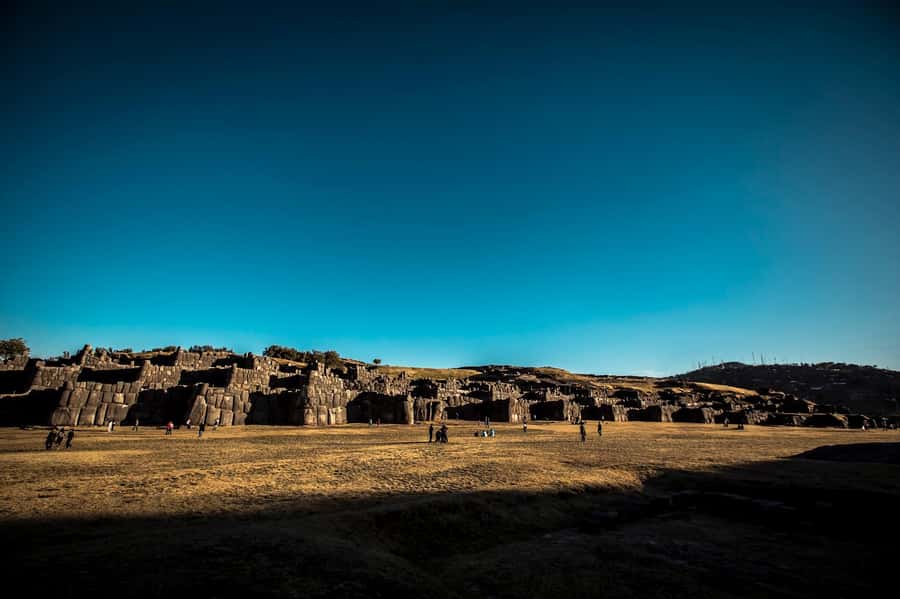
Puka Pukara, meaning Red Fortress in Quechua, is another prominent hill site and it’s described as an Inca military complex. This stop is great for visitors who like the engineering details of Inca life—because the description goes beyond “walls remain.”
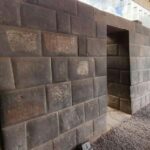
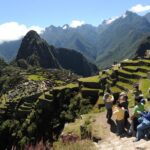
You can still appreciate dwellings, squares, bathrooms, aqueducts, walls, and towers. That’s a lot of functional detail for a ruin, and it’s exactly why this site often feels more tangible than places that leave you with only scattered stones.
Think about what those categories imply. A military complex needs space for people to live and work, but also water management and organized movement. Aqueducts and bathroom areas suggest planning for daily survival, not just defense. Squares can hint at where groups assembled or operated. Towers and walls speak to visibility and control.
My advice for getting the most out of Puka Pukara: slow down. This isn’t only a photo spot. Ask your guide to point out the types of structures and what they’d have been used for. When you do that, you’ll see the “complex” in your head rather than just the hilltop silhouette.
As with the other hilltop stops, comfortable shoes are a must. The terrain and footing matter here, especially if you’re also doing the fortress and Qenqo in the same 4-hour window.
You can also read our reviews of more private tours in Cusco
The Cusco Tourist Ticket (BTC): Plan Ahead or Lose Time
One of the most practical things to handle before you go is the Cusco Tourist Ticket, the BTC. Here’s the key information you should keep in mind:
- Admission to Coricancha and the Cusco Cathedral is included.
- To visit Sacsayhuaman, Qenqo, Puka Pukara, and Tambomachay, you need the Cusco Tourist Ticket (BTC).
That means your day has two parts: center-city sites that are covered, then hilltop ruins where you must have the BTC. If you arrive without it, you can lose time—or have to change your plan, which is the opposite of what you want on a tight 4-hour private tour.
Also, keep your expectations realistic about what a short tour can cover. You’re doing several major archaeological areas in one run. Having the BTC ready in advance helps keep everything smooth.
How the 4 Hours Works in Real Life: Private Pace, Hilltop Energy
This tour is listed as 4 hours, and that time includes pickup and drop-off. It’s also a private group, so you’re not dealing with the “everyone moves at different speeds” chaos that can happen on shared tours.
The trade-off is simple: because the schedule is compact, you won’t have unlimited time lounging at each site. Your best results come from focusing on key details. Let the guide do what they’re hired to do—interpret and explain—so you don’t spend your own energy constantly figuring out what you’re looking at.
Pickup is from hotels in the Cusco Historic Center, and you should arrive at your hotel lobby 15 minutes before the scheduled pickup time. That small buffer matters in Cusco, where timing can swing if you’re late or if the group is waiting on you.
One more practical detail: pets aren’t allowed, and luggage or large bags aren’t. Bring only what you need for a few hours outdoors.
Price and Value at $101 Per Person: What’s Included, What You’ll Pay Extra
At $101 per person for a 4-hour private tour, the value depends on one question: are you going to pay separately for guided entry and transport, or do you want one organized package?
Here’s what’s included:
- Hotel pickup and drop-off
- Professional tour guide in English, Spanish, and Portuguese
- Admission to Coricancha and the Cusco Cathedral
Not included:
- Cusco Tourist ticket (BTC)
- Food and drink
- Personal expenses
- Gratuity
When I look at this kind of setup, I see the value in three places. First, you’re paying for a guide to connect the story between Inca sacred sites and later monumental Colonial religious architecture. Second, you’re paying for transport convenience and timing control with pickup and drop-off. Third, admission inclusion for the center-city sites cuts down on what you have to manage on the spot.
The “extra” you should budget for is mostly the BTC and your own food/drinks. If you already planned to visit these ruins anyway, the package makes sense because it compresses the logistics into one short day with a private-group pace.
What to Bring and How to Stay Comfortable on the Route
This tour is mostly about archaeology and walking on uneven grounds. You’ll get the best experience if you show up prepared:
Bring:
- Comfortable shoes
- Sunscreen
- Comfortable clothes
Also plan for:
- You’ll be spending time outside at hilltop sites, where sun and wind can catch you fast.
- Your day is short, so you don’t want heavy layers or anything that slows you down.
Don’t bring:
- Pets
- Luggage or large bags
- Unaccompanied minors (children must be with an adult)
Who This Tour Fits Best (and Who Should Skip It)
This private tour is built for first-time Cusco visitors and anyone who wants a quick, high-impact orientation. The itinerary hits the major “story anchors” in town: Coricancha/Santo Domingo in the center, then fortress and ritual-oriented archaeological zones up on the hills.
It’s also a good match if:
- You care about understanding what you see, not just taking photos.
- You’d like a guide available in English, Spanish, or Portuguese.
- You prefer a private group pace rather than a shared tour schedule.
It’s not a great fit if:
- You need wheelchair accessibility (it’s listed as not suitable).
- You want a fully flat stroll with lots of rest stops, since the route includes uphill visits.
For families, children can join but must be accompanied by an adult. For solo travelers, it’s still private, so you get focused attention instead of being merged into strangers’ group decisions.
Should You Book This Cusco Private City Tour and Archaeological Sites Trip?
If your goal is to get oriented in Cusco fast and leave with a clear sense of how Inca sacred life, Colonial religious power, and later military/ritual sites fit together, this tour is an easy yes. The Coricancha-Santo Domingo start is a smart foundation, and the hilltop sequence gives you a strong mix of fortress views, ritual space, and a working military complex you can still read through remaining features.
I’d only hesitate if you don’t want to handle the BTC requirement for the hilltop stops. And be honest about your walking comfort—this is a compact day with multiple uphill archaeological locations.
Based on the strong overall rating and the repeated praise for punctual, attentive guidance and comfortable transportation, I’d book it when you have limited time in Cusco and want the day to feel organized rather than improvised.
FAQ
How long is the private Cusco city tour and archaeological sites trip?
It lasts 4 hours.
What’s included in the price?
Hotel pickup and drop-off, a professional tour guide (English, Spanish, Portuguese), and admission to Coricancha and the Cusco Cathedral.
Do I need the Cusco Tourist Ticket (BTC)?
Yes. You need the BTC to visit Sacsayhuaman, Qenqo, Puka Pukara, and Tambomachay. Admission to Coricancha and the Cathedral is included, but the BTC is still required for the other archaeological sites.
Where does hotel pickup happen?
Pickup is from hotels located in the Cusco Historic Center. You should arrive at the lobby 15 minutes before your scheduled pickup time.
What languages are available for the guide?
The guide is available in English, Spanish, and Portuguese.
Is the tour wheelchair accessible?
No, it is not suitable for wheelchair users.
Is there free cancellation?
Yes. You can cancel up to 24 hours in advance for a full refund, and there is also a reserve now & pay later option.