REVIEW · AREQUIPA
Private 3 Day Colca Canyon Trekking tour (superior Service)
Book on Viator →Operated by Peru Ultimate Expedition · Bookable on Viator
Three days in the Colca feel like freedom. This private trek mixes Andean nature with local culture, food, and a proper hike rhythm without the big-group chaos. You start before sunrise in Arequipa, descend into the canyon’s deepest moods, then climb back up for high-altitude volcano views and vicuña country.
What I love most is the guide-led pacing plus the way you learn while you walk. You’re not just moving from viewpoint to viewpoint: you stop for terraces in Yanque, watch for condors at Cruz del Condor, and get explanations about flora, fauna, and local life on both hike days. Second favorite: the food is built around local families and the canyon setting, with breakfasts, lunches, dinners, and even a chance to cool off in pools during the route.
One thing to consider: the schedule is early. Day 1 pickup starts around 3:15–3:30am, and Day 3 begins at 4:00am. If you hate mornings, or if altitude makes you cautious, plan carefully and stick close to your guide’s pace.
In This Review
- Key highlights you’ll feel on this Colca Canyon trek
- From Arequipa at 3:15am to Yanque: the start that sets the tone
- Yanque’s terraces and the Valley of Fire: where work becomes scenery
- Cruz del Condor at around 8:00am: the condor watch window
- The Pallca descent: the 1,200m drop and an afternoon to recover
- Day Two to Oasis Sangalle: hanging bridges, Apacheta, and the 1200–1500 BC amphitheater
- Oasis Sangalle afternoon: pool time, Colca sour, and slowing down
- The 4:00am climb to Cabanaconde’s viewpoint: early effort, big reward
- Chivay food and volcano viewpoint vibes: the cultural “breather”
- Abra Patapampa at 4,910m and the vicuñas finale near Arequipa
- Price and value: what $400 really covers for 3 days
- What you’ll be walking with: packing list that actually matters
- Who this trek is best for (and who should rethink it)
- Should you book this private 3-day Colca Canyon trek?
- FAQ
- What time is the pickup in Arequipa?
- How long are the hikes during the trek?
- Where do you sleep during the 3 days?
- What meals are included?
- Are tickets and entrance fees included?
- Do they provide medical support for altitude?
- Is there a mule option for the backpacks?
- Is this tour fully private?
Key highlights you’ll feel on this Colca Canyon trek
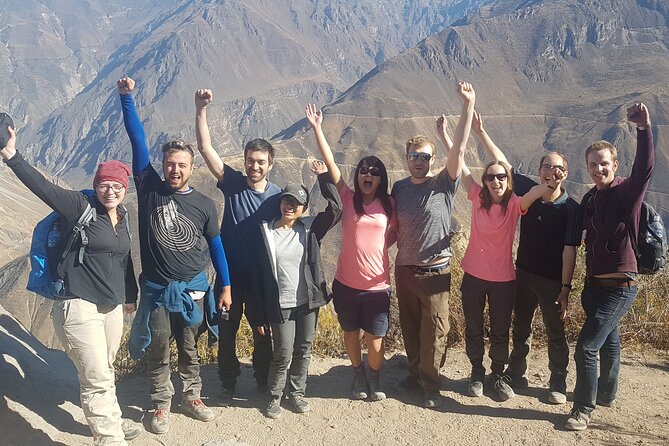
- Private group up to 8 hikers: shared transport only, everything else stays yours.
- Condors at Cruz del Condor: a dedicated window to watch their flight over the sanctuary viewpoint.
- A real canyon descent: about a 1,200-meter drop, with lunch at Pallca and recovery time afterward.
- Oasis Sangalle time for cooling off: including the natural pool and a free afternoon.
- The big Day 3 climb: sunrise push to the top with a mountaineer-style rhythm.
- High-altitude finale near Arequipa: Abra Patapampa at 4,910m, plus Salinas y Aguada Blanca for vicuñas.
From Arequipa at 3:15am to Yanque: the start that sets the tone
The day begins in Arequipa with hotel pickup between 3:15am and 3:30am. Your guide meets you, goes over biosecurity protocols, and walks you through the agenda. Then you’re pointed east toward the Colca Valley while the Andes are still waking up.
This early start matters more than it sounds. In the Andes, light and weather change fast. Getting moving before the sun buys you clear views and better timing for stops like Cruz del Condor later in the morning. It also helps you avoid spending your whole trip in traffic and waiting.
On the ride, your guide also shares local context like the toponymy of Arequipa, the Colca Valley, and the canyon itself. It’s the kind of detail that makes you look at a place like it has layers, not just a photo spot.
You can also read our reviews of more private tours in Arequipa
Yanque’s terraces and the Valley of Fire: where work becomes scenery
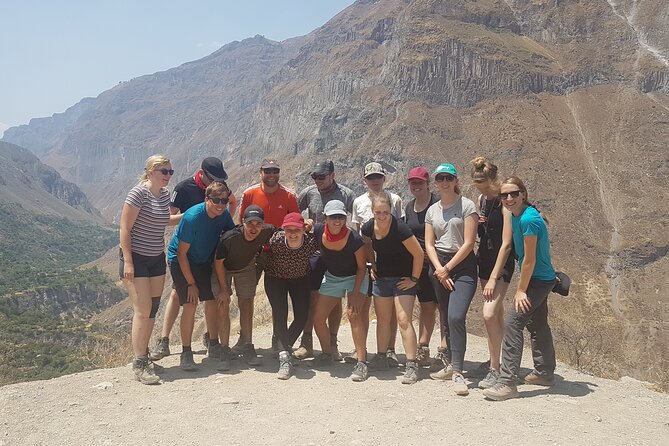
Once you reach the Colca Valley, the first meaningful stop is Yanque. Around 6:30am, you get a traditional breakfast prepared by a local family. This is one of those moments that doesn’t feel like a meal stop. It feels like you’re being accepted into the day, right at the start.
After breakfast, you head along the Valley of Fire (Colca). You’ll see pre-Inca terraces built over generations by different cultures, in different periods, all shaped by the same problem: farming in tough conditions. The guide explains how terraces helped make land usable and how locals adapted to natural adversity.
Two things to pay attention to here:
- The rhythm of the river. It runs through the valley and erodes walls and ground, so the landscape is literally active.
- The view line toward the Chila mountain range. On clear mornings, it helps you understand the scale of what you’re walking into.
If you’re the type who likes learning while moving, this portion is a win. If you want only rugged effort and nothing else, you’ll still appreciate the way the terraces explain why people live here at all.
Cruz del Condor at around 8:00am: the condor watch window
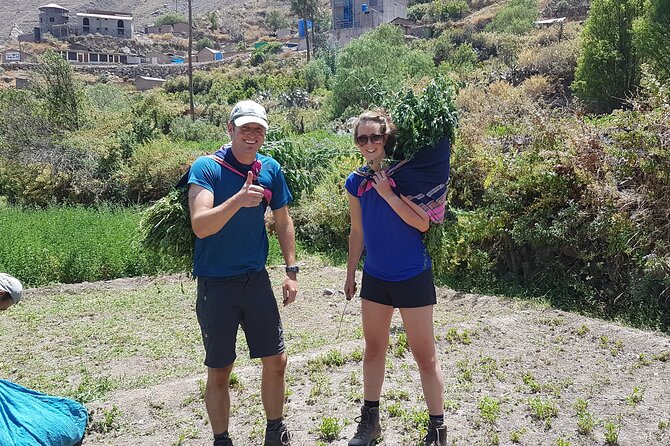
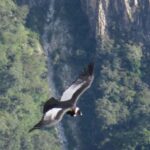
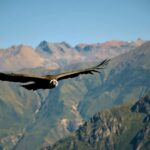
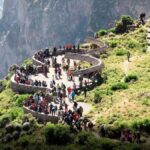
By about 8:00am, you arrive at Mirador Cruz del Condor, the main viewpoint for condors. The canyon is considered a sanctuary in local tradition, and the viewpoint is treated with respect in that cultural memory.
You’ll spend about 40 minutes here. That’s the right amount of time to actually look without feeling rushed. The key goal is to watch the Andean condor glide and circle. Your guide also frames the birds in the larger story: they’re venerated and considered divine by local cultures, and the species is in danger of extinction.
Practical tip: bring your eyes ready, not your phone glued down. Condors don’t perform on demand, but a steady watch from the right angle is the difference between a quick stop and a real moment.
The Pallca descent: the 1,200m drop and an afternoon to recover
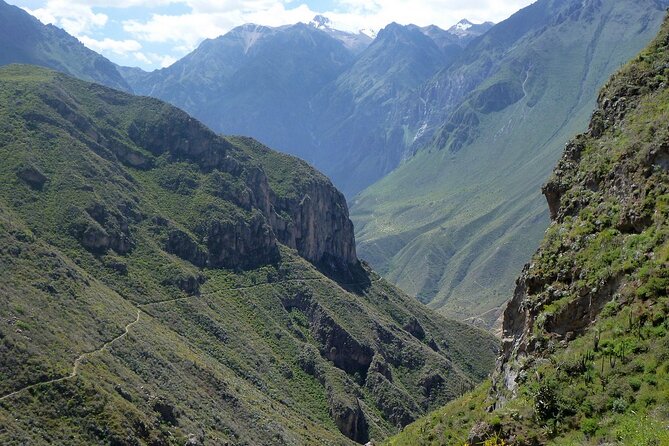
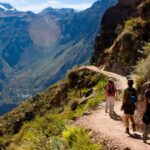
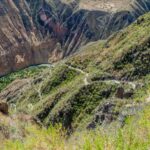
Once you’re prepared, the trek starts in earnest. Day 1 includes about a 5-hour walk with an approximately 1,200-meter drop. The trail winds down into one of the canyon’s deepest sections.
Along the way, you can record the scenery, but the smarter approach is to pause often. Your route includes moments to rest, snack on local fruits, and keep your body in a good rhythm as altitude changes your breathing.
You’ll eventually reach the Colca River area and a charming destination called Pallca, where lunch is served with products from the region. Then the afternoon opens up.
This is where the tour gets smart for people who don’t want to feel destroyed by day one. You can rest and relax, and there’s an option to explore the area. In past experiences, people have especially liked the cozy feel of the stay and the pool time to unwind.
A note for your own planning: the first big descent sets the tone for your legs. Wear your boots correctly and use your trekking sticks if you have them. Your knees will remember.
Day Two to Oasis Sangalle: hanging bridges, Apacheta, and the 1200–1500 BC amphitheater
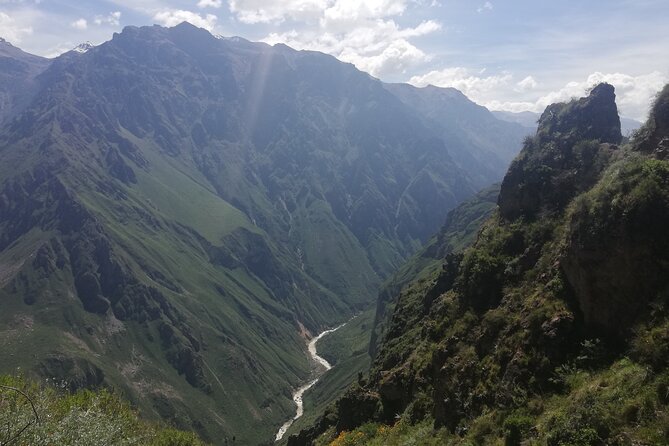
Day 2 is another long day: around 5 hours walking. Breakfast starts locally again, and the target is Sangalle and its oasis setting.
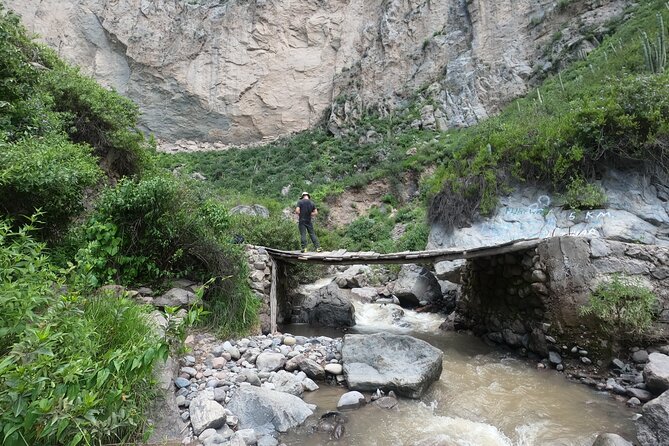
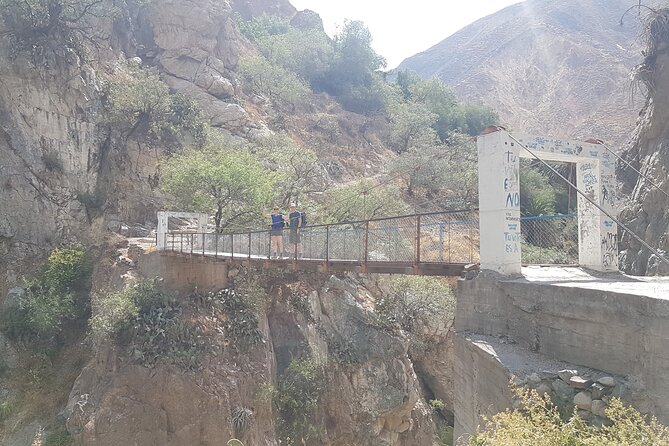
The first phase is an ascent toward Apacheta viewpoint, where you’ll spend about the first two hours climbing. You cross hanging bridges and pass small communities. This isn’t a drive-by. You see how much effort goes into moving water for agriculture, and your guide talks about the hard work behind that daily survival.
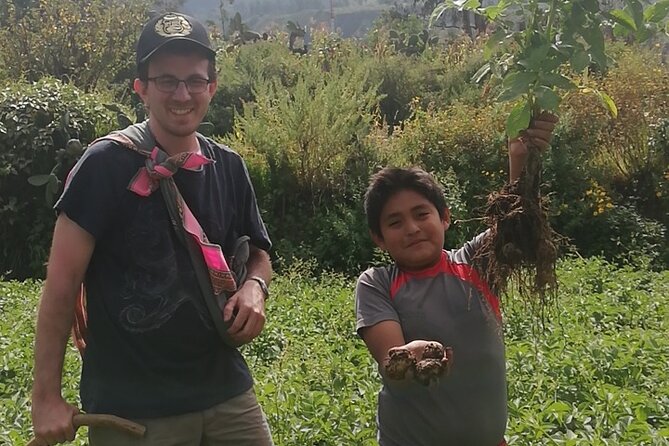
Your guide also explains the canyon’s flora and fauna and how the canyon’s shape influences what grows and where water flows. It’s one of the reasons people rave about guides like José (Pepe) and others—information comes through naturally while you’re still breathing hard.
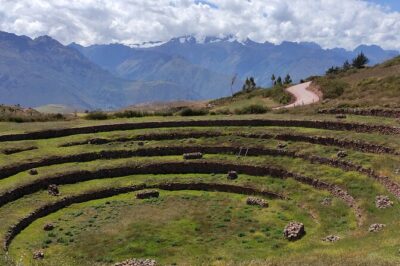
The second phase is a descent through an archaeological site known as the amphitheater, built for agriculture around 1200–1500 B.C. After a break to rest and rehydrate, you continue toward the canyon interior.
By about 1:00pm, you reach Oasis Sangalle at roughly 2,100 meters above sea level. The timing is good because it gives you more than just “arrive and sleep.” You can cool off.
You can also read our reviews of more hiking tours in Arequipa
Oasis Sangalle afternoon: pool time, Colca sour, and slowing down
At Oasis Sangalle, the schedule becomes more human. Right away, you can enjoy the natural pool and cool off. Then you eat lunch typical to the canyon. After that, the afternoon is free.
This free time matters because the trek isn’t only about effort. It’s also about letting your brain stop scanning every step. You can explore around the oasis, walk among fruit trees, or just relax and socialize. Some people even try a Colca sour during downtime.
Then, in the evening around 7:00pm, you have traditional dinner and an important briefing for the next day’s ascent. This is the moment to ask your questions about the climb pace and any concerns about altitude or fatigue. Guides like Jarley, Miguel, and Pepe have stood out in past trips for being friendly, attentive, and clear about what comes next.
The 4:00am climb to Cabanaconde’s viewpoint: early effort, big reward
Day 3 begins at 4:00am. The trek starts with about a 3-hour walk—around 5 kilometers—toward the canyon top. During the ascent, you follow a mountaineer’s rhythm: steady, patient, never sprinting yourself into breathlessness.
As the sunlight hits the canyon, the views shift constantly. You pause and watch your progress from new angles, then continue. About an hour after the first rest, you reach the top.
Then you go to Cabanaconde to rest. Breakfast time follows, and once you’re fueled, you switch from hiking mode to transport mode.
One reason this 3-day version is often preferred over faster itineraries: you get more time to notice the canyon instead of rushing through it. The whole point is to walk with less stress and more attention to what’s around you.
Chivay food and volcano viewpoint vibes: the cultural “breather”
After Cabanaconde, you board transport toward Chivay and arrive around 1:00pm. In Chivay, the tour shifts to taste. You get a chance to try traditional stews—specifically Arequipeña cuisine-style—so you understand why Peru is known for food.
After lunch, the route heads toward volcano viewpoints and the national reserve of the vicuñas. This part isn’t about hiking intensity; it’s about perspective. The canyon trek ends, and you start seeing the bigger high-Andes system again.
If you like food that reflects place and people instead of just a generic restaurant stop, this timing works well.
Abra Patapampa at 4,910m and the vicuñas finale near Arequipa
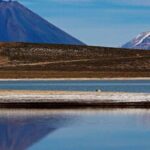
On the return to Arequipa, you reach Abra Patapampa, the highest viewpoint of the expedition at about 4,910 meters. You’ll get sweeping views of the central Andean volcanic range, including Misti, Chachani, Sabancaya, Walka Walka, and Ampato.
There’s also a historical thread here: Ampato is the high-altitude sanctuary where the Inca princess Juanita was sacrificed. It’s a reminder that this region isn’t only scenery—it’s also human history written into altitude and survival.
Then you finish at Salinas y Aguada Blanca National Reserve, focused on vicuñas. You get off the bus for photos and a chance to learn about their life and behavior. The instruction you’ll hear clearly is simple: respect the animals and the reserve, and keep your distance.
Finally, transport returns you to Arequipa around 5:00pm. After three days, that arrival feels earned rather than convenient.
Price and value: what $400 really covers for 3 days
At $400 per person, this trek looks affordable if you compare it to what you’d pay for a specialist guide, multiple meals, and two nights in local family lodging—especially with the altitude safety extras included.
What you’re getting that adds real value:
- A specialized hiking guide in English or Spanish
- 2 nights in family homes with private bath and hot water
- All tickets included, plus snacks for the hike
- Medical oxygen and a first aid kit for participants
- Meals: 3 breakfasts, 3 lunches, and 2 dinners
- An optional mule to carry group backpacks on the last day
You’re also not stuck with only a “canyon” experience. This itinerary folds in Yanque, condors, the oasis, Chivay food, Abra Patapampa views, and vicuña reserve time.
The price isn’t just paying for walking. It’s paying for the logistics that let you focus on the trek and not on problems.
What you’ll be walking with: packing list that actually matters
Bring a 40-liter backpack, hiking boots, and trekking sticks if you use them. Sunscreen, sunglasses, and a hat are non-negotiable. Nights and mornings can feel colder at altitude, so pack a jacket and poncho (especially if you’re traveling in rainy season).
Other items to include:
- Mosquito repellent
- Swimwear (for pool time)
- Flashlight and extra batteries
- Water and rehydrating supplies
- Extra money for any personal needs and emergencies
One small but smart note from past experiences: bring cash, since you may need it for water, entrance tickets, or emergency expenses. The tour covers many entries, but having some spare money keeps you calm.
Who this trek is best for (and who should rethink it)
This is ideal if you want a nature-and-culture Colca experience without the big-group noise. You’ll love it if you enjoy walking, want condors and oasis time, and appreciate learning from locals who know the canyon intimately.
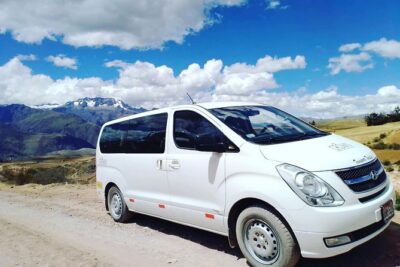
It’s also a good fit for couples, friends, and small groups who like the comfort of a private setup while still being in shared-transport reality. The group runs minimum 2 and maximum 8, and it stays private except for the mobility/transport.
If you have babies or very young children, it’s not recommended. If you only want easy sightseeing with no real climbs, this might feel like too much.
Your starting point should be moderate physical fitness. The route includes long walking days and an early ascent on Day 3.
Should you book this private 3-day Colca Canyon trek?
If you’re deciding between a rushed option and a slower, more thoughtful one, I’d lean toward this 3-day version. The best parts of the experience come from having time: enough to watch condors, enough to reach Oasis Sangalle and actually relax, and enough to climb without turning the whole trip into pain.
Book it if:
- you want private guiding and a small group
- you care about learning how people live in the Colca
- you want pool downtime after big walks
- you’re okay with early starts (3:15am and 4:00am)
Skip it if:
- you hate dawn departures
- you’re not comfortable with altitude changes and longer hikes
- you want zero physical effort beyond photos
FAQ
What time is the pickup in Arequipa?
Pickup starts between 3:15am and 3:30am on Day 1, from your hotel.
How long are the hikes during the trek?
Day 1 includes about a 5-hour walk. Day 2 includes about a 5-hour walk. Day 3 includes about a 3-hour ascent walk (around 5 km).
Where do you sleep during the 3 days?
You stay for 2 nights in family homes with a private bath and hot water.
What meals are included?
The tour includes 3 breakfasts, 3 lunches, and 2 dinners, plus a snack for the hikes.
Are tickets and entrance fees included?
Yes, all tickets are included.
Do they provide medical support for altitude?
Yes. The tour includes medical oxygen and a first aid kit for all participants.
Is there a mule option for the backpacks?
There is 1 optional mule to carry the backpacks of the group on the last day.
Is this tour fully private?
It’s private for your group. The only shared part is the tourist mobility/transport, and the group size is limited to 2–8 participants.