REVIEW · AREQUIPA
Sillar Route in Arequipa and viewpoint of the Volcanoes
Book on Viator →Operated by phaway viajes peru · Bookable on Viator
Pink stone and volcano clues in Arequipa.
This short tour connects what you see in the city—Arequipa’s famous volcanic sillar stone—to where it comes from in the quarries. I love the maximum 15-person group, which keeps things moving without feeling like a cattle call.
I also like the way the guide links the sites to the wider volcanic region while you’re traveling. On this route you’ll spot pink ashlar formations (including a shingles cannon) and get strong photo moments at the shingle-like canyon area.
One thing to plan for: expect bugs. Several people warned about many flies, especially when doors or windows were open during walks.
In This Review
- Key highlights to look for on the Sillar Route
- Sillar Route basics: what you’re really touring
- Getting there and the group vibe (max 15)
- Stop 1: Canteras de sillar Añashuayco and the pink shingles cannon
- Stop 2: Canteras de Sillar (Las quarries) in a protected area
- Stop 3: Ruta del Sillar, the shingle-road canyon, and petroglyph-style rock carvings
- Volcano context: what you’ll learn while you ride
- Guide quality: bilingual stories, and why it can vary
- What to pack: sunscreen, bug repellent, dust-proof layers, and shoes
- Price and value: is $11 worth it?
- Who should book this Sillar Route tour, and who might skip it
- Should you book the Sillar Route and volcano-viewing tour?
- FAQ
- How long is the Sillar Route tour in Arequipa?
- How big is the tour group?
- Are there morning and afternoon start times?
- What is included in the price?
- Is the entrance fee included?
- Where do I meet the tour?
- Where do I end the tour?
- Does the tour run in bad weather?
Key highlights to look for on the Sillar Route
- Small group (up to 15) keeps the pace friendly and the guide’s attention easier to get
- Round-trip transport from central Arequipa, with a drop-off near Plaza de Armas (vehicles can’t enter the plaza)
- Pink ashlar formations like the shingles cannon and the pink shingle-road canyon
- Protected quarry settings that show the origin of the stone used in older Arequipa buildings
- Short, focused stops (about 40–50 minutes each) that work well for families
- Bring bug repellent and good shoes because canyon walks can get dusty and buggy
Sillar Route basics: what you’re really touring
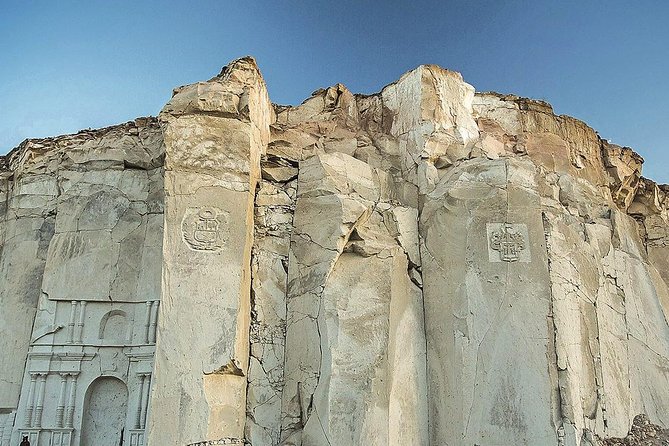
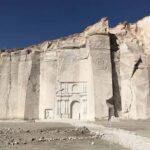
The Sillar Route is basically a geology and craft tour in one. Arequipa’s skyline is famous for buildings made from sillar—light volcanic stone that’s shaped, quarried, and carved into blocks and details. This trip lets you see the stone in its natural, volcanic “source,” then contrasts it with what later became architecture in town.
What makes it special is that you’re not just looking at finished products. You’re standing where the ashlar/sillar comes from, watching how it’s handled, and learning why this stone matters so much in Arequipa. It’s a compact tour, but it feels connected—from the quarry to the city center.
You can also read our reviews of more tours and experiences in Arequipa.
Getting there and the group vibe (max 15)
This is set up for comfort: tourist transport round-trip plus a professional guide. You’ll choose either a morning or afternoon start, and the timing is designed to fit into a half-day in Arequipa.
The group size is capped at 15 travelers, which matters. In smaller groups, you spend less time waiting and more time at the sites. It also helps when the guide is explaining details like how the stone forms and how workers carve it.
That said, pay attention to logistics on the ground. Pickup timing can feel off for some people, and a van can get packed. When you book, be ready to confirm the meeting point and keep an eye on messages so you don’t lose your spot. The start point is C. San Agustín 102, Arequipa 04000, and you’ll end a couple blocks from Plaza de Armas because vehicles don’t enter the plaza itself.
Stop 1: Canteras de sillar Añashuayco and the pink shingles cannon
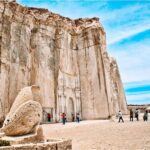
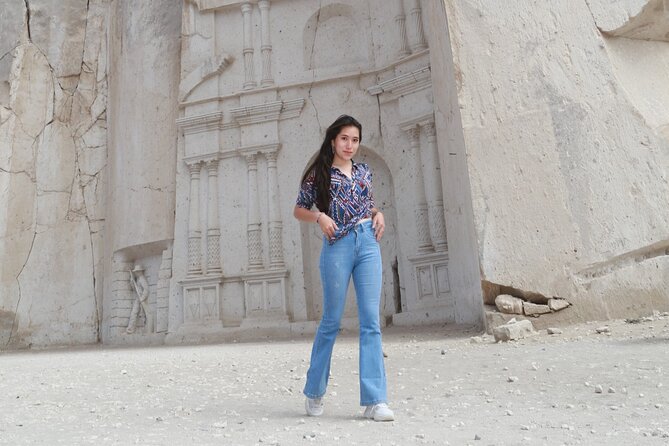
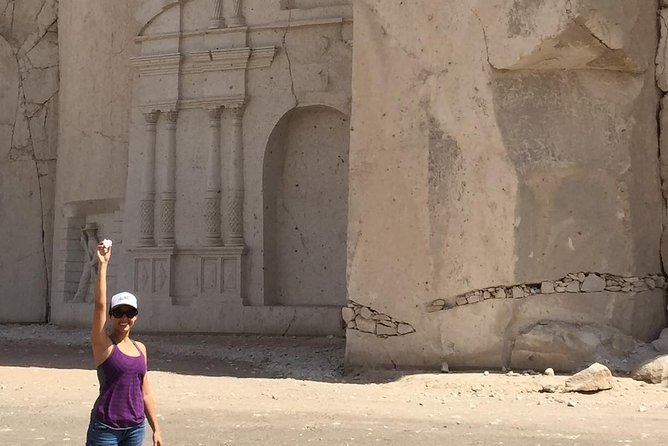
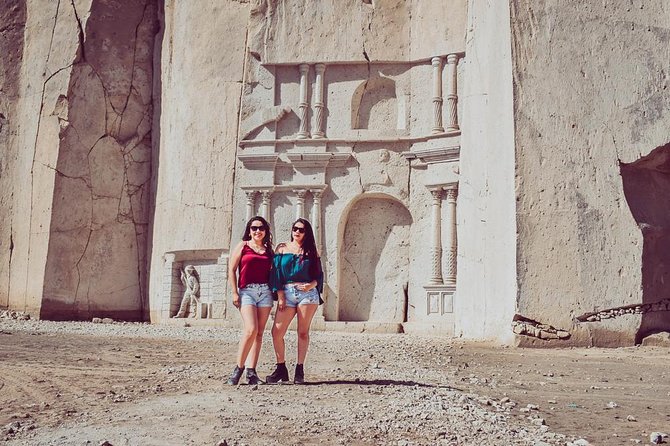
The first stop is the craft side of the story. At Canteras de sillar Añashuayco, you’ll see murals and the artisanal routine of workers shaping and carving ashlar. This is where the tour turns from geology into human work—hands-on cutting, shaping, and carving that grew into a local tradition.
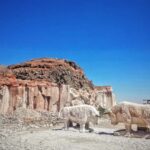
You’ll also hear about the shingles cannon, a small pink ashlar “cannon” that formed naturally. It’s one of those sights that’s hard to describe until you’re standing in front of it: volcanic stone with a very specific, almost sculptural shape.
Time here is about 50 minutes, and there’s an entrance cost noted for this stop (the overall tour lists an extra $3 entrance ticket not included). I’d plan to carry small cash or confirm payment options ahead of time, since some people were surprised by what they needed at the entrance.
Practical note: this stop can mean a bit of walking and standing around. Wear sunscreen and bring insect repellent if you’re sensitive to bites.
Stop 2: Canteras de Sillar (Las quarries) in a protected area
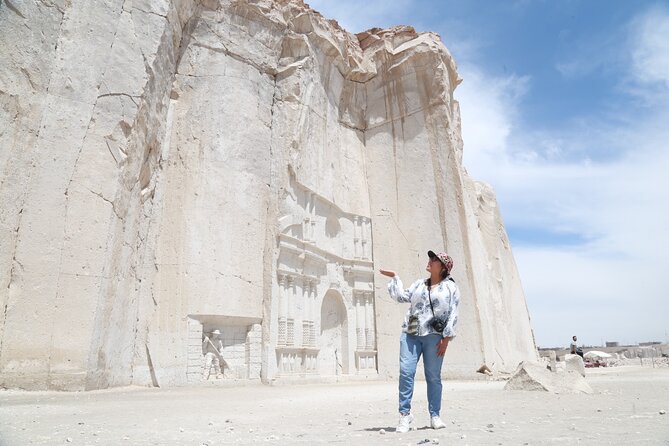
Next you move to Canteras de Sillar (Las quarries), described as a protected natural area. This is where the focus shifts even more toward the origin of the stone—the volcanic material that became Arequipa’s signature sillar.
You get about 40 minutes here, and the good news is that admission for this stop is listed as free. So you can concentrate on the views and the textures without constantly thinking about fees.
This is also a stop where dust can be part of the experience. Several people suggested a dust-friendly approach (like a mask) if you’re prone to irritation. If you don’t love dry, gritty air, a simple face mask and sunglasses can make the difference between “cool photos” and “why did I feel gross.”
Stop 3: Ruta del Sillar, the shingle-road canyon, and petroglyph-style rock carvings
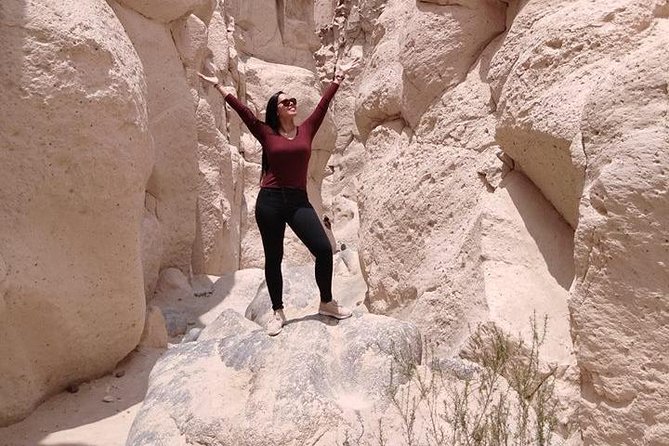
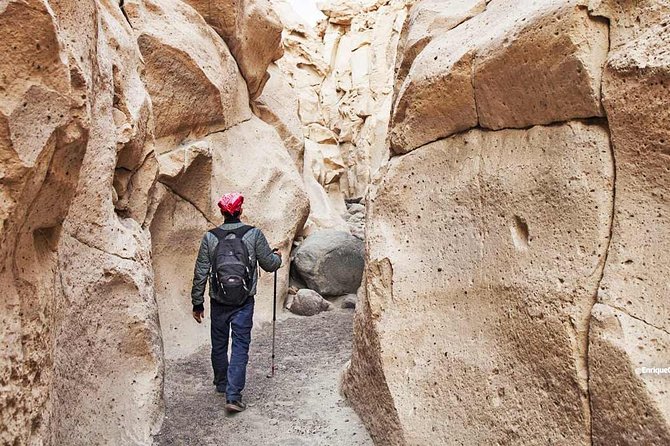
The third stop is the photo-and-feel finale. Ruta del Sillar helps you connect the dots between the quarry and the city center. You’ll see impressive stone carvings and the signature shingles road effect, which forms a small pink ashlar canyon—exactly the kind of scene that makes you think, so that’s where it all began.
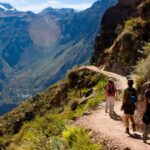
Expect a walk through this area and time to stop for photos. The route is described as virgin and protected, with no work allowed around the surroundings, which helps keep the area from feeling “industrial” in the moment. Several people highlighted the canyon walk as the top part of the tour, including a section with petroglyph-style rock carvings at the end of the walk. If you care about unique details in the rocks, this is the stop to savor slowly.
Time here is about 40 minutes, and this part is listed as free admission.
After the canyon, you’ll return toward central Arequipa and do the contrast that makes the whole day click. You get to look at the big ashlar constructions in town and think differently about them: not just architecture, but a reuse of volcanic material, shaped by local hands over time.

Volcano context: what you’ll learn while you ride
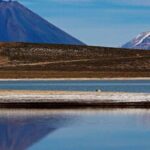
The tour title includes the volcano viewpoint angle, and the learning piece shows up along the way. You’ll spend time driving through the area with explanations about nearby volcanoes and how the volcanic region relates to the stone you’re seeing.
This part isn’t about a long hike to a summit. It’s more about putting the clues together: volcanic origin of the stone, local quarrying tradition, and why the region’s geology shows up everywhere in Arequipa’s buildings.
If you’re the type who likes “quick but meaningful context,” you’ll probably enjoy this. If you’re expecting a full-on volcano hike, you might find the time spent at the quarries is the main event.
Guide quality: bilingual stories, and why it can vary
A big strength here is the storytelling. People gave strong praise to guides such as Alonso, Betsey, Jose Jose, and Christina, especially for sharing histories and explanations in both English and Spanish. When your guide is on point, the day feels more than just “walk, look, leave.”
But here’s the reality to plan for: some runs can be multilingual, and if your group is mostly Spanish-speaking, your English time may be shorter. If you need clear English throughout, consider messaging ahead to confirm language support for your departure.
Also, watch the van behavior. One review mentioned windows being opened during a walk, which led to a van full of flies. Another person felt the van was hot when windows weren’t used the way they expected. You can’t control that part, but you can control your prep.
What to pack: sunscreen, bug repellent, dust-proof layers, and shoes
If I were packing for this tour, I’d focus on four things: sun, bugs, dust, and foot traction.
- Bug repellent: bring lots. Flies were a repeated complaint.
- Sunscreen: you’ll be outside for short walks and photo stops.
- Layers: conditions can shift. People mentioned wind and cold at times, plus heat when the sun is out.
- Good walking shoes: canyon ground can be uneven. Multiple people suggested footwear made for walking, not just city sandals.
If dust bugs you, add a mask. It’s not glamorous, but it’s practical. And if you’re careful about cash, keep the $3 entrance ticket in mind so you aren’t scrambling at the last second.
Price and value: is $11 worth it?
The headline price is $11 per person, with transport and a professional guide included. The only extra noted is the $3 entrance ticket for the first site.
For a 3–4 hour outing that mixes quarries, stone carving context, and a walk through the shingle-road/pink canyon area, this is strong value. You’re paying for logistics (round-trip transport and guide time) plus access to several stops, including at least one that has a paid entrance component.
The value can drop a bit if you’re expecting a long, deep exploration of one single site. This is a short route by design. Think of it as a well-paced highlight loop, not a full-day expedition.
Who should book this Sillar Route tour, and who might skip it
Book it if you want a short, smart way to understand Arequipa. This tour works well for families, people who like photos but don’t want a full-day grind, and anyone curious about how volcanic stone became the city’s signature look.
Skip or reconsider if:
- you need fluent English the entire time and can’t tolerate a multilingual dynamic
- you’re extremely sensitive to bugs and hate being outdoors without control
- you’re looking for a major volcano summit hike rather than a quarry-and-context half-day
Should you book the Sillar Route and volcano-viewing tour?
I’d book it if you’re spending more than a day in Arequipa and want one outing that connects the city’s buildings to the volcanic material behind them. The small group size and the combination of quarry stops plus the contrast back in town is exactly the kind of value I like.
Just go prepared. Bring repellent, sunscreen, and real walking shoes. If language is crucial for you, confirm English support before you go so you’re not stuck with a long day of partial understanding.
If you do that, this becomes an efficient Arequipa “wow” outing—pink stone, rock details, and a clearer picture of why the city looks the way it does.
FAQ
How long is the Sillar Route tour in Arequipa?
It runs about 3 to 4 hours total.
How big is the tour group?
The experience has a maximum of 15 travelers.
Are there morning and afternoon start times?
Yes, you can choose between a morning or afternoon start.
What is included in the price?
The tour includes touristic transport and a professional guide.
Is the entrance fee included?
Not all entrances are included. A $3 entrance ticket is listed as not included for the experience.
Where do I meet the tour?
The meeting point is C. San Agustín 102, Arequipa 04000, Peru.
Where do I end the tour?
You end at Templo de San Agustín in the area of C. Sucre, and it’s about two or three blocks from Plaza de Armas.
Does the tour run in bad weather?
The experience requires good weather. If it’s canceled due to poor weather, you’ll be offered a different date or a full refund.