REVIEW · IQUITOS
Iquitos: Amazon River Tribes Full-Day Tour with Lunch
Book on GetYourGuide →Operated by Canopy Tours Iquitos · Bookable on GetYourGuide
Amazon life starts at river level in Iquitos. This full-day tour strings together Nanay River cruising, tribe visits in malocas, and a day-long look at what people do for food, crafts, and daily survival in the Loreto region. I liked how the itinerary connects town sights to the waterways without turning into a rushed checklist.
I especially liked the chance to eat on the water at the floating restaurant, where you can expect local flavors including suri along with a mix of grilled options. I also came away appreciating the nature stops, like the jungle insectarium where you learn about frogs, tarantulas, and insects, plus a dolphin-watch moment when conditions line up.
One consideration: the stops for markets and cultural introductions are timed, and the tribe portions are intentionally brief. If you’re hoping for long, detailed community time, this tour gives you a first look more than an all-day cultural residency.
In This Review
- Key highlights at a glance
- Belén Market and the jungle pharmacy stop
- Tarapacá Boardwalk: a riverfront orientation in Iquitos
- Port of Bellavista Nanay: food, boarding, and what the day becomes
- Cruising the Nanay River and the Amazon confluence
- Momón River stories: when the cruise turns into guided meaning
- Bora and Kukama visits in malocas: brief introductions, respectful approach
- Jungle insectarium: learning animals you might actually meet again
- Museum of Native Weapons: cultural artifacts as context
- Lunch on a floating restaurant: suri, grills, and river calm
- Price and value: is $132 fair for an 8-hour day?
- What to bring, what to wear, and what to watch out for
- Who this tour fits best (and who should think twice)
- Should you book this Iquitos Amazon River Tribes tour?
- FAQ
- How long is the Iquitos Amazon River Tribes full-day tour?
- What does the tour include?
- What language is the live tour guide?
- Is dolphin spotting guaranteed?
- What should I bring for the tour?
- Are there any food or drink details I should know?
Key highlights at a glance
- Belén Market + jungle pharmacy: street energy plus an explanation of jungle remedies
- Tarapacá Boardwalk and Iquitos boulevard: a quick orientation to riverfront life
- Nanay and Amazon River confluence cruise: gray or pink dolphins are possible, depending on season
- Momón River stories: guide-led narration as you travel by water
- Bora and Kukama malocas: short dance and craft introductions inside ceremonial centers
- Insectarium + Museum of Native Weapons: mix of living creatures and cultural artifacts
Belén Market and the jungle pharmacy stop
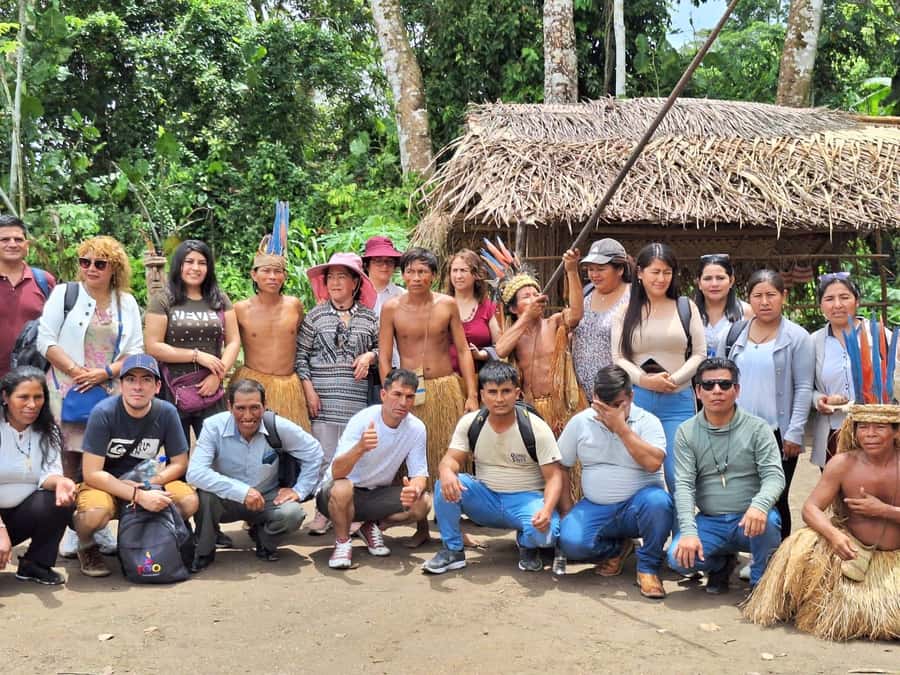
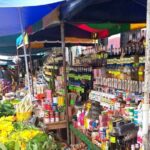
Your day starts with pickup from your hotel in Iquitos and a transfer toward the urban side of the experience. The first true taste of local life is the Belén Market visit, which is the kind of place where you can feel Iquitos moving. Expect a hands-on introduction to everyday goods and local rhythms rather than a polished tourist set-piece.
Next comes the jungle pharmacy. This is where the tour shifts from the market’s streets to the idea of plants and jungle uses. You’ll get an explanation from your guide and likely see how locals think about remedies and natural ingredients. This part can be educational, but it’s also the kind of stop where you should keep your mindset clear: you’re not just sightseeing—you’re being shown a practical system of knowledge that may come with sales-style pressure depending on the operator and how the guide runs the moment.
Practical tip: if you’re going to buy anything, decide before you arrive. I’ve found it’s easier to enjoy the explanations when you’re not mentally negotiating every minute.
You can also read our reviews of more tours and experiences in Iquitos.
Tarapacá Boardwalk: a riverfront orientation in Iquitos
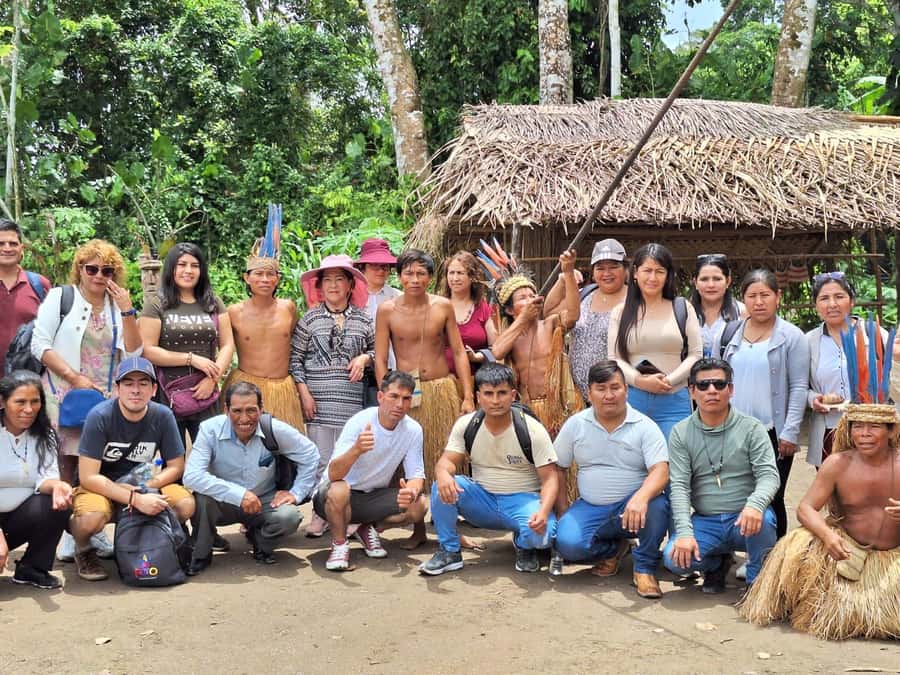
After the market and jungle pharmacy, the tour heads to the Tarapacá Boardwalk. This is one of those “get your bearings fast” segments: you see the lively heart of Iquitos and the famous boulevard, and you understand how much the city’s identity is tied to the river.
Why this stop matters: it helps you connect what you’re seeing later on the water. When you cruise the Nanay and Amazon, it’s not just scenery—it’s the same geography that shapes transport, food, and community life.
If you’re short on patience for city walking, keep this in perspective. It’s not the full city tour. It’s a short, useful orientation so the river portion lands with context.
Port of Bellavista Nanay: food, boarding, and what the day becomes
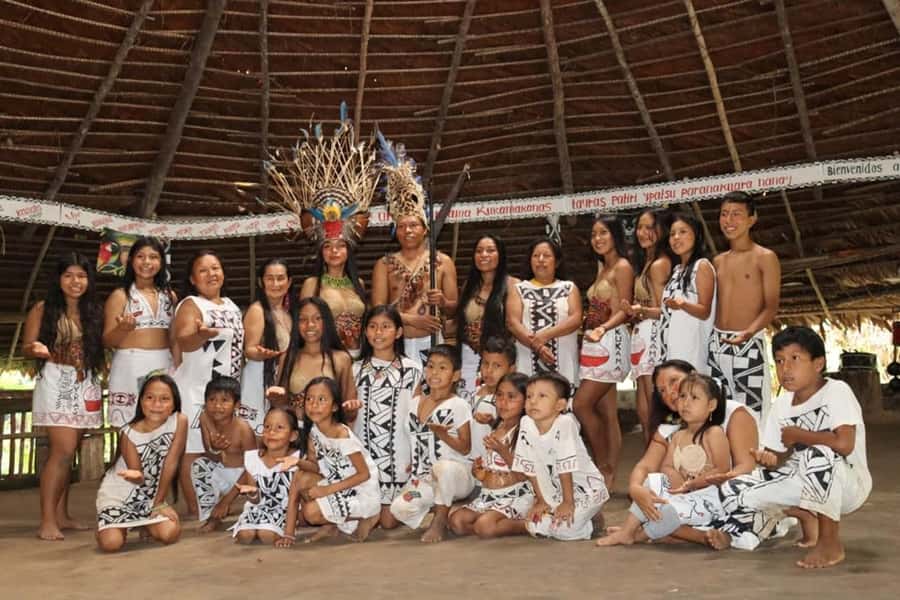
From Iquitos, you’ll reach the Port of Bellavista Nanay for the river transition. This is when the tour turns into a full water-focused day, starting with local cuisine experiences and getting you ready for the cruise schedule.
On the food side, expect local dishes built around Amazonian ingredients. The day’s big lunch is later at a floating restaurant, but you should still pay attention during this early phase because the tour highlights foods like suri and a range of exotic barbecues. Even if you’re not sure what you’re eating, the best approach is curiosity with a practical attitude: ask what’s in the dish, take a small portion first, and go from there.
On the logistics side, this is a good time to check your essentials: sunscreen, repellent, water, and your camera. River days in the Amazon basin can change quickly, and you won’t want to be digging for items once you’re already on the boat.
Cruising the Nanay River and the Amazon confluence
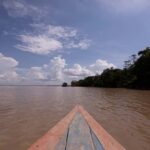
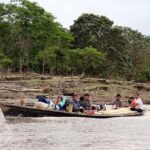
The most “wow” segment for many people is the cruise on the Nanay River and your observation of its confluence with the Amazon River. This is where your guide’s storytelling matters: you’re not just looking at water; you’re watching two river systems meet and understanding how that shapes wildlife and daily life.
Then there’s dolphin watching. You’ll look for gray or pink dolphins, and the tour is clear that the activity depends on seasonal factors. That honesty is important. In other words: treat dolphins like a possible bonus, not a guaranteed highlight.
What to do to improve your odds: stay patient and keep your eyes on the water surface when your guide signals. When the boat slows and scans, that’s your moment. If you’re the type who gets restless, plan for it. River wildlife sightings often take time.
One more note: the tour also keeps an eye on narrative as you travel. You’ll hear stories from your guide while you cruise the Amazon River, which makes the time feel less like sitting and more like listening to the place you’re passing through.
Momón River stories: when the cruise turns into guided meaning
After the main Nanay/Amazon movement, the itinerary enters the Momón River. This part is less about one huge set piece and more about how the guide connects the environment to people—what you’re seeing, why it matters, and how the river affects routine life.
This matters because the Amazon basin can look repetitive if you only treat it like scenery. Stories help you notice patterns: where the water looks different, how the banks change, and what the guide points out as meaningful.
If you enjoy tours where interpretation is a big part of the value, this section will feel worthwhile. If you only want animal sightings and photos, it may feel slower.
You can also read our reviews of more tours and experiences in Iquitos
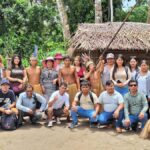
Bora and Kukama visits in malocas: brief introductions, respectful approach
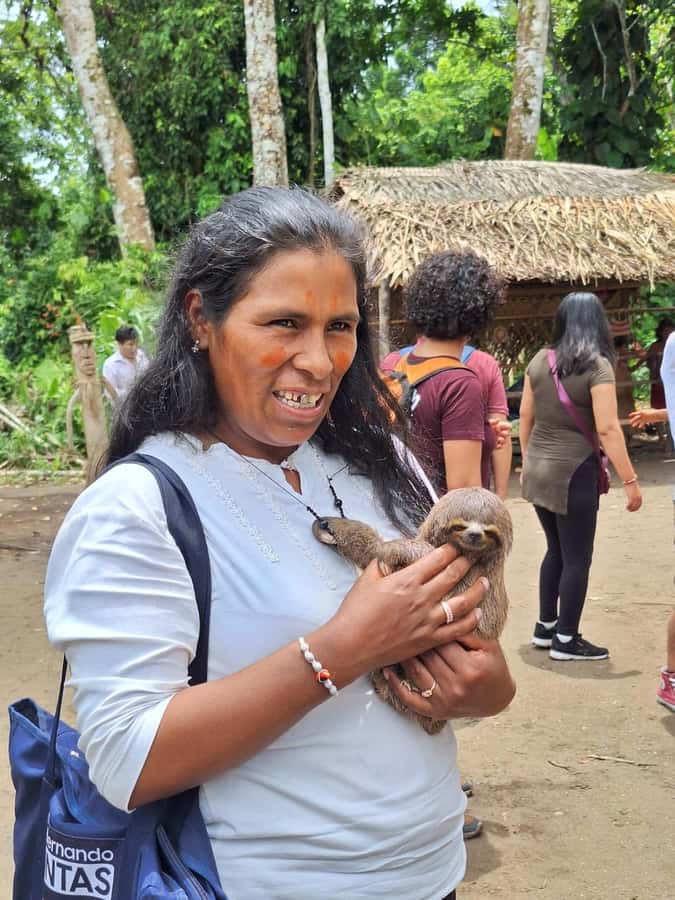
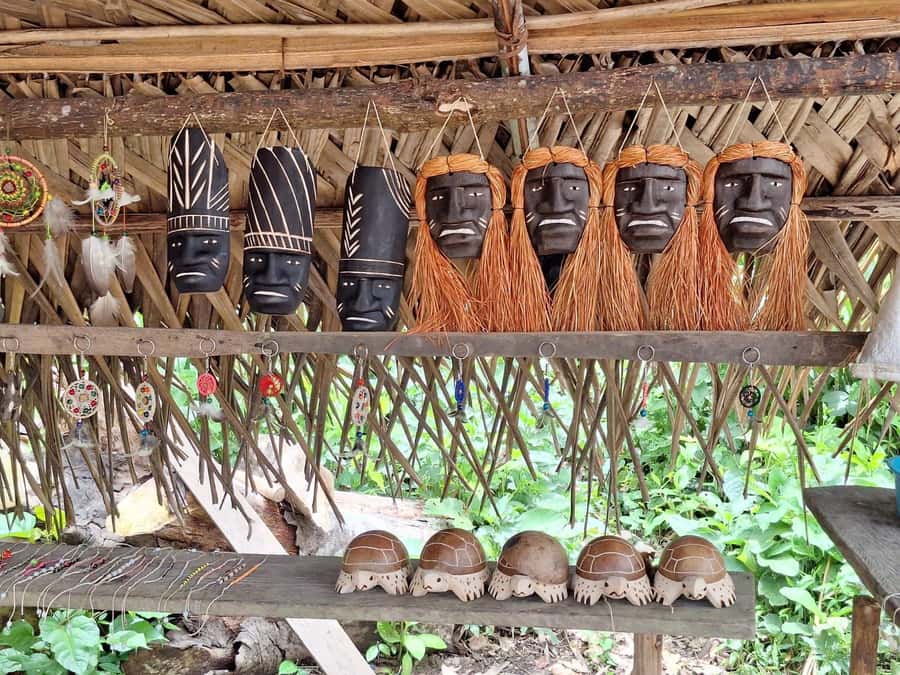
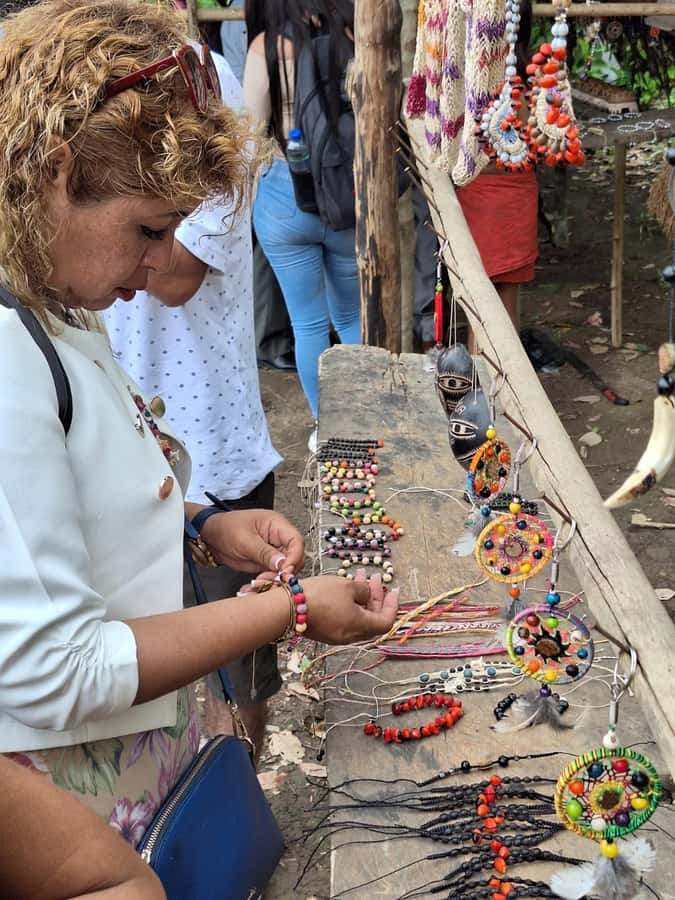
Next come the culture stops. You’ll visit the Bora tribe and participate in dances, with an introduction to crafts. After that, you’ll visit the Kukama tribe for their dances and crafts as well. The tour specifies that these community visits are brief and take place in malocas, ceremonial centers.
Here’s the honest take on value: this is an introduction, not a long cultural immersion. The tour is designed as a glimpse into tribal life, while making it clear that the communities’ daily reality is much broader than what you’ll see in a short time block.
I think that’s the right framing for most visitors. It lowers unrealistic expectations and helps you show respect. If you go in hoping for detailed cultural context over many hours, you’ll likely be disappointed. If you go in wanting an initial doorway—how dance and craft function, how people present tradition—it can be a meaningful experience.
Respect checklist you can follow immediately:
- keep a respectful distance when asked
- listen before you take photos
- remember that ceremonial spaces are not a theme park set
Jungle insectarium: learning animals you might actually meet again
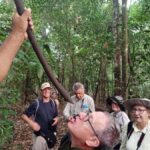
Later, the tour includes an insectarium visit. This is the kind of stop I love because it swaps vague “jungle vibes” for specific learning. You can learn about frogs, tarantulas, and insects—animals that are part of the Amazon system whether you spot them outdoors or not.
Why it’s good value in an itinerary like this: it fills in the gaps. A river cruise can give you big wildlife moments, but it doesn’t always guarantee you see the smaller life forms. An insectarium balances that, turning your day into more than boats and big scenery.
If insects make you nervous, you can still benefit. The best move is to go in with a neutral mindset and listen. You may not end up loving tarantulas, but you’ll likely understand them more than you did before.
Museum of Native Weapons: cultural artifacts as context
The tour also includes admission to a Museum of Native Weapons. Exact items aren’t listed, so I’d treat it as a stop that adds cultural context rather than a guaranteed catalog of specific artifacts.
In my view, this museum stop works best when you connect it to what you saw earlier—tribal crafts, dances in malocas, and the practical knowledge of living in the forest. Weapons in this setting often represent tool use, survival, and cultural identity, not just the idea of combat.
If you’re pressed for time or not into museums, you might skim this part mentally. But if you like understanding how daily life and tradition connect, it’s a useful anchor.
Lunch on a floating restaurant: suri, grills, and river calm
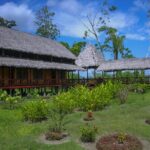
Lunch is served at a floating restaurant, which is one of the most distinctive parts of this day. If you picture a normal meal stop, this is different. You’re eating on the water while the Amazon rhythm continues around you.
The tour highlights local dishes, including suri and a variety of exotic barbecues. That means you should come prepared to try something new. Even if you end up sticking to safer items on the menu, the setting alone makes it feel like part of the experience, not a detour.
Practical approach:
- hydrate before lunch (you’ll sweat on a river day)
- take your time and don’t rush the meal
- keep your sunscreen on even during lunch breaks, because reflections off water can be intense
Also, note what isn’t included: drinks inside the restaurant aren’t specified as included. If you drink more than water, you’ll want to plan for that.
Price and value: is $132 fair for an 8-hour day?
At $132 per person for an 8-hour tour, this sits in the midrange for Iquitos day excursions that include transportation, guided narration, multiple stops, and lunch. The value comes from the full combo:
- river cruising on Nanay/Amazon and a Momón River segment
- short Bora and Kukama maloca visits with dances and crafts
- an insectarium stop
- a Museum of Native Weapons admission
- lunch at a floating restaurant
Where value can feel uneven is pacing and expectations. If you’re trying to get a deep, extended cultural exchange with the tribes, you may feel the community parts are too short. If you want more wildlife time outdoors, you might also wish the cruise were longer or more focused.
One more factor: your enjoyment of market and jungle pharmacy stops will heavily influence overall satisfaction. If you like learning about local plant uses and the market world, you’ll likely feel happy with your money. If you dislike sales-style interruptions, keep your budget and boundaries in mind from the start.
What to bring, what to wear, and what to watch out for
This is a practical, outdoor-heavy day, even though you’ll have seated boat time. The tour recommends:
- comfortable shoes
- hat
- camera
- sunscreen
- water
- insect repellent
Wear light clothing and plan on being on your feet at least some of the day. Also remember: you’re in river and jungle terrain, so steps and surfaces can be uneven at ports.
Not allowed: littering. It’s an easy rule, and it matters more here than on a city sidewalk.
Suitability note: the tour is listed as not suitable for pregnant women, people with back problems, people with mobility impairments, and wheelchair users. Plan accordingly.
Who this tour fits best (and who should think twice)
This tour is a good match if you:
- want a structured day that links Iquitos town life to Nanay/Amazon cruising
- enjoy cultural introductions where you learn through dance and crafts
- like a blend of nature stops and cultural stops, not just one theme
- can appreciate that dolphin sightings are seasonal possibilities
I’d think twice if you:
- need long, in-depth time with communities rather than brief introductions
- dislike any part of the day that can feel like a sales angle (market and jungle pharmacy are the key segments to watch)
- have mobility or back concerns that make boats and uneven port areas harder
Should you book this Iquitos Amazon River Tribes tour?
I’d book it if you want a full, guided day that mixes river scenery with real culture moments and practical learning. The strongest reasons are the cruise route (including the confluence) and the way the itinerary layers experiences: boardwalk orientation, maloca dance and crafts, insectarium wildlife education, and lunch on the water.
I wouldn’t book it if your top priority is guaranteed dolphin sightings, long community time, or a perfectly paced itinerary with zero purchase pressure. This tour is built as a sampler—meaning you’ll get a lot of highlights, but not a slow, deep immersion.
If you decide to go, do it with the right expectation: treat the tribes, insects, and museum stops as context for understanding the Amazon world—not as a one-day replacement for ongoing cultural exchange.
FAQ
How long is the Iquitos Amazon River Tribes full-day tour?
It lasts 8 hours.
What does the tour include?
It includes visits to the Kukama, Bora, and Yagua tribes, a à la carte lunch at a floating restaurant, admission to the Museum of Native Weapons, a live tour guide, and river and land transportation.
What language is the live tour guide?
The guide is available in English and Spanish.
Is dolphin spotting guaranteed?
No. You’ll watch for gray or pink dolphins, but the activity depends on seasonal factors.
What should I bring for the tour?
Bring comfortable shoes, a hat, a camera, sunscreen, water, and insect repellent.
Are there any food or drink details I should know?
Lunch is included at the floating restaurant. Drinks inside the restaurant are not included (service not specified).