REVIEW · CUSCO
Cusco: Half-Day City and Nearby Archaeological Sites Tour
Book on GetYourGuide →Operated by LimaTours · Bookable on GetYourGuide
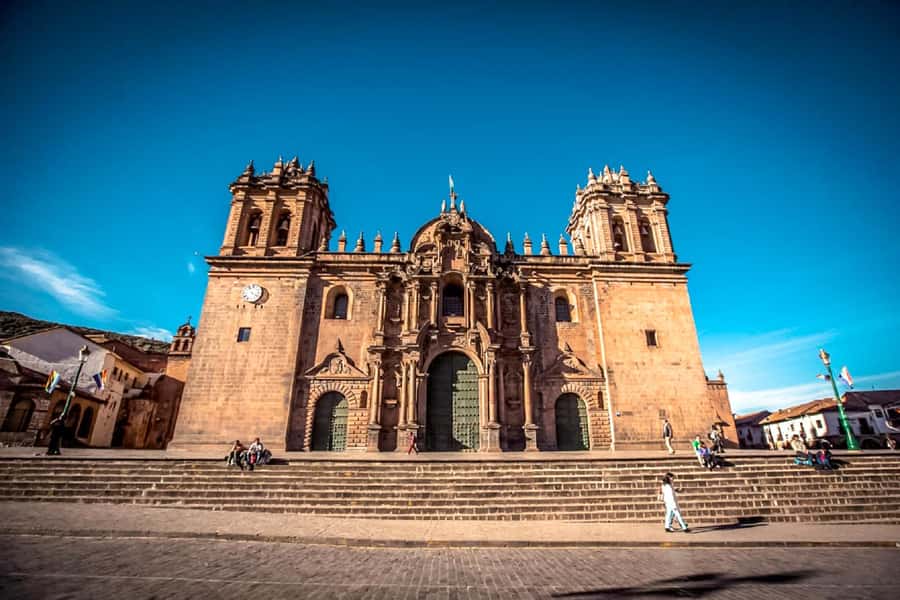
Cusco’s Inca sites, in one tight route. This half-day tour is a practical way to get oriented fast, starting with Coricancha (the Temple of the Sun) and ending with the dramatic stonework and ritual spaces around Cusco. I especially like how you see the Inca story laid out in layers: Inca architecture first, then Spanish reuse at the Santo Domingo Convent and Cathedral area.
The one thing to plan for is the Cusco Tourist Ticket (BTC). To visit the four archaeological sites on this route, you’ll need that ticket, so grab it before the tour day to avoid time-wasting delays.
In This Review
- Key highlights worth your attention
- Why this half-day route works in Cusco
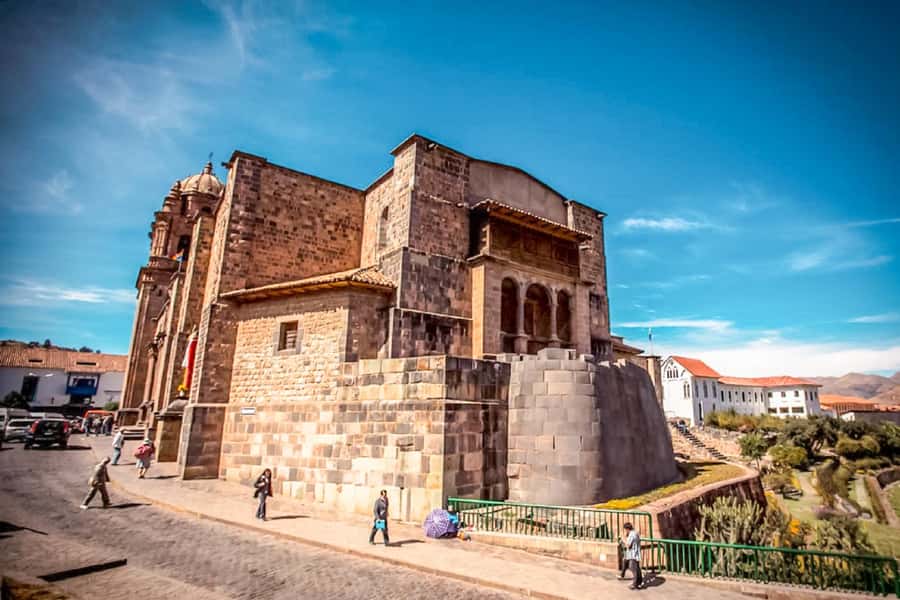
- Starting at Coricancha: the Temple of the Sun and its Spanish afterlife
- The Cathedral in Cusco’s Main Square: a monument to the new era
- Sacsayhuaman: huge stones, fortress power, and Inti Raymi ties
- Quenqo: a religious complex carved into stone
- Puka Pucara (Red Fortress): military-style spaces and water systems
- Your guide’s clarity is the real value (and it shows)
- Price and what you actually get for about $49
- Pickup realities in Cusco’s Historic Center
- What to bring: shoes, sun, and a not-too-stuffed daypack
- Who this tour suits best
- Should you book this Cusco half-day tour?
- FAQ
- How long is the Cusco half-day city and archaeological sites tour?
- Does the tour include pickup and drop-off?
- What if I’m staying in an Airbnb?
- Which sites are included on the route?
- Are admissions included?
- Do I need the Cusco Tourist Ticket (BTC)?
- What languages are available for the guide?
- Is food or drinks included?
- Is the tour wheelchair accessible?
- What’s the cancellation policy?
Key highlights worth your attention
- Coricancha’s Inca-to-Spanish transformation: Sun Temple to Santo Domingo Convent
- Sacsayhuaman’s massive stone fortress: 15th-century engineering with an unanswered transport story
- Inti Raymi reenactment context: June 24 ceremonies tied to Sacsayhuaman’s role
- Quenqo’s religious rock complex: a look at sacred design, not just ruins
- Puka Pucara (Red Fortress): plazas, baths, aqueducts, walls, and towers in one stop
- Professional guide with multiple language options: English, Spanish, Portuguese, French
Why this half-day route works in Cusco
This tour is built for travelers who want a strong overview without spending your whole day on transport. In just 5 hours, you’ll move through Cusco’s key “why it matters” sites—both the Inca religious center and the fortress/ceremonial areas on the hills. For your first visit to Cusco, that’s a big deal. You’ll leave with names you can actually place when you read, plan, or explore on your own.
At the same time, 5 hours isn’t a “sit back and cruise” pace. You’ll be doing uphill walking and moving between sites, so comfortable shoes are not optional. If you’re just getting your altitude legs, take the pace your guide sets and plan on slower steps up the hill.
You can also read our reviews of more city tours in Cusco
Starting at Coricancha: the Temple of the Sun and its Spanish afterlife
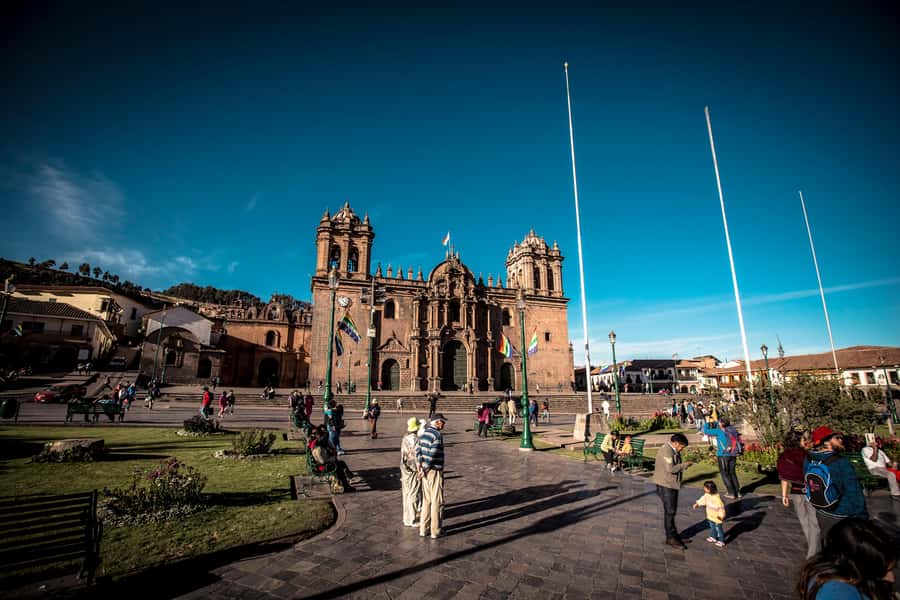
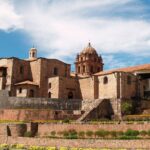
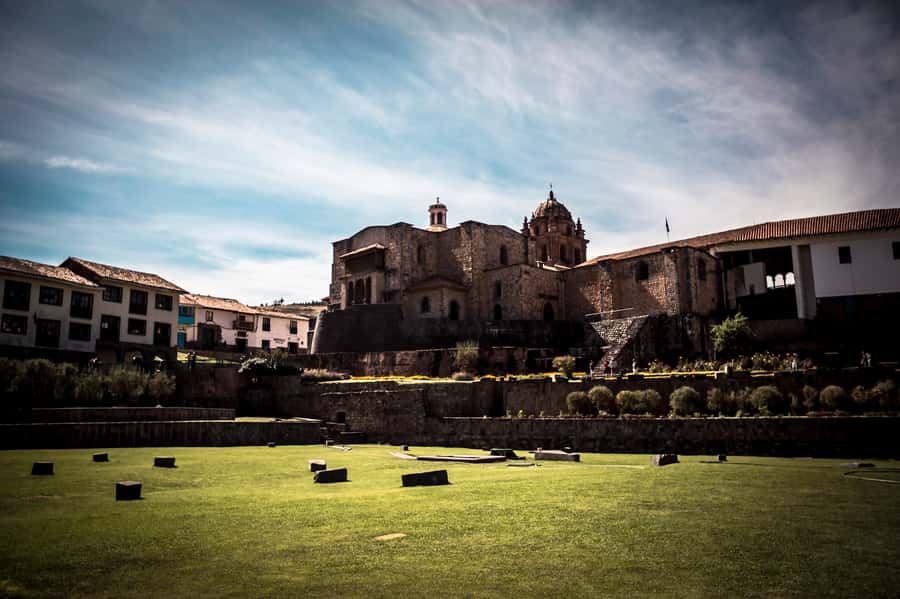
You begin at Coricancha, also known as the Temple of the Sun. It was built by the Inca ruler Pachacutec, and it’s the kind of site that instantly explains why Cusco mattered: this wasn’t a random collection of ruins—it was a major religious center.
Here’s the part I think you’ll find most eye-opening. After the Spanish arrived, Coricancha became the basis for building the Santo Domingo Convent. So as you look around, you’re seeing architectural “layers” rather than a single frozen moment. It’s a reminder that conquest didn’t only change politics—it changed buildings too.
The Coricancha admission is included, which is one less line to think about on the day. Still, if you want to get the most out of it, don’t treat it like a quick photo stop. Ask your guide to point out what remains and what was reused. That context is where the value lives.
The Cathedral in Cusco’s Main Square: a monument to the new era
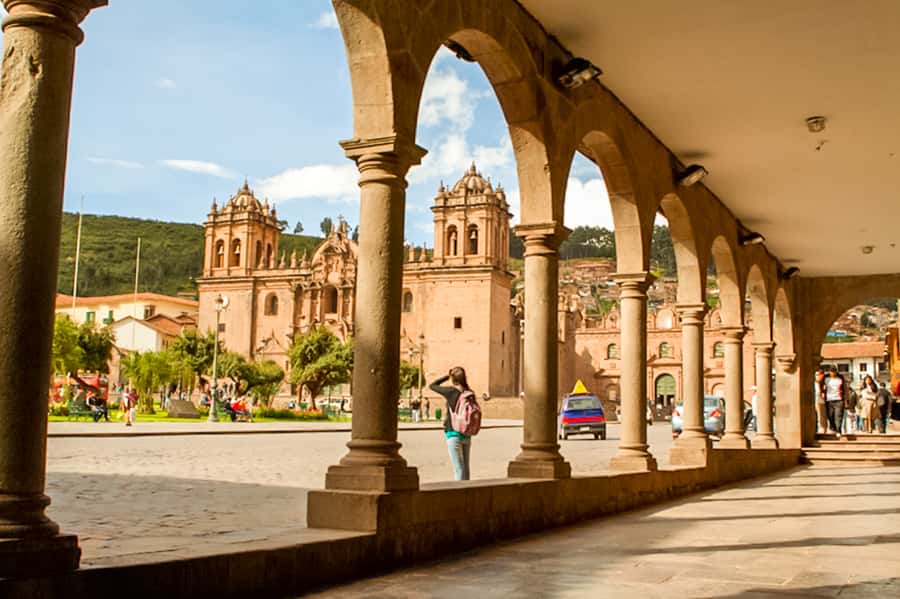
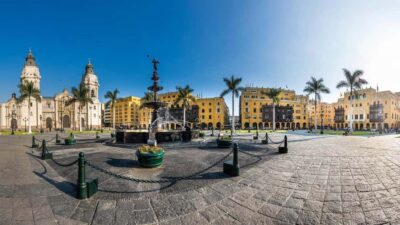
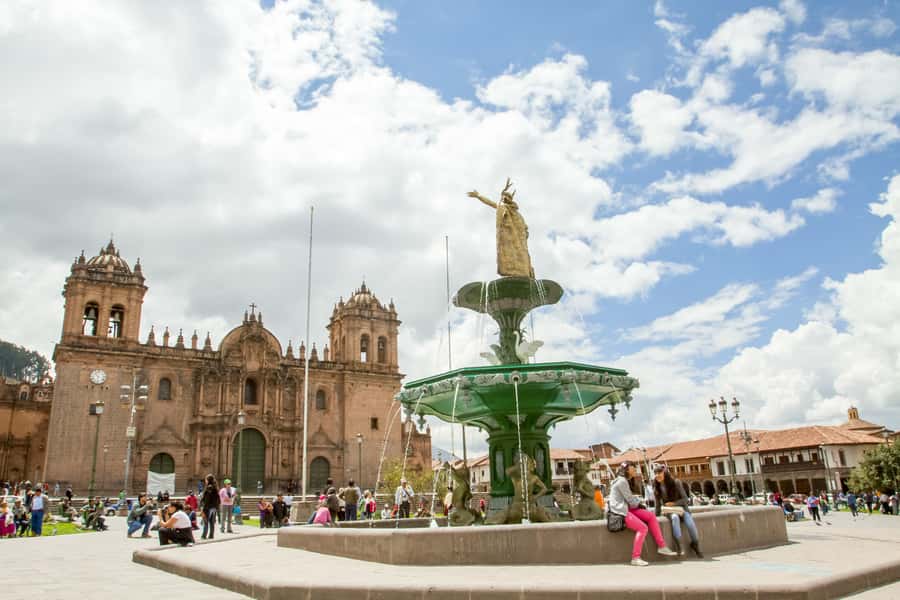
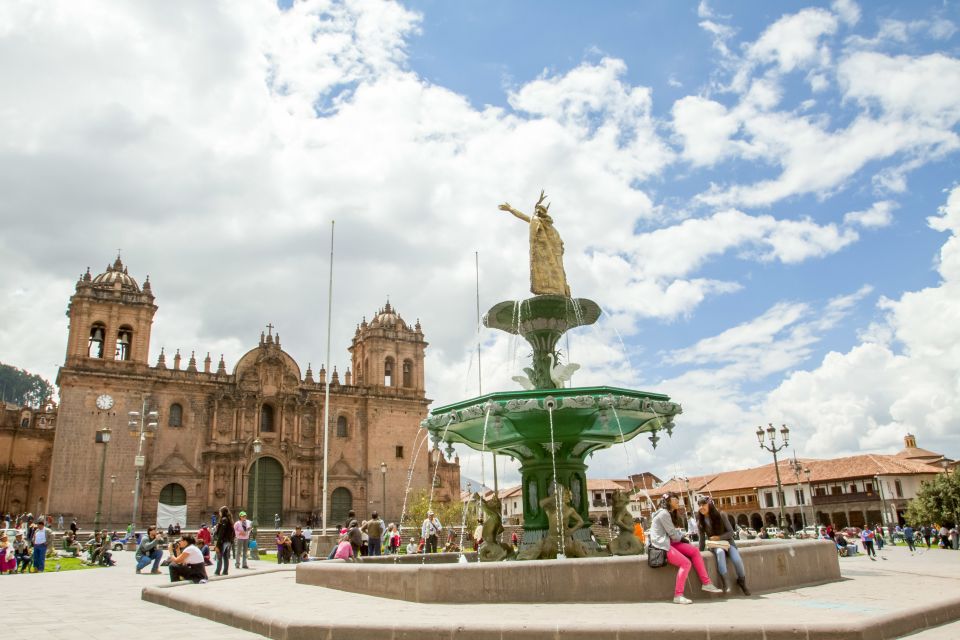
After Coricancha, the route shifts into Cusco proper with a stop at the Cathedral of Cusco, described as the most imposing monument in the Main Square area. Even if you’re not the type to linger in churches, this stop helps connect the dots between the Inca sacred center and the Spanish religious/political footprint that took over afterward.
Think of it like this: Inca Cusco is about ritual and power expressed through city design. Spanish Cusco is about control expressed through institutions and monumental buildings. The contrast won’t feel random once you’ve seen Coricancha first.
Admission to the Cathedral is included, so you’re not paying extra for the entry. It also keeps your tour on schedule, which matters on a half-day program.
Sacsayhuaman: huge stones, fortress power, and Inti Raymi ties
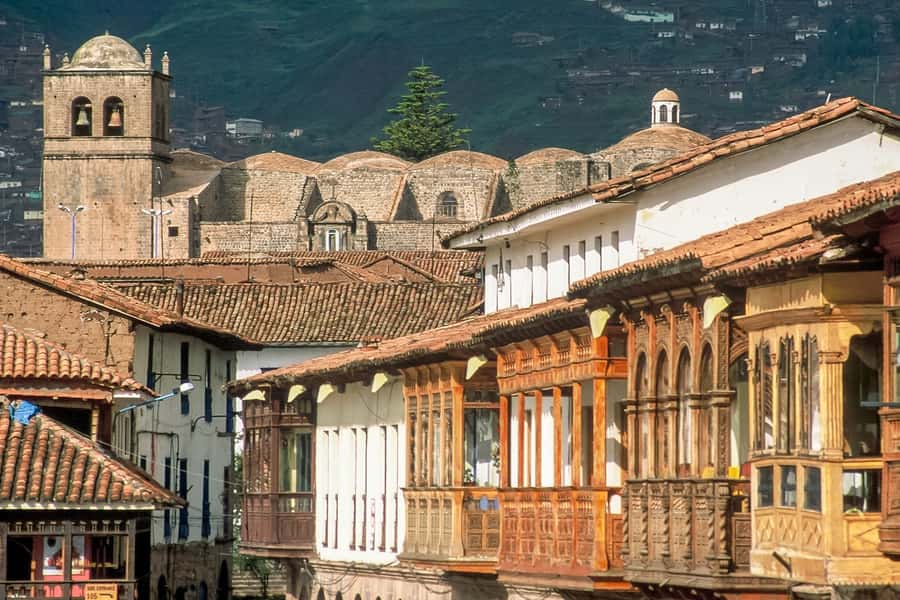
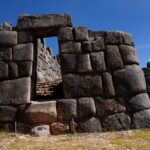
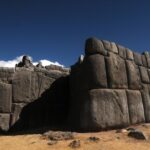
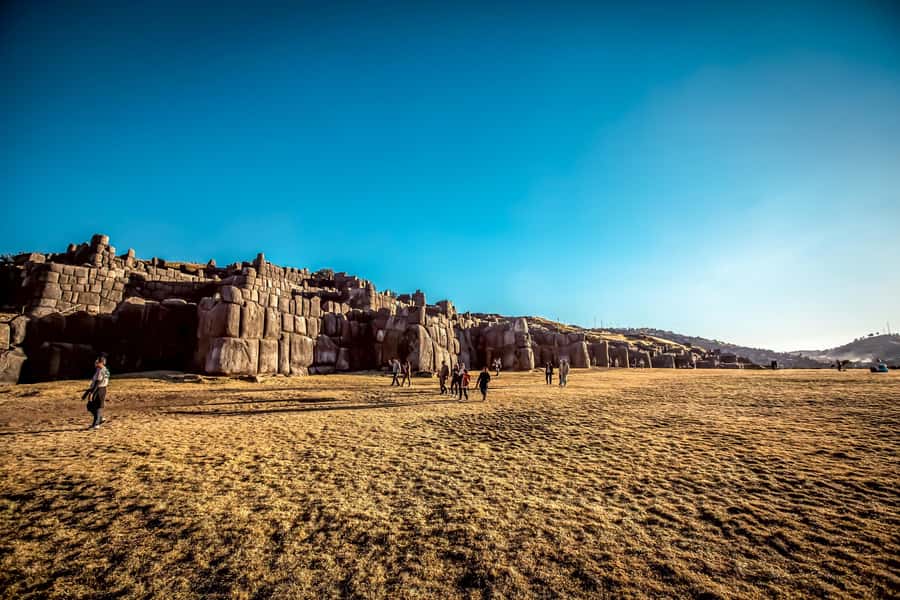
Next comes the uphill climb to Sacsayhuaman, one of Cusco’s most emblematic Inca fortress sites. It’s tied to Pachacutec and dates to the 15th century. The main draw is the sheer scale: you’re looking at a fortress built with large stones, and the transportation of those stones remains a mystery.
Even if you’ve seen fortress ruins elsewhere, Sacsayhuaman has a distinct feel because it’s about mass and alignment—structures that look like they were designed to dominate a landscape (and to impress people who approached Cusco from different directions).
One of the most unique details included with this tour is the cultural link to Inti Raymi, recreated each year on June 24 at Sacsayhuaman. You’ll learn how the sun is worshipped as part of that reenactment, which gives you a clearer sense of how these spaces may have functioned in Inca life—ceremony tied to specific sites, not just generic “ancient worship.”
Real talk: this is a hill day. Plan to pause when you need to, drink water if you’ve got it (the tour doesn’t include food or drinks), and keep your breathing calm. The views and the stonework are worth the effort.
Quenqo: a religious complex carved into stone
After the fortress, you’ll head to Quenqo, an archaeological complex used mainly for religious purposes. This stop is different from Sacsayhuaman. Instead of focusing on the fortress feeling, Quenqo is about rock-cut design and how sacred space can be shaped into the ground itself.
What I like about Quenqo on this kind of intro tour is that it helps you see variety in Inca design. You’re not just looking at walls and towers. You’re seeing how spiritual function could influence placement and form.
You’ll get context from your professional guide, and the best way to enjoy this is to slow down and look for patterns—how parts of the complex relate to each other. Even without deep archaeology jargon, you’ll come away with a better sense of “religious architecture” as something intentional.
You can also read our reviews of more tours and experiences in Cusco
Puka Pucara (Red Fortress): military-style spaces and water systems
The final archaeological stop on the route is Puka Pucara, which means Red Fortress. The information shared on this tour frames it as an architectural complex with alleged military use, but it’s not a simple “soldiers lived here” story. You’ll learn it includes multiple spaces, plazas, baths, aqueducts, walls, and towers.
That mix is the fascinating part. Baths and aqueducts suggest planned daily life and careful water management, while towers and walls suggest defense or control. On top of that, the tour explains that it’s believed the Inca entourage used Puka Pucara while they rested in Tambomachay. So you’re not just seeing an isolated ruin—you’re seeing how sites might connect in a wider system of stops for people of status.
If you’re the type who enjoys interpreting ruins rather than only photographing them, Puka Pucara is a strong closer. You end with a site that feels functional, designed for people, not just monuments.
Your guide’s clarity is the real value (and it shows)
This is one of the better kinds of tours because the experience depends heavily on the guide’s explanations. The tour includes a professional guide (English, Spanish, Portuguese, and French). And in the real world, that matters, because these sites are full of details you’d miss if you only had a map.
From the guide names associated with recent bookings, I’d pay attention to how your guide frames the connections. One guide named Fred stood out for being attentive and helpful, while Jose earned praise for being especially great. That’s consistent with what you want on a Cusco intro: you need someone who can connect what you’re seeing—Coricancha’s sun worship roots, Sacsayhuaman’s fortress function, and the ceremonial role of Quenqo and Inti Raymi ties.
One practical caution: there can sometimes be confusion between what’s included by the operator and what a guide treats as included on the day. If anything feels unclear when you meet your guide, ask right away. Specifically, confirm which entries are already covered versus what still requires your BTC. A quick check at the start can save you stress later.
Price and what you actually get for about $49
The headline price is $49 per person for a 5-hour experience. That’s fairly strong value if you’re planning to see multiple sites with entry fees and pickup handled.
Here’s what’s included:
- Pickup and drop-off (from hotels in Cusco’s Historic Center)
- Professional multilingual guide
- Admission to Coricancha and the Cusco Cathedral
Here’s what’s not included:
- Food and drinks
- Photos
- The Cusco Tourist Ticket (BTC)
- Personal expenses
- Gratuity is not included
So the value equation depends on your BTC situation. If you already planned to buy the ticket anyway, you’ll feel the savings. If you haven’t, the BTC becomes the key extra cost—and it’s also the main “timing risk” because the tour specifically notes you’ll need it for the four archaeological sites.
If you’re deciding between DIY and a guided half-day, this tour makes sense if you want interpretation and smoother logistics. If you already have solid context and you enjoy planning on your own, you might choose DIY for flexibility. But for most first-timers, a structured route with a guide is the efficient way to get oriented.
Pickup realities in Cusco’s Historic Center
Pickup is part of the experience, but it’s not universal. The tour includes roundtrip pickup from hotels in Cusco’s Historic Center. If you’re staying in an Airbnb or outside that pickup zone, the tour information says you’ll need to coordinate a meeting point with the operator a few days before.
This matters because “half-day” tours run on tight timing. When your pickup is smooth, you’re free to focus on sites instead of searching for the group. If you’re unsure, check your pickup details early rather than assuming the meeting point will be obvious.
What to bring: shoes, sun, and a not-too-stuffed daypack
You’ll want comfortable shoes and comfortable clothes. This is especially true for Cusco because the route includes uphill walking to Sacsayhuaman, plus moving around archaeological areas where footing can be uneven.
Bring sunscreen too. Even when it’s cooler, Cusco sun can be serious, and this tour moves you between open-air viewpoints and indoor/outdoor transitions.
Pack light. The tour notes that luggage or large bags aren’t allowed, and pets aren’t allowed either. If you’re a minimalist traveler with a small daypack, you’ll be in the comfortable zone.
Who this tour suits best
This is a great fit if:
- You’re in Cusco for a short time and want a fast, meaningful orientation
- You like guided explanations that connect Inca religion, architecture, and the Spanish-era changes
- You want to hit major sites like Coricancha and Sacsayhuaman without building a full day itinerary
It may not be the best choice if:
- You need wheelchair access (the tour is not wheelchair accessible)
- You want a fully flexible pace with no uphill walking
- You’re traveling with specific constraints like unaccompanied minors (the tour requires minors to be accompanied by an adult)
Should you book this Cusco half-day tour?
Book it if you want an efficient introduction that hits the core Cusco sites in one smooth route, with entry covered for Coricancha and the Cathedral and expert guidance throughout. The structure also helps you understand the “why” behind what you’re seeing, especially when you connect the Inca Temple of the Sun story to Sacsayhuaman’s fortress power and Inti Raymi context.
Skip it or reconsider if you hate hills, need accessibility support, or you’re missing your BTC plans. In that case, you’d do better with a more flexible plan so you aren’t scrambling for tickets.
If you’re a first-time Cusco visitor, this is exactly the kind of tour that saves you time and helps you enjoy the rest of your days with a better frame of reference.
FAQ
How long is the Cusco half-day city and archaeological sites tour?
The tour lasts about 5 hours.
Does the tour include pickup and drop-off?
Yes. Pickup and drop-off are available from hotels located in Cusco’s Historic Center.
What if I’m staying in an Airbnb?
This activity does not include pickup from private residences. You’ll need to contact the local tour operator a few days before the tour to coordinate a meeting point.
Which sites are included on the route?
You’ll visit Coricancha, the Cusco Cathedral, Sacsayhuaman, Quenqo, and Puka Pucara.
Are admissions included?
Admission is included for Coricancha and the Cusco Cathedral.
Do I need the Cusco Tourist Ticket (BTC)?
Yes. The tour notes that to visit the 4 archaeological sites, you must acquire your Cusco Tourist Ticket (BTC).
What languages are available for the guide?
The guide is available in Spanish, English, Portuguese, and French.
Is food or drinks included?
No. Food and drinks are not included.
Is the tour wheelchair accessible?
No. This activity is not wheelchair accessible.
What’s the cancellation policy?
Free cancellation is available up to 24 hours in advance for a full refund.