REVIEW · IQUITOS
Iquitos: Full Day Tour in the Jungle | Amazon Safari
Book on GetYourGuide →Operated by www.iziperu.com · Bookable on GetYourGuide
Watching dolphins in the Amazon is the real hook. This full-day outing from Iquitos mixes river scenery, wildlife moments like gray or pink dolphins, and two culture stops (the KUKAMA community and Neyser’s Monkey Island) before ending with an animal-focused Wildlife Rescue Center and a stop for Amazonian macerated drinks at the trapiche.
I especially like the order of things: you start on the water, then shift to animals, then to people and practices, then finish with food and a calmer decompression back at camp. I also like that you’re not only taking pictures—you get to move through the day with guided context, including the KUKAMA relationship to plants and natural medicine and the kinds of animals being cared for at Fundo Rony.
One consideration: this is a time-heavy day with lots of transit, and wildlife variety can feel limited depending on what you spot that day. Some people also found the explanations inconsistent, so if you want deeper detail, it helps to ask the guide direct questions.
If you end up with a guide who knows how to bring the day together—one name that comes up is Alan—you’ll likely feel the pacing makes sense and the stops land well.
In This Review
- Key highlights worth your attention
- Riding Out of Iquitos on a Traditional Amazon Boat
- Dolphin Watching for Gray or Pink: How to Set Expectations
- KUKAMA Tribe Visit: Dance, Stories, and Plant Medicine
- Monkey Island (Neyser): Interaction in the Creek
- Fundo Rony Rescue Center: Care Before Release (and What You Might See)
- Trapiche Tasting: Camu Camu, Seven Roots, and Ginger
- Lodge Lunch and the Pace of an 8-Hour Jungle Day
- Price and Value: Is $89 Worth Your Time?
- What to Bring (So You’re Comfortable, Not Miserable)
- Who This Amazon Safari Fits Best
- Should You Book This Tour?
- FAQ
- How long is the Iquitos jungle tour, and how do I know the start time?
- Where are pickup and drop-off?
- What’s included in the price?
- Are drinks and snacks included?
- What animals can you see during the day?
- What happens during the KUKAMA community visit and Monkey Island?
- Is vegetarian food available for lunch?
- What should I bring for this tour?
- Can I cancel for a refund, and is there a pay-later option?
Key highlights worth your attention
- Dolphins on the route: gray or pink, spotted along the way rather than as a guaranteed stand-alone moment
- KUKAMA community visit: dance plus stories about origins and how people use plants for survival
- Monkey Island (Neyser): a creek setting where you can feed and interact for photos
- Wildlife Rescue Center (Fundo Rony): a place meant for care before release, including sloths and birds
- Trapiche tasting: drinks made from camu camu, seven roots, and ginger with a focus on medicinal uses
- One-day format: 8 hours with lunch included at the lodge buffet, so it works for tight itineraries
Riding Out of Iquitos on a Traditional Amazon Boat
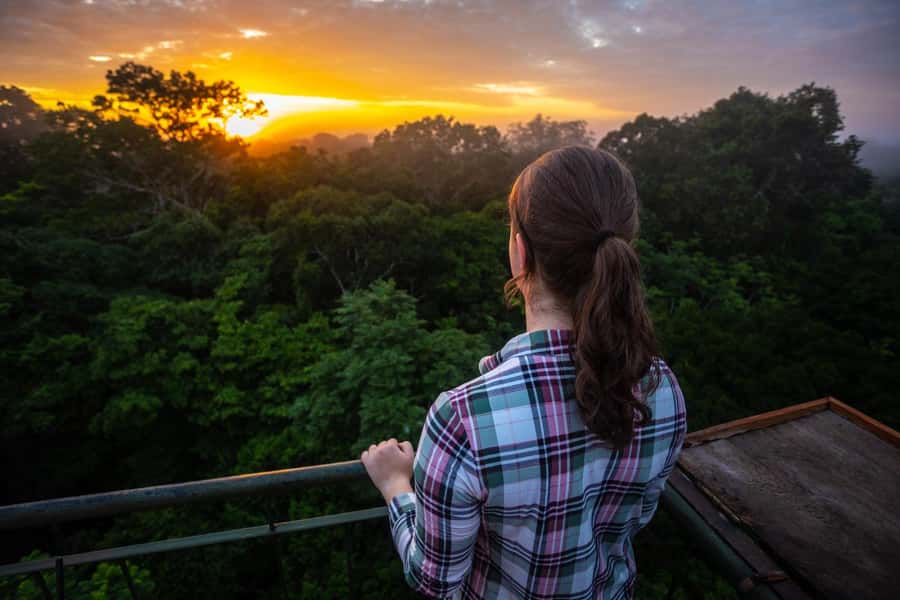
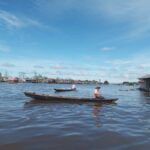
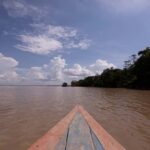
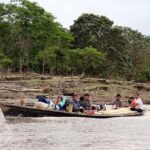
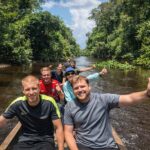
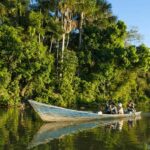
Your day starts with pickup from your hotel (or airport) in Iquitos, then a short transfer to the tourist pier at Bella Vista Nanay. From there, you head upriver in a traditional boat. The operator describes it as safe and comfortable, and for most of the day your main “activity” is the ride itself: long, slow stretches of river where the jungle presses close and the sky feels huge.
You’ll also spend time looking at the confluence areas—where the Nanay River meets the Amazon. Even if you’re not a hardcore river nerd, those junctions change how the water looks and can affect what wildlife shows up later. It’s one of those subtle Amazon details that makes the trip feel connected, not just like transportation between stops.
Practical reality check: group size can be big on these full-day formats. One report described a packed boat (around 50 people) and tight seating with wooden benches. If you’re sensitive to long rides, bring a small layer you can pull on for sun and air movement, and plan to sit through bumpy “Amazon” moments without expecting a luxury ferry.
You can also read our reviews of more tours and experiences in Iquitos.
Dolphin Watching for Gray or Pink: How to Set Expectations
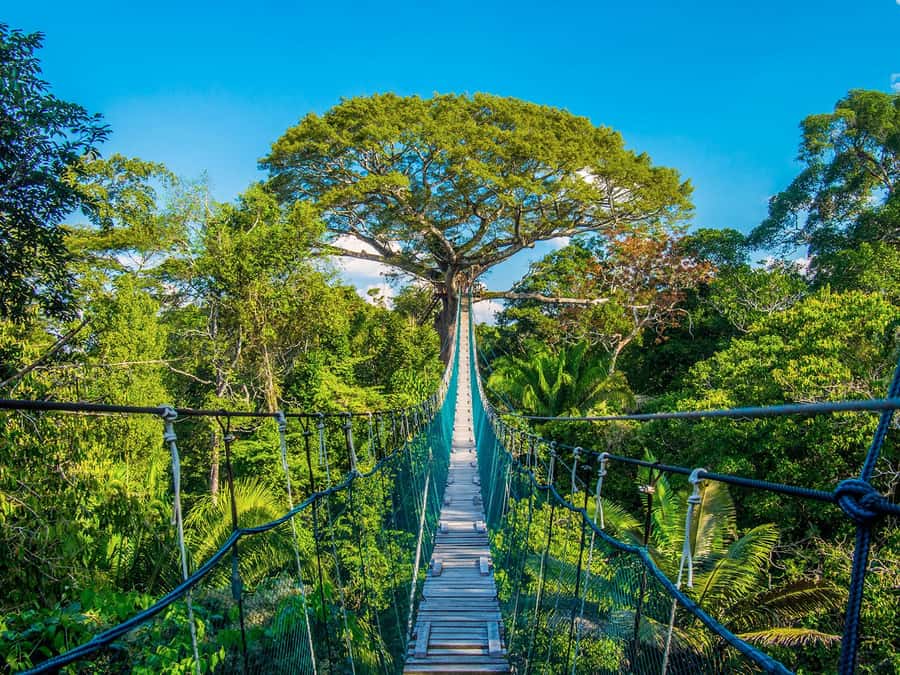
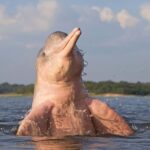
Dolphin watching is one of the headline experiences, and it happens as the boat moves along the route. Gray or pink dolphins are mentioned as the possible sightings—what you actually see depends on conditions and timing.
Here’s how I’d approach it so you don’t end up frustrated:
- Stay alert when the guide signals a slowdown or scan. Dolphins can surface briefly and move on fast.
- Bring your best patience early. The day is structured, but your best wildlife moments are still weather-and-water dependent.
- Don’t assume it will be constant action. Even on great days, wildlife spotting tends to be “pause, watch, then move.”
The upside is that you’re doing it in motion, not stuck waiting in one spot for hours. It makes the river ride feel like an active hunt rather than a sightseeing cruise.
KUKAMA Tribe Visit: Dance, Stories, and Plant Medicine
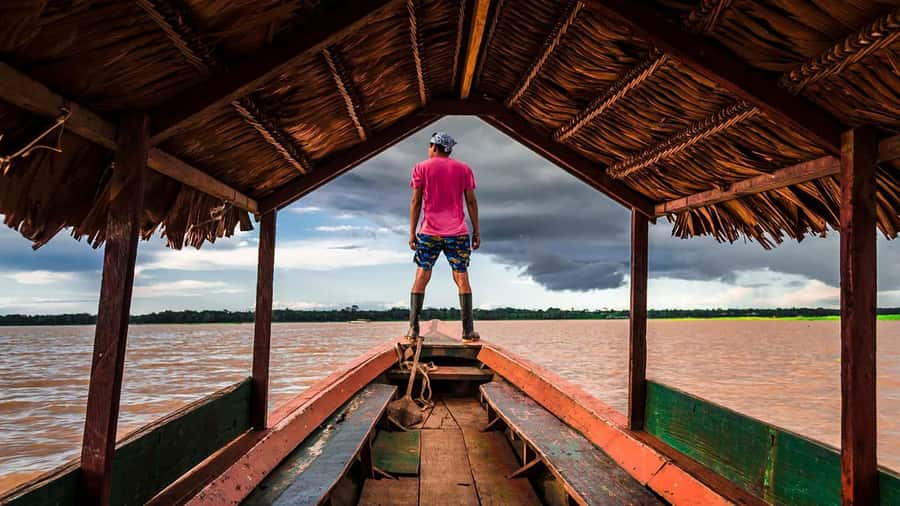
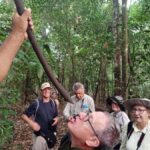
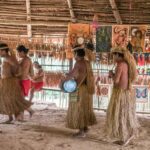
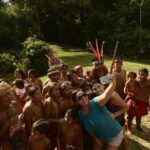
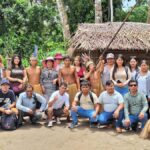
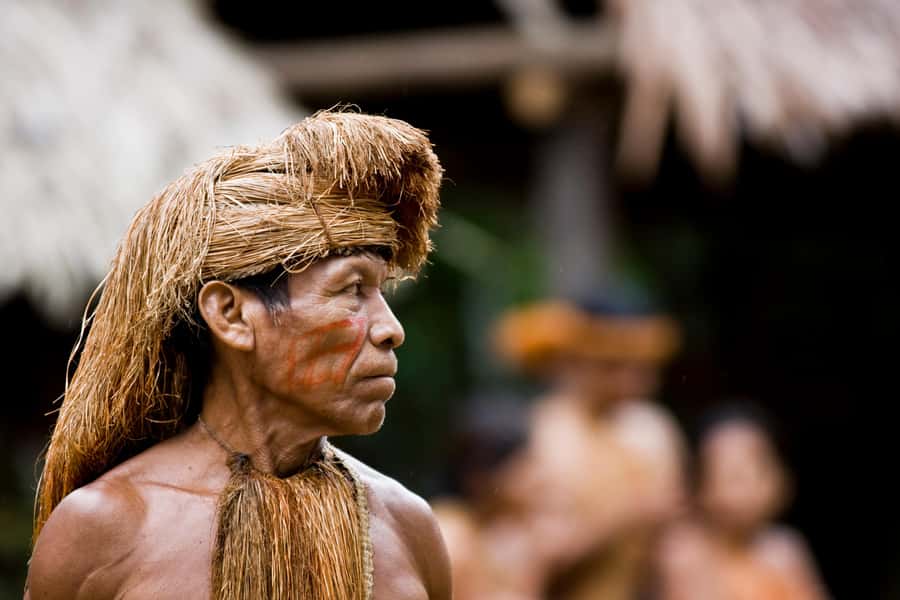
After dolphins, the day shifts from open river into people’s living knowledge. You’ll visit an Indigenous community of the KUKAMA tribe, where the experience includes dancing and learning about how the community has guarded biodiversity through traditional knowledge of plants and natural medicine.
This stop is valuable because it’s not just a performance. The tour format is built around oral tradition—stories and myths that explain origins and relationships with nature. It’s a different kind of “wildlife education” than you get at a zoo: you’re learning the logic of how people survive in the Amazon and why particular plants matter.
Important note for how you experience this: a few reports flagged that explanations can be brief and that the focus sometimes leans toward demonstration rather than deep, step-by-step context. Also, there were concerns raised about minors working during the visit. You can’t control that, but you can control your attitude: treat this as a cultural exchange, ask respectful questions, and don’t expect every stop to be fully “lecture-level.”
If you want to get the most out of it, ask your guide things like:
- What plants are used and for what kinds of needs?
- How do these uses fit into daily life, not just special moments?
A good guide will turn that into a meaningful conversation.
Monkey Island (Neyser): Interaction in the Creek
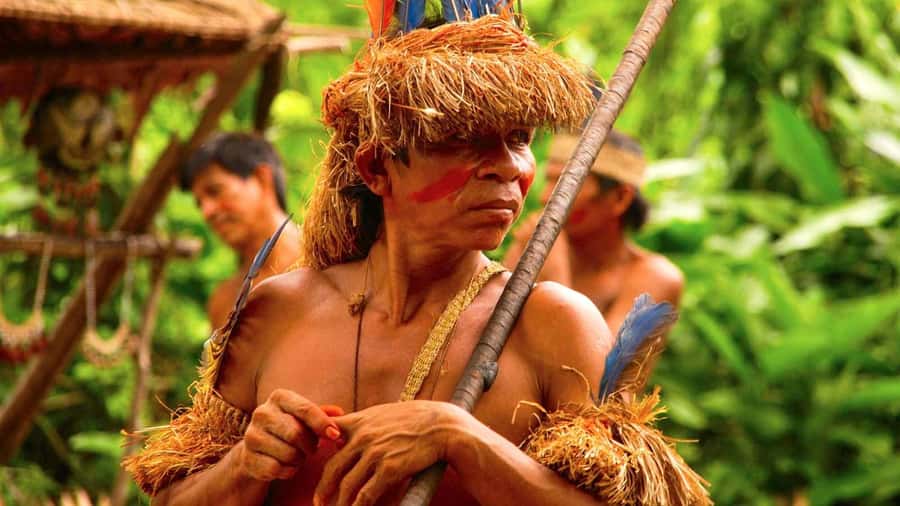
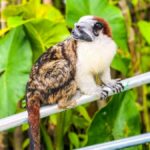
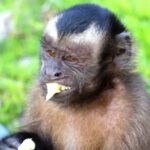
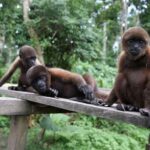
Next up is MONKEY ISLAND – Neyser, where the boat enters a creek to visit monkeys in their natural habitat. The experience is hands-on in a way many animal encounters are not: you can be welcomed by different monkey species, learn about each one, feed them, play with them, and take photos.
This is one of the more “feel-good” stops in the itinerary because you’re not just watching from a distance. You’re in the space where the animals live, and the day becomes about movement—walking through the area, watching behavior, then participating in allowed interaction.
Still, manage expectations. Reports varied on how many monkeys you actually see at the moment. If you arrive during a quieter period or the group is in a different area than expected, the island can feel underwhelming compared to the hype. Also, feeding can turn into a quick rhythm—fun, but don’t expect a long, classroom-style interpretation of each species.
Fundo Rony Rescue Center: Care Before Release (and What You Might See)
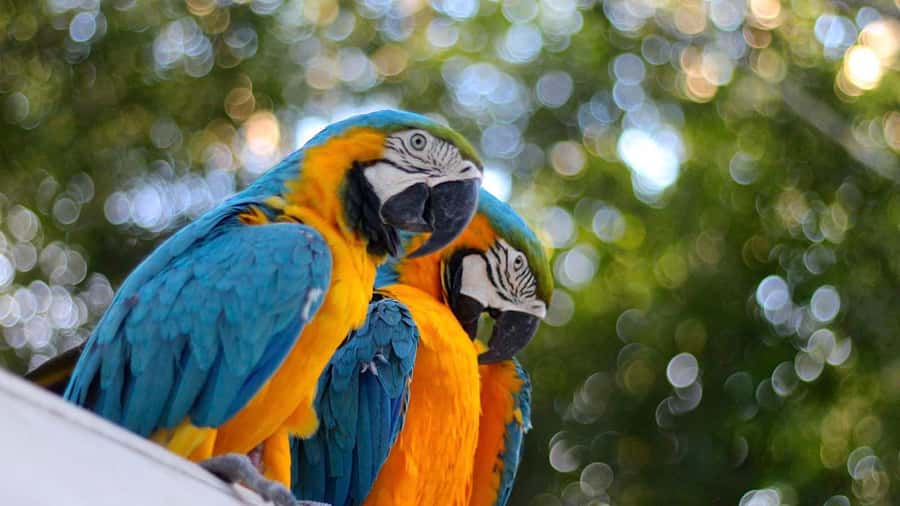
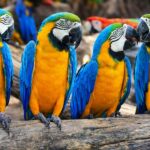
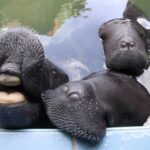
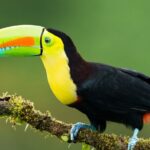
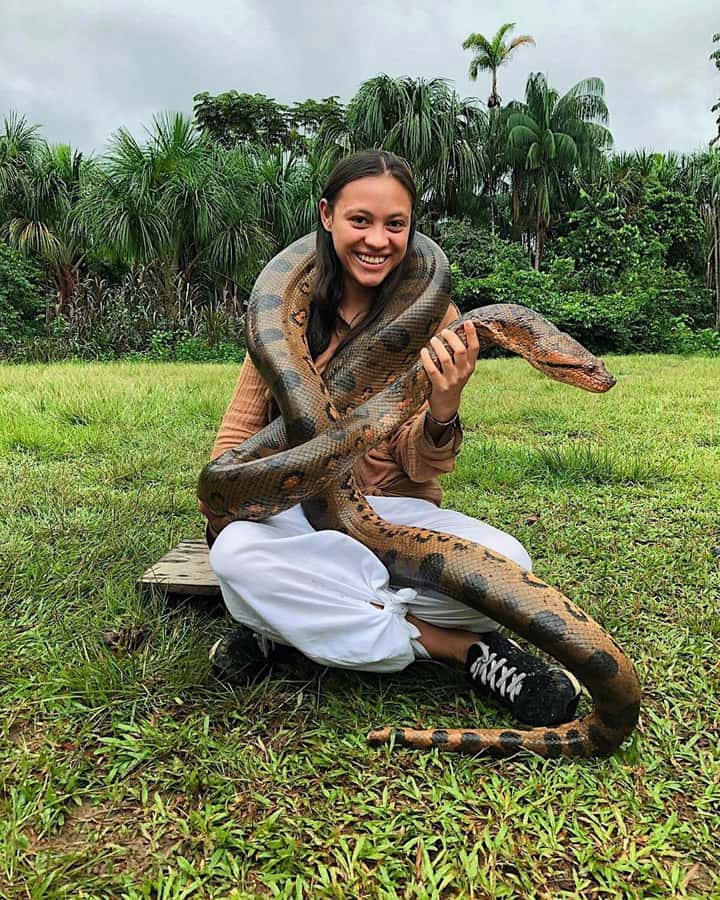
The Wildlife Rescue Center stop at Fundo Rony is designed around education and respect. The tour includes observing and interacting with animals such as sloths, monkeys, macaws, toucans, boa constrictors, and turtles. The key framing here is that the animals are kept in cages because they’re being cared for before being released back into the wild.
That framing matters. This isn’t a theme park built for nonstop spectacle; it’s a working rescue environment, which means conditions can change. One report said visibility was limited because parts of the center were under water, and another described the stop feeling more like a shopping opportunity tied to native medicine sales rather than a clear explanation of rehabilitation outcomes.
So what should you do with that information? Go with two expectations at once:
- You’ll learn why wildlife care happens.
- The “how it looks” and “how much you see” can vary.
If you care about the animal side, ask practical questions:
- What kinds of injuries or reasons lead to animals ending up here?
- What do you typically see before release?
- Are there animals currently planned for return to the wild?
A guide who’s willing to answer directly can turn this stop from a quick walk-through into a real understanding of conservation work.
You can also read our reviews of more tours and experiences in Iquitos
Trapiche Tasting: Camu Camu, Seven Roots, and Ginger
After animals, you head to the Amazonian trapiche tasting. This is a chance to try traditional macerated drinks like camu camu, seven roots, and ginger. The tour explains medicinal uses tied to health benefits—vitamin C in camu camu for immune support, seven roots for digestion, and ginger for easing digestive discomfort and nausea.
I like this stop because it’s small, sensory, and grounded in daily-life traditions: you taste, you learn what people associate the plants with, and you leave with a story you can tell later that doesn’t require you to be a biology expert.
It’s also a good moment to reset your energy before lunch. Drinking these infusions can be intense (taste-wise), and it’s better to go into it hydrated—though personal water isn’t included, so it’s smart to have some for the day.
Lodge Lunch and the Pace of an 8-Hour Jungle Day
Lunch happens after you arrive at the lodge. You’ll eat typical jungle cuisine, and if you want a vegetarian option, you need to inform the operator in advance.
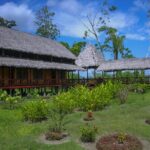
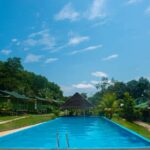
Then you’ll get a little decompression time: relax, explore camp surroundings, or unwind by the pool before you head back by boat. Finally, you return to the Nanay pier and the tour ends back in Iquitos at Plaza de Armas.
Here’s the pace reality: this is an 8-hour tour, and full days like this can feel long even when they’re good. Some reports mentioned time lost during lunch, and one mentioned that the afternoon didn’t include as much walking as expected. So if you’re the type who wants constant movement, you may find the camp portion calmer than you hoped.
To enjoy it anyway:
- Plan to watch more, not just rush.
- Use the camp time to rest your legs and refuel.
- If you’re hoping to see more wildlife, treat dolphin and monkeys as your high-probability moments, and the rescue center as an educational stop rather than a nature “wild sighting.”
Price and Value: Is $89 Worth Your Time?
At $89 per person for about 8 hours, you’re paying for a lot of “moving parts”: hotel pickup, transfer to the pier, a guided boat day, multiple excursions, and meals at the camp buffet. You’re also paying for the fact that Iquitos jungle logistics are not quick. In places like this, getting from city to river to sites costs time, fuel, and staff.
When the day feels like value, it’s usually because:
- You catch dolphins and enjoy the boat ride (that’s the magic combo).
- The cultural stop at KUKAMA feels respectful and informative.
- You get enough time at Neyser’s Monkey Island to make it fun and memorable.
- Lunch and camp time give you real rest.
When people feel it’s not great value, common complaints fall into a few buckets:
- Explanations weren’t detailed enough at key moments.
- Wildlife variety felt lighter than expected (for example, fewer monkeys in the moment).
- Some time felt “stuck” (like spending longer than desired at lunch or moving slowly through stops).
My take: this is best value if you’re flexible about wildlife outcomes and you treat the day as a curated overview of Amazon life—river, culture, rescue work, and plant traditions—rather than a guaranteed “see everything” safari.
What to Bring (So You’re Comfortable, Not Miserable)
This tour asks you to be outdoors for a long stretch, often in heat and insects. Bring:
- Sunglasses
- Sun hat
- Sunscreen
- Long-sleeved shirt
- Insect repellent
- Long pants
- Sportswear
Also think ahead about comfort on the boat. Even if the boat is described as comfortable, the seating and ride can be bumpy. A light layer for sun and wind is a smart move. And if you’re sensitive to strong tastes during the trapiche tasting, you might want to pace yourself.
Who This Amazon Safari Fits Best
You’ll probably love this tour if you:
- Want a one-day Amazon sampler from Iquitos without booking an overnight.
- Like a mix of wildlife + culture rather than only hunting animals.
- Prefer guided structure (boat route, scheduled stops) over wandering on your own.
You might want to think twice if you:
- Want the most animals possible in the wild. Some days won’t deliver big variety.
- Need long, deep explanations at every stop. The day depends on how the guide talks and how much time you get.
- Have strong concerns about animal enclosure visuals. The rescue center is framed as care before release, but the animals are described as kept in cages.
Should You Book This Tour?
If you want one full day that takes you away from Iquitos into the Amazon system—river confluences, possible dolphin sightings, KUKAMA culture, monkeys, rescue work, and plant-based tasting—this is a solid pick. The best version of the day hits the sweet spot: the dolphins feel special, the culture stop adds meaning, and lunch at the lodge makes the whole effort feel worth it.
If you’re booking mainly for maximum wildlife variety, keep expectations grounded and be ready to ask your guide for clarification when you want more detail. And if you can, aim to travel with the mindset that this is education and encounter, not a guaranteed wildlife show.
FAQ
How long is the Iquitos jungle tour, and how do I know the start time?
It lasts 8 hours. Starting times depend on availability, so you’ll need to check what’s offered for your dates.
Where are pickup and drop-off?
Pickup is from your hotel or airport in Iquitos. The tour ends back in Iquitos at Plaza de Armas.
What’s included in the price?
Pickup from your hotel/airport, meals at the camp from the buffet, and the excursions listed in the program are included.
Are drinks and snacks included?
Personal snacks and water aren’t included. Drinks at the bar (soft drinks and beer) cost extra.
What animals can you see during the day?
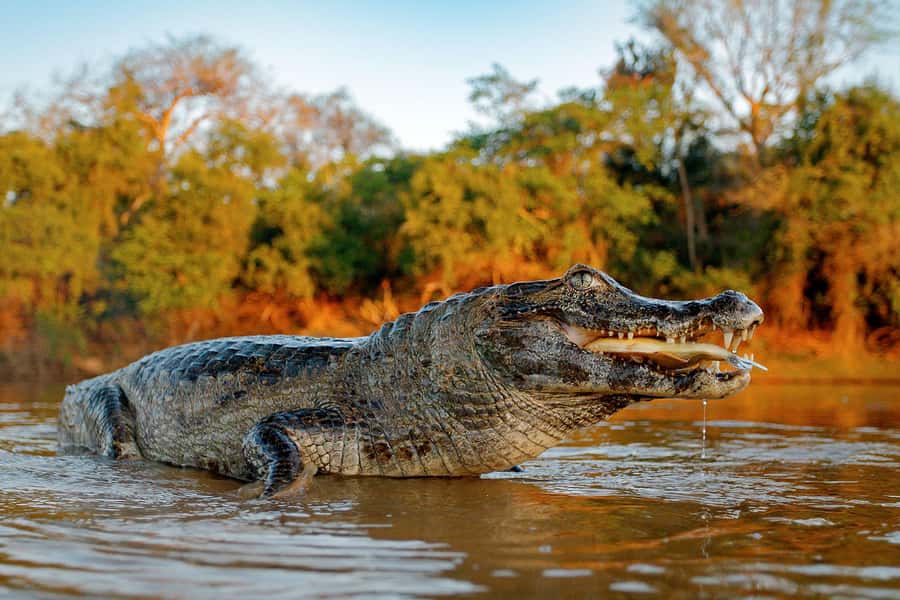
You can see gray or pink dolphins on the boat route. You’ll also visit Monkey Island (Neyser) for monkeys, and the Wildlife Rescue Center (Fundo Rony) for animals such as sloths, monkeys, macaws, toucans, boa constrictors, and turtles.
What happens during the KUKAMA community visit and Monkey Island?
At the KUKAMA community, you’ll visit and dance, and learn about their plant and natural medicine knowledge plus oral stories and myths. At Monkey Island, you’ll be welcomed by monkey species in their habitat, learn about them, feed them, play, and take photos.
Is vegetarian food available for lunch?
Yes, but you need to inform the operator in advance if you prefer a vegetarian option.
What should I bring for this tour?
Bring sunglasses, sun hat, sunscreen, long-sleeved shirt, insect repellent, long pants, and sportswear.
Can I cancel for a refund, and is there a pay-later option?
You can cancel up to 24 hours in advance for a full refund. There’s also a reserve now & pay later option so you can book without paying immediately.