REVIEW · IQUITOS
Amazon Rescue Center – Manatees Conservation Center Admission Ticket
Book on Viator →Operated by Centro de Rescate Amazónico / Amazon Rescue Center · Bookable on Viator
One hour here turns conservation into something you can picture. At the Amazon Rescue Center (CREA) outside Iquitos, you’ll walk a forest path and learn how rescued wildlife is rehabilitated and released, with a special focus on manatees. It’s not the usual zoo stop. It’s conservation work explained in plain language.
What I like most is the way the visit stays practical: you move through areas for reptiles, monkeys, birds, and manatees, and your guide ties each animal’s story to the rehab plan. I also like that you get a built-in “how it works” stop with the interpretation center called The flooded forest, which uses life-size fiberglass statues of Amazon aquatic species.
One consideration: expect a rehab facility, not an animal show. The animals you see can be in quarantine-style setups while they recover, so the experience is more about the process than seeing huge numbers at once.
In This Review
- Key Points You Should Know Before You Go
- Why CREA Fits Perfectly Into an Iquitos Stop
- Price and What You Actually Get for $8.08
- Getting There From Iquitos: Transport Is the Main Planning Piece
- Stop 1: The Amazon Rescue Center Walk Through Rehab Zones
- What You’ll Probably See (And Why It’s Not Always What You Picture)
- Manatees: Rehab, Care, and the Reality of Recovery
- Why You Should Care About Quarantine-Style Setups
- The Flooded Forest Interpretation Center: Learn the Habitat Without Guesswork
- How Long Is Enough Here? Timing and the Pace Inside CREA
- Tickets Support Work, Not Just a Visit
- Guides, Language, and How to Get the Most From Your Hour
- What to Wear and Bring (This Is the Amazon, After All)
- Who Should Book CREA (And Who Might Want a Different Stop)
- The Bottom Line: Should You Book This Ticket?
- FAQ
- How long is the Amazon Rescue Center admission ticket?
- What does the ticket price include?
- What is the price per person?
- Where is the meeting point for the tour?
- How long does it take to get there from Iquitos?
- Is transportation included?
- What animals will I learn about during the visit?
- Is this experience private?
- What should I bring or wear?
- Can I cancel and get a full refund?
Key Points You Should Know Before You Go
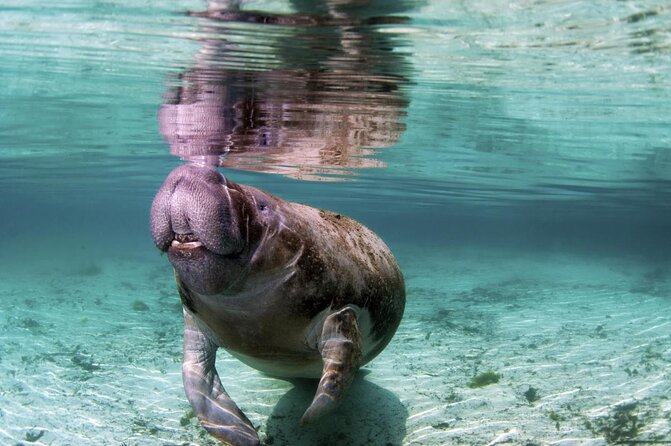
- Manatee rescue-and-release focus: The center explains rehabilitation steps and eventual return to the wild.
- A true rehab tour format: You’ll see different rehab areas, not just a single viewing zone.
- The flooded forest interpretation center: Life-size fiberglass statues help you connect animals to habitat.
- Short and information-heavy: Around 1 hour on site, with a guided walkthrough of the program.
- You’re supporting real work: Your ticket supports an organization working with partners and field releases.
- Not built for petting: The staff prioritize recovery and safe reintegration over hands-on contact.
Why CREA Fits Perfectly Into an Iquitos Stop

Iquitos is full of big nature promises—river views, wildlife stories, and jungle day trips. CREA is different in the best way. You’re not just looking at animals. You’re learning what happens after rescue: treatment, recovery, and release back to habitat.
This matters because most visitors only see wildlife at a distance. Here, the center explains why some animals cannot go back right away, and what changes during rehab. That gives the whole Iquitos trip more meaning, even if you only have a few hours to spare.
CREA sits about 30 minutes from Iquitos downtown by tuk tuk, or about 1 hour by bus. That short travel time helps you keep the day moving, especially if you’ve already done a river cruise or plan to pack in other stops.
You can also read our reviews of more tours and experiences in Iquitos
Price and What You Actually Get for $8.08
At $8.08 per person, this is one of the easiest “value” conservation stops in Iquitos. Your ticket includes the two most important parts of the experience: a professional guide and the entrance fee. That means you’re paying for interpretation, not just access.
What’s not included is also important for planning. Transportation to and from the center is on you, and there’s no hotel pickup, no lunch, and no food or drinks included. So if you arrive from town in a day like I did—tight schedule, heat, and lots of walking—you’ll want to handle water and snacks yourself.
For the cost, you get an hour that’s packed with practical details: how the center handles rescued animals, where they rehab them, and what it takes before release. It’s the kind of ticket where you leave feeling like the money supported something active, not just a stop for photos.
Getting There From Iquitos: Transport Is the Main Planning Piece
The meeting point is Centro de Rescate Amazónico / Amazon Rescue Center, on Carr. Iquitos-Nauta km 13.8, San Juan 16024, Peru. The activity starts and ends back at this same spot, so you’re not signing up for a full-day pickup-and-drop program.
Travel time from Iquitos depends on your ride:
- Tuk tuk: about 30 minutes from downtown
- Bus: about 1 hour
Because transportation isn’t included, I recommend you plan it like a short field trip. Build in extra time for leaving town, and don’t assume you’ll have a gentle schedule. The center tour itself is about an hour, so your time outside that window depends on how you get there.
Stop 1: The Amazon Rescue Center Walk Through Rehab Zones
This is a single-stop experience, and that’s part of its charm. There’s no complicated run-around. You arrive, check in, meet your guide, and head into the center.
Your walk moves through different areas where the staff explain the rehab process for multiple species:
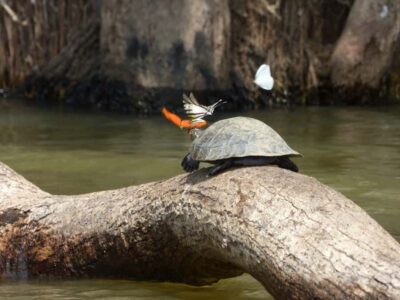
- Reptiles, including yellow spotted river turtle and tortoise
- Monkeys
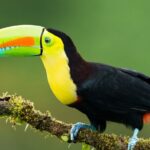
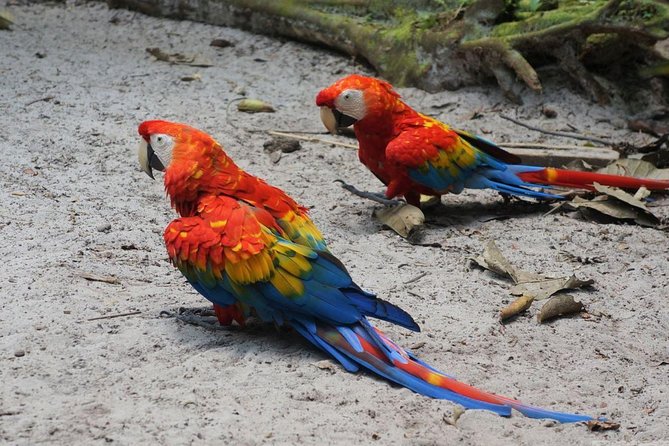
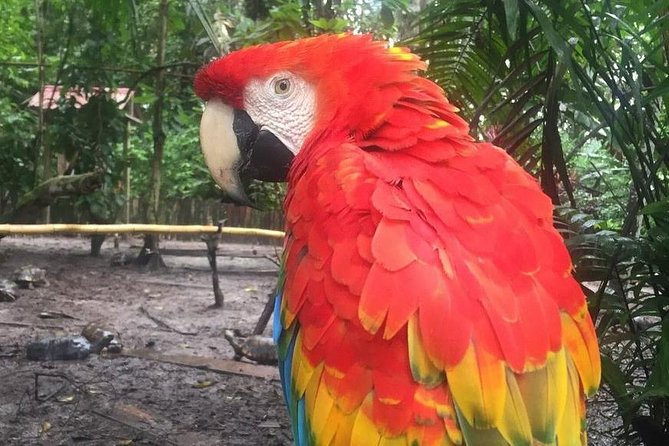
- Birds
- Manatees
Your guide also shares why the animals are there in the first place. Many were rescued from different locations where they were kept illegally in captivity. Then comes the rehabilitation phase—getting health back to a level where reintegration becomes possible.
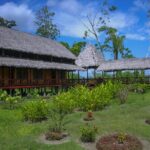
The hour includes time on a forest path where you learn more about the Amazon environment. Even when the tour is quick, the focus stays on how the center connects wildlife needs to real-world care.
What You’ll Probably See (And Why It’s Not Always What You Picture)
If your mental picture of a conservation center is lots of animals in one big display, you might feel a small jolt here. The center can have a limited number of animals on-site at any moment, and some enclosures—especially early in recovery—can look like quarantine areas rather than “public viewing pools.”
That’s not a flaw in the project. It’s part of rehab. Animals often start in smaller recovery spaces because they need close care and controlled conditions. As recovery progresses, animals can move to larger areas and eventually move toward release.
So if you come expecting a splashy animal attraction, you may not love it. If you come ready to understand the process, you’ll likely find the whole visit more rewarding.




Manatees: Rehab, Care, and the Reality of Recovery

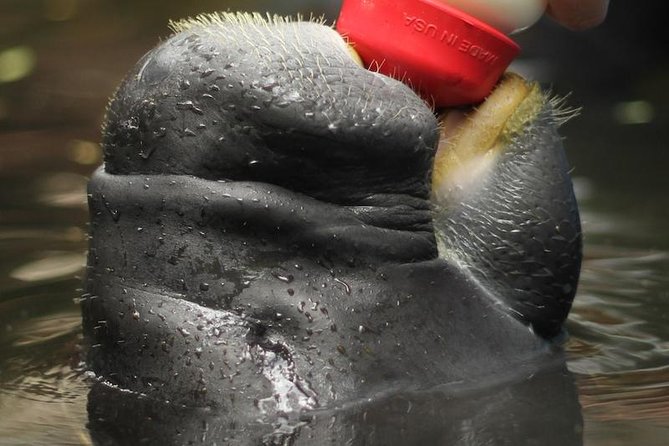
Manatees are the star of the program, and the center’s message is clear: rehabilitation is a long process. You’re not just watching animals. You’re learning what makes recovery possible and what it takes before an animal belongs back in its natural habitat.
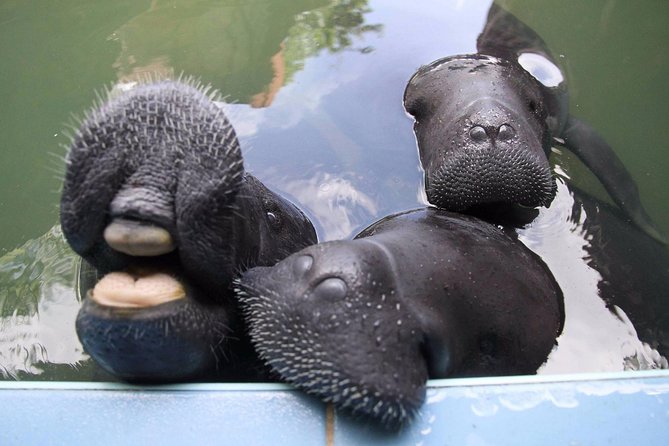
One reason people talk about this visit is the chance to observe baby manatees during feeding, when available. The center also explains how care supports healthy development during rehab.
The other reason manatees matter here is release. The center states it has released manatees back into natural habitat (reported as 23 manatees), and additional updates mention releases reaching 33. Either way, the point for your trip is the same: this facility isn’t just holding animals. It works toward reintegration.
Why You Should Care About Quarantine-Style Setups
If you’re the type who wants “maximum cuteness, maximum photos,” you might have a rough moment when you see smaller recovery tanks. But those tanks serve a real purpose: rescued animals need constant attention early on.
Think of it this way: a rehab center is measured by how successfully it can return animals to the wild, not by how large the viewing displays feel. When the center explains the purpose of these spaces, the whole place starts to make sense.
The Flooded Forest Interpretation Center: Learn the Habitat Without Guesswork
After the rehab zones, you’ll visit The flooded forest, the center’s interpretation area. This is where learning clicks into place fast.
Instead of relying only on diagrams, The flooded forest uses life-size fiber-glass statues of major aquatic Amazon species. It’s an easy way to connect what you saw in rehab areas to what those animals look like and how they relate to water habitats.
I like this part because it’s low-pressure learning. Even if the animals are quiet or not active at the moment, the interpretation center still helps you understand the bigger picture.
How Long Is Enough Here? Timing and the Pace Inside CREA
The tour is about 1 hour. That pacing is good for most visitors because it keeps the experience focused without dragging into an all-afternoon commitment.
You’ll still walk some pathways and move between areas, and it’s outdoors. If the weather is hot, keep the “quick trip” mindset. You’ll enjoy it more if you don’t plan to cram this into the busiest part of your day without a buffer.
If you’re doing Iquitos in a tight window—maybe after a cruise stop in town—CREA can work as an efficient conservation add-on rather than a separate half-day mission.
Tickets Support Work, Not Just a Visit
There’s a quiet kind of value here. Your admission helps a center that works with research and conservation partners in the Peruvian Amazon. The experience is also built around education: the guide doesn’t just list species names, they explain what the center is doing and why.
That education piece is one of the most praised parts of the experience. People often leave inspired because the mission feels real and visible. You can see the care in how the center talks about recovery and release.
This is also a good reminder about what conservation looks like away from glossy brochures. Sometimes it’s long-term rehab schedules, not fast results.
Guides, Language, and How to Get the Most From Your Hour
Your guide is included, and language can be a big deal for an information-heavy tour like this. In at least some cases, the center runs English-guided experiences, including a private English tour led by Jessica. Some guides translate the full tour into English as well.
To get the most out of your visit, I’d go in with two kinds of questions:
- Ask what part of rehab happens first for each animal type (for example, manatees vs. reptiles).
- Ask what the staff mean by release readiness, since that’s the heart of the mission.
Even if your Spanish is basic, you’ll pick up a lot from the guide’s structure. The tour is organized by animal areas, so the information stays clear.
What to Wear and Bring (This Is the Amazon, After All)
Even though the tour is short, you’re outdoors. The center recommends outdoor clothes and mosquito repellent. I strongly agree with that advice. The Amazon can switch from comfortable to buggy fast.
Also plan for heat. Bring water if you can. You won’t have lunch or drinks provided with the ticket, so treating this like a short nature hike is the smart move.
If you’re wearing footwear you’d normally wear in town, you might want to rethink it. You’ll walk paths in a forest setting, so comfortable shoes matter more than you think.
And if you use a wheelchair, be ready for some extra effort. One account notes the facilities may be a little difficult but not impossible if someone strong can help push. That’s not a guarantee either way, but it’s good to know before you plan.
Who Should Book CREA (And Who Might Want a Different Stop)
This is a great fit if you want an education-first conservation experience that’s hands-on in meaning, not in contact. It’s also a good pick for families and kids, because the center is set up to teach in a clear way.
It’s especially for you if:
- you care about endangered wildlife and how recovery works
- you want to understand manatee and other Amazon aquatic species beyond documentaries
- you want a short outing outside Iquitos without committing to a full day
It’s less ideal if:
- you’re only interested in petting or close animal contact
- you’re expecting a fancy facility with lots of nonstop viewing
- you want a long “show” that keeps many animals visible at once
The Bottom Line: Should You Book This Ticket?
If you’re in Iquitos and you want something that feels worthwhile for your time and your money, I’d book CREA. It’s affordable at $8.08, it runs about an hour, and you get a guided explanation of rehab and release rather than a generic walk-through. The average rating is 4.4 from 49 reports, which lines up with what the center is doing well: clear education and a mission you can understand quickly.
I’d skip it only if you’re chasing maximum animal spectacle or you expect a petting-zoo style attraction. If you show up ready to learn how rescued wildlife returns to the wild, you’ll leave with a story that sticks.
FAQ
How long is the Amazon Rescue Center admission ticket?
The tour lasts about 1 hour.
What does the ticket price include?
The ticket includes a professional guide and the entrance fee.
What is the price per person?
The price is listed as $8.08 per person.
Where is the meeting point for the tour?
The tour meets at Centro de Rescate Amazónico / Amazon Rescue Center, Carr. Iquitos-Nauta km 13.8, San Juan 16024, Peru.
How long does it take to get there from Iquitos?
It’s about 30 minutes by tuk tuk from downtown Iquitos or about 1 hour by bus.
Is transportation included?
No. Transportation to and from the attraction isn’t included, and there is no hotel pickup or drop-off.
What animals will I learn about during the visit?
You’ll learn about rehab work involving manatees and other animals, including reptiles (like yellow spotted river turtle and tortoise), monkeys, and birds.
Is this experience private?
Yes. It’s listed as a private tour/activity, with only your group participating.
What should I bring or wear?
Bring outdoor clothes and mosquito repellent. The tour is outdoors, and having water is a good idea since food and drinks aren’t included.
Can I cancel and get a full refund?
Free cancellation is available. You can cancel up to 24 hours in advance for a full refund.