REVIEW · IQUITOS
From Iquitos: 3-Day Amazon Jungle Adventure Trip
Book on GetYourGuide →Operated by Yakumama Amazon Tours · Bookable on GetYourGuide
The Amazon wakes up fast. This 3-day trip from Iquitos turns the river and lodge into your classroom, with chances to spot pink dolphins and learn how people read the jungle through a local guide.
I like that the days move at a natural pace, not a constant rush. I also love the mix of sunrise birding and piranha fishing, then winding down with plant learning and jungle stories at night.
One consideration: jungle comfort is basic. You’ll want to plan for insects, limited creature comforts, and the fact that you’re sleeping in the Amazon, not a hotel.
In This Review
- Key highlights you’ll feel on this trip
- Iquitos to Loreto: why the river start matters
- Day 1: Nanay-Amazon boat ride, hammock downtime, and night jungle life
- Day 2: sunrise wildlife, free time, piranha fishing, and sunset with tales
- Day 3: botanical walk, lianas in your path, and the return to Iquitos
- Wildlife spotting: what you can reasonably hope for
- The lodge reality check: basic, but built for staying present
- Price and value: what $467 buys in the Amazon
- Getting ready: what to pack and what health advice to take seriously
- Who this tour fits best (and who should consider another style)
- Should you book the Yakumama 3-Day Amazon Adventure?
- FAQ
- How long is the Amazon trip from Iquitos?
- When does the tour start and end?
- Is pickup from Iquitos included?
- What room type is included?
- What meals are included?
- What excursions are included across the 3 days?
- Is a tribe visit included?
- What languages will the live guide speak?
- What should I bring for the jungle conditions?
- Do I need any health shots before going?
Key highlights you’ll feel on this trip
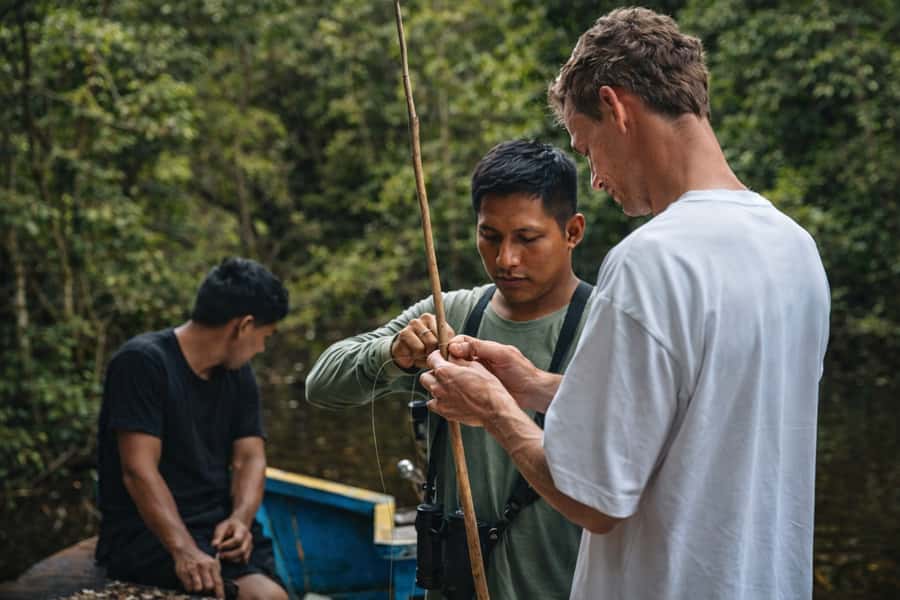
- Boat time on the Nanay and Amazon: travel itself is part of the experience, not just the transfer.
- Eco-butterfly farm + riverside eco-village: you see how people work with the jungle ecosystem.
- Night excursion for tarantulas, snakes, insects, and birds: after dark is when the Amazon gets louder.
- Sunrise wildlife watching: herons, eagles, parakeets, and other birds often steal the morning.
- Piranha fishing and sunset scenes: hands-on river time, plus time to decompress.
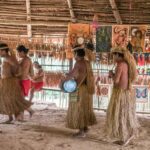
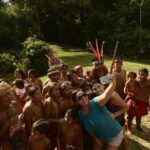
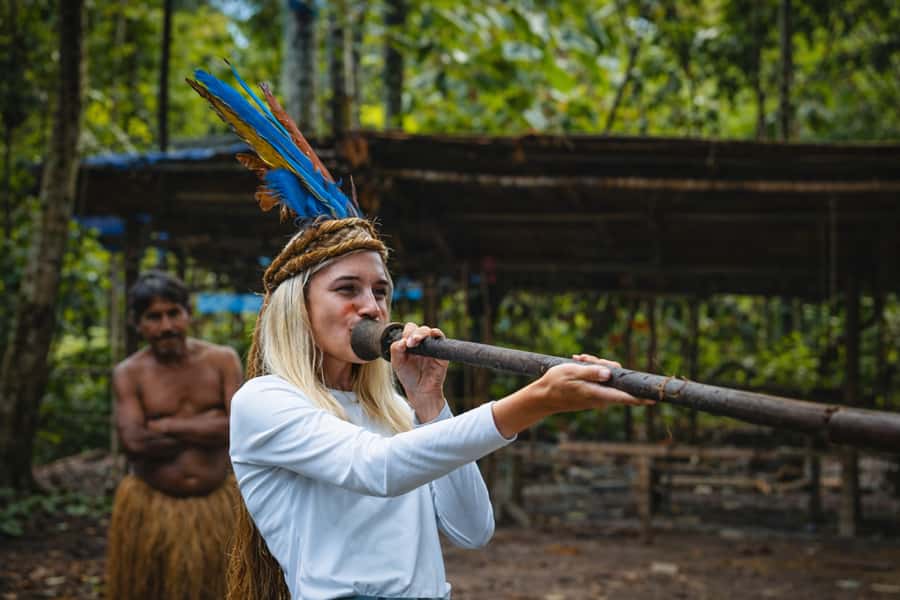
- Yahuas tribe life: the human side of the forest is built into the itinerary, not tacked on.
Iquitos to Loreto: why the river start matters
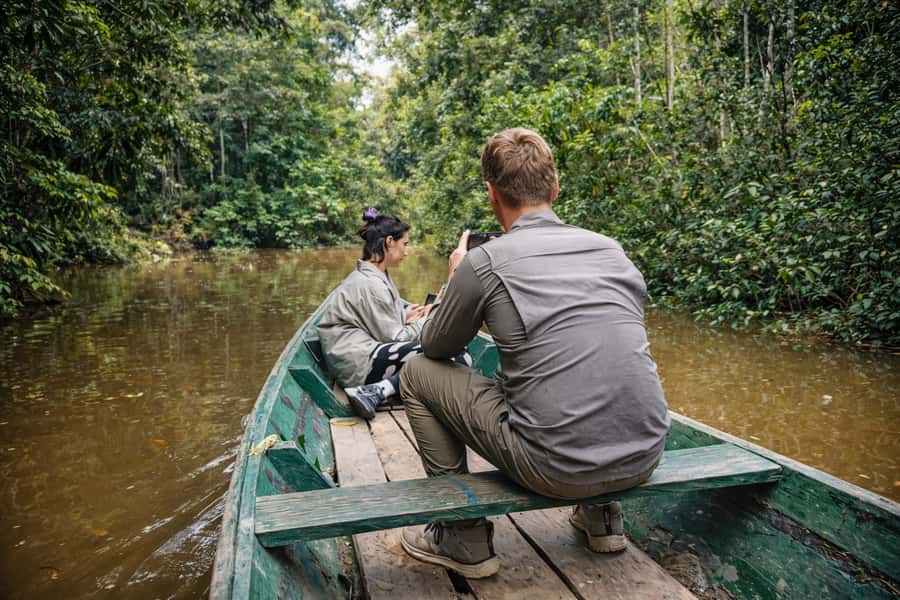
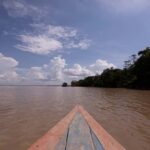
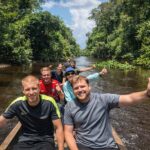
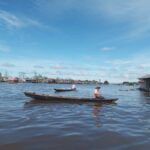
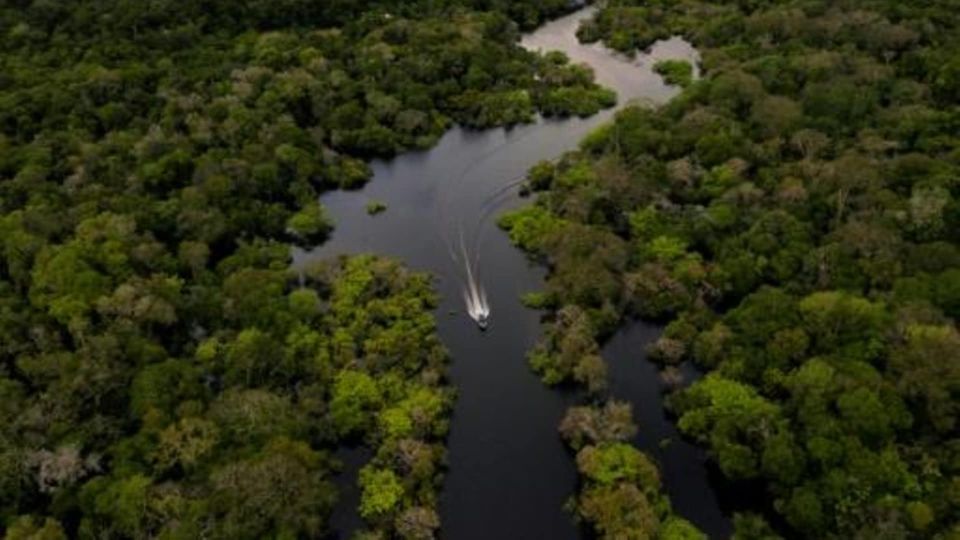
This tour starts in Iquitos and builds the adventure around water from the first day. After pickup from the airport (or a hotel close to Plaza de Armas), you head toward the Port of Nanay and board a boat for the route where the Nanay River meets the Amazon. That confluence is a smart way to begin—your eyes adjust to the jungle faster when you’re arriving by river.
You’ll also spend time learning how the guide “reads” the landscape. In many cases, local guides like Ernesto and Danny (names you may hear) grow up around this environment, so their spotting skills don’t feel like a canned script. The practical benefit for you is simple: you’re more likely to see wildlife than if you’re just staring from a viewpoint.
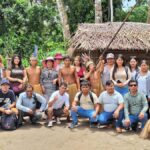
The tour is designed as a private group, with an English or Spanish live guide. That usually means the guide can pace the group for spotting, photo stops, and the calmer moments too.
You can also read our reviews of more tours and experiences in Iquitos

Day 1: Nanay-Amazon boat ride, hammock downtime, and night jungle life
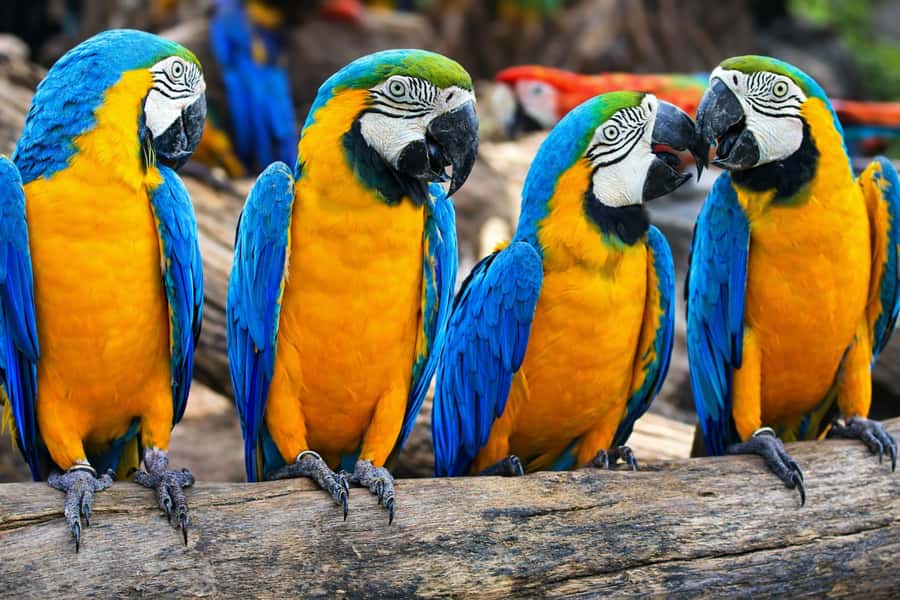
Day 1 is all about settling into the Amazon without wasting time. You board early, sail about 2.5 hours along the Amazon, and reach the lodge around the time you’re ready for lunch and a real breather. The lodge’s hammock room is the kind of detail that makes you slow down fast—after a day of travel, it’s a gentle reset.
After lunch, you visit an eco-butterfly farm and a riverside eco-village. This isn’t just “look at pretty things” time. The plants, insects, and water-side life help you understand the jungle as a working system, not a backdrop. If you’re the kind of traveler who likes to ask why things grow where they do, this part gives you something to connect later.
Back at the lodge, you’ll have dinner and then go out for a night excursion. This is one of the most consistent reasons people rate the trip highly: the chance to see tarantulas, snakes, insects, and birds after dark. It’s also the most important time to follow your guide closely—at night, a flashlight becomes your best tool, and moving carefully matters more than rushing excitement.
A small but helpful detail from the lodge experience: many guests find the sleeping setup practical for jungle conditions, with netting to keep insects away. Power may be limited for charging, so bring a power bank if you don’t want to watch your battery drain like a countdown timer.
Day 2: sunrise wildlife, free time, piranha fishing, and sunset with tales
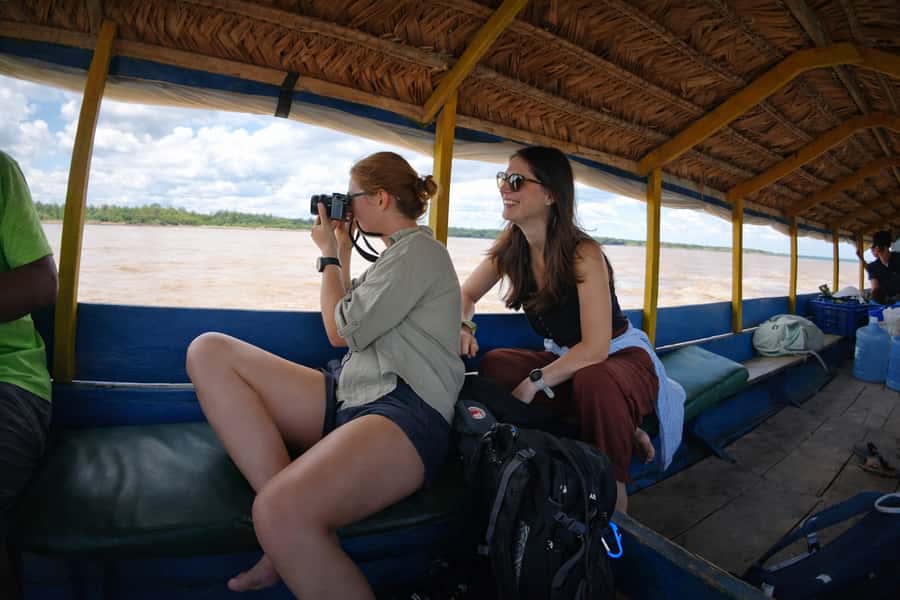
Day 2 starts early for sunrise. You’ll go out to watch the jungle wake up and you’re looking for birds like herons, eagles, and parakeets, plus other exotic species. Sunrise is worth it here because birds don’t just “exist” in the Amazon—they move and call in rhythm. If you want photos, this is also when the light is soft enough to make results look real, not washed out.
After sunrise, you return for breakfast and then you get some free time at the lodge. That isn’t filler. In the Amazon, you burn energy fast—heat, walking, and constant attention all add up. Free time gives you a chance to rest your legs, organize your photos, and just enjoy the soundscape without always being in “tour mode.”
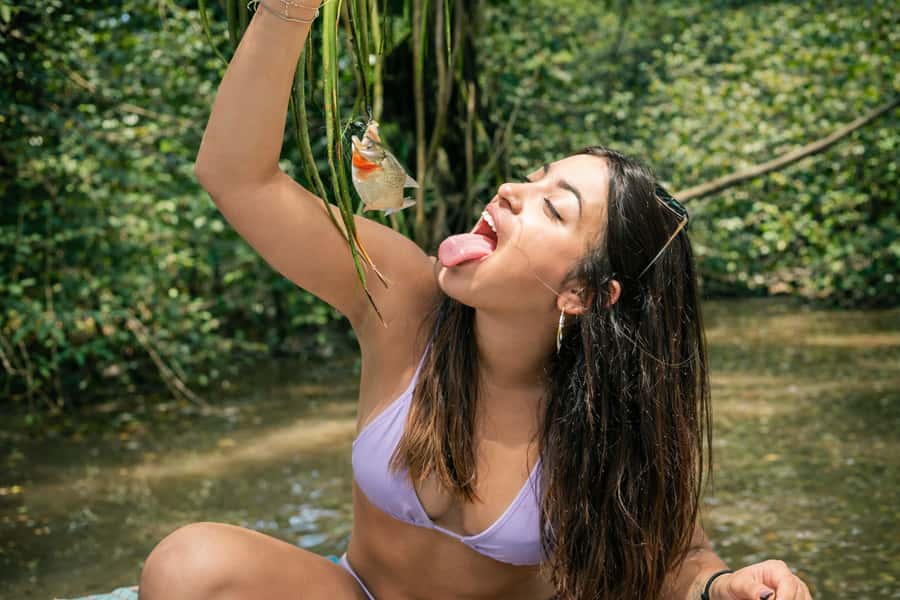
Later in the day, you’ll head out for piranha fishing. This is the kind of activity that turns the river from scenery into hands-on experience. It’s also a good reminder of why guides matter: they know where to try and how to read conditions. Then you’ll catch a sunset before dinner.
Evening time at the lodge includes traditional Amazonian tales. This part works well because the lodge is also your base—so you aren’t spending the night chasing transport. It also gives context for what you’ve been seeing: the jungle isn’t only about wildlife, it’s about relationships—between humans, plants, animals, and the water.
Day 3: botanical walk, lianas in your path, and the return to Iquitos
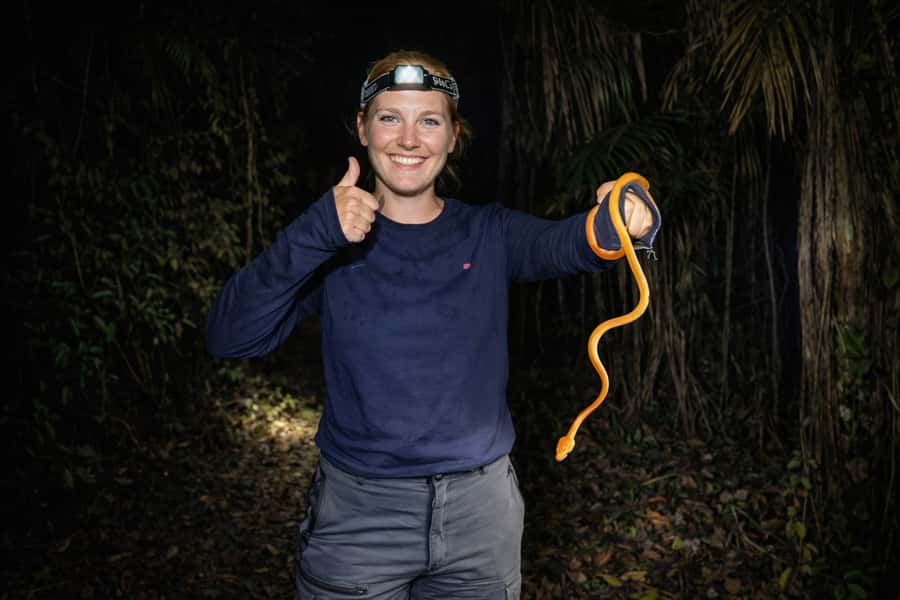
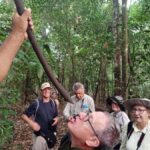
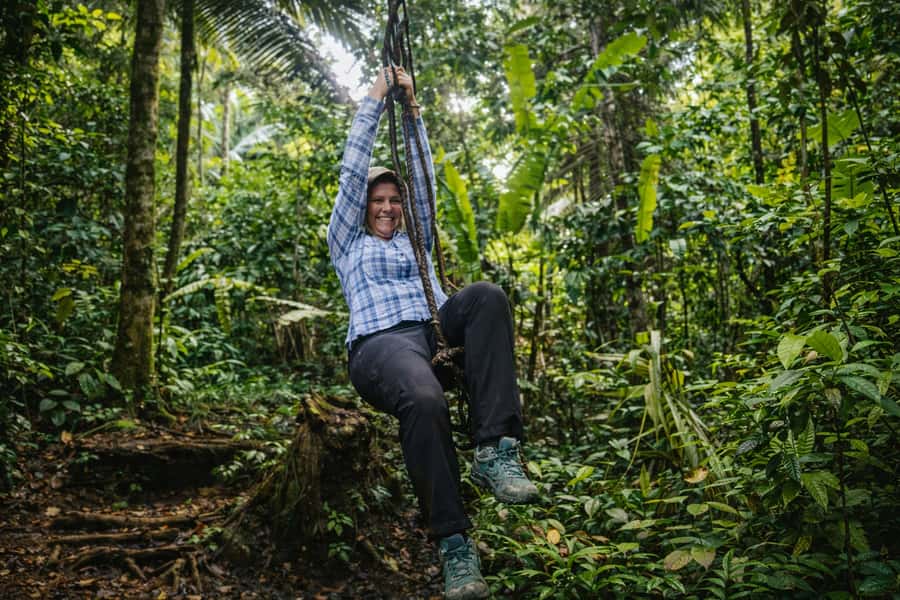
Day 3 is lighter on the hunting-for-wildlife feel and heavier on learning the jungle’s plant logic. After breakfast, you’ll go on a botanical plant walk and search for lianas. That word matters because lianas are a big piece of how forests climb and connect—think of them as living pathways and bridges for jungle life.
This walk is often where travelers appreciate the trip most long after it’s over. Once you start noticing lianas, vines, leaves, and plant behavior, the jungle stops being a blur of green. It becomes readable. Guides often share how medicinal plants grow in the Amazon, and that ties directly to the trip’s stated focus on learning the jungle’s practical uses.
Lunch happens at the lodge, then you check out and head back to Iquitos. The return transfer to the city uses motorcycle taxi, and the tour ends at the city port at 5 PM on the final day. From there, you’ll be transferred to your hotel or the airport.
Wildlife spotting: what you can reasonably hope for
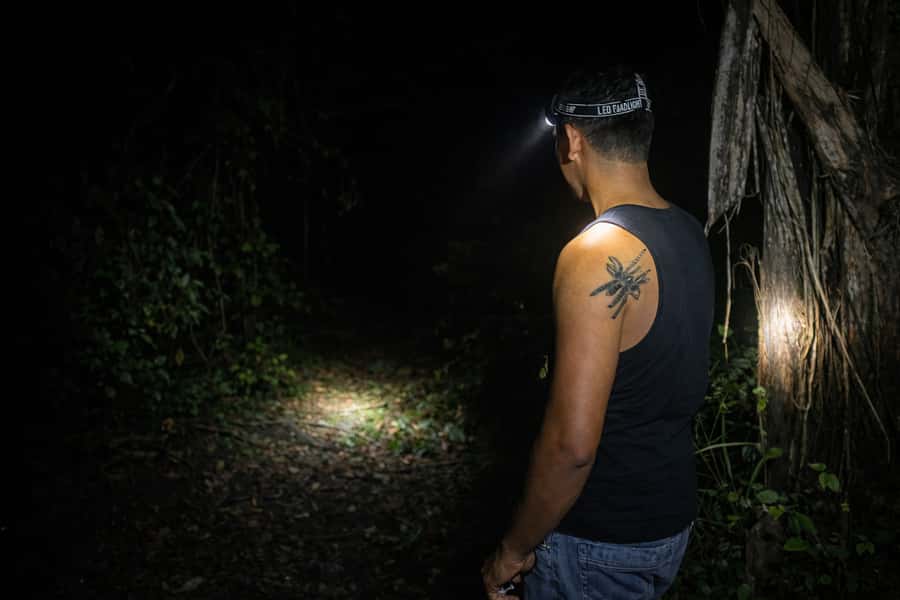
You’re coming to the Amazon for wildlife, so let’s talk straight about expectations. Conditions vary by season and river levels, and no guide can promise every animal every day. What you can count on is the structure: sunrise for birds, boat time for river life, jungle walks for plants and insects, and night excursions for the creatures that only show up after dark.
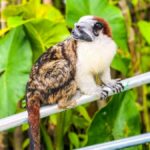
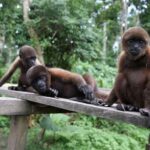
Dolphins are a highlight of the itinerary, and you may have opportunities to spot dolphins while on the river. People often talk about seeing pink dolphins, along with other river animals like caimans and alligator-type reptiles when conditions are right. You might also see monkeys, sloths, and a range of snakes and spiders depending on where the guide takes you and what the jungle offers that day.
If you’re going for photos, bring patience. Jungle wildlife can look suddenly close, then disappear. The practical win from this tour is that you’re not wandering alone—you’re following a guide who helps you narrow the search area.
The lodge reality check: basic, but built for staying present
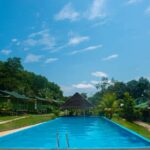
The lodge experience is part of the deal. This is not a luxury resort with a spa menu and plush robes. It’s a functional jungle base with what you need for sleep, meals, and getting ready for the next outing.
What’s worth noting:
- You get a private double room.
- Netting helps keep insects away at night.
- Meals are included each day, and the food is typically simple and filling, with filtered water provided.
- There’s often a hammock room to slow down between activities.
Some travelers also mention the lodge having helpful extras like working internet for a few stretches and even small ways to relax during downtime. Don’t plan your day around Wi-Fi, but it’s a nice bonus if it’s available when you need it.
My advice: treat the lodge like part of the adventure. If you fight the basics, you’ll be frustrated. If you accept it and pack smart, you’ll enjoy the quiet moments more.
Price and value: what $467 buys in the Amazon
At $467 per person for three days, the headline number might look steep until you translate it into what’s actually included. You’re paying for:
- airport pickup and hotel/airport drop-off
- boat transportation during the river portion
- a double room for your 2-3 nights in the lodge
- guided excursions each day (including night outing and botanical walk)
- all meals listed for each day
You’re also getting a private group setup. In the Amazon, a private format can matter because spotting depends on small movement decisions: where you pause, how long you wait, and how you reposition on a river or a trail.
So the value isn’t only the “big wildlife moments.” It’s the fact that you’re not organizing logistics yourself. You’re in the hands of local staff and a live guide, with a schedule that keeps you out at the times wildlife tends to show.
Getting ready: what to pack and what health advice to take seriously
The Amazon can be sunny, buggy, wet, and hot in quick turns. Your packing list is basically your survival kit and your photo kit.
Bring:
- sunglasses and a hat
- long-sleeved shirt and breathable clothing
- insect repellent
- biodegradable sunscreen
- change of clothes and a daypack
- flashlight
- camera and reusable water bottle
- hand sanitizer or tissues
- power bank
- travel insurance
Health note: yellow fever vaccination is recommended at your own expense. If you’re planning your trip, check your personal health plan early so you’re not scrambling at the last minute.
Also plan for how you’ll handle the final day flight. This tour starts at 10 AM and ends at 5 PM at the city port. You’ll want flights arriving before 9 AM on day 1 (or a hotel night in Iquitos first). On the last day, your return flight should be after 7 PM, or you should stay one night in the city (night not included).
Who this tour fits best (and who should consider another style)
This trip is best for you if you want:
- a guided, structured Amazon experience with multiple outing styles
- sunrise and night nature time, not only daylight viewing
- hands-on river activities like piranha fishing
- plant learning that goes beyond random “look at the leaves” stops
It may be less ideal if you need high comfort, lots of private bathroom convenience, or you hate insect exposure (even with netting and repellent). Also, if you’re very schedule-sensitive for flights, read the timing advice carefully before you commit—this tour’s end time matters.
If you’re traveling as a group of friends or a couple, the private group setup can make the whole thing feel more personal. And if you’re a wildlife fan, you’ll likely appreciate the mix of daytime, sunset, and night excursions.
Should you book the Yakumama 3-Day Amazon Adventure?
I’d book this trip if you want a real Amazon rhythm: river travel, sunrise birds, a lodge base with downtime, a night excursion for jungle creatures, and a botanical walk that teaches you how the ecosystem works. The repeated praise for guides like Ernesto, Danny, Joa, Miguel, Andrès, and Roberto is a strong signal that the people running the experience know how to spot and explain what you’re seeing.
I’d pause if you’re trying to do the trip with tight flight windows or you expect city-level comfort. The Amazon won’t negotiate. But if you pack smart and embrace the basics, this is the kind of short, intense adventure that makes the jungle feel close rather than distant.
FAQ
How long is the Amazon trip from Iquitos?
The tour duration is 3 days.
When does the tour start and end?
It starts at 10 AM and ends on the last day at 5 PM at the city port.
Is pickup from Iquitos included?
Yes. The tour includes airport pickup, and it also includes pickup from hotels near Iquitos Main Square (Plaza de Armas) if the hotel is within 4 blocks. Pickup from Airbnb accommodations is not available.
What room type is included?
You’ll get a double room.
What meals are included?
Day 1 includes lunch and dinner. Day 2 includes breakfast, lunch, and dinner. Day 3 includes breakfast and lunch.
What excursions are included across the 3 days?
You’ll do a boat trip on the Nanay/Amazon route, visit an eco-butterfly farm and a riverside eco-village, enjoy a night excursion, fish for piranhas, watch sunrise, and take a botanical plant walk for medicinal plants and lianas.
Is a tribe visit included?
Yes. The experience includes seeing how the Yahuas tribe lives.
What languages will the live guide speak?
The live tour guide speaks English and Spanish.
What should I bring for the jungle conditions?
Bring sunglasses, a hat, change of clothes, a camera, biodegradable sunscreen, long-sleeved shirt, insect repellent, breathable clothing, a flashlight, a daypack, reusable water bottle, hand sanitizer or tissues, and a power bank.
Do I need any health shots before going?
Yellow fever vaccination is recommended at your own expense.