Animal rescues start with a short Cusco drive. The Cochahuasi Animal Sanctuary tour is interesting because it mixes a guided visit to rescued wildlife with a real education mission for local schools and the public. You also get hotel pickup and a small-group feel, so it’s not just a quick photo stop.
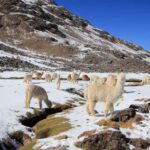
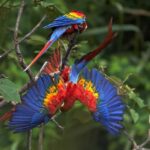
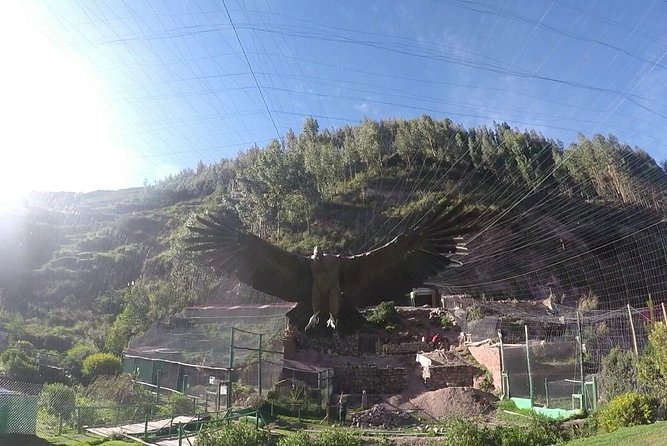
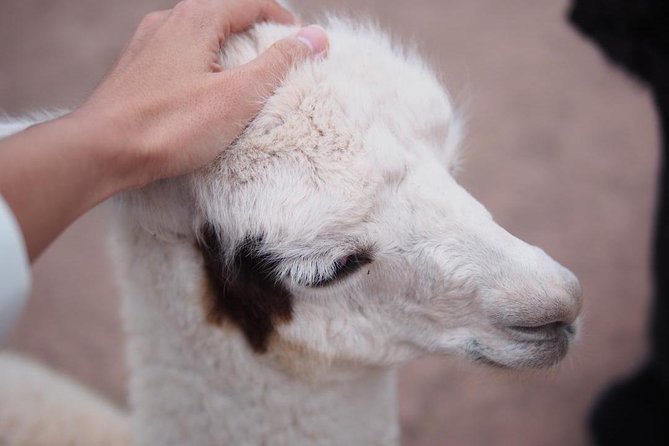
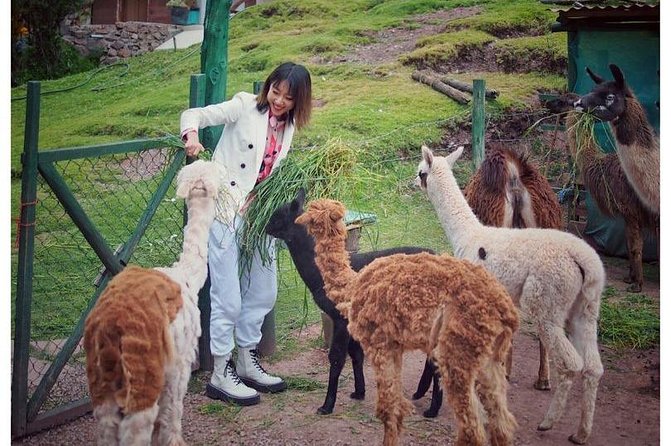
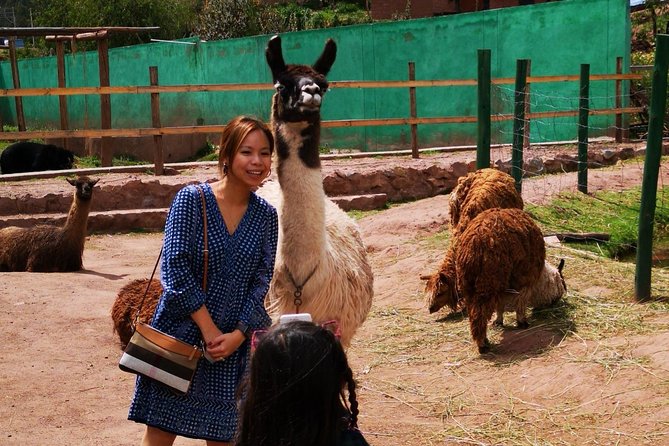
I especially liked the way the guide explains each animal’s story and how the sanctuary cares for them. You can see lots of native animals, and during the walk you may get hands-on moments like feeding alpacas or birds, with chances for close interaction such as petting a toucan. If you’re lucky, you’ll also catch dramatic moments like a condor soaring overhead.
One consideration: the experience requires good weather, so if it’s rainy or gray, the plan may shift or you may need a different date. For a short tour like this, having a little flexibility in your Cusco schedule helps.
In This Review
- Quick highlights
- Cochahuasi Sanctuary: What Makes This Worth the $34
- Cusco Pickup and Timing: How the 2–3 Hours Really Works
- Inside the Sanctuary Walk: What You’ll See and How the Guide Frames It
- Feeding and close interactions (what to expect)
- The Animal Care Mission: Rescue, Rehabilitation, and Natural Habitat Goals
- The Alpaca Products Store: Your Purchase Has a Direct Effect
- Logistics That Make It Easier: Tickets, Language, and Small-Group Feel
- Who Should Book This Sanctuary Tour (and Who Might Not)
- Tips for Getting the Most From Your 2–3 Hour Visit
- Should You Book Cochahuasi in Cusco?
- FAQ
- How long is the Cochahuasi Animal Sanctuary tour?
- Is hotel pickup offered?
- Where is the meeting point?
- What’s included in the price?
- How many people are in the group?
- What animals might I see at the sanctuary?
- Is there any feeding or close interaction with animals?
- Will I have time to return after the tour?
- What happens if the weather is poor?
Quick highlights
- Small group, personal pace: maximum of 10 travelers, with a private-tour setup that lets you move at your own rhythm.
- Rescue stories, not just sightings: the guide talks about where animals came from and what they went through.
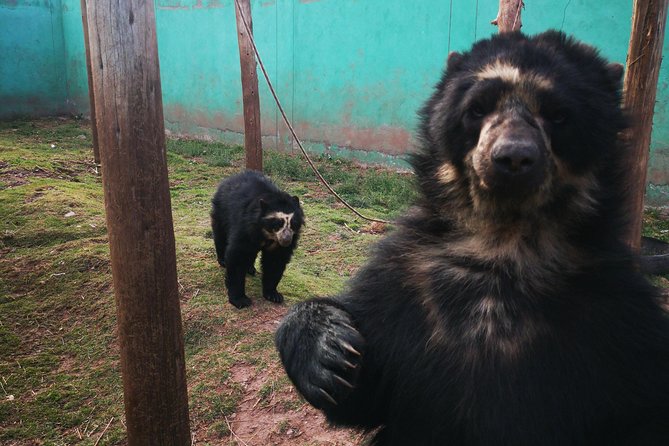
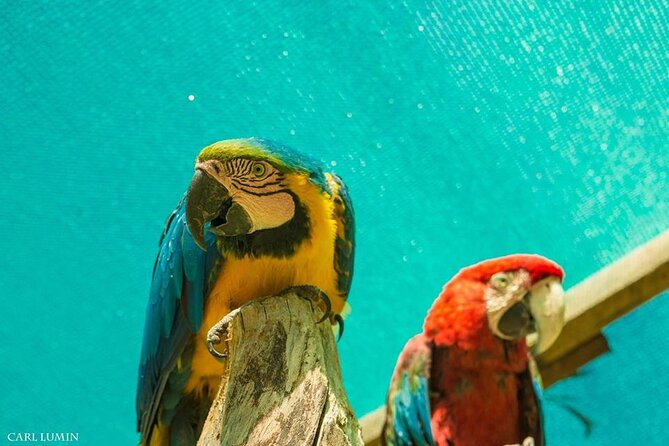
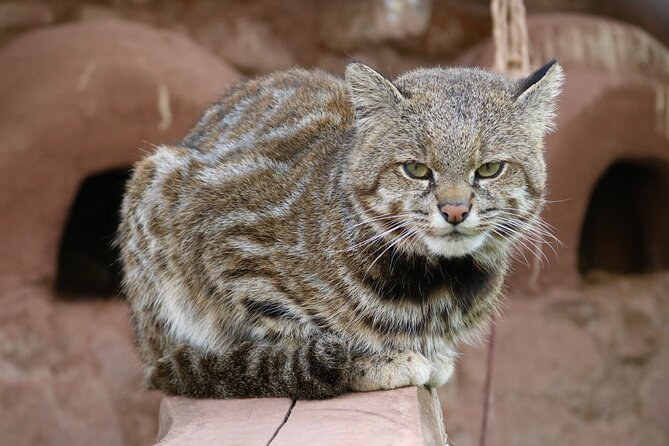
- Many species in one visit: you may see monkeys, macaws, turtles, deer, cats, alpacas, bears, foxes, and condors.
- Hands-on animal time: feeding moments can include birds and alpacas, and close interactions like petting a toucan can happen depending on the situation.
- Your money supports the mission: the on-site store funds both animal care and nearby peasant communities.
- Convenient logistics: pickup from your lodging or a nearby meeting spot, plus admission included.
Cochahuasi Sanctuary: What Makes This Worth the $34
At $34 per person, this isn’t a bargain in the ultra-budget sense—but it is priced like a proper experience. You’re paying for three things that matter in Cusco: a guided visit, admission to the sanctuary, and door-to-door (or close-to-door) convenience.
The sanctuary itself is built for animal wellbeing. Instead of tiny cages and frantic routines, you’re walking through a large area in nature where rescued animals live with daily care and feeding. That setup changes how you experience the visit. You’re not just checking off animals. You’re seeing how rescue and rehabilitation work when the goal is safety and long-term care.
The education side is also part of the value. The program is designed to teach respect for nature and animals, including school groups and the general public. When the guide connects the animals to the mission—rescue, care, and returning some to natural habitats—it feels less like entertainment and more like a living classroom.
You can also read our reviews of more tours and experiences in Cusco.



Cusco Pickup and Timing: How the 2–3 Hours Really Works
The tour is listed as about 2 to 3 hours. That total time is important because it means you can fit it into a normal Cusco day without wrecking your itinerary.
Here’s how it tends to feel in practice:
- A vehicle picks you up from your accommodation (or from a location you arrange), or you meet at the start point.
- Then you head out to the sanctuary.
- The guided sanctuary portion is about 1 hour (admission included).
- After the visit, you get flexible return options—either back to your accommodation or to the main square area—based on what works for the group.
The start point is at Selina Cusco SaphiC, on C. Saphy 601. The end is listed back at the meeting point, but the tour description also notes flexible drop-off options after the tour. When a tour offers flexibility like that, it’s usually a win—just confirm the exact return plan when you get your confirmation message.
Group size stays small (maximum 10), which helps keep the timing realistic. You’re not herded through in a rush. If you want slower moments—stopping to listen to animal stories—you’re more likely to get them.
Inside the Sanctuary Walk: What You’ll See and How the Guide Frames It
The heart of the experience is a guided walk at Cochahuasi Animal Sanctuary. The guide doesn’t just point and name. They explain.
You can expect to learn about:
- Native animals from the Sierra and jungle regions
- How animals ended up in the sanctuary
- What the sanctuary does day-to-day to keep them healthy and safe
- The broader mission of education and rescue
From the animal list connected to this sanctuary visit, you may see:
monkeys, macaws, turtles, deer, deer cats, alpacas, bears, wild cats, foxes, and condors
(That’s a strong mix, and it’s why the tour feels “full” even though the guided time is about an hour.)
One review highlighted an in-depth approach where the guide was patient and explained each animal’s background and rescue story. That kind of framing matters. Without it, animal encounters can feel like random trivia. With it, you start understanding why the sanctuary’s daily work is urgent and non-negotiable.
Also watch for moments that are less predictable but unforgettable—like a condor flying overhead. When the sky cooperates, the sanctuary becomes more than a walk. It becomes a living scene.
Feeding and close interactions (what to expect)
You might get chances for animal interactions that go beyond simply looking. Examples tied to this experience include feeding alpacas and birds, plus the possibility of petting a toucan when workers bring the bird out for interaction.
A practical note: those interactions depend on animal comfort and what the staff is doing that day. So treat feeding and petting as a bonus, not a guarantee.
The Animal Care Mission: Rescue, Rehabilitation, and Natural Habitat Goals
The sanctuary’s purpose is education and animal rescue. That’s stated clearly, and you’ll feel it in how the visit is organized.
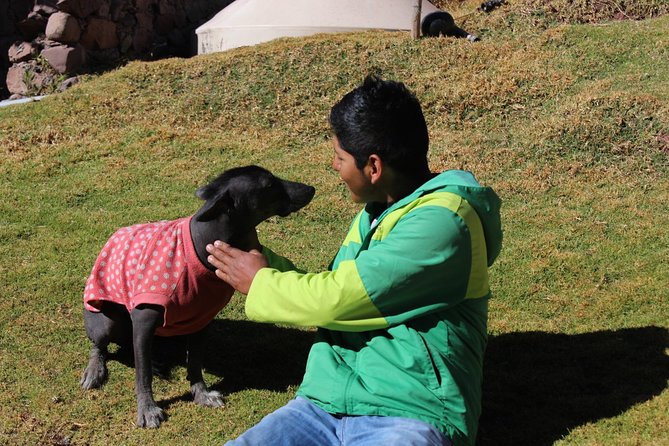
A big part of the story is that many animals in the sanctuary were victims of serious human behavior. That’s not a depressing detail for its own sake. It’s part of the ethical frame of the visit: these animals didn’t choose this life, and the work of the sanctuary is about giving them a safe, healthy future.
The sanctuary also has a sustainability model that relies heavily on its own income rather than government support. That shapes the visit in an important way—because it’s not only about seeing the animals. It’s about understanding how ongoing care gets funded.
You may hear about the goal of freeing some animals back into their natural habitats. That goal is the reason the sanctuary’s work isn’t just “housing rescued wildlife.” It’s rehabilitation, long-term wellbeing, and education all at once.


The Alpaca Products Store: Your Purchase Has a Direct Effect
After the tour, there’s time to visit the store where you can buy products made from alpaca. This is worth planning for, because it’s tied directly to the sanctuary’s survival.
Here’s how the store supports the mission:
- 50% of sales goes toward caring for the animals
- 50% goes toward peasant communities around the sanctuary
That split is a big deal. It turns the visit into a simple, local-impact loop: your money helps keep the animals healthy while also supporting nearby community livelihoods. Since the sanctuary doesn’t receive government support, those purchases and donations are part of what keeps the work going.
If you like practical souvenirs, this is one of the better models you’ll find in Cusco. You’re not buying a trinket that disappears in a drawer. You’re buying something you can use, while backing the care behind the place.
Logistics That Make It Easier: Tickets, Language, and Small-Group Feel
A few details make this tour easier than many “half-day” activities in Cusco:
- Mobile ticket: you don’t have to hunt down printed paperwork.
- English guide: the tour is offered in English.
- Small cap on group size: maximum of 10 travelers.
- Private tour format: even with multiple travelers, the setup is meant to keep the experience at your pace.
That “pace” word matters. In many animal tours, you feel pushed from one enclosure to the next with no time to listen. Here, the private-tour feel gives you a better shot at catching the guide’s explanations and asking follow-up questions while the guide is still in the right mindset.
If you’re pairing this with other Cusco highlights, the good news is that it doesn’t require a full day of planning. With pickup and a short guided portion, it fits nicely around meals, walking, and acclimation time.
Who Should Book This Sanctuary Tour (and Who Might Not)
This tour is a great fit if you:
- Want an animal experience with an education mission, not just sightseeing
- Appreciate rescue stories and animal wellbeing
- Prefer small groups and a guide who can answer questions
- Are looking for something that fits into a tight Cusco schedule
It may not be the best choice if you:
- Hate being outdoors in changing mountain weather
- Expect a long, multi-stop wildlife day (this is mainly one guided sanctuary stop)
- Need a very strict drop-off location guaranteed exactly as stated (the return is flexible, based on what works after the tour)
If you’re traveling as a couple or with friends and want a short, meaningful outing, this is one of the better “low hassle” options around Cusco.
Tips for Getting the Most From Your 2–3 Hour Visit
You don’t need special gear for this kind of tour, but you can make it easier on yourself:
- Dress in layers. Cusco conditions can shift, and you’ll likely be outside for parts of the journey.
- Bring a camera if you care about wildlife shots. If you’re trying to capture moments like birds, alpacas, or a flying condor, you’ll be glad you brought it.
- If you have a tight schedule, confirm your return plan when you book, especially if you want to end near your lodging or a specific point.
Most of all: treat the guide’s explanations as part of the experience. When you listen, the animal sightings land differently.
Should You Book Cochahuasi in Cusco?
I think this is a strong booking for the right kind of traveler. If you want a short trip that mixes native wildlife, rescue education, and real community funding, this tour checks those boxes.
Book it if:
- You can handle outdoor time and you’re willing to be flexible with weather
- You like guided, story-based visits
- You want a meaningful Cusco experience that supports ongoing animal care
Skip or rethink it if:
- You’re only interested in long wildlife itineraries or multiple stops
- You’re not comfortable with potential weather changes
If your day is open and you want something smaller, more personal, and more purposeful than the typical “see a view, take a photo, move on” plan, Cochahuasi is worth your time.
FAQ
How long is the Cochahuasi Animal Sanctuary tour?
It’s about 2 to 3 hours total. The sanctuary admission and guided time are about 1 hour.
Is hotel pickup offered?
Yes. Pickup is offered from your hostel or a location you can arrange, and you can also meet at the start point if you prefer.
Where is the meeting point?
The start point is Selina Cusco SaphiC, C. Saphy 601, Cusco 08002, Peru.
What’s included in the price?
Admission is included, and the tour is guided in English. The price also covers the small-group tour format with the included sanctuary time.
How many people are in the group?
The tour has a maximum of 10 travelers.
What animals might I see at the sanctuary?
The visit can include native animals such as monkeys, macaws, turtles, deer, deer cats, alpacas, bears, wild cats, foxes, and condors, among others.
Is there any feeding or close interaction with animals?
You may have chances for interactions such as feeding animals (including alpacas and birds) and close contact like petting a toucan, depending on what the staff is doing that day.
Will I have time to return after the tour?
Yes. After the tour, there’s free time and the return can be flexible—either back to your accommodation or to the main square of Cusco.
What happens if the weather is poor?
This experience requires good weather. If it’s canceled due to poor weather, you’ll be offered a different date or a full refund.