REVIEW · ANDES MOUNTAINS PERU
From Arequipa: Sillar Route and Hike in Culebrillas
Book on GetYourGuide →Operated by Chullos Travel Peru · Bookable on GetYourGuide
Sillar stone tells Arequipa’s story. This 4-hour route pairs hands-on geology with a short nature walk in the Culebrillas area, then ends with petroglyphs you can actually photograph. It’s a simple format: transport, a live guide in Spanish or English, and a clear trail from the quarry out toward the creek.
I love how the guide explains where sillar comes from and why it shaped the look of Arequipa, especially the buildings around the main square. I also love the built-in time to walk and look, including a 20-minute stretch through a canyon cut by water erosion.
One consideration: you’ll be walking on uneven ground near the creek, so it’s not a good fit if you have vertigo or mobility limits from a recent surgery, or if you’re pregnant.
In This Review
- Key points before you go
- Sillar Route basics: why this tour feels more like a lesson than a drive-by
- Añashuayco quarry: seeing how sillar is extracted (and why it shows up everywhere)
- Culebrillas creek and the small canyon walk: your 20 minutes of erosion
- Petroglyphs at the end: a quiet moment for meaning and photos
- Local gastronomy during the tour: what to expect without overpromising
- Price and value: how the $12 stacks up with the add-on fees
- Logistics that make or break your day
- Who should book this, and who should skip it
- What to bring so you’re comfortable the whole way
- Should you book the Sillar Route and Hike in Culebrillas?
- FAQ
- FAQ
- How long is the Sillar Route and Hike in Culebrillas?
- Where does the tour start?
- What language is the live guide?
- How big is the group?
- What’s included in the price?
- Are entrance tickets included?
- What should I bring?
- Is the tour suitable for pregnant women?
- Is it suitable if I have vertigo?
- What are the rules during the tour?
- Is there free cancellation?
- Can I reserve without paying right away?
Key points before you go
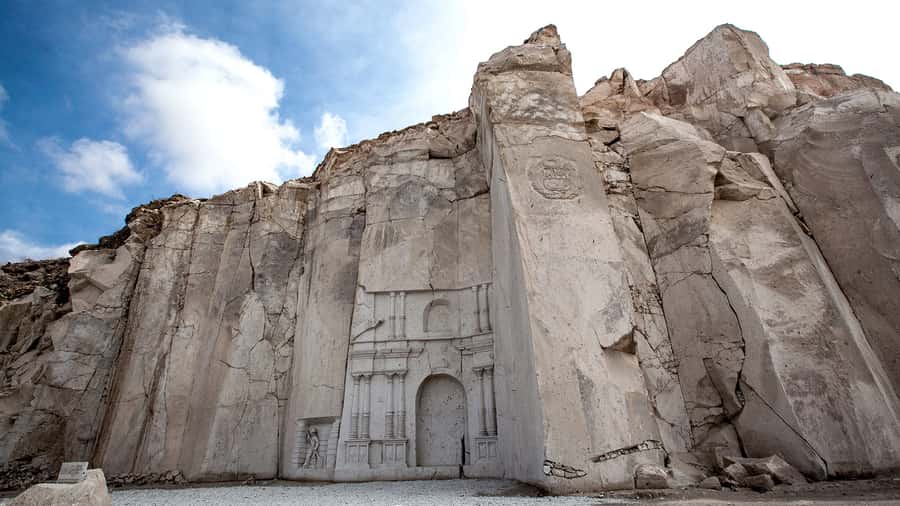
- Añashuayco quarry context: you’ll learn how sillar extraction works and why the stone matters in Arequipa.
- A real canyon walk: about 20 minutes along the Culebrillas creek, formed by erosion.
- Petroglyph photo time: you get a chance to admire and photograph the rock markings.
- Small group feel (up to 10): easier questions, more attention from the guide.
- Local gastronomy included in the experience: the tour includes typical dishes as part of the outing.
Sillar Route basics: why this tour feels more like a lesson than a drive-by
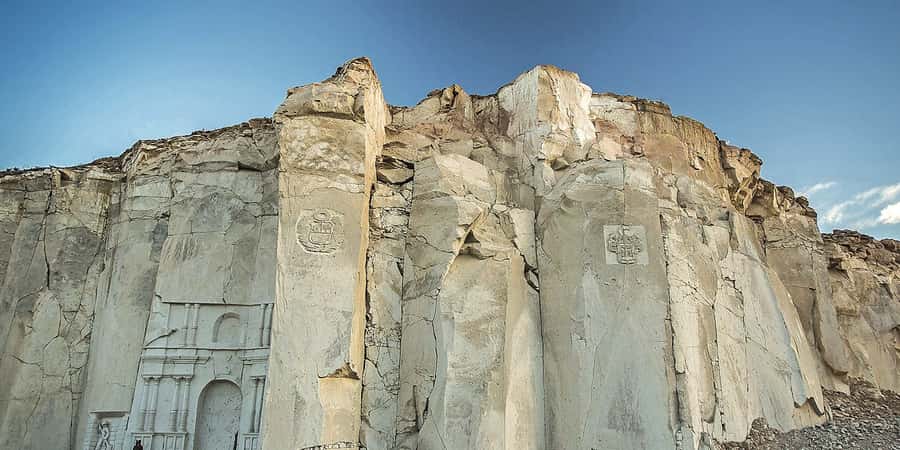
Arequipa has a glow to it that’s hard to describe until you learn the source material: sillar, the pale volcanic stone used across the city. This tour is built around that idea. You’re not just passing viewpoints. You’re learning the “why” behind what you see in Arequipa.
You’ll start with hotel pickup and then head out of town toward the Añashuayco quarry area. From there, the itinerary follows a clean arc: stone extraction → water-carved canyon → petroglyphs → back to Arequipa. That flow matters. It ties together geology, nature, and human marks on rock in a way that’s hard to get if you only visit one place.
Also, the small group size (limited to 10) makes a difference. It’s the kind of day where you’ll likely have time to ask follow-up questions, not just listen and move on.
You can also read our reviews of more hiking tours in Andes Mountains Peru
Añashuayco quarry: seeing how sillar is extracted (and why it shows up everywhere)
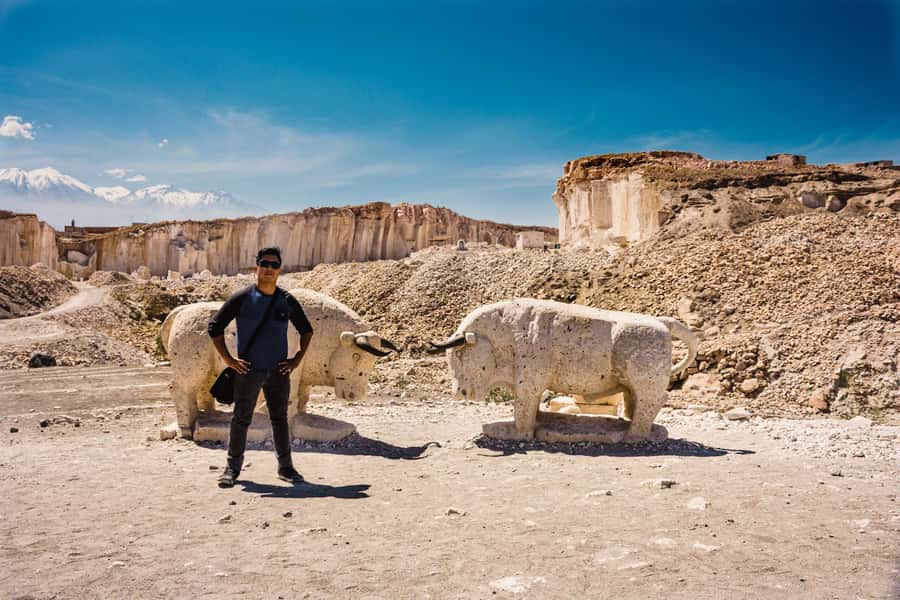
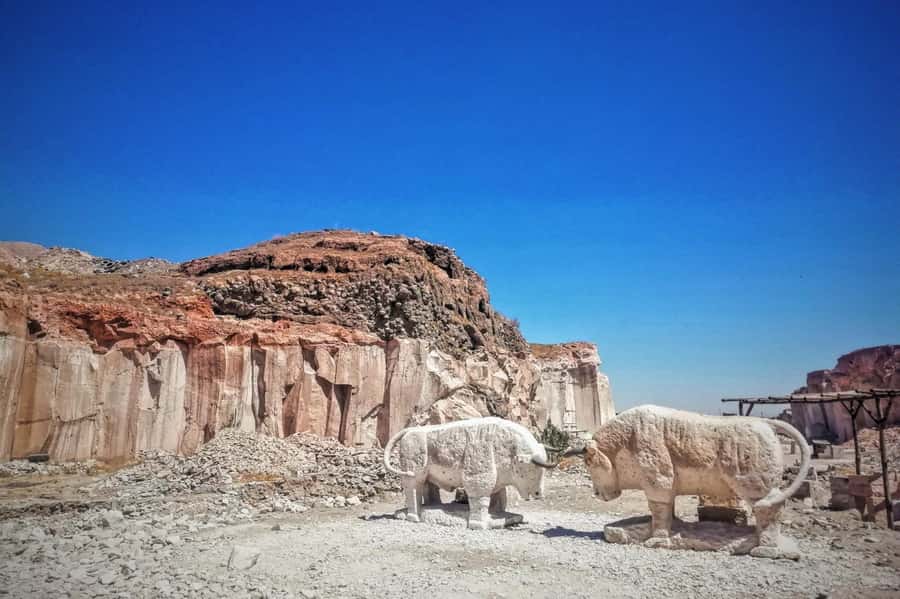
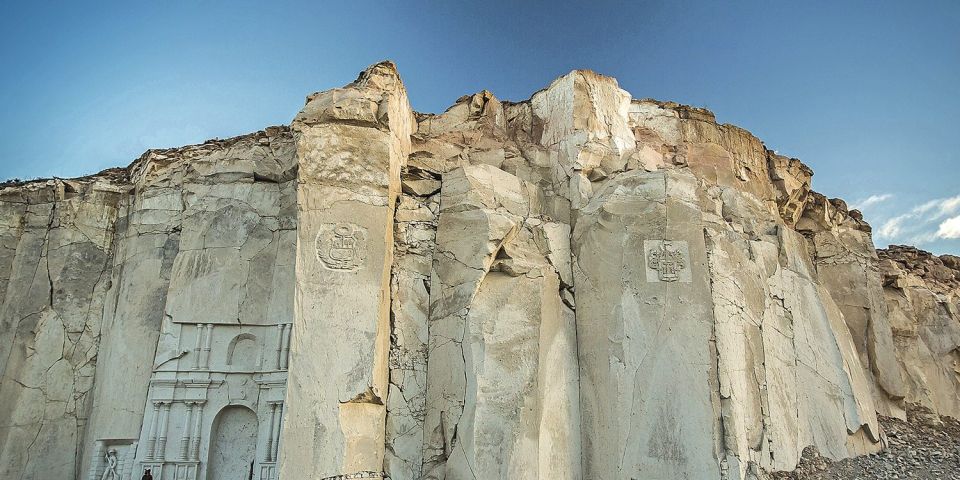
The first big stop is the route toward the Añashuayco quarry. Once everyone is in the mobility, the guide sets the stage with explanations about the extraction process of sillar.
What I like about this kind of stop is that it turns the stone from “background scenery” into an object with a story. The guide covers the process of quarrying, and you’ll connect that to why many constructions around Arequipa’s main square were built with this same stone. In plain terms: you start noticing details in the city because you know what to look for.
Practical note: you’ll want comfortable clothes, even if the day feels mild. Quarry and creek areas can mean dust and uneven paths, plus you may end up pausing in different spots for photos.
If you’re the type who enjoys learning as you travel, pay attention here. This is where the tour earns its value, because the rest of the day becomes easier to understand once you’ve got the sillar basics.
Culebrillas creek and the small canyon walk: your 20 minutes of erosion
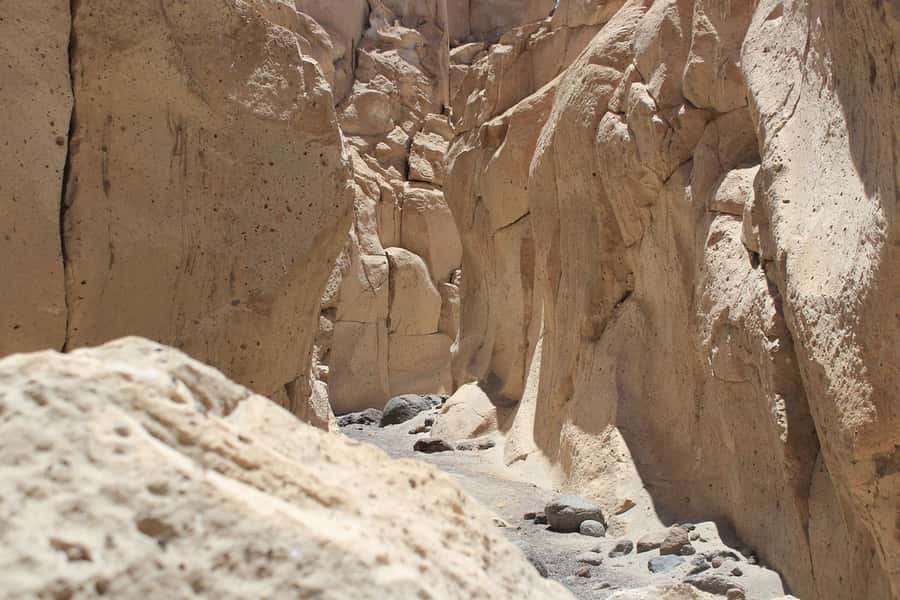
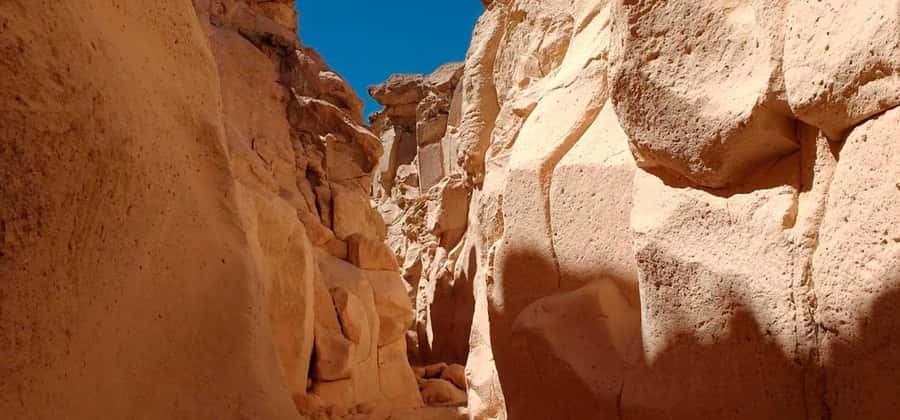
After the quarry explanation, the tour shifts from stone making to water shaping the land. Next up is the Culebrillas creek, where you’ll walk for about 20 minutes through a small canyon created by erosion from water.
This is a short hike, not a long trek. Still, the experience is meaningful because erosion is one of those slow processes you can’t really see unless you’re looking at it from close range. The canyon shape is the evidence. The guide’s job is to help you connect the visible result to the cause—how water carved that channel over time.
Here’s your real takeaway as a traveler: you’ll leave with a new way of reading the terrain. Instead of seeing “rocks and dirt,” you’ll understand that the form of the place is the result of forces doing work over long periods.
On the practical side, this walk includes uneven footing, so wear comfortable shoes and watch your steps—especially if it’s slick or if you’re tired. And if you’re prone to vertigo, this segment is exactly the kind of place that can make you uncomfortable, which is why the tour isn’t suitable for vertigo.
Petroglyphs at the end: a quiet moment for meaning and photos
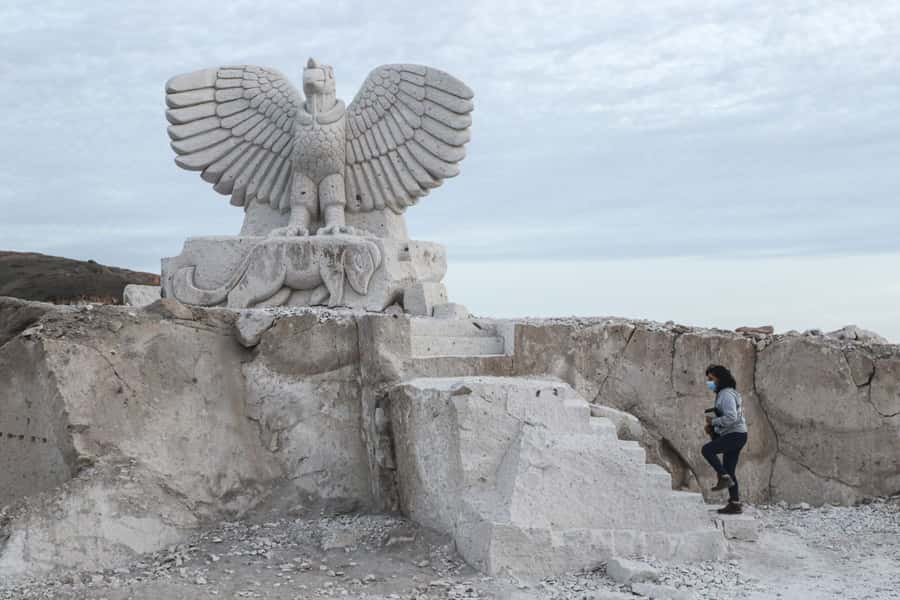
At the end of the tour, you’ll see petroglyphs and have time to admire and photograph them. This is a nice tonal shift after quarry and creek. It moves the day from natural forces to human expression—people leaving marks in rock.
Even if you don’t know much about the symbols beforehand, the experience works because you get time to look. The tour format doesn’t rush you through like it’s just a stop on a map. You’re there long enough to frame photos and actually take in what’s carved.
If you care about photography, bring your camera/phone charged. Light can change quickly once you’re outdoors, and you’ll want a few attempts rather than one “good luck” shot.
Local gastronomy during the tour: what to expect without overpromising
The tour highlights mention typical dishes and local gastronomy as part of the experience. In other words, it’s not only about stone and walking. You’re likely to get at least one food moment built into the day.
What you can do to get the most out of this: come a little hungry and plan to ask the guide what to try. Since the tour is small (up to 10), that’s a good chance to get recommendations for simple, local options that won’t derail your schedule.
If you have dietary restrictions, you should check before going. The details of specific dishes aren’t listed here, so you’ll want to confirm what will be offered and whether it fits your needs.
Price and value: how the $12 stacks up with the add-on fees
The listed price is $12 per person for a 4-hour experience with tourist transport and a live guide (Spanish and English). That’s a strong budget baseline, especially because you’re not just doing a self-guided walk. You’re getting guided explanations at key points.
That said, entrance tickets are not included. You’ll pay separately:
- Cantera 5: 5 soles
- Culebrillas: 5 soles
So your total is likely around 22 soles worth of entry fees on top of the base price (depending on how the tour handles currencies and timing). It’s still generally reasonable, but I’d go into it knowing you’ll have small on-site costs.
Where the value really lands: the guide-led quarry explanation plus the canyon walk plus petroglyph viewing is a solid package for one half-day trip out of Arequipa. If you’re trying to cover more than one angle of the region—geology, nature, and rock art—this format is efficient.
Logistics that make or break your day
This is one of those tours where logistics matter because you’re outdoors and on the move.
- Hotel pickup starts the day. That’s a big win in Arequipa, because it reduces planning stress and keeps you from wasting the first hour figuring out transport.
- Small group (max 10) helps with pacing. You can ask questions and still have time to look on your own.
- Duration: 4 hours means you’ll get a focused dose without committing to a full day. It’s ideal if you want something active but not exhausting.
About guides: this type of outing runs with live guidance, and different guides can shape the vibe. Two names that stand out from this experience include Alexandra and Toni, both noted for making the information interesting and fun, while still leaving you time to explore independently.
Also, the tour doesn’t allow alcohol and drugs. It’s a small, organized outing, so keep it sensible.
Who should book this, and who should skip it
This is a great choice for you if:
- You like understanding what you’re seeing, not just taking photos
- You enjoy short nature walks
- You want a half-day plan that connects multiple stops outside the city
- You prefer a small group over large bus tours
You should skip it (or choose another option) if:
- You’re pregnant
- You have vertigo
- You’ve had recent surgeries and might have limits with walking or uneven ground
If you’re unsure, focus on the canyon walk segment. Short doesn’t always mean easy on your body, especially if you’re sensitive to uneven terrain.
What to bring so you’re comfortable the whole way
You’ll get the best experience if you show up prepared. Bring:
- Passport or ID card
- Comfortable clothes
My practical add-ons (not listed, but you’ll thank yourself later): comfortable walking shoes and sun protection. The quarry and creek setting are outdoors, and you’ll likely be in the light for photos.
Should you book the Sillar Route and Hike in Culebrillas?
If you want a focused Arequipa half-day that blends city materials (sillar) with a short nature walk (Culebrillas canyon) and ends with petroglyphs, I think this is a smart booking. The small group size and live guide make it feel like more than a drive around.
I’d only hesitate if you’re worried about uneven footing or you’re in a category where the tour is listed as not suitable. If that applies, choose a different Arequipa activity that matches your comfort level.
FAQ
FAQ
How long is the Sillar Route and Hike in Culebrillas?
The tour duration is 4 hours.
Where does the tour start?
It starts with hotel pickup in Arequipa, then heads out toward the Añashuayco quarry.
What language is the live guide?
The live guide speaks Spanish and English.
How big is the group?
The group is limited to 10 participants.
What’s included in the price?
The price includes tourist transport and a tour guide.
Are entrance tickets included?
No. Entrance tickets are not included for Cantera 5 (5 soles) and Culebrillas (5 soles).
What should I bring?
Bring your passport or ID card and comfortable clothes.
Is the tour suitable for pregnant women?
No, it is not suitable for pregnant women.
Is it suitable if I have vertigo?
No, it is not suitable for people with vertigo.
What are the rules during the tour?
Alcohol and drugs are not allowed.
Is there free cancellation?
Yes. You can cancel up to 24 hours in advance for a full refund.
Can I reserve without paying right away?
Yes. It offers reserve now & pay later, so you can book and pay nothing today.