REVIEW · ANDES MOUNTAINS PERU
Marcahuasi Experience in Lima
Book on GetYourGuide →Operated by Go Touch Perú · Bookable on GetYourGuide
A dawn hike above Lima changes your mood. This Marcahuasi experience pairs an early ride into the Lima Andes with a calm, guided walk among rock shapes that feel otherworldly. You’re far enough from the city to hear your own breathing, and the day has that rare mix of fresh air and quiet awe.
What I love most is the peaceful hike (about 2 hours, with a moderate fitness level in mind). The second big win is the stop at Marcahuasi itself: the rock formations show human, animal, and strange “not from this planet” figures, and the site is described as having a ceremonial role going back thousands of years. One consideration: at around 3,500 m (11,500 ft), some people feel the altitude, so take it easy, sip water, and tell your guide if you’re not feeling great.
In This Review
- Key things you’ll notice
- A dawn departure that actually feels different
- The vintage-car road trip through changing Andean valleys
- Registering in San Pedro de Casta at 3,500 m
- Marcahuasi: the rock formations and that 2.5-hour walk
- The energy story, and how to experience it in a grounded way
- Price and what you’re really paying for (plus the park fee)
- Who should book this, and who should skip it
- The real rundown: how the day flows
- Should you book Marcahuasi in Lima?
- FAQ
- FAQ
- How long is the Marcahuasi experience?
- Is breakfast and water included?
- How long is the hike at Marcahuasi?
- What is the entrance fee for Marcahuasi?
- What languages does the guide speak?
- How high do you get during the day?
Key things you’ll notice
- Early mountain departure for a calmer start that lets the wildlife announce dawn
- Vintage car ride with lots of time looking out over changing Andean valleys
- San Pedro de Casta at 3,500 m where you register before heading to Marcahuasi
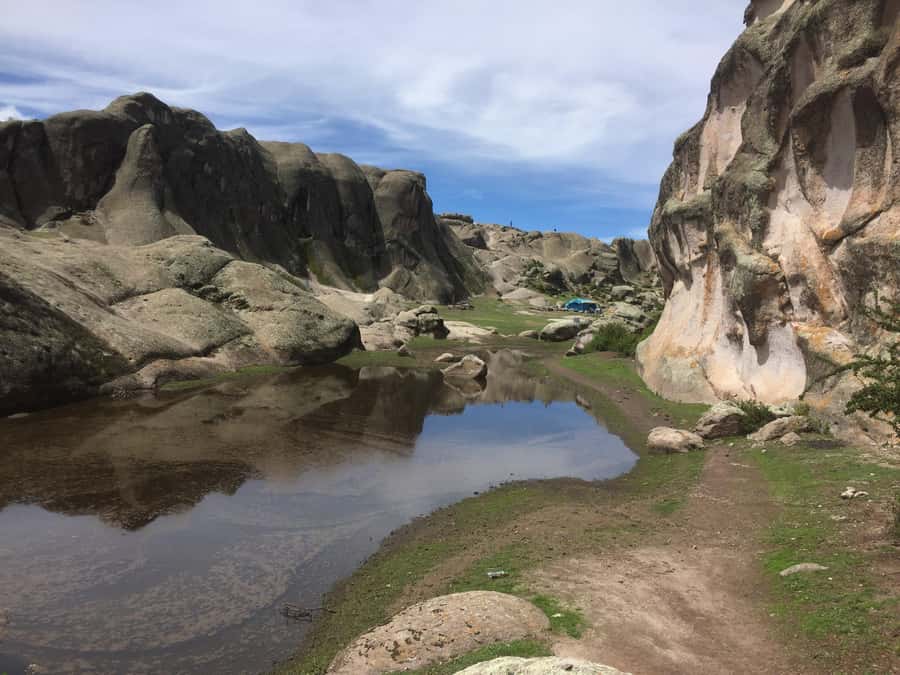
- About 2.5 hours walking time focused on big rock formations and their shapes
- Guides like Carlos who are described as respectful, attentive, and great drivers (in some departures)
- Park entrance is extra (~$6 USD) so the all-in cost is slightly higher than the base price
A dawn departure that actually feels different
This isn’t a sit-and-watch tour. It starts very early, heading toward the mountains while the light is still shifting. The day is paced around that first high-altitude morning feeling: cool air, wide silence, and the kind of perspective that makes Lima feel like a different world.
The best part is that the hike sits inside the calm. The plan is built around a steady walk that’s long enough to feel like you earned the views, but not so long that you’re destroyed afterward. Because you’ll be at altitude, the tempo matters. You’re not trying to sprint up a trail; you’re taking your time and letting the scenery and shapes sink in.
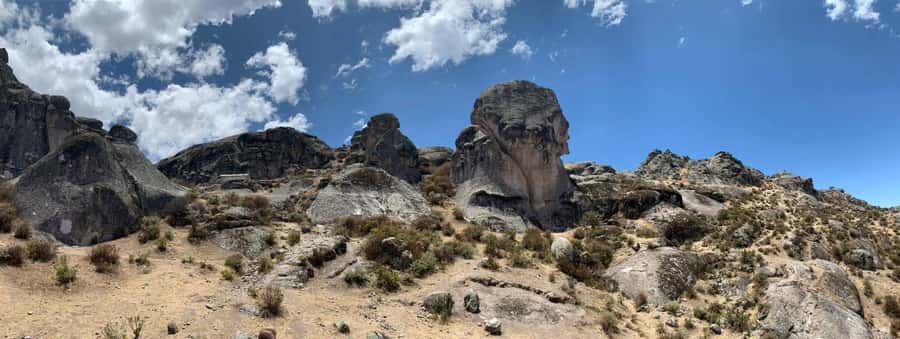
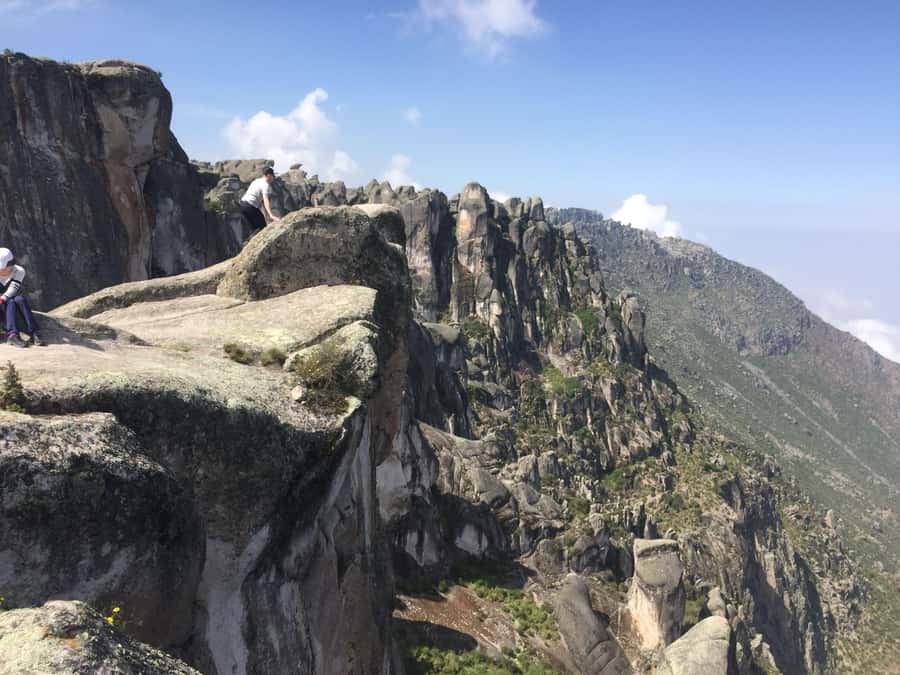
And yes, the “magical” angle shows up here in a real way. Marcahuasi is the kind of place where your brain starts doing visual puzzles: you look at stone and suddenly see faces, animals, and figures that don’t match any one animal or human style. Even if you’re skeptical by nature, it’s hard not to get curious when you’re staring at rock that seems determined to resemble something.
My practical tip: if you know you’re sensitive to altitude, plan to move slower than you normally would. Getting there early helps, but your body still needs time to adjust.
You can also read our reviews of more tours and experiences in Andes Mountains Peru.
The vintage-car road trip through changing Andean valleys
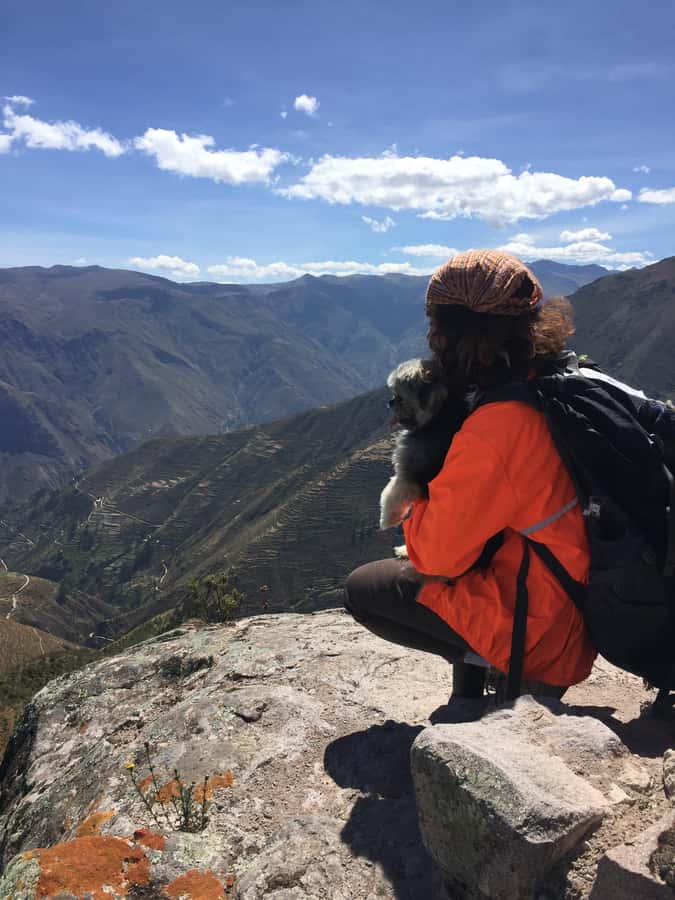
A big chunk of the day is the ride itself. You’ll travel by vintage car, spending time on winding roads that run through the Lima Andes. What makes this valuable is the gradual change in geography: you start closer to the city’s edges, then the valley details start getting bigger—more dramatic terrain, more open space, and a sky that feels closer.
There’s also a brief hop-on, hop-off style stop (about 25 minutes). Think of it as a short connection point in the middle of a long drive, not a sightseeing stop. Use this moment to stand up, stretch your legs, and mentally reset.
On paper, “scenic drive” sounds generic. In practice, it matters because the route gives context for where you’re headed. When you finally arrive, Marcahuasi doesn’t feel randomly placed—it feels like it belongs to this high Andean valley and its rugged edges.
One caution, based on real-world experience shared in feedback: not every driver will match your preferred comfort level. One account criticized a fast driving style on gravel and said the guide was less empathetic to altitude sickness. The lesson for you is simple: if you want a smoother ride, say so early. Ask for a calmer pace. If you’re prone to motion sickness, it’s worth mentioning that too before you’re already halfway up the mountain.
Registering in San Pedro de Casta at 3,500 m
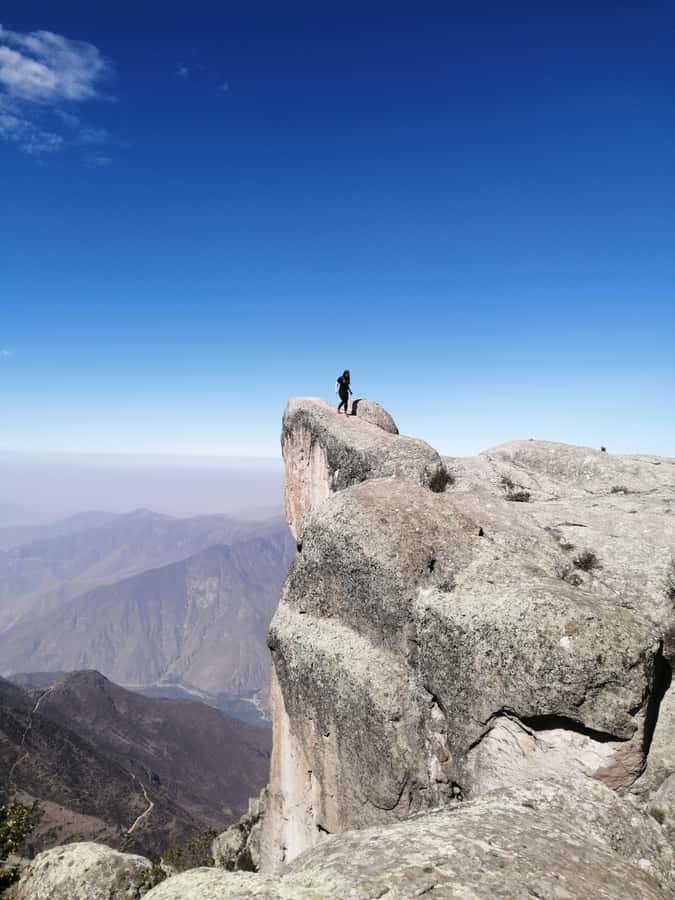
Eventually you reach San Pedro de Casta, at about 3,500 m (11,500 ft), where you register. This stop is important because it’s where the “road trip day” turns into “mountain hike day.” It’s also a real altitude marker. Once you’ve reached that height, you’ll feel why the tour recommends at least a moderate fitness level and why it excludes people with heart problems or recent surgeries.
After registering, there’s a short continuation (about 15 minutes) to Marcahuasi. That short hop matters: it keeps the timing tight, so you don’t waste the best part of daylight.
What to do during this phase?
- Take your time getting out and walking around.
- Sip water regularly.
- Avoid pushing your breathing rate.
Even if you’re generally fit, altitude can make you feel off. In that case, the move is not to fight it—it’s to go slower and give your body a chance to settle.
Marcahuasi: the rock formations and that 2.5-hour walk
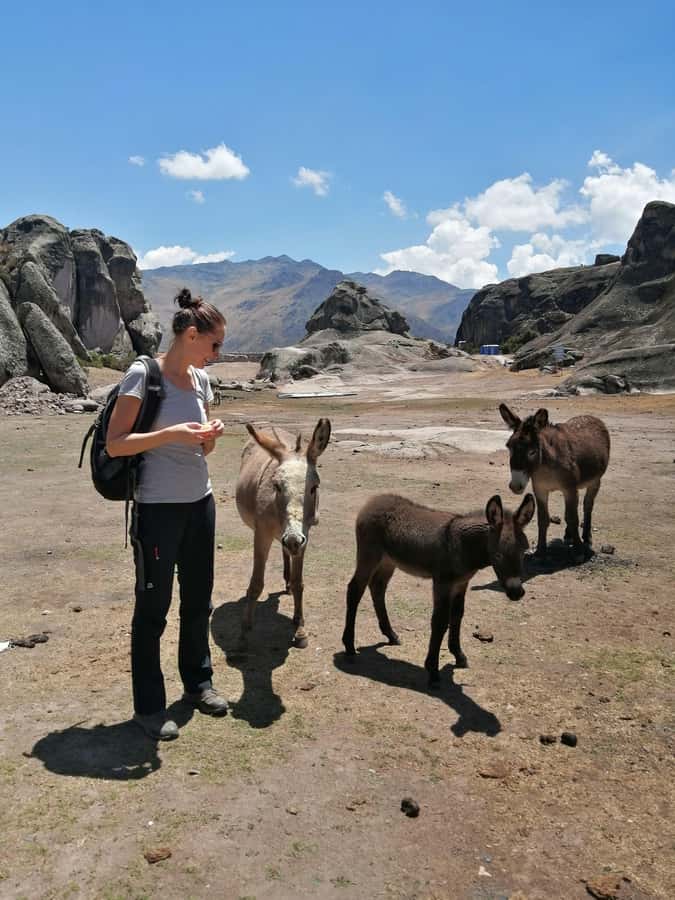
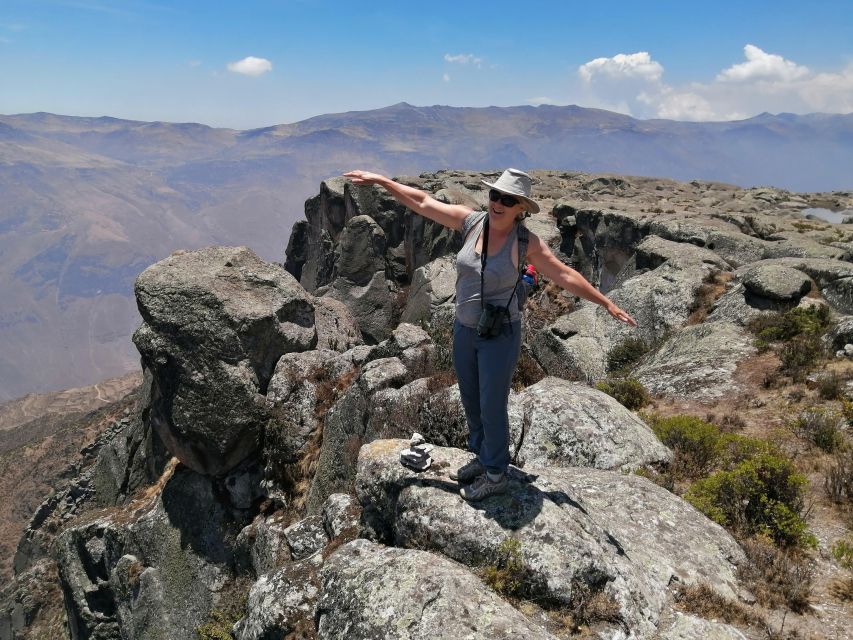
Once you arrive, the first reaction is often the same: the views are intense, and the silence feels heavier (in a good way). The tour then takes you on an approximately 2.5-hour guided walk through the rock formations.
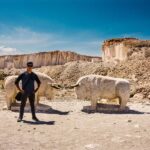
This part is about looking. Not just looking for pretty scenery, but looking for shapes and patterns. The formations are described as showing an impressive diversity of figures—human-like forms, animal forms, and shapes that feel like they belong to something beyond everyday reality. The way the tour is structured helps you slow down enough to notice details. If you rush, you’ll miss the fun.
Here’s why I think this walk is the heart of the value:
- It’s long enough to feel like a proper experience, not a quick photo stop.
- It’s guided, so you’re not guessing what you’re supposed to be seeing.
- The terrain at Marcahuasi encourages a steady, mindful pace, which pairs well with the “recharge” theme of the day.
Also, the site carries a cultural weight. The description says ancient Peruvians used Marcahuasi as a ceremonial center for rituals for thousands of years. Whether you approach that belief with curiosity or skepticism, it still changes the mood: you’re not just hiking through stones, you’re walking through a place that people have long considered special.
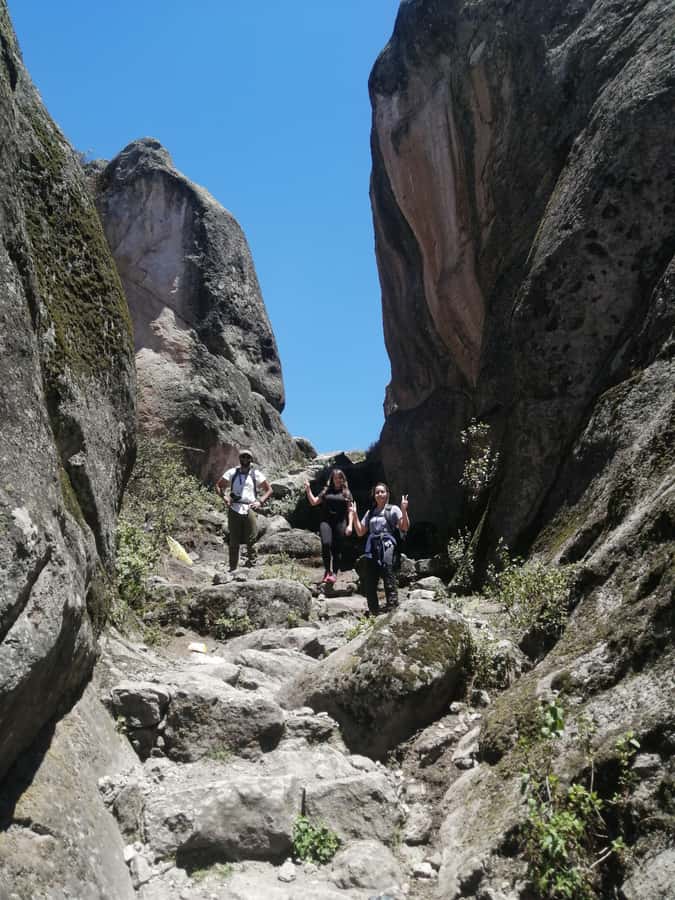
One more practical note: the tour involves a hike of roughly 2 hours and is best for a moderate fitness level. If you have joint issues, you’ll want to think carefully about your tolerance for uneven ground and altitude, even if the pace is controlled.
The energy story, and how to experience it in a grounded way
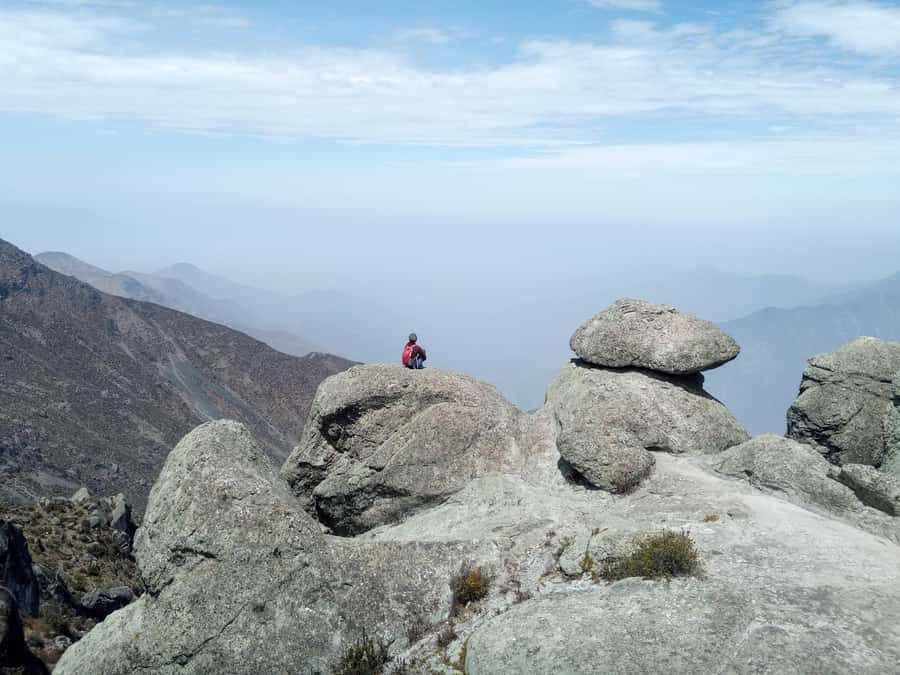
Marcahuasi is often described as a place with a strong “energy emanation,” and the tour frames it as a chance to recharge your body and soul. I like the way this is presented: it’s not asking you to perform some spiritual ritual. It’s giving you permission to experience the site as more than a photo background.
What does “energy” mean in real traveler terms? For me, it usually shows up as:
- A quiet mental shift once you’re away from traffic and constant noise.
- A stronger feeling of attention when you’re watching forms in the stone.
- The sense that the place has a long timeline, not just a modern tourism label.
If you want to keep it grounded, you can treat the energy claim as a cultural lens rather than a scientific statement. You can respect the idea of ceremonial use without needing to prove anything. The walk itself—time, altitude, and slow observation—does a lot of the work for you.
And the guide can matter here. In multiple positive accounts, Carlos is praised for being respectful and attentive, and for making the day feel calm. That’s a big deal at a place like this. You don’t want someone who steamrolls your pace or talks over everything. A good guide helps you slow down, look, and understand what you’re seeing.
Price and what you’re really paying for (plus the park fee)
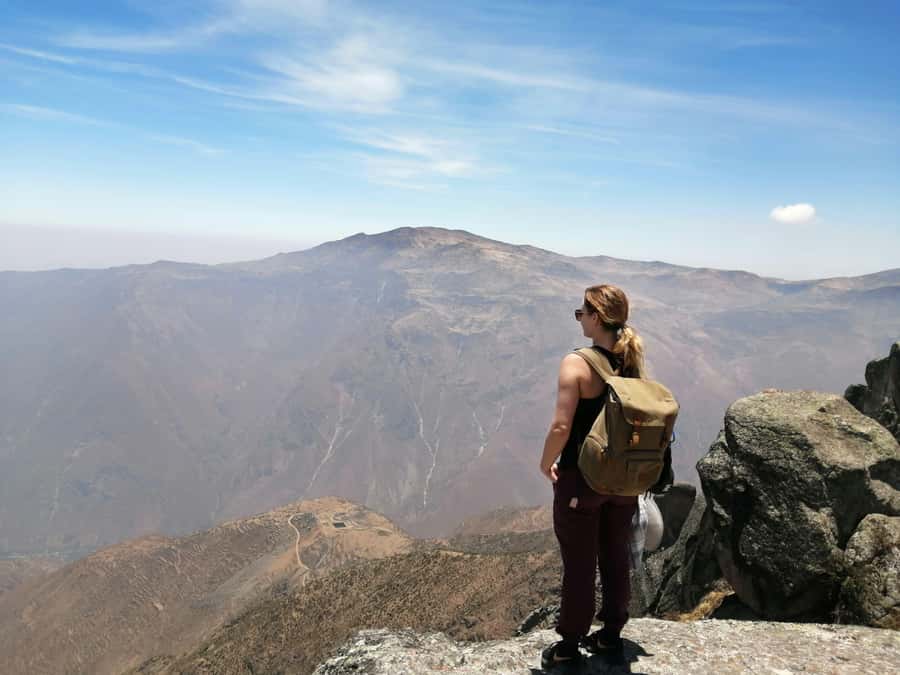
The price is $165 per person for a 10-hour day. That number can look steep until you break down what’s included. Here’s what your base price covers: pickup, breakfast, and water, plus a guided experience and the long mountain transport (including vintage car time and scenic driving).
Then there’s the extra item: park entrance is about $6 USD, not included. That’s normal for many Peru day trips, but it’s worth budgeting so you don’t get surprised at the gate.
So is it worth it?
- If you want a smooth, organized day with transport and a guide doing the explanation, yes, it’s good value.
- If you only care about photos and you’re confident you can handle the altitude and navigation on your own, you might choose less guided options.
- If you don’t like early mornings or you get altitude sickness easily, the cost won’t feel like a bargain—even if the destination is incredible.
For practical fairness: the destination is genuinely special. The “value” part depends on whether the day’s pace matches you.
Who should book this, and who should skip it
This experience is described as best for nature lovers and people who want different activities beyond Lima’s usual routes. It’s also explicitly not suitable for a list of situations, including:
- Children under 4
- People with heart problems
- People with recent surgeries
- Babies under 1
- People over 300 lbs (136 kg)
- People over 95 years
Beyond that, I’d treat altitude as the real filter. San Pedro de Casta sits at 3,500 m, and the guided walk happens after. If you know you react badly to altitude, don’t gamble. If you’re unsure, pick a conservative pace, keep hydration steady, and tell the guide early if you feel off.
This tour fits best if you:
- Like guided walks where you learn how to look
- Enjoy calm mountain mornings
- Want a “Lima but not Lima” day that doesn’t feel like a long bus tour
It may frustrate you if you:
- Want lots of time for chatting and long stops (the structure is timed for the day)
- Prefer very slow, ultra-smooth driving at all times
- Plan to push your hiking pace on day one
The real rundown: how the day flows
Your day begins in Lima with pickup, followed by breakfast. Then you head out early in the vintage car, mixing in road travel with short connection stops and scenic segments. Along the way, you’ll get time to watch the geography change as you rise into the Andes.
Once you reach San Pedro de Casta, you register. Then it’s a short final drive toward Marcahuasi. At the destination, the focus shifts to the walking portion: about 2.5 hours with a guided route through the main rock formations.
Finally, you return by car to Lima, making it a full 10-hour commitment. It’s not a half-day snack of scenery. It’s a full day built around one main experience—Marcahuasi—and making the trip feel complete.
Should you book Marcahuasi in Lima?
If you’re chasing something that feels more like a retreat than a checklist, I’d say yes. Marcahuasi has that rare combination of big views, guided time, and stone figures that keep your brain busy in the best way. The best versions of this tour also lean calm and respectful—accounts praising Carlos describe him as an excellent driver and attentive guide, which matters when you’re dealing with altitude.
Book this if you can handle a moderate hike, you’re okay with early departure, and you’re ready for around 3,500 m. Skip it (or at least think twice) if heart or recovery issues apply, if you’ve had altitude problems before, or if you’re very sensitive to driving comfort on rough roads.
FAQ
FAQ
How long is the Marcahuasi experience?
The tour lasts about 10 hours total.
Is breakfast and water included?
Yes. Breakfast and water are included, along with pickup from Lima.
How long is the hike at Marcahuasi?
You’ll take a walk of approximately 2.5 hours, and the tour involves a 2-hour hike as a fitness reference.
What is the entrance fee for Marcahuasi?
Park entrance is not included and is approximately $6 USD.
What languages does the guide speak?
The live tour guide speaks English and Spanish.
How high do you get during the day?
You register in San Pedro de Casta at about 3,500 m (11,500 feet).