REVIEW · CUSCO
Complete Sacred Valley Tour Small group Pisac, Maras, Moray & Ollantaytambo
Book on Viator →Operated by Willka travel Cusco · Bookable on Viator
Pisac ruins to salt pools in one long day. That’s what makes this Sacred Valley run so appealing: you get the big Inca sights plus a little real-life market time, all in a small group. I also like that the route is built for photos, with stops that show both clever engineering and the scale of the valley. The main thing to watch is the add-on cost and cash rules for entrance tickets, especially if you’re trying to keep your day simple.
Two things I’d highlight right away. First, the guide quality tends to be a major part of the value, with names like Jimy, Juan, and Jaime showing up in people’s experiences and they focus on Inca how-and-why, not just dates. Second, the day runs with a private, air-conditioned van for up to 8 people, so you’re not stuck in a giant herd.
One drawback to consider: lunch is included, but it’s a buffet in a big hall and the timing can land late (around 2pm). If you’re sensitive to long waits, want labeled food, or dislike buffet setups, plan a little strategy like grabbing a snack earlier.
In This Review
- Key highlights worth planning around
- The route: why this Sacred Valley day works
- Group size, van comfort, and how the day feels
- Money math: what you pay vs what you still owe
- Stop 1: Parque Arqueológico Pisac and the terraces that still impress
- Stop 2: Pisac market time without the forced-feeling
- Sacred Valley drive: photo points and why the valley looks different up close
- Stop 3: Moray’s bowl terraces and the farming-science idea
- Stop 4: Maras salt mines and the 3,000-plus pool photo moment
- Lunch in Urubamba: good fuel, late timing, and a buffet reality check
- Stop 5: Ollantaytambo ruins and the Wiracocha rock
- Pace and altitude: what to do so the day stays fun
- Who should book this Sacred Valley combo
- Should you book Willka Travel’s Sacred Valley tour?
- FAQ
- How long is the Sacred Valley tour?
- How many people are in the group?
- What is the price per person?
- What’s included in the tour price?
- Do I need to pay entrance tickets?
- Is there any stop where admission is free?
- Where does the tour start and end?
- What is the pickup situation?
- What language will the guide speak?
- Is it refundable if I cancel?
Key highlights worth planning around
- Small group size (max 8): easier conversations and more patience for photos.
- Two cash-only ticket buys: plan for Sacred Valley entrance and the Salt Mines entrance.
- Market stop in Pisac: a short, useful break for crafts and chatting with locals.
- Moray’s “agricultural lab” terraces: three bowl-like areas carved into the earth.
- Ollantaytambo ruins + iconic rock form: strong finish that fits well if you’re heading toward Aguas Calientes.
- Photo-friendly pacing: time blocks at each stop are long enough to see, not race.
The route: why this Sacred Valley day works
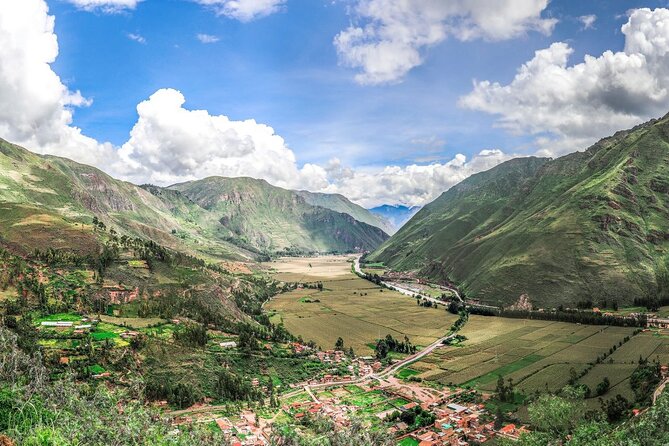
This is a “best-of” Sacred Valley day built around the idea that the Inca understood place. You’ll see the valley’s human design—terraces, irrigation thinking, and mountain engineering—then end with Ollantaytambo’s dramatic stone setting. You’re not just checking ruins; you’re connecting why each site matters.
The timing is long (about 12 hours), and you’ll spend a good chunk in the van. That’s the tradeoff for packing Pisac, Moray, Maras, and Ollantaytambo into one day from Cusco.
You can also read our reviews of more tours and experiences in Cusco.


Group size, van comfort, and how the day feels
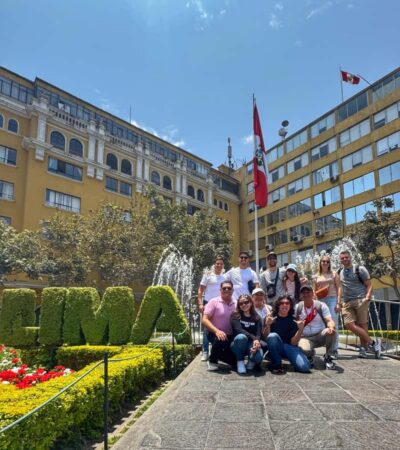
This tour keeps it small group style: up to 8 people, with private transportation and air conditioning. In practice, that usually means fewer traffic bottlenecks, less crowd noise around viewpoints, and more flexibility if someone needs a short pause for altitude.
You’ll also have a professional guide in English or Spanish. From prior experiences shared by customers, guides such as Jimy and Juan have been praised for clear explanations, good English, and switching languages when needed. Another name that comes up is Jaime, especially for making the day feel smooth and well-run.
The driver matters too, because you’re moving through rural roads. Celestino is one driver name that has shown up positively, tied to people feeling “everything ready” for the day.
Money math: what you pay vs what you still owe
The base price is $73.47 per person and it includes hotel pickup in Cusco if you select that option, a buffet lunch in Urubamba, and the van plus guide.
What’s not included are the entrance tickets:
- Sacred Valley ticket: PEN 70 (cash only)
- Salt Mines ticket: PEN 20 (cash only)
That cash-only detail is important. The tour notes the tickets are for the Salt Mines and Sacred Valley, and the amounts are given in Soles with a cash requirement. If you show up with card-only plans, you’ll be stuck finding an ATM on the fly, which is never fun at altitude.
If you want a quick reality check: add those two ticket amounts to the $73.47 when you budget. It’s still often good value compared with paying for separate tours, especially because this day bundles multiple sites plus lunch.
Stop 1: Parque Arqueológico Pisac and the terraces that still impress
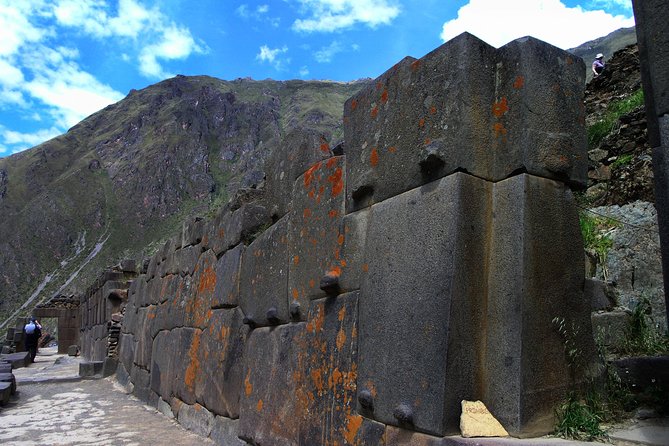
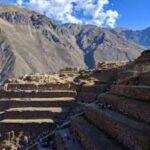
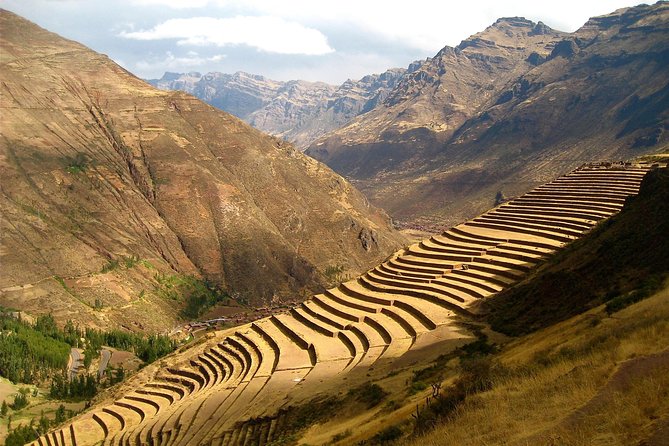
Pisac ruins are your first big visual hit. You get about 1 hour at Parque Arqueológico Pisac, and that’s long enough to see the stonework artistry and the agricultural terraces that still shape the slopes.
This is one of the best places to start because you quickly get the pattern: Inca projects weren’t only ceremonial. They were also practical, and the terraces show that mix of farming logic and architectural skill. If you enjoy “how did they do that?” thinking, you’ll likely appreciate the explanations your guide gives on the spot.
Admission for this stop isn’t included, so remember the Sacred Valley ticket plan.
Stop 2: Pisac market time without the forced-feeling
Then comes the market, and this is where the day gets more human.
You have about 45 minutes at the Pisac Market, and admission is free. The value here isn’t finding a single perfect souvenir. It’s watching daily life, seeing what locals actually sell, and getting a short, low-stakes cultural break from ruins and entrances.
A word of caution: marketplaces can pull in a lot of attention from vendors. Still, the market stop is listed as part of the itinerary, so it should be your scheduled window. One practical tip: decide early what you’re okay spending time on. If you want crafts, small gifts, or simple browsing, treat it like that. If you hate shopping pressure, keep it short, cash-ready, and focused.



Sacred Valley drive: photo points and why the valley looks different up close
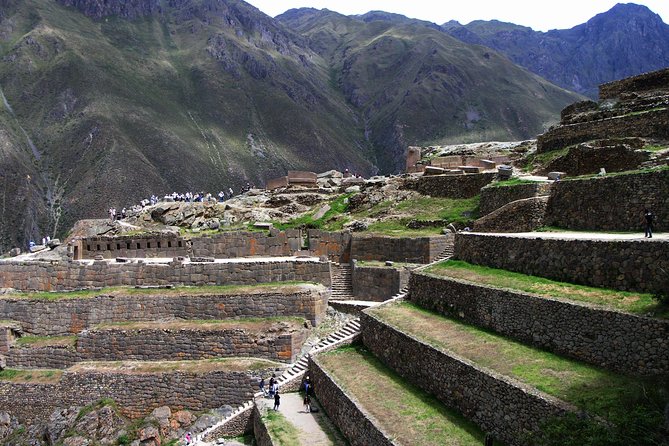
Between stops, you’ll drive through the Sacred Valley with your guide and driver pointing out photo spots. This is also where your understanding clicks. The valley supports fertile plains that are unusual for the high Andes, and the Inca responded by shaping mountain flanks with contour terraces and irrigation channels.
That “why it’s green here” idea can be hard to grasp from a map. Out on the road, you can actually see how the land was adapted for growing crops.
Expect slow, careful driving in places, plus stops for views. This is also a good time to hydrate and take altitude seriously. Even though Cusco area days are common, you still might feel it if you’re coming from lower elevations.
Stop 3: Moray’s bowl terraces and the farming-science idea
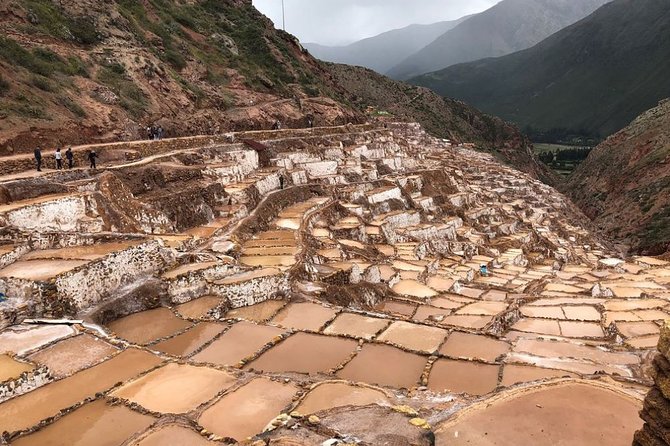
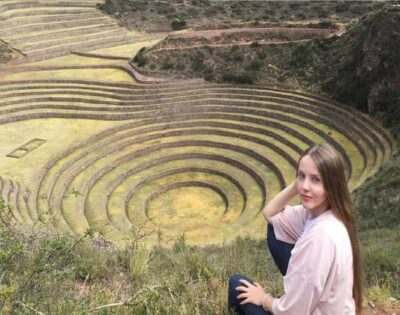
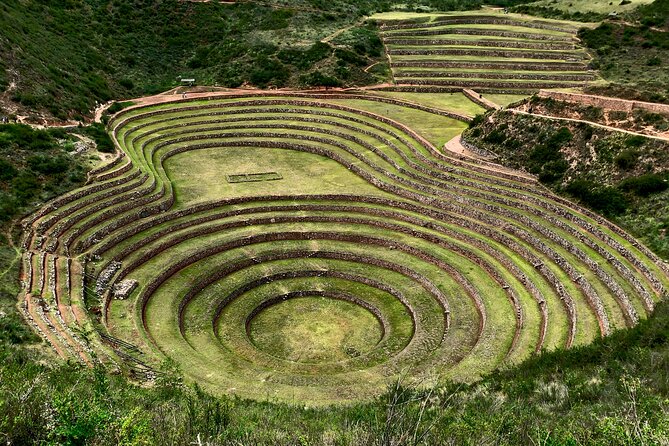
Moray is about 1 hour, and admission isn’t included. It’s not a typical ruin you instantly recognize. Instead, it looks like a set of amphitheater-like terraces carved into a bowl shape.
The common explanation is that Moray worked like an agricultural laboratory—an Inca experiment to figure out optimal conditions for crops. Whether you take the “lab” concept at face value or just enjoy it as a strong example of experimental thinking, the physical layout makes the idea feel plausible. The terraces are built in a way that helps you imagine microclimates created by depth, sun, and exposure.
If you’re the type who likes to connect architecture to agriculture, Moray is one of the highlights of the day.
Stop 4: Maras salt mines and the 3,000-plus pool photo moment
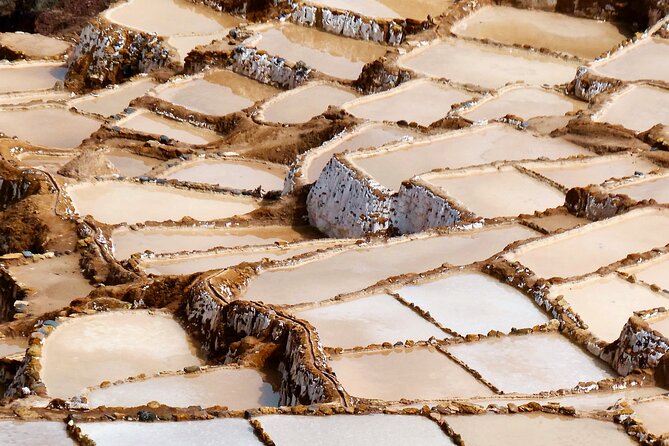
From Moray you go to the Salt Mines of Maras (Salineras). You’ll have about 45 minutes here, and admission isn’t included (ticket is PEN 20 cash only).
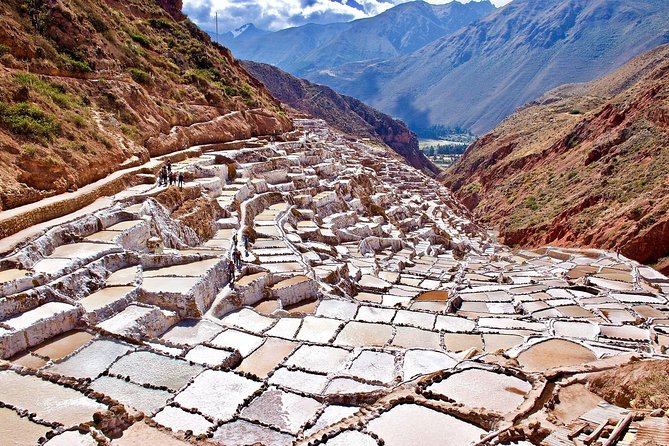
Maras is special because it looks like a patchwork made of tiny reflective pools. There are over 3,000 salt pools carved into the mountainside, and they’re filled daily by a small stream of water. Once the water evaporates, salt remains behind in that glinting pattern you’ll want to photograph from multiple angles.
This stop is also a reminder of how colonial-era salt production tied into older patterns of resource use. The result is both scenic and functional: Andes mountains all around, and this controlled grid of human work in the middle of it.
If you care about photos, come ready to change your stance. The best views usually come from small shifts in position as the light hits the pools.
Lunch in Urubamba: good fuel, late timing, and a buffet reality check
Lunch is included and served as a buffet in Urubamba. The time can run late—around 2pm has been noted—which is basically the compromise of fitting long-distance travel plus multiple sites into one day.
What you’ll likely notice: the buffet is in a big hall, and the setup may not be what you’d call charming. One practical comment that came up in real experiences is that food wasn’t always labeled clearly and people didn’t always see overhead coverage from flies. If you’re picky about food labeling or you’re sensitive to food handling, stick to simple, plain options like rice/pasta if they’re available.
I also recommend bringing a small snack for earlier in the day. Even a couple of bites can make the late lunch feel easier, especially if you’re waiting for the buffet.
Still, lunch included is a real value point. You’re not hunting for a restaurant mid-route.
Stop 5: Ollantaytambo ruins and the Wiracocha rock
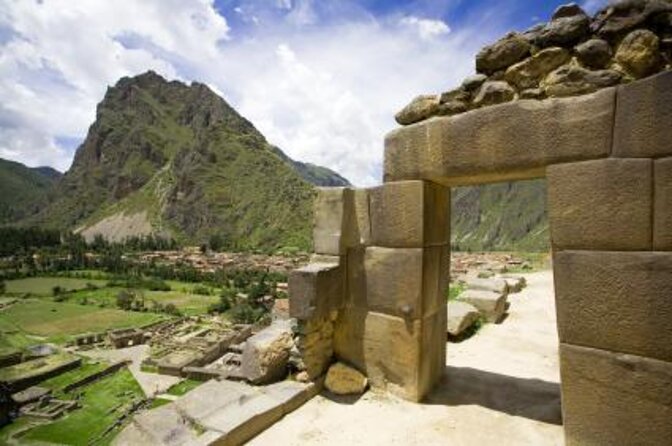
You finish at the Archaeological Park Ollantaytambo, with about 1 hour at the site. Admission is listed as free for this stop.
Ollantaytambo is a strong closer because the Inca architecture feels both built and defended. Beyond the ruins, you’ll also see a notable rock formation representing the Inca god Wiracocha. It’s the kind of visual you remember even if you’re not a “stone expert.”
This is also the part of the day that connects nicely to onward travel toward Machu Picchu. Some people found it convenient when their day ended closer to Ollantaytambo’s center near the train station, so if you’re planning the next leg, it’s worth asking your provider what finishing point makes the most sense for your schedule.
Pace and altitude: what to do so the day stays fun
This is an all-day outing, and you’re at moderate altitude for parts of the day. Even if you handle altitude well, long sitting time in the van plus time on uneven stone can make your energy dip.
Here’s what I’d do to make it smoother:
- Start the day hydrated, not just at lunch.
- Wear shoes that can handle stone steps and uneven paths.
- Bring a light layer. Mornings and shade can feel colder at elevation.
- Use the guide’s pacing. If you need a short break, take it. It beats trying to power through.
The pace is set so you’re not stuck for hours at one ruin. Time blocks feel balanced, with most stops landing in the 45–60 minute range.
Who should book this Sacred Valley combo
This tour fits best if you want a lot of major Sacred Valley highlights without managing tickets, transfers, and timing on your own. The max 8 people setup is a big plus if you care about questions, photos, and not being surrounded.
You’ll likely enjoy it if:
- You’re visiting Cusco and want a one-day plan that covers Pisac, Moray, Maras, and Ollantaytambo.
- You’re heading toward the Machu Picchu train and want a productive stop at Ollantaytambo.
- You prefer a guided day that explains the “how” behind the sites.
You might skip or modify if:
- You hate cash-only ticket rules and don’t want to think about entrances.
- You’re not okay with a long day and a late lunch window.
Should you book Willka Travel’s Sacred Valley tour?
If you’re comparing options, I’d book this when you want value and organization: one guide, private air-conditioned transport, lunch included, and a route that hits the Sacred Valley’s most recognizable engineering stops. The small group size helps the day feel less chaotic.
Just go in prepared. Bring cash for PEN 70 (Sacred Valley) and PEN 20 (Salt Mines). Plan for a late lunch and consider packing a snack. If you do those two things, the day’s structure tends to deliver exactly what most people want from Sacred Valley: variety, stunning scenery, and a clear sense of how Inca life shaped the land.
FAQ
How long is the Sacred Valley tour?
It runs for about 12 hours (approximately), covering multiple stops across the valley.
How many people are in the group?
The group is limited to a maximum of 8 people.
What is the price per person?
The price is $73.47 per person.
What’s included in the tour price?
It includes hotel pickup from Cusco (if selected), a professional English/Spanish guide, buffet lunch in Urubamba, and private transportation with air conditioning.
Do I need to pay entrance tickets?
Yes. The Sacred Valley ticket (PEN 70 cash only) and the Salt Mines ticket (PEN 20 cash only) are not included.
Is there any stop where admission is free?
Ollantaytambo is listed as free admission, and the Pisac Market stop is also free.
Where does the tour start and end?
It starts at Plaza Regocijo (Cusco) and ends back at the meeting point.
What is the pickup situation?
Pickup from your hotel in Cusco is included if you select that option.
What language will the guide speak?
The guide provides English and/or Spanish, depending on the group.
Is it refundable if I cancel?
You can cancel for a full refund up to 24 hours in advance of the experience start time.