REVIEW · CUSCO
Cusco: Peruvian Cooking Class, Cocktails & Local Market Tour
Book on GetYourGuide →Operated by PERUVIAN CUSCO FLAVORS · Bookable on GetYourGuide
Market first, then pisco in hand. This 4-hour Cusco class mixes a guide-led stroll through San Pedro Market with a chef-led lesson that walks you through pisco cocktails and three classic dishes, ending with picarones. If you hate standing around and watching your kitchen clock, consider the time commitment.
You meet at Door 1 at San Pedro Market, then head to a cooking studio in the historic center. The group stays small (10 people max) and the class runs in English, so you can ask questions while the chef explains what you’re making and why.
In This Review
- Key points I’d circle on your plan
- Enter San Pedro Market through the food, not the souvenir aisle
- What you’ll notice at the market (and how it helps when cooking)
- The 10-person kitchen setup that makes you actually cook
- Cocktail class first: pisco mixing with real teachable steps
- Cebiche: learning the timing behind the flavor
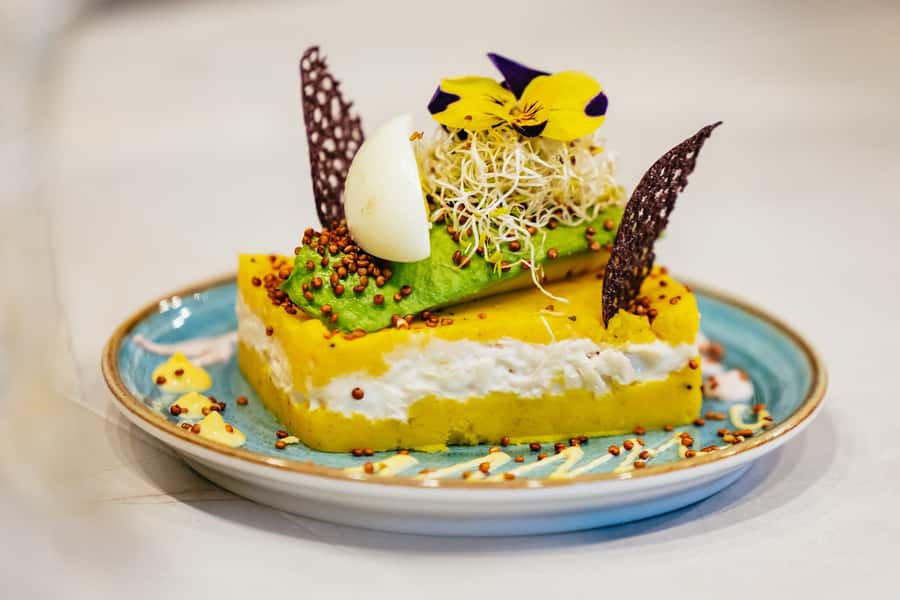
- Causa limeña: building a layered dish without stress
- Quinoa tamal: why this one feels distinctively Andean
- Table time: eating what you made with your cooking crew
- Picarones with honey: the sweet finish that closes the loop
- Dietary options are real here: vegetarian, vegan, gluten-free
- Who this is best for in Cusco
- Price and value: $67 for market + chef-led cooking + drinks
- Practical tips so you enjoy the full 4 hours
- Should you book this Cusco cooking class?
Key points I’d circle on your plan
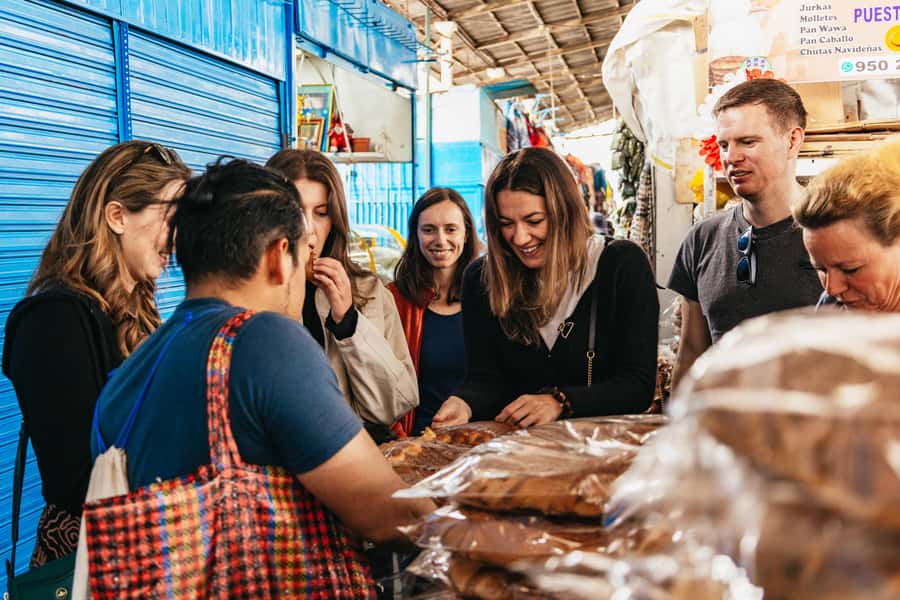
- San Pedro Market samples: fruit, cheeses, bread, cacao, quinoa, potatoes, and more before you cook
- Three hands-on recipes: cebiche, causa limeña, and quinoa tamal, made during the class
- Two pisco cocktails (plus mocktail options): you learn mixing, not just drinking
- Chef-led step-by-step teaching: you’re guided through technique and timing
- Sweet ending: picarones with honey, with sugar-free and gluten-free options
Enter San Pedro Market through the food, not the souvenir aisle
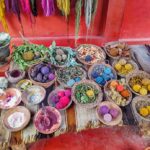
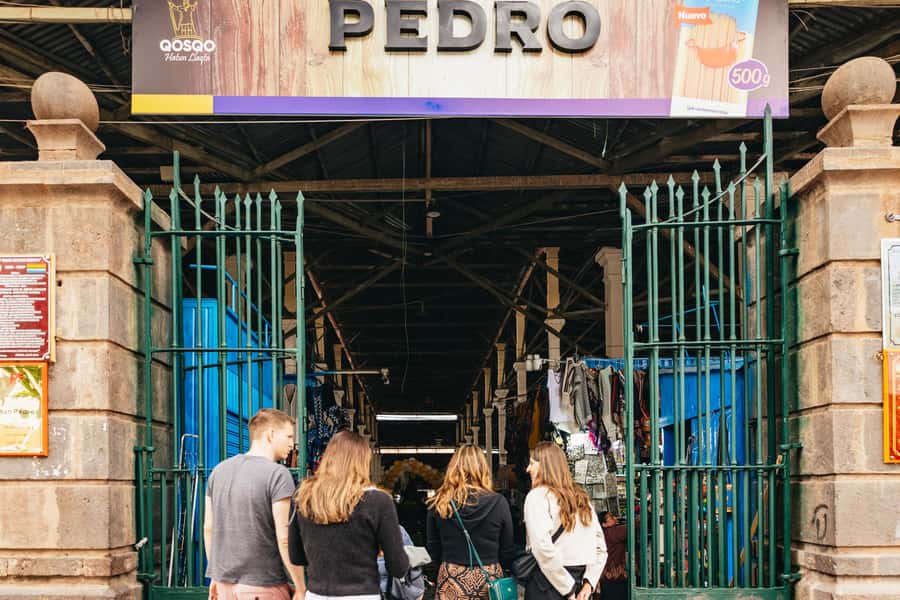
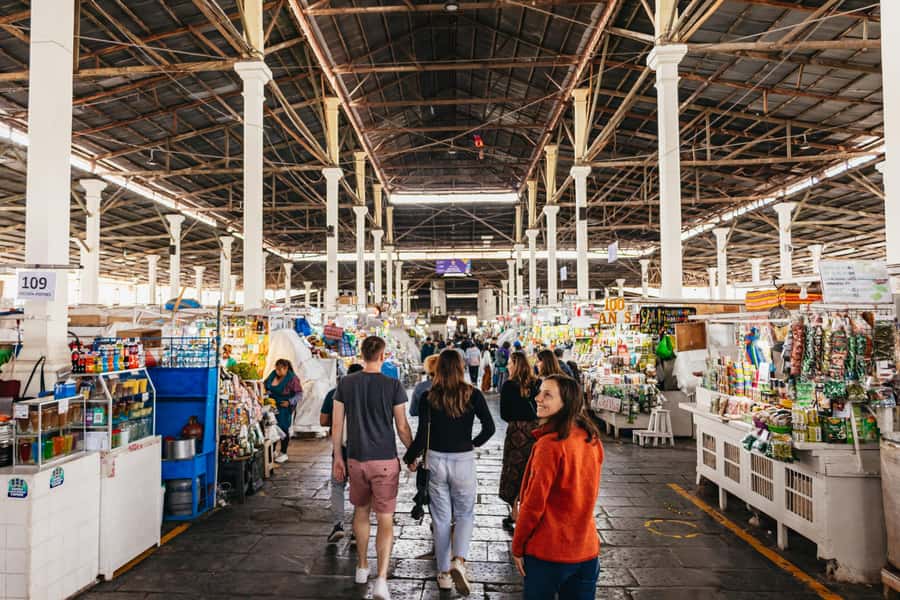
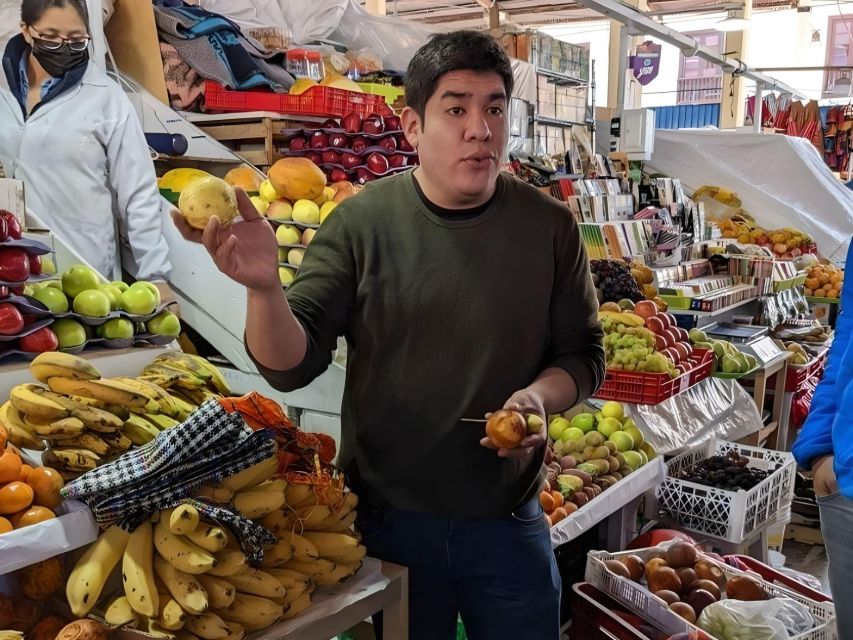
Cusco’s San Pedro Market is one of those places where you learn fast just by walking. You’ll see the real ingredients behind Peruvian classics—exotic fruits, local cheeses, bread, chocolate and cacao, quinoa, potatoes, and a lot more. It’s also a great way to get oriented in Cusco without trying to “tour” everything at once.
What I like here is that the market tour isn’t just sightseeing. It’s tied directly to what you cook later. You’re not memorizing names for a quiz; you’re spotting the flavors and textures you’ll actually handle in the kitchen.
One practical note: wear comfortable shoes. The market part involves walking and stopping often, and you’ll be on your feet more than you’d expect for a 4-hour activity.
You can also read our reviews of more shopping tours in Cusco
What you’ll notice at the market (and how it helps when cooking)
You’ll start with a walkthrough of one of Cusco’s oldest markets, then keep moving in an order that makes sense: ingredients first, then recipes. The best part is seeing how ingredients that sound familiar on a menu become very specific in real life—what they look like, how they’re used, and what pairs with what.
Here are a few examples of what you can look for as you go:
- Quinoa and potatoes in multiple forms, not just one generic bag
- Cacao and chocolate beyond dessert talk—more like an ingredient with a story
- Fruits that feel Central-Andes specific, which makes your cocktails and sauces make more sense later
In a cooking class, this kind of prep matters. When you get back to the studio and the chef starts explaining ingredients, you’ll already have mental images of them. It keeps everything from feeling abstract.
The 10-person kitchen setup that makes you actually cook
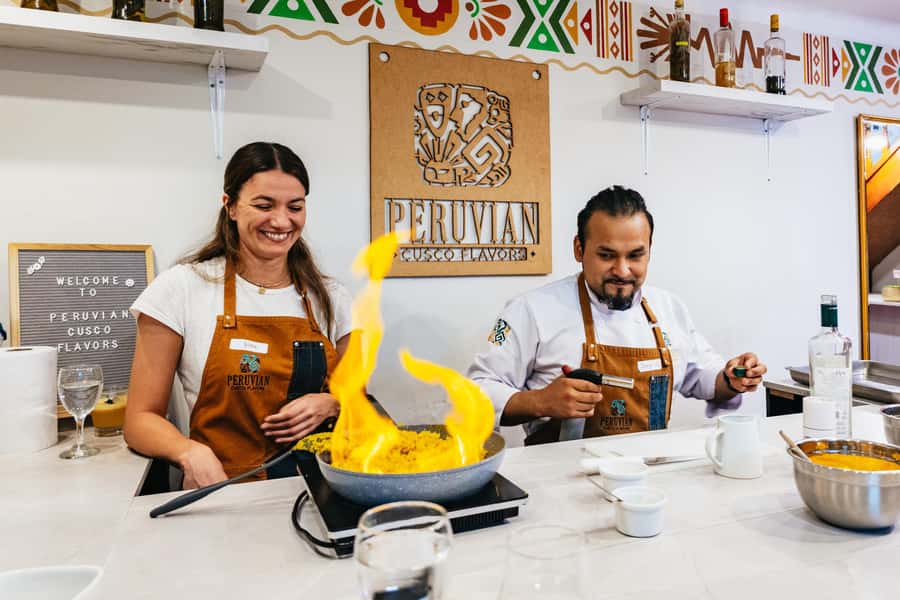
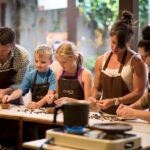
After the market walk, you head to the cooking studio in Cusco’s historic center. The class is small—limited to 10 participants—so it doesn’t turn into a waiting game. You’ll tie your apron, get set up, and get cooking (or assembling, depending on the station) with close guidance.
English instruction is a big plus here. If you’ve ever taken a class where half the room can’t understand the key instructions, you’ll appreciate how much easier it is to follow steps when you can ask direct questions.
Also, this class has a clear structure: market tour, then cocktail-making, then the three dishes, then sitting down together. That rhythm helps you pace yourself, especially if you’re adjusting to Cusco altitude or just want a day that feels full but not chaotic.
Cocktail class first: pisco mixing with real teachable steps
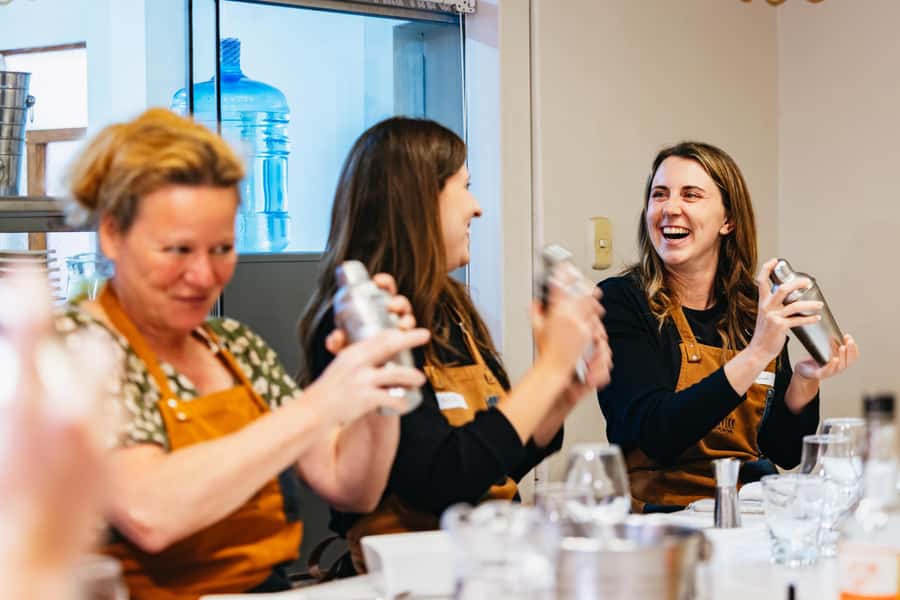
Before the food, you craft cocktails. You’ll make a couple of pisco cocktails, with options for non-alcoholic recipes. That matters because you still get the same hands-on mixing skills and flavor building, even if you’re skipping alcohol.
This is where the class feels fun in a practical way. You’re not just listening to what pisco is; you’re working with flavor balance—something you can actually repeat at home. If you’re the kind of traveler who likes activities that create a useful memory (not just photos), this part delivers.
Two tips for this section:
- Go slowly with mixing so you taste as you go, not only at the end.
- If you want the non-alcoholic version, say it clearly at the start so everyone uses the right recipes from the beginning.
Cebiche: learning the timing behind the flavor
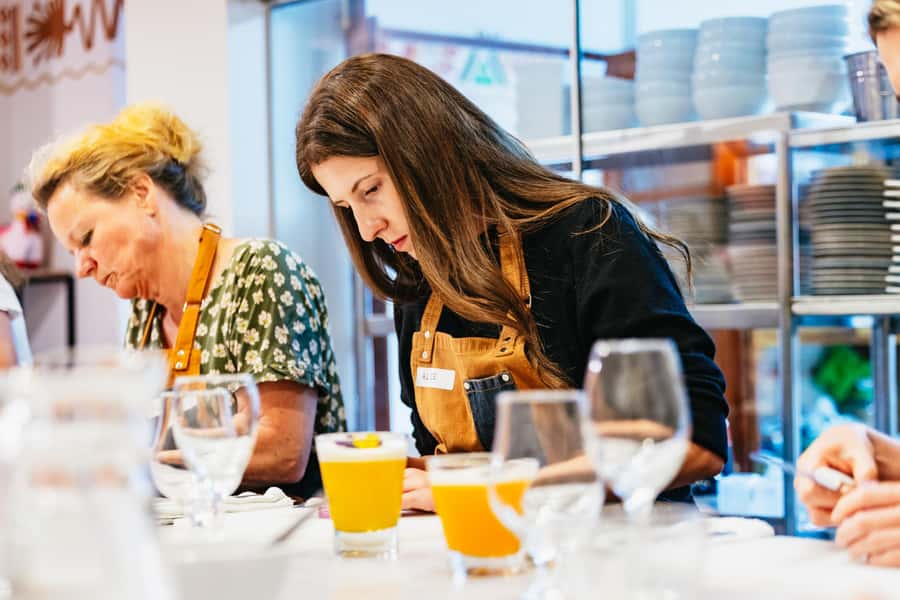
Your first savory recipe is cebiche. The key with cebiche isn’t just ingredients—it’s timing and balance. In class, you get step-by-step guidance from the chef as you prepare it, so you learn what to watch for rather than guessing.
What’s valuable for you here: you’ll understand how the dish comes together in stages. That’s the difference between eating ceviche and being able to make something similar. Once you know what the chef looks for while it’s being prepared, you can recreate the idea later.
You can also read our reviews of more tours and experiences in Cusco
Causa limeña: building a layered dish without stress
Next comes causa limeña, a Peruvian favorite known for its layered feel and bright, comforting flavor. In the cooking studio, this recipe is a great example of how the class teaches technique with real direction. You’re not handed a finished dish and told to admire it; you’re guided through the steps that shape the final result.
Causa limeña also helps you understand Peruvian cuisine beyond one flavor profile. You’ll see how creamy, tangy, and fresh elements work together in a dish that looks simple but takes care.
Quinoa tamal: why this one feels distinctively Andean
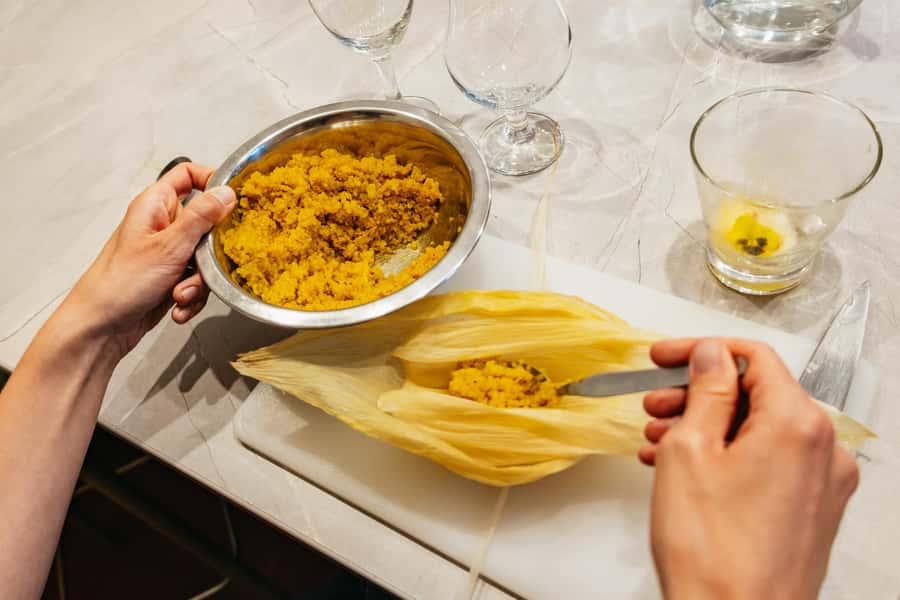
You’ll also make quinoa tamal. This is where quinoa shifts from “a healthy grain I’ve heard of” into something you can cook with and plate. You learn the process and how the dish holds together, which is useful if you want to cook with quinoa after your trip.
Even if quinoa isn’t your everyday ingredient at home, this recipe gives you a template: what texture to aim for, how the components come together, and how the tamal format changes the eating experience.
Table time: eating what you made with your cooking crew
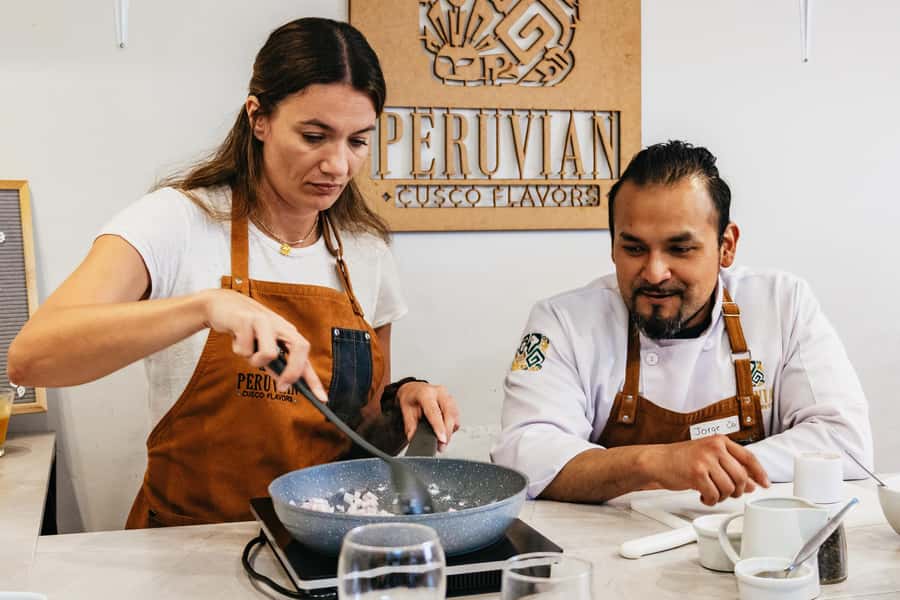
Once the cooking and cocktails are done, you eat your creations together. You’ll sit with your cooking companions and trade stories, which sounds simple, but it’s a real part of the value. A small group plus a shared goal (three dishes and two cocktails) makes it easy to talk even if you’re not the chatty type.
If you’re doing this around travel fatigue, plan to stay present. This class uses the full time window, and the payoff is that you leave having eaten a full meal you made yourself.
Picarones with honey: the sweet finish that closes the loop
No Peruvian meal lesson feels complete without dessert, and you end with picarones with honey. You also get options for sugar-free and gluten-free versions, which is especially helpful if you’ve got dietary needs.
This part matters because it connects the meal theme. You’re not just eating dessert because it’s there—you’re finishing the experience with a dish that fits the overall Peruvian flavors you learned in the market and kitchen.
Dietary options are real here: vegetarian, vegan, gluten-free
This activity offers vegetarian, vegan, and gluten-free menus. That’s not a small detail. In a cooking class, dietary accommodations make or break the experience. You want everyone at the table cooking something that matches the class theme.
You’ll also want to be clear about what you need when you arrive (and again at the start of class) so the stations and ingredients line up. One thing I like is that the menu flexibility means you’re not stuck with a token side dish.
And if you’re traveling with someone who usually feels limited by food choices, this is one of the better “everyone can participate” options.
Who this is best for in Cusco
This cooking class is a strong fit if you want:
- A food-focused Cusco activity that feels local, not staged
- A small group experience where you’re actively participating
- A day that combines walking (market) with structured cooking (studio)
It’s also a great pick if you like learning. The chef guides you through steps and can explain the logic behind ingredients and dishes, which helps the recipes stick in your mind.
It is not suitable for children under 10, so if you’re traveling with younger kids, you’ll need a different option.
Price and value: $67 for market + chef-led cooking + drinks
For $67 per person, you’re paying for more than a recipe lesson. You’re getting:
- A San Pedro Market tour
- A chef-led cooking class
- Ingredients included
- Two cocktails
- Three dishes (you make them)
- Picarones tasting
- Water
In Cusco, that’s good value because you’re basically bundling an ingredient-focused tour with a meal and drinks. If you tried to recreate this day on your own, you’d likely spend money on market wandering, buying the right ingredients, and then paying for a guided cooking experience.
The biggest reason it feels worth it is the amount of guidance you get for the time. Small group size (10 participants max) helps you avoid the common problem where classes become more watching than doing.
Practical tips so you enjoy the full 4 hours
A few things I’d do before you go:
- Bring comfortable shoes and clothes you can move in.
- Plan for a longer afternoon. It’s not a quick tasting stop; you’re working on multiple dishes and drinks.
- Go in with at least some appetite. You’ll end up eating what you make.
- If you’re non-drinking for any reason, use the non-alcoholic cocktail option so you’re not sitting out while others sip.
Also, because the class is in English, you’ll get more out of it if you’re comfortable asking questions while you cook.
Should you book this Cusco cooking class?
Book it if you want a true food day: market-to-kitchen, small group energy, and the chance to make three Peruvian dishes yourself. The pisco cocktails and the picarones finish are the kind of details that turn it from a class into a full experience.
Skip it if you’re short on time, don’t want to stand/walk in a market, or you prefer self-guided dining over structured teaching. And if your group includes someone who can’t do crowds or extended sit-at-the-table meals, this might feel like too much.
If you’re reading this and thinking, I’d like to go home with skills, not just photos, then yes—this one belongs on your Cusco plan.