REVIEW · LIMA
From Lima: Cordillera de la viuda | Mountain Exploration
Book on GetYourGuide →Operated by www.iziperu.com · Bookable on GetYourGuide
Dawn is early, but the mountains are worth it. This Peru day trip strings together ancient petroglyphs, Andean lagoons, and small-town stops like Canta and the Santa Rosa de Quives sanctuary. I especially like the hands-on feel, from learning about trout farming to wandering a real local market. The one drawback to plan around is the long drive on mountain roads, so patience (and good timing) matters.
You’re looking at a long day that runs roughly 5am to 9pm, starting at La Rambla in Lima. The tour includes key support for altitude and comfort—think group oxygen, coca leaves, and a first aid kit—plus a guide to connect the dots from prehistoric art to today’s community life. Consider packing for sun and insects, because this is Peru outside in the open.
In This Review
- Key highlights that make this tour tick
- The 5am start and why this trip feels like a full Peru day
- Checta Petroglyphs: tracing animals, hunting scenes, and the cosmos
- Cochapampa viewpoint: a quick pause that helps you read the Andes
- Laguna de Chuchun and the La Viuda snow-capped range
- Altitude support: oxygen and coca leaves are not just extras
- Huaros community trout farm: learning how “food” is made
- Canta: Plaza de Armas, Republican-era portals, and snack shopping
- Santa Rosa de Quives sanctuary: a quiet spiritual reset
- Value and extra costs: what $39 covers (and what it doesn’t)
- Logistics reality check: long road time and staying in the right group
- Should you book the Cordillera de la Viuda day trip?
- FAQ
- What time does the tour run?
- Where do I meet the group?
- Is food included?
- Are lagoon entrance tickets included?
- What should I bring?
- Is the tour in Spanish and is there support for altitude?
Key highlights that make this tour tick
- Checta Petroglyphs: stylized animals, human hunters, and cosmos-like symbols you can’t stop staring at
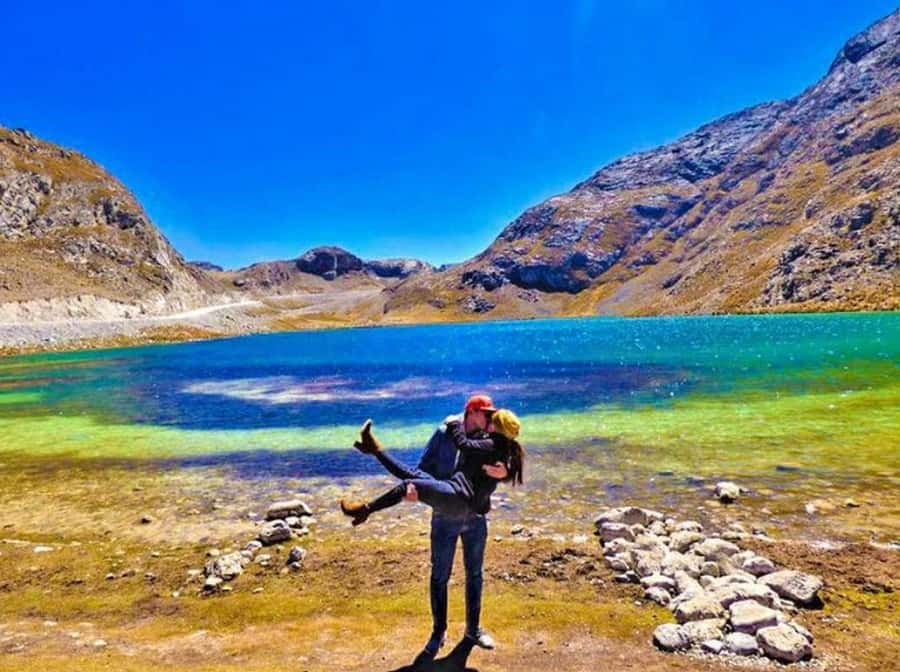
- Laguna de Chuchun + more lagoons: serene high-mountain water, plus views of the La Viuda snow-capped range
- Huaros trout farming: learn how the community raises trout in a sustainable way
- Canta’s market time: try the local shopping list, from humitas and tamales canteños to manjar and cow cheeses
- Santa Rosa de Quives sanctuary: a calmer stop with the chapel and the wishing well
- What you don’t have to worry about: transport, an official guide, and group oxygen
The 5am start and why this trip feels like a full Peru day
This is a true early-departure excursion. You meet at the La Rambla mall in Lima, then roll out around 5am and get back near 9pm. That schedule isn’t a gimmick—it’s how you reach the high Andes while you still have daylight and decent viewing conditions.
Expect a long stretch in the vehicle. If you get carsick easily, it’s worth taking that seriously. You’re going up and down mountain roads, and the drive can take time, with the day’s timing feeling tight when traffic and road conditions stack up.
On the plus side, you’re not just doing one thing. The day moves from prehistory to nature to community craft and food. It’s the kind of itinerary that’s ideal if you want variety without having to plan it yourself.
You can also read our reviews of more tours and experiences in Lima.



Checta Petroglyphs: tracing animals, hunting scenes, and the cosmos
The morning includes a stop at the Checta Petroglyphs, found on stones with stylized drawings. The symbols include animals, scenes of people hunting, and designs tied to elements of the cosmos. You’ll likely see why these are such a draw: they’re abstract enough to spark your imagination, but specific enough to feel like real communication across time.
This is the part of the day where the guide’s job matters. With a live official tourist guide you get help interpreting what you’re seeing—especially because petroglyphs can lead to a dozen plausible readings. Even if you don’t settle on one meaning, you still get something valuable: a sense of how long humans have been watching these mountains.
If you like “small” discoveries, this stop is a winner. It doesn’t require a ticket, and it adds depth to the later nature moments. Mountains stop being scenery and start being part of human story.
Cochapampa viewpoint: a quick pause that helps you read the Andes
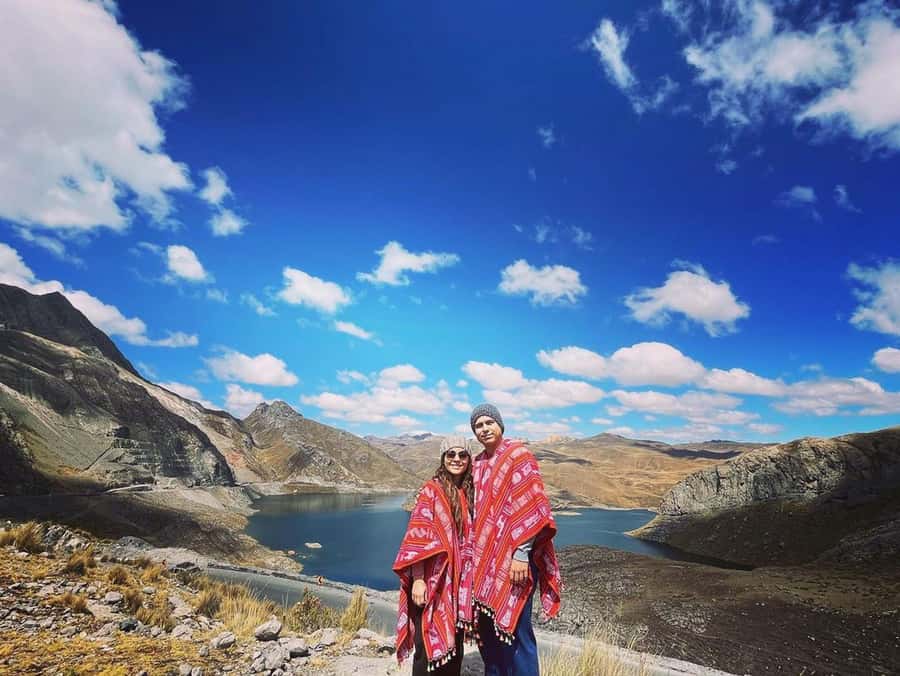
On the way up, there’s a stop at the Cochapampa viewpoint. This is a breather spot, but it also helps you understand the terrain before you reach the lagoons. You’ll start noticing how the high Andes sit in layers—valleys, ridgelines, and the way water collects in the cold pockets.
It’s not a long detour, and that’s the point. The tour’s format keeps the day moving, so you’ll want to treat these viewpoint stops as your chance to reset your eyes, wipe sunscreen, and get a few establishing photos.
I’d also use this moment to check your own gear. Make sure you’ve got insect repellent applied, water accessible, and your sunglasses ready. The sun can be sharp, even when it looks calm.
Laguna de Chuchun and the La Viuda snow-capped range
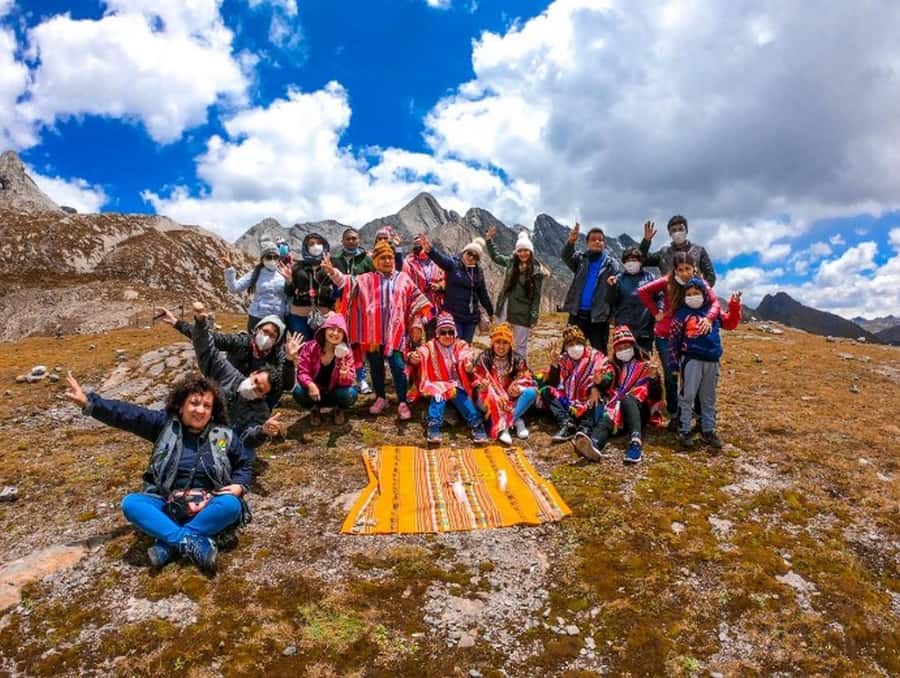
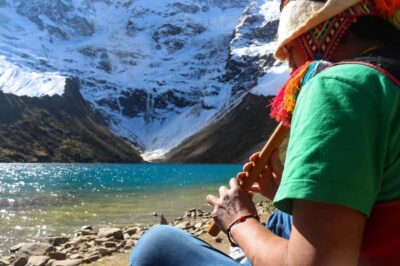
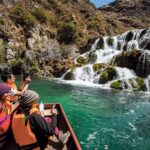
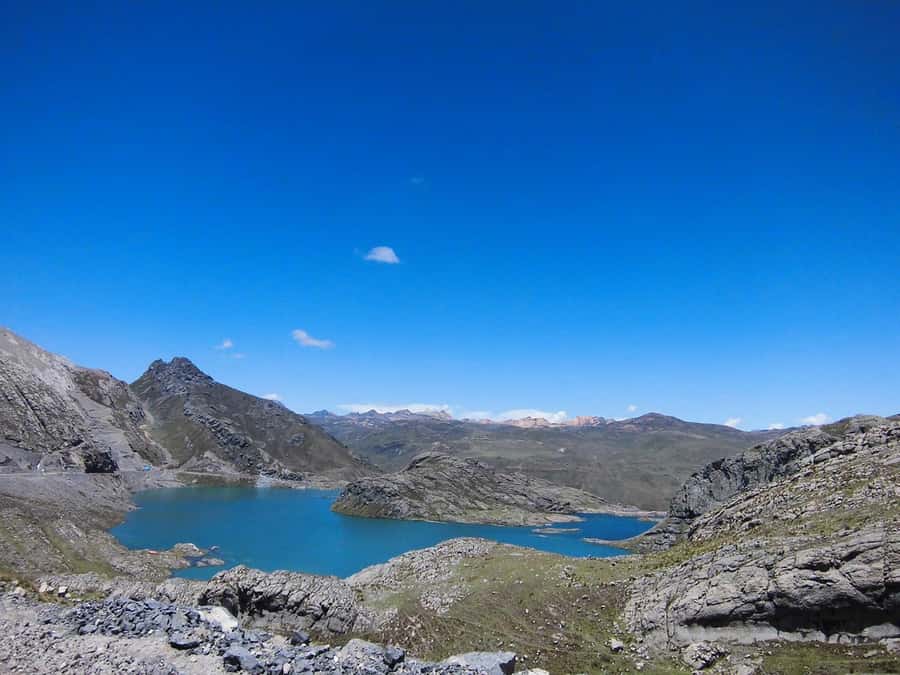
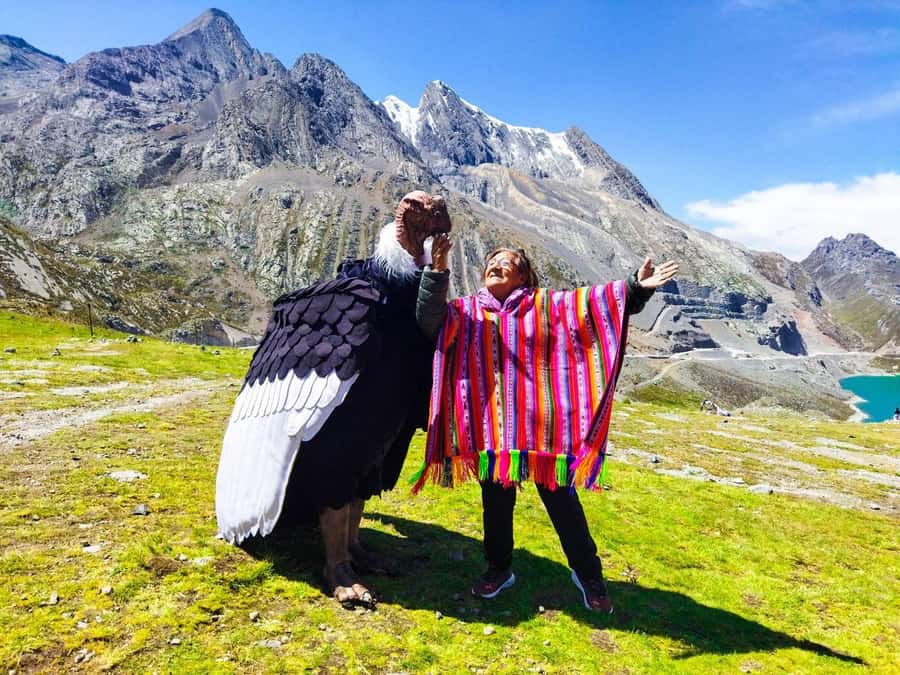
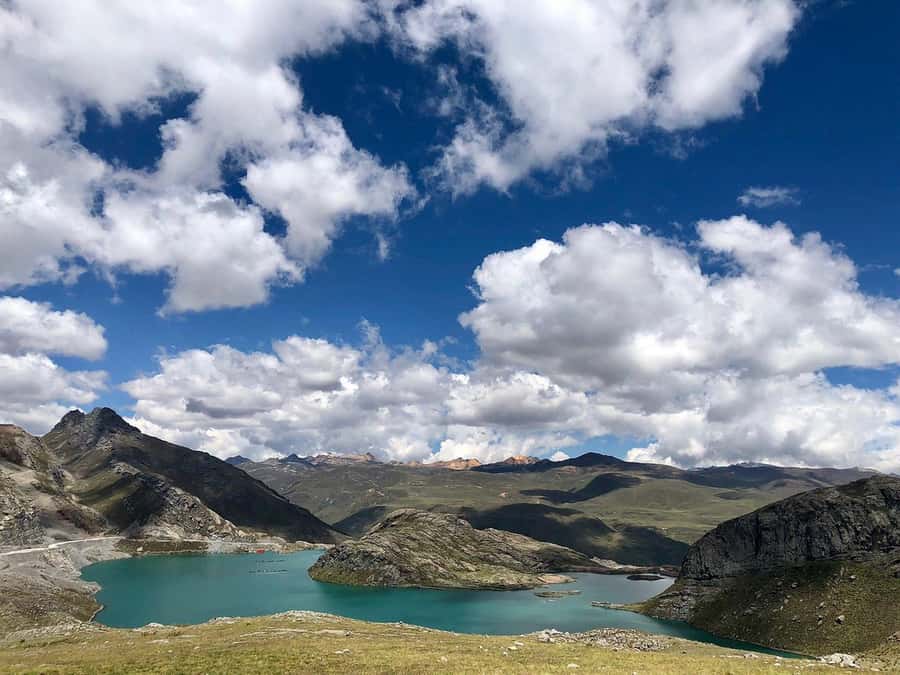
This is the centerpiece: Laguna de Chuchun and additional lagoons like Laguna Ocho and Laguna Leoncocha, plus views of the snow-capped La Viuda mountain range. This is why people take a long day trip instead of just a short hop.
What you’ll enjoy most is the calm. The lagoons tend to feel quiet and slow, even when other groups are around. In clear weather, the contrast between dark rock, bright sky, and the cold-toned water can be striking without needing anything fancy.
Two practical notes:
First, the lagoon entrance fee is not included (indicated at S/3). There’s also a boat tour add-on (indicated at S/7). If you’re budget-minded, you can plan your day around the land viewing and decide later if you want to pay for a boat.
Second, you should expect cool air. You brought swimwear, which hints that there may be water-related moments, but the tour doesn’t promise warm conditions. Dress in layers so you can handle sun outside and chill during stops.
Altitude support: oxygen and coca leaves are not just extras
This tour includes oxygen for the group and coca leaves, plus an onboard first aid kit. That’s a big deal on a full-day route that climbs into high areas around the lagoons.
You can think of it as a safety net that also shows good sense. In altitude country, it’s not only about whether you feel fine at the start. It’s about managing the “maybe I’m okay” moments that can turn into a headache or fatigue later.
Bring what the tour asks for: sunglasses, sunscreen, insect repellent, and swimwear. That sounds basic, but it directly affects how you feel during the longer outdoor stretches. Also give yourself a slow-start mindset. Even if you feel great at 6am, keep water in reach and don’t race to the next photo spot.


Huaros community trout farm: learning how “food” is made
After the lagoon viewing, the day shifts from nature back to people: a visit to the Huaros community fish farm and trout farming practice. This is one of the most interesting parts because it’s practical, not just scenic.
You’ll get a chance to learn how the community raises trout, and the value here is real-world context. Instead of treating fish as something from a supermarket, you see how it can be part of a local economy tied to the rhythms of the highlands.
This stop also adds balance to the day. Some tours only offer viewing—this one includes a learning moment. It’s especially meaningful if you like sustainability topics and want to see that “local” can mean smarter resource use, not just traditional decoration.
If you’re sensitive to smells (some fish operations have a distinct odor), that’s the only thing to mentally prepare for. Otherwise, this is a straightforward, educational break before the afternoon town visit.
Canta: Plaza de Armas, Republican-era portals, and snack shopping
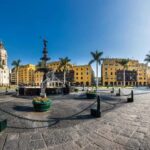
In the afternoon, you head to Canta, also called Heroica Villa for its role in battles for independence and the war with Chile. It’s not a long stay, but it gives you enough time to get a feel for the place beyond the main sights.
Your guided city route includes:
- the Plaza de Armas with its historic colonial pool
- Republican-era portals
- the church area, including the patron details tied to Canta
- the Mariscal Chaperito site (a key local landmark)
Then comes the part food lovers wait for: the market. The shopping list is broad and specific—things like pan tipo, rolls, rosquitas, humitas, tamales canteños, honey, manjar blanco (manjar), cow butter, cow cheeses, and beef.
I like market time because it’s low-pressure. You can snack, buy a few items, and feel like you’re meeting the region through what people actually eat. Just keep an eye on what’s easy to carry back to Lima if you plan to buy more than a small bag.
If you’re traveling with someone who loves photos, Canta also gives you varied textures for pictures: plazas, church facades, and street life.
Santa Rosa de Quives sanctuary: a quiet spiritual reset
The final major stop is the Santa Rosa de Quives sanctuary. This is associated with the patron saint who lived there, and the visit includes the chapel and the wishing well.
If the morning felt dramatic—petroglyphs, snow views, lagoons—this is a different pace. It’s more about calm and reflection, and it works well as a way to slow down before the long ride back to Lima.
Even if you’re not religious, sanctuaries can be powerful in a travel sense. You’re visiting a place that local people value today, not just an old building for tourists. The wishing well adds a lighthearted moment, as long as you respect the space and follow local guidance from the tour guide.
Value and extra costs: what $39 covers (and what it doesn’t)
The price is listed at $39 per person for about 16 hours. That cost is lower than what you’d expect for a full-day bus-and-guide package to multiple highland sites, especially when transport, a live official guide, and group oxygen are included.
Included in the tour:
- Transport
- Official tourist guide
- Oxygen for the group
- Payment to Earth-Pachamama
- Coca leaves
- First aid kit
- Photography during the tour
Not included:
- Food
- Lagoons entrance (indicated S/3)
- Boat tour (indicated S/7)
So how do you judge value? You’re paying for movement plus guided context plus safety support. If you’re someone who would otherwise need separate transport, admission planning, and a guide to interpret petroglyphs and sites, the package makes sense. If you already have a driver lined up and you prefer to travel independently, you might feel the value is less.
My practical advice: budget a little extra for entrance fees and decide about the boat tour once you’re there. And plan lunch times carefully because the tour doesn’t include food, even though lunch is part of the flow.
Logistics reality check: long road time and staying in the right group
This tour’s biggest “how it feels” factor is transportation time and road conditions. The schedule includes long stretches, and some people have flagged issues with transport quality and delays. That doesn’t mean the day is doomed—it means you should mentally prepare for a bumpy, slow ride.
There’s also a planning lesson from service hiccups: confirm that pickup details are correct and that you end up with the right group. One guide-related comment mentioned the tour group being organized incorrectly, which led to a wasted day. It’s rare, but it’s a reminder to double-check your join-up info before departure.
On the positive side, you can also take heart from high praise for guides and drivers, including Alejandro and Gabo, plus Wilma with Sr Edgar. When the team is on point, this kind of route can feel smooth and friendly, not chaotic.
If you want fewer surprises:
- arrive early at La Rambla
- keep your phone charged for message updates with the GPS meeting point
- bring insect repellent and sunscreen early, not at the last minute
- pack snacks you can tolerate if lunch timing shifts
Should you book the Cordillera de la Viuda day trip?
Book it if you want a one-day sampler of the Lima highlands: petroglyphs, multiple lagoons under the La Viuda snow-capped view, a community trout farm, then the grounded culture of Canta and the calmer Santa Rosa de Quives sanctuary. The inclusion of oxygen, coca leaves, and an official guide gives it a layer of confidence that many low-cost day trips don’t include.
Skip it or rethink it if you’re very sensitive to long car rides, motion sickness, or schedule changes. Also, if you hate paying extra for admissions and you want food included, you’ll need to plan for that.
If you can handle an early start and a long day with changing scenes, this tour delivers a lot of Peru for $39—especially the mixture of ancient art, high Andean water, and real community life.
FAQ
What time does the tour run?
It runs from about 5am to 9pm, with a full day of stops in between.
Where do I meet the group?
You meet at the Shopping Mall La Rambla in Lima. The exact GPS location is sent to you.
Is food included?
No. Food is not included, even though lunch is scheduled during the day.
Are lagoon entrance tickets included?
No. Lagoon entrance is indicated at S/3 and is not included. A boat tour is indicated at S/7 and is also not included.
What should I bring?
Bring sunglasses, swimwear, sunscreen, and insect repellent.
Is the tour in Spanish and is there support for altitude?
The tour is guided in Spanish. The group includes oxygen, coca leaves, and a first aid kit.