REVIEW · PUERTO MALDONADO
Puerto Maldonado: Sandoval Lake 4-Day, 3-Night Guided Tour
Book on GetYourGuide →Operated by MonteAmazonico Lodge · Bookable on GetYourGuide
Jungle days start the moment you arrive. This guided Puerto Maldonado trip is built around real wildlife time, with Sandoval Lake by boat and that extra night walk energy where you’re not just watching birds, you’re seeing the jungle switch gears after dark. The one thing to consider: you’ll do a 3 km walk (about 2 miles) toward Sandoval Lake, and the humidity can make it feel longer than you’d expect.
I also like how the tour keeps the group small (max 10), so it feels less like a stampede and more like a team effort with your guide. One practical bonus I’ve heard mentioned by past guests: the lodge setup still lets you charge phones and batteries in your room, which matters a lot when you’re shooting photos in the rainforest.
In This Review
- Key highlights you’ll care about most
- Puerto Maldonado to MonteAmazonico Lodge: getting into the Madre de Dios rhythm
- Monkey Island on day one: a quick wildlife warm-up across the river
- Night caiman search: flashlight time and smart expectations
- Sandoval Lake: the 3 km walk that sets the stage for big nature viewing
- Night walk on day two: insects, amphibians, reptiles, and the joy of slow watching
- Canopy Walk-Way at around 30 meters: birds you can actually track
- Zip-line above the trees: adrenaline with safety coaching
- Kayaking at sunset and artisanal fishing: slower Amazon time that feels real
- Price and logistics: is $300 per person good value?
- What to pack (and what to skip) for comfort and fewer headaches
- Who this tour fits best (and who might want another option)
- Should you book this Sandoval Lake 4-day tour?
- FAQ
- What wildlife activities are included on this tour?
- Is the Tambopata National Reserve entrance fee included?
- What is the zip-line and canopy experience like?
- What should I bring for the tour?
- What language will the live guide speak?
- Does the tour run rain or shine?
Key highlights you’ll care about most
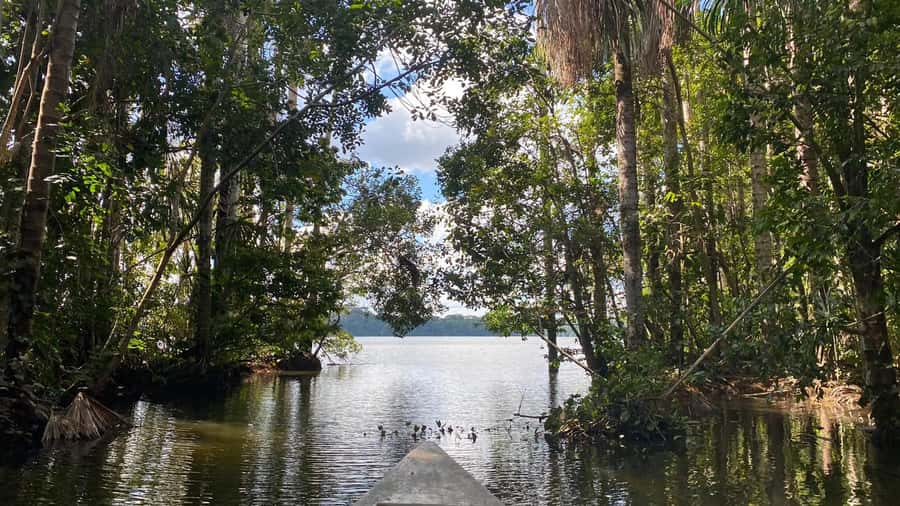
- Sandoval Lake by rowing boat: birds and monkeys, plus the chance of rare sightings around the shoreline
- Monkey Island right in the Madre de Dios area: a fast start to seeing wildlife
- Night activities: caiman search and a night walk focused on nocturnal life
- Canopy Walk-Way at around 30 meters: birds from above where you can actually spot them
- Zip-line plus river kayaking: adrenaline by trees, then slower sunset water time
Puerto Maldonado to MonteAmazonico Lodge: getting into the Madre de Dios rhythm
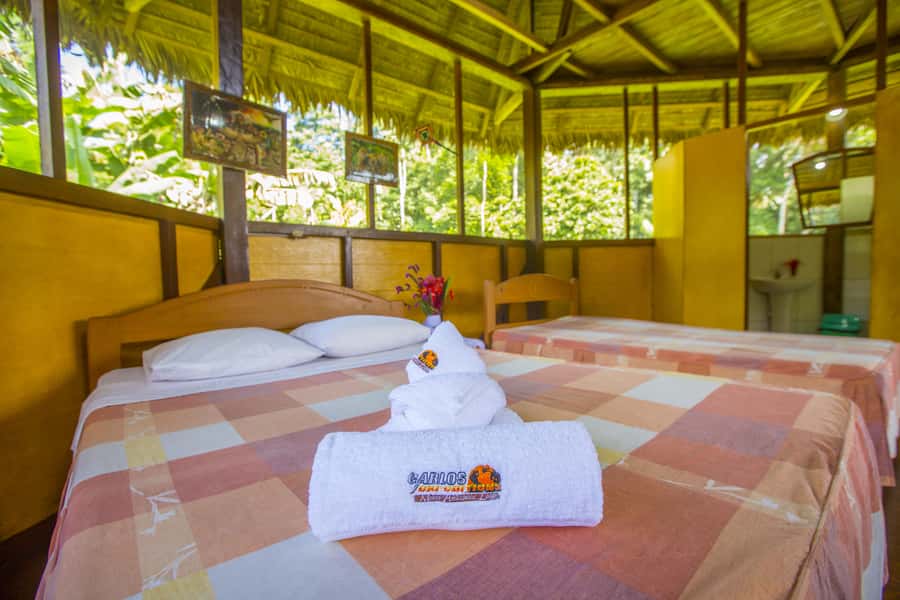
Most people arrive in Puerto Maldonado looking for the rainforest. What makes this tour work is that it doesn’t dump you straight into the deep end. You’re picked up from the airport or bus station, then you head to the MonteAmazonico Lodge office area to get orientation before moving on. That early check-in matters, especially in the Amazon where “small confusion” can become “big hassle” later.
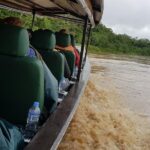
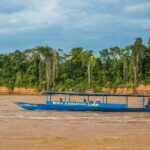
After that, you transfer to the river and take a boat ride toward the lodge. The ride is about getting your bearings in the Madre de Dios region, not just transportation. You’ll also get a welcome fruit juice, the kind of simple touch that helps you shift from city mode to jungle mode without waiting until day two.
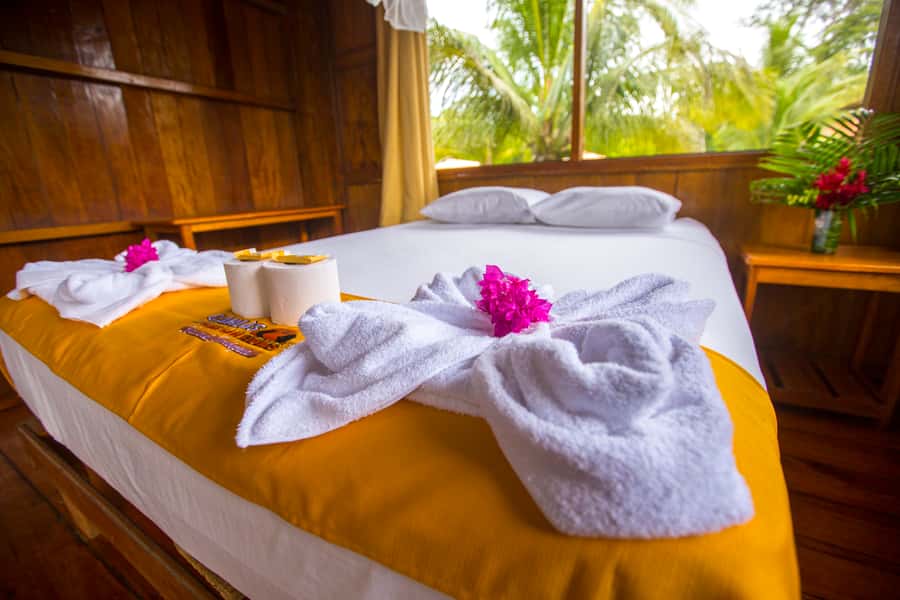
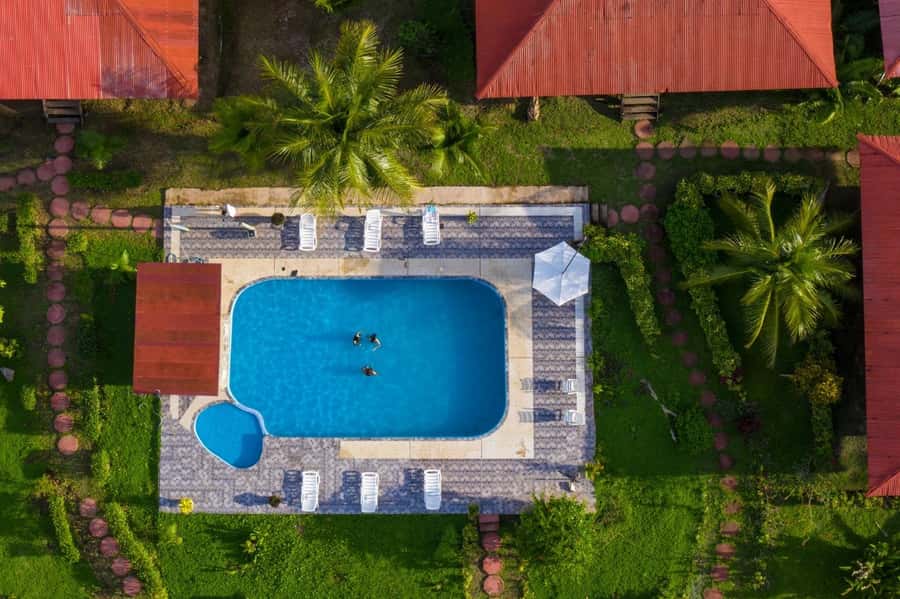
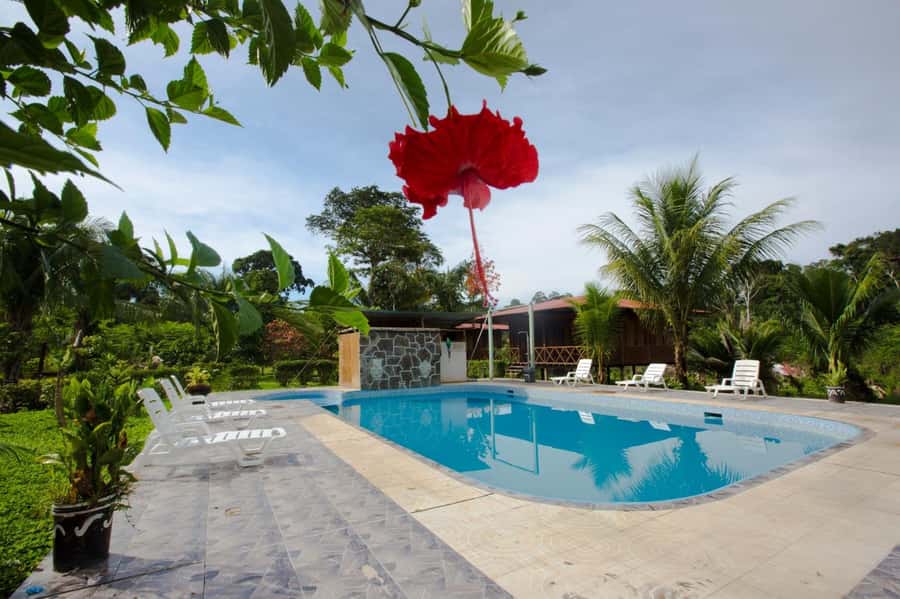
On the ground, the lodge feels like your home base for the next few days. You’ll have meals provided and you’ll travel with guidance throughout, which is a big part of the value here. In places like this, knowing where to go and when to go makes the difference between “we saw some trees” and “we actually found animals.”
Practical tip: plan on wet conditions and bring layers. Even when it’s not raining, the air can feel sticky. If you’re the type who runs cold easily at night, a light layer can help.
You can also read our reviews of more guided tours in Puerto Maldonado
Monkey Island on day one: a quick wildlife warm-up across the river
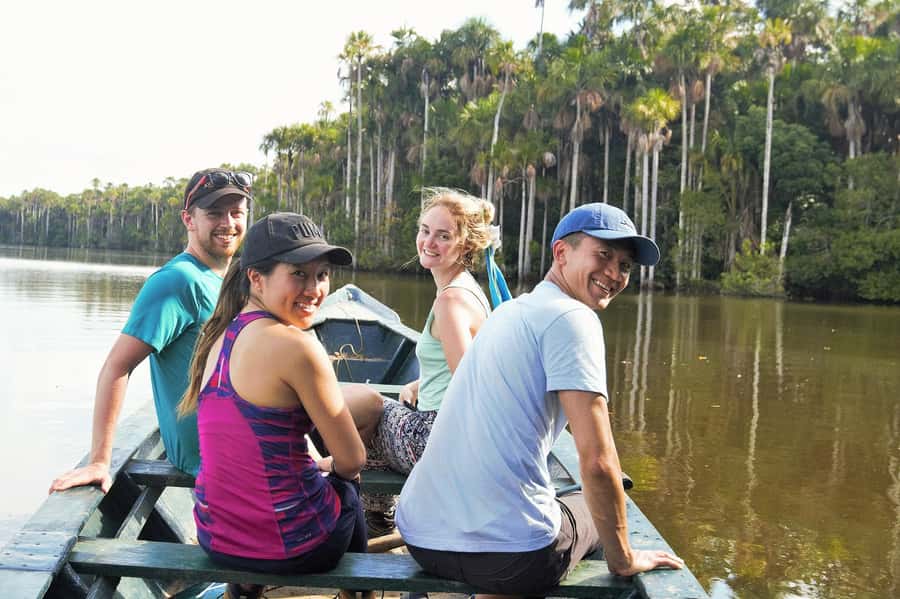
The first full wildlife moment happens after you settle in. You’ll visit Monkey Island, located across the Madre de Dios River from the lodge. This is a great way to ease into the experience because it’s close and it’s immediate. You don’t need a full day of travel before you’re looking at animals.
From a viewing standpoint, this stop is useful because it trains your eyes. You start noticing movement patterns: what stays active at certain times of day, what sounds different, and how quickly animals can vanish into the canopy or shoreline vegetation.
There’s also a bonus feeling here: you’re not just doing one event. You’re building a relationship with the area around the lodge. That matters later when you go out at night, because you’ll recognize the riverbanks and understand where to focus.
Night caiman search: flashlight time and smart expectations
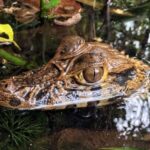
On the first night, you go for a caiman search along the banks of the Madre de Dios River. This is one of those activities where the jungle actually feels like it’s leaning toward you. Caimans are generally on the river edges, so you’re scanning the water and shoreline, not the treetops.
The tour asks you to bring a flashlight, and that’s not optional in spirit. You’ll be walking and scanning in dark conditions, and having control over your light helps you stay safe and helps you avoid that frustrating moment of shining the wrong angle for minutes.
This is also where your expectations should be flexible. The guide will look for caimans, and with luck you may see other animals too, including capybara (noted as the world’s largest rodent in the tour description). The description also points out the Peruvian cuy as a related local rodent reference, so it’s a reminder that you’re not only hunting for one species. You’re watching the whole ecosystem.
What I think makes this night activity worth it is that it teaches you a rhythm:
- River edge scanning takes patience
- Light discipline matters (too much light can spook animals)
- Quiet observation beats frantic searching
Also, pack like it’s going to get buggy. From past guests, I’ve learned the value of long sleeves and repellent. Bring both. In the Amazon, “a few bites” can turn into a whole evening distraction.
Sandoval Lake: the 3 km walk that sets the stage for big nature viewing
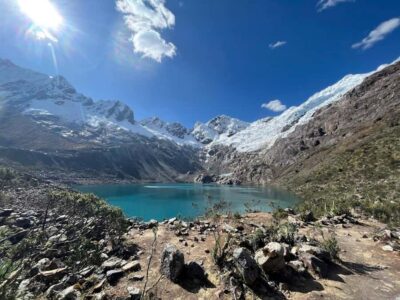
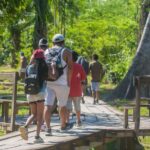
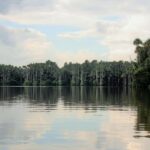
Day two begins early, because rainforest wildlife isn’t on your schedule. You’ll take a short boat ride to the entrance of Sandoval Lake, check in at the checkpoint, then walk about 3 kilometers to reach the lake. That walk is not filler. It’s part of how you transition from river travel to lake ecosystems.
Sandoval Lake is described as a piranha habitat, which is useful context even if you never see fish directly. It tells you the lake is alive and active, not a still pond. Your guide’s job is to read that environment and show you where animals concentrate.
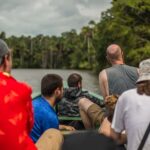
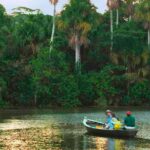
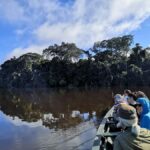
Once you reach the lake, you’ll switch to a rowing boat for navigation. This is a key moment: rowing keeps the experience quiet and close to the habitat, and it gives you a steady platform for watching wildlife on both the water and the shoreline. It’s also easier for spotting because you’re not moving at fast speed.
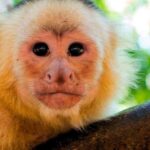
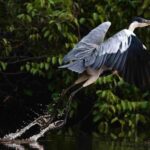
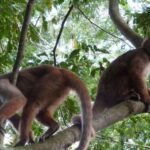
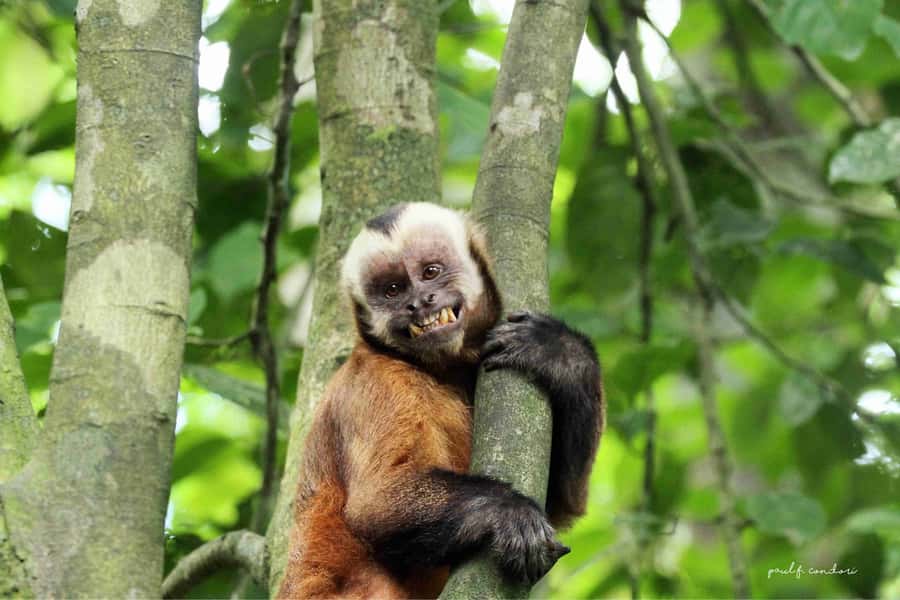
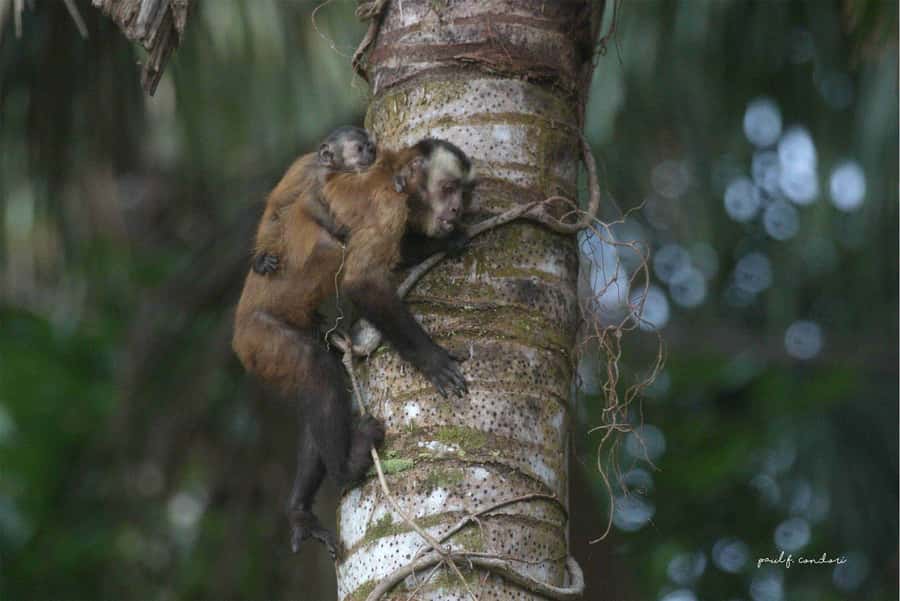
You’re likely to focus on birds and monkeys. The tour highlights possible sightings including hoatzin, cormorants, jacanas, and puma herons, plus eagles. For monkeys, you might see howler monkeys, squirrel monkeys, black capuchins, tamarins, and sloths. That’s a lot of species listed, and while you won’t control the exact lineup, the value here is the range of search effort your guide brings to the water.
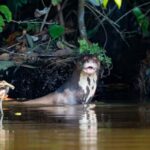
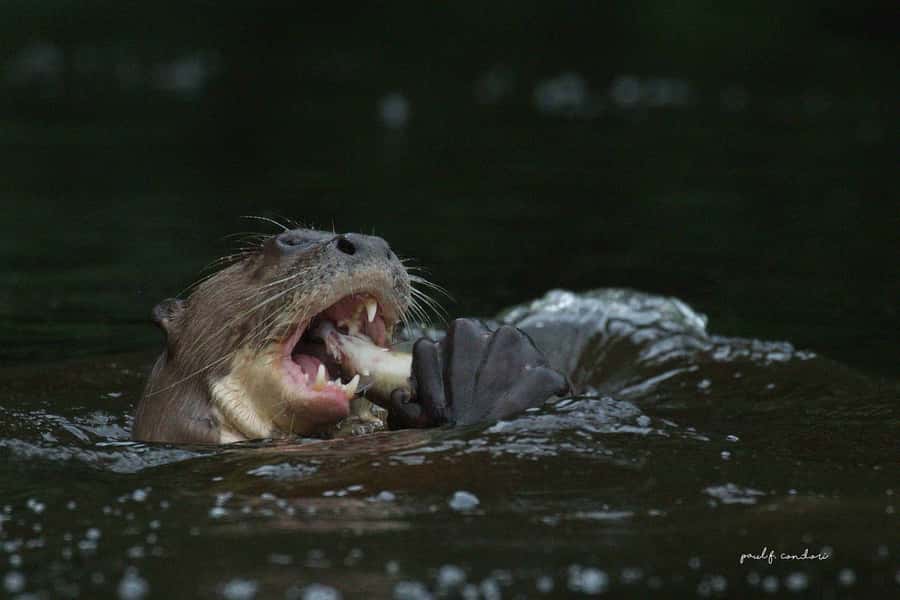
Wildlife note worth taking seriously: the tour also mentions the chance of giant river otters (noted as endangered) and a potentially very large alligator (over 4 meters). You might not catch that specific sighting every trip, but the way the guide talks about them is part of the learning. You’re not just chasing sightings; you’re learning how the reserve functions.
After the boat time, you return to the lodge for lunch, then transition to the evening night walk session. That evening segment is your “second rainforest class,” covering the animals that are mostly invisible during daylight.
Night walk on day two: insects, amphibians, reptiles, and the joy of slow watching
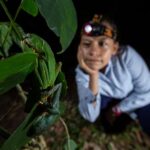
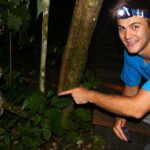
A good night walk in the Amazon isn’t about fear. It’s about noticing. You’ll head out in the evening to appreciate the diversity of insects, amphibians, reptiles, and other nocturnal animals. The highlight here is that you start understanding the jungle as a 24-hour system.
In practical terms, bring the gear that helps you keep your attention on what matters:
- repellent (again, this is worth it)
- long sleeves
- closed-toe shoes you’re comfortable walking in
The other thing I like about night activities on this tour is pacing. You’re not doing adrenaline every hour. You get a day of walking and boating, then you get a slower, more observation-based night. That balance helps most people enjoy the experience instead of just surviving it.
And if your goal is photos, keep your expectations realistic. Night shots in dense jungle vegetation are hard. What helps most is having a plan for lighting and staying patient with focus and composition.
You can also read our reviews of more evening experiences in Puerto Maldonado
Canopy Walk-Way at around 30 meters: birds you can actually track
Day three is where the view changes. You’ll head out around 5:30 a.m. for the Canopy Walk-Way, described at about 30 meters high. The bridges and elevated platforms let you see rainforest from above, and it changes the whole game for wildlife spotting.
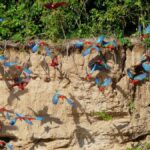
From that height, you can look across a wider section of habitat. The tour calls out birds like toucans, macaws, tanagers, and orioles. Birds move through canopy layers, and many of them are easier to spot from an elevated walkway because you’re not competing with thick undergrowth.
This part of the tour is also mentally refreshing. After days of scanning river edges and lake shorelines, the canopy gives you an open visual context. You start thinking like a bird, literally.
Two practical considerations:
- Go slow on stairs and bridges if you’re not used to heights.
- Wear comfortable clothing you can handle if it’s wet or misty. Mornings can be cooler, but the humidity is still there.
Zip-line above the trees: adrenaline with safety coaching
After breakfast, you switch from watching wildlife to feeling it in your body. You’ll do a zip-line activity in the trees, described at more than 30 meters high. You’ll have an instructor guide who talks you through using the safety harness, which is the right starting point for this kind of adrenaline.
The tour notes that the cables provide serious support (more than 3 tons), so you’re not dealing with some sketchy setup. Still, the most important safety piece is how you wear the harness and how you follow the instructor’s guidance. Listen closely, ask questions if something feels unclear, and don’t rush.
What I like about this zip-line slot in the schedule is timing. You do it in the morning after the canopy walk, so you get two different “top of the forest” experiences without dragging it into the end of the day when you might be tired.
If you’re sensitive to heights, this is the one part you’ll want to mentally prepare for. The activity can feel intense even if the safety system is solid.
Kayaking at sunset and artisanal fishing: slower Amazon time that feels real
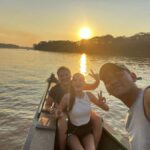
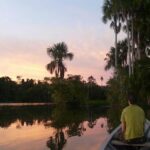
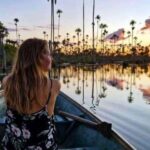
In the afternoon, you get a change of pace. You’ll cross the Madre de Dios River by kayaking, with a chance to appreciate the sunset. This isn’t just a scenic extra. Kayaking is quieter than boats with motors, and that quiet usually helps your attention. You’re more likely to notice birds, movement in the banks, and the overall tone of the river as light changes.
After kayaking, you’ll have time for artisanal fishing in the Madre de Dios River. The tour says patience is part of the process, and it mentions possible species like catfish. Even if you don’t land a fish every time, the value is in the hands-on experience. This is Amazon life in a small, approachable format, not just wildlife viewing from a distance.
This day ends with you back at the lodge and resting before the final morning return.
Price and logistics: is $300 per person good value?
At $300 per person for 4 days / 3 nights, this tour sits in a reasonable mid-range for the region, mainly because it covers the stuff that usually adds up fast in the jungle: transfers, guidance, and food.
Here’s what’s included that supports the value:
- Airport/bus pickup and drop-off, plus city hotel pickup/drop-off
- Hosting service and food
- Guidance throughout
- Small-group size (limited to 10)
Here’s what costs extra, and you should plan for it:
- Tambopata National Reserve entrance: $20 per person
- Single room: not included
- Drinks (alcohol, sodas) and snacks
So the “real price” is a bit higher than $300 once you add the reserve entrance and anything you choose to buy on top. But the tour is still likely a good deal if you want an organized experience with transport and meals done for you.
Two practical logistics wins:
- You don’t have to coordinate every transfer alone.
- Pickup is structured with a driver holding your name sign, which reduces the usual arrival stress.
What to pack (and what to skip) for comfort and fewer headaches
This tour has a straightforward packing list, and it matches the realities of the rainforest:
- Hat
- Flashlight
- Passport or ID card (a copy is accepted)
Don’t bring alcohol or drugs, and don’t count on it being a party trip. The focus is nature, safety, and respectful behavior in the reserve area.
Because you’ll do daytime walking, canopy elements, zip-line, and nighttime scans, I strongly suggest you also plan on:
- long sleeves (you’ll appreciate them)
- repellent (past guests call this out)
- comfortable closed-toe shoes
And remember: it runs rain or shine, so gear that handles wet conditions is smart.
Who this tour fits best (and who might want another option)
This is a strong fit if you want a balanced Amazon program: wildlife time in daylight, night life activities, elevation views, and some real adventure.
It’s also a good match for groups of friends or solo travelers who like structure. With a small group (up to 10), you’ll have a better shot at personal attention than on bigger tours.
It’s not a match for people with mobility impairments, based on the tour’s description. You’ll do walking and elevated activities, plus night conditions.
If you hate long days of being outside, this might test you. You’ll be active across multiple days, not just sitting in a boat.
Should you book this Sandoval Lake 4-day tour?
If your goal is to see Sandoval Lake wildlife, get real chances for animals at different times (especially night), and still have a couple of high-energy activities (canopy walk and zip-line), this tour makes sense. The combination is the selling point: you’re not choosing between nature and adventure—you get both, with guiding that keeps the experience focused.
I’d especially lean toward booking if:
- you like structured guidance in a place where paths and timing matter
- you want a small-group feel
- you care about nights in the rainforest, not just daytime sightseeing
- you’re comfortable walking a few kilometers and packing for wet conditions
I’d think twice if:
- you want a totally low-activity trip
- you’re not comfortable with heights (canopy walk and zip-line)
- you’re sensitive to nighttime insect exposure and don’t plan to bring repellent and long sleeves
FAQ
What wildlife activities are included on this tour?
You’ll visit Monkey Island, have a caiman search at night with a flashlight, explore Sandoval Lake by rowing boat, and do a night walk to look for nocturnal animals. You’ll also have morning canopy viewing and other adventure activities like zip-line, kayaking, and artisanal fishing.
Is the Tambopata National Reserve entrance fee included?
No. The Tambopata National Reserve entrance is not included and costs $20.00 per person.
What is the zip-line and canopy experience like?
You’ll start with a Canopy Walk-Way about 30 meters high. Later, you’ll do a zip-line above the trees more than 30 meters high with an instructor guide who explains the harness for safety.
What should I bring for the tour?
Bring a hat, a flashlight, and your passport or ID card (a copy is accepted).
What language will the live guide speak?
The live tour guide provides help in Spanish and English.
Does the tour run rain or shine?
Yes. This tour takes place rain or shine.