REVIEW · PERU
From Cusco: Inka Suspension Bridge Qeswachaca – Qeswachaka
Book on GetYourGuide →Operated by Turismo iPeru · Bookable on GetYourGuide
One rope bridge, four lakes, and a long day. This trip is interesting because you get to see how the Q’eswachaka bridge is rebuilt by local families and why it still matters. I also like the breakfast and lunch included, so you’re not scrambling for food before and after the bridge walk.
The main thing to consider is the early start and long schedule—you’ll spend a lot of time traveling before the big moment by the Apurimac River.
In This Review
- Key points to know before you go
- Why Q’eswachaka feels different from other Cusco day trips
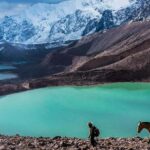
- The lakes and the cold morning: Pomacanchi to Pampamarca/Tungasuca
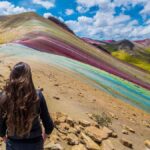
- The Pabellones Volcano stop near Yanaoca: short views, mixed value
- Arrival at the Apurimac River: Q’eswachaka rope bridge details that matter
- Paying for the bridge entry: how the real cost adds up
- The walk itself: what to expect on a hand-woven crossing
- Checacupe on the return: the colonial Inca bridge comparison stop
- Food, guide, and group pace: where the day feels smooth and where it can lag
- Who should book this Q’eswachaka trip (and who should skip it)
- Should you book this Q’eswachaka experience from Cusco?
- FAQ
- Where does the tour start from?
- How long is the trip?
- What time do you get picked up?
- What’s included in the price?
- Are the suspension bridge tickets included?
- Is the mini-volcano entrance included?
- What are the main stops during the day?
- What’s the bridge walking time?
- What language is the tour guide?
- Is this tour wheelchair accessible?
Key points to know before you go
- Hand-woven Ichu fibers: the suspension bridge is made using plant fibers (ichu) and maintained by local communities.
- Several high lakes: Pomacanchi, Acopia, Asnaqocha, and Pampamarca (or Tungasuca) show up along the route.
- A real bridge comparison: you’ll stop at the colonial Inca Bridge of Checacupe on the way back.
- Full-day timing: from roughly 4:30–5:10 AM pickup to about 5:00 PM, with meals spaced far apart.
- Budget the extra tickets: the suspension bridge entry (S/20) and mini-volcano ticket (S/2) are not included.
Why Q’eswachaka feels different from other Cusco day trips
Most Cusco excursions give you a highlight and a few viewpoints. This one is built around a working tradition. You’re not just looking at a bridge—you’re learning why it’s there, how it’s built, and how it’s kept alive year after year by local communities.
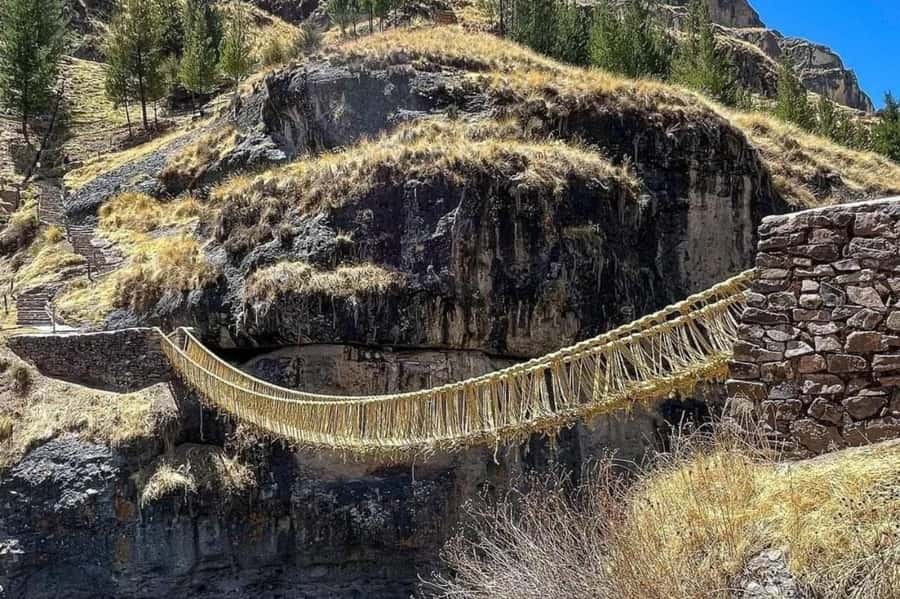
I like that the day doesn’t treat the bridge as a museum object. The explanation focuses on the technique: the bridge is woven by hand with plant fibers called ichu, then renovated and maintained annually. That changes the vibe from tourist “take a photo and move on” to something closer to cultural craft.
You can also read our reviews of more tours and experiences in Peru.
The lakes and the cold morning: Pomacanchi to Pampamarca/Tungasuca
Your morning kicks off with hotel pickup in Cusco, typically between 4:30 AM and 5:10 AM. From there, you head southwest for about two hours, and you’ll stop at several lakes for short photo breaks and quiet moments by the water.
Along the way, you may see:
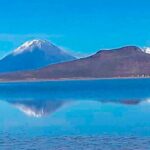
- Lake Pomacanchi (photo stop around 25 minutes)
- Lakes Acopia, Asnaqocha, and Pampamarca (or sometimes Tungasuca, depending on the route)
These stops are the warm-up act. They’re not the main event like the bridge, but they do two useful jobs for you:
- They stretch your day into scenery instead of constant driving.
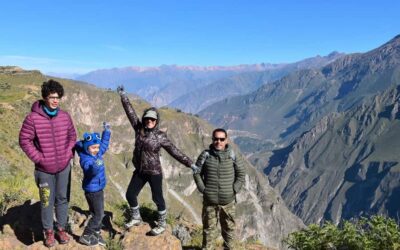
- They give you a feel for the high-Andes conditions you’ll be in near the Apurimac basin.
Practical tip: even if the sun is up, mornings near these elevations can stay chilly. Layer up. You’ll be glad you did before you start moving between stops.
The Pabellones Volcano stop near Yanaoca: short views, mixed value
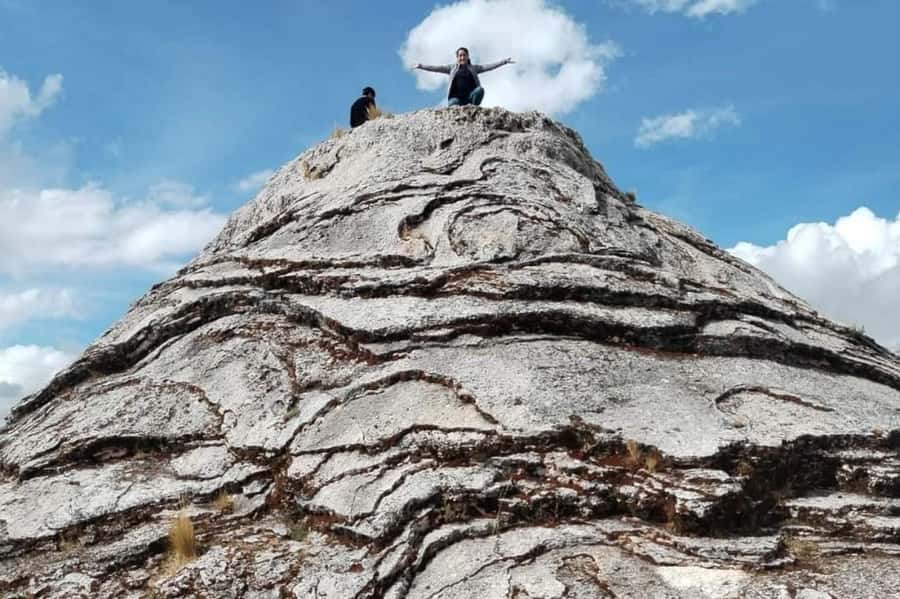
After the lakes, you’ll make a stop near the town of Yanaoca to visit the small Pabellones Volcano area (you’ll need to pay a mini-volcano ticket, listed as S/2, which is not included).
This is the kind of stop where expectations matter. Some people enjoy the extra altitude view and the change of scenery. Others find it more “quick add-on” than a must-see.
My advice: treat it as a bonus if the weather is clear. If clouds roll in, it’s less likely to feel worth the extra time. Either way, it helps break up the long drive.
Arrival at the Apurimac River: Q’eswachaka rope bridge details that matter
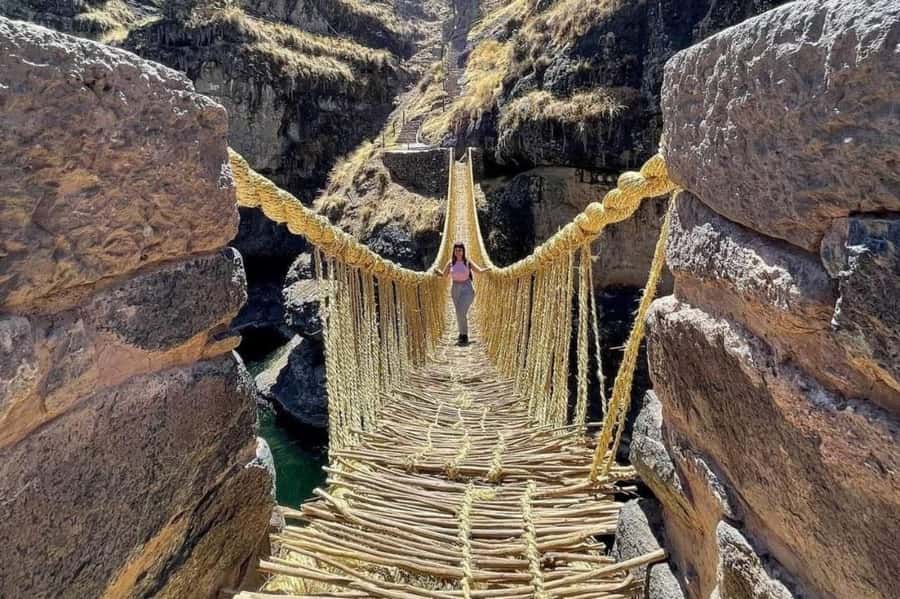
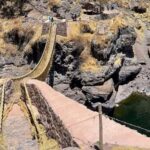
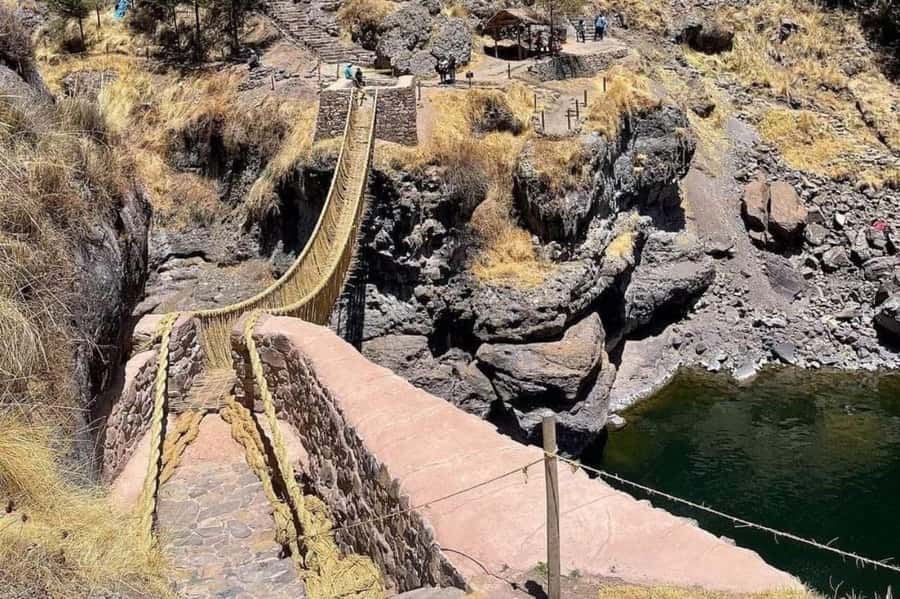
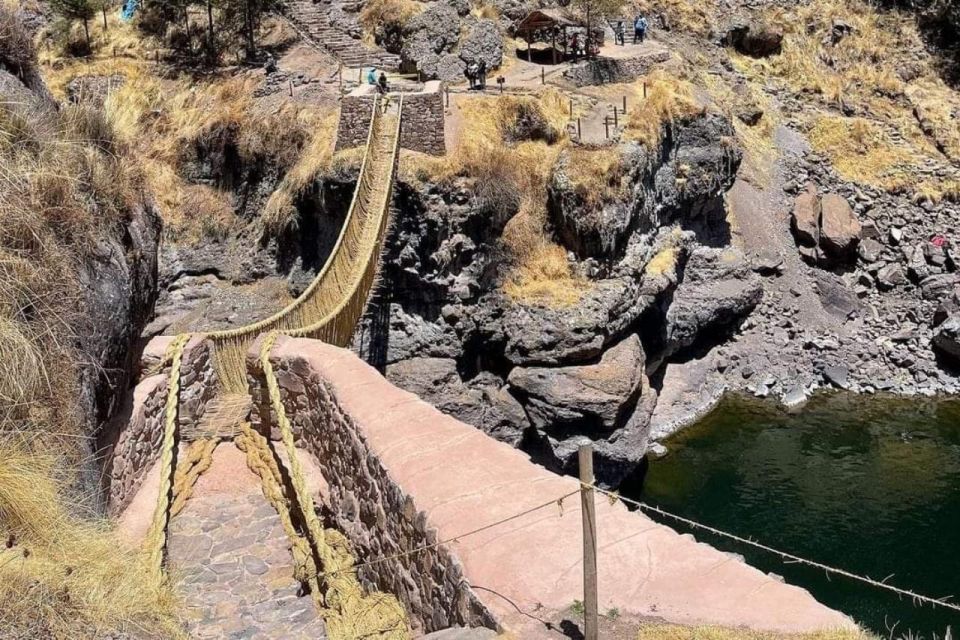
Then comes the moment you came for: the Q’eswachaka Rope Bridge over the Apurimac River, located in the district of Quehue. This is an Inca-period bridge tradition that still gets rebuilt every year by local inhabitants from four communities.
What makes this crossing feel real is the way the bridge is described and handled. You’re likely to get a guided walk-and-learn experience that includes:
- seeing how the fibers are used and woven
- understanding that the bridge is maintained by local labor, not assembled once and forgotten
- getting time on and around the bridge area for photos and viewpoints
You should also know the timing: you’ll spend about one hour in the bridge portion, including the visit and guided sightseeing. That means you’ll likely get enough time to cross if you’re up for it, but it won’t turn into a long, slow wander.
If crossing the bridge is on your list, keep your expectations honest: it’s high and it moves. That’s part of the point. Bring calm focus, not overconfidence. You’ll have a better time if you walk like you mean it—slow steps, steady balance, eyes forward.
Paying for the bridge entry: how the real cost adds up
The tour price is listed as $47 per person, and it already includes a lot of the hard stuff:
- hotel pickup and transportation
- bilingual guide (English and Spanish)
- breakfast and lunch
- first aid kit and oxygen
But two key items are not included:
- Suspension bridge ticket: S/20
- Mini-volcano ticket: S/2
That’s not a deal-breaker—just budget it. If you’re comparing tours, I’d look at your total out-of-pocket as well as the included meals and guide time. For many people, the fact that you start early with transport and food included is what makes the price feel fair.
Also, the tour says you’ll skip the ticket line. That’s a small but meaningful upgrade on a day that starts before most cafes in Cusco are awake.

The walk itself: what to expect on a hand-woven crossing
You’ll usually start the bridge experience with explanations, then move into the walk portion. Expect a short approach on foot and a bit of time to get your bearings.
Here’s what I think matters most for you when deciding whether to cross:
- Balance and comfort: the bridge is suspended and designed to move. If you’re nervous about heights, prepare for that feeling.
- Footing: rope-and-fiber surfaces are grippy, but they’re not like city sidewalks. Take your time.
- Time management: the visit portion is about an hour. If you want photos, plan a quick shot strategy so you don’t eat up crossing time.
One more practical note: the day runs from early morning to late afternoon. If you’re prone to getting cold, the bridge area can feel extra brisk once you’re stationary.
Checacupe on the return: the colonial Inca bridge comparison stop
On your way back to Cusco, you’ll stop at the Colonial Inca Bridge of Checacupe. This is a smart addition because it gives you a direct comparison: same region of tradition, different time period and design details.
Even if you’re not an architecture nerd, the comparison helps you notice things like:
- how later construction style differs from the Q’eswachaka woven approach
- what remains consistent (bridge concept, local importance)
- how the view and river setting shape the experience
This is also where you’ll understand why a rope bridge is not just a novelty. It’s a living solution tied to materials, maintenance, and community knowledge.
You finish around 5:00 PM, ending at Plaza Kusipata, which is just a short walk from the Plaza de Armas area.
Food, guide, and group pace: where the day feels smooth and where it can lag
The tour includes breakfast and lunch, which is a big value win for a 12-hour day. When a tour provides food instead of asking you to find it in small towns, you save both time and hassle.
The guide is bilingual (English and Spanish). In practice, your experience can depend on your guide’s language fluency that morning. If English is a must for you, consider having any key questions ready ahead of time—like how the communities maintain the bridge or what’s most important about the ichu weaving.
Pace is the other major factor. You start around 4:30–5:10 AM, and the day is structured as a series of scenic stops plus the bridge. That’s great if you like moving through the region. It can feel tiring if you prefer fewer stops and more time at each one. One thing that helps: treat the long stretches as transit between viewpoints, not wasted time.
Also keep in mind: the schedule is packed enough that you may not get as many comfort breaks as you’d like. Don’t assume there will be frequent bathroom stops—plan ahead so you can enjoy the bridge without distraction.
Who should book this Q’eswachaka trip (and who should skip it)
This tour is best for you if:
- you want a hands-on cultural highlight, not just another photo stop
- you like understanding how local traditions stay alive
- you can handle a long day and don’t mind early pickup
- you’re comfortable with altitudes and brisk morning weather
You might skip it if:
- you’re very tight on time in Cusco and don’t want to dedicate a full day
- you’re relying on strong English-language delivery and want zero risk (the tour is bilingual, but delivery can vary)
- you have mobility limitations—this tour is not suitable for wheelchair users
Should you book this Q’eswachaka experience from Cusco?
If your main goal is the Q’eswachaka bridge walk—with the craft details and the community maintenance story—this is a good value pick. The combination of lakes, the mini-volcano add-on, and the Checacupe comparison makes the day feel like more than one single stop.
But be honest about the trade-off: it’s a 12-hour schedule starting early, with travel time between sights. If you hate long bus rides or need frequent breaks, you may find the pacing harder than you expected.
My bottom-line advice: book it if you’re excited about the bridge itself and want context, not just a quick crossing. Budget for the extra small tickets, pack layers, and plan your day around the early departure.
FAQ
Where does the tour start from?
It includes hotel pickup in Cusco.
How long is the trip?
The duration is 12 hours.
What time do you get picked up?
Pickup runs between 4:30 AM and 5:10 AM.
What’s included in the price?
You get hotel pickup, transportation, a bilingual tour guide, breakfast, lunch, plus a first aid kit and oxygen.
Are the suspension bridge tickets included?
No. The Q’eswachaka suspension bridge ticket is S/20 and is not included.
Is the mini-volcano entrance included?
No. The mini-volcano ticket is S/2 and is not included.
What are the main stops during the day?
You’ll visit lakes around Pomacanchi/Acopia/Asnaqocha/Pampamarca (or Tungasuca), the Q’eswachaka rope bridge, and then the Checacupe bridge on the way back.
What’s the bridge walking time?
The Q’eswachaka bridge portion is listed as about 1 hour for visit and guided sightseeing.
What language is the tour guide?
The tour guide is English and Spanish (bilingual).
Is this tour wheelchair accessible?
No. It is not suitable for wheelchair users.