REVIEW · PERU
Cusco: Half-Day City Tour
Book on GetYourGuide →Operated by Libertrek Peru Travel Agency · Bookable on GetYourGuide
Six hours, and Cusco starts to click. I like how this tour builds a clear path from the main square to major Inca landmarks, especially Coricancha and Sacsayhuaman. I also love the way the bilingual guide frames what you’re seeing, from Inca building choices to the later Catholic layer on top. One heads-up: the first stop can feel a little rushed, so if you want a slow, lingering start, plan to use the time after the tour.
You’ll get tourist transportation plus a professional bilingual guide (English and Spanish), along with an English/Spanish audio guide. That combo helps when the walking pace picks up or you want a quick recap as you move between sites. The tour ends back in Cusco’s Plaza de Armas, so you’re not stuck far from food and wandering time when you’re done.
In This Review
- Key Highlights You’ll Actually Feel
- A Half-Day Route That Makes Cusco Logical
- Plaza de Armas and the Cathedral: Your Fast Cusco Start
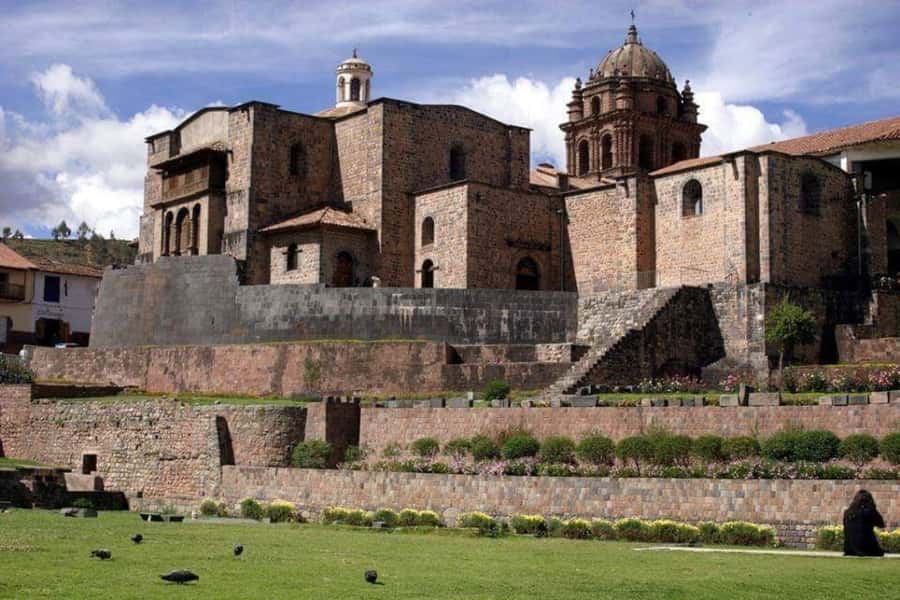
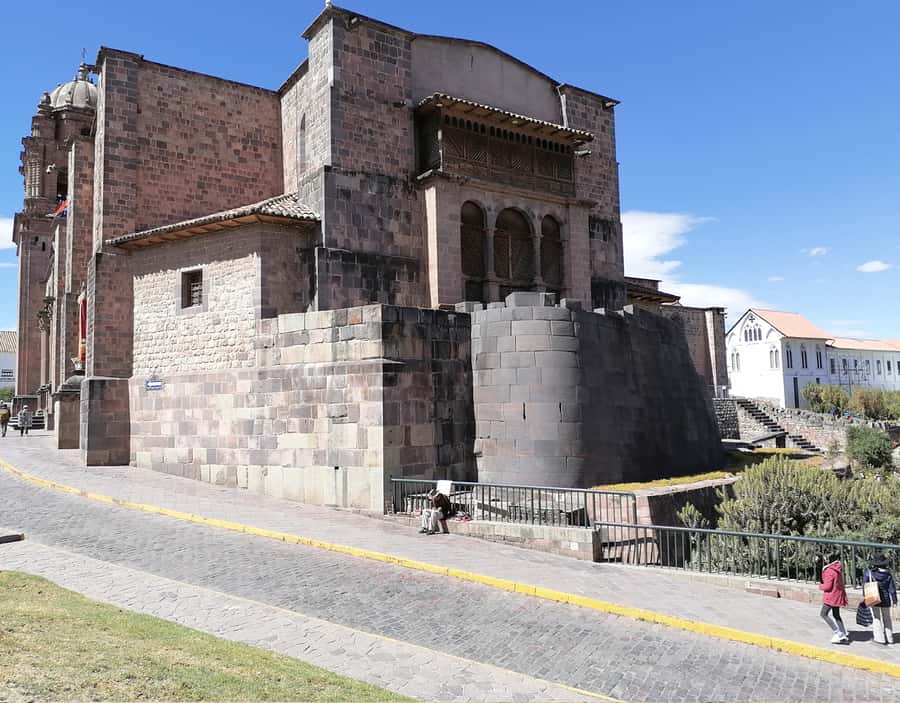
- Walking the Inca Streets to Coricancha (Qoricancha)
- Avenida El Sol to Sacsayhuaman: When the Stones Get Serious
- Qenqo’s Altars, Puka Pukara, and Tambomachay’s Water Temples
- Returning to Plaza de Armas: Make It a Full Cusco Day
- Price and Entrance Fees: Where the Real Cost Lands
- Getting the Most Out of a 6-Hour Day (Without Feeling Frazzled)
- What You’ll Learn: The Big Themes Cusco Visitors Miss
- Who This Tour Fits Best
- Should You Book This Cusco Half-Day City Tour?
- FAQ
- How long is the Cusco half-day city tour?
- What does the tour price include?
- What entrance fees are not included?
- Where is the meeting point?
- What should I bring?
- What languages are available on the tour?
Key Highlights You’ll Actually Feel
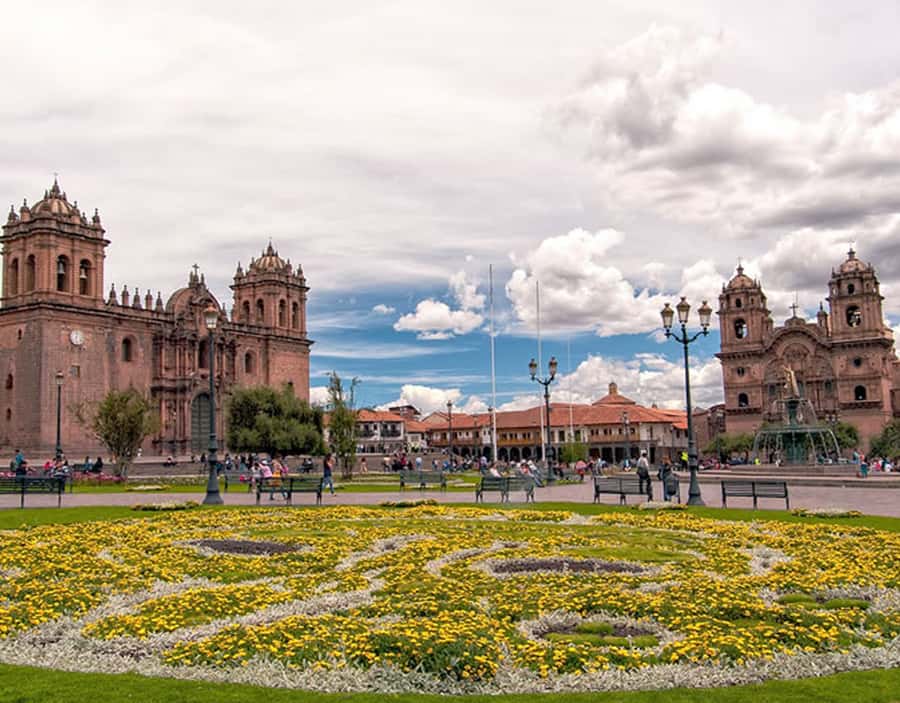
- Plaza de Armas orientation fast: see the cathedral and get your bearings right in the middle of town
- Coricancha and Inca vs Catholic overlap: you’ll connect the architectural story to what you’re looking at
- Sacsayhuaman guided explanation plus free time: learn the site, then spend your own minutes exploring
- Qenqo’s altars and Puka Pukara: small features get attention, not just big views
- Tambomachay Temple of the Water: fountains make the last stretch feel special
- Finish in the Plaza: you leave with an easy plan for street food and relaxed browsing
A Half-Day Route That Makes Cusco Logical
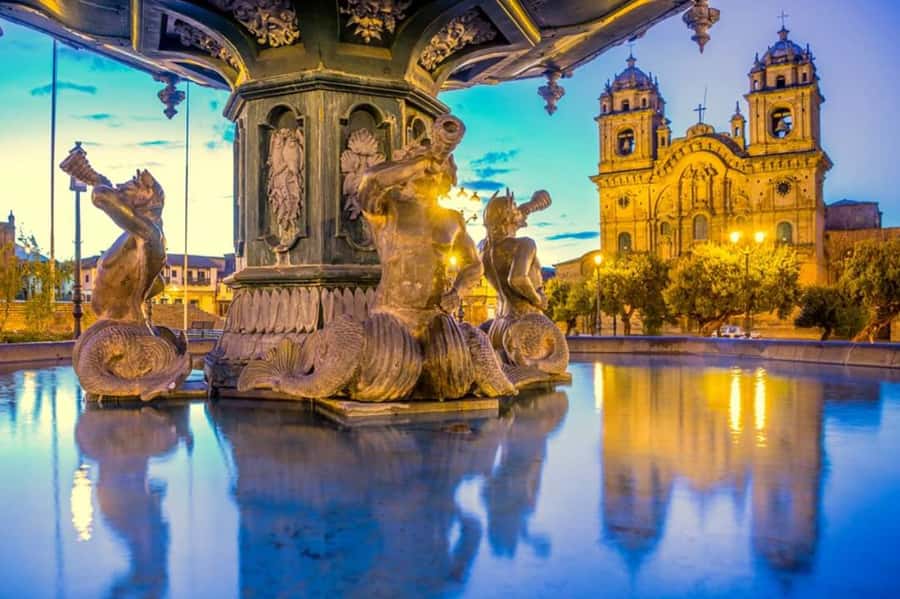
Cusco can feel like a maze on day one. This half-day tour helps you start with the obvious, then move outward to the major ruins without you needing to figure out bus routes or timing. The structure also matters: you begin in the city center, then walk through Inca-era streets, and only after that do you head out to the bigger archaeological sites.
Because it’s only 6 hours, you’re not trying to see everything. Instead, you’re getting a strong “starter kit” of Cusco’s layers: Inca design, later Spanish influence, and the sacred meaning behind the sites. That makes it a smart choice if you plan to explore on your own later, since you’ll recognize what you’re walking past.
You can also read our reviews of more city tours in Peru
Plaza de Armas and the Cathedral: Your Fast Cusco Start
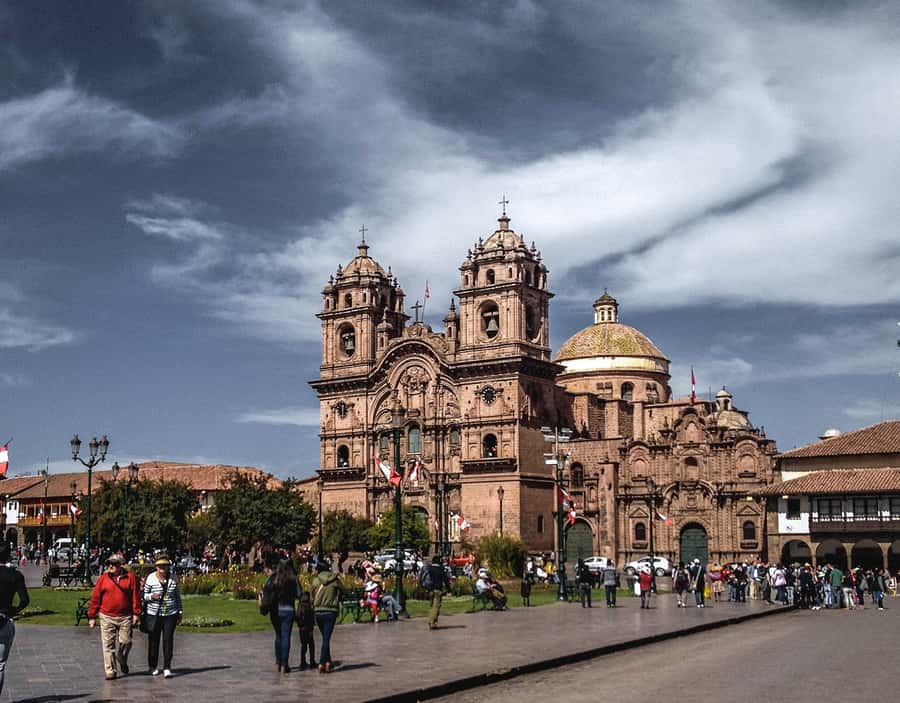
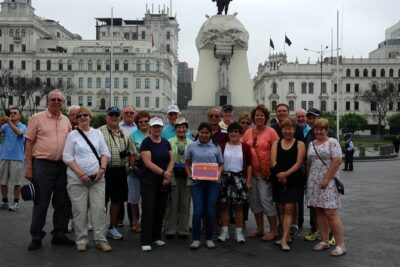
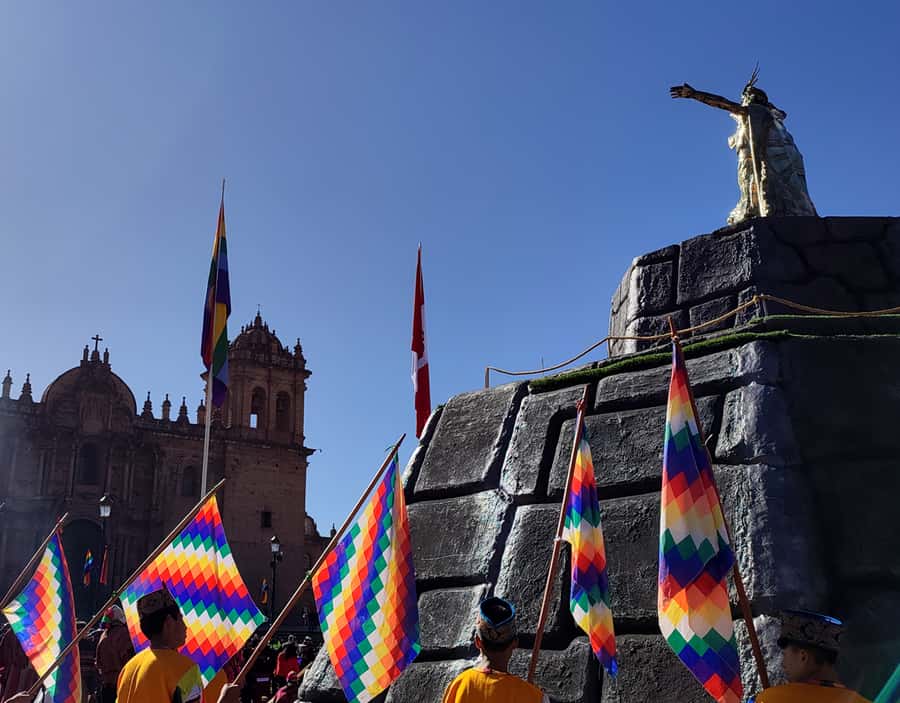
The tour kicks off with pick-up at your hotel option at booking time, then you head to Plaza de Armas. Meeting is at Plaza de Armas, using the monument to the Inca as a reference point. That detail sounds small, but it makes a real difference when you’re arriving in Cusco and the streets look the same for the first hour.
From there, you visit the cathedral and watch the constant mix of locals and tourists moving through the square. Even if you’ve seen cathedrals before, this one works as a practical orientation stop. It’s the moment where you can locate Cusco’s “center,” understand the rhythm of the city, and mentally set your direction for the rest of the morning or afternoon.
One consideration: this first part can feel a bit quick. If you want extra time inside the cathedral area, treat it as a “see it once with the guide” stop, and then come back later if you’re still curious.
Tip: since the cathedral entrance fee is not included, keep cash ready. The tour lists 40 soles for the cathedral, and you’ll also need coins or bills for other site fees later.
Walking the Inca Streets to Coricancha (Qoricancha)
After the square, you go on foot through ancient Inca streets toward Qoricancha, also known as Coricancha. This is the part I like most for first-time visitors because you can feel the shift from modern Cusco back into the older city fabric.
You’re not just walking for exercise. The guide’s explanation connects the buildings to a key theme: the clash between Inca culture and Catholicism. You’ll see the results of that overlap firsthand, including different building methods used by the Incas. That contrast is often hard to understand from photos, but on-site it becomes obvious: you can literally see how later construction and earlier stonework occupy the same story.
Coricancha also works well because the tour uses it as a “concept anchor.” Once you understand this place and why it mattered, the rest of the itinerary feels more coherent. Qenqo, Sacsayhuaman, and Tambomachay aren’t random ruins. They feel like steps in a connected system of sacred sites.
Important budget note: Coricancha entrance is not included. Plan for 20 soles.
Avenida El Sol to Sacsayhuaman: When the Stones Get Serious
Next comes a change in scenery. You walk down Avenida El Sol, then take a scenic bus ride out of the city to Sacsayhuaman. This is one of those places where a guide helps immediately. Sacsayhuaman is impressive visually, but the meaning clicks faster when you have context about what you’re looking at and why it’s significant.
In this tour, you get a guided segment first, plus time to explore the ruins on your own after the explanation. I like that mix. The guide sets the framework, and then you get to decide what captures your attention: certain viewpoints, stonework details, or just the overall scale.
One practical note: archaeological sites outside the city require a tourist ticket, listed here as 70 soles. Sacsayhuaman is one of those out-of-city stops, so factor that into your total cost.
Also, be mentally ready for the “Cusco rhythm.” You’re moving between altitudes and walking on uneven ground, so your pace will slow naturally. That’s normal. Use the guided portion to get the key orientation, then let yourself slow down during your independent time.
Qenqo’s Altars, Puka Pukara, and Tambomachay’s Water Temples
From Sacsayhuaman you head to Qenqo. This is a quieter kind of stop than Sacsayhuaman, but it’s the one I’d call “details-focused.” The tour includes time at Qenqo’s sacred altars, plus attention to specific features like the small circular Puka Pukara and the broader site context.
That matters because Qenqo can look like scattered stonework unless someone points out what you’re meant to notice. With a guide, it turns into a place with purpose, not just a photo spot.
Then you continue to Tambomachay, often referred to here as the Temple of the Water. The highlight is its fountains, which add something different to the route. Instead of staring at stone alone, you’re also taking in the movement of water, which changes the feel of the visit and gives your eyes a break.
Tambomachay is also part of the “outside city” archaeological set, so that 70-soles tourist ticket applies.


Returning to Plaza de Armas: Make It a Full Cusco Day
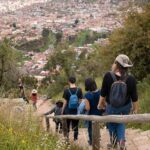
The tour finishes back in Cusco’s main square. I love tours like this because they don’t end in the middle of nowhere. You’re dropped where you can immediately do your next step: sit down, snack, browse, or keep walking.
The tour experience encourages you to soak up some sun and continue on your own. This is also the moment to use what you learned. You’ll recognize the city center layout better, and if you decide to add more time at a site you rushed through earlier, you’ll know where it fits.
If you’re planning your own add-on, keep the tour’s focus in mind: you saw the main sacred layers in a compact window. Now you can explore markets, side streets, and small viewpoints with a clearer “why” behind what you’re seeing.
Price and Entrance Fees: Where the Real Cost Lands
The tour price is $22 per person for 6 hours. What that covers is the tour’s backbone: tourist transportation and a professional bilingual guided tour (English and Spanish), plus an English/Spanish audio guide.
The important part is what’s not included. You have three separate costs listed:
- Cathedral entrance: 40 soles
- Coricancha entrance: 20 soles
- Tourist ticket for archaeological sites outside the city: 70 soles
That’s 130 soles in planned entrance fees if you do all the included site visits that require them. The exact total in dollars depends on the current exchange rate, but the key point is clear: the base tour fee is only part of your spending. The rest is site access.
Still, I think the value can be strong if you care about understanding what you’re seeing. These places stack layers: Inca foundations under later Catholic influence, sacred sites with specific features, and major ruins with broader context. A bilingual guide makes that much easier than wandering alone and trying to piece it together from your phone.
If you’re the type who prefers to read quietly and skip guides, you might feel the cost more. But if you want meaning, not just scenery, the guide + audio guide combo is where the value really shows.
Getting the Most Out of a 6-Hour Day (Without Feeling Frazzled)
A half-day schedule can work in your favor or against you. The schedule is tight enough that the first stop can feel quick, and one reviewer flagged that exact issue.
Here’s how to make it feel smoother:
- Arrive at the meeting point with time buffer so the start doesn’t add pressure.
- Use the guide’s explanation at Coricancha and Sacsayhuaman as your main learning window. Then treat your self-exploration time as a calmer bonus.
- If you’re the kind of person who wants to read every sign, plan a longer independent visit to your favorite site after the tour.
Also, remember this tour includes audio. Even when the group moves on, you can use that audio track to reinforce the story at your own pace.
A practical bonus from the real-world experience: the tour team can help you catch up if you arrive late. That doesn’t remove all schedule strain, but it reduces the chance your day turns into stress.
What You’ll Learn: The Big Themes Cusco Visitors Miss
Even when the itinerary is packed, the tour has a clear educational thread. You’re not just ticking off ruins. You’re seeing a pattern:
- Cusco’s religious space was layered over time, with Inca culture and Catholic influence overlapping in visible ways.
- Sacred places aren’t random; they have features meant to be noticed, like Qenqo’s altars and the small circular Puka Pukara.
- Water and ritual matter, and Tambomachay is a strong end-of-tour example because the fountains change the sensory feel of the visit.
This is why I think the tour is useful for people who plan more exploration later. You get enough context to walk into your next stop and actually interpret it.
Who This Tour Fits Best
This is a great fit if:
- You’re visiting Cusco for the first time and want an organized introduction.
- You like guided context, especially around the Inca and later Catholic connection.
- You want to see both the city center and major ruins without committing to a full day.
It’s also a decent choice if your schedule is tight but you still want meaningful stops: Plaza de Armas, Coricancha, Sacsayhuaman, Qenqo, and Tambomachay are the core names most first-timers want.
If you only want to wander and you don’t want to pay entrance fees on top of the base tour price, you might prefer a different approach. But if you want clarity fast, this does that job.
Should You Book This Cusco Half-Day City Tour?
I’d book it if you want a guided, bilingual introduction that takes you from the middle of Cusco to the key sacred sites in a single afternoon or morning block. The biggest strengths are practical: the tour starts with orientation at Plaza de Armas, builds meaning at Coricancha, and gives you guided context plus independent time at Sacsayhuaman.
I’d think twice only if you hate paying extra entrance fees (130 soles listed in the tour details) or if you know you’ll get cranky when the schedule feels quick at the first stop. If either of those is you, you can still enjoy the sites, but you may feel the tight timing more than others.
If your goal is to leave Cusco with a map in your head, not just photos on your phone, this is a strong use of half a day.
FAQ
How long is the Cusco half-day city tour?
It runs for 6 hours.
What does the tour price include?
It includes tourist transportation and a professional bilingual guided tour (Spanish/English). An audio guide in English and Spanish is also included.
What entrance fees are not included?
The cathedral entrance is 40 soles, Coricancha entrance is 20 soles, and archaeological sites outside the city require a tourist ticket listed as 70 soles.
Where is the meeting point?
The meeting point is at Plaza de Armas, using the monument to the Inca as the reference point.
What should I bring?
Bring a passport or ID card and cash.
What languages are available on the tour?
The live guide and audio guide are available in English and Spanish.