REVIEW · AREQUIPA
Arequipa | Tour of the Sillar Route + Culebrillas Canyon
Book on GetYourGuide →Operated by NalasTrips · Bookable on GetYourGuide
Stone dust, canyon walls, and rock art. I like the Sillar quarries lesson on hand-cut ashlar masonry and I like the Culebrillas canyon walk with its high rock walls and enigmatic petroglyphs. One possible drawback: the quarry stop can feel more like a big working area than a museum, so you may want to rely on the guide for the story.
This is a tight, half-day plan that takes you out of town, gives you time to move on your own, then puts you back near Arequipa’s center. The price is low for a guided outing, but you’ll still need to budget for entrance tickets on-site.
You’re looking at a real skills-and-places combo: volcanic stone that becomes building blocks, then a canyon where symbols are carved into rock and the meaning stays mysterious.
In This Review
- Key things to know before you go
- Starting in Arequipa: pickup, drive, and what this tour really covers
- Sillar Route at the quarries: how ashlar masonry is made
- The half-hour walk and the Culebrillas Canyon hike
- How to pace the day: free time vs. guided time
- Price and value: what you really pay for
- Photo strategy: getting pictures without wasting your energy
- Getting the logistics right: pickup points and communication
- Comfort notes: walking, backs, and who should reconsider
- Should you book the Sillar Route + Culebrillas Canyon?
- FAQ
- What does the tour include?
- Where does the tour start and end?
- How long is the tour?
- How much time is spent at the Sillar Route?
- Do I need to pay entrance fees?
- What languages are the guides?
- Is the canyon hike difficult?
- Is the tour refundable if I change my plans?
Key things to know before you go
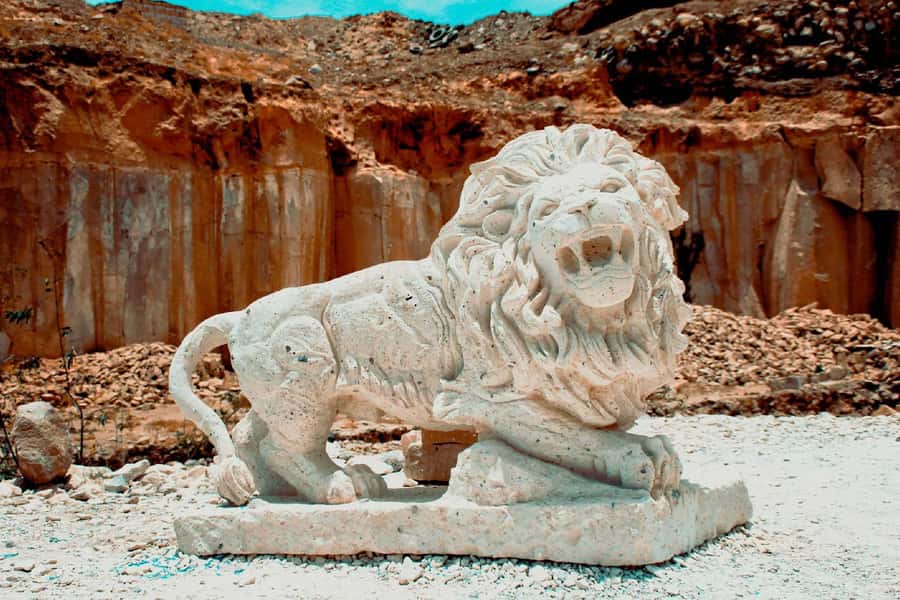
- Hand-worked sillar: the stone can only be cut by hand, or it breaks.
- Volcanic origin: the material comes from lava around Arequipa.
- Uchumayo route: you’ll drive toward the quarries before the canyon.
- Culebrillas hike with height: expect rocky walls about 15–20 meters tall.
- Petroglyphs: millenary rock symbols engraved into the canyon walls.
- Short duration, big logistics: it’s only 4 hours, so you’ll want to keep your pace.
Starting in Arequipa: pickup, drive, and what this tour really covers
The day begins with pickup from your hotel in Arequipa. You can also choose the Historical Centre of Arequipa at Plaza de Armas as an option, but either way, you should be ready to wait in the lobby starting about 10 minutes before the scheduled time.
Then the group heads out by bus or minibus for about 40 minutes toward the Uchumayo area. This drive matters because it sets the tone: you’re not just going to look at a view. You’re going to see how the famous Arequipa building material is made and then walk into a canyon carved (over time) by water.
By the end, the tour returns you near Plaza Mayor de Arequipa, so you can keep your day going without a long commute back to the center.
You can also read our reviews of more tours and experiences in Arequipa.

Sillar Route at the quarries: how ashlar masonry is made
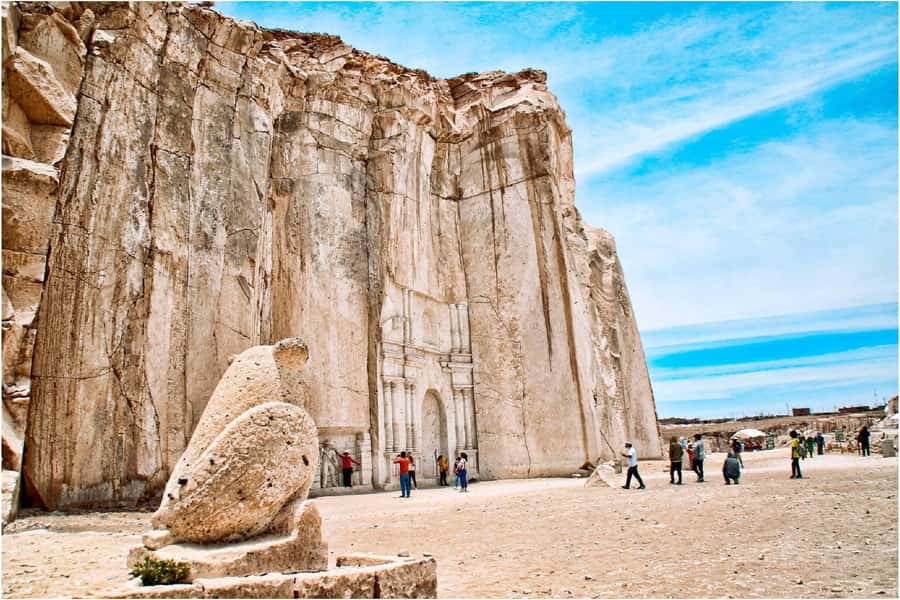
The first big stop is the sillar stone quarries, with a guided visit and time to look around on your own (total time at this stop is about 3 hours).
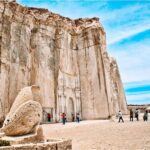
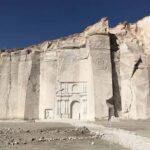
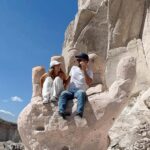
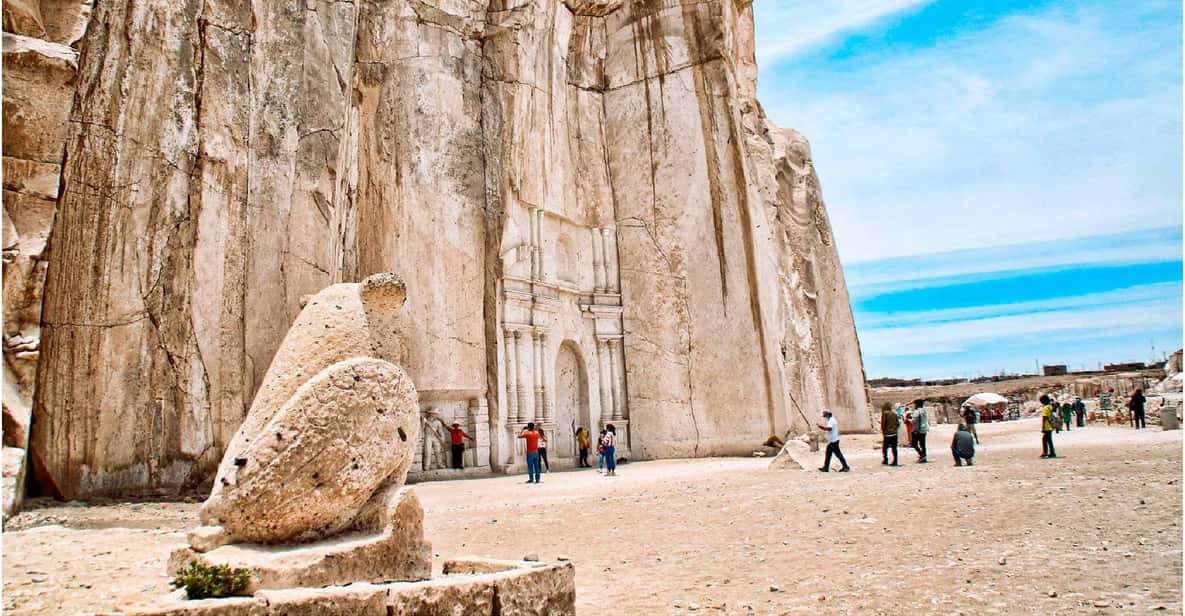
Here’s the part I think you’ll appreciate most: the guide’s focus is not only on the stone’s color, it’s on the work. The area’s sillar has a special property—if it’s worked the wrong way, it would break. That forces a particular craft tradition: stonemasons carve the stone by hand and shape it into ashlar blocks, the kind of neat, squared masonry you see in so many Arequipa buildings.
Why this matters for you:
- It turns a quarry into a craft lesson. Instead of guessing how the city got its look, you understand the constraints behind the architecture.
- It gives you a reason to pay attention even if you’re not a “stone person.” You learn the logic of the technique.
That said, there’s a practical warning. Some people find that the quarry area can feel like a big quarry with limited interpretive signage. If you’re someone who likes information panels and self-guided explanations, plan to lean on the guide rather than expecting a full museum setup.
Also, expect the quarry environment to be mostly functional and spread out. If your main goal is quick Instagram-style shots, you might feel that you’re doing a lot of walking with not much new information. But if you want the story of hand-cut sillar, this stop is where the tour earns its keep.
The half-hour walk and the Culebrillas Canyon hike
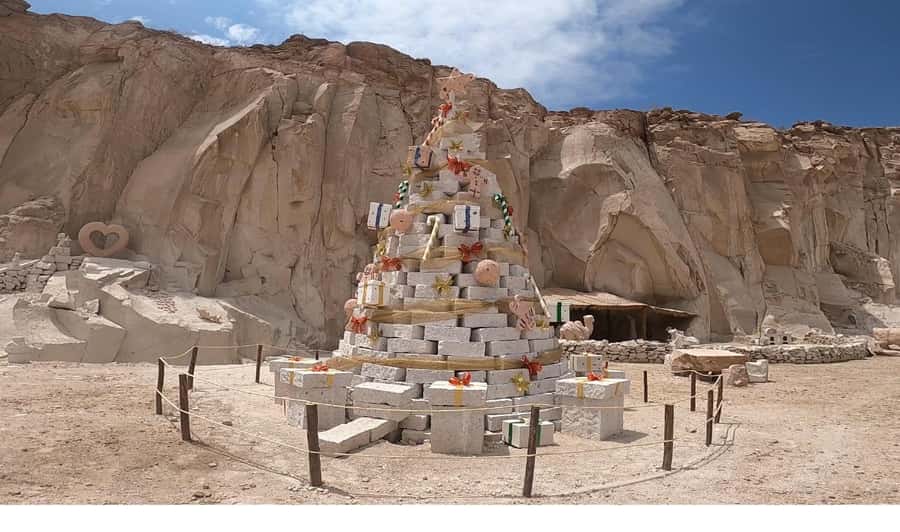
After the quarry time, you head back out by bus/minibus for about 30 minutes, then you reach the canyon area and walk roughly 30 minutes to the hiking route. The canyon itself is a ravine formed through natural erosion and water activity over time.
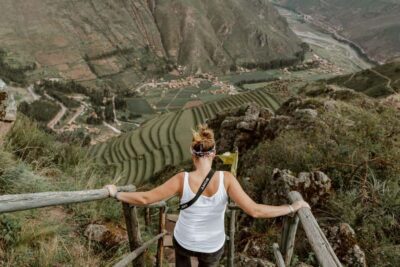
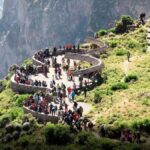
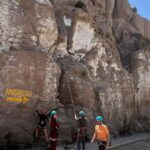
Once you’re on the route, the canyon does what it’s supposed to do: it frames you. You’ll hike among rocky walls around 15–20 meters high, which is a big visual scale for a short outing. It’s the kind of place where photos are easy because the rock shapes do the work for you.
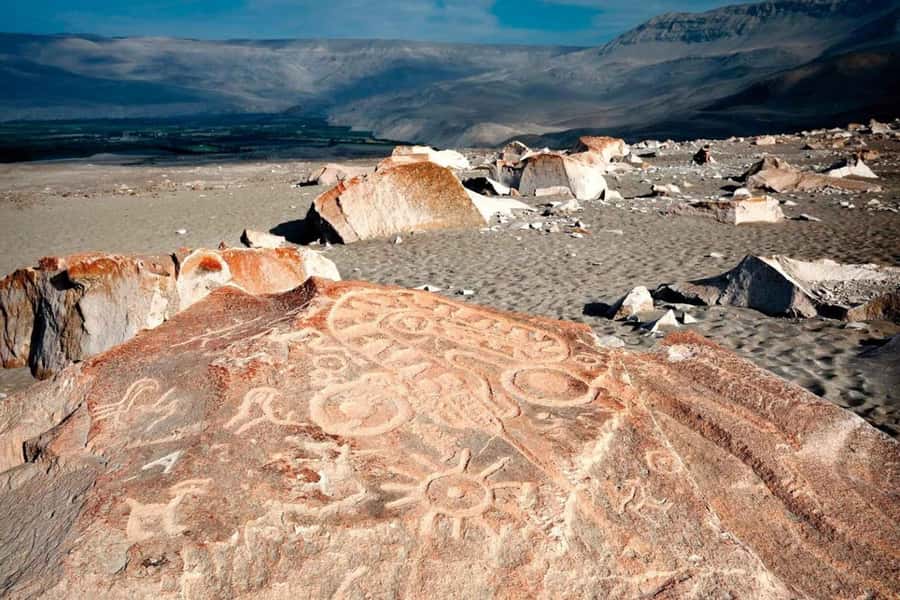
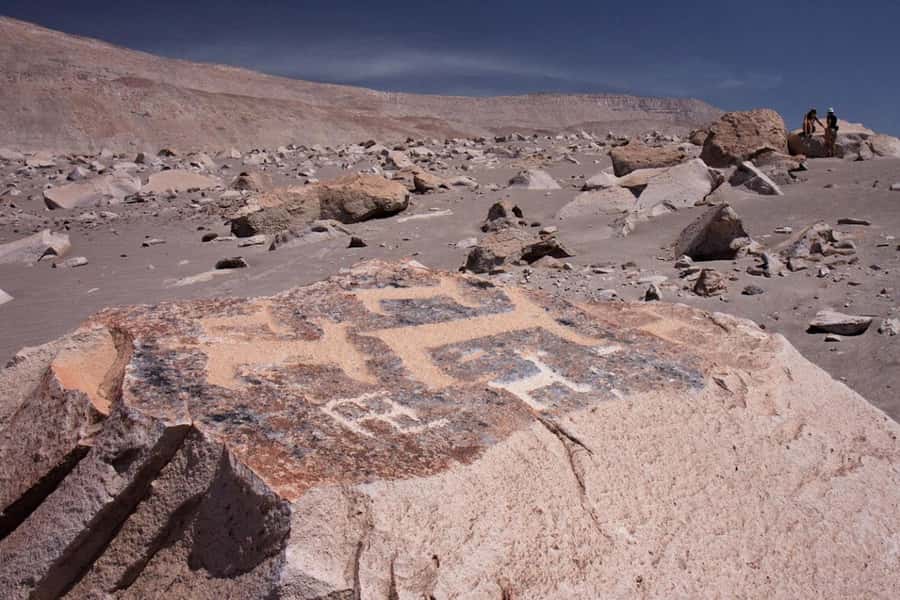
What makes Culebrillas special in this itinerary is the rock art. You’ll be able to see millenary petroglyphs, meaning carved rock symbols engraved into the canyon walls. The tour description notes that the meaning is a mystery, and that’s exactly the right mindset to bring. Don’t go hunting for a single “correct” explanation. Instead, treat the petroglyphs like human messages from far back—what matters here is that they are there and that the canyon preserves them.
One more practical point: this is not described as wheelchair-accessible, and it’s not a great fit if you have back problems. Even though the tour is only half a day, you are doing walking and hiking in uneven terrain, plus you’ve already had time on your feet at the quarries.
How to pace the day: free time vs. guided time
This itinerary is structured to move you along, but not to overwhelm you. The sillar quarries give you the most time (about 3 hours) and include guided explanation plus free time.
That free time is useful if you do one simple thing: look for details your guide points out. With sillar, it’s easy to only focus on the overall color and miss the craft. If you spend a few minutes during the unstructured portion, you can usually confirm what you just learned—how the ashlar blocks relate to the masonry style, and what the stonemasons were shaping.
At the canyon, your hiking time is more about your route through the ravine than about lingering. You’ll want to keep your pace steady so you don’t fall behind the group, especially because the tour is only 4 hours total and includes the return to central Arequipa.
Price and value: what you really pay for
The headline price is $20 per person for a 4-hour guided tour with hotel pickup and transfers by bus/minibus, plus an English and Spanish speaking guide.
What’s not included is important:
- Culebrillas canyon entrance: 5 S/ (about $1.30)
- Ashlar stone quarry entrance: 5 S/ (about $1.30)
So you should expect additional costs of about 10 S/ total in entrance fees (the exact dollar amount will vary by your exchange rate). For a short tour that combines two paid sites plus transportation plus bilingual guiding, that still looks like solid value—especially if you care about the craft of the stone, not only the views.
Where value can slip:
- If you’re expecting heavy museum-style interpretation at the quarries, you may feel you’re paying for access plus guidance, not for lots of written material.
- If you get stuck spending too much time on photos without engaging the guide’s explanations, the learning payoff drops.
In other words, this is good value when you show up ready to listen.

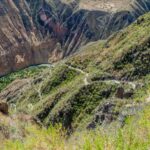

Photo strategy: getting pictures without wasting your energy
You can take great photos in both places, but they reward different styles of attention.
At the quarries:
- Look for lines and edges. Ashlar masonry is about squared forms and repetition, so wide shots work, but close shots of block structure can be more memorable.
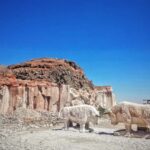
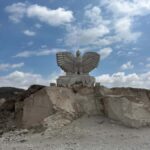
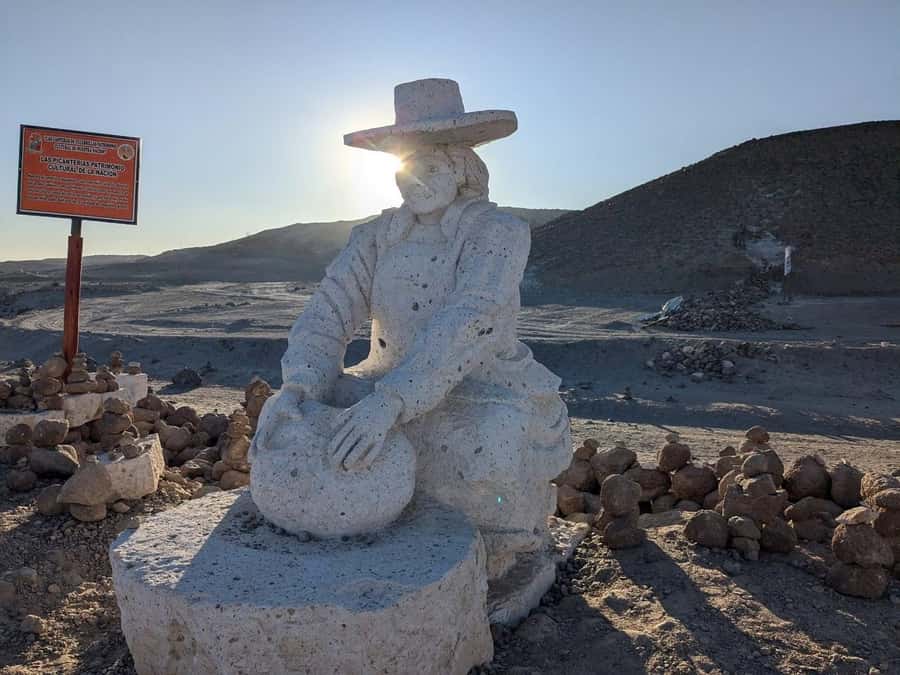
- Be realistic. If you mainly want poses by crafted statues or set pieces, you might find fewer “wow” moments than you hoped. The tour’s strength is the craft story.
In Culebrillas:
- The canyon walls do the heavy lifting. You’re hiking through narrow rock channels, so even simple angles look dramatic.
- Plan to shoot while you move, not only after you stop. The tour time is short.
Also, wear shoes you trust. The terrain is rocky, and this matters for both comfort and safety.
Getting the logistics right: pickup points and communication
One thing to take seriously with any short tour is timing. Here, pickup is offered from any hotel in Arequipa, but the practical detail is that you need to be at the correct pickup point and ready to go.
Because the tour provider is NalasTrips, I’d do two simple checks before you head out:
- Confirm the exact pickup location tied to your booking (hotel lobby vs. a specific meeting point).
- Have a backup plan for contact if the number you’re given doesn’t work on the day.
I’m mentioning this because this is the kind of tour where a missed pickup can ruin your whole half-day. A small communication hiccup becomes a big problem when the entire route is only about four hours.
Comfort notes: walking, backs, and who should reconsider
This experience is not listed as suitable for wheelchair users, and it’s also flagged for people with back problems.
Even if you’re generally active, you should assume:
- You’ll do walking at the canyon route (plus the walk to reach it).
- You’ll stand and move around in the quarry area where the ground may be uneven.
If you’re managing pain or mobility limits, you might be happier choosing a shorter or less walking-heavy option in the Arequipa area.
Should you book the Sillar Route + Culebrillas Canyon?
Book it if you want:
- A short day that mixes craft and rock art.
- The story behind sillar and ashlar masonry, not just a viewpoint.
- A guided route with a bilingual guide plus time to explore on your own.
Skip or reconsider if you:
- Need lots of museum-style signage and self-guided interpretation at the quarry stop.
- Don’t do well with walking on rocky paths, or your back needs a gentler schedule.
- Are highly sensitive to last-minute communication problems around pickup timing.
If you like learning while you walk, and you’re okay using your guide as the main source of information at the quarries, this is a good half-day match. It gives you two distinct Arequipa “why” moments—how the city’s stone got made, and how its cliffs still hold symbolic messages carved into rock.
FAQ
What does the tour include?
It includes pickup from your hotel in Arequipa (and return transfer back to downtown), transportation by bus or minibus, and an English and Spanish speaking guide.
Where does the tour start and end?
The tour picks you up from your hotel in Arequipa (with an option at the Historical Centre of Arequipa, Plaza de Armas) and finishes near Plaza Mayor de Arequipa.
How long is the tour?
The duration is 4 hours total.
How much time is spent at the Sillar Route?
You’ll visit the Ruta del Sillar with a guided tour and free time for about 3 hours.
Do I need to pay entrance fees?
Yes. The Culebrillas canyon entrance is 5 S/ per person, and the ashlar stone quarry entrance is 5 S/ per person.
What languages are the guides?
The guide is available in Spanish and English.
Is the canyon hike difficult?
You’ll do a hike in Culebrillas among rocky canyon walls and you also walk about 30 minutes to reach the route. It’s not listed as suitable for wheelchair users.
Is the tour refundable if I change my plans?
You can cancel up to 24 hours in advance for a full refund.