REVIEW · CUSCO
Private Andean Cooking Class, Pachamanca
Book on Viator →Operated by Marcelo Batata Cooking Class · Bookable on Viator
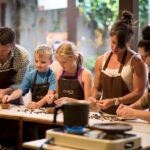
Cooking in Cusco hits a different note. This private Andean cooking class in the Pachamanca spirit mixes hands-on food prep with market lessons and ancestral drinks, all set up for a relaxed 3-hour block. You start with marination, move into Andean tamales, and end with a clay-pot meal that tastes like the Andes.
I especially like how it fits all levels. You are taught classics of Peruvian cooking and drinks, and you are not left guessing in the middle of the process. I also love the ingredient focus, including time at a private market where you learn what ancient grains and Andean superfoods mean locally, not just what they are called.
One thing to think about before you book: you must bring your original passport at the start for tax purposes. And if you are not into spicy sauces or fermented drinks, you may want to tell your chef ahead of time so the tasting portion works for you.
In This Review
- Key things I’d center in your planning
- Starting at Marcelo Batata Cooking Classes: Cusco, 9:00 am, and a private start
- Marination at the start: why the first step really matters
- Andean tamales: corn, tradition, and hands-on technique
- The private market stop: ingredients you can name, not just buy
- Uchucuta pepper sauce: a spicy Inca-era tradition
- Chicha tasting: fermentation, culture, and a teachable moment
- Peruvian classics and Pisco cocktails: where the lesson turns social
- Final tasting in clay pots: the payoff meal
- Price and value: what $150 buys in Cusco
- Who should book this cooking class in Cusco
- Practical tips before you go (so the class stays smooth)
- Should you book the Pachamanca private cooking class in Cusco?
- FAQ
- How long is the private Andean cooking class?
- Where does the experience start in Cusco?
- Is this a private tour or will I be mixed with other groups?
- What languages are available for the class?
- Is lunch included, and what does it include?
- Do they offer a vegetarian option?
- What food and drink steps are part of the experience?
- Do I need to bring anything specific?
- Is free cancellation available?
Key things I’d center in your planning
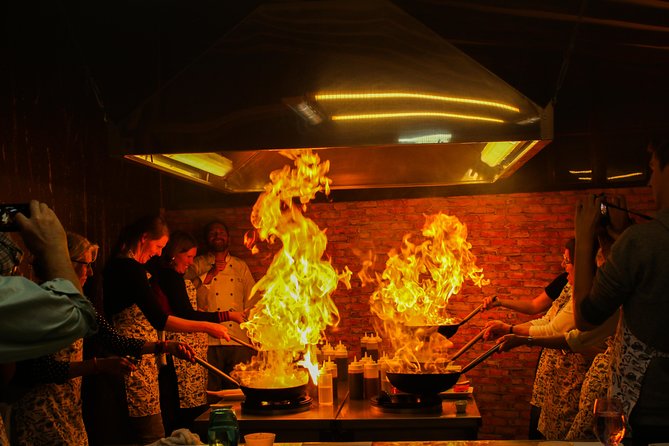
- Chef-led and private: your group cooks and tastes with a professional chef, with no mixing with strangers.
- Market-first mindset: you learn ingredients at a private market before you cook with them.
- Andean tamales and uchucuta: two specific traditions that go beyond the usual tourist menu.
- Chicha tasting: you get an ancestral fermentation experience, not just a quick sip.
- Clay-pot final tasting: the last meal connects the flavors to the method, not just the recipe.
- Cocktails with local Pisco: some lessons and tastings include Peruvian spirit drinks like pisco sours and chilcanos.
Starting at Marcelo Batata Cooking Classes: Cusco, 9:00 am, and a private start
Your experience starts at C. Palacio 135, Cusco 08002, Peru, with a listed start time of 9:00 am and about 3 hours total. The tour ends back at the same meeting point, which helps if you are juggling ruins, museums, or a mountain day later.
This is a private tour/activity, so only your group participates. That matters more than it sounds. A private setup usually means you get clearer instruction, faster help when you get stuck chopping or mixing, and fewer awkward pauses while everyone tries to catch up.
One practical note: the class can be run in Spanish or English depending on your request. If you care about food terms and technique (not just the final taste), pick the language that lets you ask follow-up questions comfortably.
You can also read our reviews of more private tours in Cusco
Marination at the start: why the first step really matters
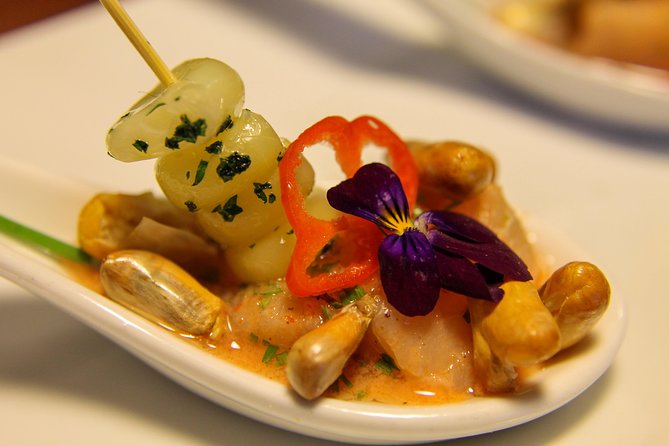
The first stage is all about marination. You learn how to prepare meats and other ingredients in a special sauce so flavors build before heat ever hits the pan.
In plain terms, this is where most home cooks skip the “why” part. Marination teaches timing and balance: acid, salt, aromatics, and sometimes pepper or chili elements working together. It also sets you up for the rest of the class, since later steps depend on ingredients that are already well-seasoned.
If you are worried you might be too slow, don’t. The format is designed for all levels, and the early step is a gentle on-ramp. You will get used to the rhythm of the kitchen before moving into the more hands-on shaping and sauce work later.
Andean tamales: corn, tradition, and hands-on technique
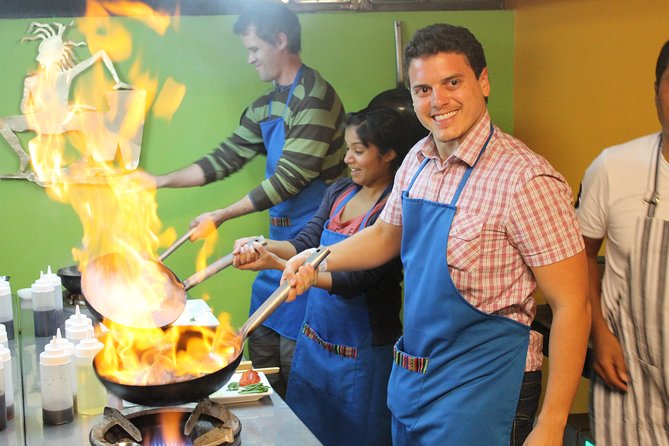
Next comes Andean tamales, made from corn using an ancestral technique. Tamales can feel intimidating until someone shows you the structure: how the corn base behaves, how the filling should be treated, and how to assemble without overcomplicating it.
This is also where the experience turns from cooking to cultural understanding. The class frames corn-based cooking as a connection to the land and to the region’s culinary traditions. Even if you have eaten tamales before, learning this way can change how you think about the ingredient: not just a “stuffed food,” but a long-standing Andes staple.
The upside for you is repetition of fundamentals. Once you understand the corn base and assembly logic, you can follow the rest of the cooking steps with more confidence. The main drawback is also simple: if you dislike corn textures or have a sensitive palate for traditional flavors, you might want to flag that early.
The private market stop: ingredients you can name, not just buy
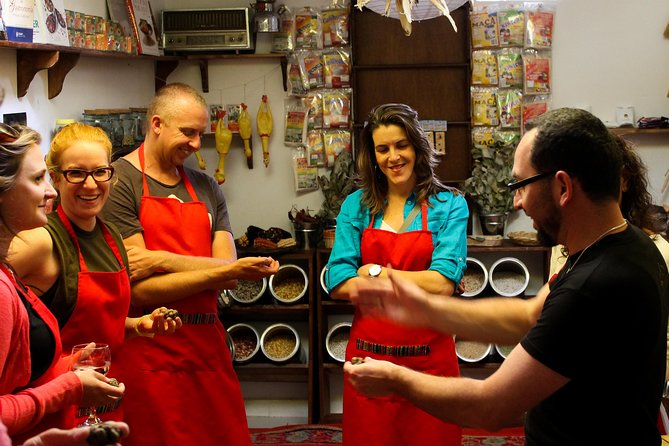
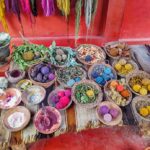
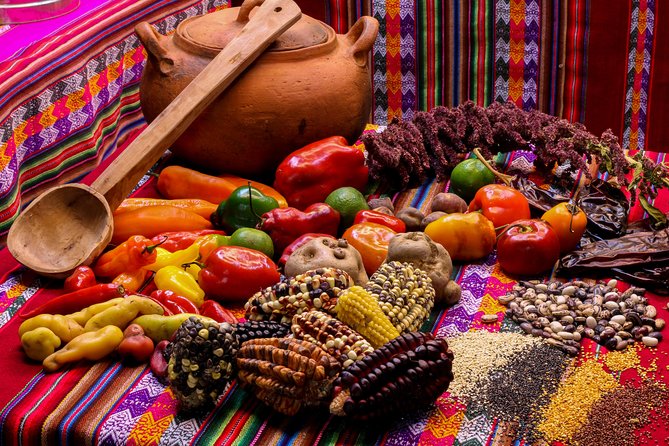
After your first cooking prep, you head to a private market. This is not presented as a quick shopping stroll. You explore Andean products like ancient grains and superfoods, with guidance on why they matter in local diet and culture.
For value and enjoyment, I like this part because it makes the meal make sense. Later, when you taste sauces, sauces thickened with pepper, or dishes tied to corn and grains, you are not working from memory. You can connect the flavor to the ingredient story.
You should also expect the market conversation to help you spot common patterns in Andean cooking: grains and peppers as key players, plus ingredient choices shaped by geography. It is a great add-on day in Cusco because it fits between more physically demanding adventures. You still move around, but you are not just standing in lines or walking steep streets without a purpose.
One small consideration: market time is part of the cooking flow. If you want a totally unstructured morning, this is still organized and scheduled. You’ll do better if you are happy to follow a plan for 3 hours.
Uchucuta pepper sauce: a spicy Inca-era tradition
One of the most specific steps is preparing uchucuta pepper sauce. The class describes it as a spicy sauce consumed by the Incas, made using traditional techniques passed down through generations.
This is the part of the class where tasting becomes informative. Even if you think you know chili sauces, uchucuta can be a different flavor profile than what you get elsewhere: pepper-forward, with depth from how the sauce is built. You learn that “spicy” does not mean one thing. Spice can also mean fragrance, thickness, and seasoning layers.
Practical tip: tell the chef if you have low spice tolerance. The experience is hands-on, but that does not mean you have to treat your palate like a challenge. You will usually get better results when the cooking matches your comfort level.
Also, if you love spice, this is one of the best ways to understand what local peppers bring to a dish beyond heat. You are not just eating; you are learning sauce mechanics.
You can also read our reviews of more cooking classes in Cusco
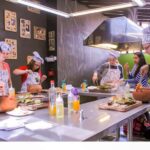
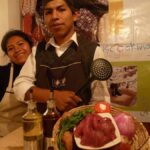
Chicha tasting: fermentation, culture, and a teachable moment
Then comes chicha tasting, described as the drink of the Incas and an ancestral fermentation. Even if you have never tried chicha before, the key value here is context: you are tasting a cultural food technology, not just a novelty drink.
Fermentation can be polarizing. Some people love the aroma and tang. Others prefer to sip carefully. Either way, this step helps you see how Andean culinary traditions use what is available and how time changes flavor.
If you are sensitive to alcohol, let the chef know at the start. The class includes a chicha tasting step, but the amount and how it is served may be adjusted based on your needs and the cooking flow.
Peruvian classics and Pisco cocktails: where the lesson turns social
The tour highlights mention learning classic Peruvian dishes and cocktails. In the past, people have described cooking and drink moments that go beyond the tamales-and-sauce core.
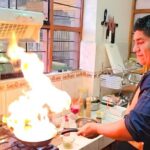
In reviews tied to this experience, participants mention ceviche and lomo saltado, plus pisco-based drinks such as pisco sours and chilcanos. One person even described a flambé moment with lomo saltado. That kind of showmanship is not required for a good meal, but it does make the class feel memorable and very hands-on.
You will also notice a pattern in how the best instructors teach: they connect flavor choices to ingredients and then guide you through doing the work yourself. Some chefs named in reviews include Chef Alejandro and Chef Fernando, plus hosts like Chef Jose and Chef Christina. The names matter because they hint that this is not a one-size-fits-all script. Your chef’s style can shape how fun and clear the class feels.
Final tasting in clay pots: the payoff meal
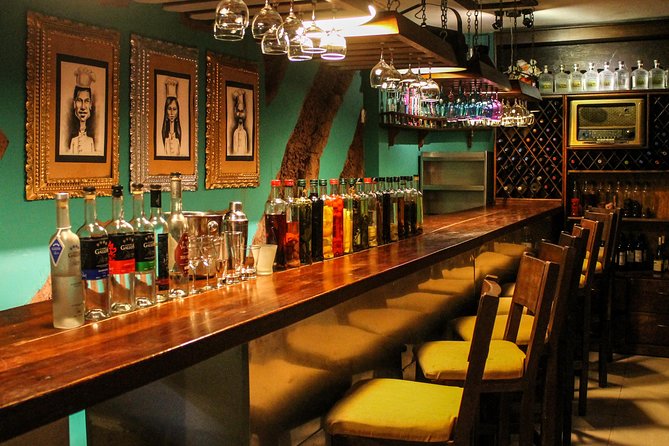
The last step is the final tasting where you enjoy the aromas and flavors of what you cooked in clay pots. This final meal is where all the earlier steps click together.
Clay pots matter because they change how food warms and holds heat. The result is often a more grounded flavor, with sauces and components tasting like they belonged together from the start. It is also a nice closing choice after a market stop and hands-on prep. You sit, you taste, and you get your bearings on what you learned.
If you want to bring home a “cook like this” goal, this is where you will understand it. You can compare what you assembled earlier to how the final dish presents flavors. That is how a cooking class becomes useful at home, not just a fun afternoon.
Price and value: what $150 buys in Cusco
At $150 per person for about 3 hours, the value comes from packing several things into one block. You get a professional chef, a private setup, beverages, and a meal that includes one appetizer and one main for lunch, plus bottled water.
What makes it feel fair is the combination. You are paying for instruction and hands-on work, not just eating. You are also getting the market ingredient context, which is where many cooking experiences stay vague.
In reviews, people also mentioned that they received recipes by email from the chef after the class. That is not listed as a standard item here, but when it happens it increases value because it helps you repeat the food later without trying to remember everything from memory.
So the best way to judge if it is worth it for you is to ask: do you want to learn food technique and ingredient reasoning, or do you just want a meal? If you want the lesson part, this price starts to look like a solid deal for Cusco.
Who should book this cooking class in Cusco
This works best if you want a break from a tight schedule of ruins and altitude fatigue. It is timed well for a day of exploring because it is about half a morning or a full early block, then you still have room later for sightseeing.
Book it if you:
- Like cooking and want real technique, not just tasting samples.
- Enjoy cultural context tied to what you eat, especially Andean corn traditions and pepper sauces.
- Are traveling as a couple or on a special trip. Reviews mention honeymoons and couples framing it as a highlight.
- Are traveling with family. One review specifically described it as family-friendly, with the chef adapting for kids and offering mocktails.
You might skip it if:
- You do not want any spicy or fermented elements at all, since the program includes uchucuta and chicha tasting.
- You prefer fully quiet activities. This is an active cooking day.
Practical tips before you go (so the class stays smooth)
Here are the details that most affect your day:
- Bring your original passport. The experience asks for it at the beginning of the course for tax purposes.
- Decide your language request (Spanish or English) when booking. Clear language helps you get the “how” behind the food, not just the “what.”
- If you have dietary needs, say so during booking. Vegetarian options are available, but you need to request them ahead of time.
- Plan your day so you are not rushing out right after. You’ll want time to enjoy the final tasting and settle after cooking.
Also, because it is private, you can usually get more out of it by asking questions. If you care about substitutions, spice levels, or how to recreate the dish at home, you will do better if you bring those topics up early.
Should you book the Pachamanca private cooking class in Cusco?
If you want a food-focused Cusco day that mixes hands-on cooking with real ingredient education, I think this is an easy yes. The class format is built for value: a chef guides you through multiple traditions (marination, tamales, uchucuta, chicha) and then you sit down to a clay-pot final tasting.
The main reasons you might hesitate are also clear. You must bring your passport for tax, and you should be okay with tasting things like spicy pepper sauce and fermented chicha. If either of those is a deal-breaker, pick a different experience.
For the rest of you, especially if you love Peruvian flavors and want something more personal than another checklist tour, this is exactly the kind of experience that turns a trip into a story you can cook again later.
FAQ
How long is the private Andean cooking class?
The class runs for about 3 hours.
Where does the experience start in Cusco?
You meet at C. Palacio 135, Cusco 08002, Peru. The activity ends back at the meeting point.
Is this a private tour or will I be mixed with other groups?
It is a private tour/activity. Only your group participates.
What languages are available for the class?
The class is operated in Spanish or English depending on your request.
Is lunch included, and what does it include?
Lunch is included as 1 appetizer and 1 main, plus beverages and bottled water.
Do they offer a vegetarian option?
Yes. Vegetarian options are available if you advise them at the time of booking.
What food and drink steps are part of the experience?
You can expect marination, preparation of Andean tamales, a private market visit, making uchucuta pepper sauce, chicha tasting, and a final tasting of what you cooked in clay pots.
Do I need to bring anything specific?
You must bring your original passport at the beginning of the course for tax purposes.
Is free cancellation available?
Yes. Free cancellation is available up to 24 hours in advance for a full refund.