REVIEW · CUSCO
Cusco Cooking Class by ChocoMuseo in Cusco
Book on Viator →Operated by ChocoMuseo SAC · Bookable on Viator
Cusco smells like dinner magic. This class pairs a San Pedro market walk with hands-on cooking and ends with your own meal and pisco sour toast. You’ll see what Peruvians actually buy for everyday cooking, then get practical guidance at the stove.
I love two things most: the market time where you can spot local ingredients like Peru’s fruits, vegetables, meats, cheeses, and breads, and the way the chef teaches real techniques while you actively cook. I also like that you’re not just tasting as a spectator; you’re making dishes like ceviche and eating what you create.
One thing to consider: wine and/or local craft beer are not included, so if you want those, you’ll pay extra.
In This Review
- Key points before you go
- San Pedro Market: seeing what locals actually buy
- When this helps most
- Cooking with a bilingual chef: making ceviche and more
- You might meet instructors like Yil or Jil
- Dietary needs are worth asking about
- Pisco sour at your table: not just tasting, but making
- Your homemade dinner: the best way to lock in the lessons
- Price and group size: does $54.06 feel fair?
- Timing matters too
- What the 4 hours feel like in real life
- Logistics that actually matter
- Who this Cusco class is best for
- Should you book this Cusco cooking class?
- FAQ
- How long is the ChocoMuseo Cusco cooking class?
- Where does the tour start and end?
- What’s included in the price?
- What dishes will I learn to cook?
- Is wine or local craft beer included?
- How big are the groups?
- Do I get recipes to take home?
- Can I cancel for free?
Key points before you go
- San Pedro Market shopping for real ingredients: fruits, vegetables, meats, cheeses, and breads, including items unique to Peru
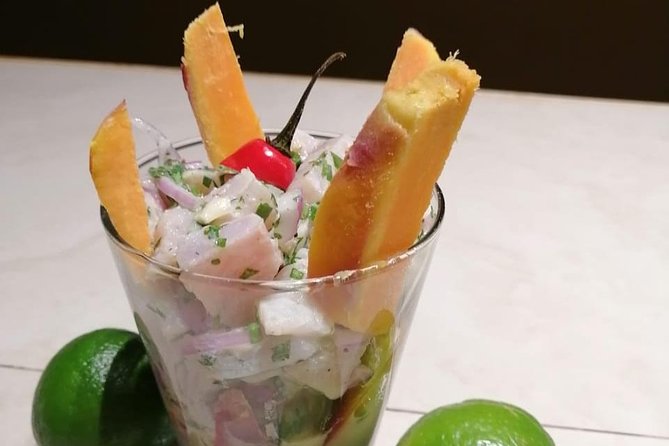
- Hands-on cooking with a bilingual chef: you’ll prepare several popular Peruvian dishes, including ceviche
- You make and toast your own pisco sour: classic national cocktail, served with soft drinks too
- Dinner is included and it’s what you cook: you sit down for a typical Peruvian meal
- Take-home recipes: printed recipes let you repeat the dishes later
- Small-ish group (max 25): more attention than the big bus tours
San Pedro Market: seeing what locals actually buy
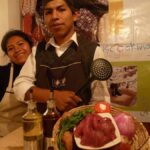
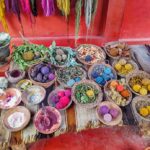
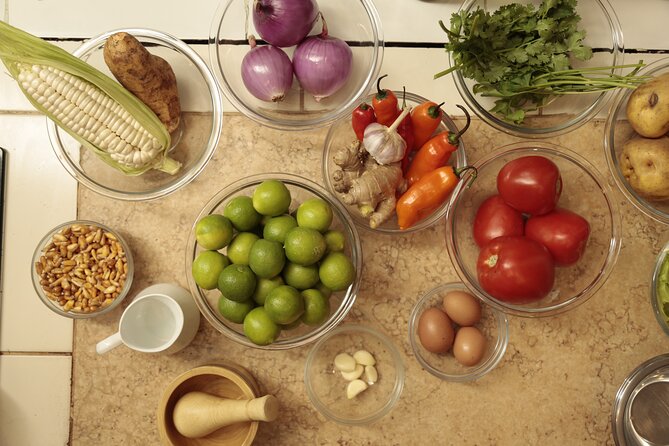
The best part of this experience is the opening act: a visit to Mercado Central de San Pedro. This isn’t a quick photo stop. You walk through stalls and learn what ingredients matter in Peruvian cooking, from produce to proteins to breads and cheeses.
Markets in Cusco can feel like sensory overload at first. The value here is that you’re not wandering alone. You’re looking with purpose—so you notice things you’d normally skip, like ingredients that feel very local or hard to find elsewhere. If you’ve been eating through Cusco for a few days, this market visit helps you connect flavors to real shopping decisions: what looks ripe, what’s commonly used, and what goes together naturally.
You’ll also get a feel for the rhythm of buying food in Peru. It’s practical education. Even if you don’t remember every ingredient name, you start to think like a cook: what’s fresh, what’s seasonal, and what’s a staple.
You can also read our reviews of more cooking classes in Cusco
When this helps most
If you’ve got a limited schedule in Cusco, this market stop turns your time into something you can use later. You leave with more than photos—you have a mental checklist for what Peruvians choose when they’re feeding a family.
Cooking with a bilingual chef: making ceviche and more
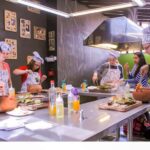
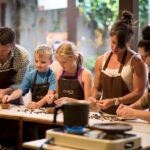
After the market, the class shifts into the part that food lovers actually care about: cooking. The session is guided by a bilingual chef, and the whole point is that you participate—not just watch.
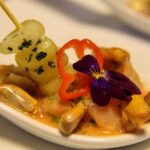
You’ll prepare several popular, authentic Peruvian dishes, with ceviche specifically called out. That’s a smart choice for a cooking class because ceviche teaches you technique, not just a recipe. You learn how ingredients interact and how the preparation changes the final flavor. In a country where fresh seafood and citrus are both central, it’s one of the fastest ways to understand Peruvian taste.
The chef instruction also matters for confidence. A hands-on class like this is where you learn the difference between reading a recipe and actually doing it: chopping, timing, balancing flavors, and building the dish step-by-step.
You might meet instructors like Yil or Jil
One reason this class earns such high marks is the energy and clarity instructors bring. Names like Yil and Jil show up in people’s feedback, with praise for friendly teaching and strong English. Another instructor name that’s mentioned in a separate context is Hadelly, noted for handling a mix of ages smoothly. In plain terms: you’re not left to figure it out alone.
Dietary needs are worth asking about
If you have dietary concerns, it’s worth mentioning them up front. There’s at least one experience where the instructor adjusted ingredients and offered suggestions to accommodate needs. You won’t know what’s possible until you ask, but this is the right kind of setting to do it.
You can also read our reviews of more tours and experiences in Cusco
Pisco sour at your table: not just tasting, but making
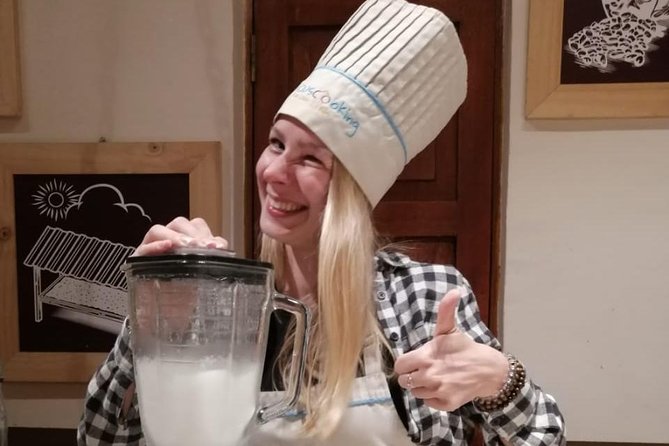
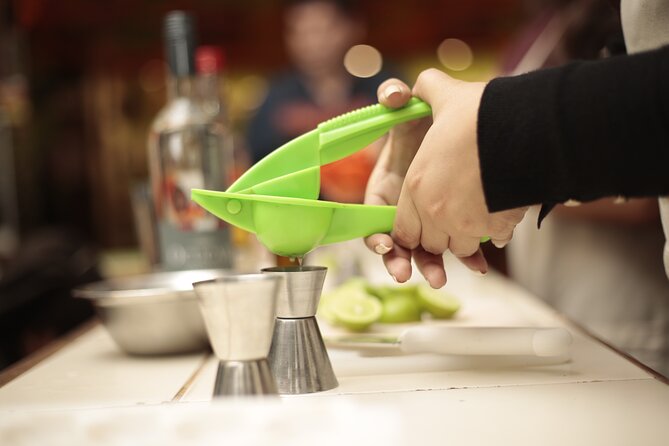
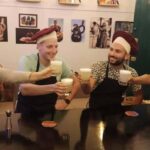
Then comes the classic Peruvian cocktail: the pisco sour. This isn’t a hand-me-a-cup and move on moment. You’ll help make it and then raise it for a toast.
That detail changes how you remember the class. Drinks can be a background feature in many food experiences. Here, the drink is part of the lesson. It adds a celebratory feel, sure, but it also gives you a practical takeaway: once you’ve made it once, you’re more likely to recreate it later.
You’ll also have soft drinks included alongside the pisco. So even if you prefer to keep things lighter, you still get to take part in the full experience.
Your homemade dinner: the best way to lock in the lessons
The meal is included, and it’s described as a great typical Peruvian dinner. That matters because you’re eating immediately after learning. When food is tied to a cooking moment, flavors make more sense. You taste what you just handled at the stove, and suddenly the ingredients feel less abstract.
This is also where the class becomes a travel memory. You’re not trying to recreate everything later with a vague sense of what happened. You sit down while it’s fresh in your mind, with the dish still connected to the steps you practiced.
One extra bonus: you get printed recipes to take home. Recipes don’t replace the market and the technique, but they help you rebuild the dishes without guessing.
Price and group size: does $54.06 feel fair?
The price is $54.06 per person for about 4 hours. That’s not “cheap,” but it’s also not inflated considering what’s included: a market stop, a guided cooking session, dinner, pisco (plus soft drinks), and printed recipes.
Here’s the practical way to judge value in Cusco: can you do all of this independently for the same total cost? You’d need to buy ingredients, find a cooking setup, and pay for instruction. A class like this packages those costs into one event, and you get the benefit of learning techniques you might never get from a simple cookbook.
The other value multiplier is the size. The group has a maximum of 25 travelers. That’s big enough to have a lively atmosphere, but small enough that instruction can still feel personal.
Timing matters too
This is the kind of experience that you’ll want to schedule when you’re not rushing. At about 4 hours, it takes up a meaningful chunk of your day. If you’re already exhausted from high-altitude hikes, it can be a welcome reset—good food, structured pace, and a warm indoor finish.
What the 4 hours feel like in real life
You can expect a flowing sequence:
- Start at ChocoMuseo Plaza Regocijo in Cusco.
- Head to San Pedro Market, where you learn what people buy and why.
- Return for the cooking part, guided by the chef, where you make dishes including ceviche.
- Finish with your homemade dinner and your pisco sour toast.
It’s also designed so you end back at the meeting point. That sounds basic, but it helps when you’re navigating Cusco’s streets and don’t want to plan an extra transfer at the end.
Logistics that actually matter
This class runs near public transportation, which is helpful if you’re mixing it with other Cusco plans. Also, the location is listed at ChocoMuseo Plaza Regocijo, Cusco 08000, Peru, so you can anchor your day around that.
Another practical note: service animals are allowed. If you travel with one, this is the sort of small detail that can make planning easier.
Finally, consider booking a bit in advance. The experience is commonly booked about 29 days ahead on average, so if your dates are fixed, earlier is safer.
Who this Cusco class is best for
This is a great fit if you want more than eating. You want to learn why the food tastes the way it does.
- Food-first travelers who are tired of only eating and want technique and ingredients
- Couples or solo travelers who like a guided experience with a social dinner result
- Families (one feedback note highlights that kids enjoyed it when they registered for a class)
- People who want a fun, approachable class rather than something overly formal
If you’re the type who hates repeating steps or standing still, you’ll probably like this more than a pure tasting tour. Since it’s hands-on, your attention stays on the work and the flavors, not just the waiting.
Should you book this Cusco cooking class?
I think it’s worth booking if you want a high-return experience: a market lesson, real cooking practice (including ceviche), and a full dinner with pisco sour you help make. At $54.06 for roughly 4 hours, it’s priced in the “you’re paying for instruction and included meal” category, and the inclusions feel aligned with that cost.
Skip it only if you know you want a heavier focus on something other than cooking—like pure history, a long tasting circuit, or wine-heavy drinking. Here, you get pisco and soft drinks included, while wine or craft beer is optional extra.
If you’re in Cusco and you want to leave with both a full stomach and real skills you can repeat, this is a strong choice.
FAQ
How long is the ChocoMuseo Cusco cooking class?
It runs for about 4 hours (approx.).
Where does the tour start and end?
It starts at ChocoMuseo Plaza Regocijo, Cusco 08000, Peru and ends back at the meeting point.
What’s included in the price?
The class includes dinner, alcoholic beverages (pisco), soft drinks, and printed recipes to take home.
What dishes will I learn to cook?
You’ll learn to prepare several popular Peruvian dishes, including ceviche.
Is wine or local craft beer included?
Wine and/or local craft beer are not included, but they can be added to the experience.
How big are the groups?
There’s a maximum of 25 travelers.
Do I get recipes to take home?
Yes. You’ll receive printed recipes as part of the experience.
Can I cancel for free?
Yes. Free cancellation is available up to 24 hours in advance for a full refund. If you cancel less than 24 hours before the start time, the amount paid is not refunded.