REVIEW · CUSCO
Sacred Valley Textile Workshop – Dyeing & Weaving in Cusco
Book on Viator →Operated by Peru Private Tours · Bookable on Viator
Cusco can feel loud. This is different: a full-day, hands-on textile workshop led by Ruth Pimentel, where you dye baby alpaca yarn with natural materials and then weave your own Andean piece on a backstrap loom. I love that you’re not just watching—you’re doing the steps, from gathering plant dye ingredients to weaving your final textile. I also like the fact that your work is finished on-site and comes in elegant packaging with a signed provenance card. One thing to plan for: the day is long because there’s a countryside drive before you start weaving.
What makes this experience work so well is the mix of high craft and real human warmth. Your guide(s) help you move at your pace, and master weavers from Parobamba show the techniques behind the patterns—while explaining why these textiles matter in Quechua life. You’ll also get time to sit, eat, and talk with the people behind the work, not just rush through steps.
If you want a souvenir that feels earned, this is a strong pick. Hotel pickup by private transport helps you get started without logistics stress, and the workshop runs about 8 hours starting at 8:30 am—so you’ll be set up for an entire day of color, fiber, and focus.
In This Review
- Key highlights at a glance
- Ruth Pimentel’s atelier: UNESCO-level weaving, up close
- The morning steps: alpaca yarn prep and choosing your colors
- Foraging, plant dye baths, and why these colors aren’t random
- Backstrap weaving: your hands learn the loom
- Translation, community conversation, and the “family-style” feel
- Lunch, coffee or tea: included, and actually worth the wait
- What you take home: finished textile + signed provenance
- Price and value for a $420 Cusco day
- Logistics: start time, drive time, and how to plan your day
- Who this workshop is best for
- Should you book this Cusco textile workshop?
- FAQ
- How long is the Sacred Valley Textile Workshop in Cusco?
- What time does the workshop start?
- How much does it cost?
- What’s included in the workshop?
- Will I be able to participate or is it mostly watching?
- Do I get transportation from Cusco?
- Is this a private group experience?
- What should the weather be like?
- What can I expect to take home?
- Is the workshop accessible for most travelers and does it allow service animals?
Key highlights at a glance
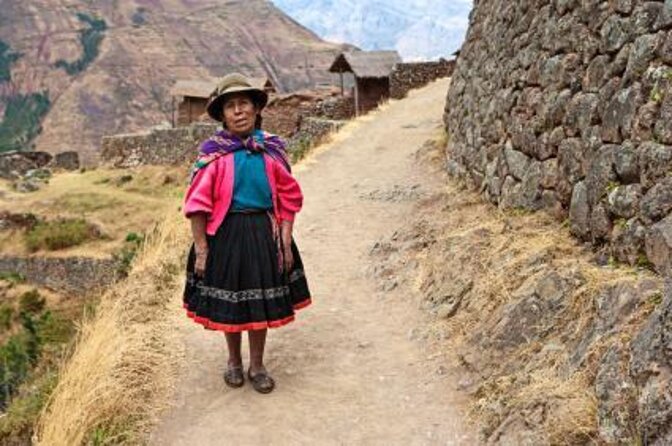
- Ruth Pimentel leads the day at her private atelier above Cusco, with direct lineage and context for living textile traditions
- Natural dyes from seasonal botanicals (including the work of preparing dye ingredients) before you dye alpaca yarn
- Backstrap weaving is truly hands-on with guided instruction, not a quick demo
- Lunch plus coffee or tea is included, with time to share the day and learn local traditions
- You take home a finished piece made on-site, packed neatly with a signed provenance card
Ruth Pimentel’s atelier: UNESCO-level weaving, up close
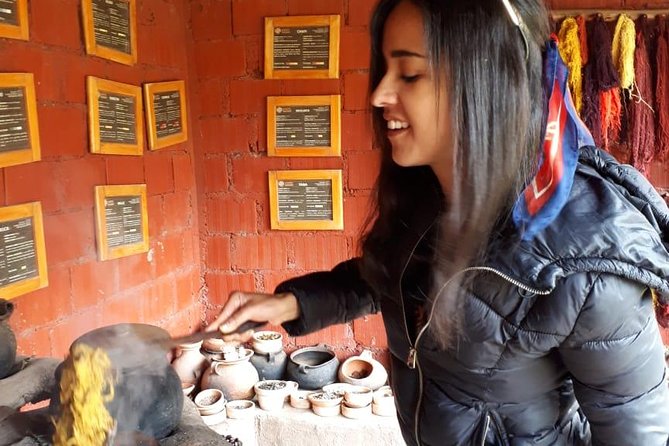
The workshop begins at a private atelier in the hills near Cusco, with Ruth Pimentel welcoming you personally. If you’re curious about why Andean textiles carry meaning beyond decoration, this is where the day starts to click: you get a story of lineages, cultural knowledge, and the fact that these skills are still alive and practiced.
I like how the day doesn’t treat weaving as a museum exhibit. It’s presented as living craft—something passed through generations of Andean women—and you’re given a place at the loom, not just a chair for photos.
You’ll work with Ruth and other master weavers from Parobamba, so you get more than one way of explaining techniques. In several experiences during the day, guides such as Nayda and Edwin (often acting as translator) help bridge communication so you can ask questions and actually understand what you’re doing.
You can also read our reviews of more tours and experiences in Cusco



The morning steps: alpaca yarn prep and choosing your colors
Once you’re settled, the day turns practical fast. You start with premium baby alpaca yarn, learning how the yarn fits into the larger textile process (spinning and dyeing before weaving). The goal isn’t perfection; it’s understanding enough to make deliberate choices.
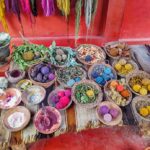
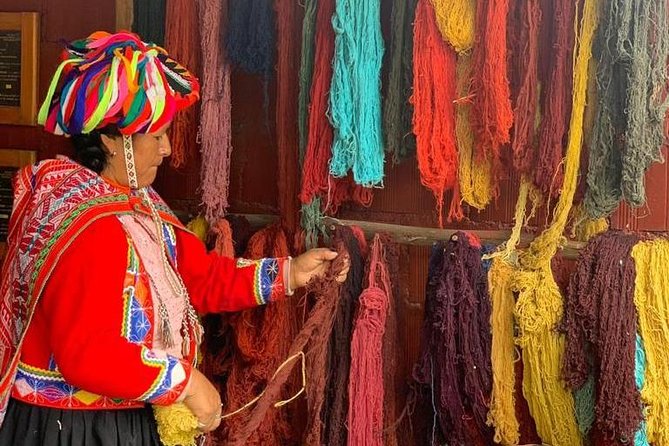
You’ll also get to select colors tied to seasonal botanicals—think in terms of ingredients, not paint. That matters because natural dyeing behaves differently than modern dye: results depend on what you use, how you prepare it, and how you treat the yarn in the process.
This is where the workshop feels more satisfying than a typical craft class. You’re not handed finished yarn and a pre-mixed kit. You’re part of the workflow—hands and attention included—so when you finally weave, you understand where every thread came from.
Foraging, plant dye baths, and why these colors aren’t random
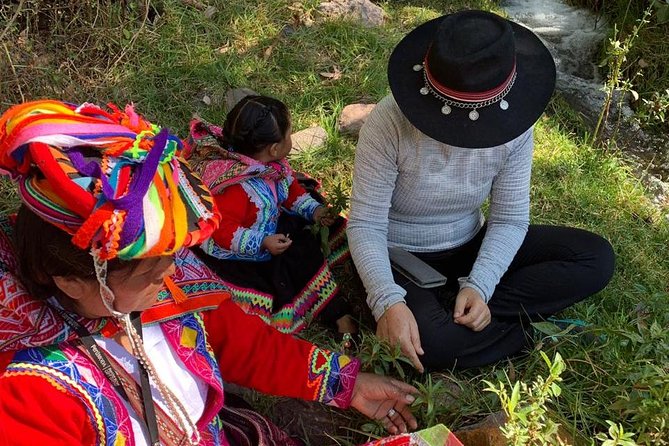
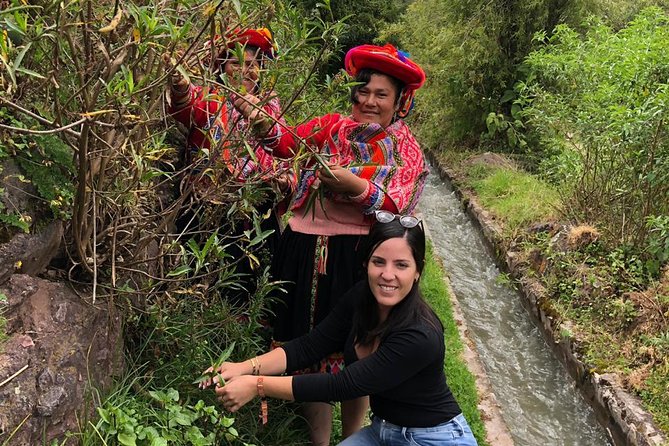
A big part of the magic here is the dye ingredient hunt. You’ll walk to collect leaves or plant material for dye preparation, then learn how to turn those ingredients into dye baths. It’s not a dramatic “forest adventure,” but it’s real work—enough that you’ll pay attention to detail.
I like that the dyeing portion is explained as both practical technique and plant knowledge. You learn what plants are used and how they connect to traditional practices. It also helps you notice the logic behind color choices, since the dyes come from what’s available seasonally.
You may hear examples of how food and plants show up in daily life too—some days include fruit like pineapple, passion fruit, papaya, avocado, and yucca prepared as part of lunch. That connection between environment, household knowledge, and textile craft is part of the overall payoff.
Backstrap weaving: your hands learn the loom
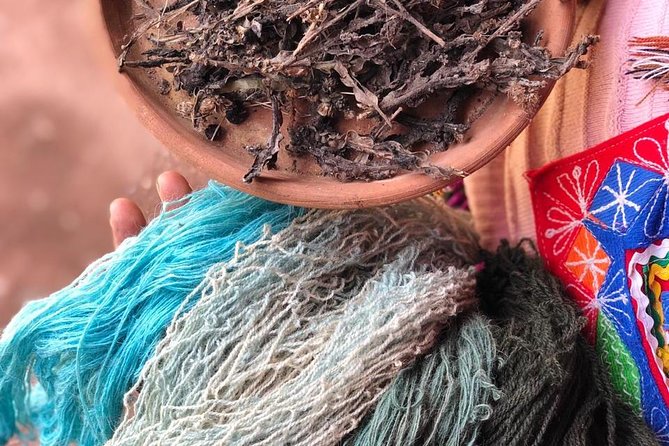
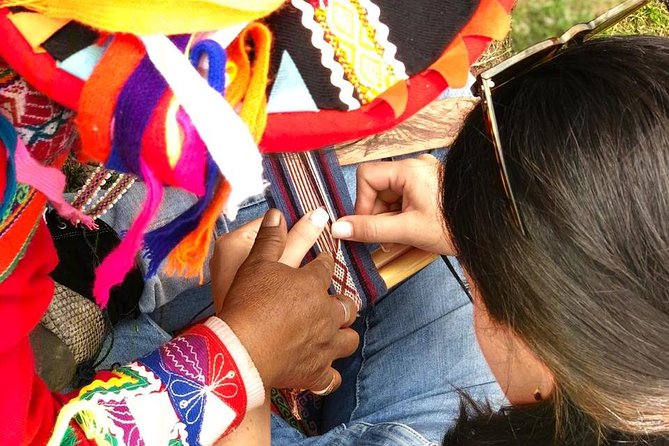
Then comes the backstrap loom. This isn’t just “try weaving for five minutes.” You set up and use a backstrap weaving method—an Andean technique passed down through generations.
Here’s the honest part: weaving is challenging at first. The motions take coordination, tension control, and patience. The upside is that the weavers and your guide(s) keep helping, so you’re not stuck staring at a knot that refuses to cooperate.
The best moment is when it starts to work. After enough guidance, you begin to understand how the loom translates your hands into pattern and texture. That’s why people walk out with a new respect for how much time and skill are behind the textiles you see in markets around Peru.
You’ll also likely spend time sitting on the floor during weaving, since backstrap looms are worked from a seated position. If you have mobility concerns, plan accordingly and tell your team what will be comfortable for you.
Translation, community conversation, and the “family-style” feel
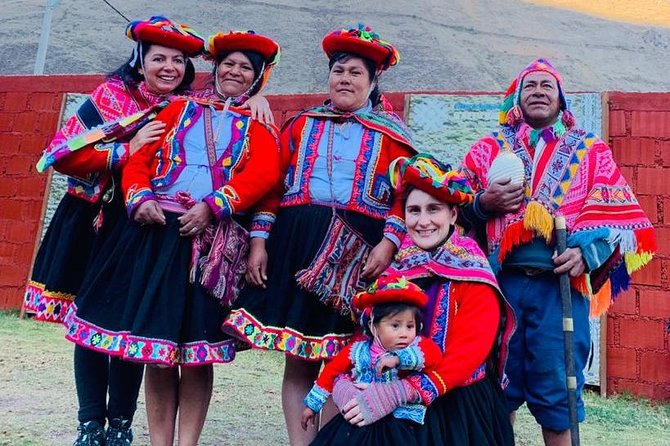
Textile craft can become awkward if it feels staged. This workshop avoids that by building in conversation and community time.
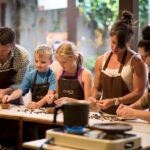
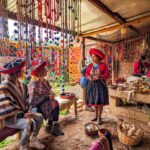
You’ll eat lunch together with the weavers, and guides often translate so you can learn more about Quechua culture, clothing traditions, and what these textiles mean socially. In several days, people even danced at the end, which turns the workshop from a lesson into a shared celebration.
I also like how the instruction stays patient and personalized. Guides like Nayda are described as kind and knowledgeable, and master weavers are clearly used to teaching—explaining slowly, stepping in with help, and letting you keep going when something finally clicks.
That’s why this day can feel like more than a class. It’s a chance to meet the women behind the craft, ask questions, and understand the effort behind what ends up for sale.
Lunch, coffee or tea: included, and actually worth the wait
The meal is included, along with coffee or tea. It’s typically homecooked, served in a relaxed setting with time to talk.
Food details vary by day, but you might see surprises like guinea pig served as part of the lunch experience, along with fresh fruit and other regional dishes. Either way, the meal does two jobs: it keeps you fueled for weaving and gives you a break that doesn’t feel rushed.
Plan to slow down for lunch. In a day full of fiber work, it’s your recovery point—especially if you’re adjusting to altitude and want the energy to focus when you return to the loom.
What you take home: finished textile + signed provenance
The workshop ends with your creation finished on-site. You’ll receive elegant packaging plus a signed provenance card—so your textile isn’t just a souvenir, it’s tied to the process and people who made it possible.
What you make can differ depending on the project you’re working on during the day. People leave with different small woven items such as bracelets or bookmarks, and in some cases, headbands. Some also take home yarn that they dyed themselves.
If you care about practical value, this is the key point: you’re bringing home something functional (or giftable) that comes from your own hands and your own color choices. That makes the item easier to keep in rotation—books get a bookmark, bracelets get worn, headbands get used—rather than tucked away.
And yes, you’ll also have an opportunity to browse a shop at the end of the day. If you want to support the craft beyond your own piece, this is a natural moment to do it.
Price and value for a $420 Cusco day
At $420 per person for an about-8-hour experience, this isn’t a cheap workshop. The value comes from what you actually get:
- You practice multiple steps: dyeing, spinning-related learning (depending on the day), and backstrap weaving
- You work with premium baby alpaca yarn and natural dye ingredients
- You leave with a finished item plus dyed yarn in some cases
- You also get included lunch and coffee or tea, plus hotel pickup by private transport
If you’re the type who buys “something hand-made” but doesn’t want a passive experience, this price makes more sense. You’re paying for time, instruction, materials, and the fact that you’re working in a real workshop with master weavers.
On the flip side, if you mainly want a quick souvenir and don’t care about technique, you might prefer a shorter market visit or a smaller craft stop. This is a full-day commitment.
Logistics: start time, drive time, and how to plan your day
The start time is 8:30 am, and the experience runs about 8 hours. Expect a countryside drive from Cusco—many people find it takes roughly an hour and a half each way, so the whole day can feel longer than the activity itself.
That matters because you’ll want a relaxed morning before pickup. Eat a light breakfast if you’re hungry early, and keep water handy. The workshop day is packed with steps, so arriving rested helps you focus when your hands start learning the loom.
Also, plan for good weather. The experience requires it, and if weather becomes an issue you’ll be offered a different date or a full refund. This is one of those “nature affects the timing” realities with dyeing and outdoor plant gathering.
Who this workshop is best for
I’d point you here if you love hands-on learning and want a textile experience connected to living culture. It’s also a strong fit if you’re a textile nerd, artist, or craft-hobbyist, because the instruction goes beyond the basics and you’ll notice technique details.
It works well for couples and solo travelers. Many solo travelers say they felt welcomed and supported throughout the day. It can also be a good family outing, as instruction and pacing are handled with care.
If you’re uncomfortable sitting for hours or have mobility limits, ask your team about comfort needs before you go. The weaving portion is truly part of the experience, so you’ll want a plan for staying comfortable.
Should you book this Cusco textile workshop?
Book it if you want more than a photo stop. This is about learning the steps behind Andean textiles—natural dyeing, alpaca fiber work, and backstrap weaving—while meeting Ruth Pimentel and the weavers who keep the tradition alive.
Skip it (or consider a different format) if you’re short on time, dislike long drives, or want a low-effort souvenir. This is a real day of work with your hands, not a quick demo.
If you can commit to the full schedule, you’ll likely end the day with a piece you understand—and that’s the best kind of souvenir.
FAQ
How long is the Sacred Valley Textile Workshop in Cusco?
It runs about 8 hours.
What time does the workshop start?
The start time is 8:30 am.
How much does it cost?
The price is $420.00 per person.
What’s included in the workshop?
A textile dyeing and weaving experience is included, plus lunch and coffee or tea.
Will I be able to participate or is it mostly watching?
This is hands-on. You’ll take part in dyeing and weaving your own textile piece with guided instruction.
Do I get transportation from Cusco?
Hotel pickup by private transport is offered to make the start of the day easier.
Is this a private group experience?
Yes. It’s described as private, with only your group participating.
What should the weather be like?
Good weather is required. If poor weather cancels the experience, you’ll be offered a different date or a full refund.
What can I expect to take home?
Your creation is finished on-site and presented in elegant packaging with a signed provenance card. You may also take home dyed yarn, depending on how the day’s project is set up.
Is the workshop accessible for most travelers and does it allow service animals?
Service animals are allowed, and most travelers can participate. It’s also near public transportation.