REVIEW · CUSCO
Sacred Valley & Machu Picchu by Train: 2-Day, 1-Night Tour
Book on GetYourGuide →Operated by TreXperience · Bookable on GetYourGuide
Machu Picchu at sunrise feels like a cheat code. This 2-day Sacred Valley and Machu Picchu train route strings together Maras and Moray, Pisac, Ollantaytambo, and then gets you into Machu Picchu early. I especially like the small group size (up to 16), which keeps the day moving and makes it easier to ask questions as you go.
The second thing I like is the built-in guidance at Machu Picchu: you get a guided walk for about 3 hours through the terraces, storehouses, temples, and palaces. The one drawback to keep in mind is timing pressure. You’re using early buses and the Expedition train schedule, and if your plans are rigid (or if the train is delayed), it can throw off your day.
In This Review
- Key highlights worth showing up for
- Why this train-first route works for Sacred Valley and Machu Picchu
- Day 1: Alpacas, weaving colors, and Sacred Valley viewpoints
- Alpaca farm and textile center: animals plus the dye story
- Mirador Taray: Andes views with farming in the frame
- Pisac archaeological site: stone terraces, irrigation, and a big cemetery
- Pisac Market: crafts that are actually worth your time
- Lunch in Urubamba, then onward to Moray and Maras
- Moray and Salineras of Maras: the Inca engineering you can see
- Moray terraces: like an outdoor lab
- Salineras of Maras: salt pans that change the look of the valley
- Ollantaytambo: the last standing Inca citadel feel
- Day 2: guided Machu Picchu plus optional hikes
- Entering Machu Picchu: bring your original passport
- Optional extra hikes: Huayna Picchu or Machu Picchu Mountain
- The return to Cusco: bus down, train back, van transfer
- Guide style and small-group comfort that actually matters
- Price and value: what you’re really paying for at $698
- What to pack (and what not to bring) for a smooth Sacred Valley climb
- Who should choose this tour, and who might want another option
- Should you book this Sacred Valley & Machu Picchu by Train tour?
- FAQ
- FAQ
- Do I need a passport to enter Machu Picchu?
- What time do you go to Machu Picchu?
- Is Huayna Picchu or Machu Picchu Mountain included?
- Where is the overnight stay?
- How big is the group?
- What should I bring, and are there bag restrictions?
Key highlights worth showing up for
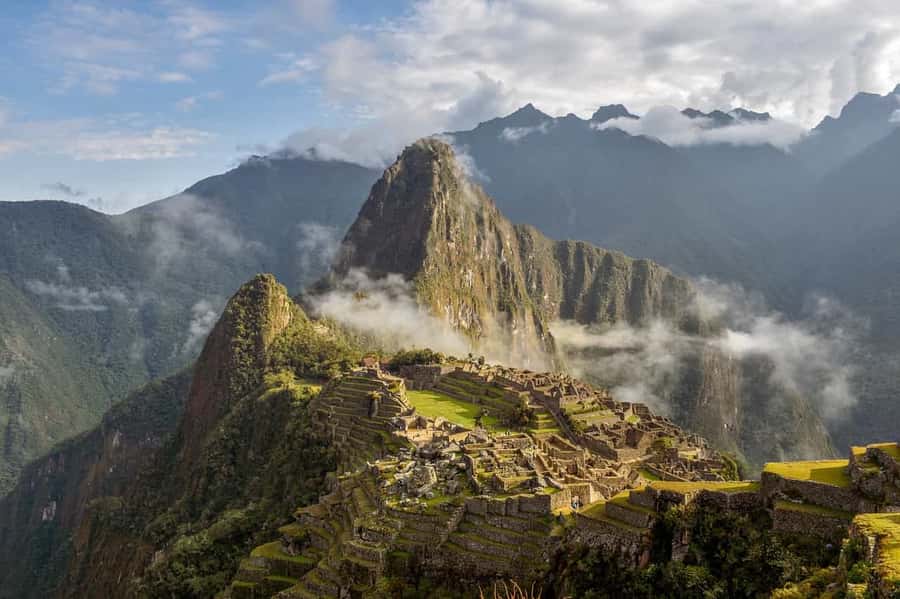
- Sunrise at Machu Picchu with an early bus so you’re not stuck arriving late
- Sacred Valley stops without the stress: Moray, Salineras of Maras, Pisac, Ollantaytambo
- Guided Machu Picchu tour (about 3 hours) plus optional extra hikes if you want them
- Pisac Market time for crafts: ceramics, textiles, jewelry, Andean instruments, alpaca items
- Train plus hotel night in Aguas Calientes (3-star) so you’re not racing back same day
- In-person explanations that can get really detailed, as shown by guides like Herbert Vidal, Alex, and Oliver
Why this train-first route works for Sacred Valley and Machu Picchu
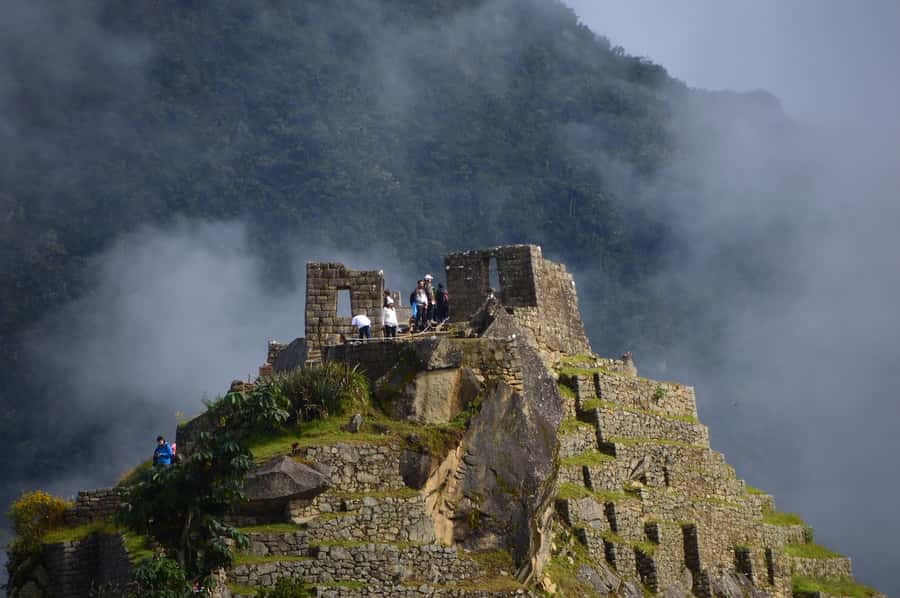
This is one of those tours that makes sense because it removes decisions you would otherwise have to make under time pressure. You still get plenty of real stops—Alpaca Center and textile work, Pisac’s ruins and market, Moray and Maras, Ollantaytambo, then Machu Picchu—but the logistics are bundled around the Expedition train.
That matters for two reasons. First, Machu Picchu is time sensitive. Second, the Sacred Valley can eat a day if you’re trying to stitch together transport and tickets on your own. Doing it as a tight 2-day plan means you can focus on what you’re seeing, not what bus goes where.
Also, the small group size (16 max) keeps the experience from feeling like a checklist shoved through a conveyor belt. You can usually ask questions and get answers in English or Spanish.
You can also read our reviews of more evening experiences in Cusco

Day 1: Alpacas, weaving colors, and Sacred Valley viewpoints
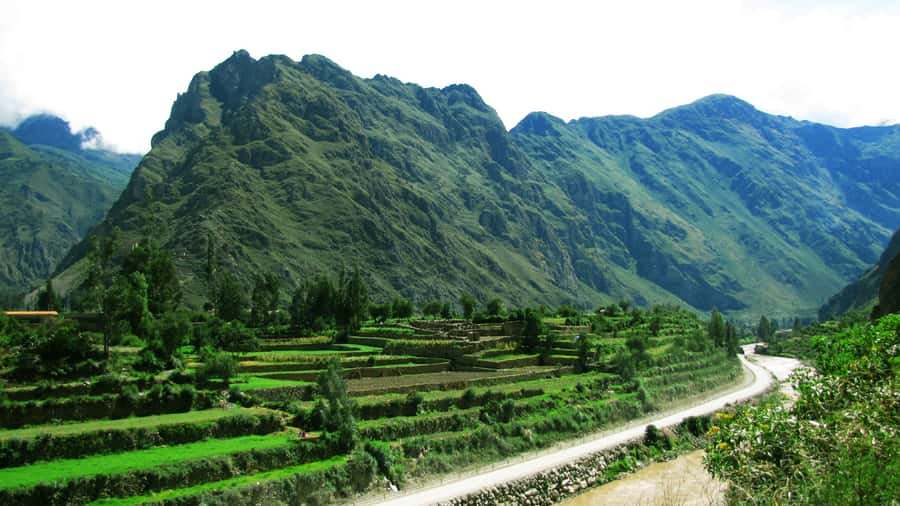
Your day starts in Cusco with hotel pickup and a guided run toward the Sacred Valley. After you meet your guide, you head first to an Alpaca farm and textile center, which is a smart opener because it gives you a local lens on what you’ll see later in markets and ruins.
Alpaca farm and textile center: animals plus the dye story
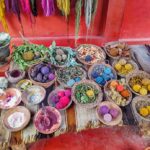
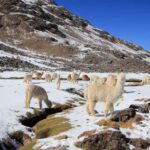
At the Alpaca Center, you can see llamas, alpacas, viñuna, and guanacos, all tied into the area’s textile traditions. The standout part isn’t just spotting animals—it’s watching the weaving process and learning how locals use natural colors. If you’ve ever wondered why some alpaca yarn looks different even when it’s marketed similarly, this is the kind of explanation that makes those later purchases feel less random.
There’s shopping here too, so you can compare prices and quality with a bit more context. A practical tip: take your time with the textile items. You’re going to see a second chance to buy at Pisac Market, and comparing helps you avoid impulse buys.
Mirador Taray: Andes views with farming in the frame
Next you go to Mirador Taray for panoramic views over the Andes, including the Urubamba River and the farming lands of the Incas. Even if you’ve seen a lot of photos of the Sacred Valley, the view from a viewpoint like this is different: you can actually track how the river and terraces shape daily life and agriculture.
Bring a light layer. Even in Peru, morning or higher elevation can feel cooler than you expect.
Pisac archaeological site: stone terraces, irrigation, and a big cemetery
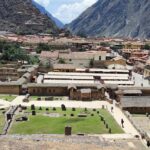
Then comes Pisac, which sits above the mountains with stone walls, agricultural terraces, and irrigation systems. You’ll also hear about its large cemetery, described as the Inca Empire’s largest. That combination—agriculture infrastructure plus a major burial site—helps you understand why places like Pisac weren’t just scenic; they were organized, functional, and socially important.
You can also read our reviews of more tours and experiences in Cusco


Pisac Market: crafts that are actually worth your time
After exploring the ruins, you head to Pisac Market, a hands-on stop where artisans sell ceramics, textiles, jewelry, Andean instruments, and alpaca products. This is where bargaining usually happens, so keep your expectations friendly and flexible. The goal isn’t to win; it’s to get a fair deal while supporting makers directly.
If you want to buy, check items carefully. Look at stitching on textiles, weight and finish on ceramics, and how instruments are assembled. You’ll get a feel for value once you’ve walked through the surrounding cultural context.
Lunch in Urubamba, then onward to Moray and Maras
Lunch is in Urubamba at a local restaurant with Peruvian dishes made with fresh local products. After that, you move on toward one of the most distinctive parts of the route: Moray and the Salineras of Maras.
Moray and Salineras of Maras: the Inca engineering you can see
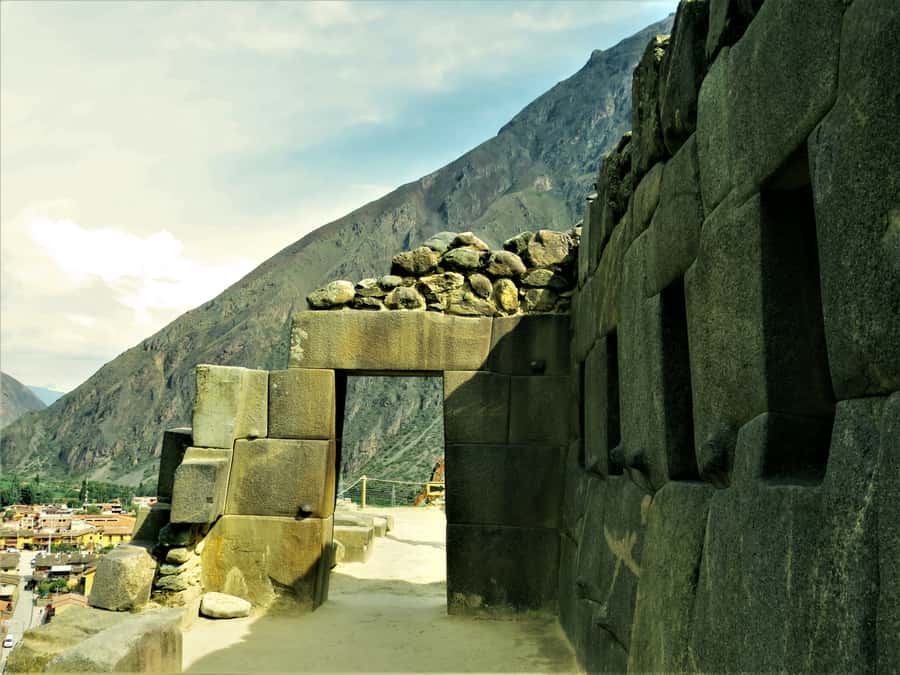
Moray and the Salineras of Maras are the kind of stops where your guide’s explanations really pay off. You’re not just looking at ruins; you’re looking at systems.
Moray terraces: like an outdoor lab
Moray is known for its terraces, and the point here is how the site is designed. Even if you don’t catch every detail at first, you’ll notice the structure and how it changes the feel of the space as you move. Terraces mean planned use of the terrain, not random construction.
Salineras of Maras: salt pans that change the look of the valley
After Moray, you visit the Salineras of Maras, a set of salt terraces/pans that give the valley a different texture and color. You’ll feel the place visually even before the explanation clicks, because the salt pans create a striking pattern on the hillside.
If you like photos, this is a strong stop. If you like understanding, this is even stronger—because the guide can connect the site’s purpose to what you already saw at Pisac’s terraces and irrigation systems.
Ollantaytambo: the last standing Inca citadel feel
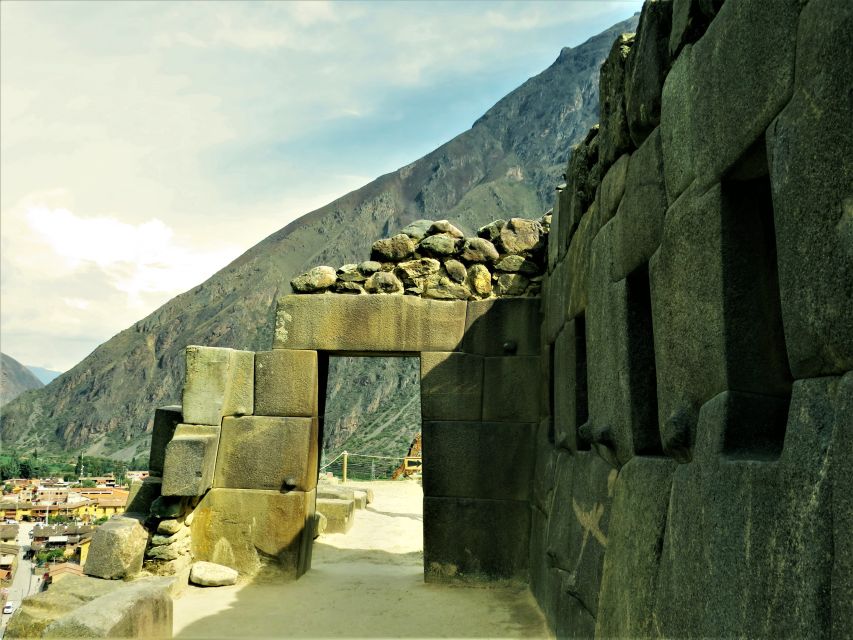
Next on Day 1 is Ollantaytambo, described as the last standing Inca citadel. Town and ruins overlap here in a way that makes the place feel alive: the town is built above ancient Inca buildings, and you can walk into that layered feeling.
You’ll explore temples, terraces, storehouses, and a large Inca monolithic. The storehouses and monolith detail are especially useful if you want a sense of how the place was organized for daily life and storage. It’s not only dramatic stonework; it’s functional design.
Then you head to Aguas Calientes by Expedition train and spend the night in a 3-star hotel. This overnight stay is part of why the tour works: it lets you start fresh on Day 2 instead of trying to race everything from Cusco in one shot.
Day 2: guided Machu Picchu plus optional hikes
Day 2 starts early. You wake up at your hotel in Aguas Calientes, have breakfast, and take one of the first buses up to Machu Picchu. This is one of the best parts of the whole program. Arriving early changes how you experience the walk, because you get light, space, and fewer bottlenecks.
Entering Machu Picchu: bring your original passport
At the checkpoint, you’ll show an original passport to enter. Plan for this like it’s a checklist item, not an afterthought.
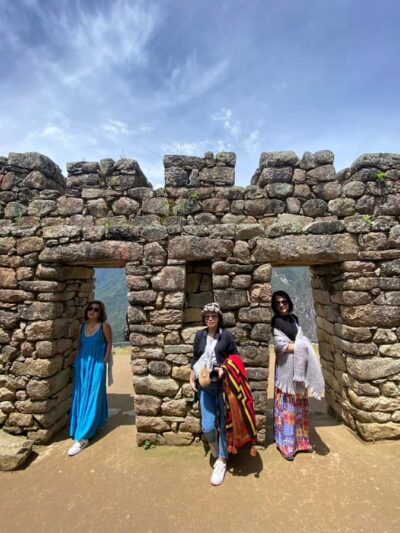
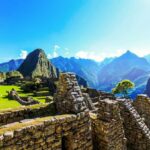
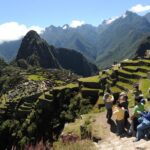
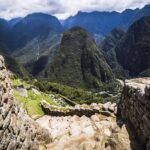
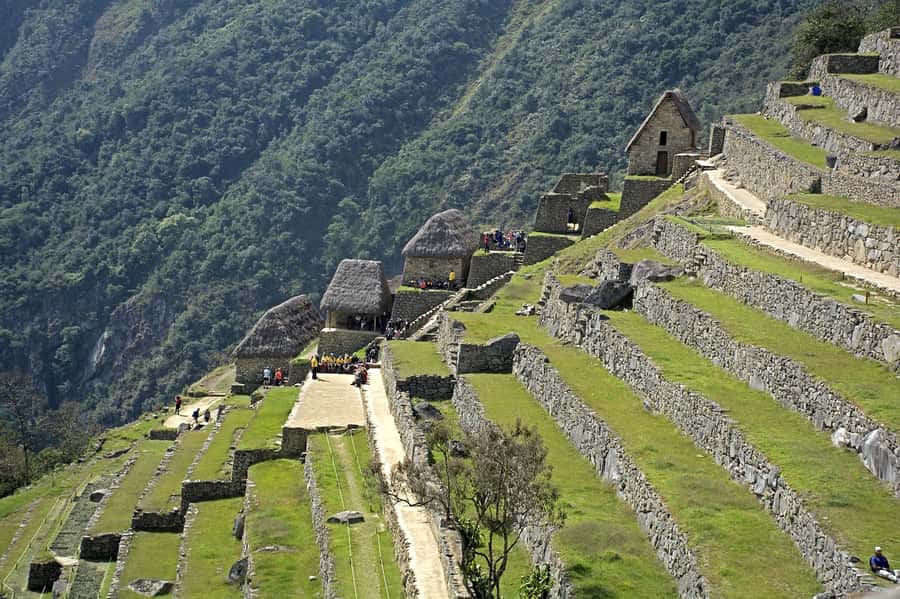
From there, you start the guided tour for about 3 hours. The tour focuses on the most remarkable terraces, storehouses, temples, and palaces. You don’t need to be a specialist to enjoy it—your guide helps you connect the stone shapes to how people used the site.
Optional extra hikes: Huayna Picchu or Machu Picchu Mountain
After the main guided circuit, you can add an optional hike to Huayna Picchu or Machu Picchu Mountain. These hikes aren’t included in the tour price, so check what costs extra and how the timing works with your return plan.
If you’re not sure you’ll want a steep, high-effort hike, you can still enjoy Machu Picchu at a calmer pace. The guided part already does the heavy interpretive lifting.
The return to Cusco: bus down, train back, van transfer
Once you finish exploring Machu Picchu, you take the bus down to Aguas Calientes. Lunch is on your own (optional), which gives you flexibility—eat early, take a break, or just grab something simple before the train.
Then you take the Expedition train back to Ollantaytambo, and from there a van returns you to your Cusco hotel. It’s a clean end to the trip: you’re not juggling separate tickets or long transfers at the finish when you’re tired.
Guide style and small-group comfort that actually matters
This tour’s quality isn’t only about where you go. It’s about how you get explained to while you’re there.
In the feedback, guides like Herbert Vidal, Alex, and Oliver stand out for detailed explanations and patient answers. That matters at places like Pisac, Moray, and Machu Picchu, where it’s easy to see impressive stonework without understanding what you’re looking at. When your guide explains details as you ask, the whole day feels less like observation and more like comprehension.
Small group size helps here too. With up to 16 participants, it’s easier to keep track of everyone and for you to hear guidance without constantly leaning in or competing with a crowd.
Price and value: what you’re really paying for at $698
$698 per person is not a small sum. The question is whether you’re paying for convenience, interpretation, and access—or just for transport.
Here’s what this price covers, based on the included details:
- Hotel pickup in Cusco and door-to-door service from your hotel and back
- Transportation covered throughout the journey
- Entrance tickets to Pisac, Moray, Salineras of Maras, Ollantaytambo, and Machu Picchu
- Round-trip bus to Machu Picchu
- Round-trip Expedition train
- One night in a 3-star hotel in Aguas Calientes
- Buffet lunch in Urubamba and dinner in Ollantaytambo
- Expert tour guides
- All taxes and reservation charges included
What costs extra:
- Optional hikes (Huayna Picchu or Machu Picchu Mountain)
- Meals not mentioned in the program (for example, lunch on your own after descending from Machu Picchu)
- Travel insurance
My take: this is good value if you want less friction. You’re buying a full chain—Cusco pickup, tickets, transport, hotel night, train rides, and guided time at Machu Picchu—without having to coordinate each piece yourself. If you’re the type who enjoys scheduling and likes building itineraries, you might be able to do it cheaper. But if you’d rather spend your energy on the sites, this price looks more reasonable.
One more note: the tour is non-refundable, so read carefully and plan your dates seriously.
What to pack (and what not to bring) for a smooth Sacred Valley climb
You’ll be in and out of vehicles and doing walking at several sites. Pack for movement, not for comfort shopping.
Bring:
- Passport (original passport is needed for Machu Picchu entry)
- Daypack
Not allowed:
- Luggage or large bags
- Drones
- Alcohol and drugs
- Feeding animals
Practical advice: keep essentials in your daypack (passport, water, basic layers). Since large bags aren’t allowed, traveling with a normal “I’ll bring everything” suitcase can become a hassle fast.
Also, the provider asks for requested details for each participant plus a contact number, WhatsApp, or email so they can reach you if needed. That’s common for tours with train and early bus timing.
Who should choose this tour, and who might want another option
This fits well if you:
- Want a guided Sacred Valley + Machu Picchu plan with early access
- Prefer small group pacing
- Like having train and transfers handled
- Enjoy learning the why behind what you’re seeing (especially at Machu Picchu)
It may not fit if you:
- Need a super flexible schedule. The trip depends on early bus timing and train reservations.
- Want optional hikes included automatically. Huayna Picchu/Machu Picchu Mountain cost extra.
- Are over 95 years old (this tour is not suitable for that age group).
Should you book this Sacred Valley & Machu Picchu by Train tour?
Book it if you want the easiest way to connect the Sacred Valley highlights to Machu Picchu without playing transportation roulette. The value is strongest in the “everything handled” parts: entrances, guided time at Machu Picchu, Expedition train, round-trip bus, and the hotel night.
Consider another option if you’re the type who needs fully flexible timing or you’re trying to budget hard and already know how to manage tickets and transport. Also, if you’re extremely schedule-sensitive, remember that train timing can affect the day; build in a little slack where possible.
FAQ
FAQ
Do I need a passport to enter Machu Picchu?
Yes. At the checkpoint for Machu Picchu, you show an original passport.
What time do you go to Machu Picchu?
You wake up early and take one of the first buses to Machu Picchu on Day 2.
Is Huayna Picchu or Machu Picchu Mountain included?
No. The extra hikes are not included and you’d need to arrange/paid the additional option separately.
Where is the overnight stay?
You stay for one night in a 3-star hotel in Aguas Calientes.
How big is the group?
This is a small group limited to 16 participants.
What should I bring, and are there bag restrictions?
Bring your passport and a daypack. Luggage or large bags are not allowed, and drones are also not allowed.