REVIEW · PUNO
Half-Day Uros Floating Islands Tour from Puno
Book on GetYourGuide →Operated by PVTravel · Bookable on GetYourGuide
This trip hits two things fast: Lake Titicaca views and hands-on Uros reed island life. You’ll cruise out on a motor boat across Peru’s high-altitude lake, then step onto the floating platforms and hear how the Uru community survives on reeds, birds, and fish. The only real drawback to plan for is that timing can be messy, and parts of the experience can feel more commercial than you’d expect.
You’ll likely spend most of your morning (or a set half-day window) moving between water, islands, and a couple guided stops. It’s a great fit if you want a short cultural visit without committing to a full day, and it’s especially good when the weather lets you see the lake clearly. Just be ready for cold mornings, limited room for bags, and the fact that you may be nudged to buy small items once you’re on the islands.
In This Review
- Key Things You’ll Notice on This Half-Day Tour
- Puno to Uros in a Tight 3 Hours
- Cruising Lake Titicaca: Beautiful Water, Realistic Timing
- Entering Uros Reed Islands: Walking Where the Platform Floats
- Learning Uru Life: Daily Routines, Reeds, and Food
- The Optional Reed Raft Ride: A Small Extra for a Different View
- Price and Value at About $35: What’s Included, What to Watch
- Shopping Pressure on the Islands: How to Keep It Comfortable
- What to Bring (and What Not to): Cold Hands, No Big Bags
- Guide and Language: Spanish and English, Plus Clear Expectations
- Who This Half-Day Uros Tour Suits Best
- Should You Book This Tour From Puno?
- FAQ
- How long is the Half-Day Uros Floating Islands tour from Puno?
- Is hotel pickup and drop-off included?
- How many Uros islands do we visit?
- What languages is the live tour guide available in?
- What should I bring, and what’s not allowed?
- Is it wheelchair accessible?
Key Things You’ll Notice on This Half-Day Tour

- Quick hits: boat ride plus visits to 2–3 inhabited Uros islands
- High-altitude views on the highest navigable lake in the world
- Reed platform walking—a different kind of “tour stop” under your feet
- Guide-led culture time focused on daily life and island upkeep
- Optional traditional reed raft for a closer sense of how they travel
- Comfort planning matters: warm layers and limited luggage space
Puno to Uros in a Tight 3 Hours

This is a true half-day format. The duration is listed as about 3 hours, which usually means you’ll be on the move: pickup, boat crossing, island visits, and then back to Puno without a long “hang out” period. In a place like Puno, that time-boxing is the whole point. You can do Uros today, and still leave your afternoon open for other Titicaca options.
Pickup is included, with hotels in the city center picked up between 8:00 AM and 8:30 AM. If your hotel sits outside the center, you’ll get an alternate meeting point. That early start helps you beat wind and crowds, but it also means you should be ready the moment your driver arrives.
You’ll also want to think about the altitude and temperature. Lake Titicaca mornings can feel chilly even in a “Peru warm season,” and you’ll be outside on and around boats. Bring warm clothing. A poncho is a smart idea too, since rain can turn the “quick trip” into a soggy one.
You can also read our reviews of more tours and experiences in Puno

Cruising Lake Titicaca: Beautiful Water, Realistic Timing
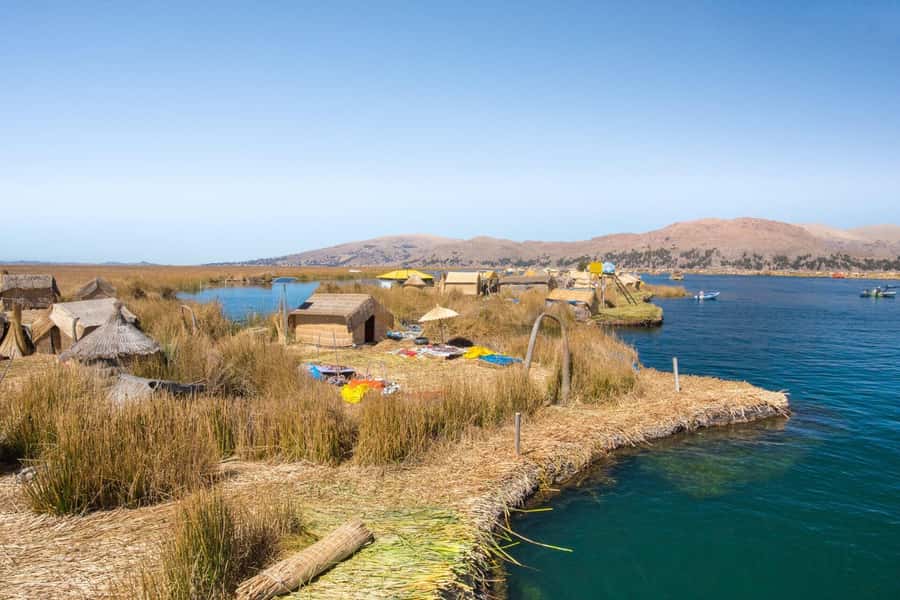
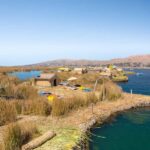
The boat portion is the connective tissue of this tour. You’ll cross Lake Titicaca—the highest navigable lake in the world—and head out toward the reed archipelago. Even when you think you’ve already seen “big lake water” in photos, the scale hits differently once you’re actually out on it.
The cruise is also your time to orient yourself. You’ll get your first look at the reed islands as they float and shift slightly with the water and the platform structure. From the boat, you can see how the islands are arranged and why they’re maintained the way they are.
Now the reality check: boat-based tours can run late. Some travelers have reported delayed departures and even a boat issue that caused extra waiting. You can’t control that, but you can manage it. If you have another booking the same morning, build in a buffer. If you’re traveling with a strict schedule, consider keeping that afternoon flexible rather than locking everything back-to-back.
Entering Uros Reed Islands: Walking Where the Platform Floats
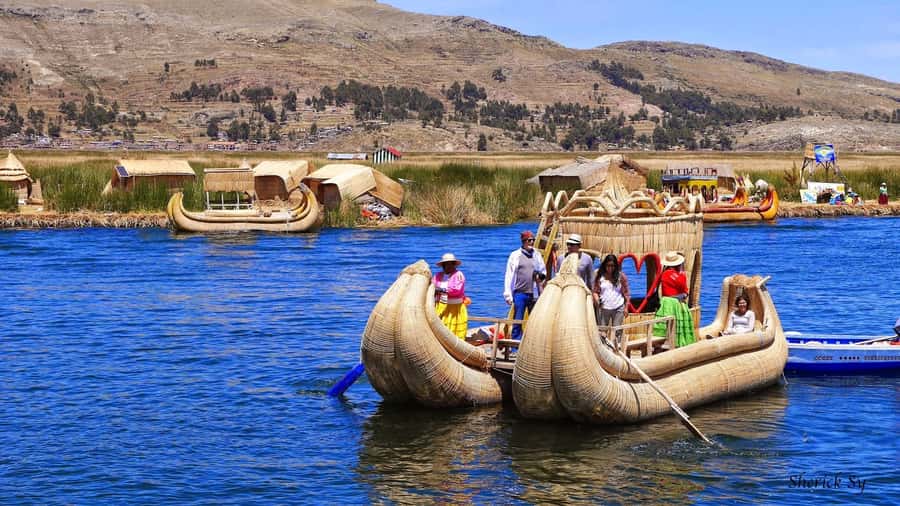
What makes Uros so memorable is the physical experience. You’re not just looking at a site—you’re stepping onto a floating reed platform. The tour includes entrances to the islands, so once you’re there, you can actually walk around and take in the sights up close.
The Uros archipelago is made up of more than 60 man-made floating islands, and you’ll visit 2 or 3 inhabited ones with a guide. The inhabited islands matter more than the “empty photo stops,” because you get to see how the platforms are maintained and how families organize daily life.
Here’s what to watch for as you walk:
- How reed layers support the platform and how the structure looks thick and layered rather than like a thin mat.
- How island life depends on constant maintenance, not just building it once.
- How the community’s relationship with water is visible in small everyday routines.
It’s easy to treat Uros like a postcard. Try not to. Even on a short tour, the walking part helps you understand the work behind the float—reeds aren’t decorative here. They’re infrastructure.
Learning Uru Life: Daily Routines, Reeds, and Food
The guided portion is the heart of the cultural value. Your professional guide will explain the way of life of the Uru people, and you’ll learn how they hunt birds and fish as part of daily activities. In recent years, they’ve had more contact with mainland culture, but the core island practices are still part of everyday life.
This matters for two reasons for you as a visitor. First, it shifts the trip from spectacle to understanding. Second, it helps you ask better questions when you’re standing on the islands. You’ll likely get explanations about how reeds support the island, how the community manages life around the water, and how contact with the mainland has changed things over time.
That said, pacing can make or break the experience. Since your time is short, the tour can feel “fast” once you’re on land. A common frustration is when guides give info early and then you’re left on your own for parts of the stop. You can reduce that risk by arriving ready with questions. If you don’t see your guide moving with your group, it’s okay to ask who is responsible for the next segment—just keep it simple and polite.
The Optional Reed Raft Ride: A Small Extra for a Different View
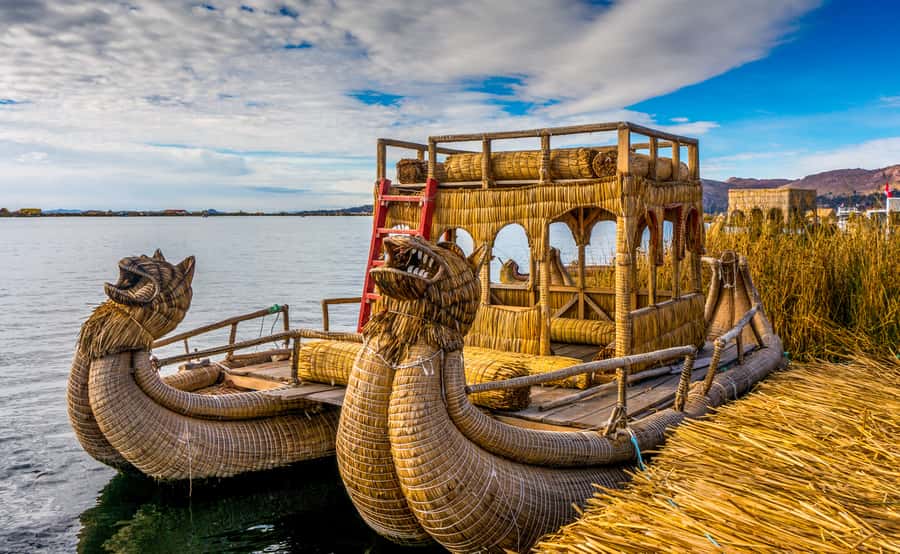
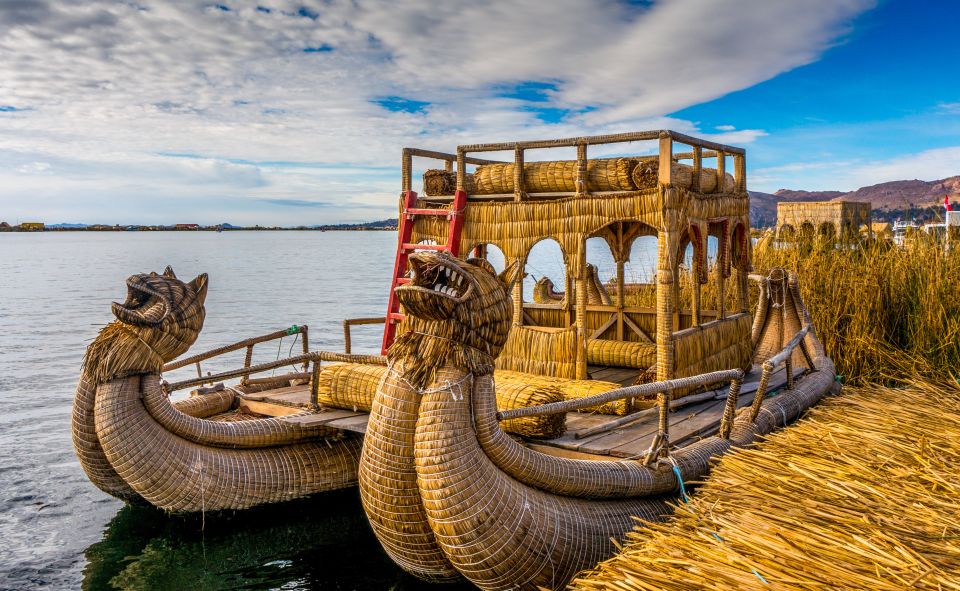
The tour may include an optional ride on a traditional reed raft. If you choose it, you’ll get a closer sense of how moving through the archipelago works in reed-based travel.
Is it worth it? In most cases, a raft ride is valuable because it changes your perspective from “standing on the island” to “feeling the water-level movement.” But the tour time is short, so if you’re already cold, tired, or simply not in the mood for one more activity, it’s totally reasonable to skip it and use that time to listen, ask questions, and walk.
One practical thing: sometimes add-ons get mentioned only once you’re on site. There has been at least one report of an additional cost tied to a specific motorboat name not clearly shown in advance. So if anything is offered as a paid upgrade—like a different boat type—ask for the exact price before you agree.





Price and Value at About $35: What’s Included, What to Watch
At $35 per person (for a half-day), you’re paying for a bundle: hotel pickup and drop-off, boat transportation, professional guide time, and entrances to the islands. That’s a pretty fair structure for Puno, where getting onto the lake takes logistics and a guide makes the difference between seeing reeds and understanding what they mean.
Here’s the value reality: a tour at this price is usually good if you want a short, guided culture hit with boat time and direct island access. It’s less ideal if you expect a slow, museum-like pace. Also, if you’re hoping for a super “hands-off” experience with no sales pressure, you might feel uneasy depending on how the day unfolds.
There are also a few cost-levers you should verify early:
- If any special upgrades are offered on the day.
- Whether the raft ride (if you want it) is fully included or treated as an additional expense.
- Whether anything is sold during your visit that you didn’t plan to buy.
If you’re price-sensitive, just ask: What’s included already? What could cost extra? Good guides and operators won’t get annoyed by a clear question. You’re protecting your own expectations.
Shopping Pressure on the Islands: How to Keep It Comfortable
Uros has commerce. You’ll likely encounter selling once you step onto islands and the local economy comes into view. Some people enjoy this as a chance to support the community in a direct way. Others feel it turns the visit into a shopping stop.
From what I’ve learned about how these island visits can run, the best way to handle it is to go in with a plan:
- Decide in advance if you want to buy anything. If not, you can still engage respectfully with questions.
- If you do want to buy, look for small, meaningful items rather than getting pulled into an impulse.
- Keep your time focused on the living part: the reeds, the structures, the guide explanations, and the flow of island life.
If you feel the interaction is too pushy, remember your power is in staying calm and redirecting. You can ask for information first, then decide later. That keeps you in charge of the experience.
What to Bring (and What Not to): Cold Hands, No Big Bags
This is one of those tours where what you bring can quietly determine how much you enjoy it. The essentials are straightforward.
Bring:
- Comfortable shoes you can trust on reed textures and uneven spots
- Warm clothing for the early boat ride
- A poncho in case it rains
- Gloves and a sweater or warm layers
- A hat or cap, sunglasses, and sunscreen
- Insect repellent
- A camera and a water bottle
Snacks are recommended too. Meals aren’t included, so even if the tour is short, having something small helps you avoid the “hangry” spiral halfway through.
Not allowed:
- Luggage or large bags
So travel light for this morning. If you’re carrying a big backpack, you may need to leave it behind or adjust your load before you go. Also, bring your ID. That’s specifically requested, and on a lake tour, last-minute document hunting is the worst kind of distraction.
Guide and Language: Spanish and English, Plus Clear Expectations
This tour includes a professional guide and languages listed as Spanish and English. That’s helpful because Uros life is easiest to understand when explanations aren’t limited to a few tourist-friendly phrases.
To get the most from your guide, treat them like a resource, not background sound. Ask about how island maintenance works, why reeds are vital, and how life has changed with increasing contact from the mainland. Since your time is short, your questions should be direct.
Also, since you’ll visit multiple islands and you may switch between boat segments, keep your eyes open for where your group and guide will meet again. Some travelers have felt the guide presence wasn’t consistent during transitions. You can solve that by simply asking one clarifying question early: Who stays with our group during each island segment, and where do we regroup after?
Who This Half-Day Uros Tour Suits Best
This is a strong choice if you:
- Want a short cultural stop from Puno without spending a full day on the water
- Like hands-on viewing and don’t mind a quick pace
- Enjoy guided explanations of daily life rather than only scenic photo time
- Want a classic introduction to Lake Titicaca’s reed world
It might be less ideal if you:
- Hate any hint of sales pressure and want a fully hands-off experience
- Need a perfectly on-time schedule with no delays
- Have mobility needs that require wheelchair accessibility (this tour is listed as not suitable for wheelchair users)
If you’re traveling with older folks or anyone sensitive to cold mornings, pack extra warmth. The tour can feel simple, but you’ll still be outside and exposed.
Should You Book This Tour From Puno?
I’d book it if your goal is a short, guided introduction to Uros—reed islands you can actually walk on—paired with a real Lake Titicaca boat ride. The price structure (pickup, boat, guide, entrances) makes it good value for a half-day, and the walking portion is usually the highlight for people who want more than a distant view.
I’d think twice if you know you’re extremely schedule-sensitive, dislike commercial interactions, or won’t tolerate waiting if a boat runs late. Since there have been reports of delays and extra costs not always clearly stated, do two simple things before you go: ask what could cost extra, and confirm pickup time the morning of your tour.
If you handle those points, you’ll get the best of Uros: the reed-platform reality, the lake cruise, and the lived-in explanation of how the Uru community survives on the water.
FAQ
How long is the Half-Day Uros Floating Islands tour from Puno?
The tour duration is listed as about 3 hours.
Is hotel pickup and drop-off included?
Yes. Pickup is included from your hotel in Puno, typically between 8:00 AM and 8:30 AM. If your hotel is outside the city center, a meeting point is offered instead. Drop-off is included.
How many Uros islands do we visit?
You’ll take a guided tour of 2 or 3 inhabited islands.
What languages is the live tour guide available in?
The guide is available in Spanish and English.
What should I bring, and what’s not allowed?
Bring comfortable shoes, warm clothing, a poncho for rain, and items like a camera and water bottle. You should also bring your ID. Luggage or large bags are not allowed.
Is it wheelchair accessible?
No. The tour is listed as not suitable for wheelchair users.