REVIEW · CUSCO
Cuzco : Excursion City Tour in Cusco, Sacsayhuaman and Tambomachay
Book on GetYourGuide →Operated by Peru Adventure Trek | Travel Agency · Bookable on GetYourGuide
Cusco runs on ancient stone and big views. This 6-hour guided loop connects the city center to four key Inca sites without making you plan routes or transfers yourself. I especially like the chance to get Sacsayhuaman’s fortress views early, and the guided storytelling at Coricancha (optional), which helps you understand what you’re actually looking at. One heads-up: the day includes scheduled stops and some people don’t love any added time for shopping, so if you prefer zero retail detours, confirm the exact flow with your operator before you go.
You’ll ride by minivan between sites, then mix in photo stops, short guided walks, and small pockets of free time. It’s suitable for all ages in general, but it’s not a good fit for everyone—especially pregnant travelers and anyone over 95.
In This Review
- Key things I’d plan around
- A smart Cusco “starter loop” that doesn’t eat your whole day
- Plaza de Armas start: the easiest place to meet, and where the tour begins to “click”
- Coricancha (Qoricancha) optional first stop: what you’re really buying with that entrance ticket
- Sacsayhuaman: fortress walls, scenic stops, and why the guide matters here
- Qenqo’s ceremonial-astronomical feel: short visit, clear takeaways
- Puka Pucara: military fortress details you can actually spot
- Tambomachay: carved water channels and a gentler, scenic ending
- Price and value: the $18 tour price vs. the real-world ticket costs
- Timing, comfort, and how to survive this day without getting grumpy
- A note on retail stops: if shopping time isn’t your thing, ask first
- Who should book this Cusco tour (and who should skip it)
- Should you book? My practical recommendation
- FAQ
- Where does the tour start?
- What time options are available?
- Is Coricancha included?
- How much time do you spend at the main sites?
- What’s included in the price?
- Are meals included?
- What tickets do I need to plan for?
- What languages is the guide?
- Can I cancel or change plans?
Key things I’d plan around
- Half-day shifts: morning (about 09:00–14:00) or afternoon (about 13:00–18:30) cover the same core circuit.
- Optional Coricancha: you can do it as your first stop, but the entrance ticket isn’t included.
- Big viewpoints with short walking: you see major highlights like Sacsayhuaman without committing to all-day hiking.
- A mix of astronomy, defense, and water: Qenqo, Puka Pucara, and Tambomachay each have a different purpose.
- You’ll end back in town: the tour finishes near Plaza Regocijo, so you can keep exploring after.
A smart Cusco “starter loop” that doesn’t eat your whole day
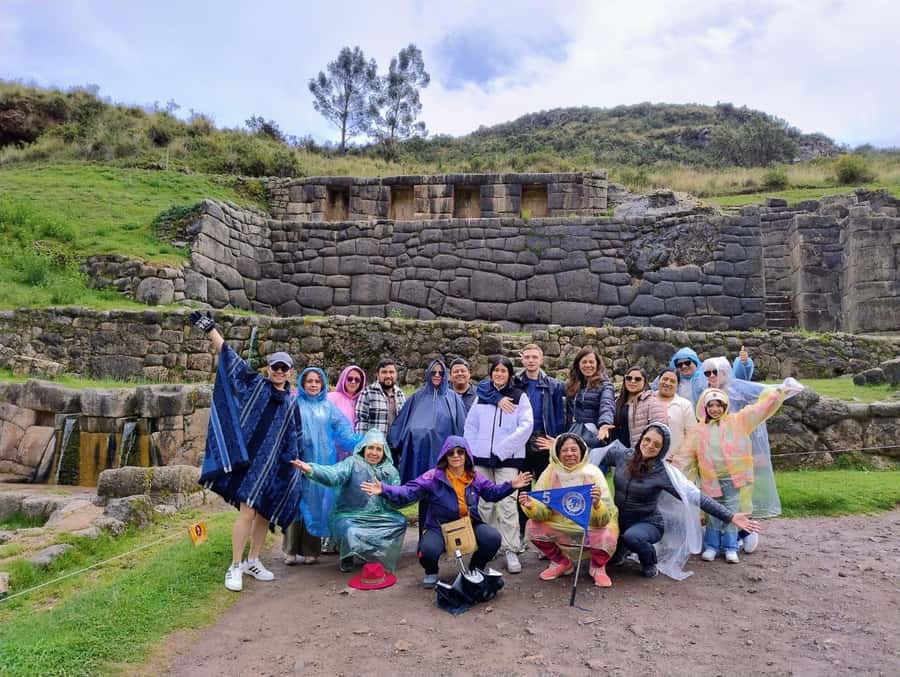
If you’ve only got a limited window in Cusco, this tour is a practical way to get your bearings fast. You start in the historic core, then spend the rest of the time moving through major Inca sites that sit just outside the city center.
What makes it work is the pacing. You’re not stuck on one long bus ride with no stops. Instead, you get repeated moments of seeing, walking a bit, getting a guide’s explanation, and then stepping back to take photos and absorb the scenery.
This is also the kind of tour that helps you connect names you might see on signs to the actual places. By the time you reach Tambomachay, you’re not just ticking boxes—you’re starting to notice patterns in how Inca builders used water, alignment, and stone.
You can also read our reviews of more city tours in Cusco
Plaza de Armas start: the easiest place to meet, and where the tour begins to “click”
The tour kicks off from Plaza de Armas—either at the plaza itself or via hotel pickup if your hotel is near it. Pickup is typically about 10 minutes before the start time, which makes the logistics simple even if you’re still sorting out your day in Cusco.
One small detail that matters: the schedule can run on a morning shift (starting around 09:00) or an afternoon shift (starting around 13:00). Either way, you’re doing the same main circuit, so choose based on what fits your energy and your other plans.
Starting in Plaza de Armas is also useful because you’ll finish the day back in town at Plaza Regocijo. That means you don’t end with a long trek back to your hotel or a complicated last-mile situation.
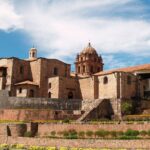
Coricancha (Qoricancha) optional first stop: what you’re really buying with that entrance ticket
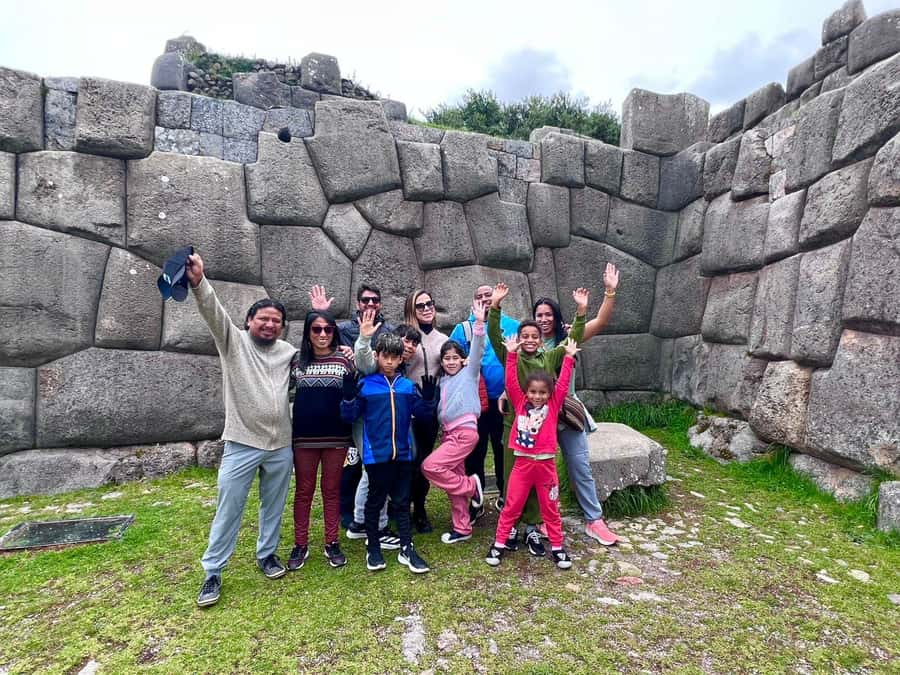
Coricancha is offered as an optional first point, so you can decide if you want to spend time there before the out-of-town sites. The tour includes a guided visit and a photo stop, plus about an hour for this segment.
Here’s the budgeting part you’ll want to take seriously: the Qoricancha entrance ticket is not included (listed at S/20.00). On top of that, a tourist ticket (listed at S/70.00) is also not included. The result is that the advertised tour price can feel lower than what you’ll pay at checkout once you add site tickets.
Still, Coricancha is worth planning for. It’s the kind of place where a guide’s context changes everything. Without that, you mostly see a set of walls and architecture. With the explanation, you start noticing how the site functions in the story of Cusco’s sacred spaces.
Practical tip: bring cash, because you’ll want to cover these separate tickets on the ground.
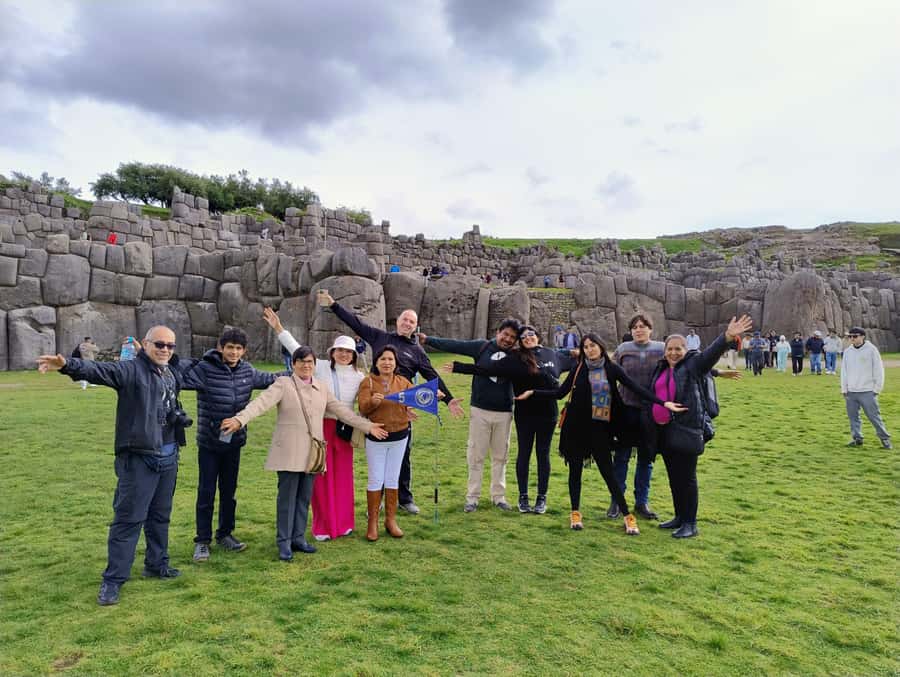
Sacsayhuaman: fortress walls, scenic stops, and why the guide matters here
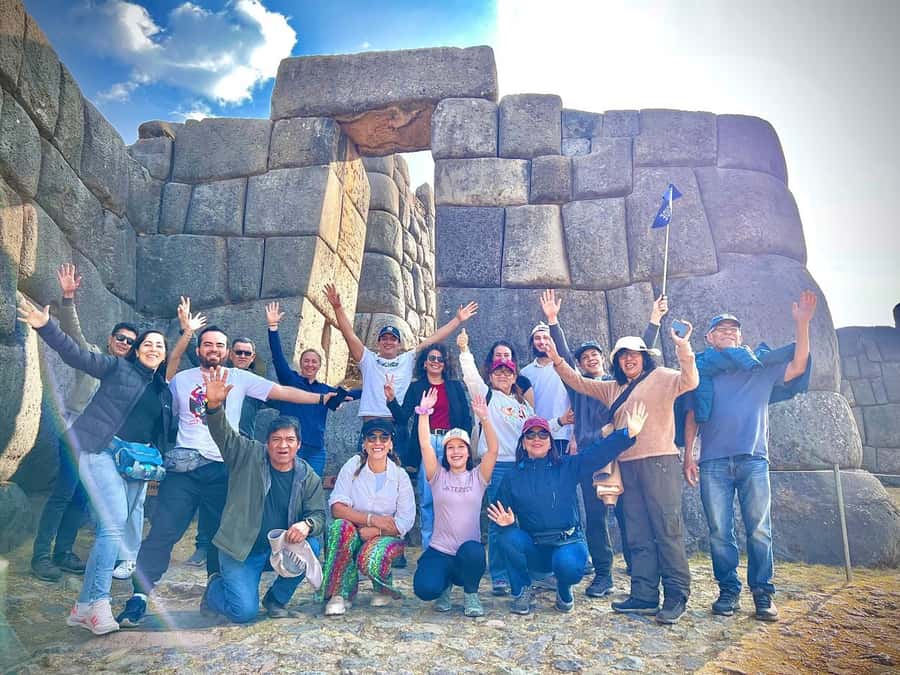
Sacsayhuaman is one of the most emblematic Inca sites around Cusco, and the tour gives it a focused block of time. You’ll visit it with a guided tour, photo stops, and a stretch of free time to wander at your own pace.
Plan for a mix of:
- Guided explanations (so the stonework isn’t just “cool” but understandable)
- Photo time at key angles
- Short walks as you move between viewpoints
The big payoff is the vantage point. The fortress is positioned so you can look out over much of Cusco, which makes it easier to connect the modern city with the ancient layout. You’ll also get scenic views on the way, so even if you’re not a hardcore history person, you’ll come away with strong visuals.
Time-wise, you’re looking at roughly 40 minutes at Sacsayhuaman. That’s not enough for a deep, multi-hour exploration, but it’s solid for a guided introduction and a good set of photos.
If you’re the type who hates feeling rushed, use your free time for one slow loop—pick one section to circle, take your photos, and then return. Don’t try to see everything at once in that short window.
Qenqo’s ceremonial-astronomical feel: short visit, clear takeaways
Next up is Q’enco (Qenqo), described as an archaeological complex used mainly for ceremonial and astronomical purposes. You’ll have about 30 minutes here, including a guided tour plus photo and sightseeing time.
This stop is where a guide can do a lot of heavy lifting. “Astronomical” can sound vague, but with interpretation you’ll start noticing how the site’s design supports specific observations and rituals. Even if you’re not a science person, you can still appreciate how carefully the Inca built for observation.
One practical thing to remember: the time is shorter than Sacsayhuaman, so you’ll want to focus. Take photos quickly, listen during the guided portion, then use your remaining moments to look around and connect what you heard to what you see.
If you’re traveling with kids or older relatives, this is a good stop because it’s fairly quick. You still get an important site without forcing everyone through a long walk.

Puka Pucara: military fortress details you can actually spot
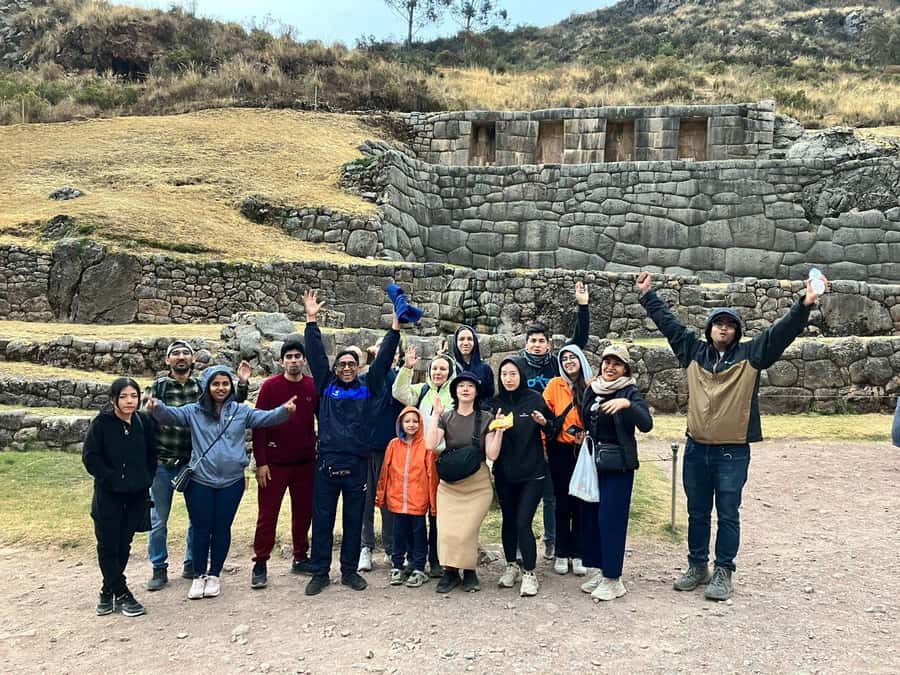
Then comes Puka Pucara, a fortress reportedly used for military functions. The tour frames it with a lot of specific elements—multiple environments, squares, baths, aqueducts, walls, and towers—so you can know what to look for rather than just staring at stone.
You’ll spend about 25 minutes here, with guided tour time plus photo stops and sightseeing.
What makes Puka Pucara interesting for everyday travelers is that it’s less “iconic postcard” and more “organized stonework.” You’re paying attention to function: where people could move, where systems like water routes might run, and how the layout supports defense.
If you want the best experience with limited time, do this:
1) Listen to the guide’s key points
2) Take a few photos from different angles
3) Then do one careful look for the elements the guide mentioned (like walls, squares, and aqueduct-related details)
That way, you leave with something more than a generic snapshot.
Tambomachay: carved water channels and a gentler, scenic ending
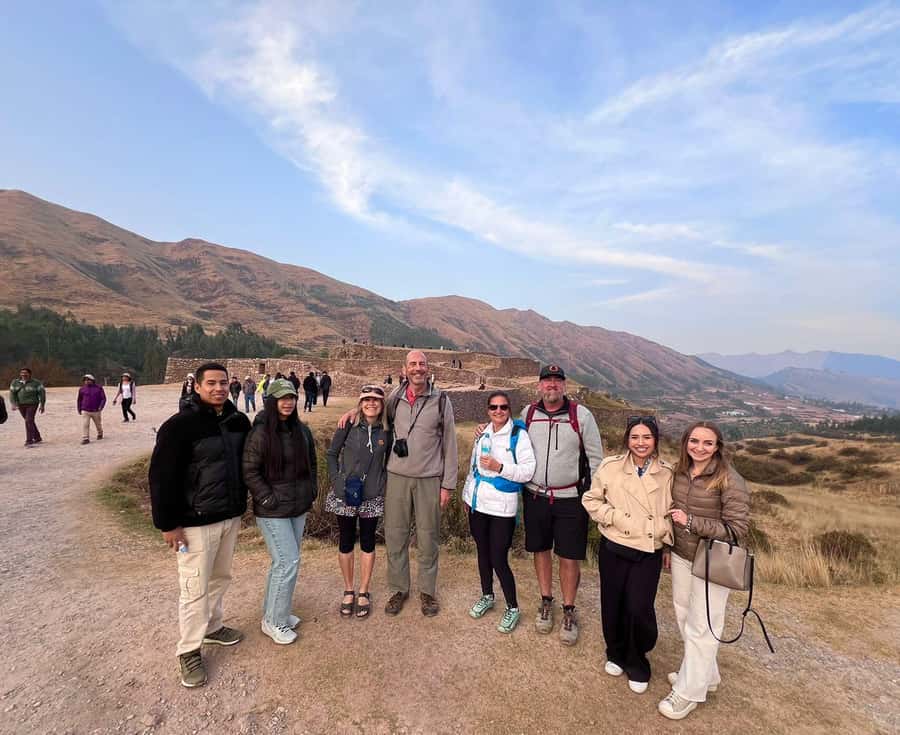
The final out-of-city stop is Tambomachay, an archaeological site with carved stone water channels. The tour notes that it may have been dedicated to a cult of water, which is a useful lens as you walk through.
You’ll get roughly 40 minutes here, which is the longest single segment after Sacsayhuaman. That extra time helps, because water channels tend to be more “discoverable” when you can pause and look more than once.
Tambomachay also tends to feel calmer than the fortress stops. Instead of big walls and defensive views, you focus on the engineering of water and how the stones were shaped to guide it.
When you’re done, you return to the historic center and finish near Plaza Regocijo. This is great because you can keep enjoying Cusco after the tour, rather than ending on the outskirts and wondering what to do next.
Price and value: the $18 tour price vs. the real-world ticket costs
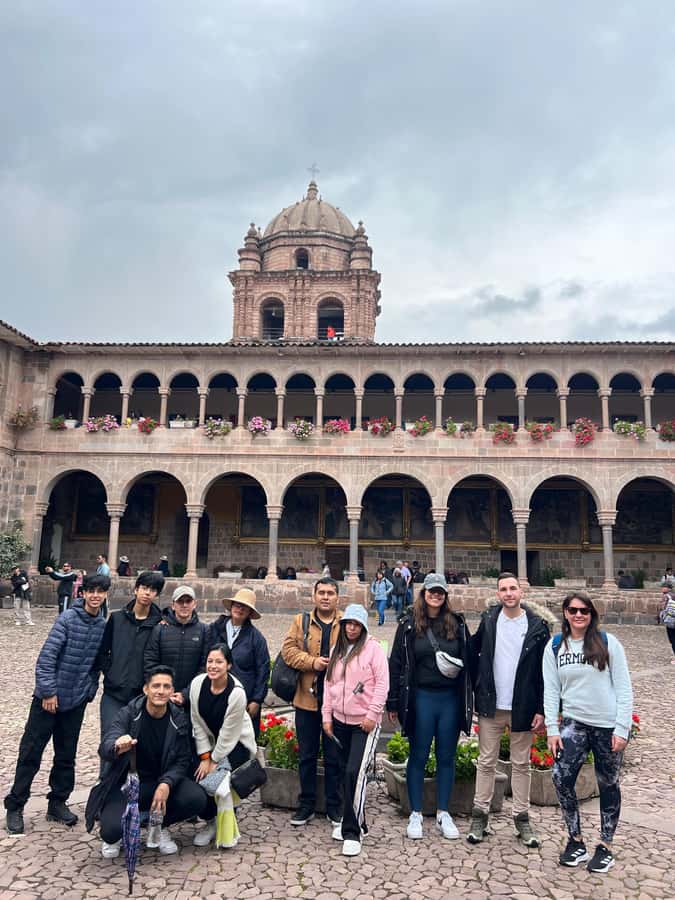
The listed price is $18 per person, and it includes:
- Tourist transport
- A professional guide
That’s a decent baseline. The guide is what turns these sites from “stone” into a story you can understand. The transport is also a big deal in Cusco, where moving between sites can become its own mini-journey.
The catch is the extra costs that aren’t included:
- Qoricancha entrance ticket: S/20.00
- Tourist ticket: S/70.00
- Meals aren’t included
So the real value depends on whether you plan to pay those site costs anyway. If you want Coricancha plus the main circuit around Cusco, you should assume you’ll pay the separate ticket fees. In that scenario, paying a guided tour price that covers transport and explanation can still feel like a bargain.
If you already bought a tourist ticket and you’re skipping Coricancha, then the value gets even better. If you’re unsure whether you need Coricancha, remember it’s optional—but the first stop is built into that opening block of time.
Timing, comfort, and how to survive this day without getting grumpy
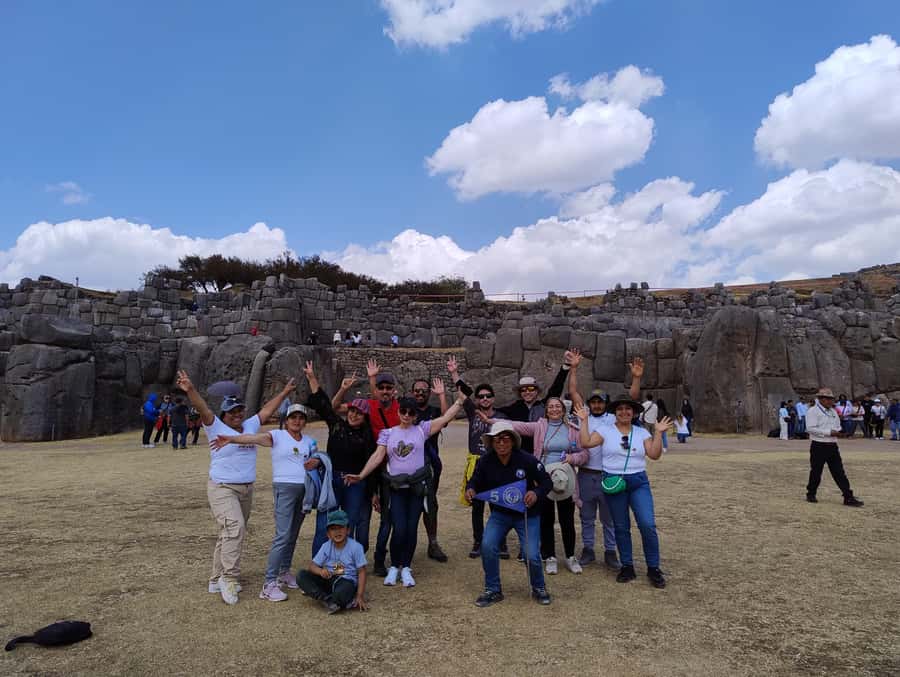
The tour is about 6 hours total, using a morning or afternoon shift. Since the schedule includes multiple short segments, you’ll do best if you prepare for a day of stop-and-go walking rather than one long continuous hike.
Bring:
- A camera (you’ll want it)
- Biodegradable sunscreen
- Comfortable clothes
- Cash
- A charged smartphone
Also, wear shoes that handle uneven ground. Many of these sites are outdoors, and the time includes walks and sightseeing. Even when you aren’t trekking, you’ll be standing and moving between viewpoints.
One more reality check: the tour is not suitable for pregnant women or people over 95. If you’re on the edge physically or your group includes someone with limited mobility, check with the provider so you understand how much walking is expected at each site.
A note on retail stops: if shopping time isn’t your thing, ask first
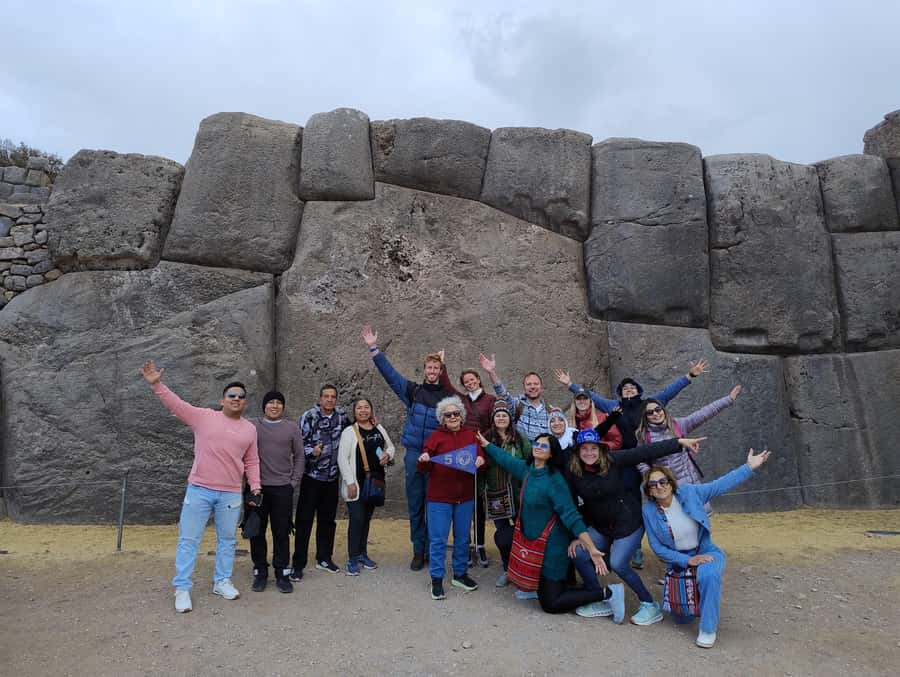
One possible wrinkle is that some versions of this kind of Cusco tour agenda can include a stop tied to alpaca sweaters (or similar retail). If that would annoy you, don’t wait until you’re on the minivan. Confirm the exact flow with Peru Adventure Trek before you go.
You don’t need to be anti-shopping to care. It’s about time and priorities. When you’re paying for a cultural circuit, you likely want that time to stay focused on the sites.
Who should book this Cusco tour (and who should skip it)
This is a strong pick if you want:
- A guided first pass at multiple Inca sites around Cusco
- Good value for transport plus explanation
- A schedule that fits into a half-day window
- A day that works for families and most ages (as stated)
It might not be the right fit if:
- You need a very slow pace
- You strongly dislike any shop-time detours
- Your group includes someone who falls under the stated limitations (pregnancy or age over 95)
The best match is someone who wants to see the highlights, learn the names, and leave with a clear sense of where Cusco’s sacred landmarks sit in relation to each other.
Should you book? My practical recommendation
Book it if you want a structured, guided loop that covers Sacsayhuaman, Qenqo, Puka Pucara, and Tambomachay, with Coricancha as an optional add-on. The mix of fortress views, ceremonial-astronomical context, military-site layout, and water-channel engineering makes the day feel varied rather than repetitive.
I’d hold back only if your priorities are extremely niche (like you want hours at one site only) or if you know you’ll be unhappy with any extra non-sightseeing time. If that’s you, ask for the exact schedule in advance and be clear about what you want to skip.
If you can handle short guided segments and quick free-time breaks, this is a smart way to spend a 6-hour day in Cusco without turning it into logistics homework.
FAQ
Where does the tour start?
You start at Plaza de Armas. You can also get hotel pickup if your hotel is near the plaza area.
What time options are available?
There are two shifts: a morning shift starting at 09:00 (ending around 14:00) and an afternoon shift starting at 13:00 (ending around 18:30), depending on availability.
Is Coricancha included?
Coricancha is offered as an optional first stop. The entrance ticket to Qoricancha is not included (S/20.00).
How much time do you spend at the main sites?
Sacsayhuaman is about 40 minutes, Qenqo about 30 minutes, Puka Pucara about 25 minutes, and Tambomachay about 40 minutes (plus scheduled photo and guided segments within each stop).
What’s included in the price?
The price includes tourist transport and a professional guide.
Are meals included?
No. Meals like breakfast and lunch are not included.
What tickets do I need to plan for?
A tourist ticket (S/70.00) is not included, and the Qoricancha entrance ticket is also not included. The tour lists these separately.
What languages is the guide?
The live guide is available in English and Spanish.
Can I cancel or change plans?
You can cancel up to 24 hours in advance for a full refund, and there is also a reserve now & pay later option (pay later) to keep plans flexible.